History
Formation of the cooperative movement, 1904–1922
Cantina Mezzacorona traces its foundation to 1904, when a small group of local winegrowers established the Cantina Sociale di Mezzocorona, the village’s first wine cooperative. Cooperation was conceived as a practical means of supporting growers and protecting the interests of the local agricultural community.
A second organization, the Lega dei Contadini di Mezzocorona, was founded in 1911 to defend small producers. In 1922 a third cooperative, the Cantina Produttori di Mezzocorona, began operating with objectives comparable to those of its predecessors.
Consolidation and Teroldego Rotaliano DOC, 1970–1971
In 1970 the Cantina Sociale and the Lega dei Contadini merged to form the Cantina Sociale Cooperativa di Mezzocorona. Teroldego Rotaliano had received DOC recognition in 1968, and in 1971 the cooperative released its first bottle of Teroldego Rotaliano DOC, among the earliest DOC wines bottled in Trentino. A bottle from that first production remains in the winery’s wine vault.
Creation of Cantine Mezzacorona, 1988
In 1988 the Cantina Produttori’s 137 members joined the Cantina Sociale Cooperativa’s 630 members, completing the merger of the local cooperative organizations. Cantine Mezzacorona emerged from this consolidation. The aim was to create a more unified winegrowing and production organization, improve quality and organizational capacity, benefit the surrounding community and respond more effectively to a competitive international market.
Integrated production takes shape, 1983–1991
The environmental programme began taking concrete form between 1983 and 1987, when copper was reintroduced in place of dithiocarbamate anti-downy-mildew products. This reduced reliance on more hazardous pesticides, protected beneficial mites and eliminated the need for acaricides.
In 1989 the book Natura e agricoltura was distributed to members, explaining integrated crop protection through the identification and conservation of beneficial insects and mites and the natural control of pests. In 1990 winegrowers adopted the Protocollo di Autodisciplina per la Produzione Viticola, developed by the Comitato Vitivinicolo Trentino—now the Consorzio di Tutela Vini del Trentino—with support from the Autonomous Province of Trento. The protocol supplied rules and guidance for integrated viticulture.
In 1991 mating disruption against Lobesia botrana was introduced across 13.7 ha in the Sottodossi area within Mezzocorona.
The Cittadella del Vino, 1993–2010
In 1993 the cooperative purchased the former Samatec industrial area in the Piana Rotaliana and began its environmental and industrial redevelopment as the Cittadella del Vino. The complex was planned from the outset around bio-architectural and energy-efficiency principles.
The cooperative expanded its regional alliances in 1994, when the Salorno winery became a member, and in 1995, when the Cantina Sociale di Ala followed. In 2000 a new vinification cellar was completed at the Cittadella. Together with the harvesting and winemaking centre at Arco, it became a hub for grape reception, transformation and wine maturation.
The centenary year, 2004, brought new bottling, storage and shipping premises, improving the organization of production and commercial operations and accommodating administrative functions. The Cittadella was completed in 2010 with a new wine-preparation cellar and an efficient bottling line capable of handling more than 15,000 bottles per hour.
Expansion of integrated vineyard protection, 2000–2013
A second technical volume, Natura e agricoltura: la produzione integrata attraverso la conoscenza delle principali malattie fungine del melo e della vite, was distributed to members in 2000 to develop knowledge of pathogenic fungi and their control.
Mating disruption against Lobesia botrana was extended to all Mezzacorona S.c.a. members in 2001. A double diffuser targeting both Lobesia botrana and Eupoecilia ambiguella followed in 2002. By 2003 mating-disruption methods were being applied across 9,700 ha of Trentino vineyards. In 2009 the regional self-regulatory protocol introduced criteria governing pesticide selection, with particular attention to the health of growers performing intensive manual vineyard work. A triple diffuser targeting Lobesia botrana, Eupoecilia ambiguella and Argyrotaenia ljungiana was introduced in 2013.
Museum route and certified sustainability, 2016–2017
In 2016 the Cittadella opened the historical-museum itinerary Le radici del nostro futuro. The visitor route leads to the original barrique cellar while recounting the development of wine culture and tradition in Mezzocorona and the Piana Rotaliana.
Also in 2016, all winegrowing members obtained ministerial SQNPI certification for their grapes through coordination by the Consorzio di Tutela Vini del Trentino. In 2017 the winery received SQNPI certification for the production of all its DOC wines, extending independently controlled integrated-production requirements from vineyard to bottle.
During 2017 mating disruption was reinforced against the mealybug Planococcus ficus across approximately 500 ha in Ala and the Arco–Dro area. The measure responded to the pest’s spread in Trentino as temperatures rose and drew on trials previously conducted within the wider organization’s Sicilian operations.
Recent environmental investment, 2019–2024
Between 2019 and 2021 the Arco collection centre received major technological upgrades. Its processing-water treatment capacity was expanded and a new biological treatment plant with membrane filtration was completed. In 2020 agronomists and members also inspected vineyards to identify vines affected by flavescence dorée.
On 5 June 2024 Cantina Mezzacorona celebrated the 120th anniversary of its foundation.
Terroir
Trentino setting
The members’ vineyards extend across approximately 2,500 ha in Trentino, from Alpine valleys and mountain slopes to areas influenced by Lake Garda. The territory combines highly varied soils with Alpine, continental and Mediterranean microclimates. Individual varieties are assigned to the environments considered best suited to them rather than being cultivated uniformly across the region.
Piana Rotaliana
Cantina Mezzacorona stands in the Piana Rotaliana, between Mezzocorona, Mezzolombardo and Grumo San Michele all’Adige. The plain contains approximately 450 ha of vineyards and was formed around the meeting of the Noce and Adige rivers. Repeated historical flooding by the Noce deposited successive layers of earth, mud and alluvial material.
The upper rooting layer contains limestone sediments, substantial carbonatic rock and other materials. Beneath it lies a layer of rounded stones and rocks of differing sizes, followed by an aquifer that supplies water to the roots. The surrounding vertical Dolomite walls store and later release heat while also sheltering vineyards. Air flowing from the convergence of the Val di Non and Valle dell’Adige moderates temperature and atmospheric humidity.
Pinot Grigio environments
Pinot Grigio is associated particularly with the Piana Rotaliana and Valle dell’Adige. One described sector was first planted to vines in the 1950s. Its loamy soils have limited soil depth and a shallow water table, approximately 50–100 cm below the surface, providing fertility and sufficient water even during drought. Rock walls protect the area from cold late-winter and early-spring winds and reflect solar warmth during the growing season.
The Alpine climate and marked day–night temperature differences help preserve acidity and freshness. Mountain breezes moving through the Valle dell’Adige reduce humidity, limiting conditions favourable to mould and fungal disease. Production yields are managed by zone because exposure and environmental potential differ among growing areas.
Vallagarina and Ala
Marzemino is grown in Vallagarina, including the hills of Ala where the Val di Ronchi opens into the valley. The southern Trentino landscape is framed by the Piccole Dolomiti and Monte Baldo and moderated by Lake Garda. Glacial erosion formed gentle hills and fertile promontories, while valley orientation provides favourable exposures. Lake breezes soften the local climate.
Val di Cembra
Müller Thurgau vineyards lie near Cembra and Ville di Giovo in the Val di Cembra. Elevations identified as suitable range from approximately 500 to 750 m, with less sunny exposures preferred at roughly 500–550 m. The soils are sandy or loamy and often contain abundant rounded stones, with limited water reserves. Porphyry slopes are organized into terraces retained by dry-stone walls. Strong temperature variation between day and night supports aromatic development while preserving acidity, freshness and minerality.
Winemaking
Cantina Mezzacorona’s vineyard model combines intensive manual work, the traditional Trentino pergola and certified integrated production. Approximately 600 hours of work are devoted to each hectare annually. The winegrowing members tend and harvest the vineyards by hand, supported by a team of agronomists.
Only Trentino pergolas and certified rooted cuttings are used. The pergola’s inclined, expanded canopy captures light while shielding bunches from direct sunlight and scorching, and it improves ventilation around the fruit. The system requires manual vineyard work and gives the landscape its characteristic wave-like profile.
Soils are nourished with organic matter, including residues from pruning and leaf removal. Hedges and dry-stone walls are retained as habitat for species within the vineyard ecosystem. Grass is cut with regard to the maturity of the plant species present. Drip systems are widely used for supplementary irrigation and more efficient water use.
Pest control relies substantially on mating disruption to reduce pesticide use. The programme began with Lobesia botrana, subsequently added Eupoecilia ambiguella and Argyrotaenia ljungiana, and was later adapted to Planococcus ficus. Vineyard protection products are selected under an integrated-production protocol designed to protect vines, the environment, growers and consumers. Synthetic pesticides and fertilizers are used sparingly.
For Teroldego, growers cut the tips of the generous bunches several days before harvest to concentrate the fruit. Harvesting and bunch selection are manual so that intact, selected grapes reach the cellar. Pinot Grigio is likewise harvested entirely by hand, avoiding crushed fruit, oxidation, aroma loss and compromised hygiene. Sugar concentration is a principal harvest-quality criterion, while production yields are controlled according to the potential of each zone.
All winegrowing members obtained SQNPI certification for grapes in 2016 through the Consorzio di Tutela Vini del Trentino. The winery obtained SQNPI certification for all DOC wines in 2017, establishing controlled integrated production across the chain from vineyard to bottle. Equalitas Sustainable Organization certification has been held since 2020. The certification portfolio also includes organic-operator status for organic production and handling since 2015, but this does not define the entire vineyard holding as organically farmed.
Production centres
The Cittadella del Vino at Mezzocorona and the harvesting and winemaking centre at Arco form the principal system for grape collection, transformation and wine maturation. A dedicated vinification cellar opened in the Cittadella in 2000. Bottling, storage and shipping premises followed in 2004, and the complex was completed in 2010 with a new wine-preparation cellar and a bottling facility capable of exceeding 15,000 bottles per hour.
Cellar design and environmental control
Approximately 75% of the cellar is underground, allowing suitable temperature and humidity to be maintained substantially through the building’s design. Natural and LED lighting is used extensively. The winery recovers and reprocesses production waste, operates 100% separate waste collection and uses lower-impact detergents. Cleaning systems are designed to reduce water consumption. The Arco centre’s water-treatment infrastructure was enlarged between 2019 and 2021 and supplemented by biological purification with membrane filtration.
Maturation cellar
The barrique cellar maintains controlled temperature and humidity for the maturation of both red and white wines. The oak programme uses French wood selected with attention to stave maturation and gentle toasting. Container formats include 225-litre barriques, 500-litre tonneaux and large casks of 50, 68 and 75 hl. The range of formats is intended to balance the wines’ own aromas with those contributed by the wood and to preserve their connection with the Trentino territory.
Energy
The Cittadella integrates a 386 kWp photovoltaic installation and 278 solar panels for thermal-energy production. The largely underground structure, natural light and LED systems further reduce energy demand.
Philosophy
Cantina Mezzacorona places cooperation at the centre of its identity: the shared work of more than 1,500 member families is presented as the connection between its past, present and future. Agricultural tradition is combined with agronomic expertise, modern production technology and integrated vineyard management.
Its stated goal is to preserve or rebuild harmony between people and nature while expressing the character of Trentino through the varieties suited to each growing environment. Care for the land, fruit and local community; environmental and social responsibility; authenticity; regional typicity; continuity of tradition; hospitality; and transparency form the principal themes of its sustainability manifesto.
The cooperative defines sustainability as a responsibility extending across the entire chain—from mutual support among members and manual vineyard cultivation to grape delivery, processing, maturation, bottling, energy use, water treatment, waste recovery and responsible consumption. Its environmental ambition is to leave the land in better condition than it was received.
The approach to wine culture is equally social. Cantina Mezzacorona promotes informed, moderate consumption as part of a balanced lifestyle, preferably shared with food, water, friends and family.
Wines
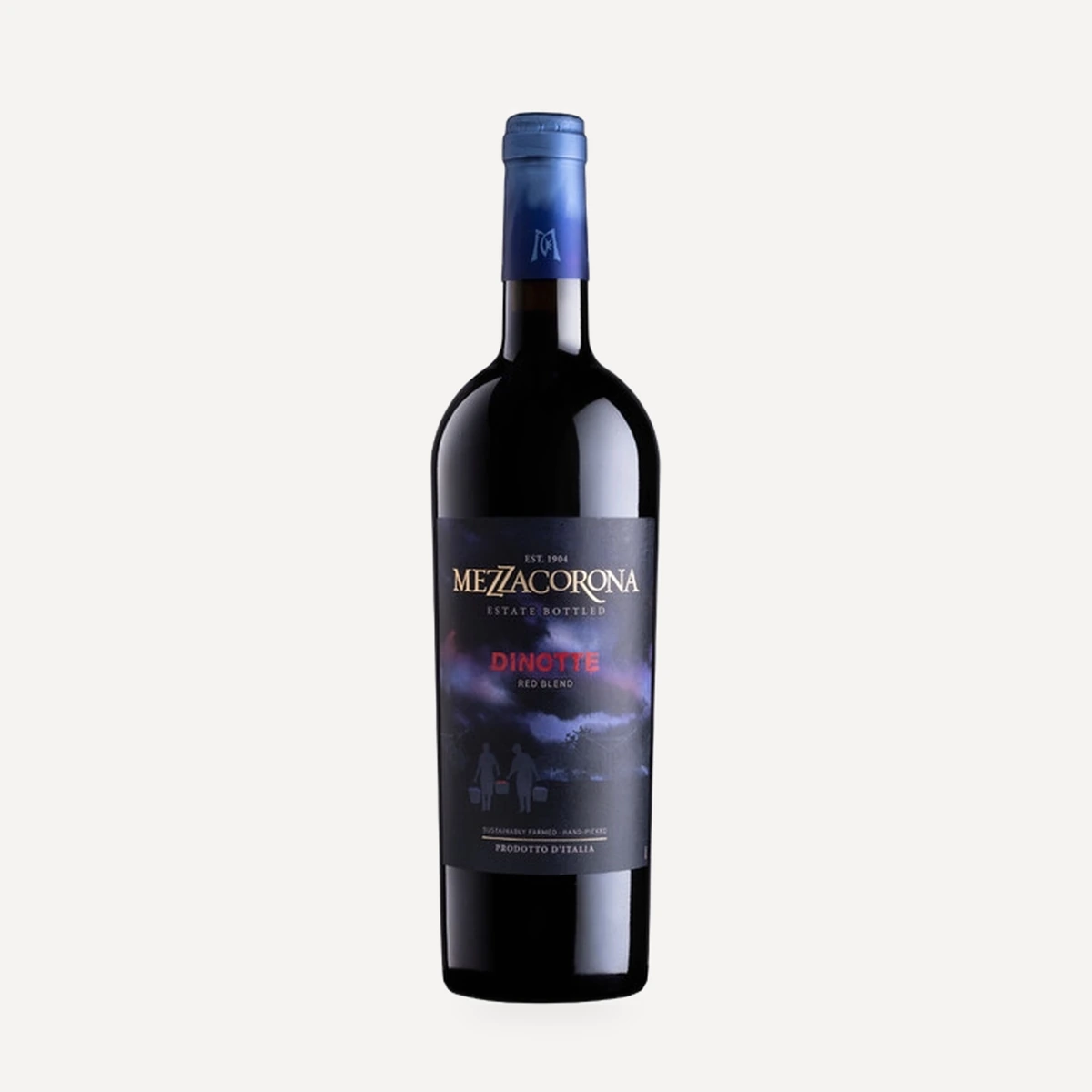
Specialità Dinotte Red Blend Vigneti delle Dolomiti IGT
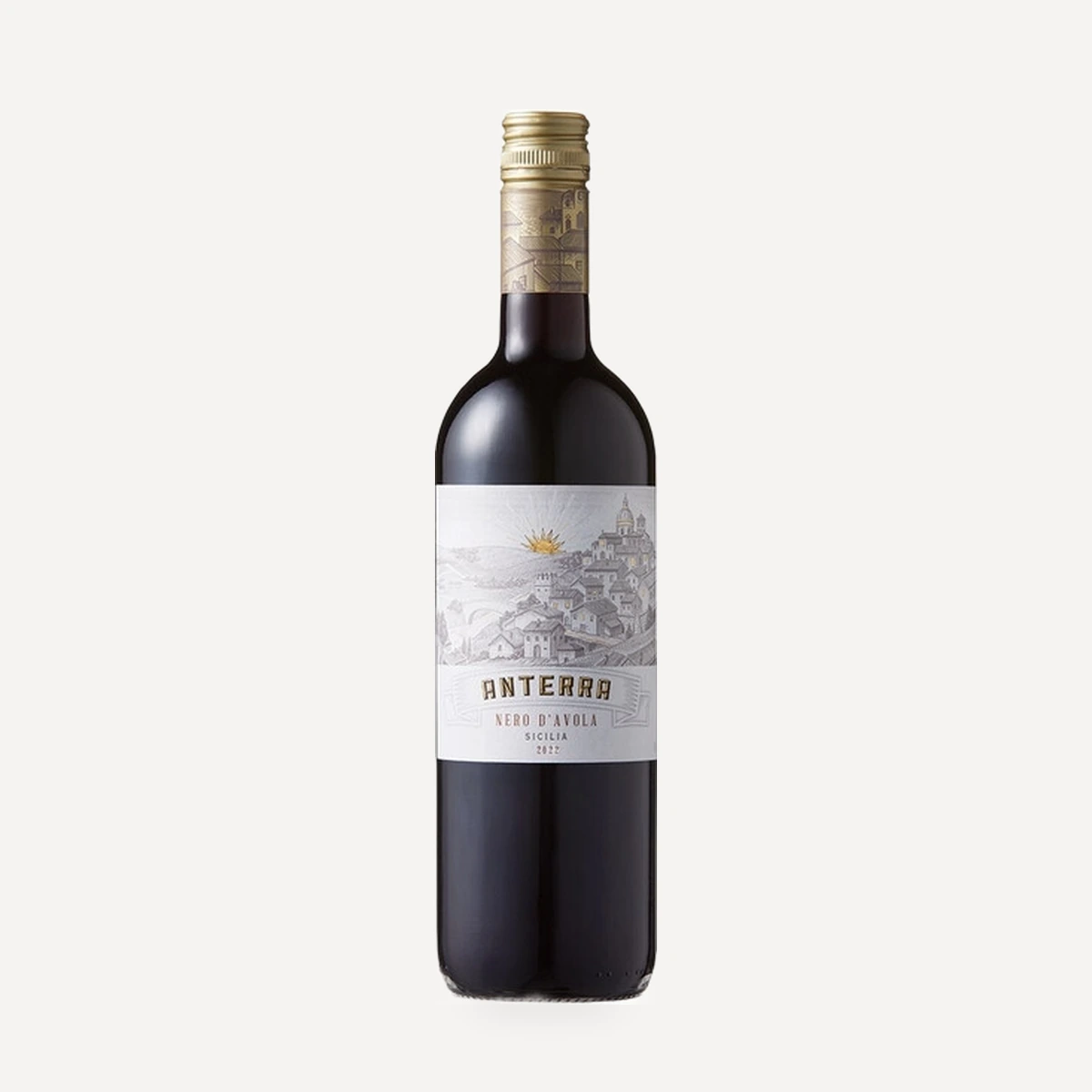
Anterra Nero d'Avola Sicilia DOC
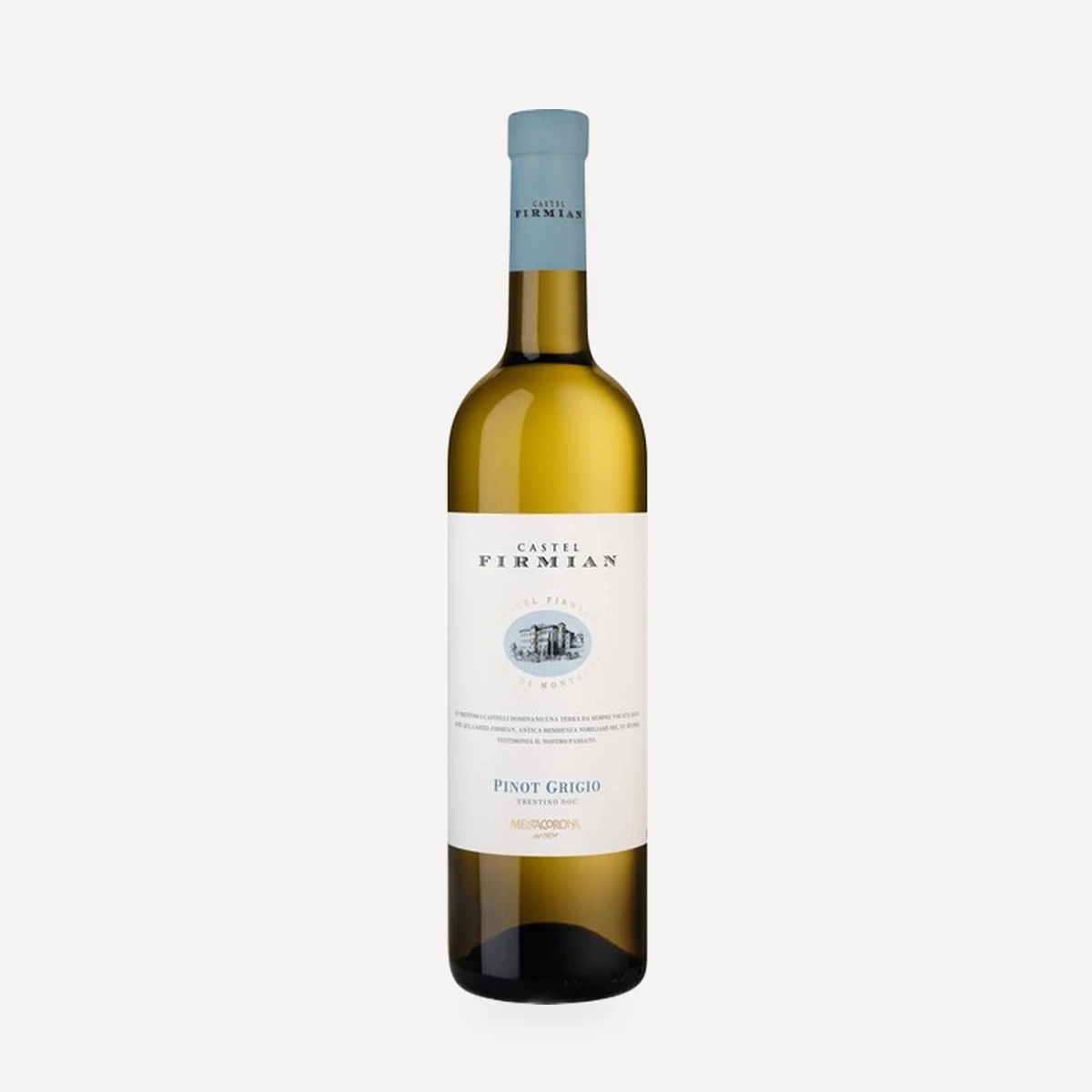
Castel Firmian Pinot Grigio Trentino DOC
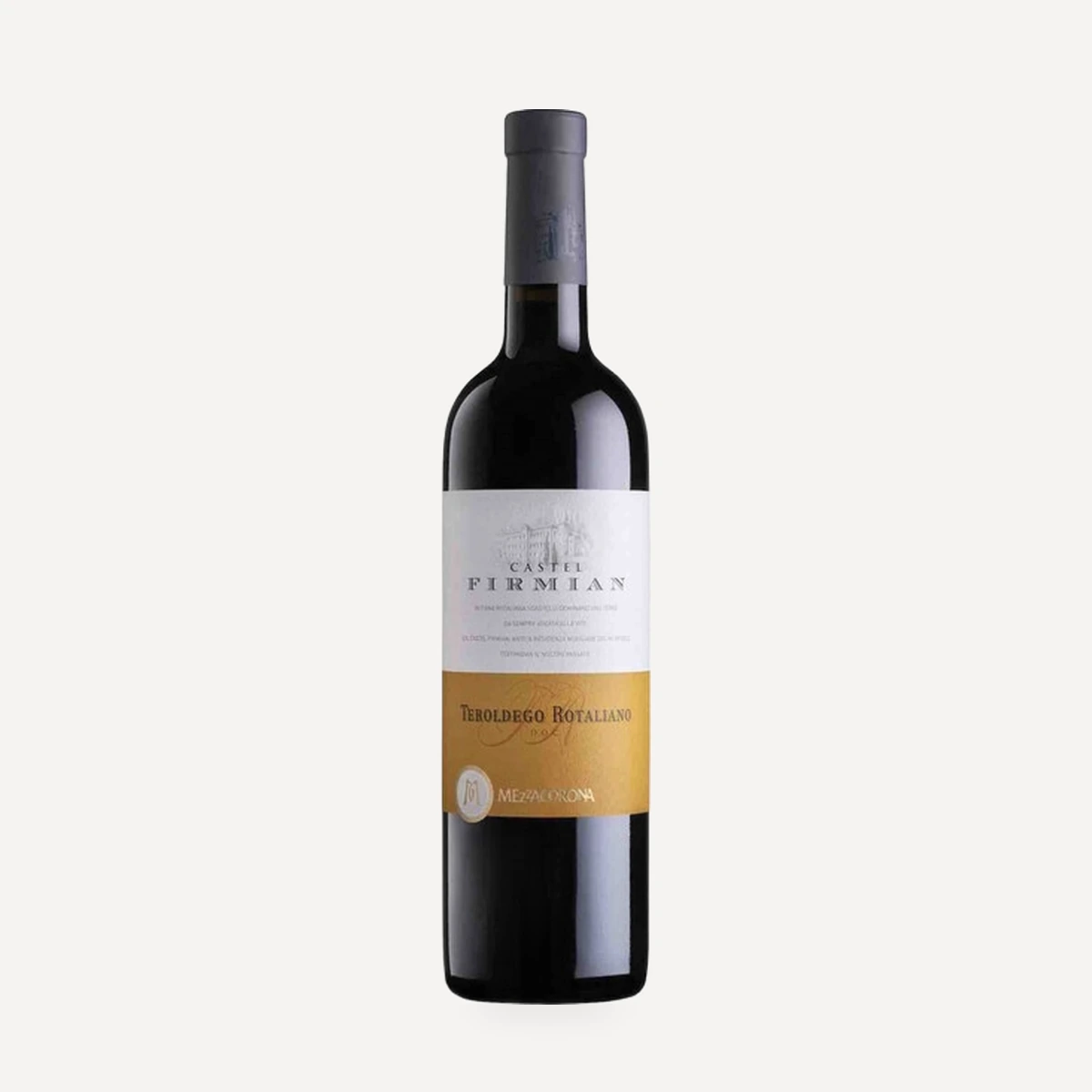
Castel Firmian Teroldego Rotaliano DOC
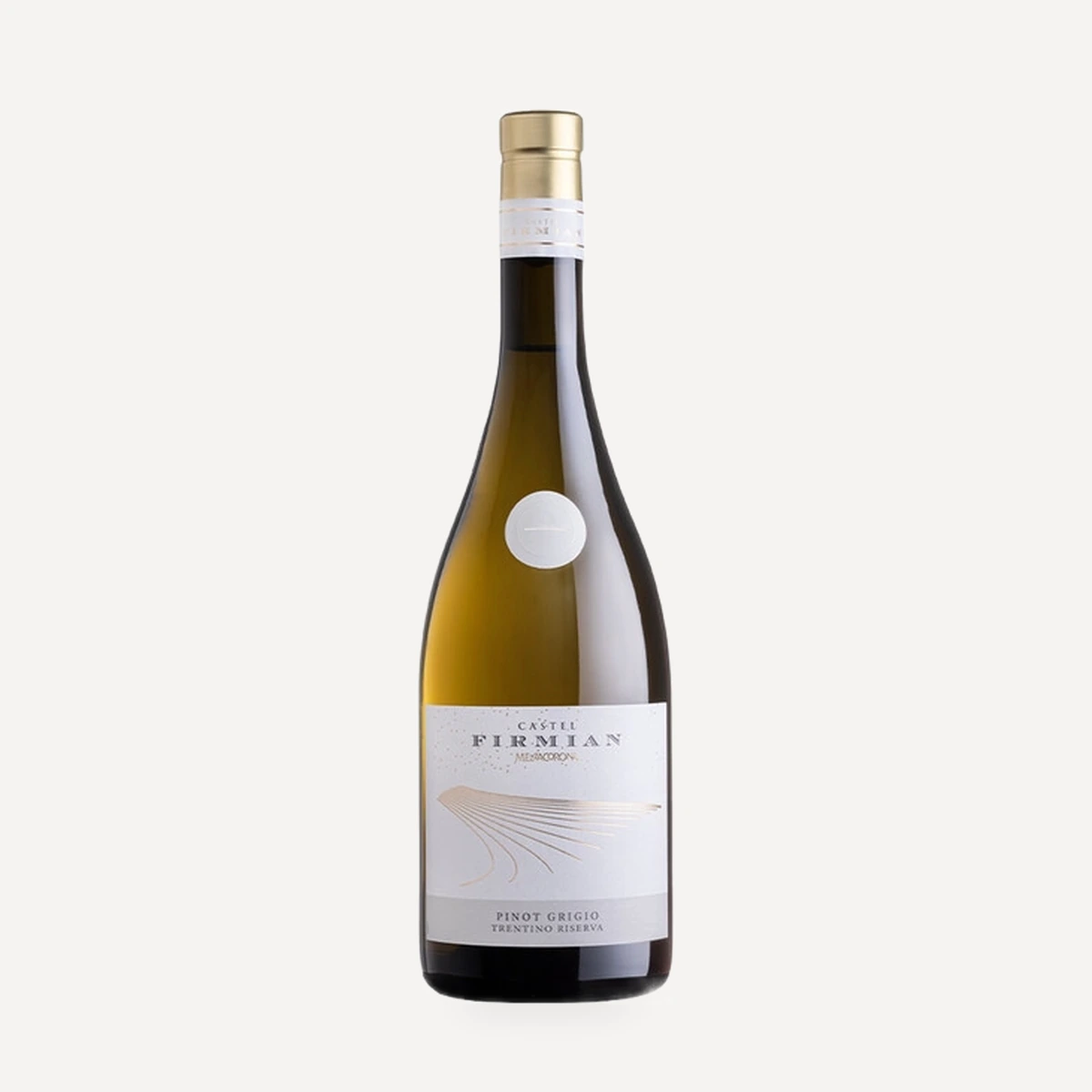
Castel Firmian Riserve e Superiori Pinot Grigio Trentino Riserva DOC
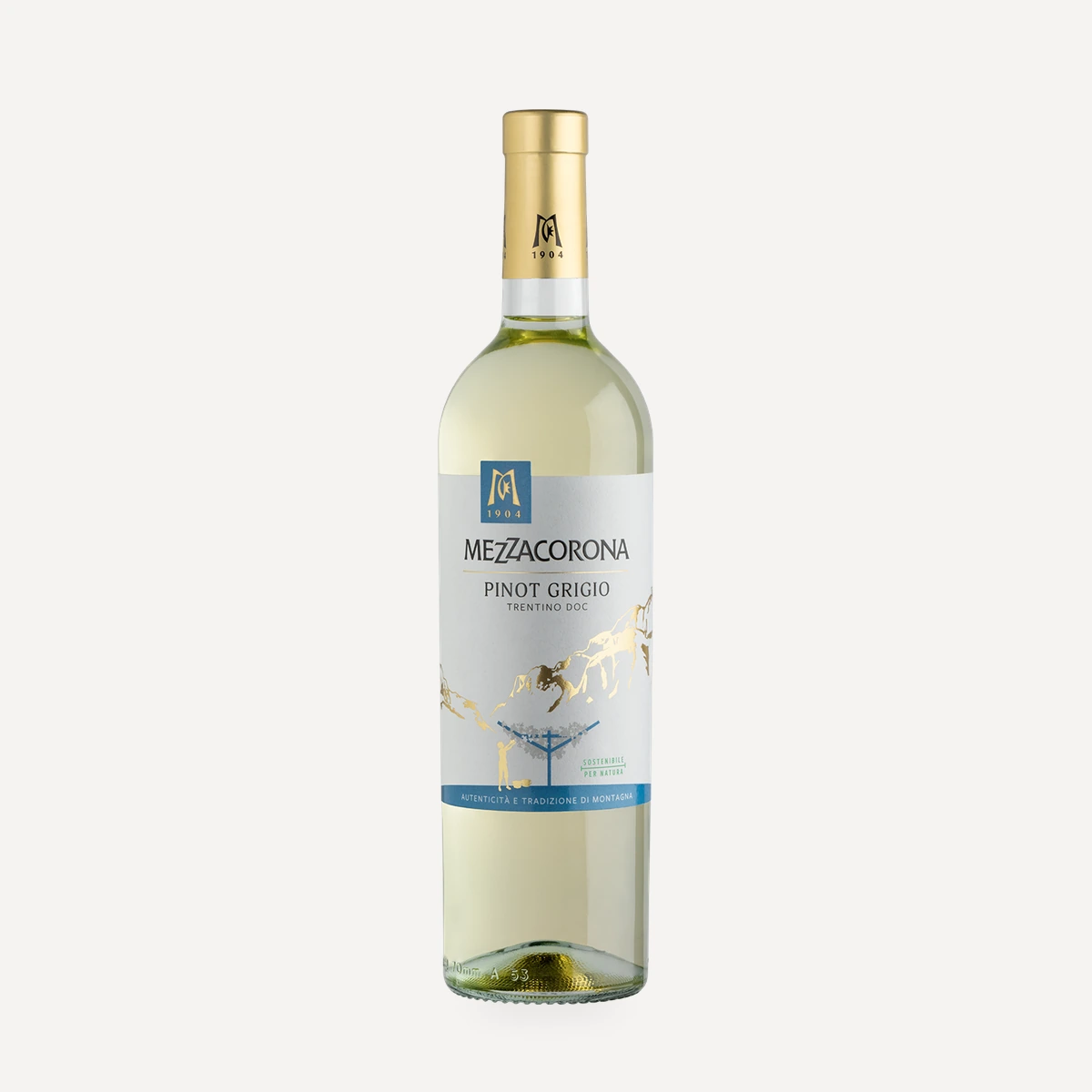
Classici Pinot Grigio Trentino DOC
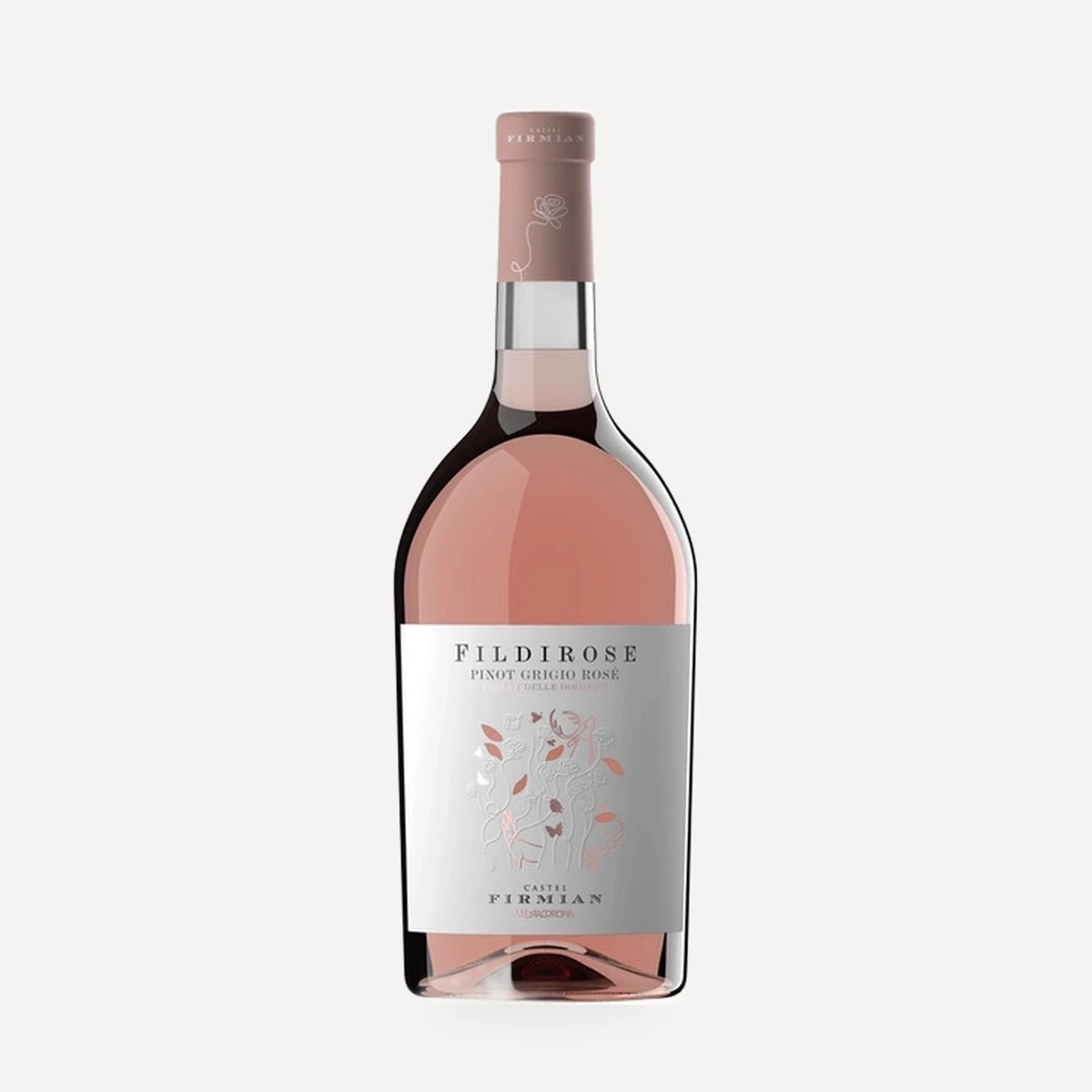
Selezioni Fildirose Vigneti delle Dolomiti IGT
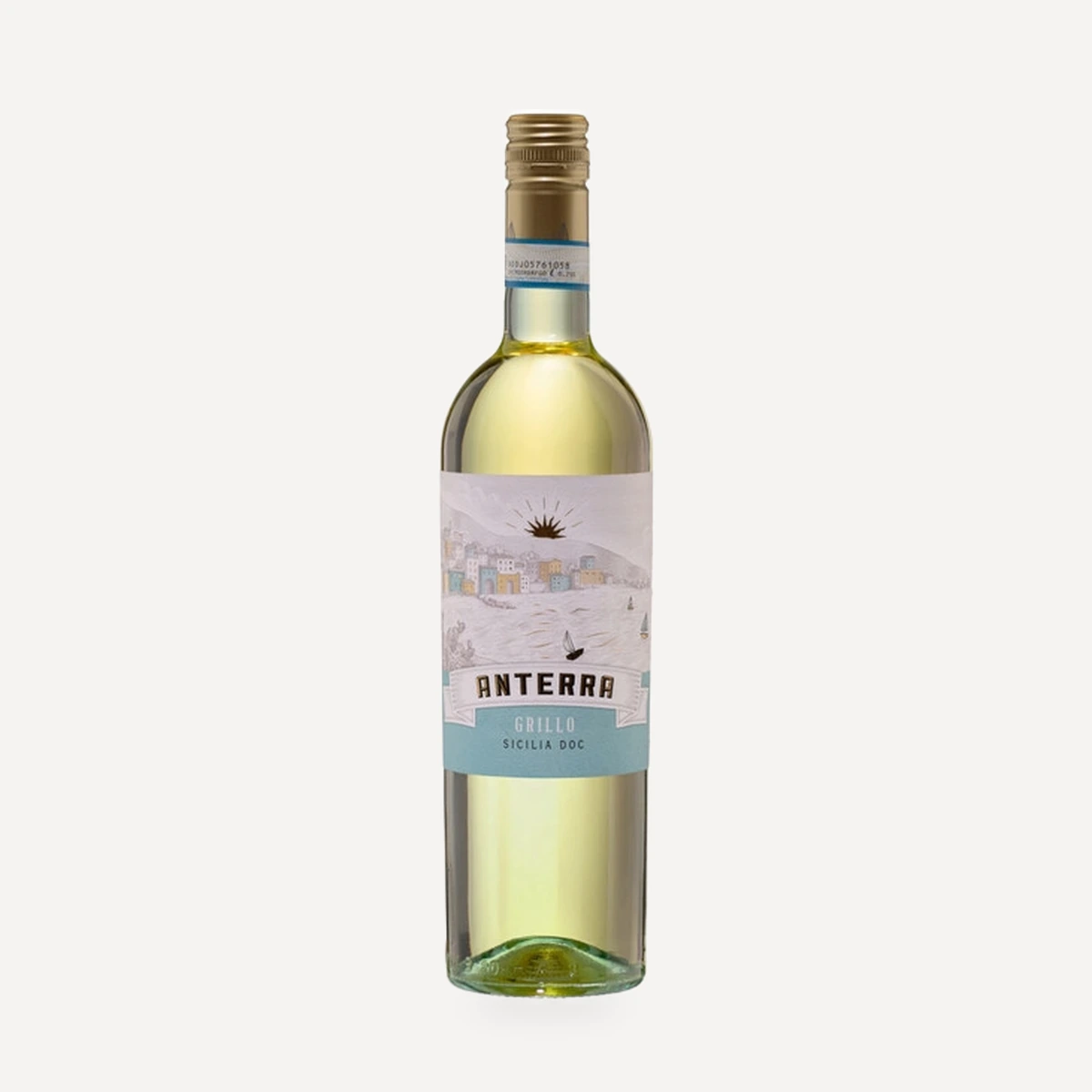
Anterra Grillo Sicilia DOC
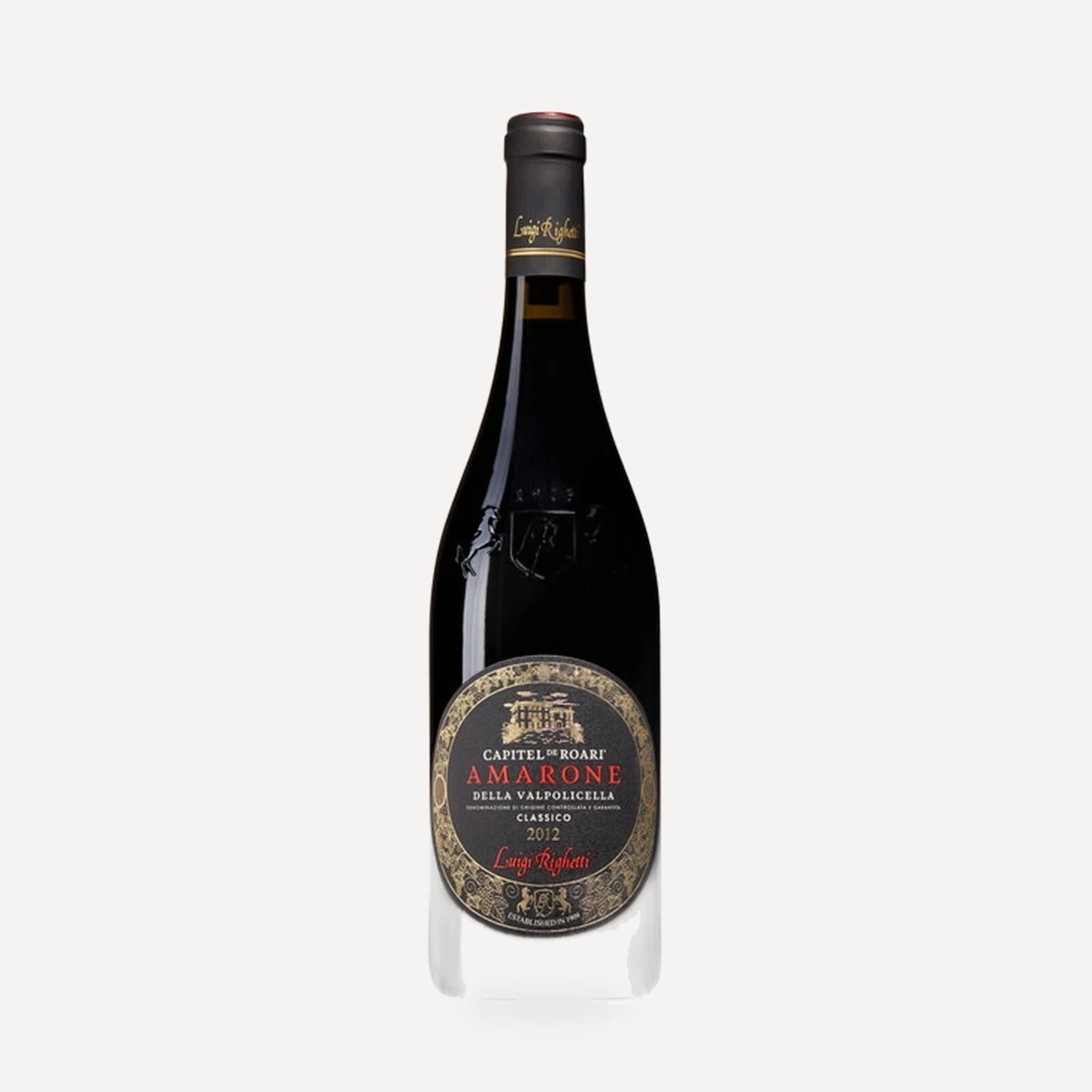
Capitel De Roari Amarone della Valpolicella Classico DOCG
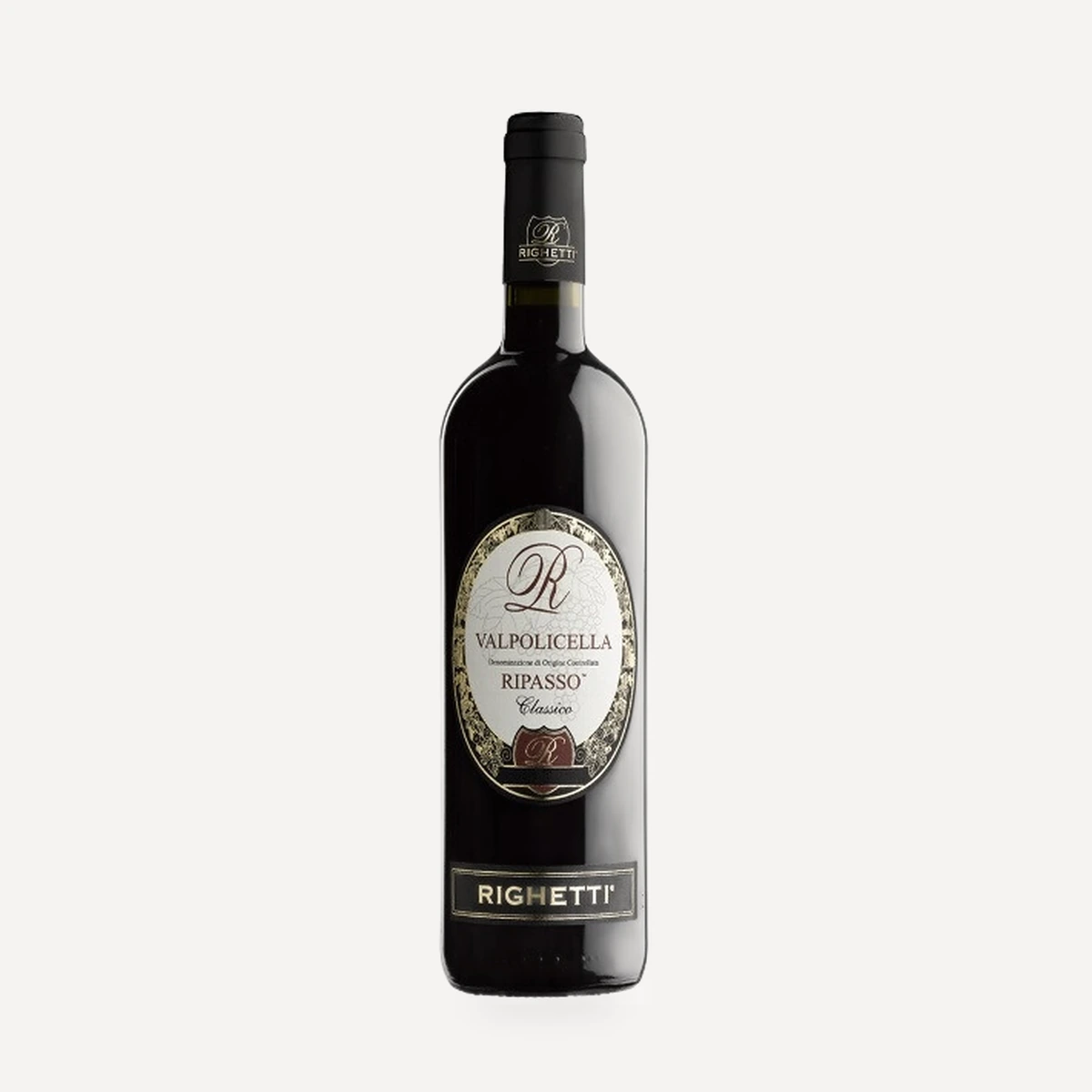
Valpolicella Ripasso Classico DOC
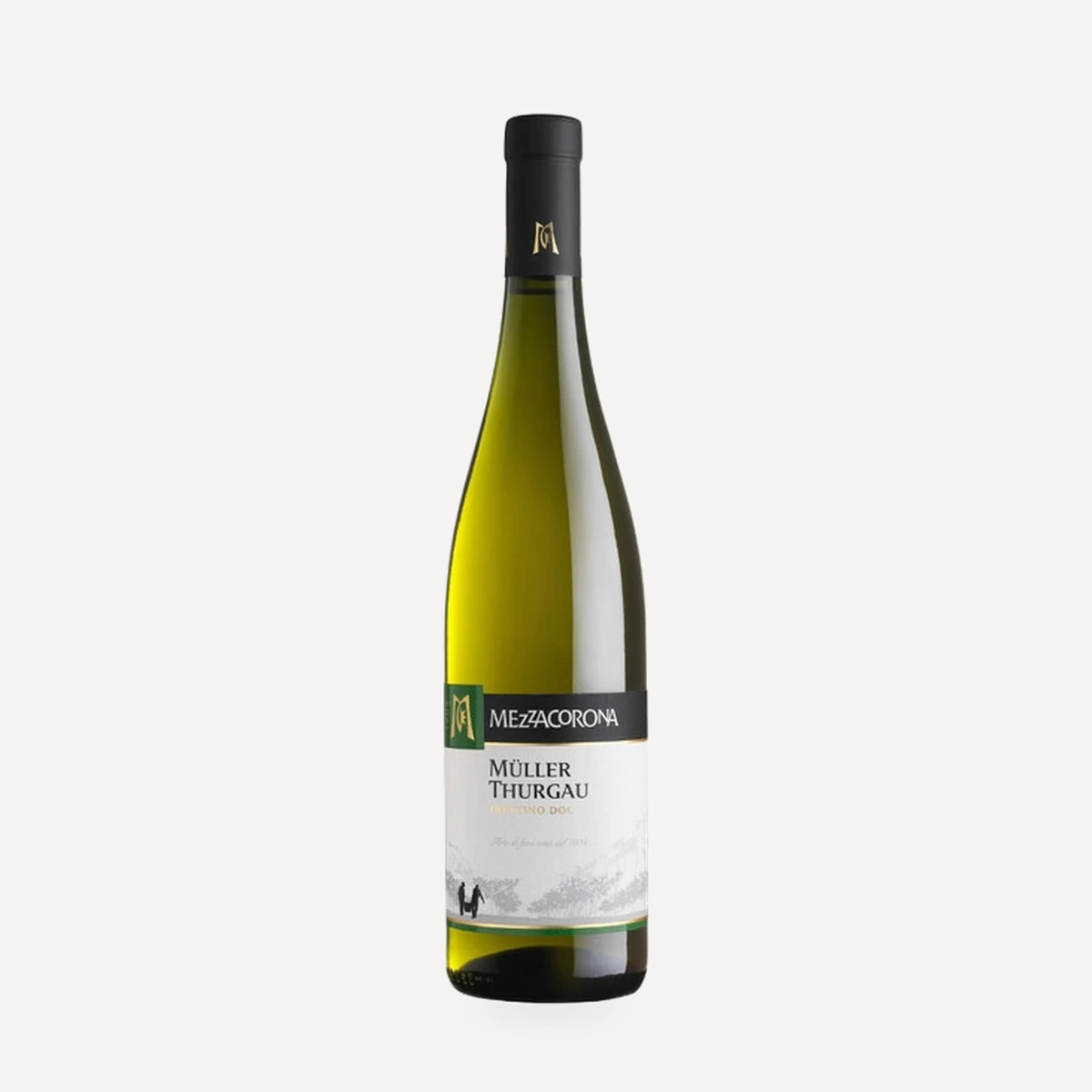
Classici Müller Thurgau Trentino DOC
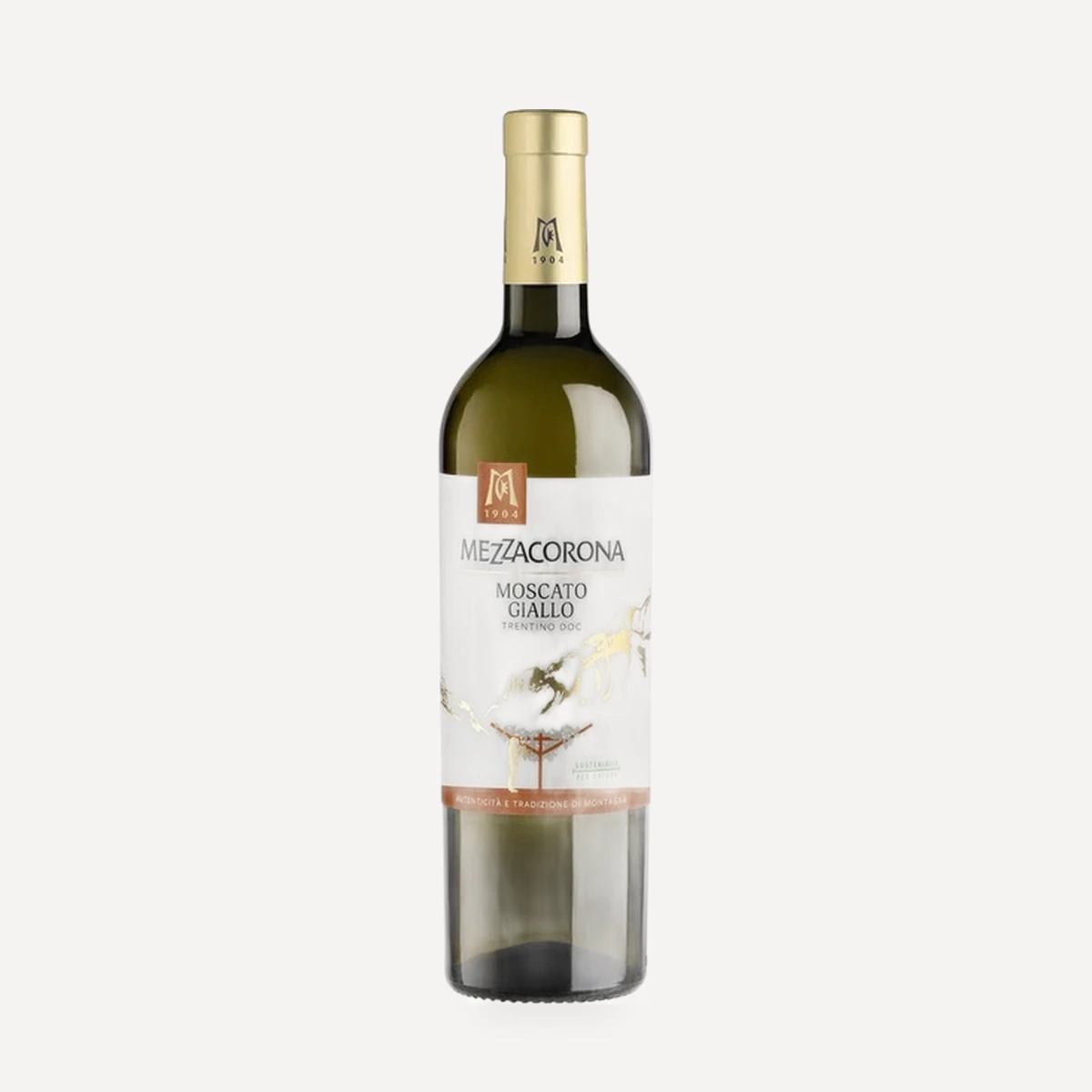
Classici Moscato Giallo Trentino DOC
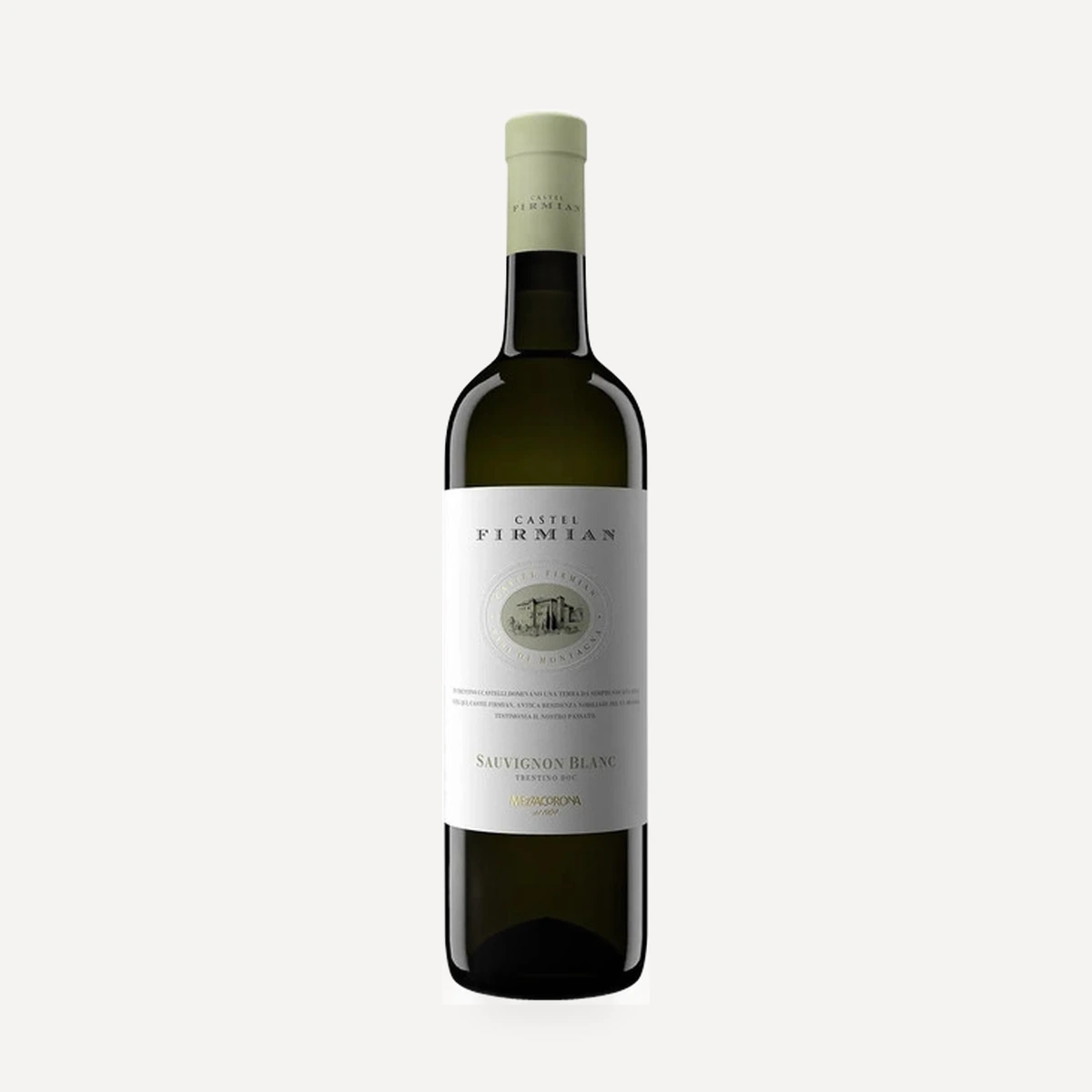
Castel Firmian Sauvignon Blanc Trentino DOC
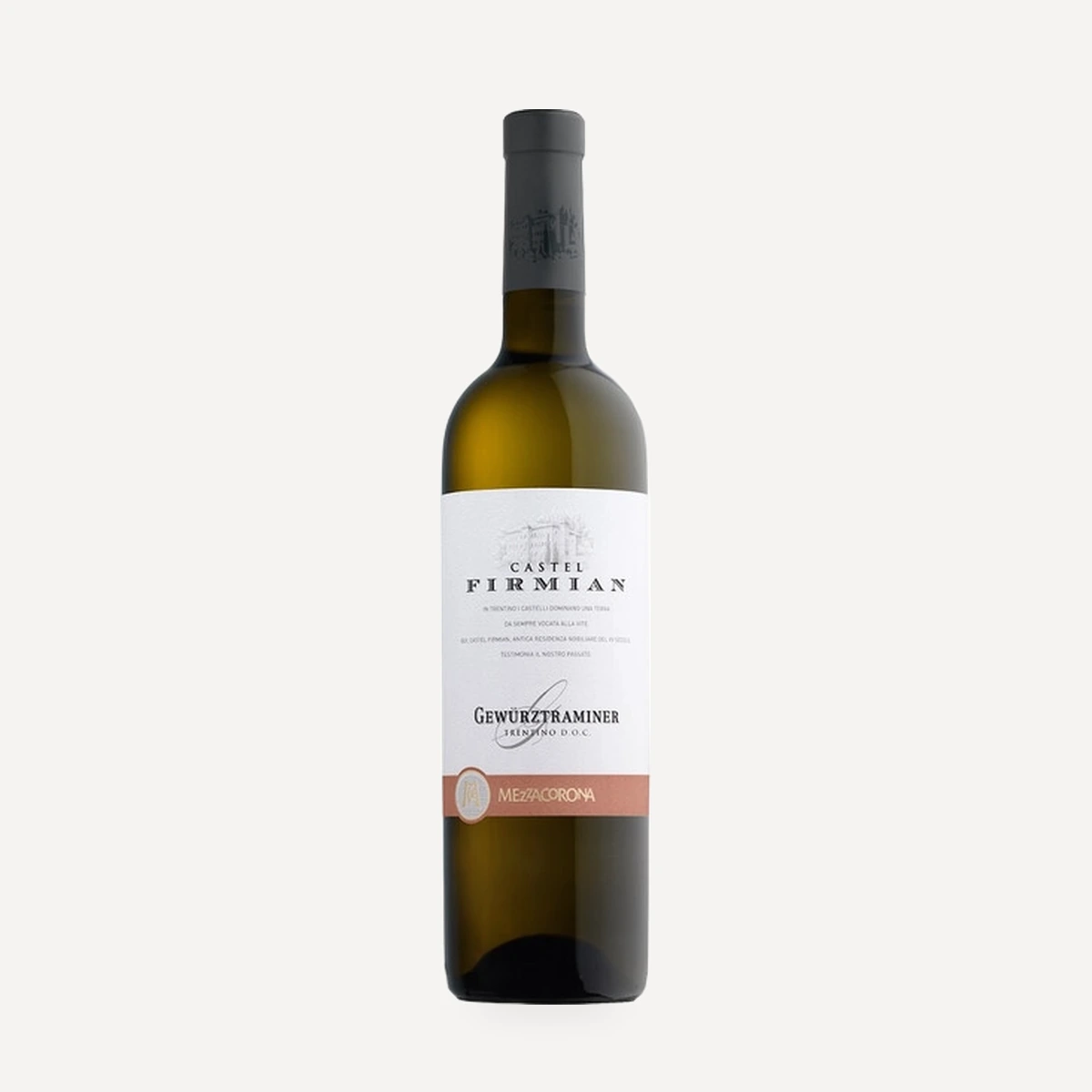
Castel Firmian Gewürztraminer Trentino DOC
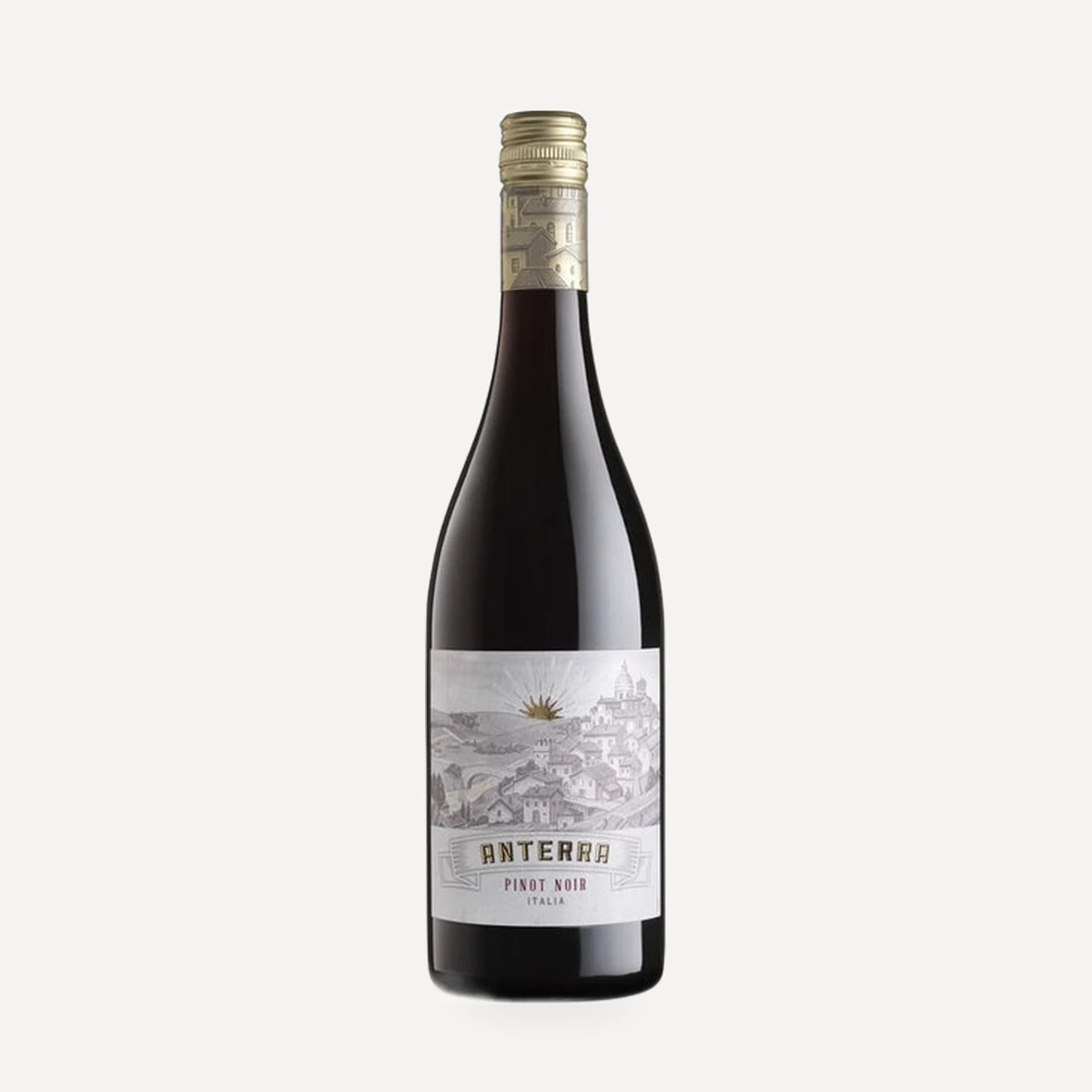
Anterra Pinot Noir Terre Siciliane IGT
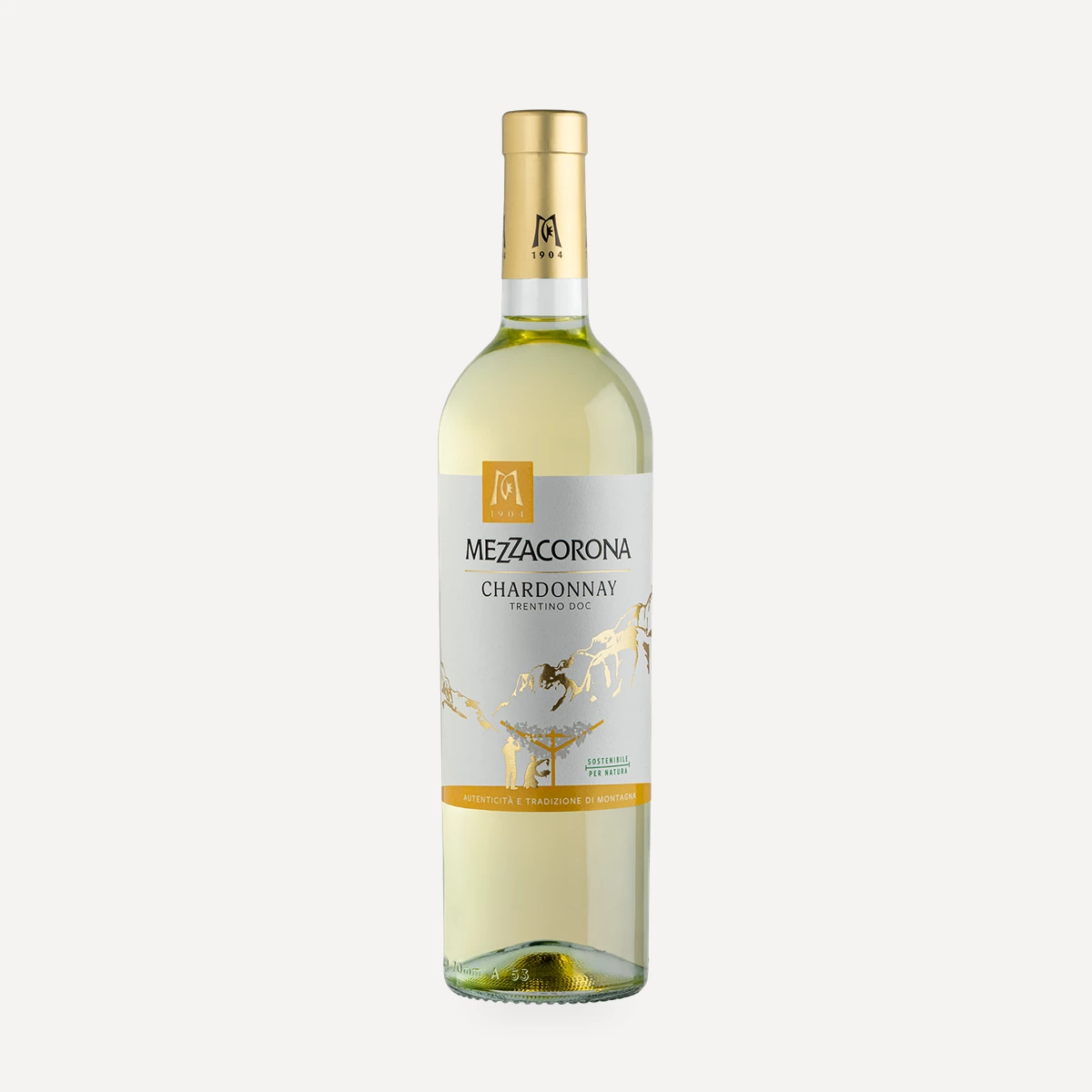
Classici Chardonnay Trentino DOC
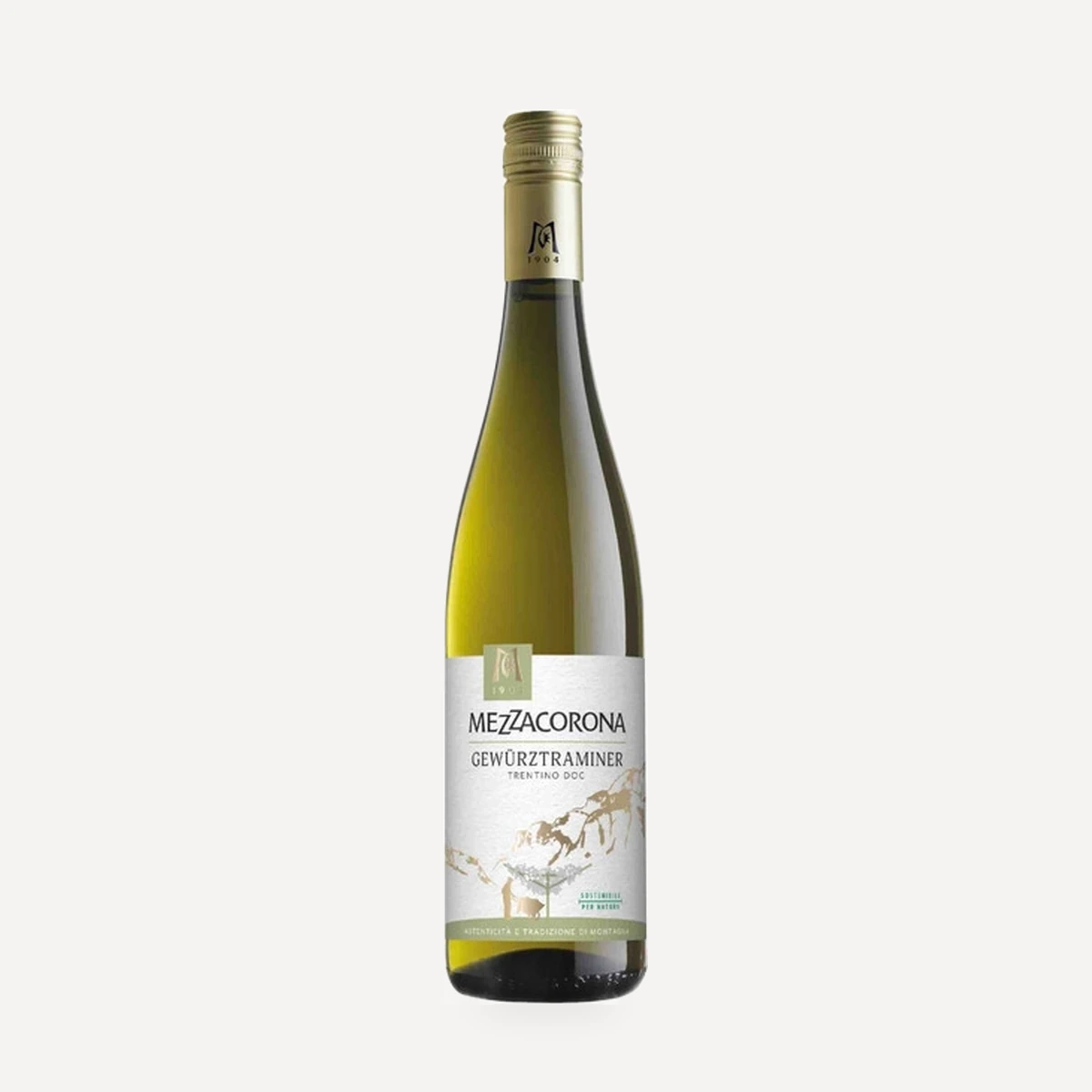
Classici Gewürztraminer Trentino DOC
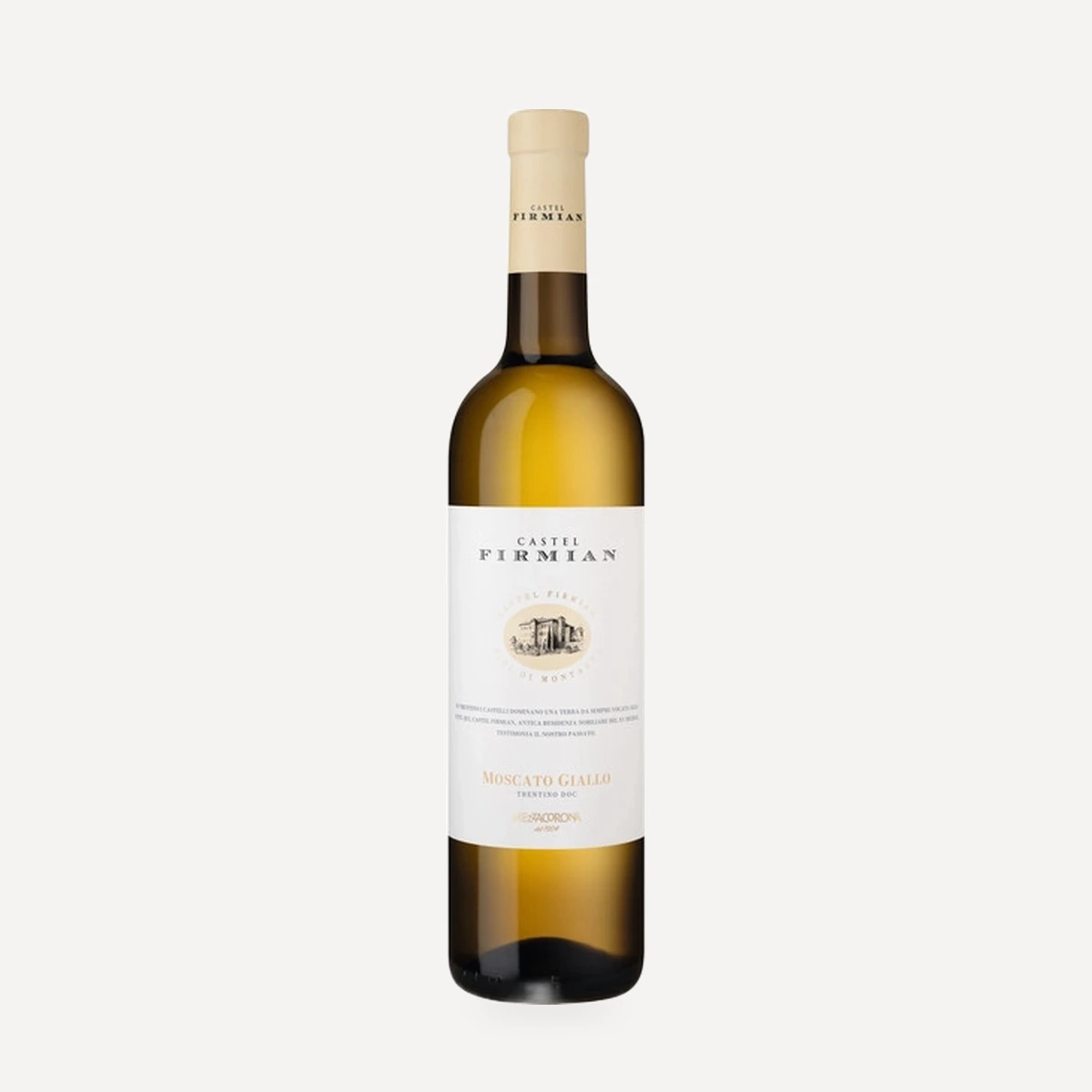
Castel Firmian Moscato Giallo Trentino DOC
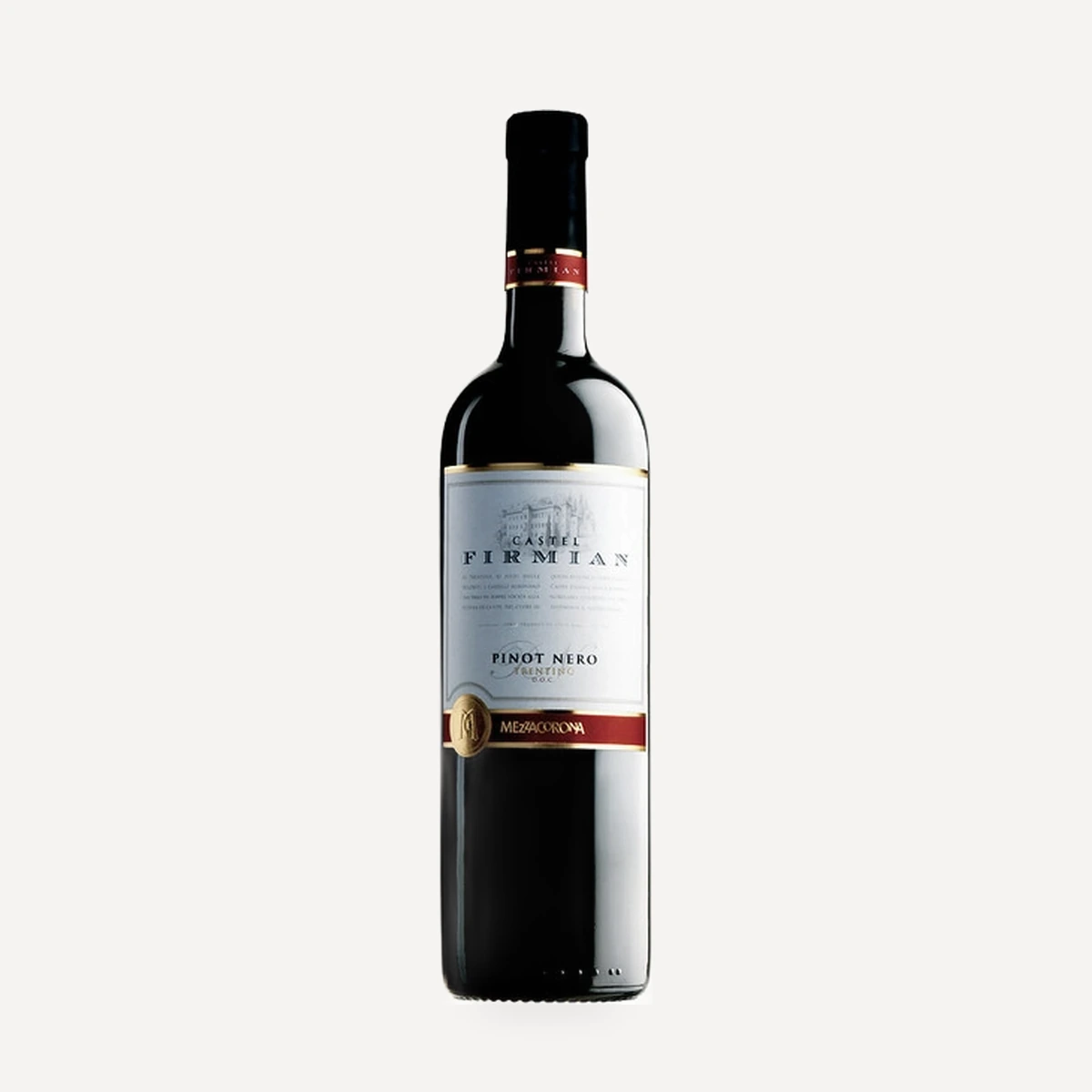
Castel Firmian Pinot Nero Trentino DOC
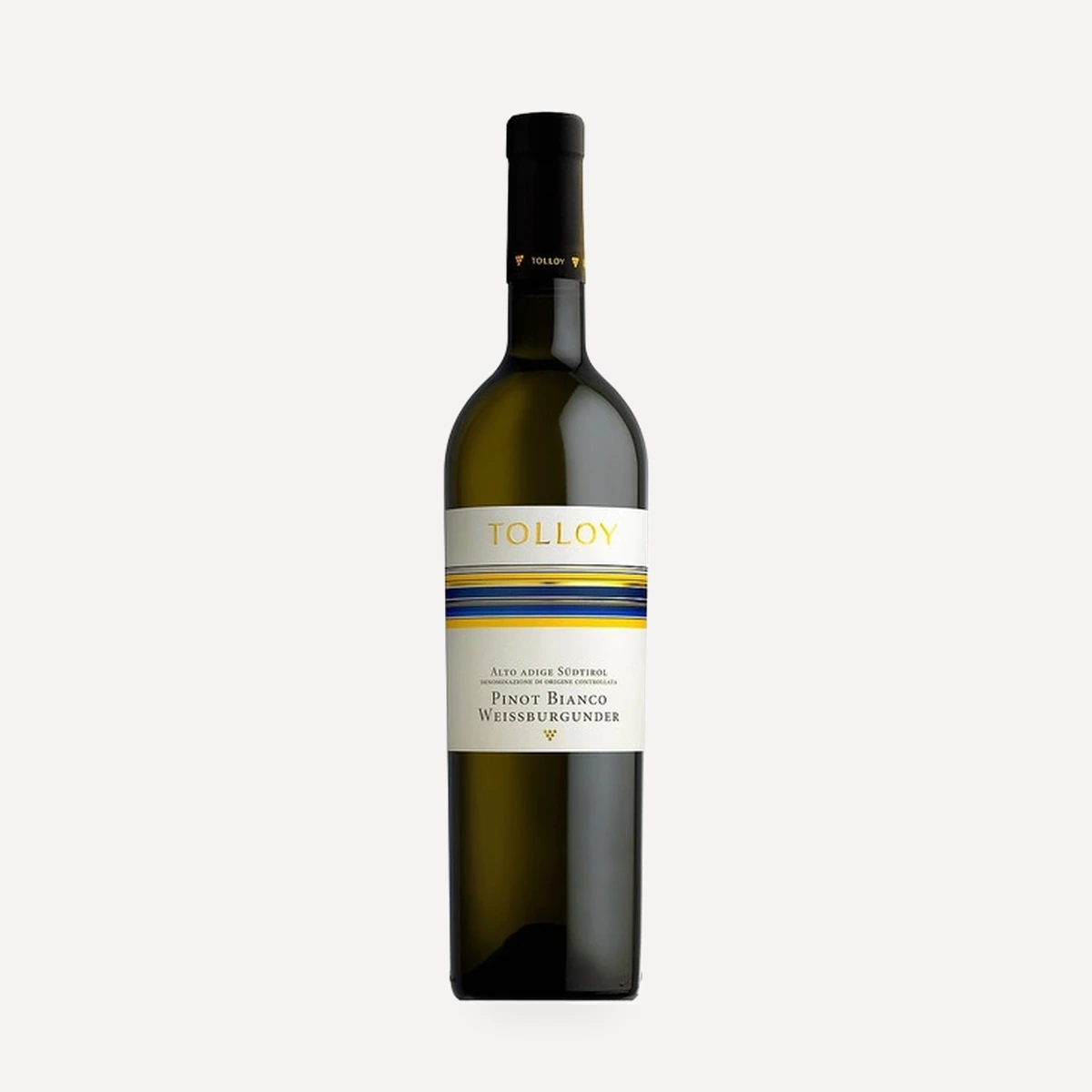
Tolloy Pinot Bianco Alto Adige DOC
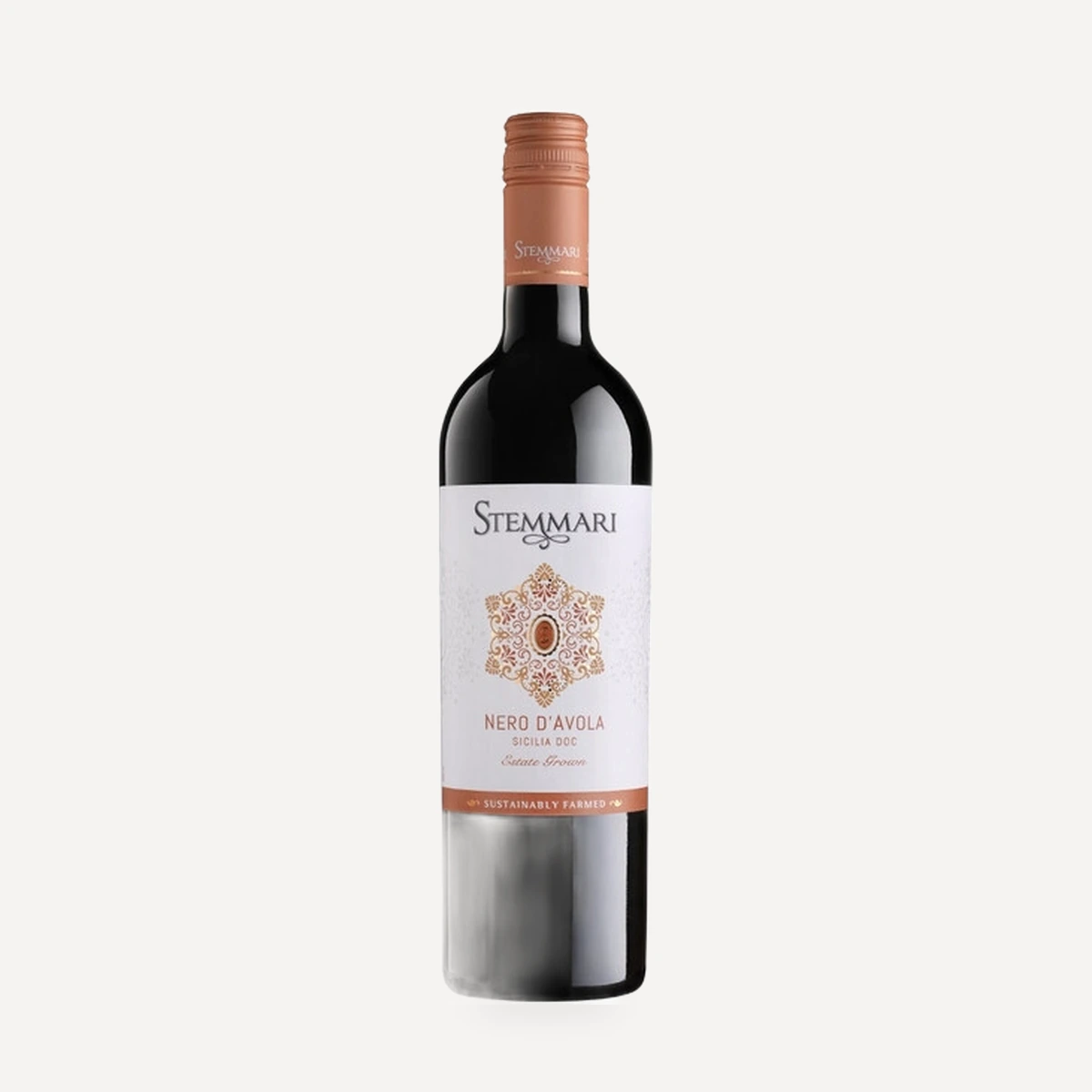
Stemmari Nero d'Avola Sicilia DOC
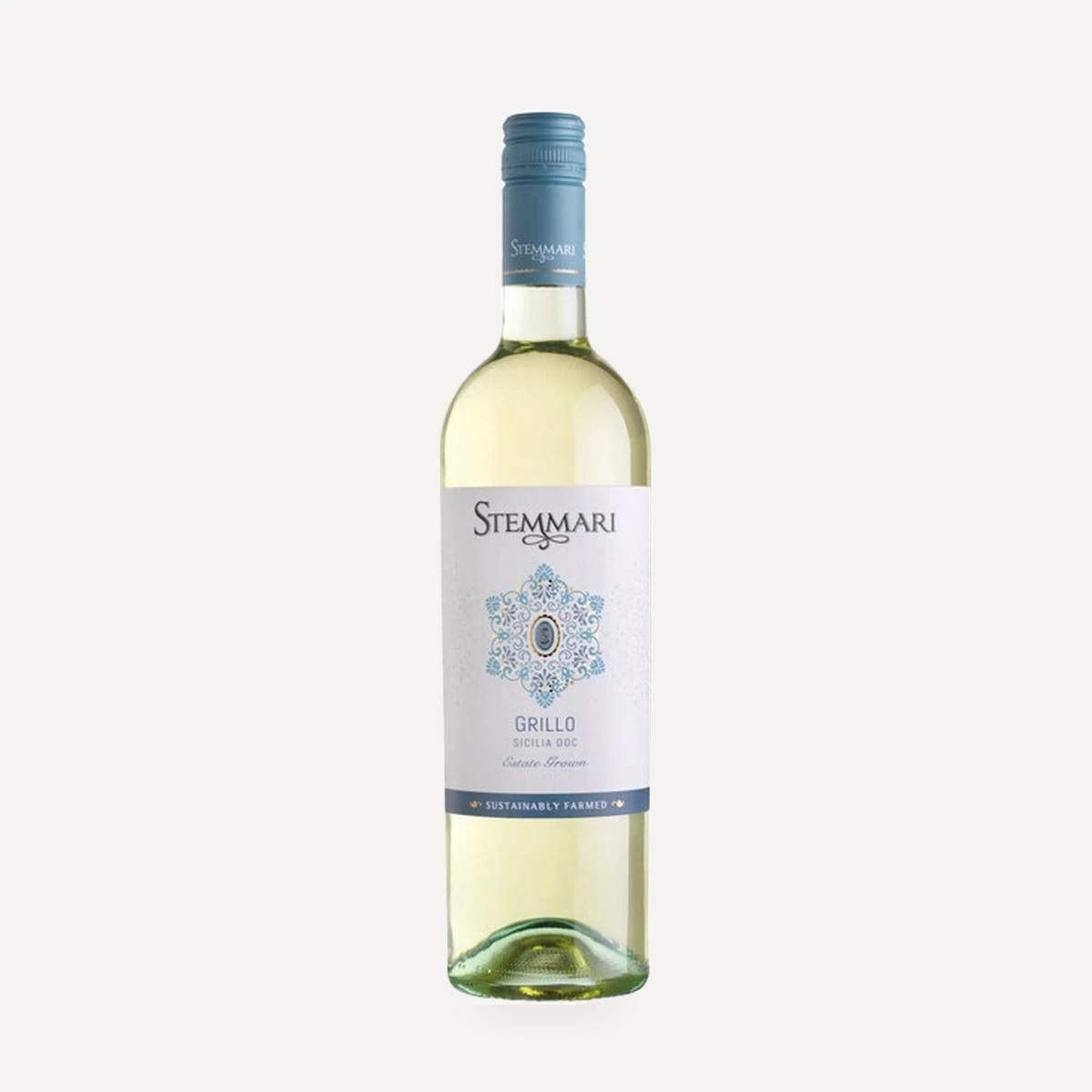
Stemmari Grillo Sicilia DOC
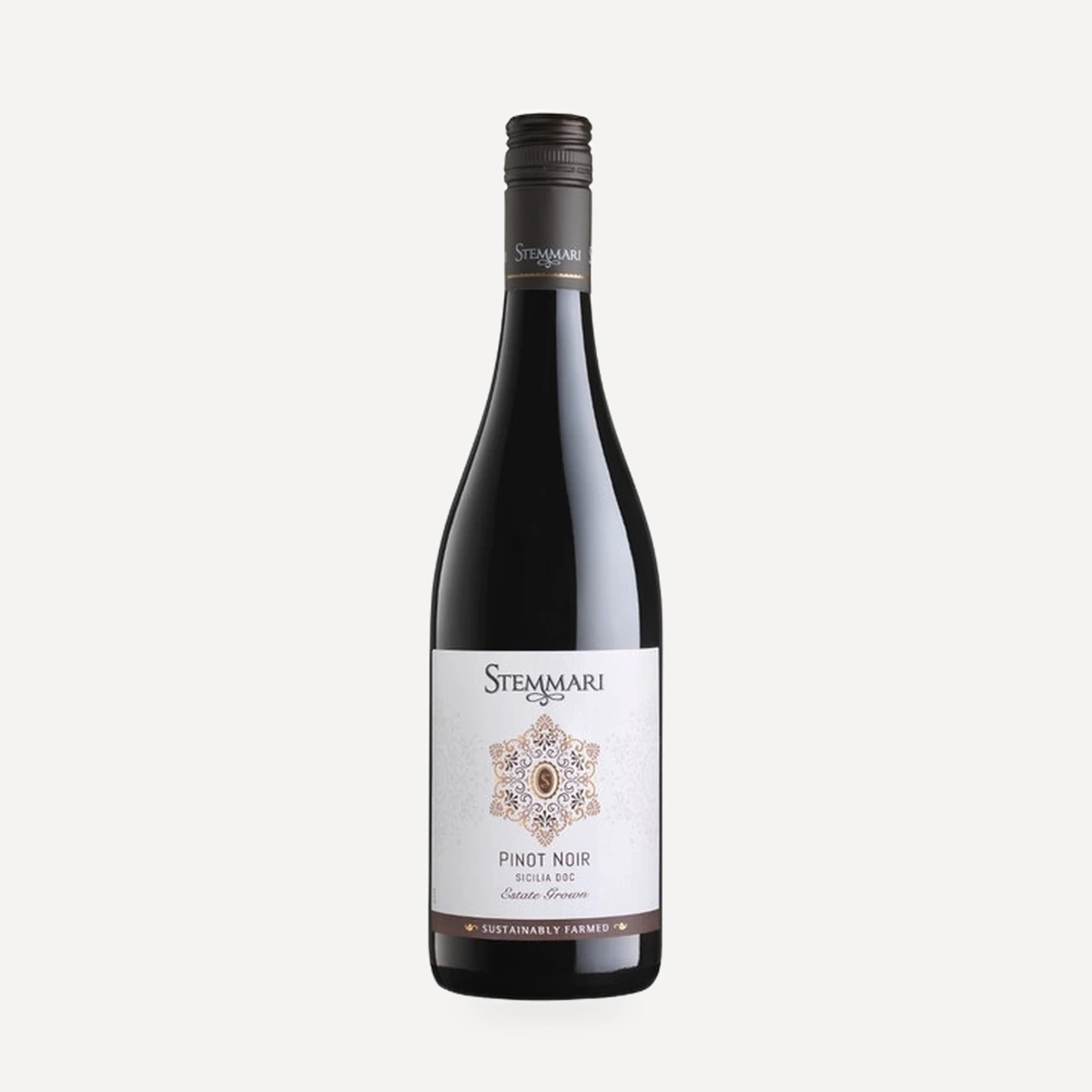
Stemmari Pinot Noir Sicilia DOC
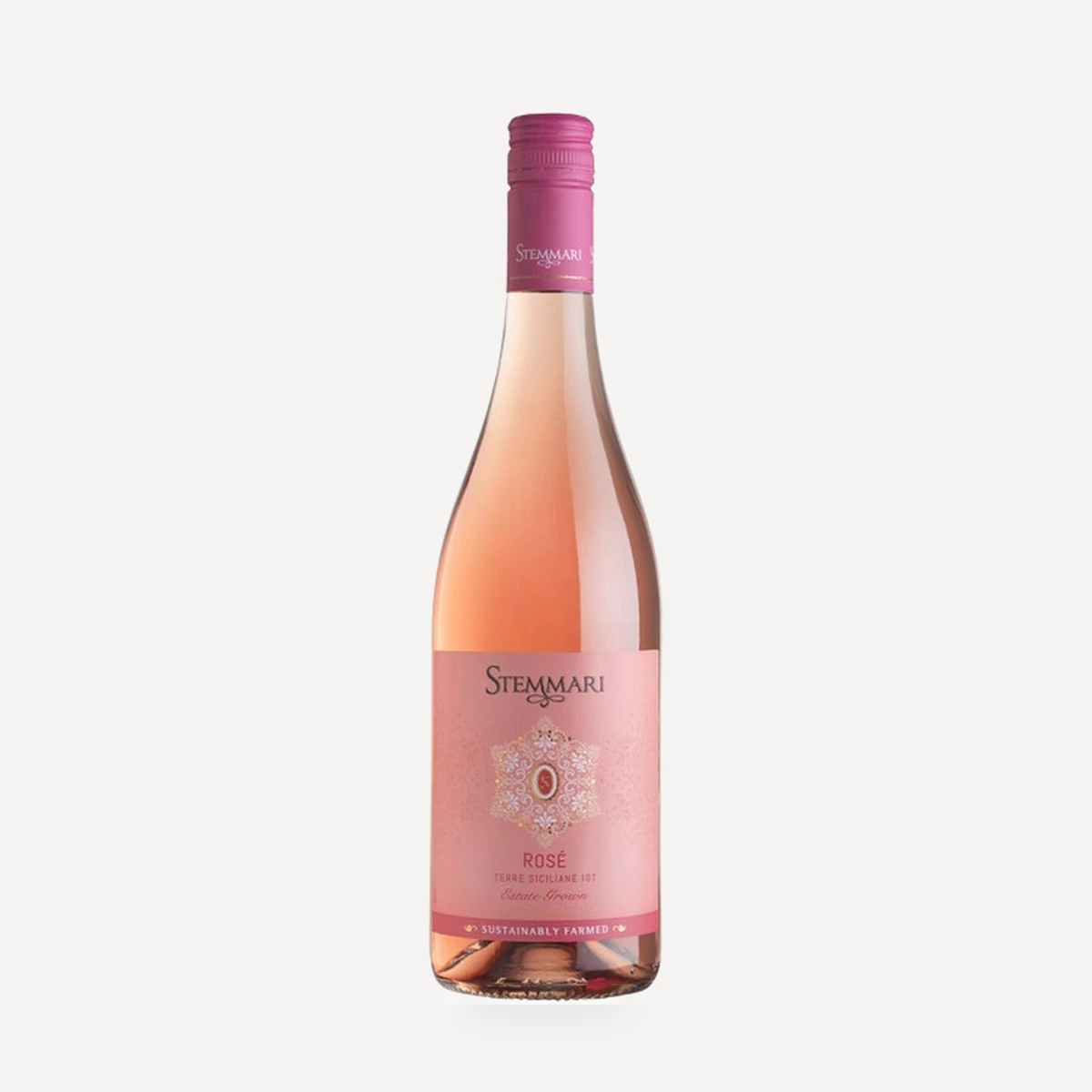
Stemmari Rose Sicilia DOC
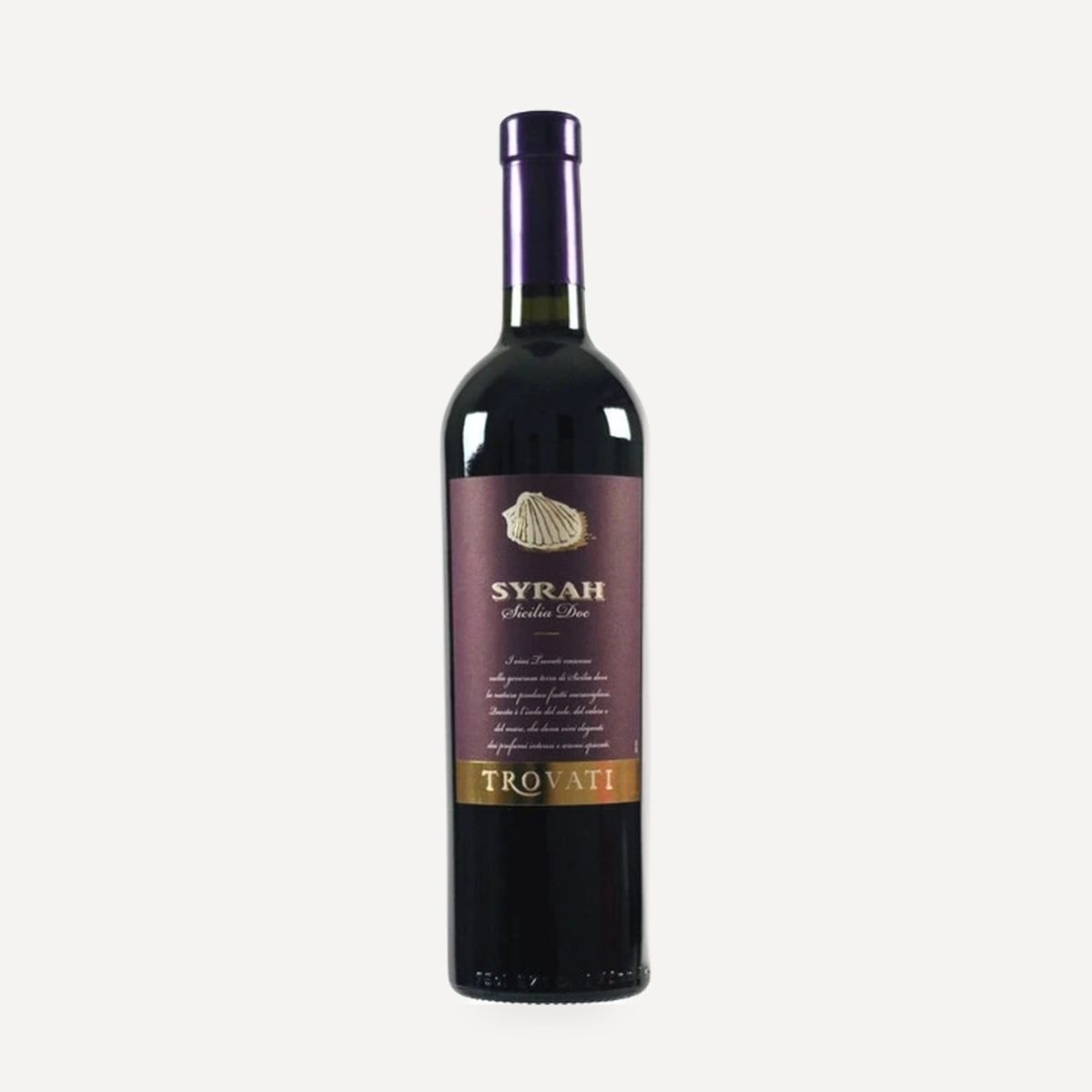
Trovati Syrah Sicilia DOC
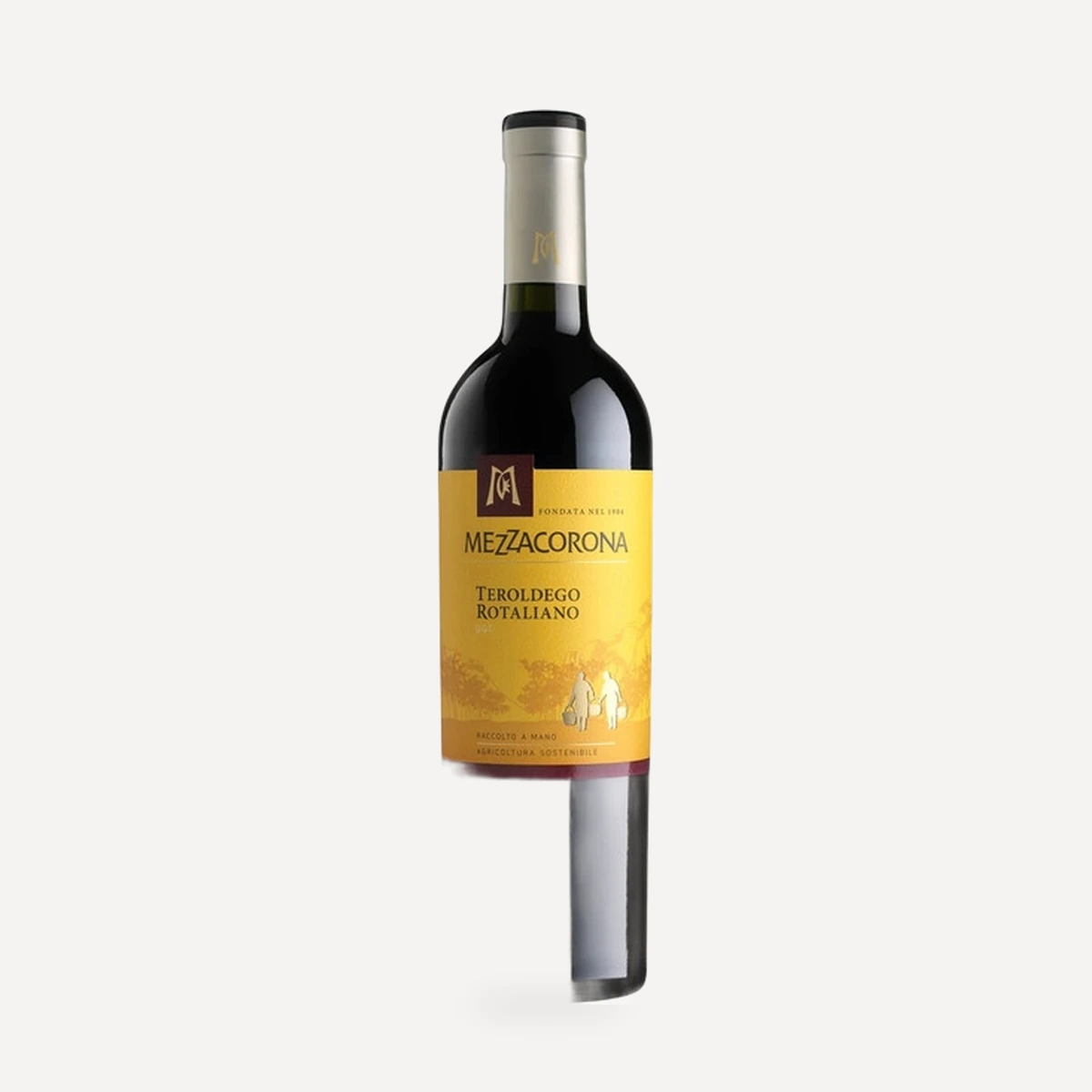
Classici Teroldego Rotaliano DOC
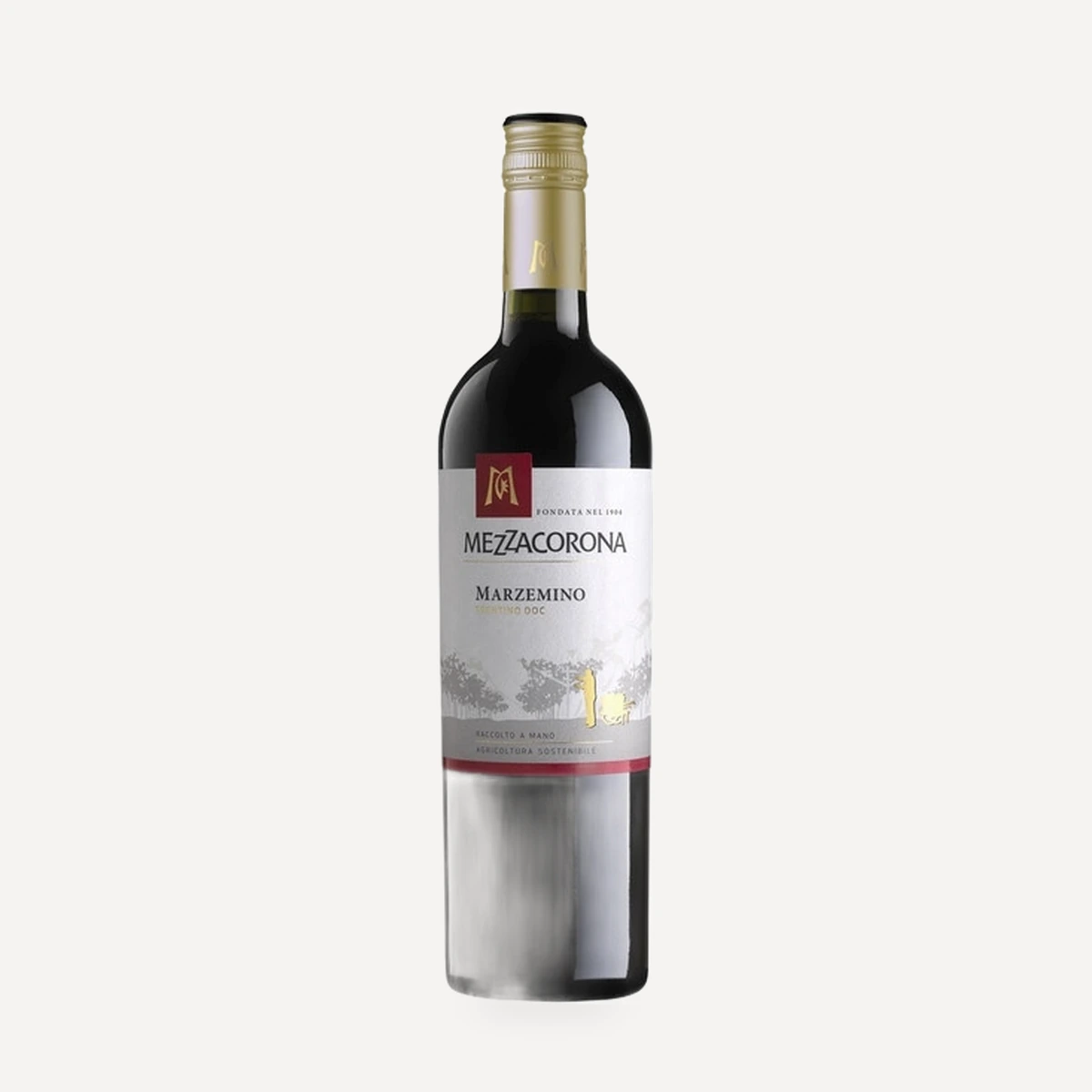
Classici Marzemino Trentino DOC
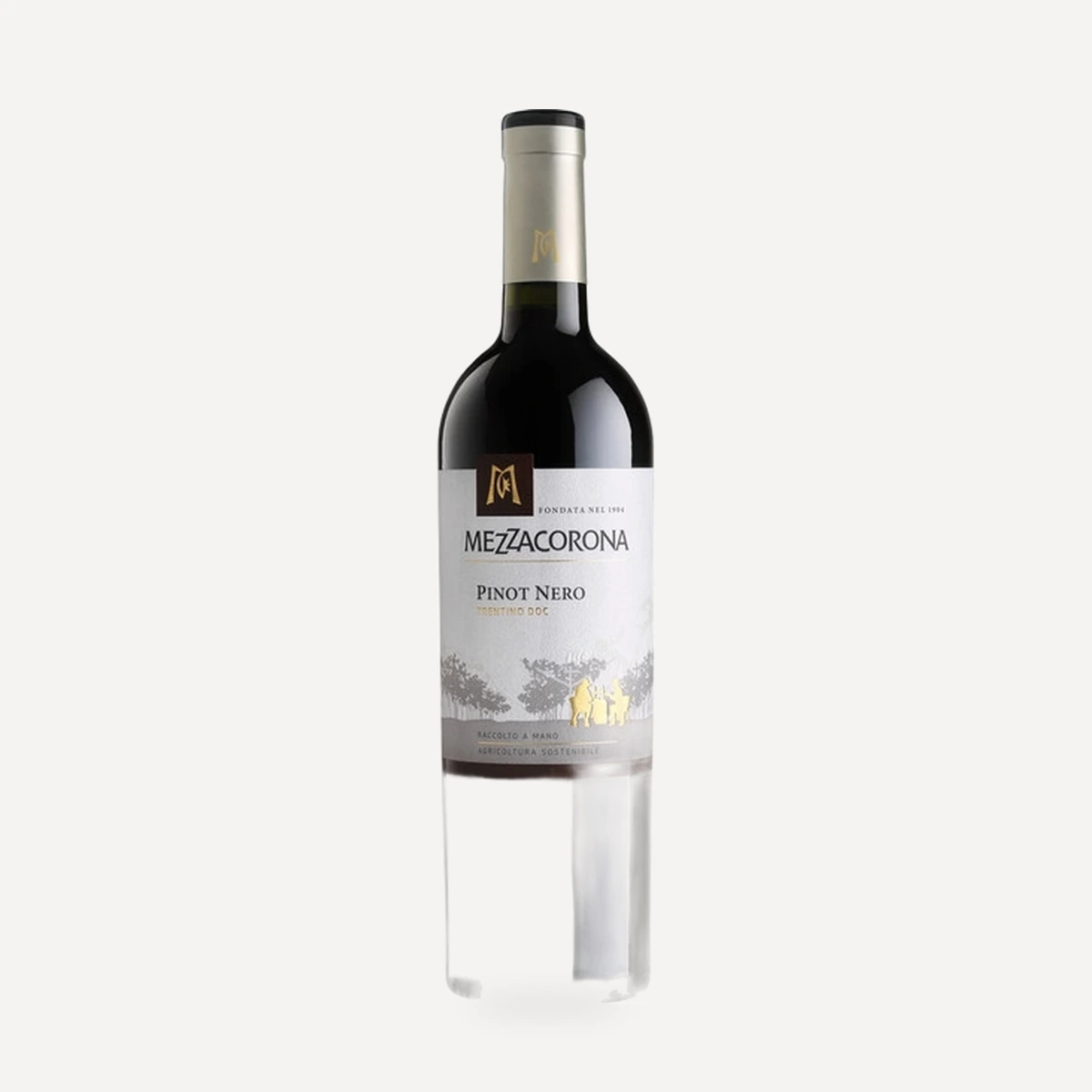
Classici Pinot Nero Trentino DOC
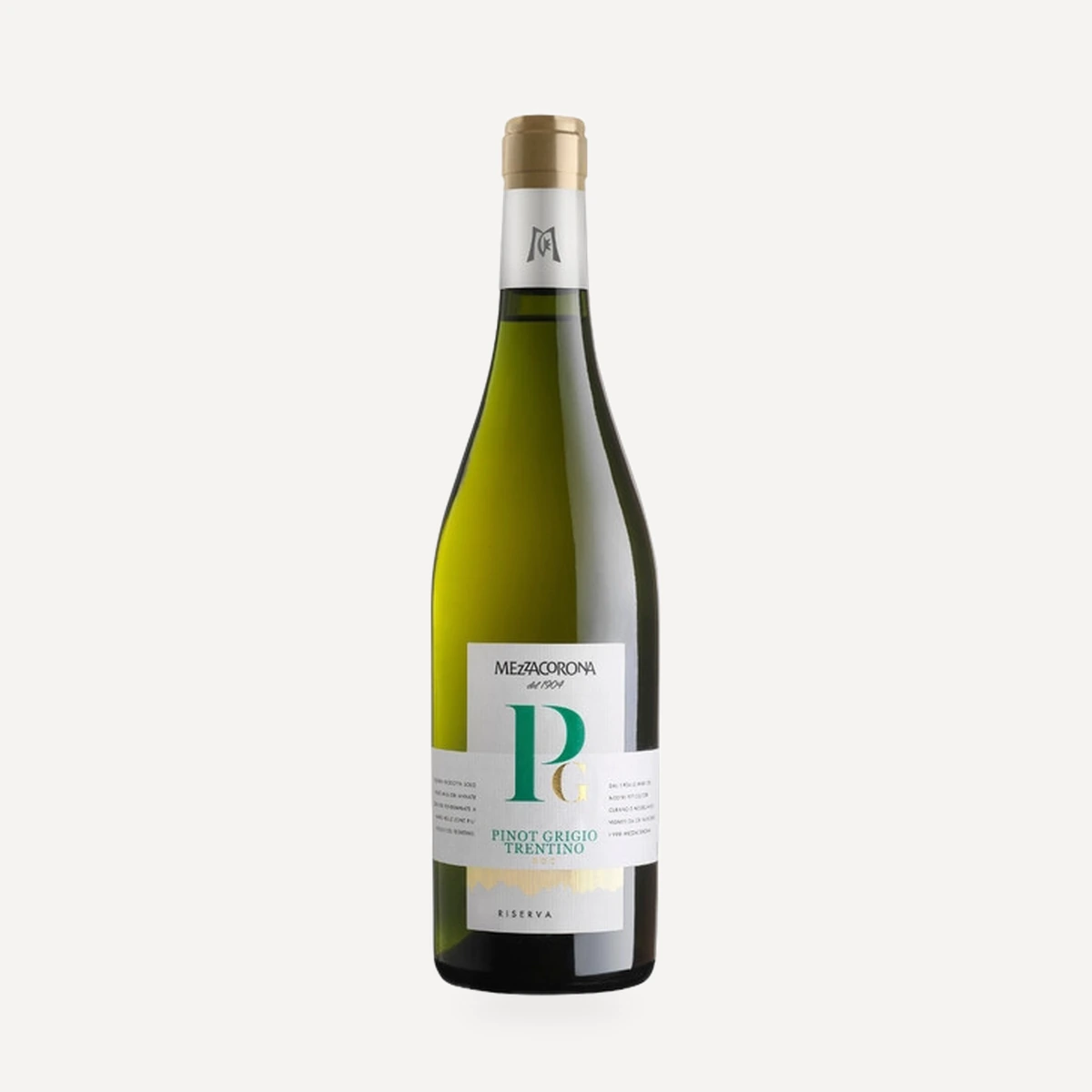
Classici Premium Collection Pinot Grigio Riserva Trentino DOC
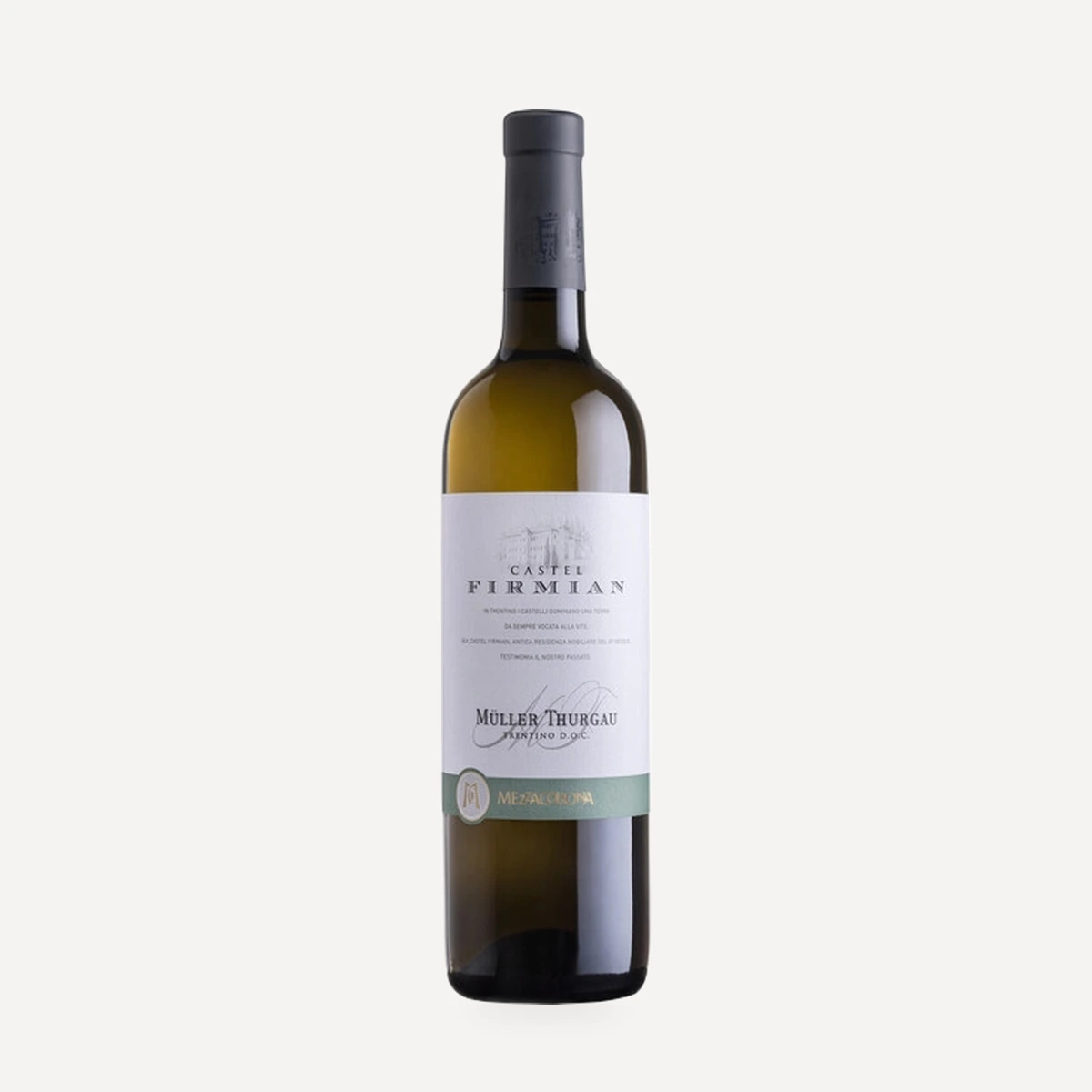
Castel Firmian Müller Thurgau Trentino DOC
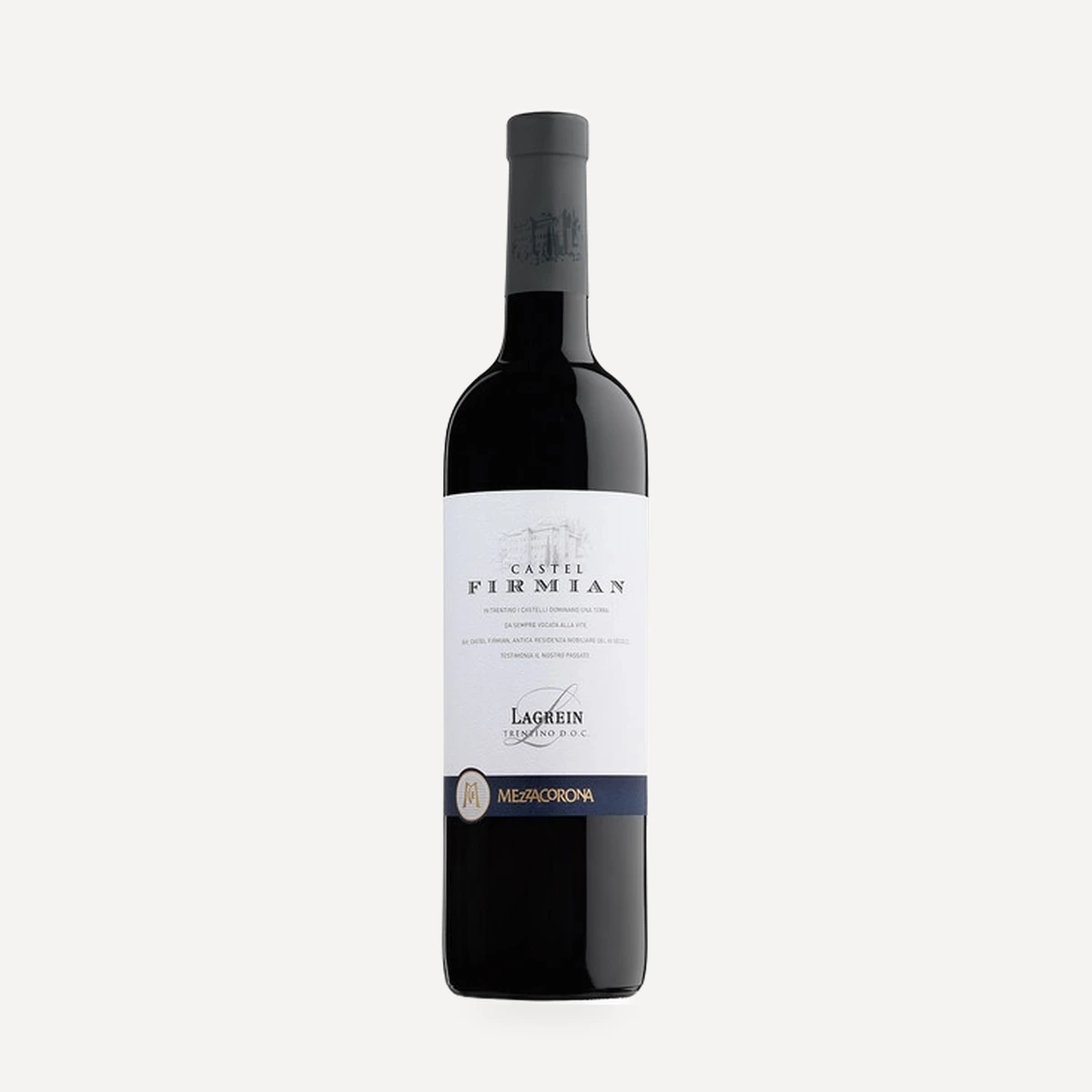
Castel Firmian Lagrein Trentino DOC
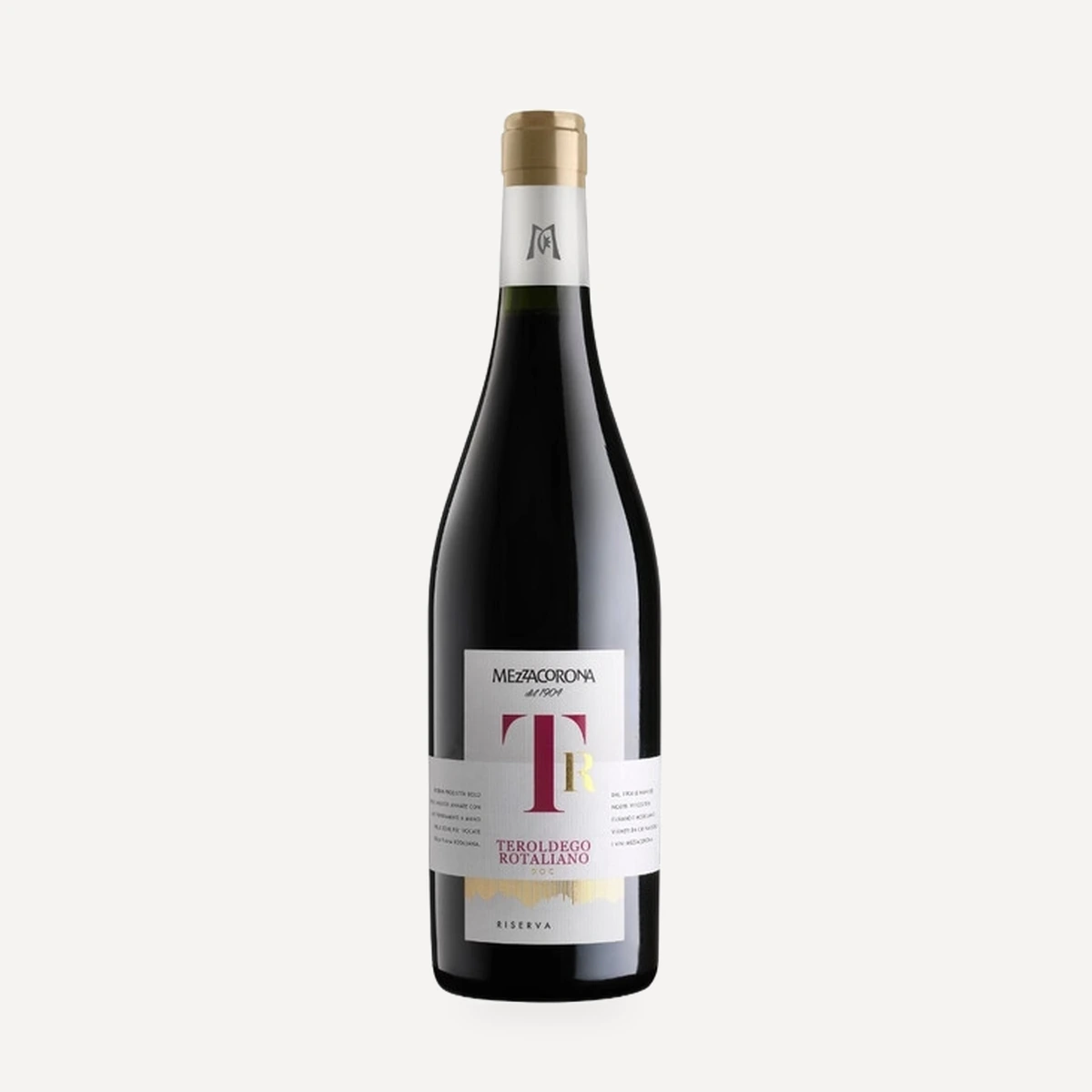
Musivum Teroldego Rotaliano Riserva DOC
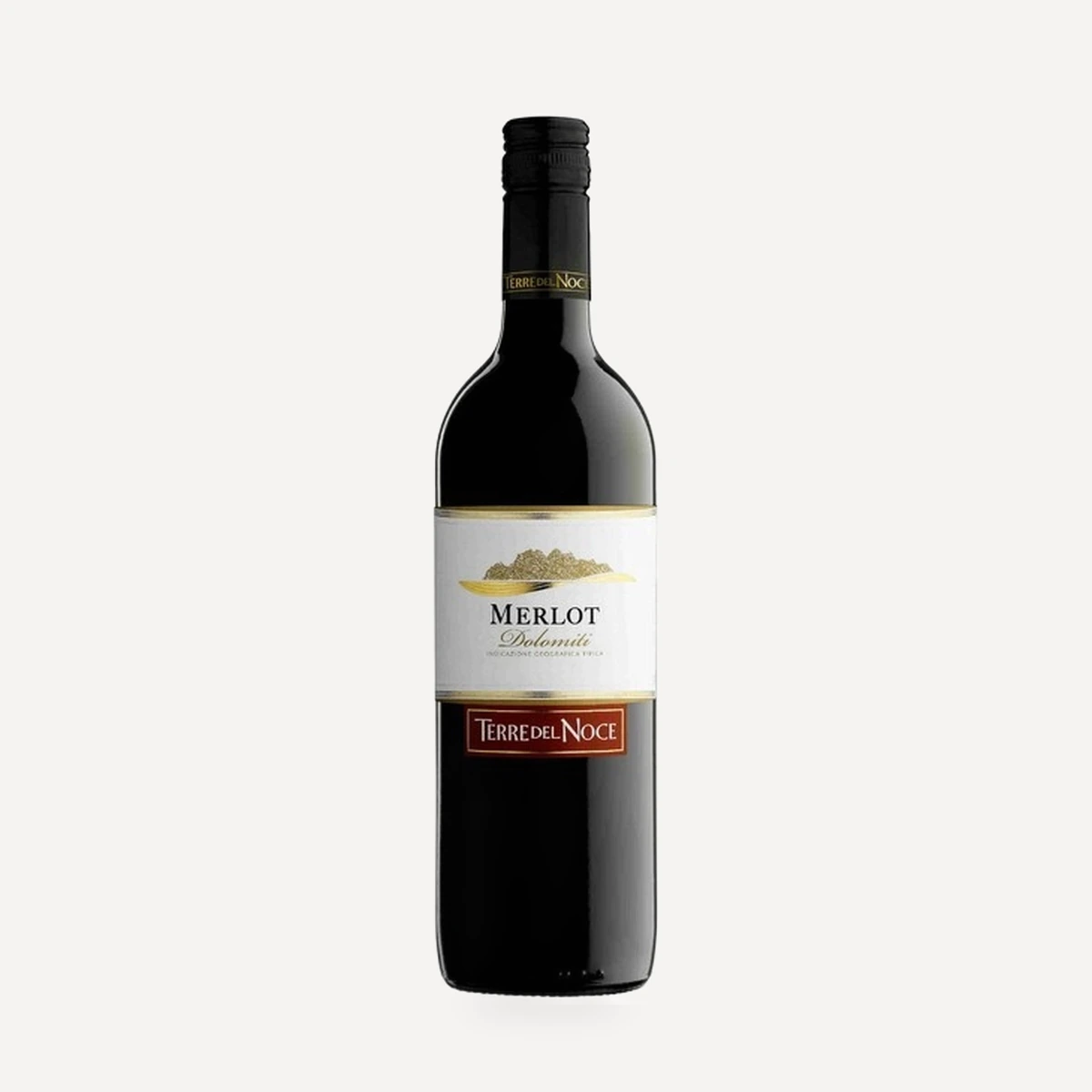
Terre del Noce Merlot Dolomiti IGT
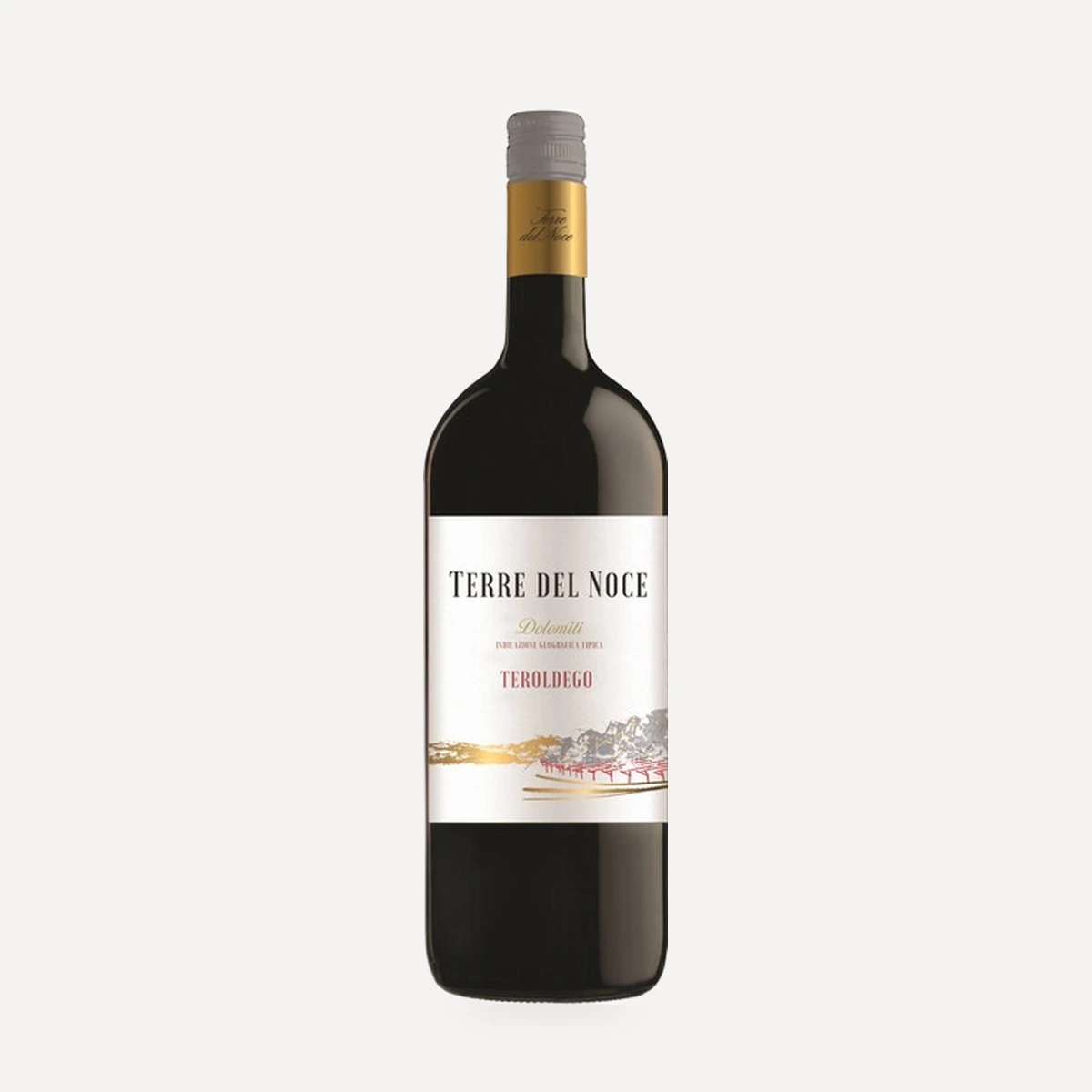
Terre del Noce Teroldego Dolomiti IGT
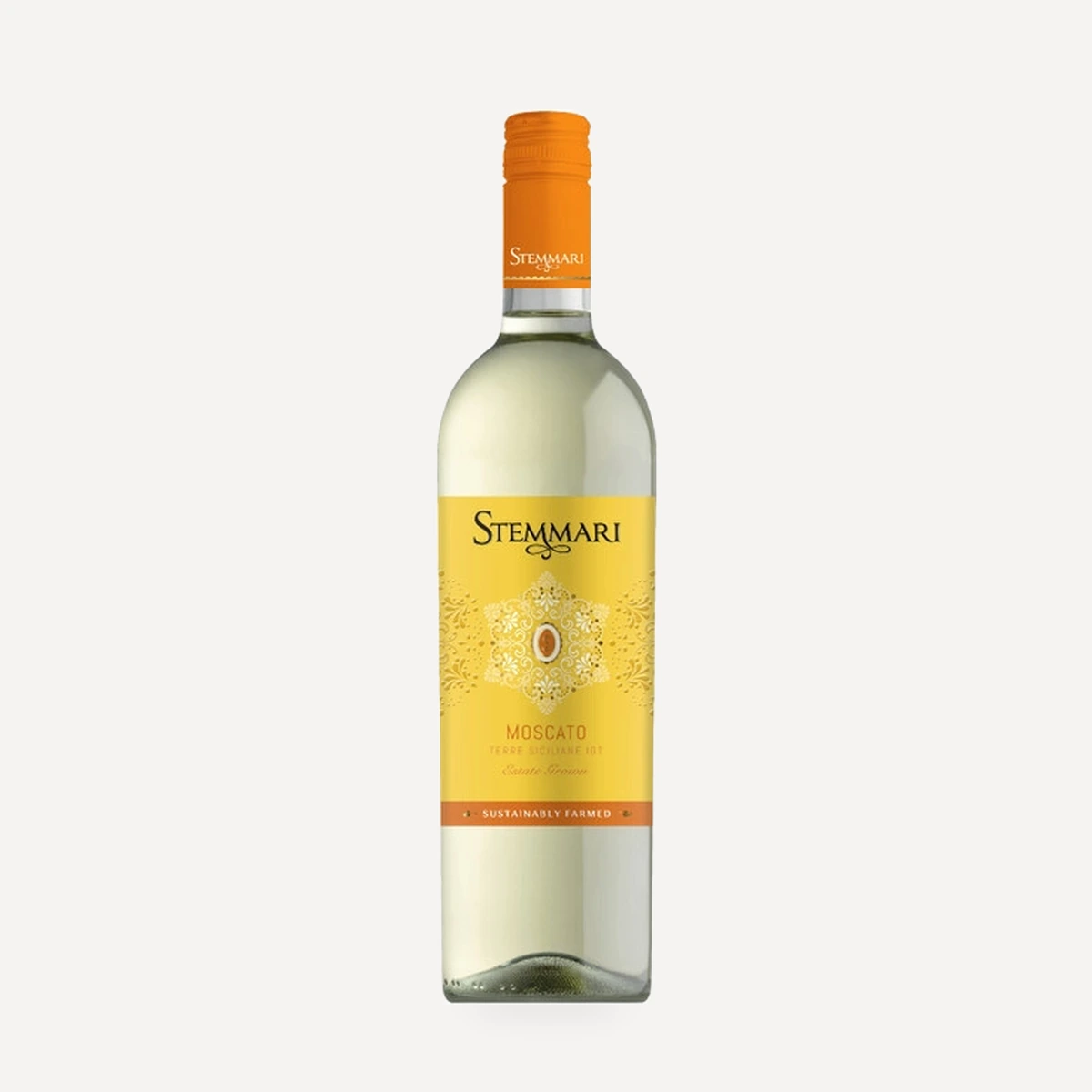
Stemmari Moscato Terre Siciliane IGT