About this wine
Vineyard and terroir
The fruit comes from selected hillside vineyards associated with Penon, Hofstatt and Rain in the municipality of Cortaccia. These elevated sites receive strong daytime sunshine, while cool evening winds descend from the Mendel mountain range. The resulting day-to-night temperature contrast supports aromatic development and balanced acidity.
The sites have similar soils, formed from moraine deposits with a high limestone content over dolomite. The 2023 technical information describes the substrate more specifically as chalky gravel moraine soil. Vines were planted in 1997 or later, at a density of 3,500–7,000 vines/ha, and are trained to Guyot and pergola systems. Yield is 50–60 hl/ha.
Grapes
100% Pinot Blanc.
Vinification
Fermentation lasts 14 days. Seventy percent of the wine ferments and matures in large wooden barrels on the first lees; the remaining 30% is handled in concrete vats and rests on the fine lees.
Ageing
Maturation lasts ten months in the same combination of large wooden barrels and concrete vats. After bottling, the wine receives a further six months of bottle maturation.
Technical data
The 2023 vintage has 13.5% alcohol, 5.9 g/L acidity and 0.7 g/L residual sugar. Recommended cellaring is up to five years. The first vintage was 2004.
Tasting profile
Greenish yellow in colour. The bouquet is intensely floral, accompanied by abundant fruit aromas recalling ripe apples. The palate is pleasantly dry, refined and velvety, with lively freshness. Full-bodied and finely balanced, it closes with a persistent finish.
Serving and pairing
Serve at 10–12°C. Suitable as an aperitif and with pasta or noodle dishes, rice, fish and poultry.
Vintage notes
The current technical information covers the 2023 vintage. Technical sheets are also presented for the 2016–2022 vintages.
Label / history
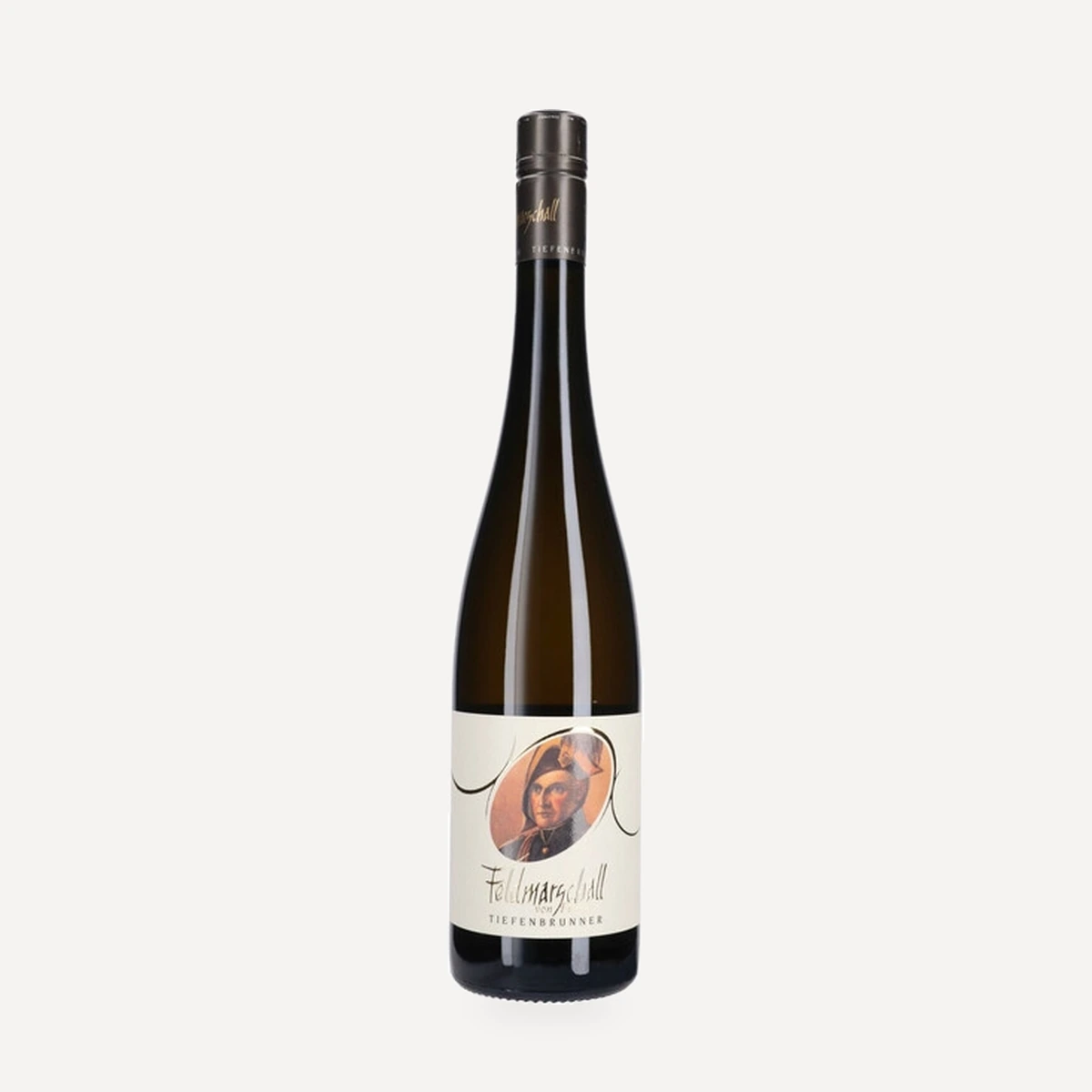
The wine is named after the Tiefenbrunner family's daughter Anna.