History
Foundation and cooperative growth
Cantina Tudernum was founded in 1958 when 54 winegrowers joined together to vinify and market their harvests through a cooperative. Beginning with only a few hectares, the cooperative progressively expanded its vineyard base. The winery was established at Pian di Porto, on the lower slopes of the hill of Todi and beside the ancient Via Tiberina.
The original winery relied on cement storage tanks of 200–300 hl arranged over two floors. The underground level continues to provide naturally suitable temperature and humidity conditions for wine storage.
Expansion during the 1970s
The vineyard area grew to approximately 650 ha during the period from 1975 to 1995. Vineyards created during the 1970s were designed for substantial production, with wide spacing and high-yielding varieties. This expansion was accompanied by greater cellar capacity: large fibreglass and steel tanks were introduced, with capacities ranging from 750 to 1,800 hl and, at the largest scale, 5,000 hl.
First varietal experiments
Merlot was bottled experimentally in the mid-1980s. It subsequently became an established part of the cooperative’s production.
Quality-led restructuring in the 1990s
A new course was set in the early 1990s, centred on scientific research, higher grape quality, technological development and closer alignment with a market increasingly oriented toward drinking less but better. More than 320 ha were replanted during this phase. The new vineyards used narrower spacing and varieties selected for stronger qualitative potential: Grechetto, Sangiovese and Sagrantino among the local grapes, together with Merlot, Cabernet Sauvignon and Chardonnay. The replanted vineyards were designed to be fully mechanisable, while investments in pruning technology also helped reduce production costs and improve fruit quality.
In 1995 a formal repositioning process began. The vineyard base was reduced from the earlier peak of approximately 650 ha to about 350 ha, making lower volume and improved quality central to the cooperative’s strategy.
Cellar consolidation from the late 1990s
As production became more selective, the cellar installed smaller stainless-steel tanks of 50, 80 and 100 hl, allowing individual parcels and small selected batches to be handled with greater precision. A dedicated maturation area equipped with wooden casks and barriques was also created.
Pressing evolved from more forceful crushing and traditional pressing toward soft, discontinuous systems. Smaller red-wine fermenters were installed to accommodate limited lots of selected grapes.
Bottling returns to Todi
At the beginning of the new millennium, after approximately 15 years during which bottling had been carried out externally, the operation returned in-house. A modern line was installed to package 750 ml and 1 litre bottles as well as 3, 5 and 10 litre bag-in-box formats.
Research into local grape heritage
Research into native grapes became another defining strand of development. In collaboration with the Università degli Studi di Milano, work was completed to identify the original Grechetto di Todi, distinguished from other Umbrian Grechetto material by its particular characteristics and qualitative potential. The success of that programme led to a further project dedicated to identifying Grechetto Nero di Todi and preparing for its return to production.
Distribution and continuing investment
In 2006 the cooperative strengthened its Italian presence and began test distribution in European Union and United States markets. Its later commercial reach extended to more than 20 countries in addition to broad distribution within Italy.
More than 60% of the winery’s infrastructure was renovated through investments reported at €2 million. The cooperative now processes and vinifies almost 2,500 tonnes of grapes in a typical year while continuing the programme established in the early 1990s: research, structural improvement, technological investment and a quality-to-price focus across its range.
Terroir
Cantina Tudernum lies at Pian di Porto on the slopes beneath the hill town of Todi, along the ancient Via Tiberina. Its grapes come from associated vineyards in the surrounding Todi district, with additional production connected to the Montefalco area.
The local landscape is characterised by hills and strong sunlight exposure. Vineyard specifications across the Todi range place sites between approximately 200 and 400 m above sea level: white-wine sites are documented from 200–300 m, while Grechetto, Sangiovese, Merlot and selected superior-wine vineyards are commonly placed at 300–400 m. Montefalco vineyards are likewise documented at approximately 300–400 m.
The regional climate is continental, with rainy spring conditions followed by dry, sunny summers. This seasonal pattern supplies water during the early growing cycle and warmth and sunlight during ripening.
The Todi DOC territory encompasses Collazzone, Massa Martana, Montecastello di Vibio and Todi. The denomination was created through the efforts of nine local wineries; Todi is its largest municipality and the principal centre of its winegrowing tradition.
Winemaking
The decisive viticultural change began in the early 1990s. Earlier vineyards had wide planting distances and productive varieties suited to volume production. The replanting programme introduced closer spacing and grapes selected for stronger qualitative potential, encompassing the local Grechetto, Sangiovese and Sagrantino varieties as well as Merlot, Cabernet Sauvignon and Chardonnay. More than 320 ha were replanted during this phase.
All of the new vineyards were designed for mechanisation. Investment in pruning technology, lower production costs and improved grape quality formed part of the same restructuring programme. Current technical specifications commonly identify spurred-cordon training, with approximately 3,300 vines/ha in documented Todi vineyards and around 4,200 vines/ha in documented Montefalco vineyards.
Fruit intended for higher-tier production is selected by the oenological staff. Particular care is taken with Grechetto di Todi at maturity and during transport to prevent deterioration before pressing. Research with the Università degli Studi di Milano has also focused on identifying and preserving the original Grechetto di Todi and recovering Grechetto Nero di Todi.
Winery structure
The oldest part of the cellar contains 200–300 hl cement tanks on two levels. Its underground floor remains useful for the stable temperature and humidity it provides. Expansion in the 1970s added fibreglass and steel storage vessels of 750–1,800 hl and tanks as large as 5,000 hl. From the late 1990s, the quality-focused phase brought smaller stainless-steel tanks of 50, 80 and 100 hl, enabling the separate handling of small selected batches. A dedicated room was created for maturation in wooden casks and barriques.
Grape reception and fermentation
Pressing technology moved away from more forceful extraction toward soft, discontinuous pressing. Pneumatic soft presses are used for white grapes, while smaller temperature-controlled red-wine fermenters permit individual selected lots to be processed. Depending on the intended style, documented white-wine fermentations take place in stainless steel at approximately 15–16°C or in new, medium-toast French oak barriques at approximately 14–15°C. Brief pre-fermentation cryomaceration at 7°C is used for a selected Grechetto production.
Red grapes are destemmed and crushed before entering temperature-controlled fermenters. Selected red-wine protocols use temperatures around 28°C and skin contact of approximately 18–22 days. Components intended for certain blends are vinified separately before assemblage and oak maturation.
Maturation and packaging
The cellar uses stainless steel, larger oak vessels and French-oak barriques. Documented maturation ranges from steel ageing for fresh whites to approximately 6–12 months in oak for structured reds, followed where required by bottle ageing.
At the beginning of the 2000s, bottling was brought back to Todi after roughly 15 years of external processing. The in-house packaging plant handles 750 ml and 1 litre bottles and bag-in-box containers of 3, 5 and 10 litres. The winery processes almost 2,500 tonnes of grapes annually.
Philosophy
Cantina Tudernum defines its approach as a union of accumulated winegrowing experience and local tradition with modern technology capable of preserving and enhancing the character of its grapes. Its strategic change in the early 1990s answered the shift from volume consumption toward more selective drinking by concentrating on quality and value throughout the range.
Scientific research, structural improvement and continuing operational investment form the practical basis of that approach. The work on Grechetto di Todi and Grechetto Nero di Todi expresses a particular commitment to recovering native genetic material, while the replanted, mechanisable vineyards and smaller cellar vessels reflect the parallel commitment to technical development.
As a cooperative, the enterprise connects the production of its associated growers with a shared cellar and commercial organisation. Its stated goal is to represent Umbrian territory and tradition while remaining responsive to an increasingly informed and demanding market in Italy and abroad.
Wines
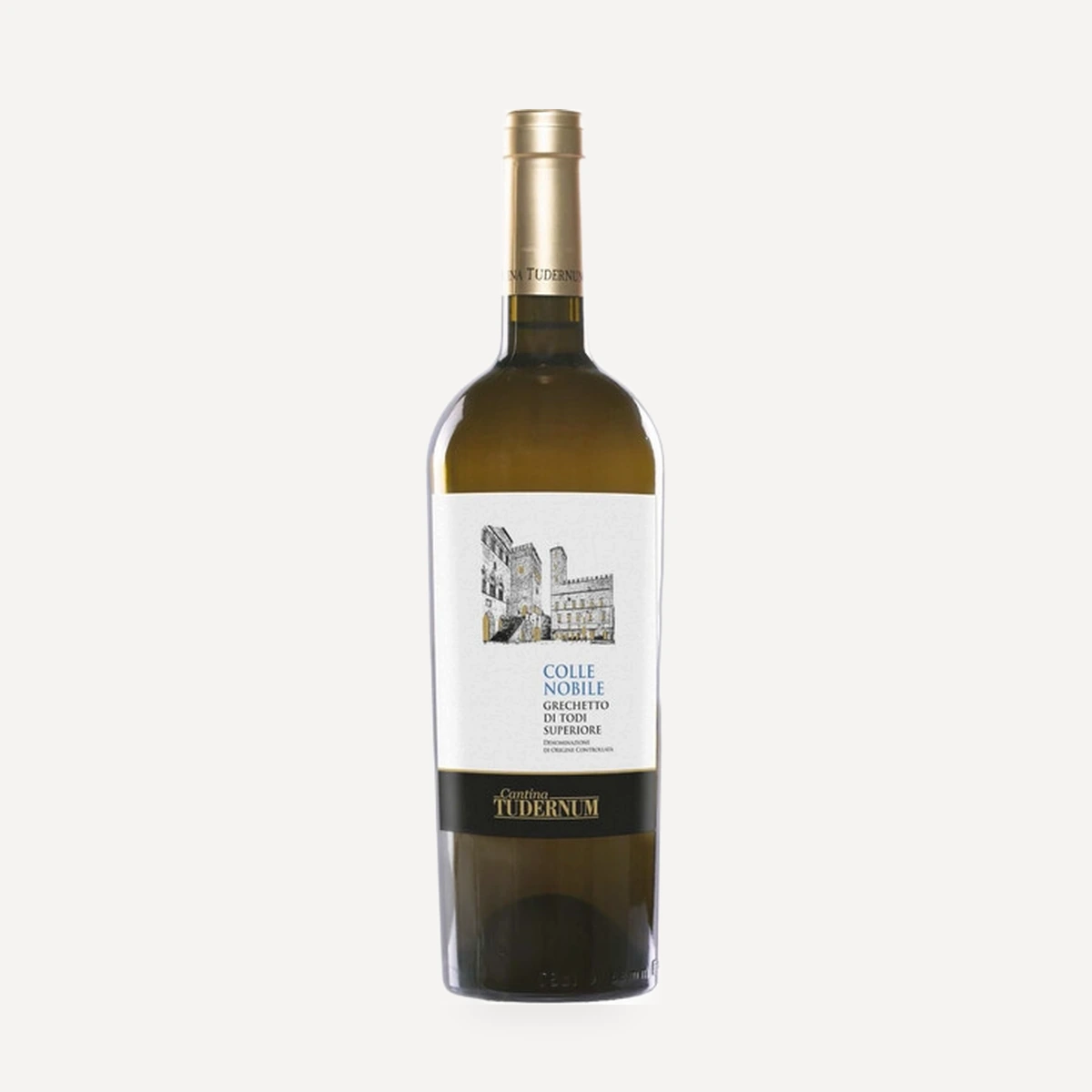
Grechetto di Todi Superiore DOC
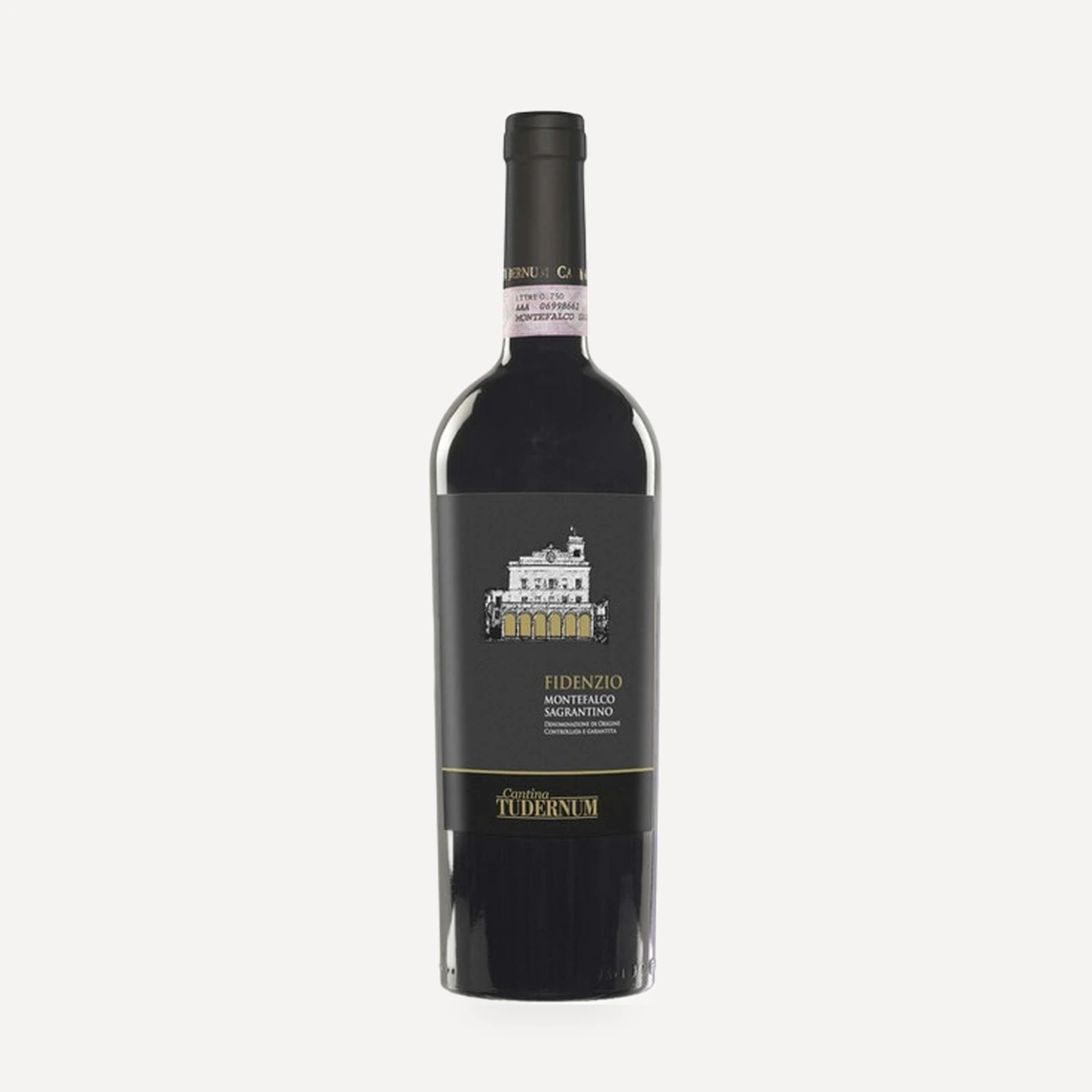
Montefalco Sagrantino DOCG
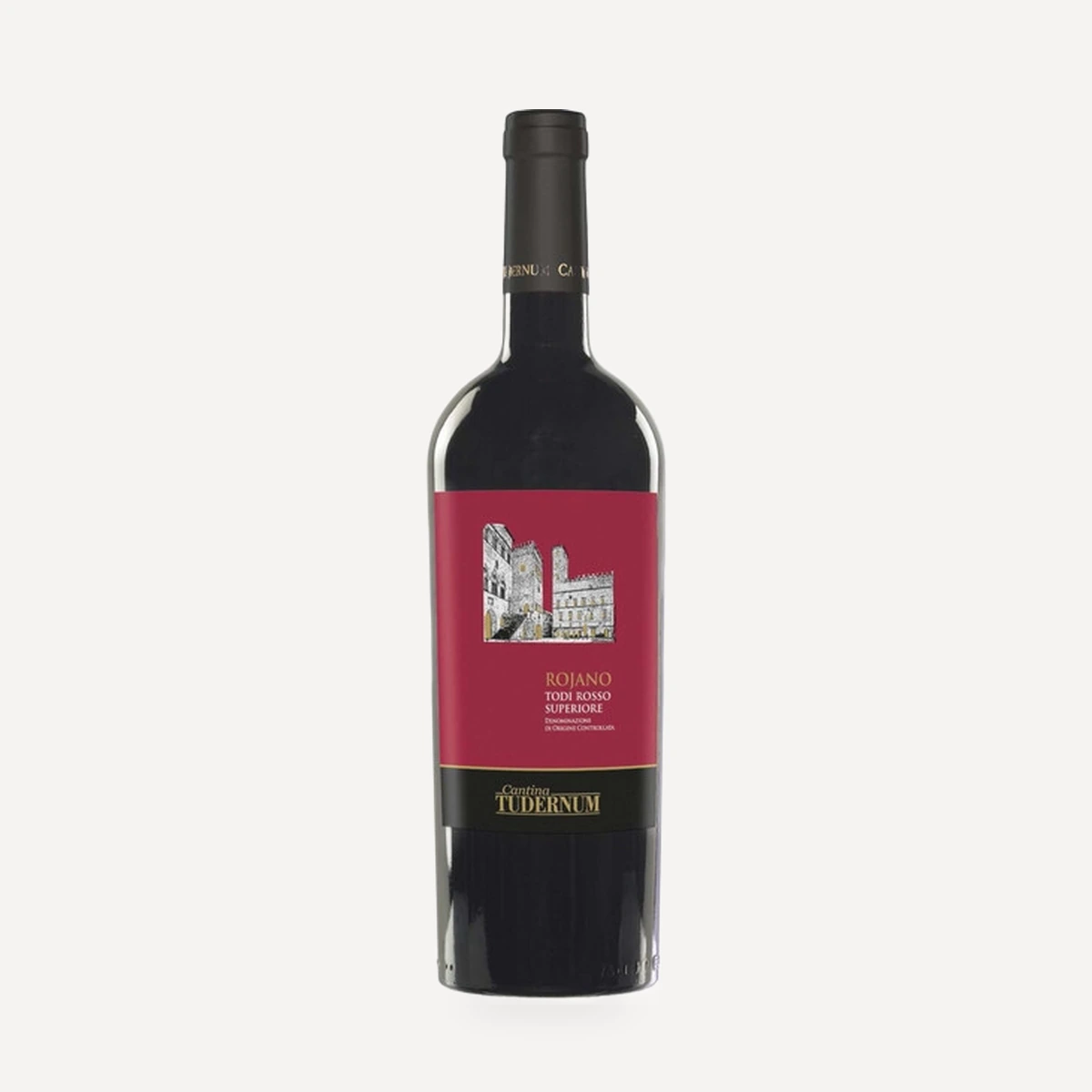
Todi Rosso Superiore DOC
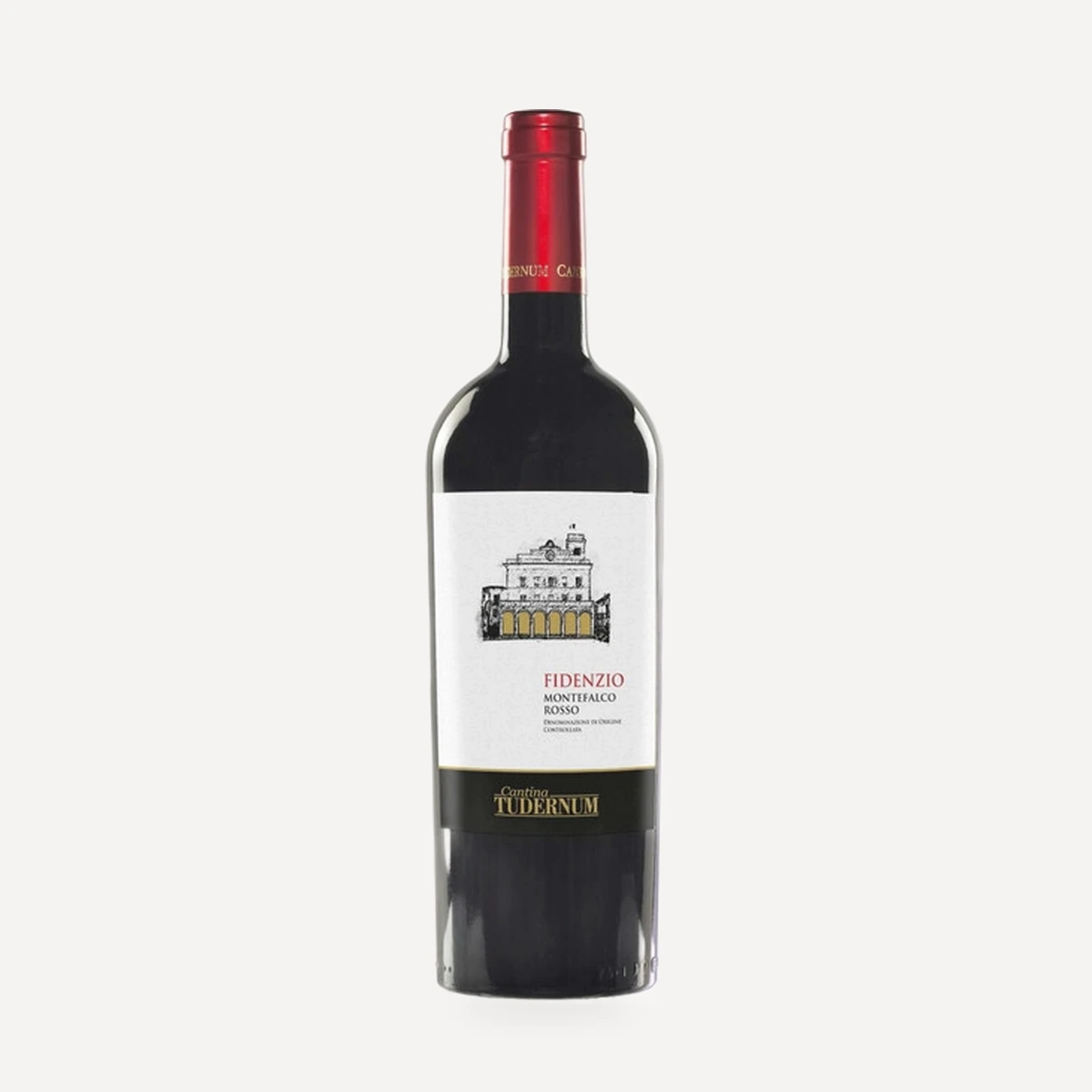
Montefalco Rosso DOC
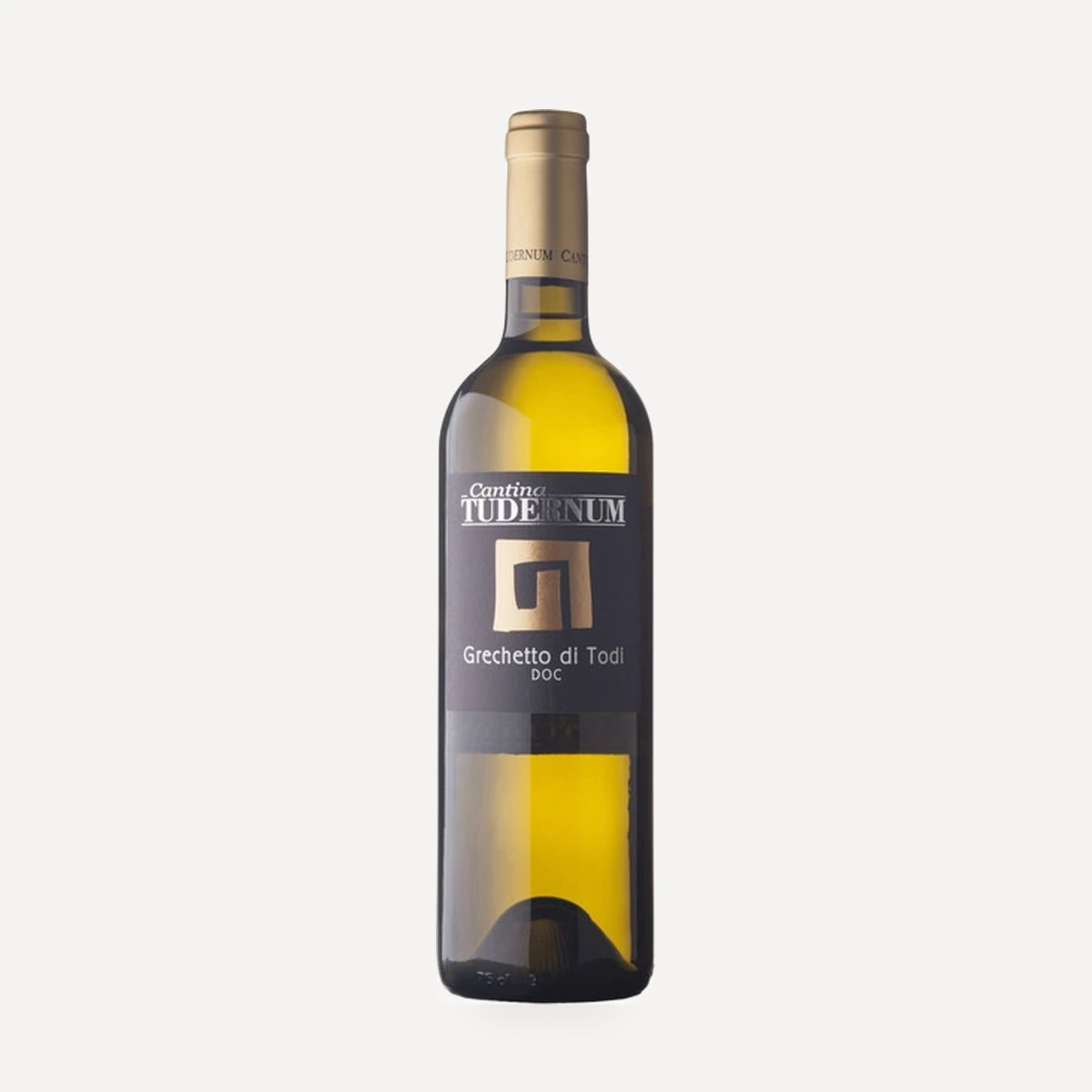
Grechetto di Todi DOC