About this wine
Vineyard and terroir
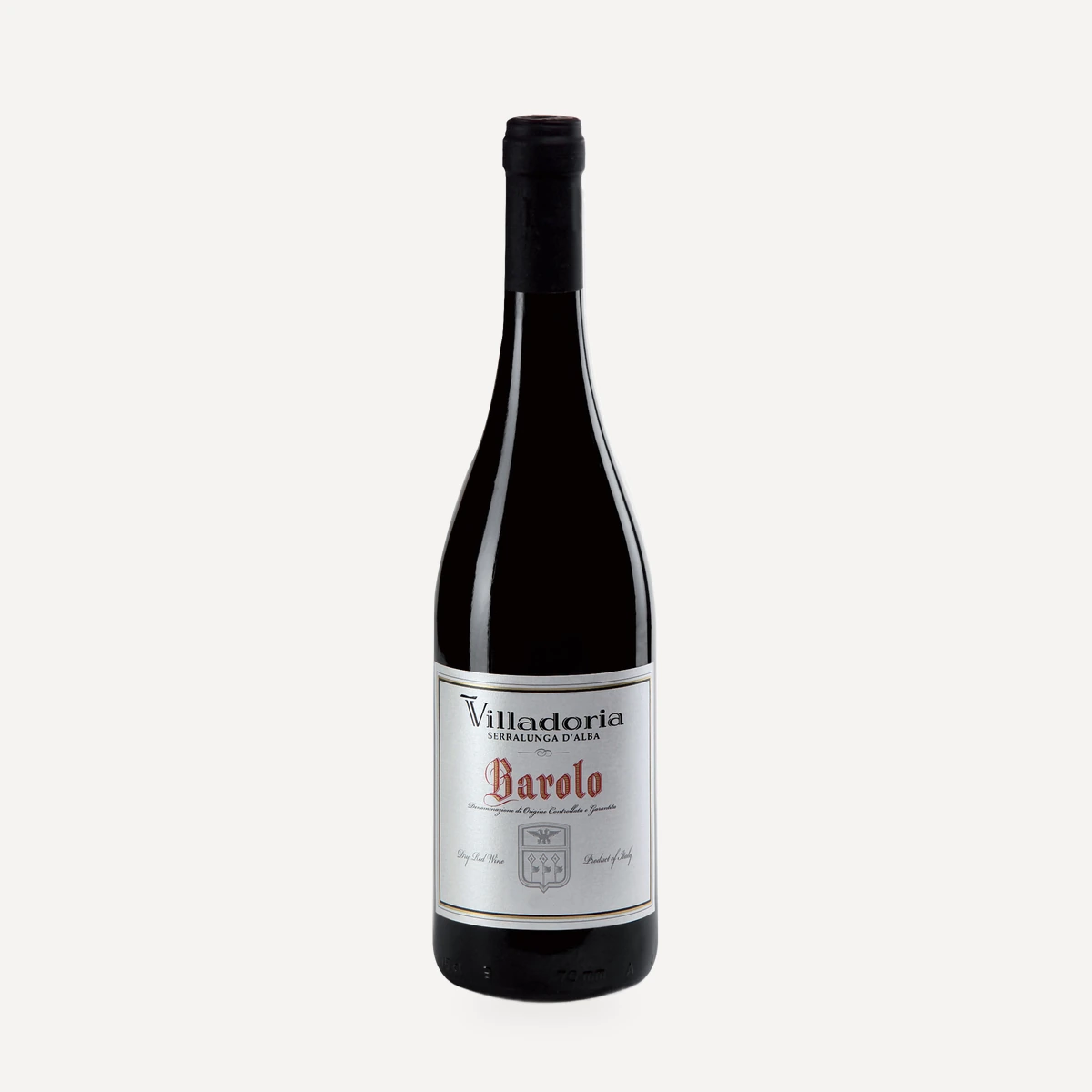
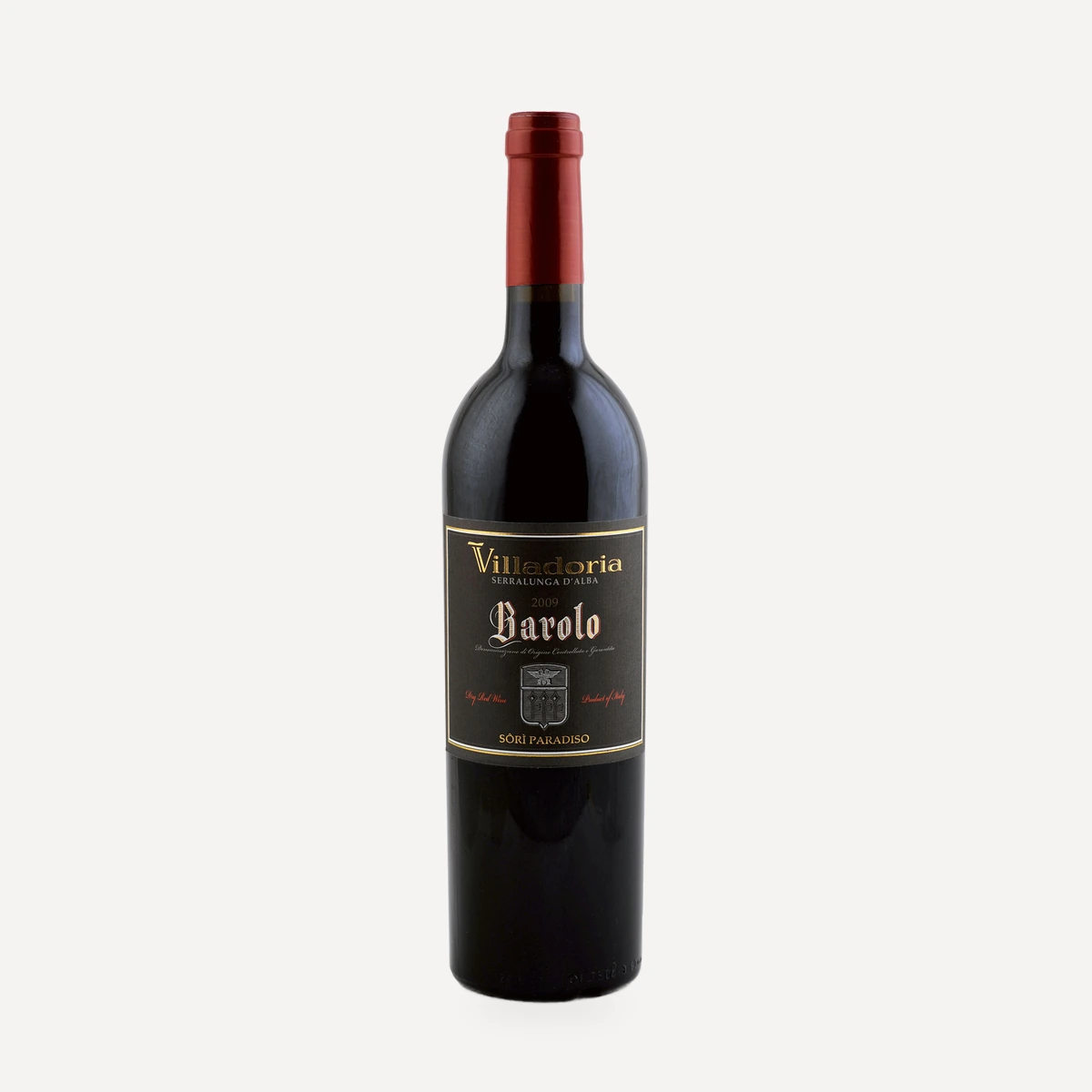
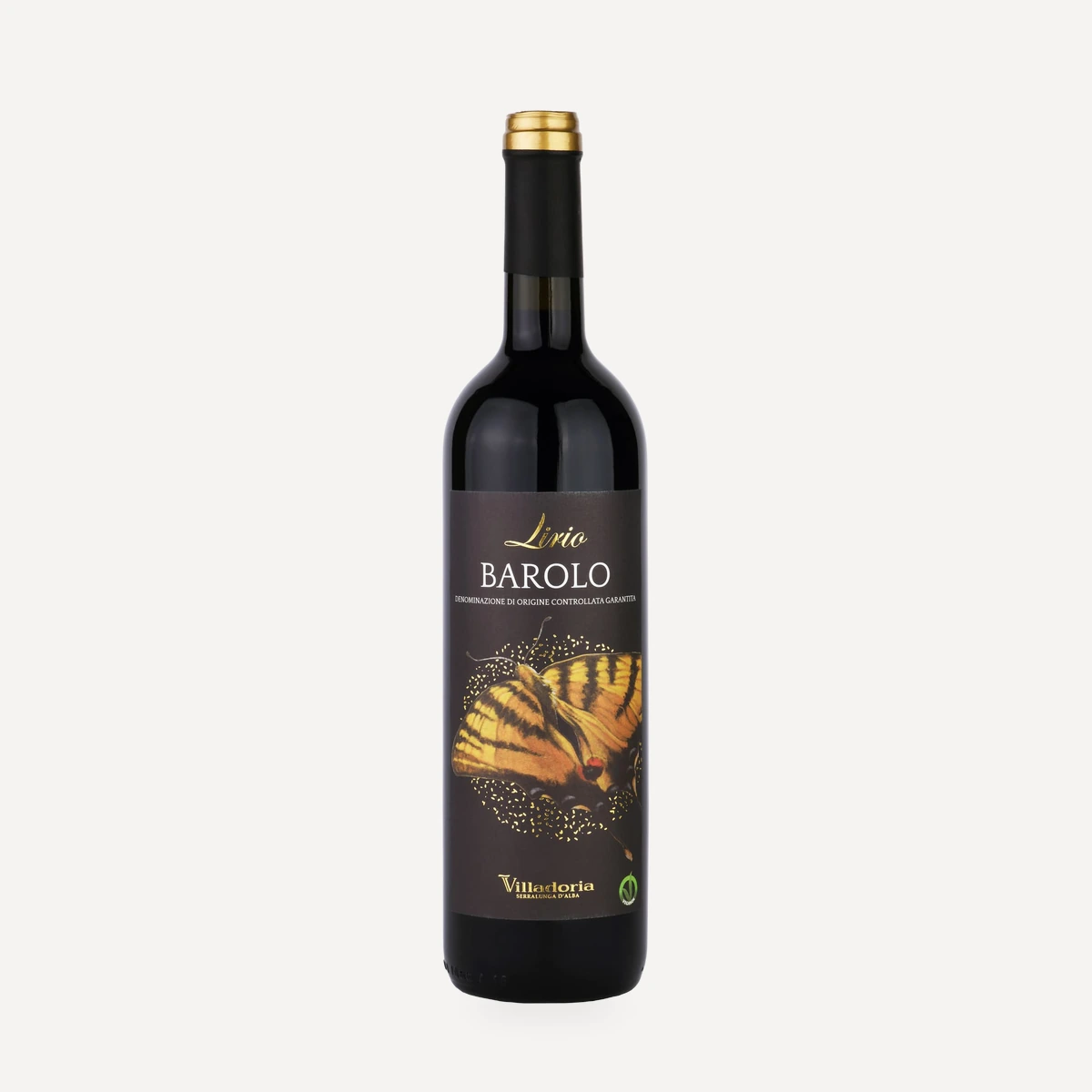
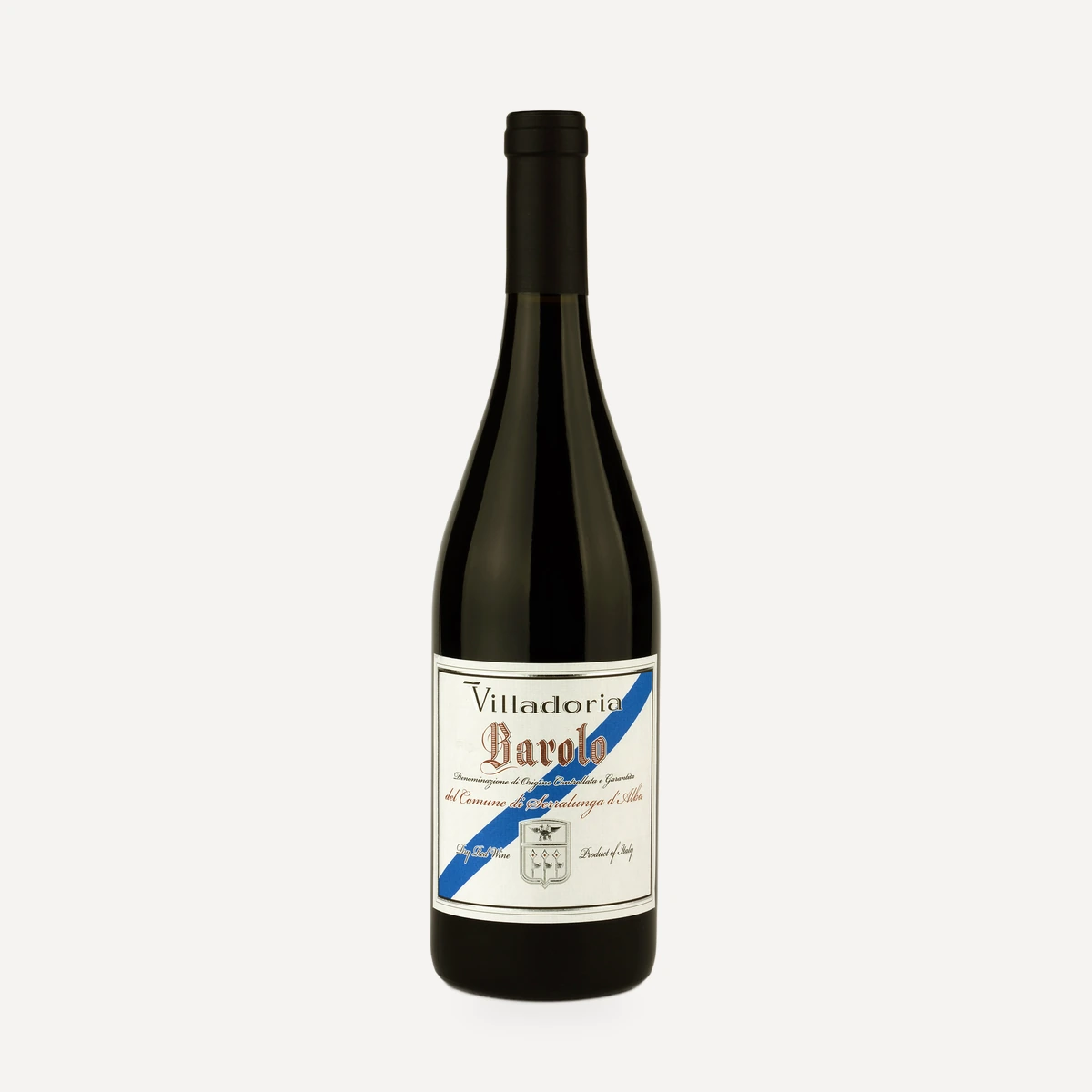
The wine draws on selected Serralunga d’Alba vineyards, most notably the Lazzarito and Meriame crus. Both face west within a natural amphitheatre. The soils are sedimentary calcareous marl with a substantial clay component. The Nebbiolo vines average 25 years of age and are Guyot trained at approximately 4,500 vines per hectare, with yields around 50 hl/ha.
Serralunga d’Alba extends from north to south within the Barolo production area, creating varied exposures, soils and microclimates. The selected sites are combined to express the commune’s structure and character.
Grapes
Nebbiolo.
Vinification
The grapes are harvested by hand, destemmed and gently crushed. Alcoholic fermentation takes place in stainless-steel tanks at no more than 28°C. The wine remains on the skins for 25–28 days to extract polyphenols and structure. Racking follows alcoholic fermentation, while the retained warmth promotes spontaneous malolactic fermentation.
Ageing
Maturation includes at least approximately 18 months in Slavonian oak barrels, followed by tank ageing for a total of 38 months. The resulting structure is supported by integrated tannins.
Tasting profile
Ruby red with garnet highlights. The rich, expressive bouquet moves from dried rose and cherries in alcohol to goudron, leather, pepper and truffle. The palate is dense and fleshy, with a creamy, generous texture that continues to evolve in the glass.
Serving and pairing
Serve at 20°C and open one hour before serving. Pair with full-flavoured red-meat dishes, aged cheeses and truffle dishes. It is considered at its best from four years after harvest and can develop for at least 25 years, depending on the vintage.