Chi è
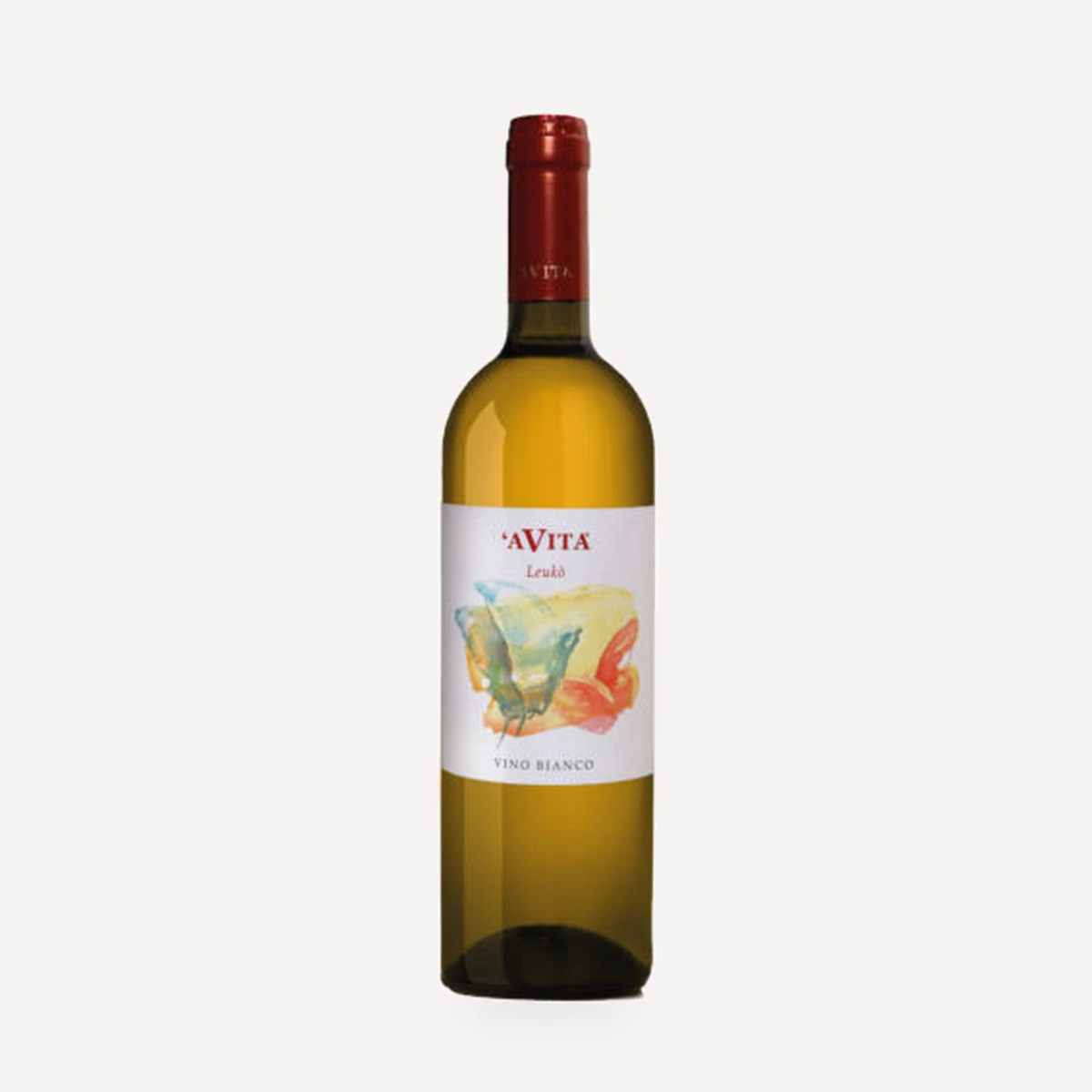
'A Vita is a winery in Calabria, Italy.
History, winemaking, wines and news for this producer are being prepared. Meanwhile, visit the official website.
Terroir
The vineyards occupy contrasting positions around Cirò. Fego lies close to the sea, while Muzzunetto and S. Anastasia are associated with the hills; Muzzunetto is specifically placed on the northern hills. The vineyard elevations represented in production extend from sea level to 100 m.
Clay-limestone soils are associated with the fruit used for the rosé and white production, while the hill-grown red grapes and the oldest vineyard grow on marly clays. The oldest vineyard lies among the north-facing hills of Cirò at 50–100 m above sea level.
The proximity of Fego to the coast and the higher, north-facing positions of the hill vineyards provide the estate with distinct coastal and inland sources of fruit. The wines are conceived as expressions of this Mediterranean setting, with fruit, savouriness and territorial character recurring as production objectives.
Vinificazione
The vineyards include coastal and hill sites between 0 and 100 m above sea level. Gaglioppo is grown at Fego, Muzzunetto, S. Anastasia and the unnamed oldest vineyard; Magliocco is grown at Fego, while Greco Bianco is used in white-wine production.
The stated average vine ages range from 20 years in the white-wine vineyards to 20–55 years across the Gaglioppo sources used for rosé. The oldest Gaglioppo vineyard averages 50 years. Reported yields are below 50 q/ha for the white and rosé sources, 40–60 q/ha for the hill-grown Gaglioppo and coastal Magliocco used in red production, and 50 q/ha in the oldest vineyard.
Vineyard protection is based on sulfur in some parcels and sulfur with copper in others. Harvest timing varies by site and intended production: the first and second weeks of September for rosé fruit, the second week for white-wine fruit, the third week for the oldest-vineyard Gaglioppo, and the end of September for the Gaglioppo and Magliocco used in the lighter red.
Production protocols vary according to grape source and intended expression, but spontaneous fermentation is the recurring foundation. Where both stages are specified, alcoholic and malolactic fermentations proceed spontaneously and are completed. The wines are not fined and receive only a coarse filtration before bottling.
Pressing ranges from separate, gentle pressing of white-wine components to soft pressing at up to 0.4 bar for red fruit. Free-run must is used for rosé and for the oldest-vineyard Riserva. Skin contact ranges from a short maceration or approximately 36 hours for fresher styles to 15 days for the Riserva.
Stainless steel is the principal maturation vessel. Depending on the production, maturation lasts approximately six months on the lees, seven months on the lees, or 18 months. The Riserva follows a different path: after 15 days on the skins, the free-run wine spends one year in a 2,000-litre oak cask and then undergoes prolonged bottle maturation, reaching release four years after harvest.
Total sulfur dioxide at bottling or in the finished wines is reported at 27–31 mg/L for the 2022 white and rosé and the 2020 Riserva; the 2022 red is reported at 30 mg/L.
Filosofia
The production approach is centred on preserving the character of the individual coastal and hill vineyards through spontaneous fermentations, restrained processing and extended maturation. Separate pressing, free-run juice, gentle pressure, the absence of fining and limited filtration are used to carry vineyard distinctions into the finished wines.
The estate’s own descriptions repeatedly frame the wines in terms of Mediterranean terroir, fruit, savouriness and territorial character. Stainless steel is favoured where freshness and directness are sought, while the oldest-vineyard Gaglioppo receives longer maceration, large-cask maturation and an extended period in bottle.
Vini
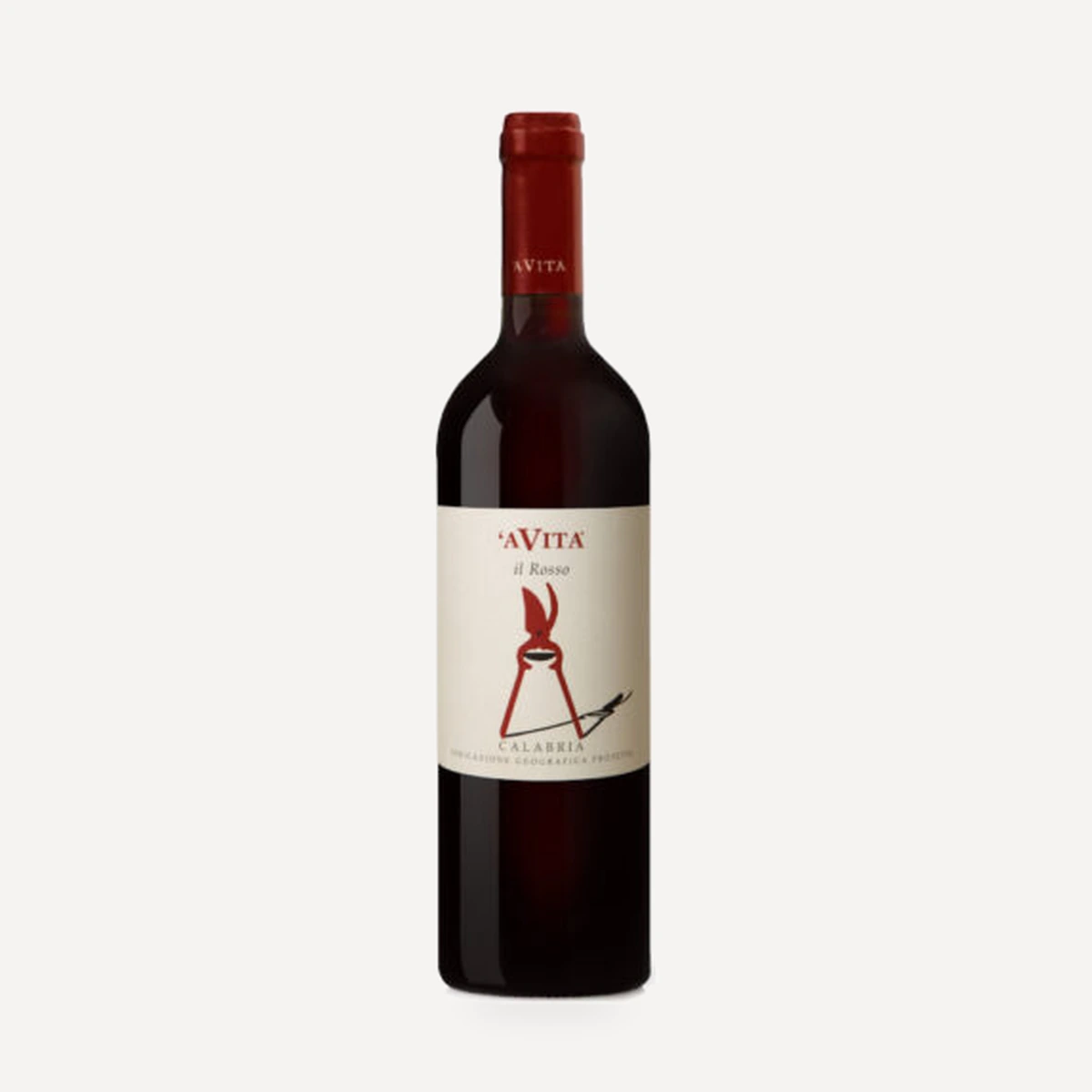
Il Rosso