Storia
1845: the beginning
In 1845, Vincenzo Ippolito carved his initials into a country house at the marina of Cirò, then surrounded by vineyards, olive trees and orange groves. Agriculture was still diversified, but vines were beginning to assume a more important role. The wine was consumed locally.
The 1920s: Cirò's first modern winery
After the First World War, Don Vincenzo Ippolito, the founder's grandson, resumed the work begun by his grandfather. He made viticulture and the Cirò territory the focus of a long-term project and established what Ippolito describes as the first modern winery in Cirò. Underground stone vats served both for vinification, including brief pump-overs, and for maturation.
The 1930s: chestnut casks and a wider market
Travel and the pursuit of technical improvement led to the introduction of the cellar's first chestnut casks, with capacities from 80 to 100 hl. Wine was still sold exclusively in bulk, but the market expanded as Cirò gained recognition for quality and contacts developed in Northern Italy, including established wine-producing areas.
The 1940s: bottling begins
With demand established both inside and outside Calabria, Don Vincenzo began bottling the family's Cirò. Ippolito presents this as the first such initiative in Calabria. The wines drew on alberello-trained vineyards in the coastal areas of Feudo and Difesa Piana.
The 1950s: the first labels
The first two Ippolito labels appeared: a Cirò Rosso and a Cirò Riserva. The Riserva was bottled after ten years in large chestnut casks. Its bottle was the asymmetric Piedmontese form associated at the time with major Barolo producers; Ippolito continues to use that form.
The 1960s: mechanization and international markets
Under the direction of the brothers Antonio and Salvatore Ippolito, the vineyards took their first steps toward modern, mechanized agriculture while retaining a focus on quality. The winery also began approaching foreign markets, initially Germany and the United States.
In 1969, Cirò's first production regulations were drafted, designating Gaglioppo and Greco Bianco for Cirò Rosso, Rosé and Bianco. Ippolito was among the principal contributors to this development.
The 1970s: expansion and Mancuso
As the business grew, the winery added a fully automated bottling room, underground storage for wine in tanks and bottles, new offices and a quality-control laboratory. The 60-hectare hilly Mancuso estate, in the heart of the denomination, was converted to vineyards planted with native varieties. The historical account names Gaglioppo and Greco Bianco, while the current estate profile identifies Gaglioppo and Calabrese in Mancuso today.
1989: Colli del Mancuso
National and international recognition increased during the 1980s, while the market became more demanding. Ippolito responded by adding a new reserve to its three vintage wines and its existing ten-year Cirò Riserva. Colli del Mancuso Cirò Riserva was created in 1989 and is presented as Calabria's first cru.
The 1990s: loss, distribution and clonal research
Antonio Ippolito died prematurely during the 1990s. The company concentrated on a limited group of established customers and consolidated its position in large-scale distribution. In the vineyards, it began a Gaglioppo clonal-selection programme with the Faculty of Agriculture at the University of Bari.
The 2000s: the fifth generation
The fifth generation joined the business. Ippolito introduced new wines and cellar technologies, replanted vineyards and constructed a 2,500 m² underground barrel cellar. These investments were intended to open new markets, strengthen existing ones and advance the company's quality objectives.
Ippolito today
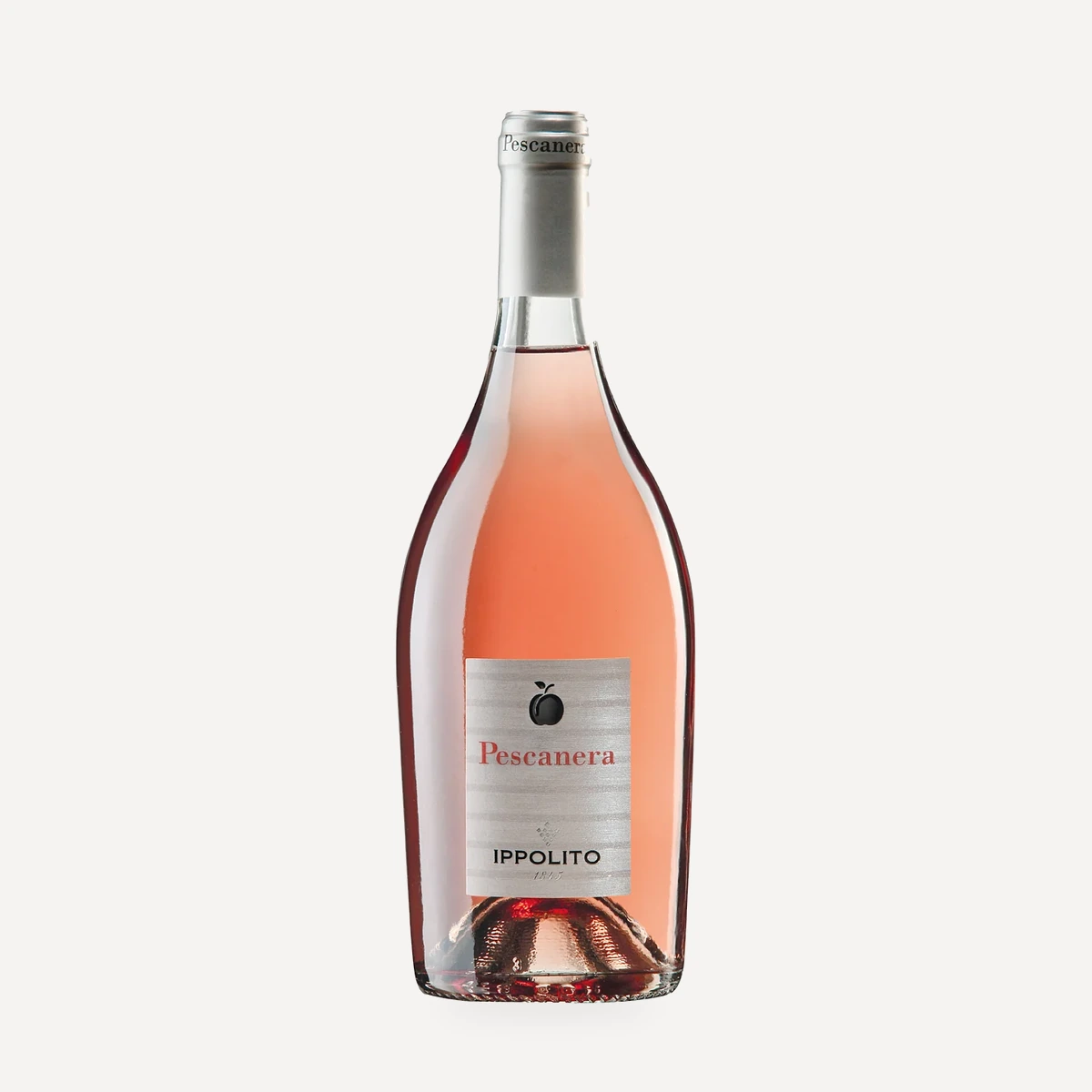
The fifth generation now leads a family winery whose current English homepage and history page describe 15 labels distributed across four continents. Its programme continues to centre on native Calabrian varieties, protection of the territory, respect for tradition, and the conservation of nature and biodiversity.
Terroir
Ippolito's vineyards lie in the classic Cirò area of Calabria, between Punta Alice—the southernmost point of the Gulf of Taranto—and the foothills of the Sila. The approximately 100-hectare holding extends from sunny plains close to the Ionian Sea to inland hills.
The three estates create a marked altitudinal and geological progression. Mancuso occupies hills in the commune of Cirò at 300–350 metres above sea level. Its vineyards face from south through northeast and grow on sandy soil over a limestone matrix. Feudo lies on flat ground in Cirò Marina at about 10 metres; its soils are deep, alluvial and medium-textured, with a smaller gravelly, skeleton-rich portion. Difesa Piana is another flat coastal site in Cirò Marina, at 5–10 metres, with sandy-loam soil.
The estate's broader conception of Calabria emphasizes the contrast between coasts, mountains and numerous microclimates, with the Ionian Sea, Sila, Pollino, Tyrrhenian coast, Aspromonte and Serre forming its geographical frame of reference.
Vinificazione
The vineyards are cultivated organically, a programme begun in 2013. The current estate profile describes predominantly horizontal spurred-cordon or espalier training, with a smaller proportion of old vines retained as alberello. Planting density is generally 5,600 vines per hectare, pruning leaves three spurs of two buds each, and yields across the properties range from 4 to 8 t/ha. Production is limited to approximately 1–1.5 kg per vine.
The principal vineyard operations are performed by hand. Soil cultivation is deliberately reduced to limit erosion and protect fertility and biodiversity. Longer-running integrated-management practices have included reducing synthetic plant-protection products, fertilizers and herbicides; maintaining soil fertility; crop rotation; erosion prevention; and rational water use.
A study conducted from February 2011 through October 2012 evaluated irrigation management and indicated that water use could be reduced by 30% while retaining the same irrigation effectiveness. Another research project measured a vineyard's carbon absorption and release over daily, monthly and seasonal timescales, reinforcing the role of vineyard ecosystems in removing atmospheric carbon.
The estate grows native Calabrian varieties: Gaglioppo, Greco Bianco, Calabrese, Pecorello and Greco Nero. Its vineyard research has included Gaglioppo clonal selection with the University of Bari and a broader programme to recover and develop rarer regional cultivars.
Ippolito directly controls its production processes and combines historical cellar structures with later technical additions. The first modern winery established in the 1920s used underground stone vats for fermentation, including brief pump-overs, and for maturation. During the 1930s, 80–100 hl chestnut casks were introduced. A Cirò Riserva created in the following period spent ten years in large chestnut casks.
Expansion in the 1970s added a fully automated bottling room, underground tank and bottle storage, offices and an in-house quality-control laboratory. During the 2000s, the winery introduced further technology and constructed a 2,500 m² underground barrel cellar.
Production follows an HACCP self-control manual intended to minimize hygiene and food-safety risks. The official material does not provide a single current protocol covering reception, sorting, fermentation, maturation, stabilization and bottling across the entire range.
Filosofia
Ippolito places the recovery and contemporary development of native Calabrian grapes at the centre of its work. Gaglioppo and Greco Bianco remain core varieties, while research over roughly fifteen years has also focused on Calabrese, Pecorello and Greco Nero. The aim is not simply to rediscover rare cultivars, but to give them a current expression while preserving their connection to regional tradition.
The family treats the territory as an ecosystem to be defended for future generations. Its stated path links environmental sustainability with social and economic sustainability, arguing that higher-quality grapes and wines should also bring greater satisfaction to employees and collaborators.
Tradition and innovation are treated as complementary. Vineyard and cellar research, newer technology and direct control of production are intended to produce wines with elegance and a recognizable relationship to Calabria. At the same time, protection of nature, biodiversity and local identity remains a declared guiding principle.
Vini
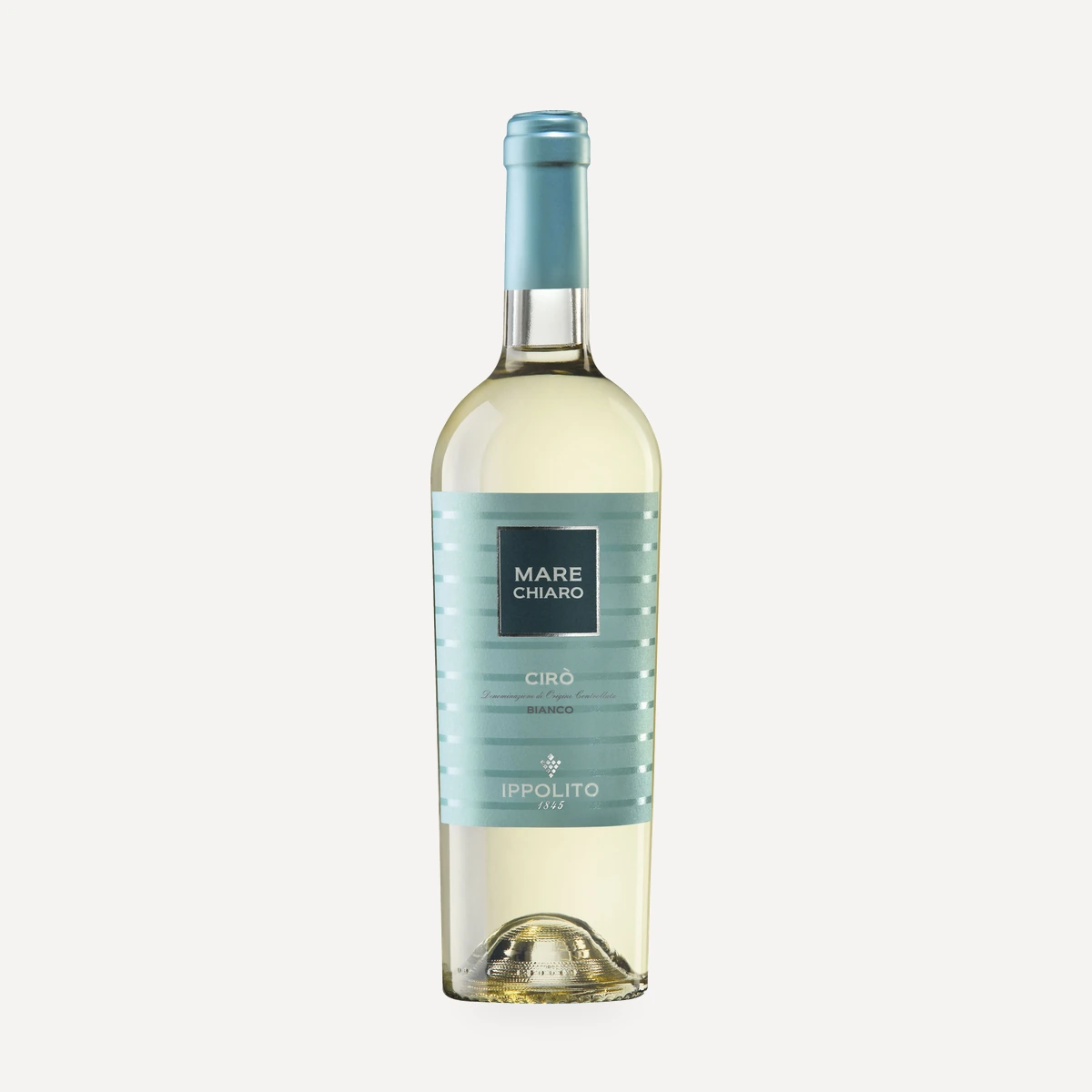
Mare Chiaro
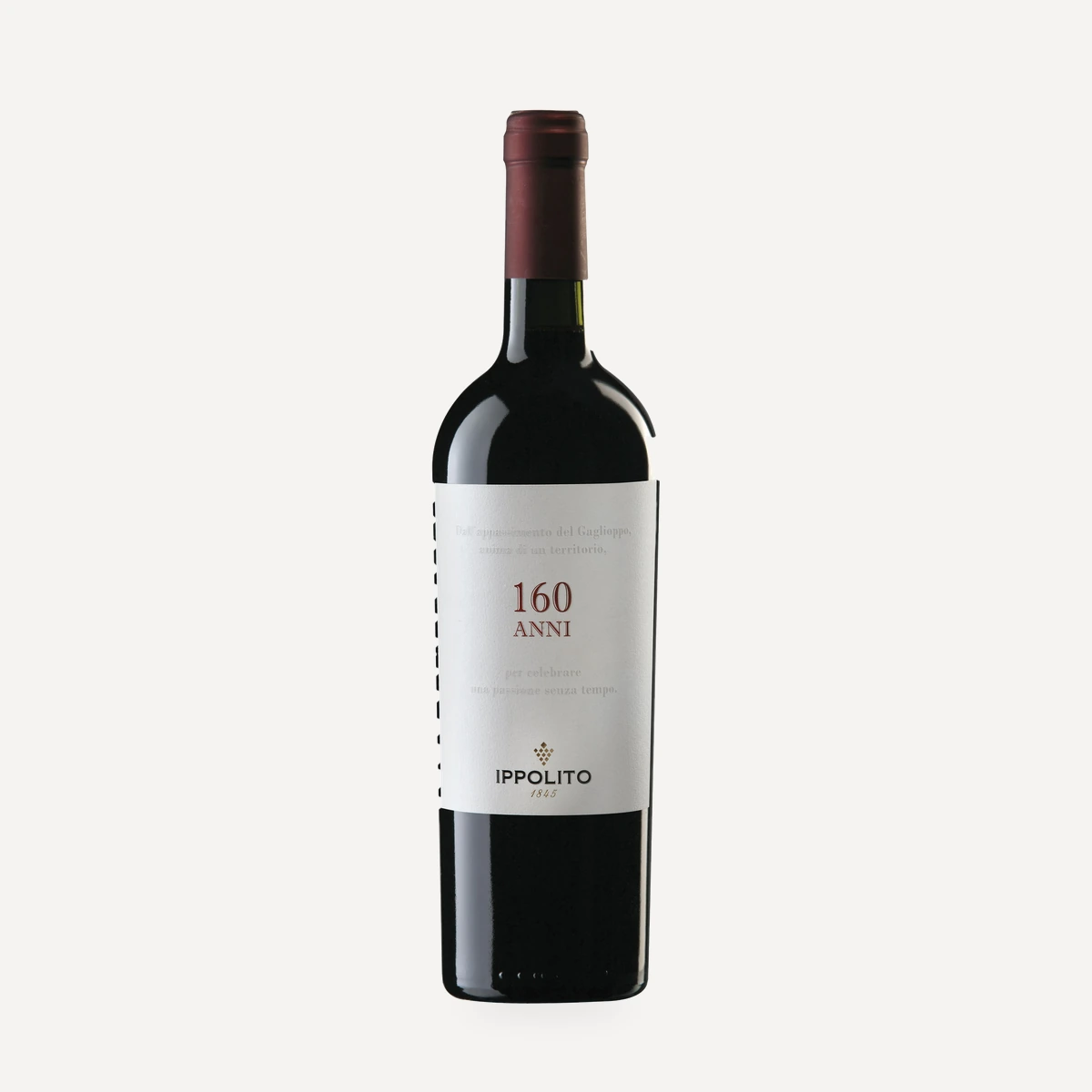
160 Anni
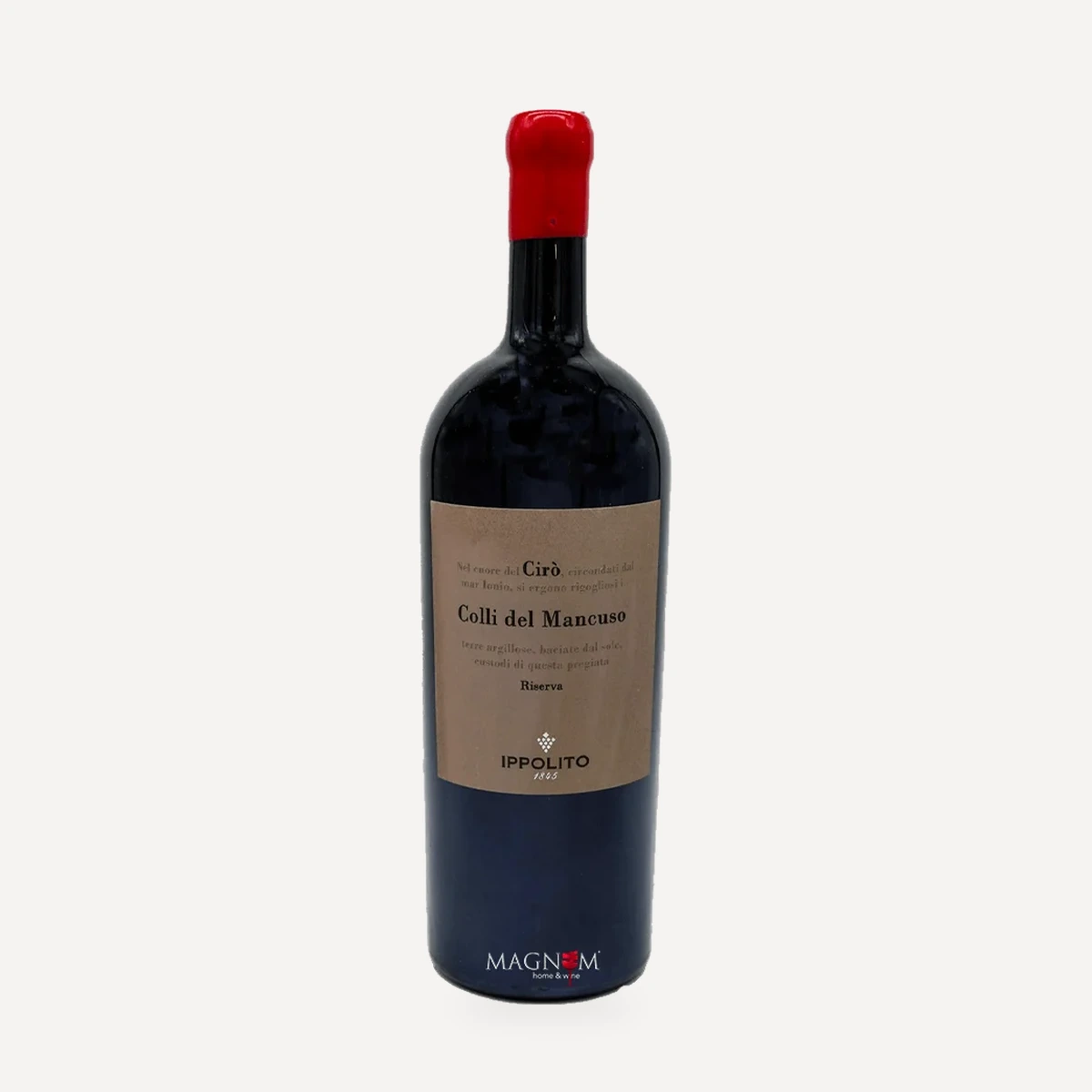
Colli del Mancuso
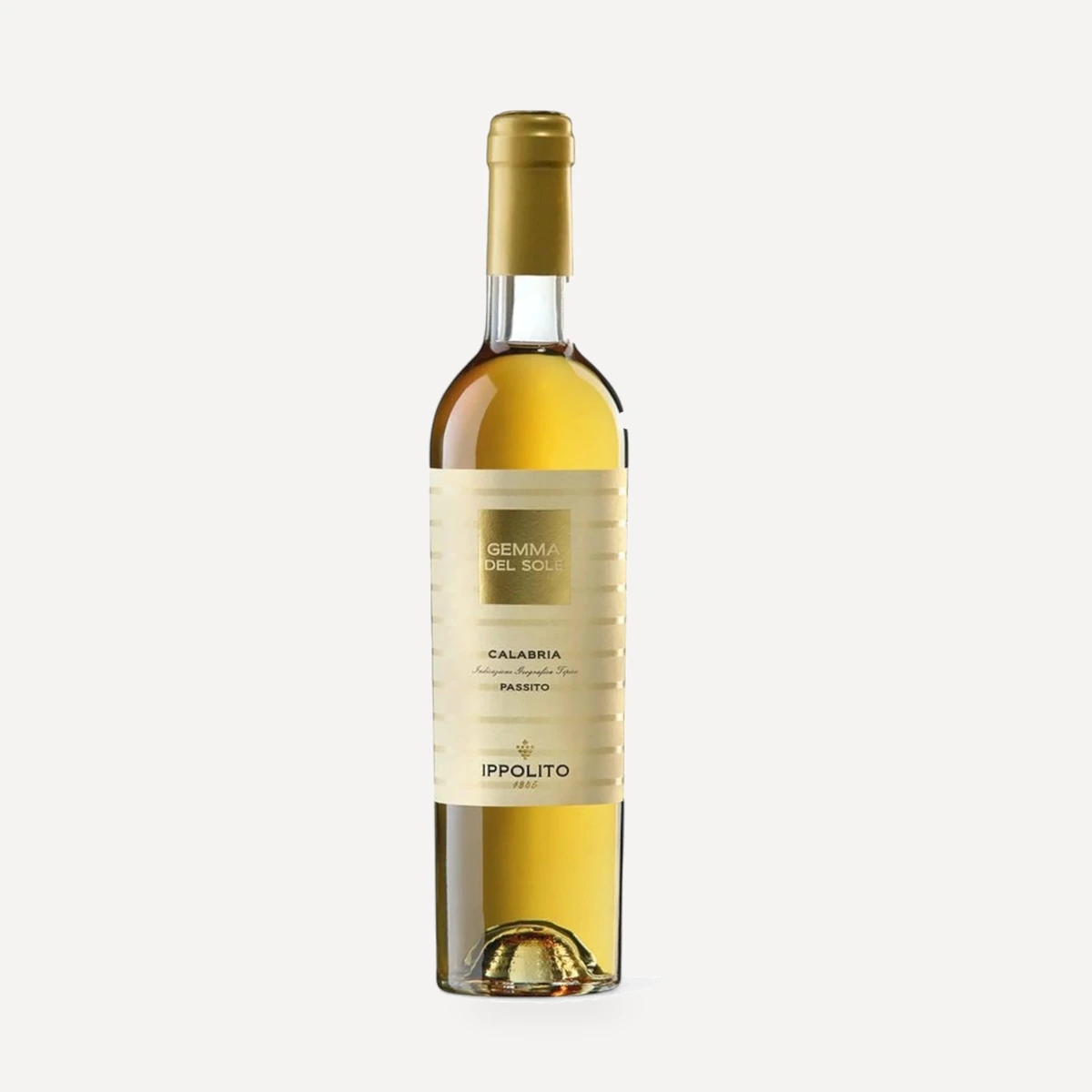
Gemma del Sole
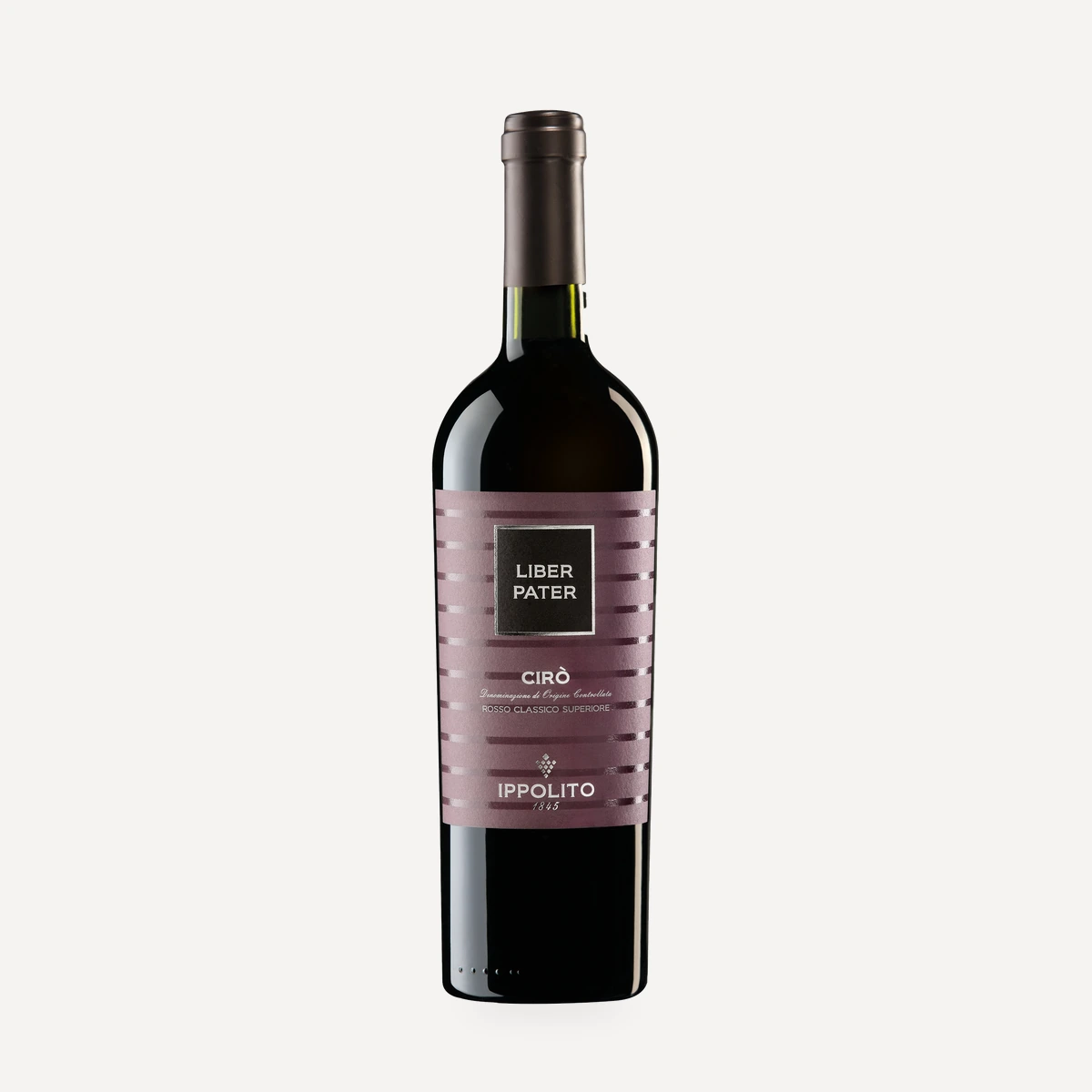
Liber Pater
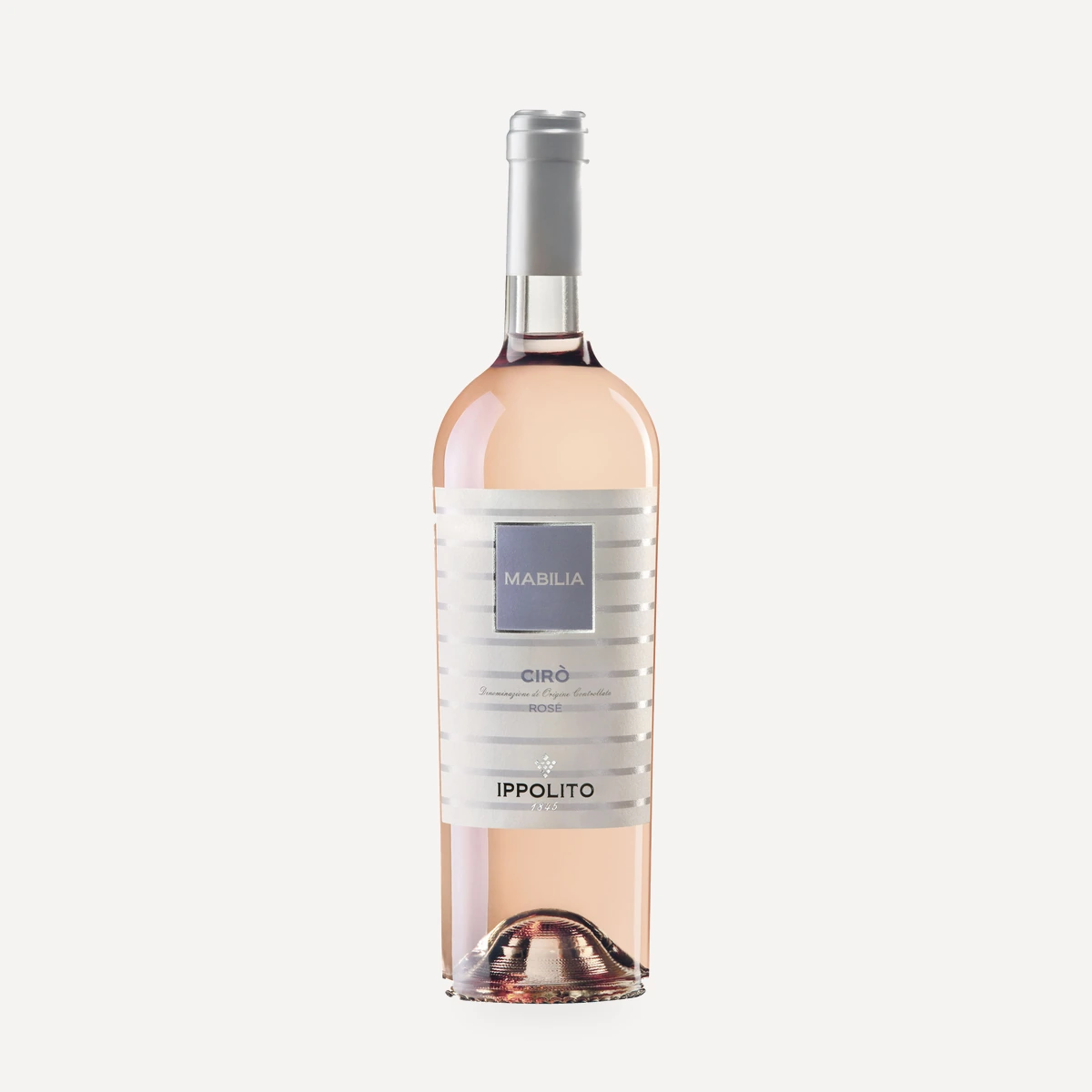
Mabilia