Storia
Family vineyards and the return to Calabria
The story begins with the vineyards of Giovanni Celeste Benvenuto’s paternal grandfather, who had owned land at Francavilla Angitola since the 1920s and cultivated Zibibbo there. Giovanni was born in Abruzzo to a Calabrian father and an Abruzzese mother and grew up among the mountains of the Marsica. The family’s Calabrian roots and memories of his grandfather’s vineyard remained central to him.
At the age of 18, Giovanni moved from Abruzzo to Calabria. He settled at Francavilla Angitola, a few kilometres from Pizzo Calabro, intending to recover his grandfather’s vineyards and revive the local tradition of Zibibbo cultivation and dry-wine production. The winery developed from this initiative and from the reuse of the family land.
Recovery of Zibibbo and the 2013 milestone
The project to recover Calabrian Zibibbo and secure authorization to vinify it as an IGP Calabria wine required 11 years of work. It culminated in 2013 with the first Calabrian Zibibbo IGP. Giovanni also obtained recognition for the variety as a Slow Food Presidium. His agricultural education, further postgraduate study and sommelier qualification supported the project, while continuing improvements in agronomic and oenological techniques shaped the developing estate.
Consolidation and recognition
The recovered Zibibbo became the defining variety of Benvenuto, alongside Malvasia, Greco Nero, Magliocco Canino and Calabrese. The vineyards continued under organic cultivation, with emphasis on hand harvesting, local varieties and the preservation of the area’s natural and cultural identity.
In 2020, Benvenuto’s Calabrian Zibibbo was included by The New York Times among ten notable Italian white wines. The recognition reinforced the estate’s commitment to the recovery project and to the continued development of Calabrian Zibibbo.
Terroir
Benvenuto’s vineyards lie in the territory of Francavilla Angitola, within the Parco Regionale delle Serre. The principal vineyard descriptions place the vines at approximately 350 m above sea level on natural terraces formed over the granite matrix of the Blocco Calabro.
The soils are granitic, mineral-rich and described as volcanic in origin. Zibibbo sites contain abundant minerals, including iron and coarse stony material. This geological formation is presented as a distinctive part of the Calabrian Apennines.
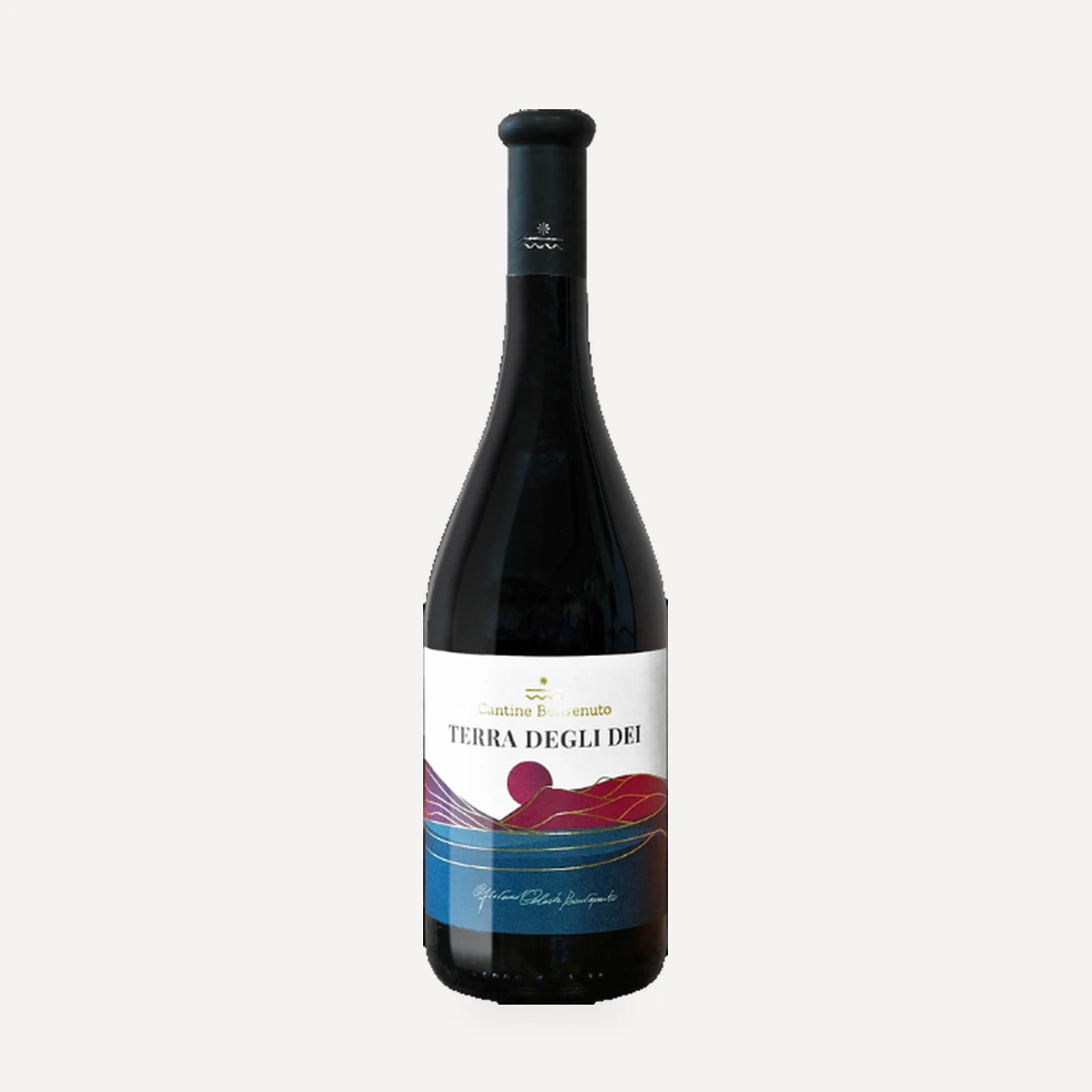
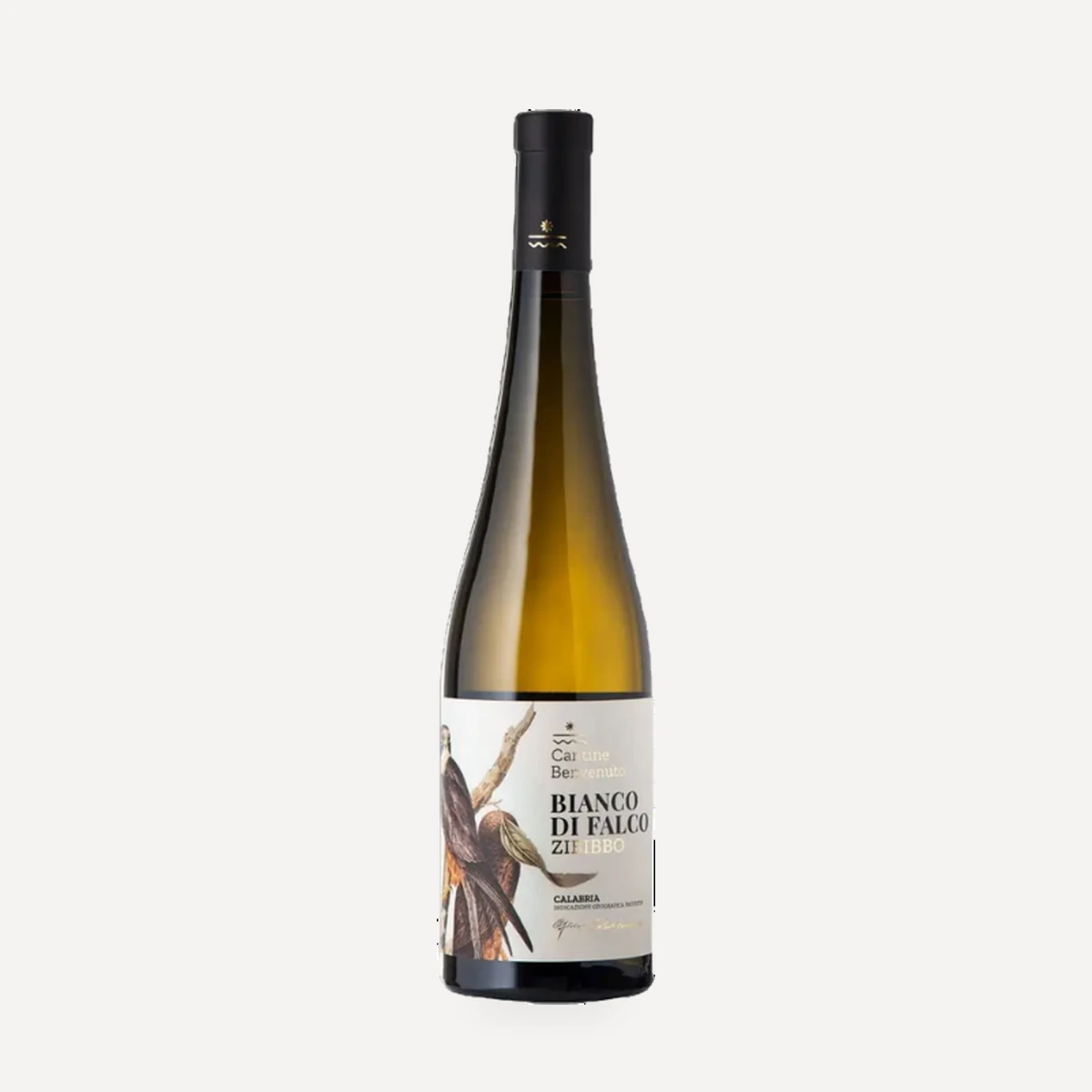
Contrada Falco forms a separately identified sector. Its hills have a south-westerly aspect at the foot of the mountains of the Parco Regionale delle Serre, facing Lago Angitola and the Costa degli Dei. A Falco vineyard at 290 m above sea level has granitic and sandy soil and overlooks the lake. The wider Falco holdings include some of the estate’s oldest Zibibbo vines.
The vineyards’ setting connects inland mountain foothills with views toward Lago Angitola and the Tyrrhenian coastline. No uniform climatic measurements are given, but the estate’s presentation repeatedly links its landscape to wind, sea, hills and the protected environment of the regional park.
Vinificazione
The entire agricultural estate is cultivated organically, and several vineyard descriptions specify that this regime has been maintained for decades. The approach is framed around environmental respect, protection of biodiversity, stewardship of the territory and concentration on varieties associated with the local landscape.
Spurred cordon is the dominant training system. Some of the oldest Zibibbo vines in Contrada Falco are also trained as alberello. Depending on the parcel and intended wine, yields range from approximately 50 q/ha for passito grapes to 70 q/ha for Zibibbo and around 80 q/ha for other white, rosato and red selections.
Harvesting is manual. Grapes are generally collected during the coolest hours of the day in small crates, which are described as sterilized for several selections. The best Falco fruit is harvested at dawn, selected both in the vineyard and again on a conveyor before destemming, and transported immediately to the cellar. Harvest timing extends from the last week of August for sparkling-wine Zibibbo through September for the white and rosato varieties and into the first and second ten days of October for the red varieties. Passito fruit undergoes an initial drying phase on the vine and a second phase in a natural drying room.
Benvenuto employs several cellar pathways according to grape variety and wine style, while maintaining careful selection, gentle handling and extended maturation as recurring principles.
White-wine fruit may be destemmed and gently crushed, followed by approximately 24 hours of cold maceration. Soft pneumatic pressing and low-temperature natural settling precede fermentation. Zibibbo can ferment spontaneously with indigenous yeasts in temperature-controlled stainless-steel vessels; another white-wine pathway ferments free-run must in thermoregulated steel at about 18°C. After fermentation, coarse lees are removed and maturation continues for months on fine lees, with repeated bâtonnage. Bottling commonly takes place in March, followed by bottle maturation.
Rosato grapes are sorted on a conveyor, destemmed and given a short cold maceration in the press before controlled-temperature fermentation. The wine then matures on fine lees for six months.
Red grapes are destemmed after selection and ferment with the skins. Maceration continues beyond active fermentation and can last several weeks, with repeated pump-overs. Maturation on fine lees and bâtonnage continue until natural malolactic fermentation. The current red-wine method avoids barrels and barriques to prevent wood aromas from obscuring varietal and territorial expression; bottling takes place in March before further bottle aging.
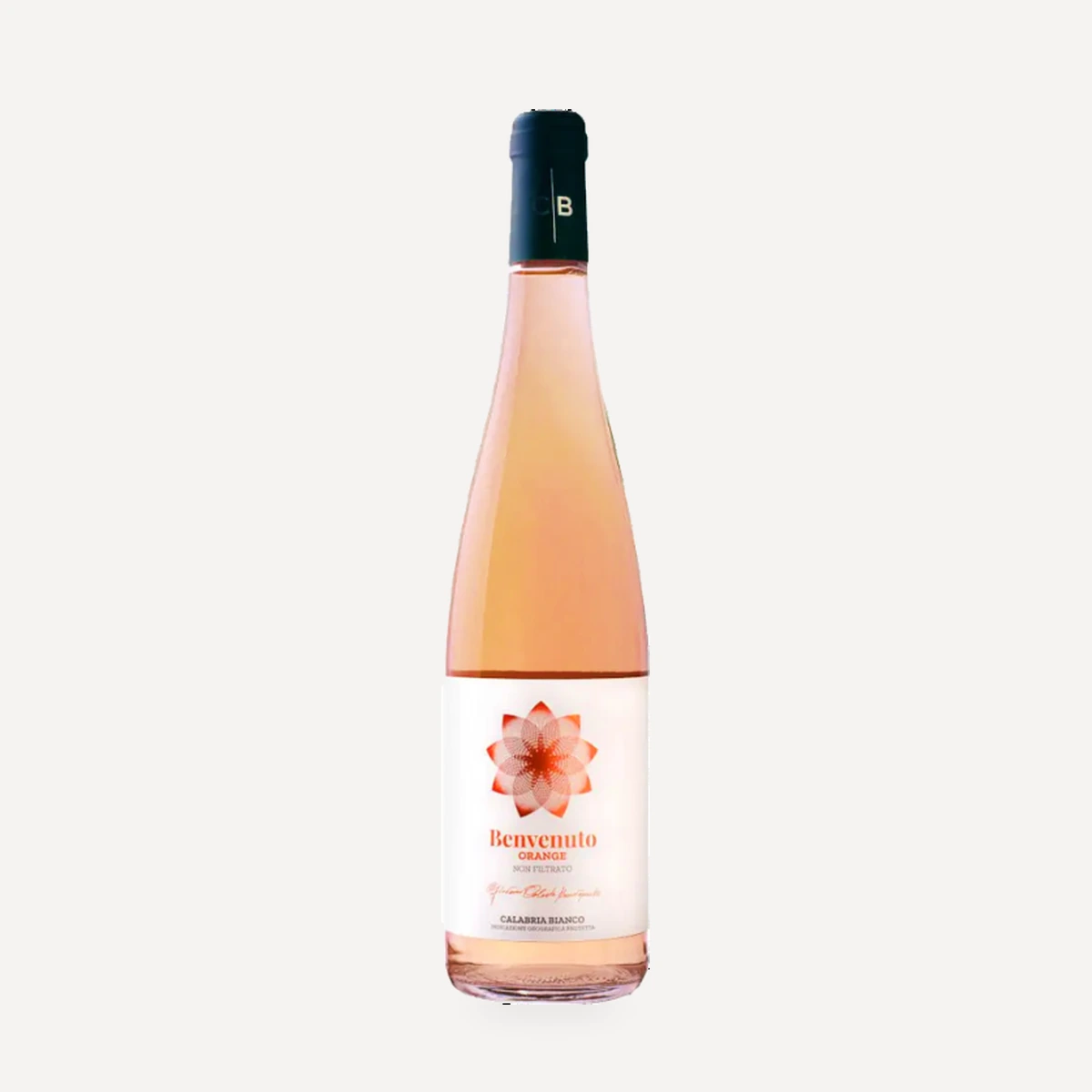
The skin-contact Zibibbo ferments spontaneously with indigenous yeasts in stainless steel and remains in contact with the skins for approximately four months. Regular pump-overs mix the cap and support extraction. After racking and gentle pressing, the wine is settled and transferred off its coarse lees. Both this stage and the slow maturation take place in partially filled tanks to encourage controlled oxidation. Bottling follows full maturation and is carried out without filtration.
Selected old-vine Zibibbo from Contrada Falco receives several days of maceration before racking and gentle pressing. Fermentation takes place in first-use oak barriques, followed by maturation on fine lees until spring with daily bâtonnage. After spring bottling, the wine remains in bottle for at least one year.
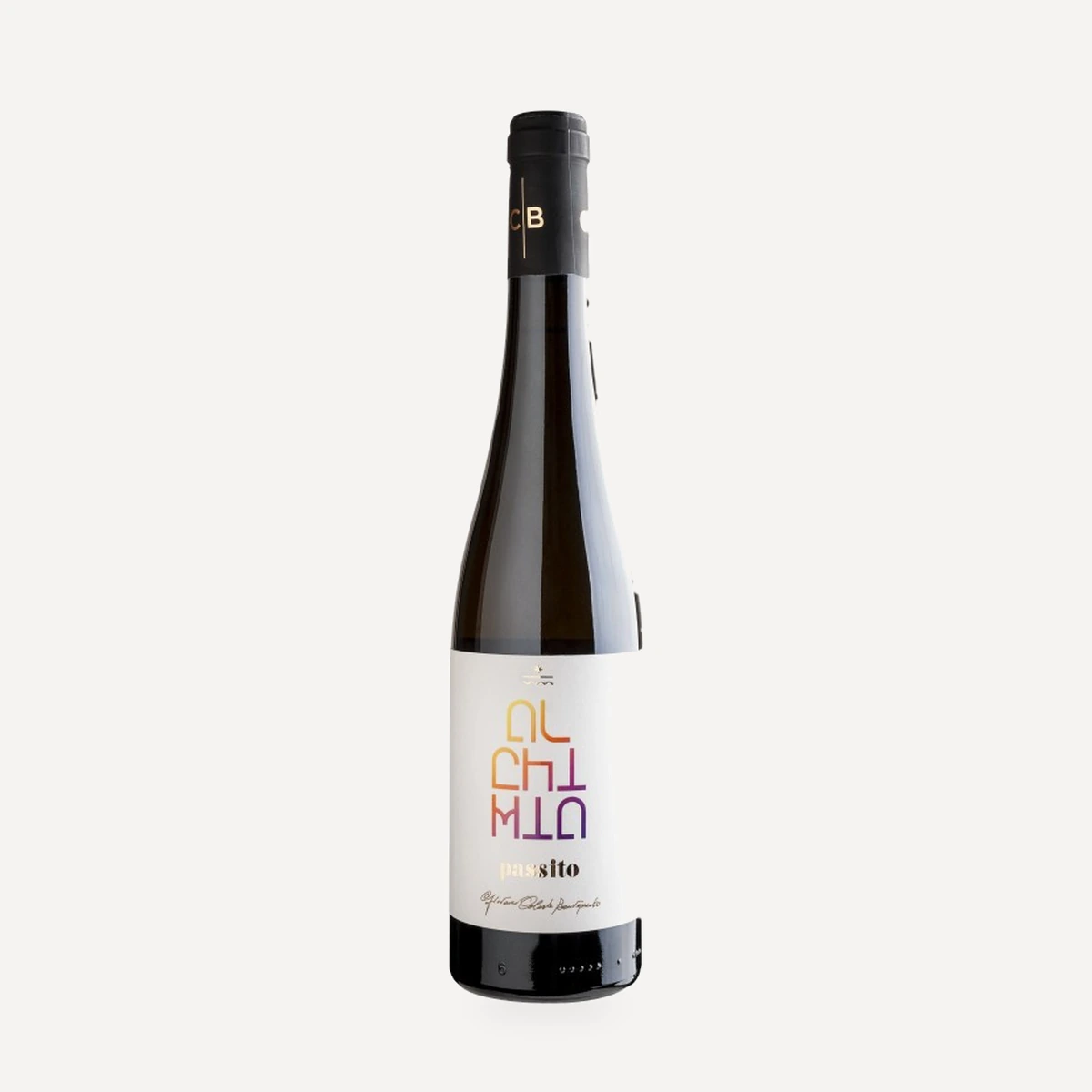
Passito grapes are pressed after drying, and the must settles naturally before spontaneous, temperature-controlled fermentation in steel. After removal of the coarse lees, maturation proceeds on fine lees with regular bâtonnage.
Two sparkling-wine processes are used. One Zibibbo cuvée is softly pressed to obtain a 40% free-run-must yield, fermented in steel and matured for 12 months on fine lees before bottle refermentation. It then remains on the yeasts for 24 months, followed by manual disgorgement. A separate long-Charmat process includes about 24 hours of cold maceration, soft pressing, 48 hours of low-temperature settling, fermentation in 30 hl stainless-steel tanks, and secondary fermentation and maturation in autoclave for approximately six to eight months before bottle aging.
Packaging carries a digital environmental label adopted under Italian Legislative Decree 116/2020 to guide the correct disposal of packaging materials.
Filosofia
Benvenuto defines its work through love, commitment, determination and meticulous care. Respect for tradition and love of nature form the central pairing of its identity.
The agricultural and cellar philosophy prioritizes protection of nature, organic cultivation, biodiversity and respect for the timing imposed by natural processes. Local varieties are treated as vehicles for the character of Francavilla Angitola rather than as raw material for a standardized style.
Technical development is not presented as an alternative to tradition. Continued improvement of agronomic and oenological methods is intended to respect and reinterpret the territory’s natural and cultural characteristics. In the cellar, the guiding principle is to preserve what the land and fruit provide without forcing them; this is reflected in indigenous fermentations, long lees maturation, selective avoidance of wood and, for skin-contact Zibibbo, unfiltered bottling.
The recovery of Calabrian Zibibbo is also framed as cultural stewardship: preserving family memory, reviving an older local practice and carrying it forward through organic farming and contemporary technical control.
Vini
Bianco di Falco
Alchimia Passito Zibibbo
Benvenuto Orange
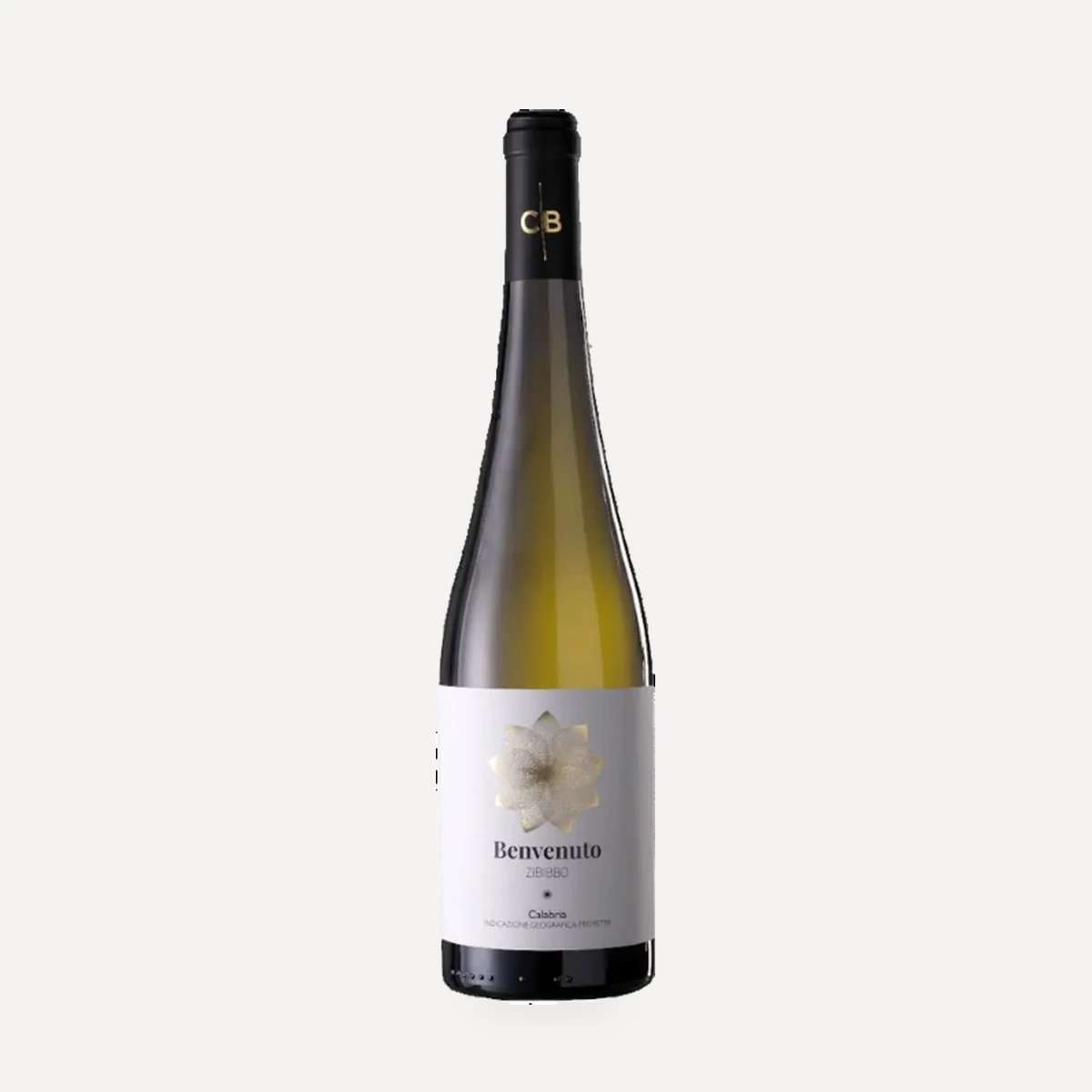
Benvenuto Zibibbo
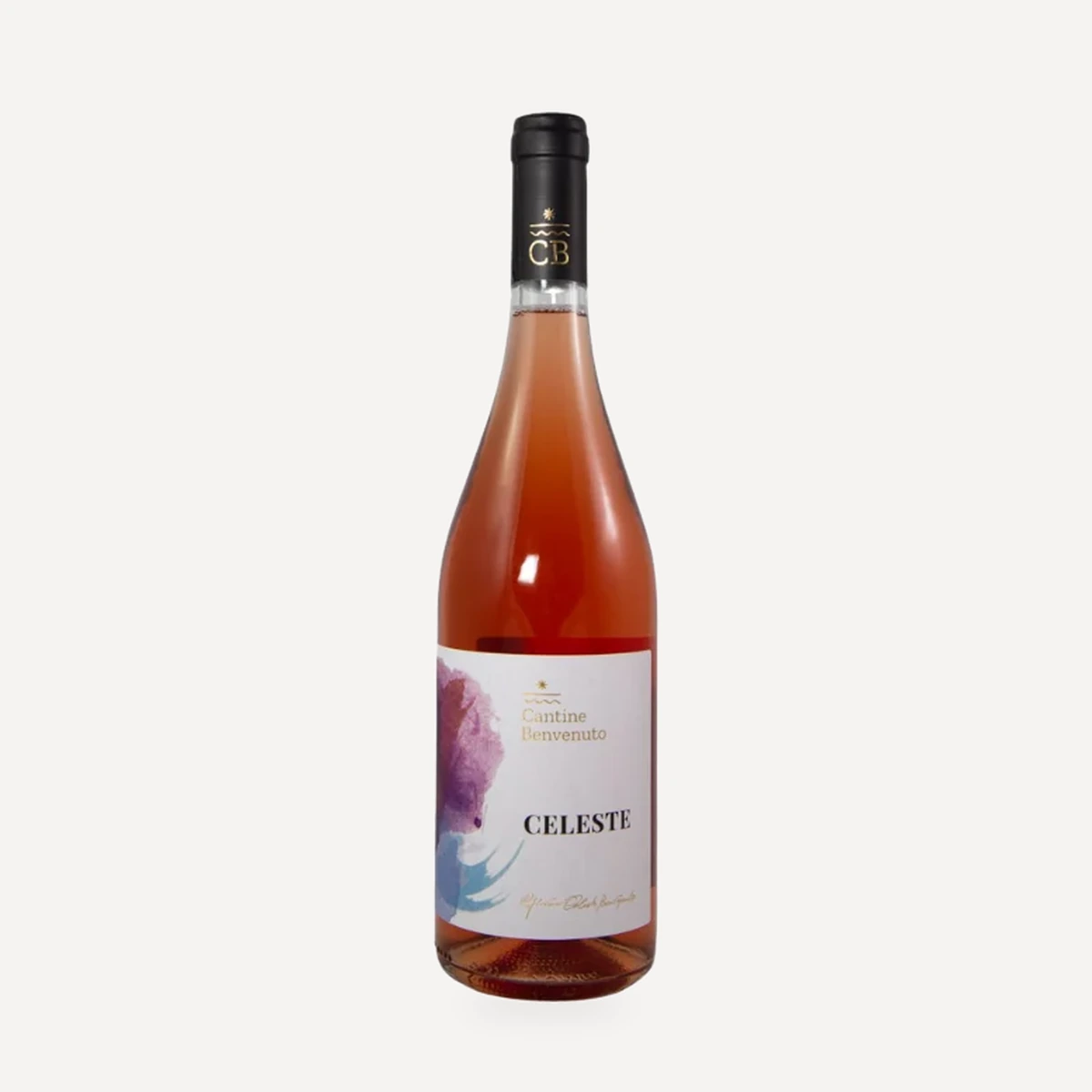
Celeste
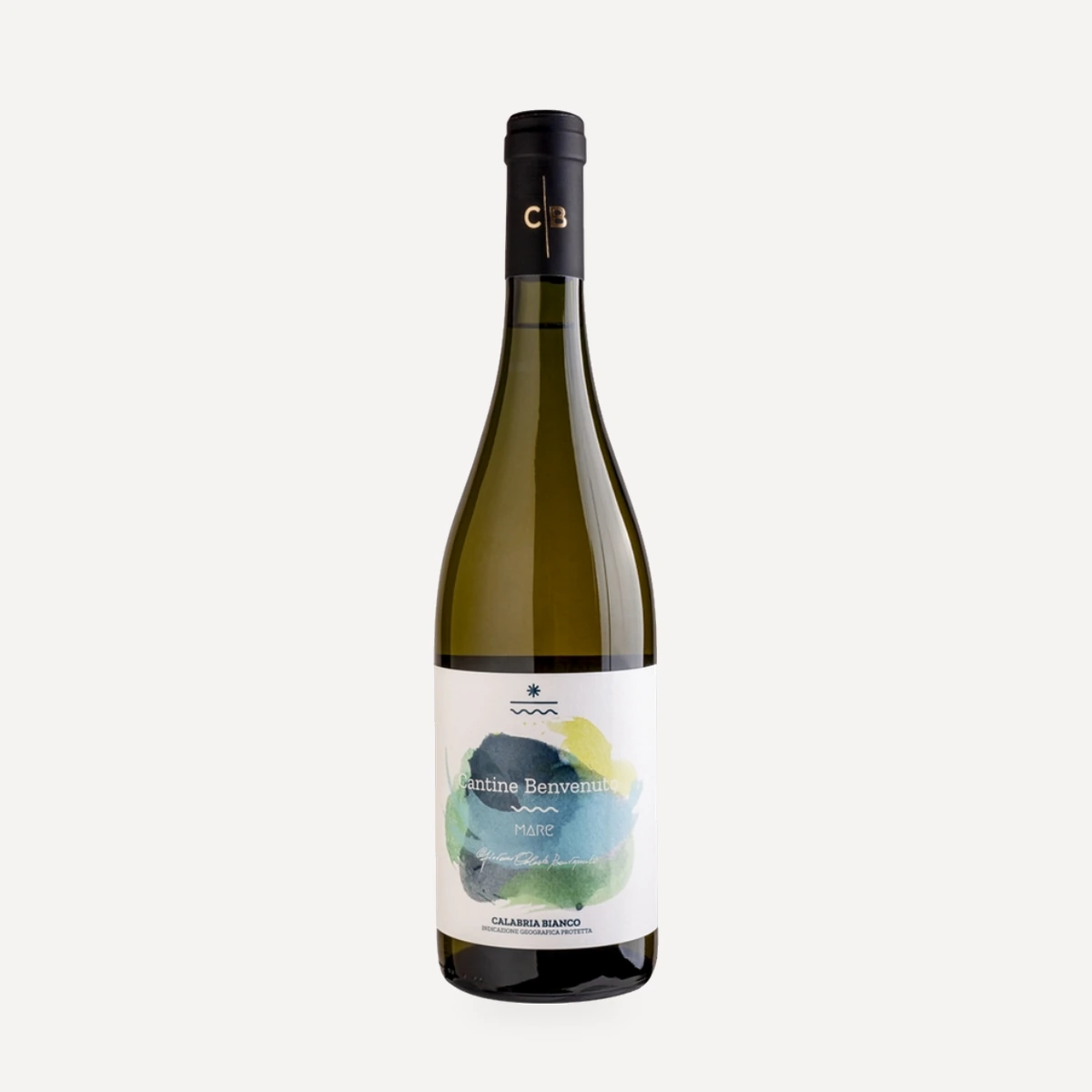
Mare
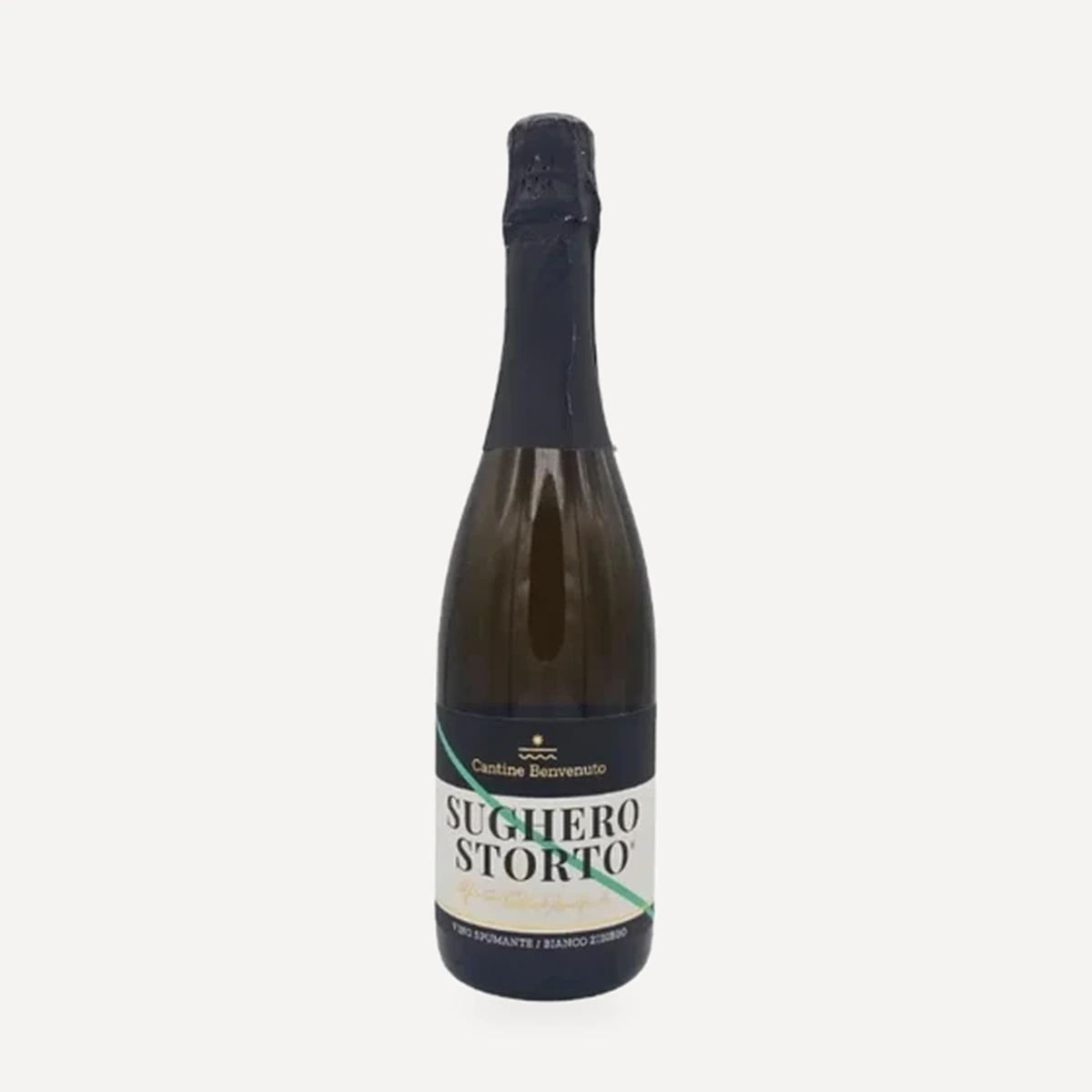
Sughero Storto
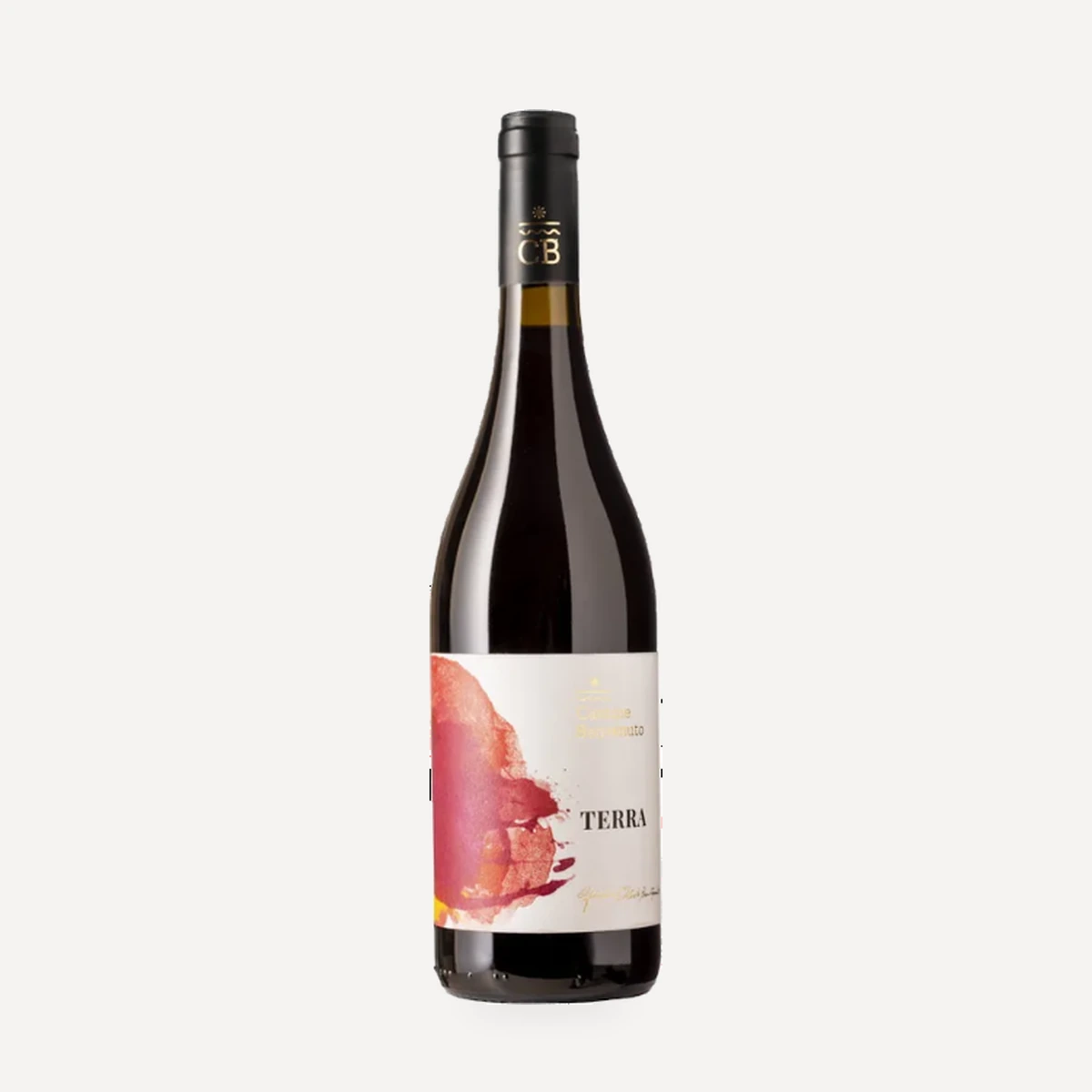
Terra
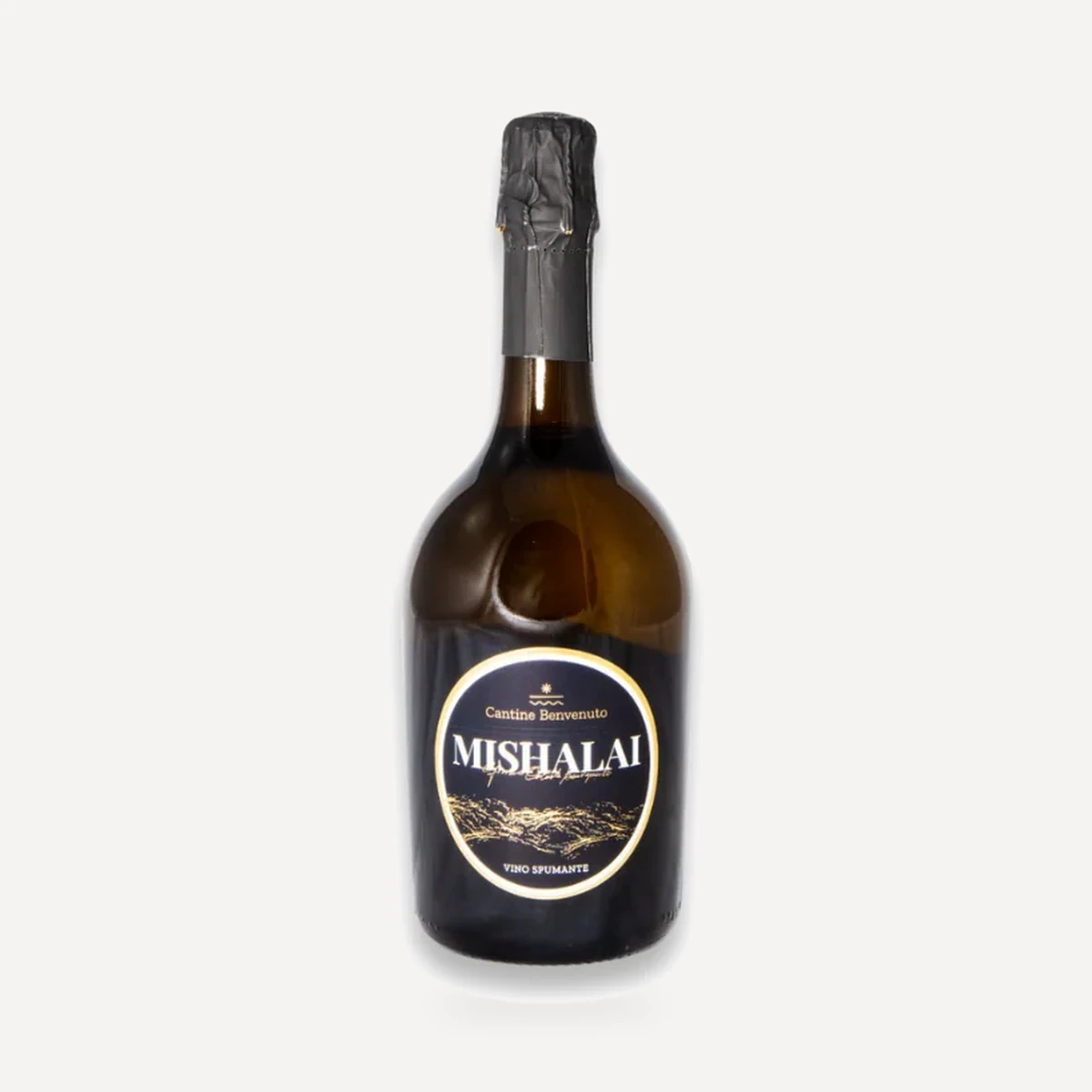
Mishalai