Storia
Historical roots of local viticulture
In 1571, Gabriele Barrio, described as Calabria’s first historian, recorded a celebrated wine from Filocastro. Limbadi remained a hamlet of Filocastro until 1830. Barrio’s disciple Girolamo Marafioti subsequently wrote of the abundance of wine in the countryside around Nicotera, and later historians also associated this part of Calabria with plentiful, prestigious wines.
Francesco Comerci and the founding family
Casa Comerci was founded in the late nineteenth century by Francesco Comerci. He taught his two daughters, Michelina and Rosina, to value the land and the quality of its produce. Michelina developed a particular attachment to olive trees, while the younger daughter, Rosina, chose vines and continued her father’s work in wine.
Rosina married Domenicoantonio Silipo, the village cooper, and they had seven children. Domenicoantonio died while their youngest son was still an infant. Widowed, Rosina took forward her father’s project herself. She selected her youngest son, Salvatore, as heir to the family’s land and wine activity and affectionately called him Micuccio in memory of her husband.
Salvatore and continuity from Emilia
Salvatore became a lawyer and moved north to Emilia, following the path taken by many southern Italians of his period. He found in Emilia a relationship with the land that reminded him of Calabria. His departure did not mean abandoning the family vineyards: he placed the properties with tenant farmers, returned annually to make wine and transmitted the inherited passion to his children. On-site wine specialists also supervised the operation, with twice-yearly tastings and quality-control visits.
The 1930s and protection of Nicotera’s viticulture
During the 1930s, the Gallinari industrial group of Reggio Emilia—then a prominent builder of trains and railways—established a production cellar beside the railway at Nicotera. The location facilitated shipment of local wine to northern Italy and France. In the same period, Francesco Comerci combined wine production with political activity and proposed a municipal law intended to protect and develop local viticulture.
Reconstruction under Domenicantonio Silipo
The next central figure was Domenicantonio Silipo, Salvatore’s son and namesake of his cooper grandfather. After the business had lain dormant for several years, he spent years planning its reconstruction and discussing the project with lifelong friends and his sons, Francesco and Federico. The family ultimately chose to revive Casa Comerci in honour of its predecessors, despite the considerable distance between Emilia-Romagna and Nicotera. Domenicantonio entered wine professionally as a winemaker rather than following his grandfather’s trade as a cooper.
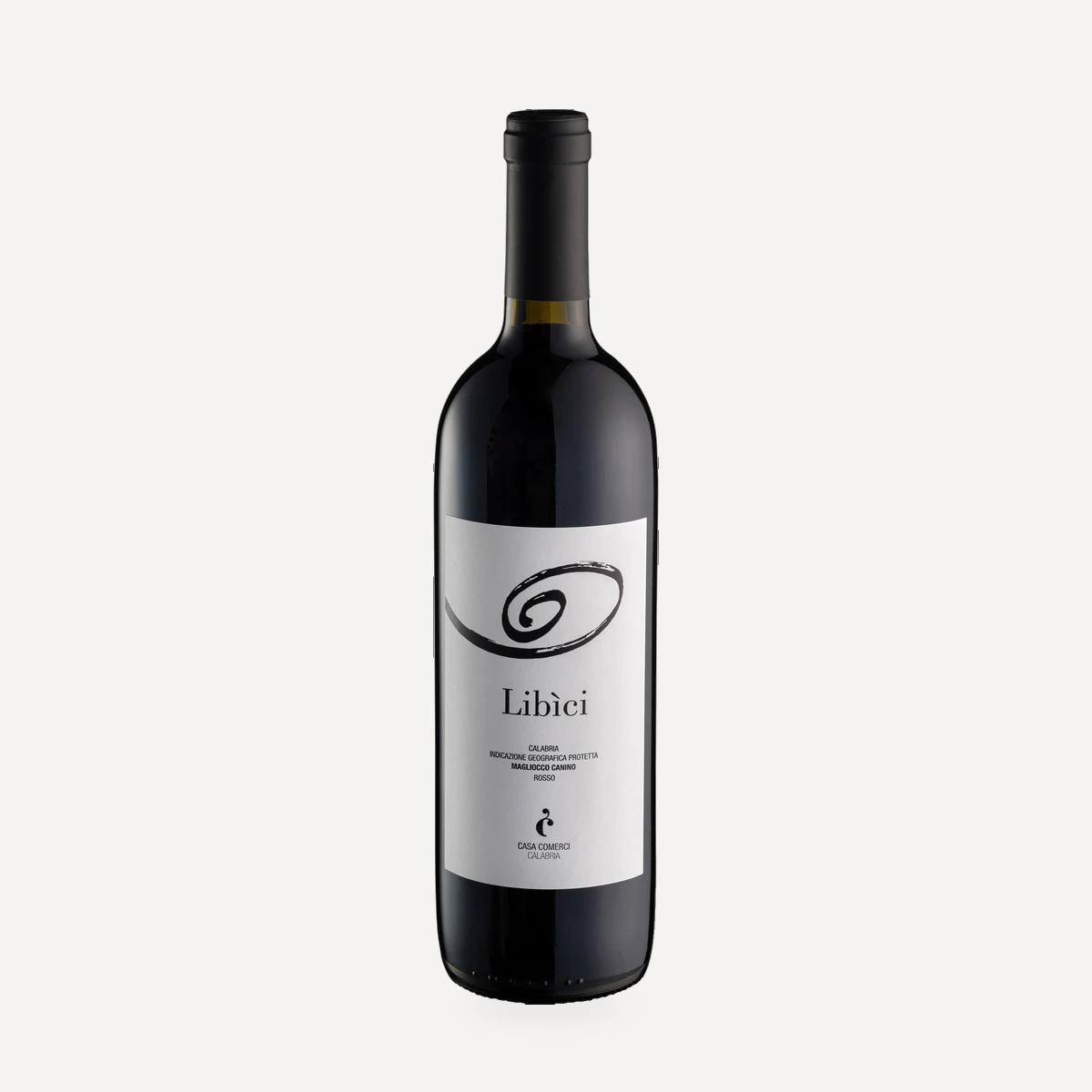
Further land purchases enlarged the property to almost 30 hectares, divided approximately equally between vineyards and olive groves. The renewed project centred on pure-varietal wines, particularly Magliocco Canino, with the intention of following the area’s viticultural character and preserving a connection with the flavours and evocative qualities of the family’s past.
Vineyard renewal and organic certification
The two adjoining vineyards around the family house and cellar at Badia were completely renewed in 2001. In 2008, Casa Comerci added a 13-hectare vineyard in contrada Sant’Andrea at Limbadi: 10 hectares were devoted to Magliocco Canino and three hectares to Greco Bianco. Organic management of the grapes began in 2009. In 2013, organic certification was extended through the bottling and labelling stages, completing certification of the production chain described by the estate.
Terroir
Casa Comerci lies at Badia di Nicotera, beneath Monte Poro in Calabria. Its vineyards occupy two estate blocks a few kilometres apart: Badia at Nicotera and Sant’Andrea in the municipality of Limbadi. Technical information places both locations at approximately 250 metres above sea level.
The Badia vineyards surround the family house and cellar. Their soils are described as sandy-silty or sandy loam. The rows run north–south.
Sant’Andrea rests on a gentle hill overlooking the Tyrrhenian Sea. Its soil is predominantly sandy and silty; one technical description of the parcel selected for Greco Bianco also identifies loose sandy ground with sandstone. The steeper Greco Bianco sector has north–south rows, while the level Magliocco Canino sector has east–west rows. An olive grove surrounds the vineyard.
The varieties are matched to these two settings: Badia is planted exclusively with Magliocco Canino, while Sant’Andrea contains both Magliocco Canino and Greco Bianco.
Vinificazione
The vineyards have been managed organically since 2009, using cultivation intended to respect the environment, natural cycles and a low-impact approach. Certification initially covered grape production and was extended to bottling and labelling in 2013.
Across the technical descriptions, vines are planted at 2.50 × 0.80 metres, corresponding to 5,000 vines per hectare, on Paulsen 1103 rootstock. Unilateral Guyot with four to five buds per cane is the principal training and pruning system for Magliocco Canino and is intended to contain production. The dedicated vineyard description assigns spur-pruned cordon to Greco Bianco at Sant’Andrea. Green pruning is used for canopy management.
Harvesting is manual. Published technical yields vary by vineyard selection and intended style, from 6,000 to 9,000 kilograms per hectare; a 7,500-kilogram figure is also given for a rosé selection and 8,000 kilograms for several still-wine selections. The estate cultivates only two named grape varieties: Magliocco Canino and Greco Bianco.
Casa Comerci works with organically grown Magliocco Canino and Greco Bianco and produces its wines as single-varietal expressions. Harvesting is manual, and the production information consistently centres on gentle handling, indigenous yeasts for several fermentations, temperature control and stainless-steel maturation.
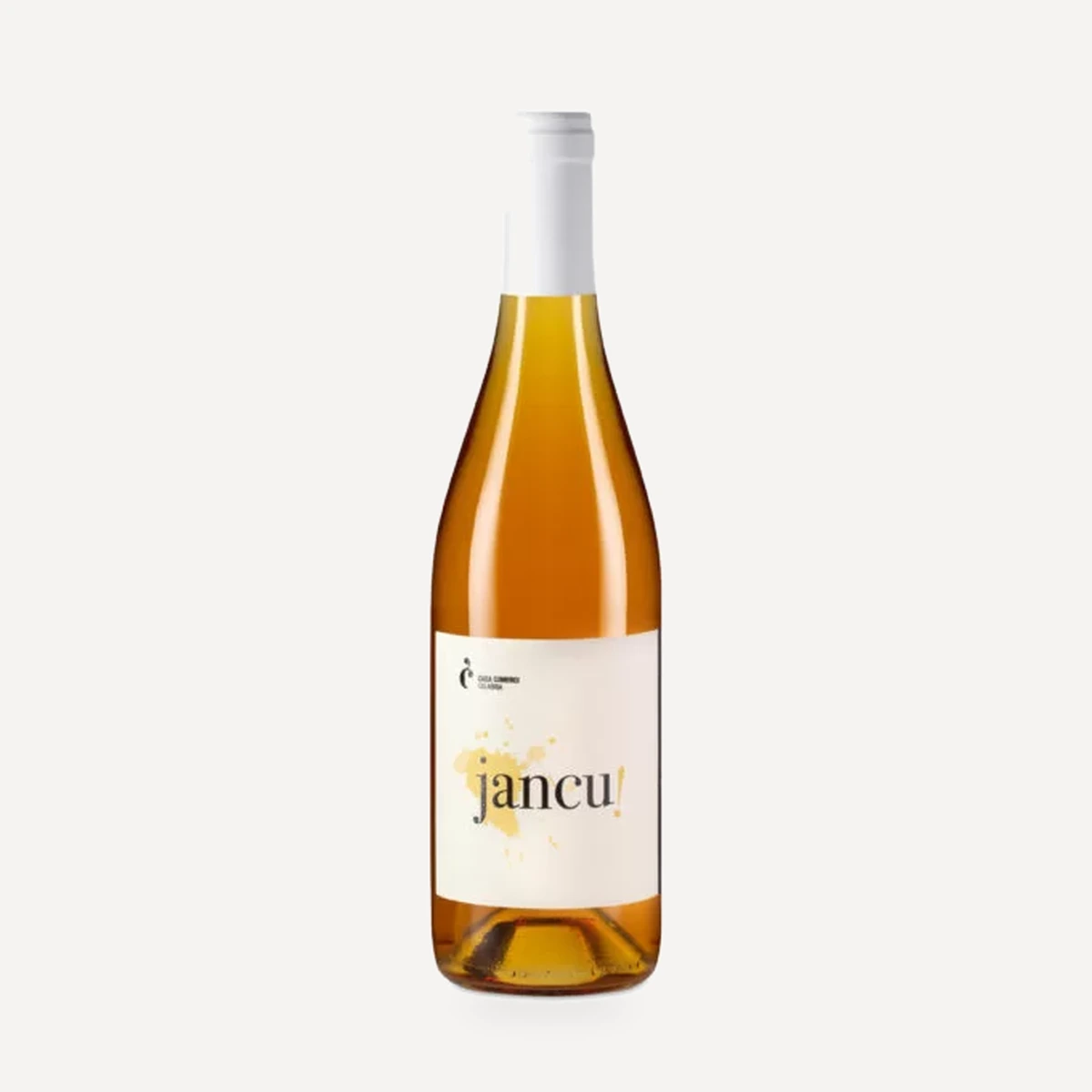
The still-wine methods include soft crushing and destemming, direct or gentle pressing, and macerations adapted to the intended style. Published practices range from brief skin contact to approximately ten days for conventional red extraction and extended submerged-cap macerations of roughly 40–70 days for longer-contact red or orange styles. Fermentation temperatures named across the range include 21°C for Greco Bianco and 23–24°C for rosé and red vinifications. Several cuvées ferment with yeasts naturally present on the grapes.
Stainless steel is the principal maturation vessel. Periods range from four or six months for fresher and skin-contact styles to eight months for still white wine, approximately 12 months for one red selection and at least 24 months for another. Bottle ageing ranges from about two months to eight months, depending on style.
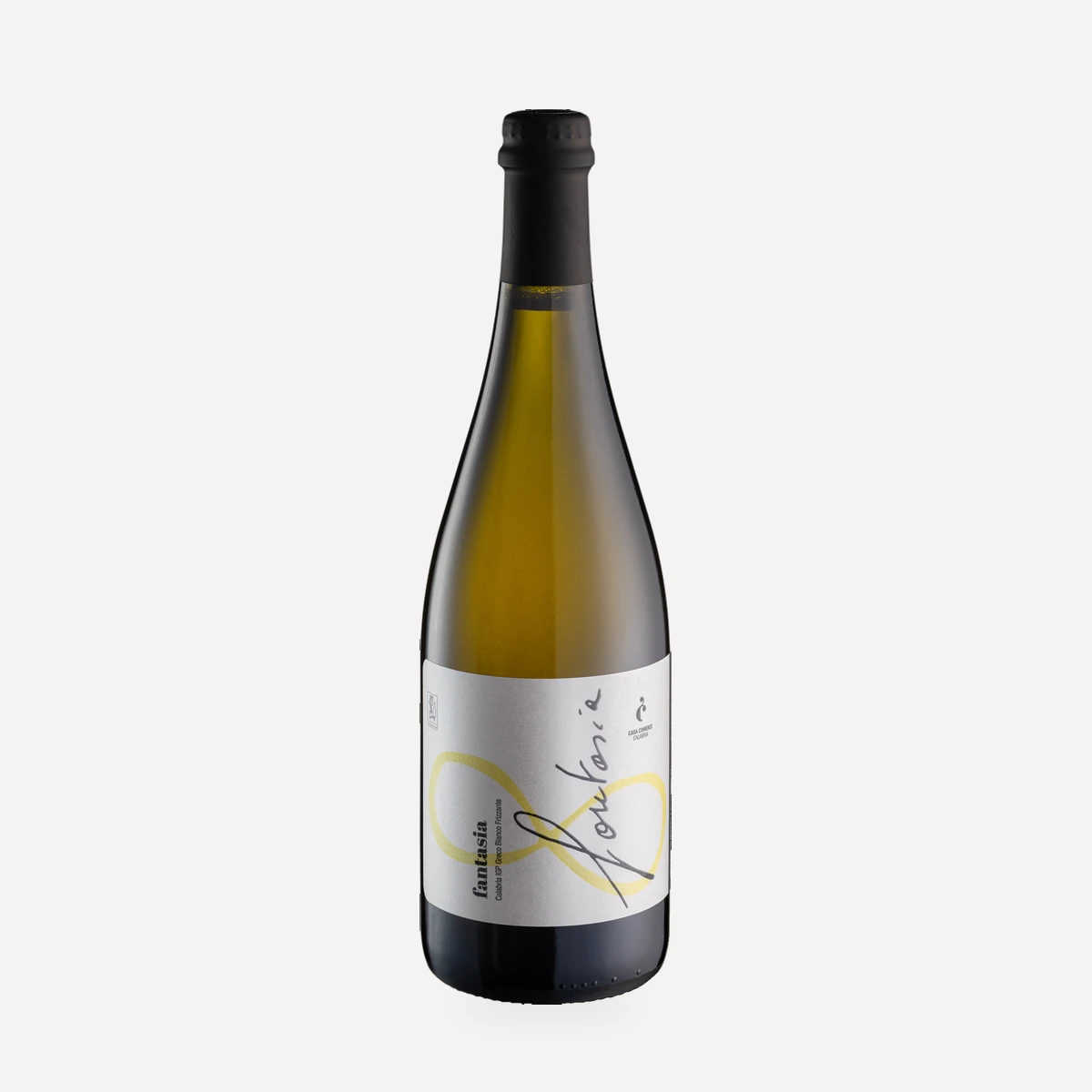
For ancestral-method sparkling wines, whole-cluster pressing without prior destemming limits the extraction of colour and tannin. Partially fermented must is chilled at about 16°C to retain residual sugar, which subsequently drives a second fermentation in bottle. These wines mature in steel and receive approximately four months to 6–8 months of bottle refinement. Some extended-maceration and ancestral-method bottlings are identified as having no added sulphites, but this practice is not presented as universal across the range.
Filosofia
Casa Comerci’s approach is built around continuity between family, land and local agricultural tradition. The revival was conceived as a way to honour earlier generations while renewing a business that had been dormant for several years.
The estate presents close attachment to its territory as the foundation of its decisions. This is expressed through organic cultivation, respect for natural rhythms, efforts to limit environmental impact and reliance on two locally established varieties. Magliocco Canino has particular importance: working it as a pure varietal is intended to follow the area’s ampelographic vocation and maintain a sensory and emotional connection with the family’s past.
The wines are conceived as single-varietal expressions shaped by their local soils, climate and growing conditions. Family bonds are treated as inseparable from the agricultural project, from Francesco Comerci’s instruction of his daughters to the present collaboration between Domenicantonio Silipo and his sons Francesco and Federico.
Vini
Fantasia
Jancu!
Libìci
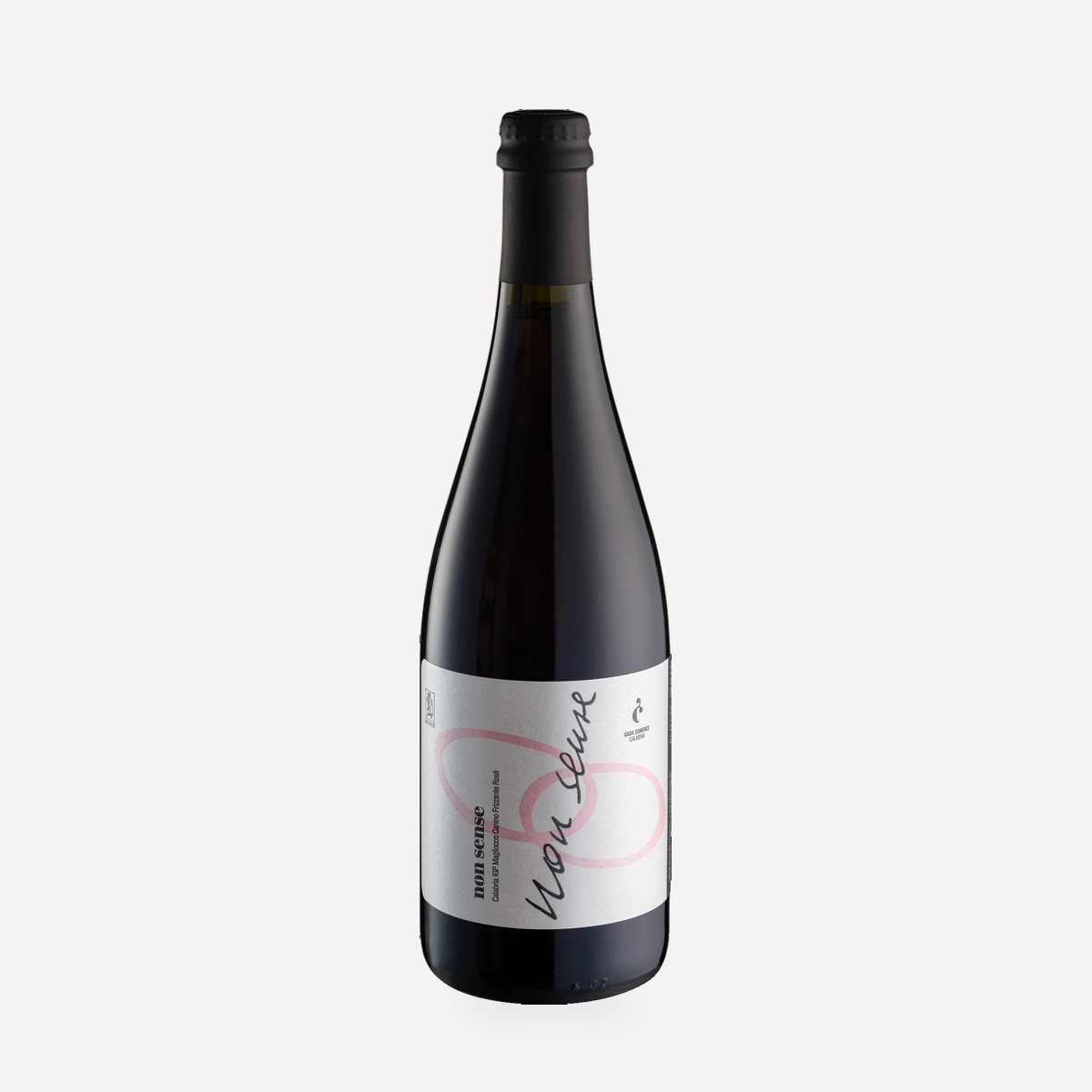
Non Sense
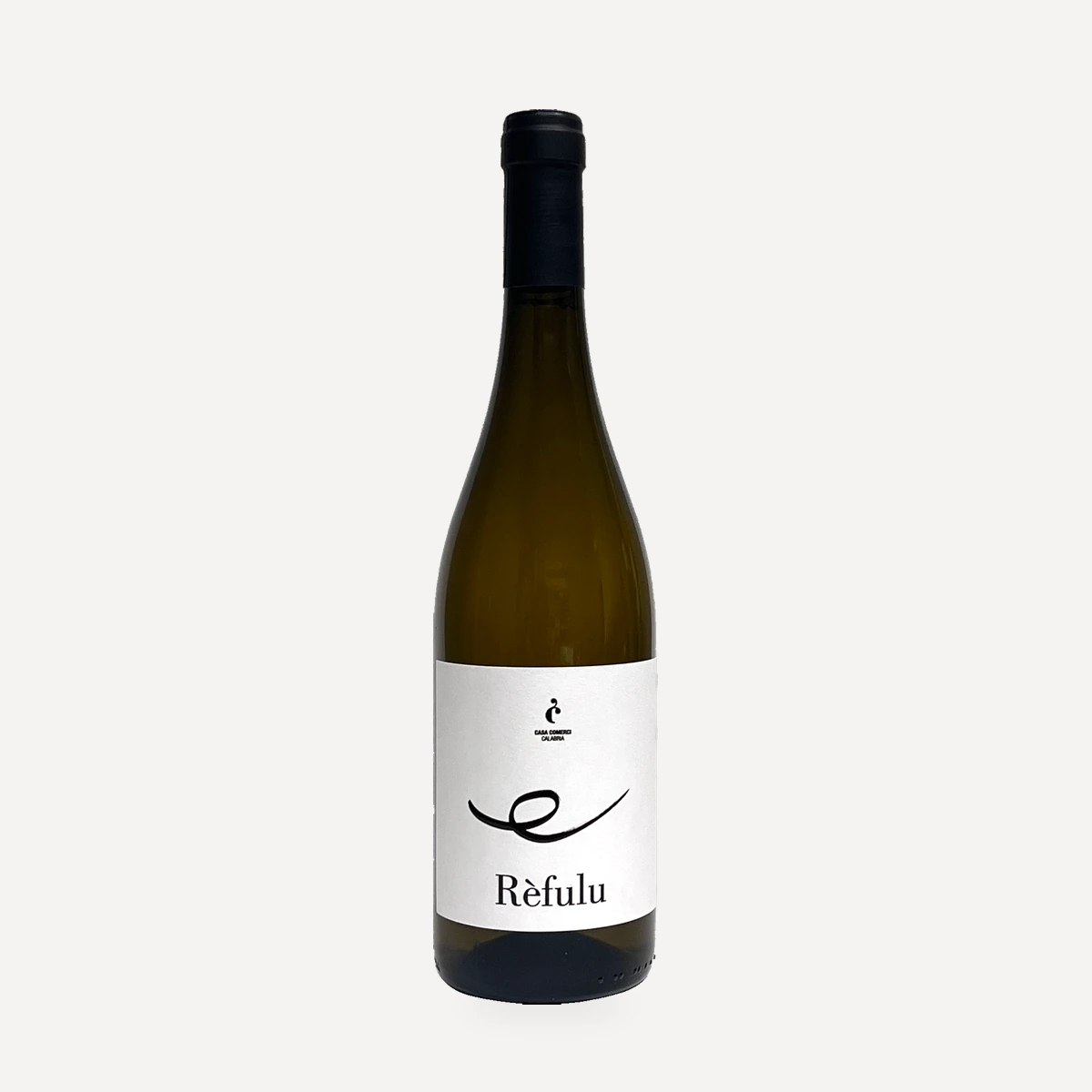
Rèfulu
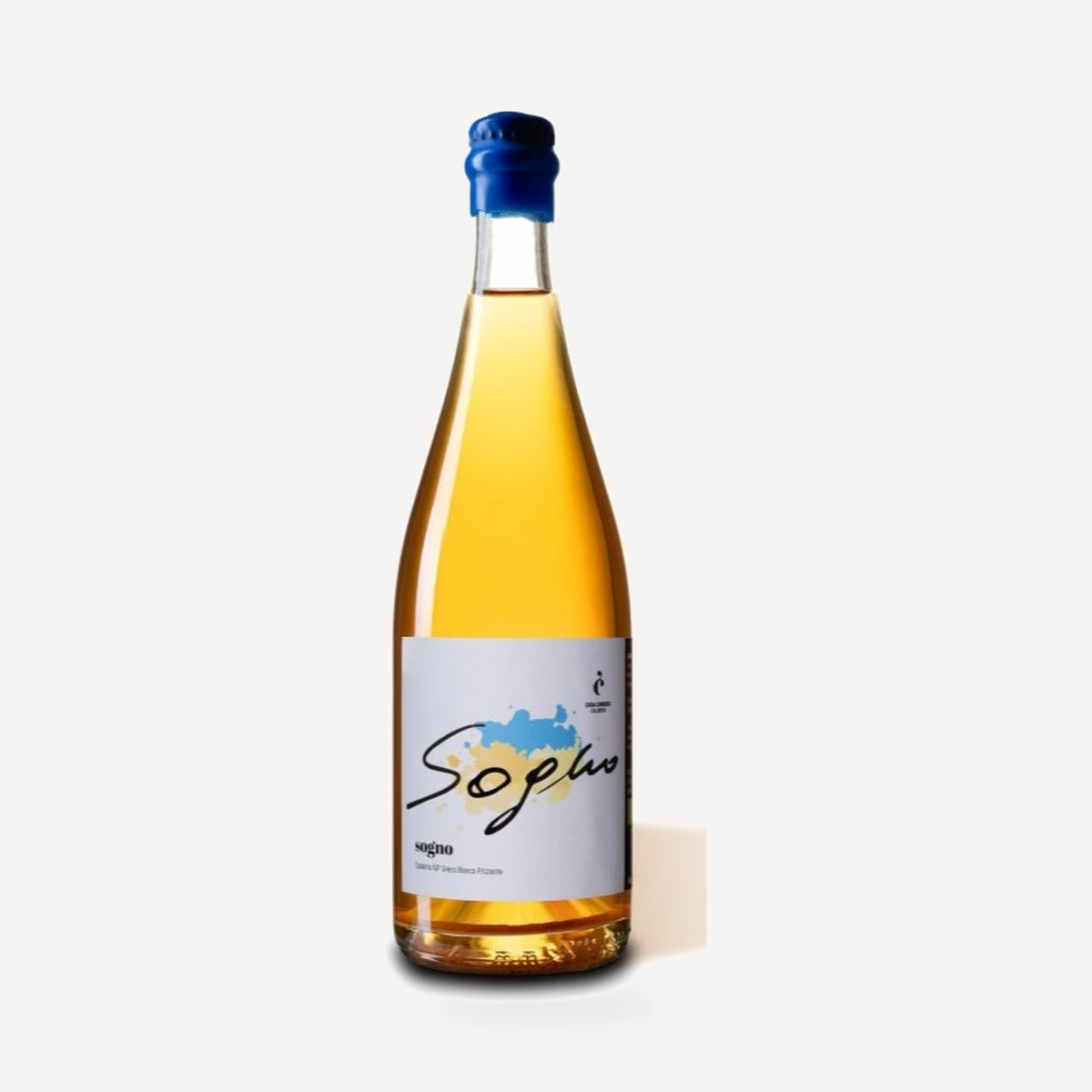
Sogno