Storia
Ancient winegrowing context
Contrada Dattilo lies in the part of Calabria historically known as Enotria, a name associated with the Greek word oinotron, meaning a vine-supporting pole. Greek historical tradition places the beginning of Italian vine cultivation in this area, linking it to voyagers who arrived from Athens carrying vine cuttings. Strongoli Marina occupies the territory of ancient Petelia, close to Crotone.
1973: the creation of the estate
In 1973, Roberto Ceraudo committed his resources to purchasing an agricultural estate and building his life around the land. The farm developed within a seventeenth-century rural hamlet at Contrada Dattilo. Roberto’s experience of farming led him to the principle that nature cannot be controlled but must instead be understood and accommodated.
1981: research into olive growing
In 1981, Ceraudo began a ten-year collaboration with the Istituto di Ricerca Agroalimentare di Cosenza. The research examined the best olive-harvest period in relation to the estate’s microclimate, terrain and trees. It led the family to move harvesting forward from November–December to mid-September, sacrificing yield in pursuit of better organoleptic quality.
1989–1991: conversion to organic agriculture
Ceraudo began its conversion to organic farming in 1989. The wine range is identified as organic from 1990, and ICEA certification followed in 1991. The change initially caused a sharp fall in production that lasted several years. Over time, the estate developed from an early regional adopter into what it describes as a pilot farm for preventive, chemical-free agriculture. CSQA membership is also identified alongside the ICEA certification.
2003: opening of Ristorante Dattilo
Roberto Ceraudo opened Ristorante Dattilo in 2003 as a family hospitality project. The restaurant was created in the estate’s old olive mill, inside the seventeenth-century farmhouse and surrounded by vineyards, olive groves, citrus trees and the vegetable garden. It subsequently gained a Michelin star and a Michelin Green Star and is now managed by the Ceraudo family.
2004: recovery of Pecorello
Roberto Ceraudo recovered the indigenous Pecorello variety in 2004. It became part of the estate’s continuing work with Calabria’s native grapes.
2011: Caterina Ceraudo’s oenology degree
Caterina Ceraudo graduated in oenology in Pisa in 2011. Although trained as an oenologist, she chose cooking as her profession and took charge of the family’s Ristorante Dattilo.
The family today
Roberto continues to work with his three children. Giuseppe is responsible for cultivation and production. Susy, the eldest, studied business economics and manages organization, administration, marketing and sales. Caterina leads the restaurant and its kitchen. Together they operate an integrated agricultural, wine, olive-oil, restaurant and hospitality enterprise in which production is managed internally.
The contemporary estate covers 65 ha: 25 ha of vineyards, 37 ha of olive groves and 3 ha devoted to citrus trees and the vegetable garden. Its nine-label wine portfolio has a stated annual output of 90,000 bottles. The winery, oil mill, agritourism facilities and restaurant are powered entirely by the estate’s photovoltaic installation.
Terroir
Location and landscape
Contrada Dattilo occupies 65 ha in Calabria, in the territory of Strongoli Marina—ancient Petelia—near Crotone. The estate stands within a seventeenth-century rural hamlet at approximately 60 m above sea level and less than 2 km from the Ionian Sea. Its gentle ridges descend toward the coast, while vineyard rows are exposed toward the sea.
The agricultural mosaic comprises 25 ha of vineyards, 37 ha of olive groves and 3 ha of citrus trees and vegetable garden. Vineyards, olive trees and citrus plantings extend through the estate toward the coast.
Maritime influence and climate
Morning sea breezes reach the property, and the Ionian Sea moderates the difference between daytime and nighttime temperatures. This diurnal variation benefits the aromatic development and color of the grapes. The fruit ripens under strong summer sunshine.
The stated average annual temperature range is approximately 17–25°C, with average annual precipitation of about 700 mm. The vines have adapted to temperature changes and periods of drought. Regular soil cultivation is used to stimulate deeper root development and help the plants respond to dry conditions.
Historical setting
The property lies in the area once called Enotria, associated with the Greek oinotron, or vine-supporting pole. Greek historical tradition links this landscape with the beginnings of vine cultivation in Italy and the arrival of planting material from Athens.
Vinificazione
Organic management
Ceraudo began conversion to organic farming in 1989, identifies its wines as organic since 1990 and obtained ICEA certification in 1991. CSQA membership is also identified. Vineyards and olive groves are cultivated without chemical products, and the same chemical-free principle extends to processing. The initial conversion caused a marked production decline that continued for several years.
Vineyard establishment and soil care
The vineyards were planted without excavation or artificial remodeling of the land. Ceraudo uses field grafting and selects its preferred vine material in the vineyard, an approach intended to retain biodiversity. Soil is grassed during winter and spring; selected species may be sown for green manure. The soil is subsequently worked to aerate it and encourage a functional root environment. Continuing cultivation also stimulates root-system development, helping vines adapt to temperature variation and drought.
Training, pruning and canopy work
Vines are trained to spurred cordon. Pruning is performed exclusively by hand. The spur is cut at the bud in an old technique intended to restrict the entry of viral diseases and encourage prompt development of the bud below. Canopy management includes removing leaves around the bunches. Instead of topping shoots, the estate commonly wraps them along the upper support wire.
Yield management
Crop loads are kept low through the use of naturally low-producing biotypes and through bunch thinning at the beginning of ripening. Depending on the intended wine, yields range from 35 to 50 quintals per hectare.
Pest monitoring and biodiversity
During flowering, Lobesia botrana, the European grapevine moth, is monitored and managed with sexual-pheromone traps and Bacillus thuringiensis. Weather stations support preventive pest management by tracking vineyard conditions. Rose bushes placed among the vines contribute to monitoring humidity and temperature. The broader agricultural system is managed as an internally connected microcosm, with explicit attention to maintaining and developing biodiversity.
Harvest
Harvesting is manual, and the grapes are selected directly on the vine. Red grapes are collected during the early hours of the day, while white and rosé grapes are harvested at night.
All stages of production are managed internally. Grapes are selected on the vine during manual harvesting and are taken to the estate cellar for processing.
Musts ferment under controlled temperatures. The general cellar protocol excludes added enzymes, oenological tannins and selected yeasts; fermentation relies on indigenous yeasts. The estate characterizes this as natural vinification.
The maturation area is underground. Where barriques are employed, they are made from oak sourced from the forests of Allier. The cellar is powered entirely by electricity from the estate’s photovoltaic installation, together with the oil mill, agritourism facilities and restaurant.
Filosofia
Working with nature
Roberto Ceraudo’s central principle is that nature cannot be governed: it must be understood deeply and accommodated. The estate presents love of the land and its living organisms as the basis of its early commitment to organic agriculture.
Ceraudo seeks to treat the property as a functioning microcosm whose ecological balance supports high-quality food production over the long term. Field grafting, seasonal grassing, green manure, manual vineyard work and preventive pest monitoring connect older farming techniques with contemporary observation and technology.
Quality rather than volume
The family explicitly rejects growth based principally on larger production. Its commercial objective is increasing appreciation among customers who make quality their primary criterion. The production losses experienced during organic conversion are framed as an accepted cost of protecting the long-term fertility of the land.
Land as a shared responsibility
The estate’s vision is to cultivate its property as though the land belonged to everyone and to preserve it as a common human asset. Its mission is to return agriculture to the condition it had approximately a century ago without rejecting useful new technology. This combination is expressed through chemical-free cultivation and renewable-energy infrastructure.
An integrated family farm
All production stages are handled internally in a system inspired by older self-contained farms. Wine, olive oil, citrus fruit, vegetables, cooking and hospitality are treated as connected expressions of the same agricultural landscape. The family aims to preserve the nutritional and sensory qualities of its products while leaving a clean and viable environment to future generations.
Sustainability beyond cultivation
The sustainability program includes reduced pollution and waste, renewable resources, recyclable packaging, circular management of production residues, biodiversity protection and social-recovery and integration projects. The business is described as women-run, with women forming the majority of its workforce.
Vini
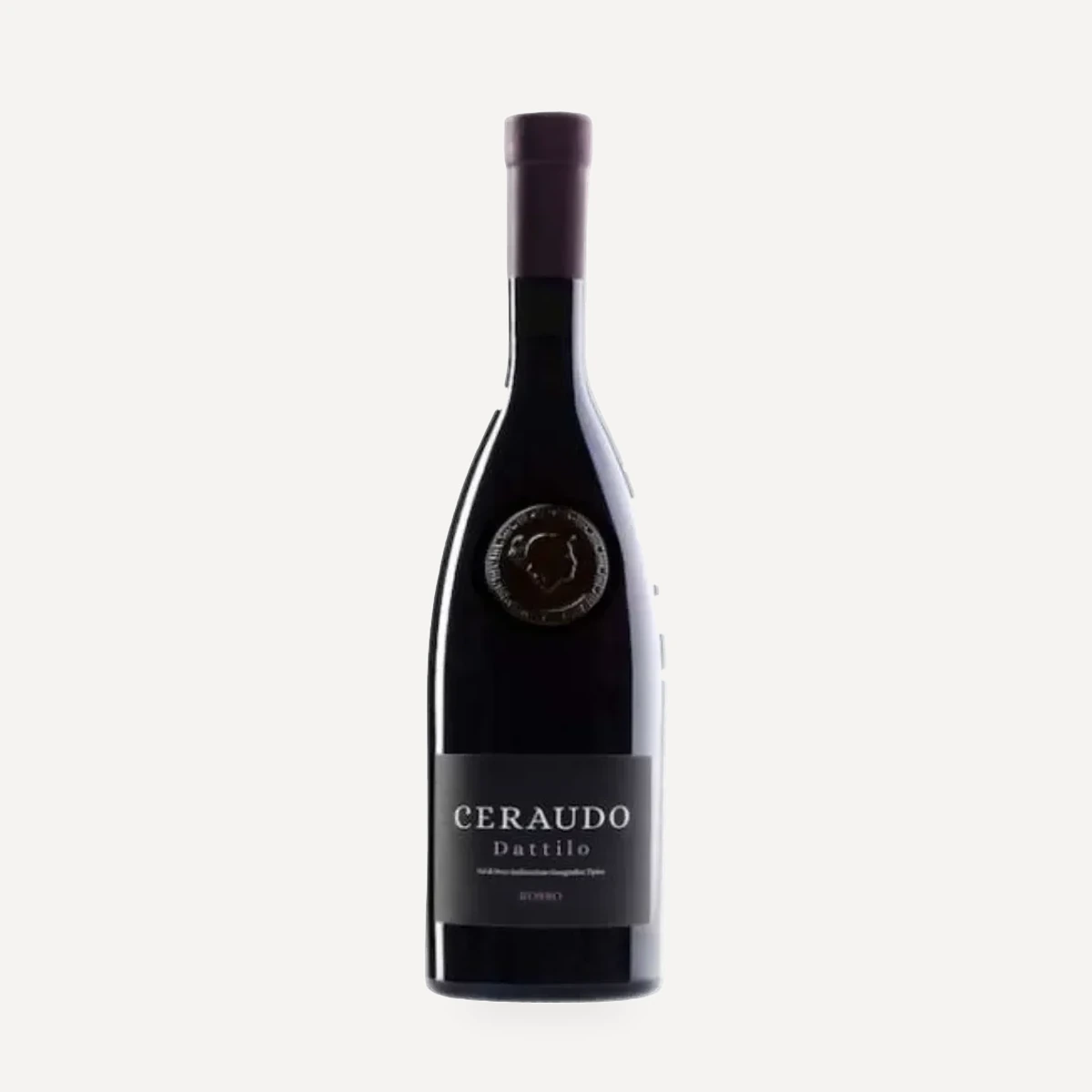
Dattilo
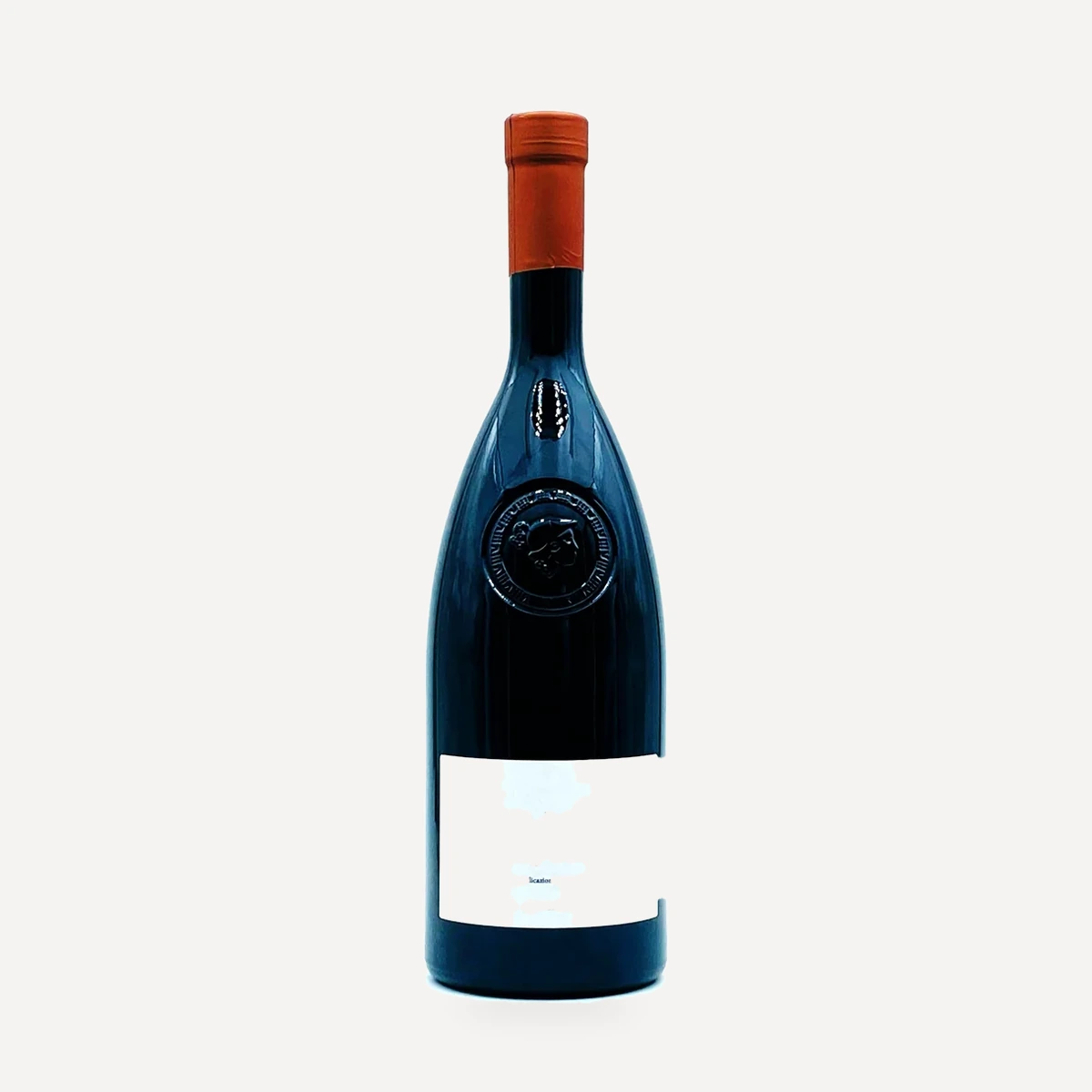
Grayasusi
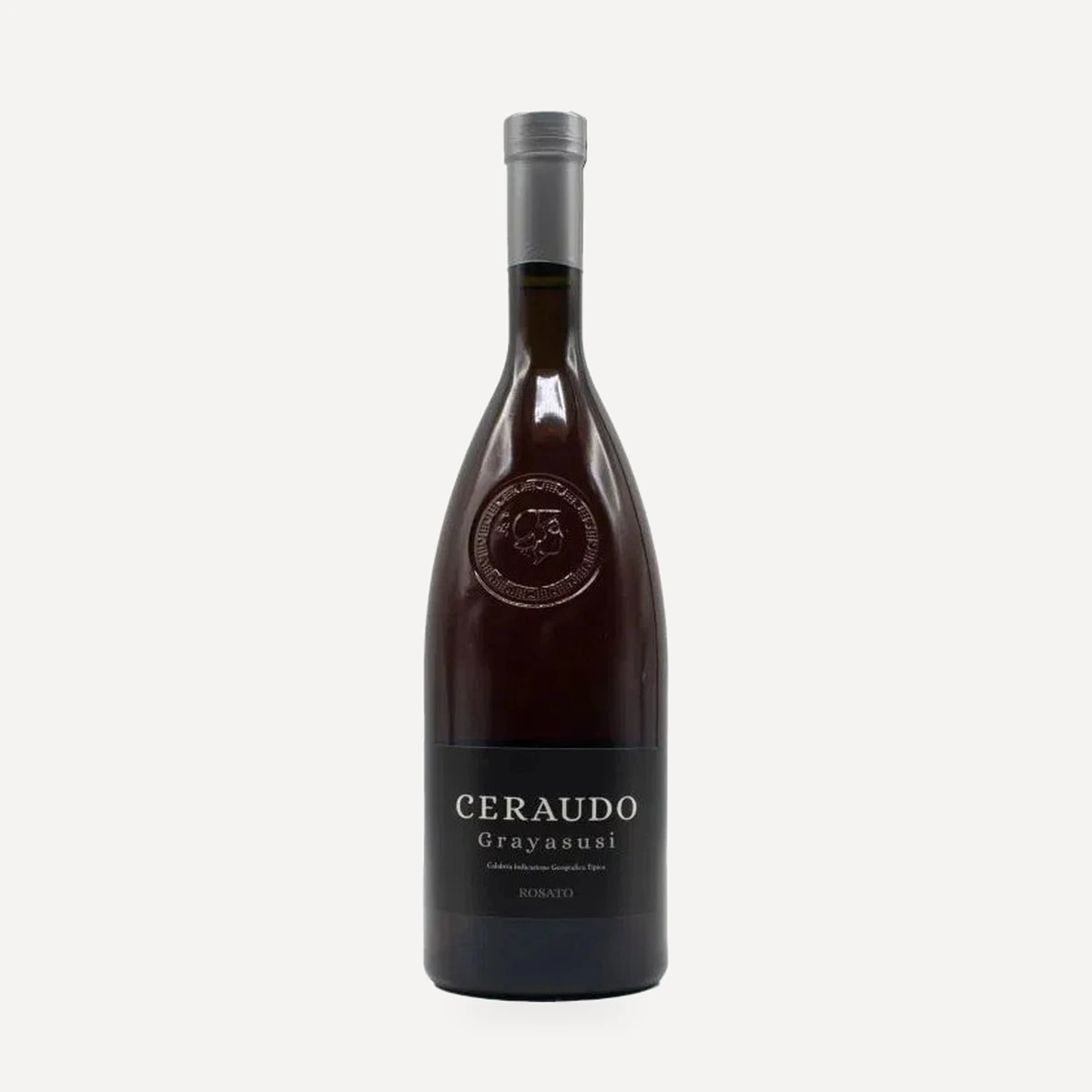
Grayasusi Argento
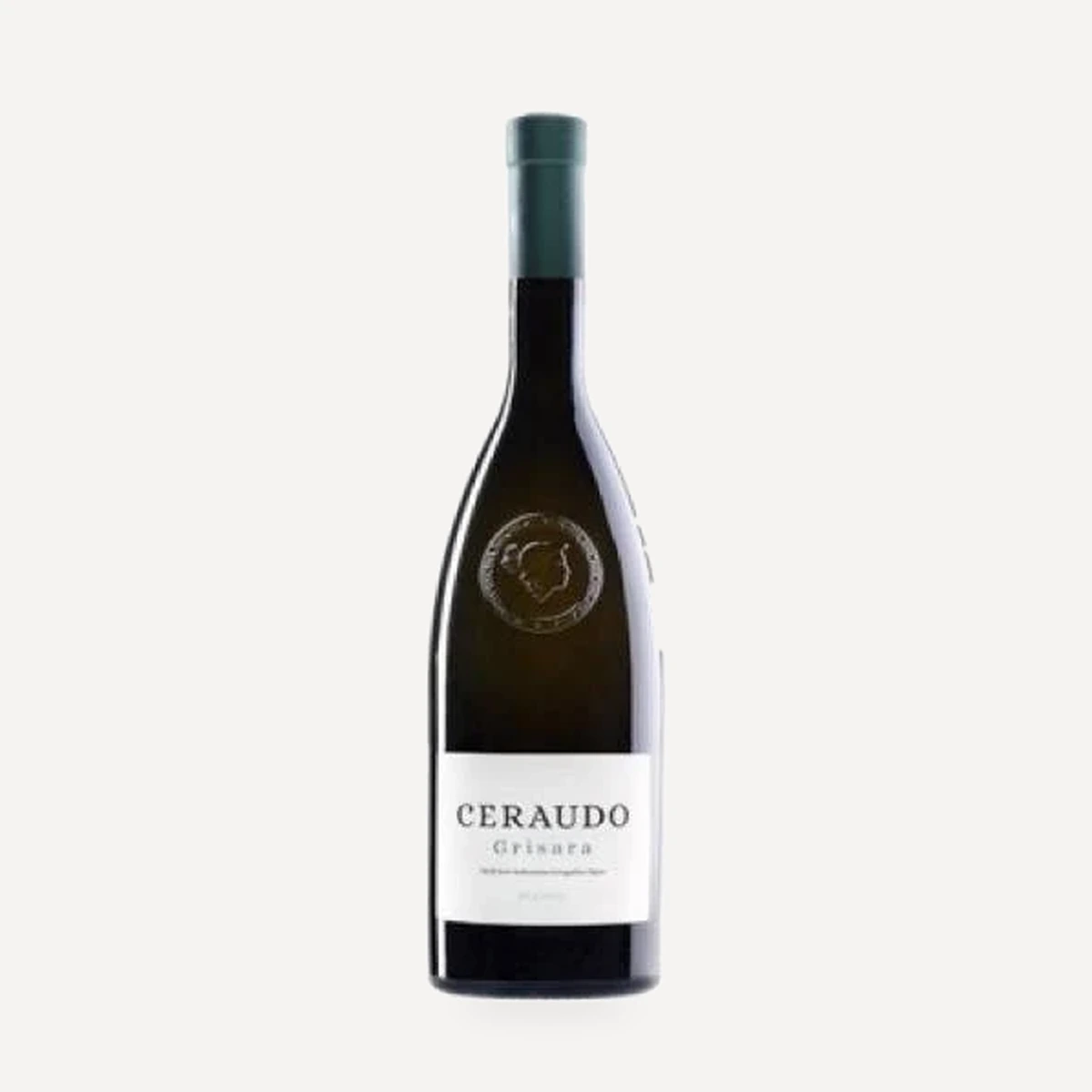
Grisara
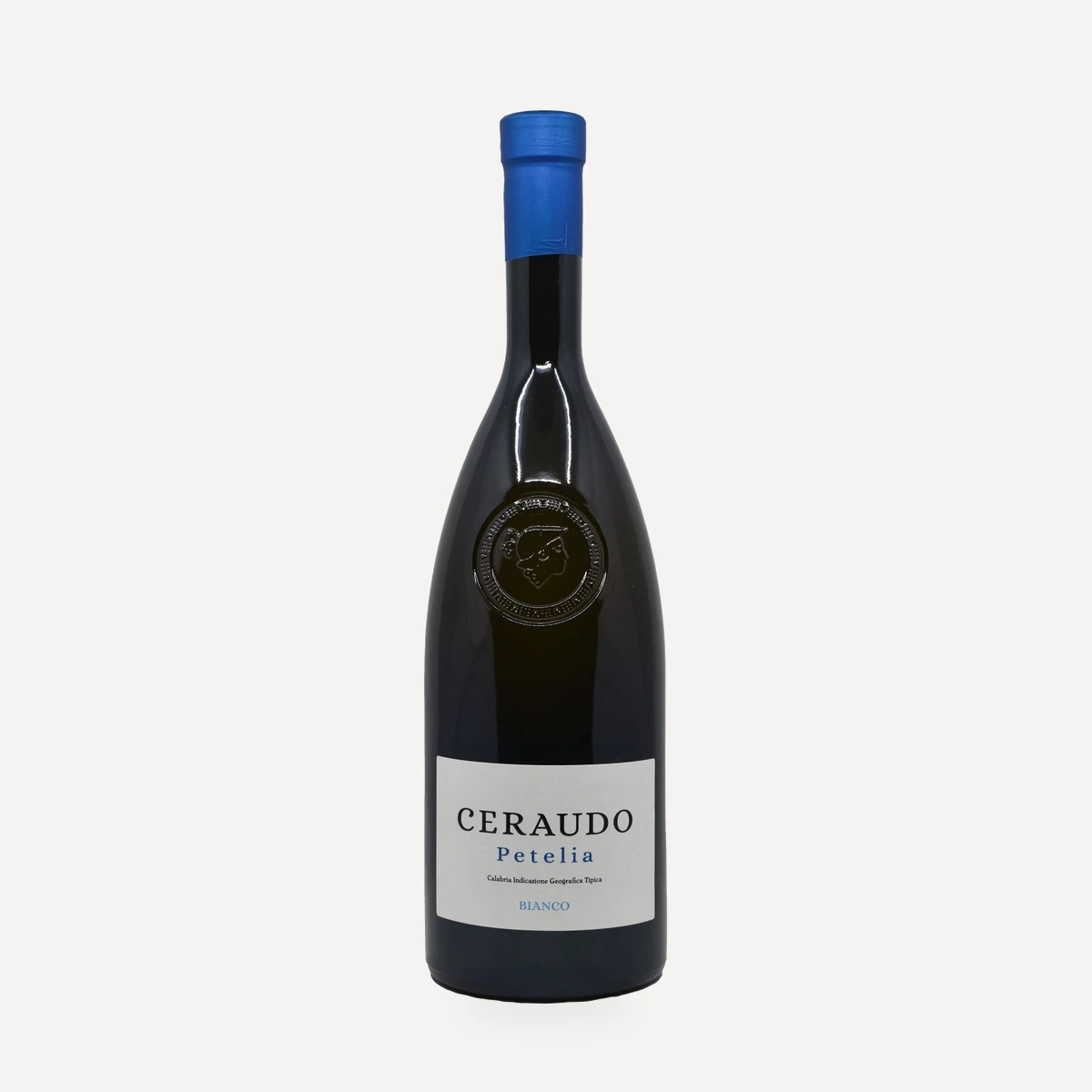
Petelia
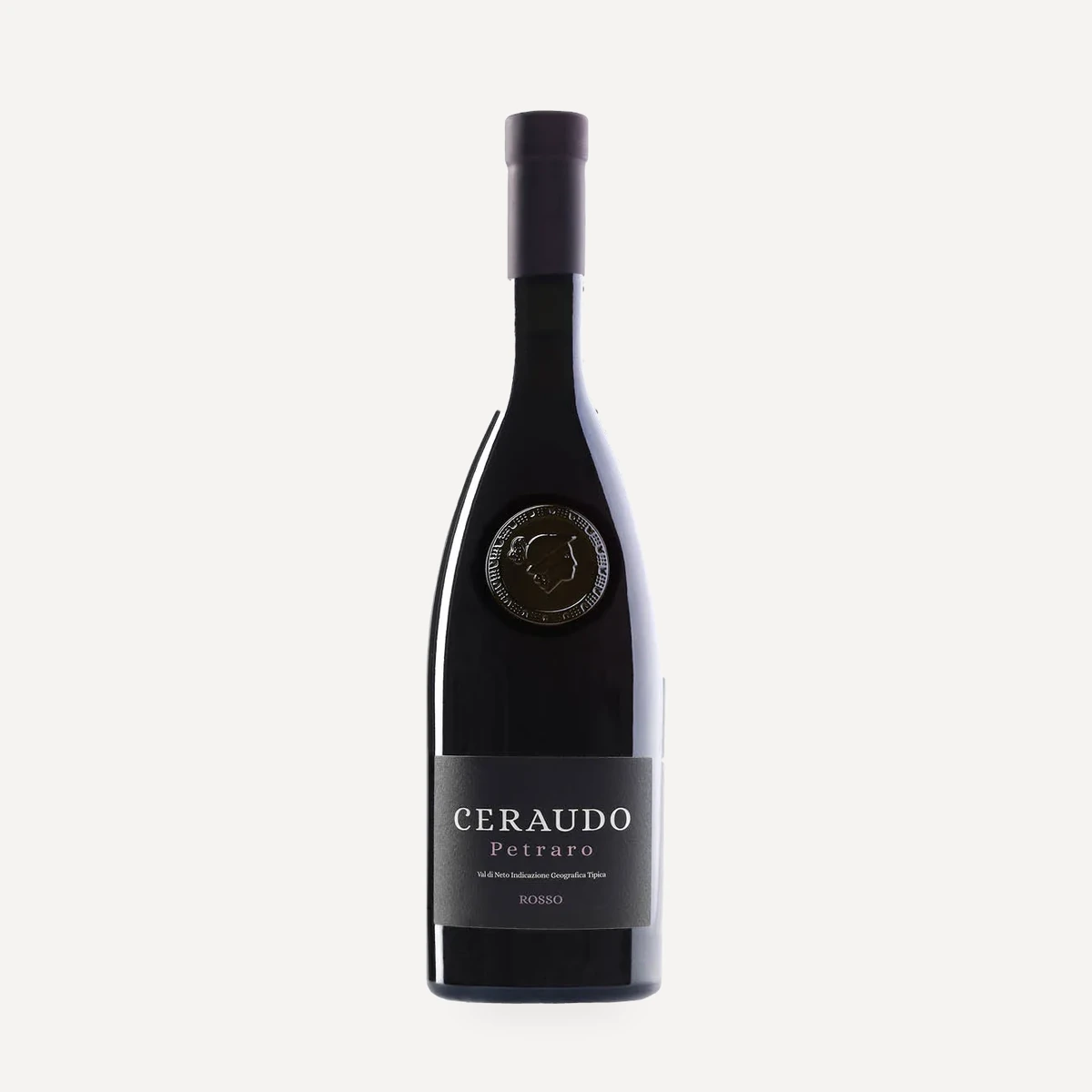
Petraro