Storia
Family roots at Ca’ de co’
The estate occupies land historically known as Ca’ de co’, meaning “the house above.” A vineyard was already present here during the first post-war period. Gabriele Monti’s grandfather, Giuseppe, and father, Carlo Monti, worked the property for many years. In winter they were carpenters; during the growing season, using agricultural machinery they owned, they carried out contract work on local farms, particularly Ca’ de co’. In 1952, when Carlo was ten, he left primary school to help Giuseppe.
The historic vineyards were subsequently grubbed up by the landowner, and the property was converted to permanent grassland. Before selling the property, the previous farmer removed the remaining agricultural plantings in connection with government incentives.
2005: acquisition and return to the land
Danila Mongardi and Gabriele Monti came to farming from markedly different professional backgrounds. Danila had begun volunteering in a social cooperative at seventeen and eventually became its vice-president; Gabriele worked in his family’s heel-manufacturing company. Their family history brought them back to Ca’ de co’.
When the property came onto the market in 2005, the couple bought it as a way to complete the circle of Gabriele’s family history and preserve that connection for their children. They initially imagined using it only for occasional weekends, without anticipating how completely the acquisition would change their lives.
Nothing agricultural remained when they arrived. Gabriele therefore undertook a local historical inquiry, speaking with elderly residents about the property’s former vineyards. Their recollections consistently identified Albana and Barbera. The couple restored both varieties: dry Albana recalled the everyday wine once drunk with lunch during breaks from farm work, while Barbera recalled the wine reserved for Sunday and festive meals after Mass.
Biodynamic agriculture was adopted from the beginning. For Gabriele, it gave practical expression to his care for the land; for Danila, it connected agriculture with the concern for people that had shaped her work in the social sector. The intention was not simply to re-establish a vineyard, but to create a diversified, self-sufficient agricultural organism combining cultivation, education, recreation, art, therapeutic activity and social engagement.
Vineyard establishment and the first harvest
An early account records that the first productive vineyard had been planted several years before 2013, initially covering 1.5 hectares, with a further 1.5 hectares newly planted to bring the vineyard to 3 hectares. The first substantial harvest came in 2012, when Albana, Sangiovese and Barbera produced approximately 4,000 bottles. The wines carried organic certification, while both vineyard and cellar work followed biodynamic criteria. The estate’s participation in Vini dei Vignaioli at Fornovo di Parma provided an early opportunity to compare its work with other natural and ethical wine producers.
The initial agricultural development also included the planting of 200 old fruit varieties. Plans presented in 2013 envisaged summer and winter vegetable cultivation, a collective garden for individuals and families, a neighbouring play area, direct sale of vegetable boxes, ancient grains and an estate mill, medicinal herbs for preparations, oils and infusions, an agriturismo, a biolake and secluded wooden cabins without electricity. These projects expressed the broader aim of bringing productive farming together with health, culture, social inclusion and care for both body and inner life.
2014: the lost crop
The transition into full-time agricultural life was especially difficult in 2014. A hailstorm destroyed the crop completely, and no grapes were harvested. Danila and Gabriele interpreted the loss as an enduring lesson in accepting the limits of human control and recognising the farm as part of a larger natural whole.
Diversification and certification
Working with oenologist and agronomist Adriano Zago, the couple progressively added old fruit trees, a vegetable garden, medicinal plants, ancient wheat and further Apennine varieties, including Montuni, Pignoletto and Alionza. The contemporary estate comprises about 27 hectares, including 3 hectares of vines, approximately 1,000 m² of vegetable garden, approximately 1,000 m² of orchard, medicinal plants and one hectare of ancient wheat divided equally between Gentil Rosso and Senatore Cappelli.
The farm subsequently obtained Demeter certification and identifies itself as the first certified biodynamic farm in the Colli Bolognesi. Its present structure combines the agricultural and winemaking operation known as Al di là del Fiume – Terra, the Al di là del Fiume – Cielo rural-hospitality property and a cultural association devoted to cultural, artistic, recreational and biodynamic activities.
Terroir
The estate lies at Ca’ di Cò in Marzabotto, within the historic Monte Sole park and beside the Reno valley. Its vineyards occupy slopes on the left bank of the Reno, rising toward the Apennine uplands.
The nearby river creates a particular microclimate supporting numerous living organisms and ecological niches. The vineyards experience constant ventilation, pronounced temperature variation and strong sunlight. Clay soils contribute freshness, while the broader climatic identity is described as Apennine.
Local grape varieties are central to the estate’s interpretation of this setting. They are regarded as already adapted to the area’s soil, climate, seasons and weather, making them less susceptible to developmental and health problems. The surrounding park, the river microclimate and the farm’s diversified cultivation are treated as interconnected supports for local biodiversity.
Vinificazione
Biodynamic agriculture has guided the farm from its beginning and is now Demeter certified. Its principles are applied in a practical and critical manner, with the farm describing itself as the first certified biodynamic operation in the Colli Bolognesi.
Cultivation excludes synthetic chemistry, but the approach extends beyond simple avoidance of chemical inputs. Its governing principle is care for soil, plants, animals and people. The vineyard is worked on foot, keeping workers in direct contact with the pace of the seasons and the condition of the vines. The objective at harvest is fully mature, healthy and vital fruit, and harvesting is carried out manually.
Restoring local varieties is also treated as a resilience strategy: grapes long associated with the area are considered adapted to its soil, seasons, climate and weather and therefore less prone to development and health difficulties. Vineyard management forms part of a wider agricultural organism rather than a monoculture. The approximately 27 ha property also contains an orchard, vegetable garden, medicinal plants and one hectare of ancient wheat, half Gentil Rosso and half Senatore Cappelli. This diversification is intended to foster biodiversity, soil fertility and increasing agricultural self-sufficiency.
The cellar occupies the basement level of the Al di là del Fiume – Terra building and includes an adjoining tasting room. Wines are made with natural techniques in Italian terracotta amphorae or stainless steel.
Fermentation relies on the grapes’ indigenous yeasts, without added commercial yeast. Sulphur dioxide is not used during vinification, and no preservatives or other winemaking additives are introduced during processing. Technical descriptions for the range distinguish this from very small sulphur additions at bottling, used for conservation.
Terracotta amphorae are used for extended skin contact in part of the range; the amphorae described for Barbera are Tuscan vessels of approximately 8 hl. Stainless steel is used both for still wines and for traditional methods such as whole-cluster carbonic maceration. Bottle refermentation for the sur lie wine is driven by retained estate must, its natural sugars and indigenous yeasts. Some wines are bottled without filtration. Ageing and maceration periods vary by cuvée rather than following a single estate-wide formula.
The governing cellar principle is to preserve the maturity, health and vitality obtained in the vineyard. Amphora and steel are used to accompany the transformation of the fruit while retaining the identity of the variety, place and agricultural work.
Filosofia
Al di là del Fiume presents the farm as a place where agricultural fertility and human well-being should coexist. Its project is grounded in the belief that land, people, plants, animals and cosmic rhythms form one living whole and that those working the land share responsibility for its future.
Biodynamics is framed as an ethical as well as an agronomic choice: care for the earth inherited by children; practical application of ideals, morality and fraternity; attention to the natural kingdoms; social encounter; professional rigour; quality rather than quantity; and cooperation rather than competition. The estate seeks to leave the land in better condition than it was received.
In the vineyard and cellar this becomes an emphasis on native varieties, healthy fruit and restraint. Local grapes are valued for their long adaptation to the land, while cellar work is intended to accompany rather than obscure what was achieved in the vineyard. The guiding idea is that strength for the future comes from recovering historical roots.
The project also treats the wartime scars of Marzabotto and Monte Sole as a call to regeneration. Danila and Gabriele envision a place where plants and people can feel at home, pause, reflect and care for themselves and their surroundings. Productive farming is therefore interwoven with education, art, culture, recreation, therapeutic activity, spirituality and inclusion. The estate describes crisis as a possible starting point for opportunity, growth and renewal.
Vini
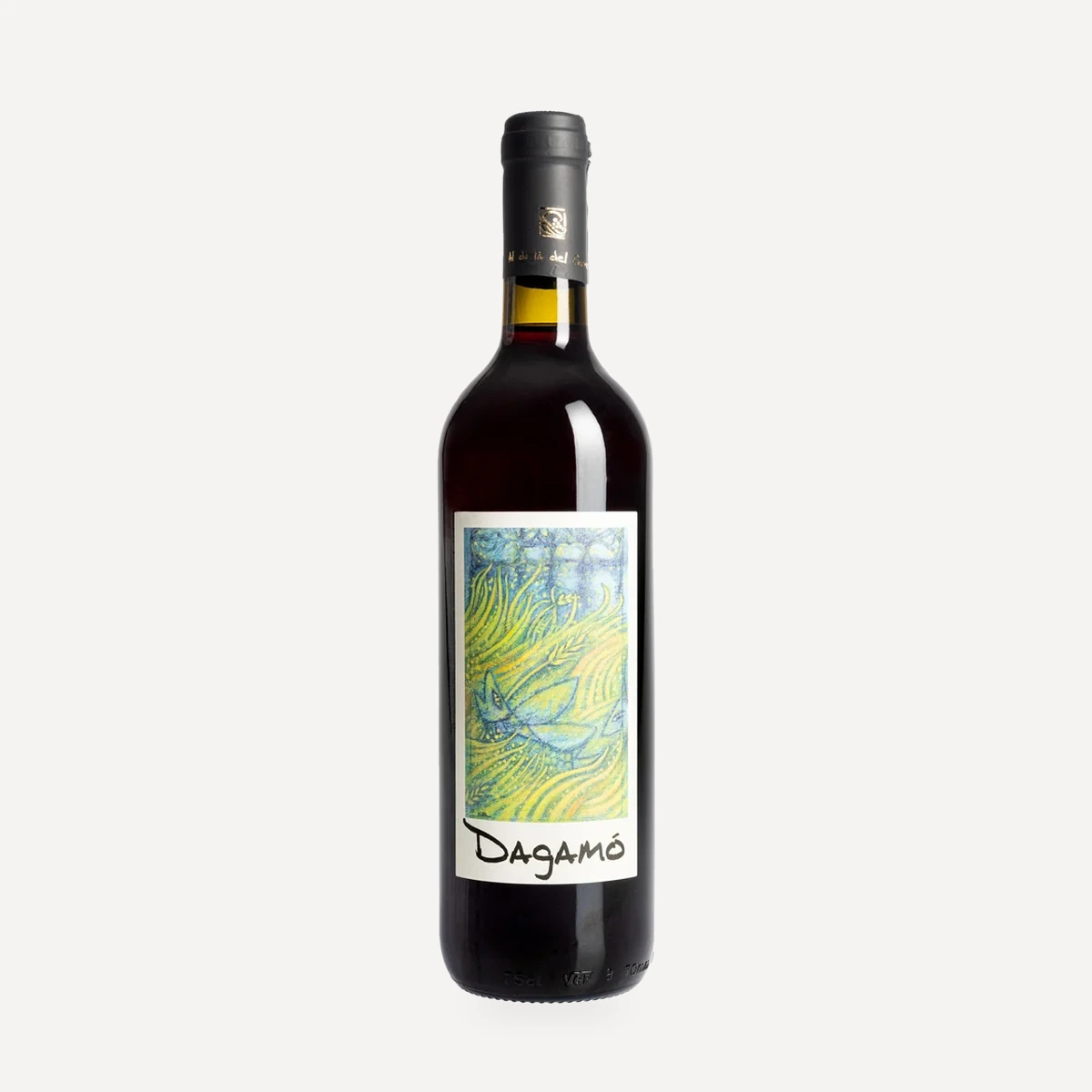
Dagamò
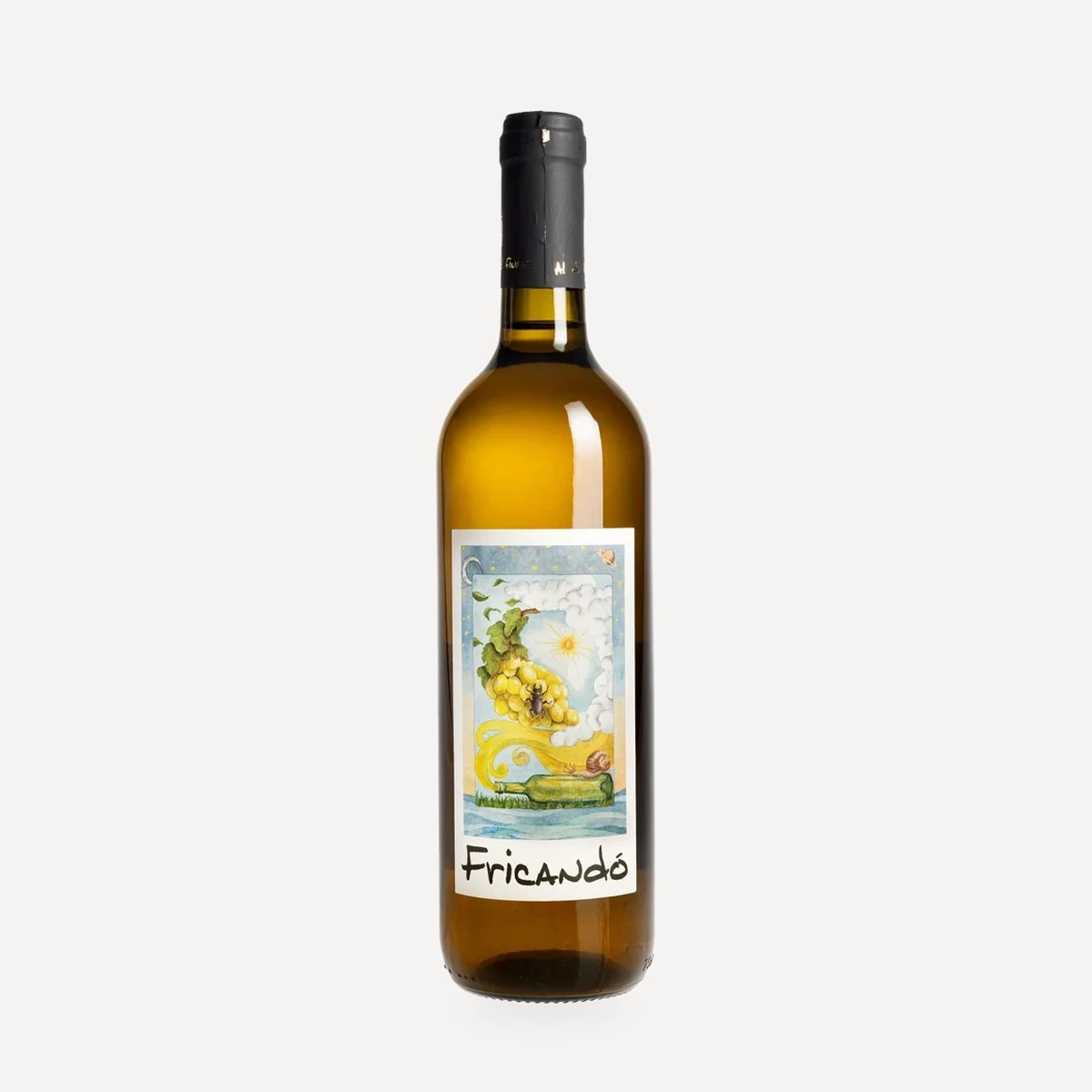
Fricandó
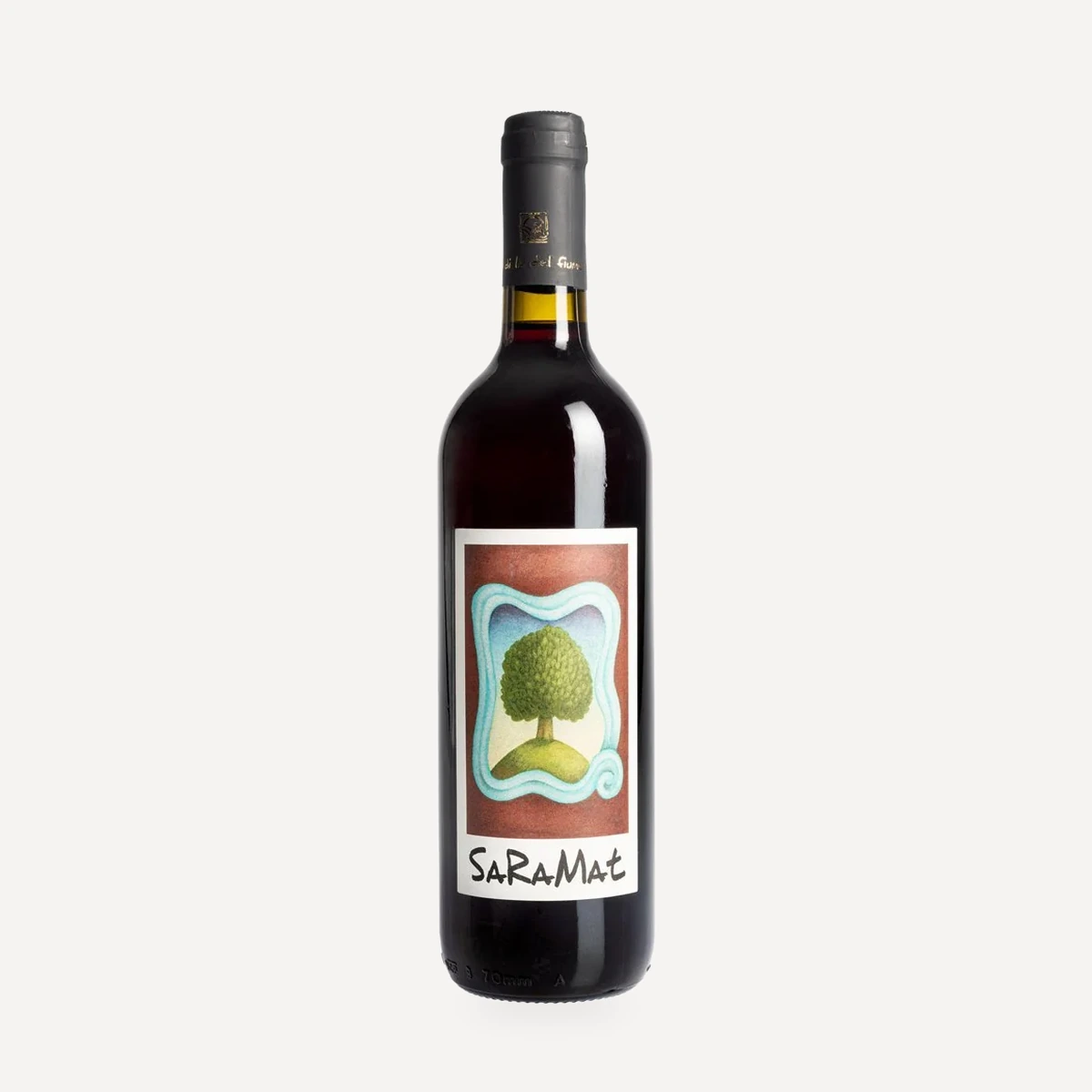
Saramat
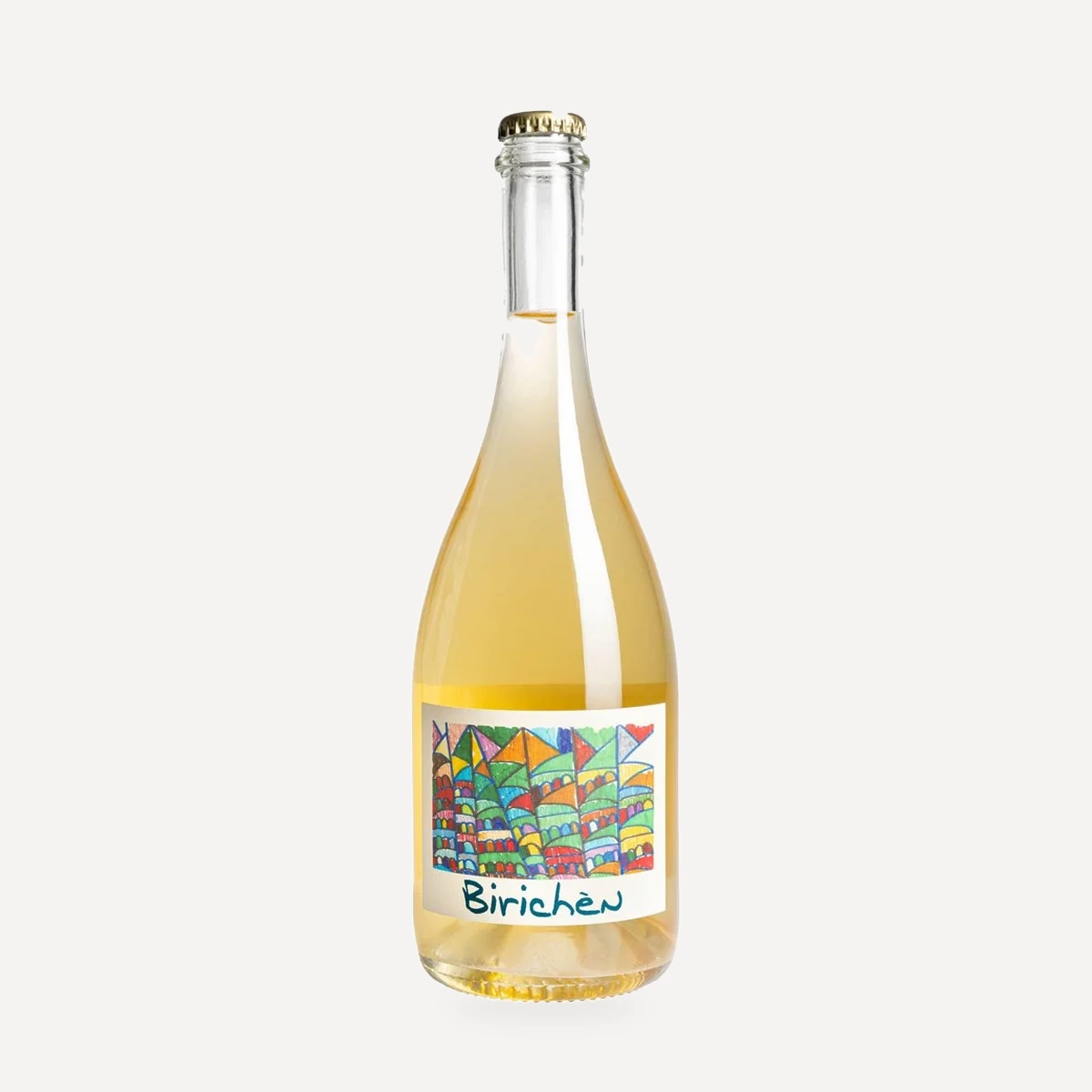
Birichèn