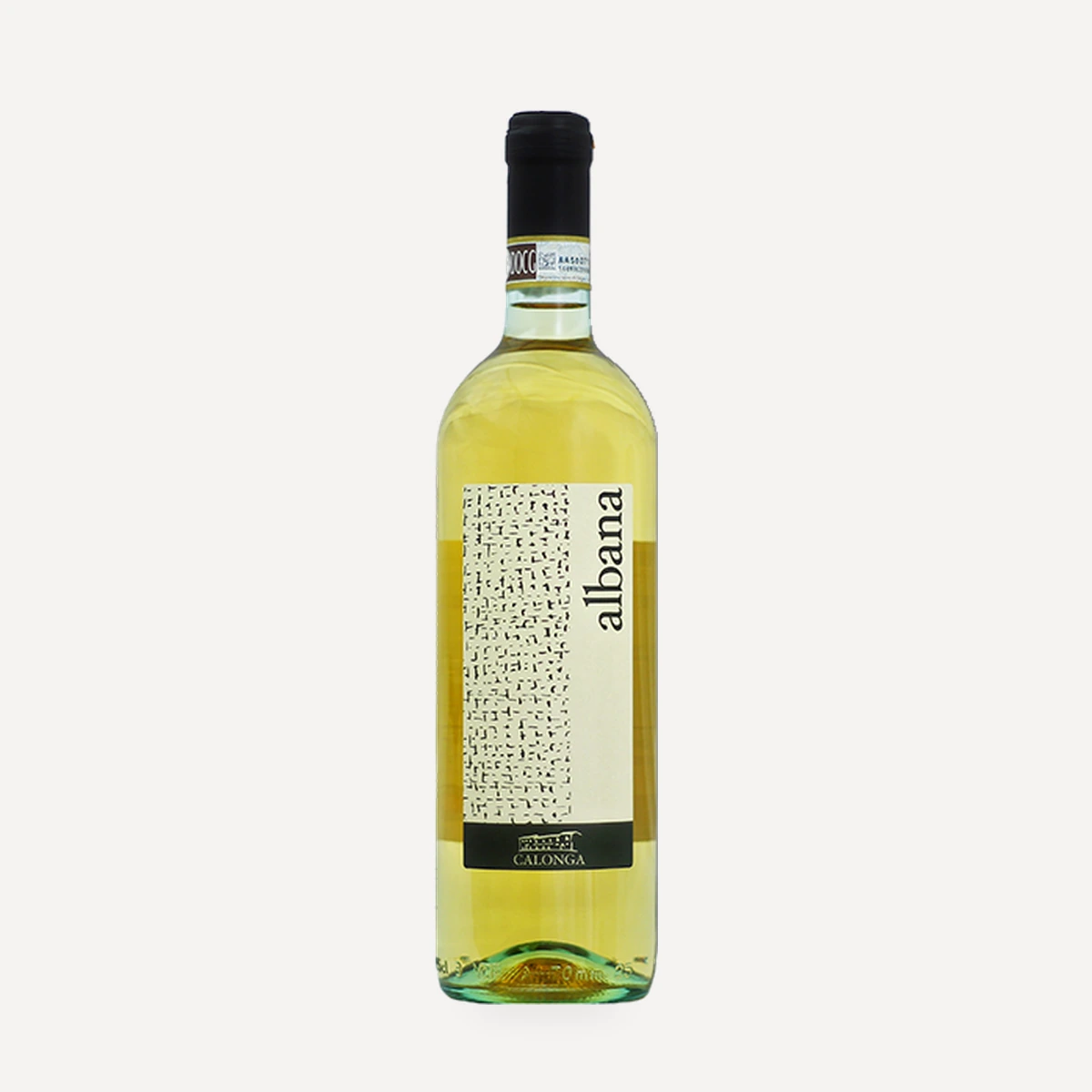
Storia
Family roots
The Baravelli family's relationship with agriculture predates Calonga. Its ancestors worked as farmers and livestock breeders and made wine for more than six generations. Old implements once used to crush grapes and tend wine remain at the estate as material evidence of this rural inheritance.
1977: foundation of Calonga
Calonga was established in 1977, when Maurizio Baravelli decided to devote himself to his principal passion, winegrowing. After acquiring the property, he organized it as a family-run farm. New Sangiovese and Cabernet Sauvignon vineyards were planted alongside old Sangiovese and Albana clones already growing there.
Safeguarding those older clones became a central part of the estate's work. Some survive in vineyards more than half a century old. Together with Sangiovese and Albana, Calonga also retained Bombino Bianco, locally known as Pagadebit, as one of the varieties anchoring the estate in Romagna's wine tradition.
1999: new cellar and oenological collaboration
The new winery was completed in 1999. In the same year, Calonga began working with oenologist Fabrizio Moltard. The new facility and collaboration marked a renewed effort to develop the potential of local varieties, especially Sangiovese and Albana, while combining modern production facilities with established practices.
The 2007 vintage and “7”
The 2007 harvest provided an exceptional crop from Calonga's oldest Sangiovese vineyard. The season brought favorable weather, complete ripening, loose bunches and mild vine stress. These conditions prompted the creation of “7,” named for that vintage and conceived as a long-aged Sangiovese Riserva from the oldest vineyard.
Family management today
Management remains within the Baravelli family. Maurizio continues to provide experience and guidance in both vineyard and cellar. His sons share operational responsibilities: Lorenzo works principally in the cellar, Matteo principally in the vineyards, and Francesco in both areas. All three grew up on the Calonga property.
Terroir
Location and landscape
Calonga occupies about 10 hectares in Castiglione, on the first hills between Forlì and Faenza. The estate's wines identify vineyards at approximately 100 metres above sea level, with west-, south-, and southeast-facing sites across the gentle hills of the locality.
Soils
The defining geological feature is an uncommon predominance of molasse sands. These sandy formations are particularly associated with the character of Sangiovese. Individual vineyard descriptions distinguish sandy-loam soils used for much of the Sangiovese, Cabernet Sauvignon and Pagadebit production from loamy-clay soils associated with Albana, Chardonnay and the traditional-method sparkling blend.
An ancient marine setting
The estate lies a few kilometres from Monte Poggiolo. Around one million years ago, the sea still reached the promontories of the Romagna Apennines, and areas later associated with Monte Poggiolo were coastal beaches. Archaeological excavations begun in the second half of the twentieth century uncovered material presented as some of the oldest evidence of human presence in Europe; the finds are also identified with Villanovan people.
The area has paleontological importance through fossil flora and fauna recovered there and conserved at the Museo Civico di Scienze Naturali di Faenza. Its modern fauna includes the colorful European bee-eater, an African and Mediterranean migratory bird that excavates nesting tunnels in sandy scarps.
Historical landscape
The front passed through this territory during the Second World War. Beside the estate are shelters dug into the sand where hundreds of people from Forlì and nearby communities took refuge during bombing raids.
Vinificazione
Calonga's vineyard work centers on preserving inherited plant material and selecting grapes carefully before vinification. Old Sangiovese and Albana clones remain in vineyards more than half a century old, while newer Sangiovese and Cabernet Sauvignon plantings were established after Maurizio Baravelli acquired the property.
Permanent grass cover is used in the vineyards across both sandy-loam and loamy-clay sites. The estate employs several training systems according to variety and site: Guyot, G.D.C., Casarsa, and Pergola or Pergoletta Romagnola.
Viticultural decisions are framed by respect for natural cycles and the responsibility of leaving healthy land and plant material to later generations. For Kiria, Albana grapes are left to dry naturally on the vine until October. The 2007 season also illustrates the estate's attention to vintage conditions: favorable weather, full ripening, loose clusters and slight vine stress in the oldest Sangiovese vineyard were treated as the basis for a separate long-aged selection.
Cellar
The present winery was completed in 1999, the same year that collaboration with oenologist Fabrizio Moltard began. Its role is to unite modern equipment with established family practice, with particular attention to Sangiovese, Albana and Bombino Bianco. The family divides the work between vineyard and cellar, and Maurizio Baravelli continues to guide both areas with his sons.
Grapes are selected in the vineyard. Vinification takes place in a dedicated production room, while a separate barrel cellar accommodates wines requiring extended maturation. French oak barriques are used for the estate's principal age-worthy reds; stainless-steel vessels are used throughout the range for controlled fermentation and maturation. Depending on the wine, the cellar also uses skin maceration, must clarification, barrel fermentation, bottle refermentation and prolonged maturation on lees.
The production approach is intended to reconcile tradition with modern cellar control while allowing wines the time required to mature. Bottle ageing forms part of the maturation of the estate's principal reds, while both traditional-method and ancestral-style sparkling wines complete their secondary fermentation and lees ageing in bottle.
Filosofia
Calonga treats wine as an expression of its territory and as a means of understanding the natural and historical richness of Romagna. Its approach places careful grape selection alongside a combination of tradition and modern cellar practice.
The family's stated priorities are the development of Romagna's wine tradition, the cultivation of local grapes—especially Sangiovese, Albana and Bombino Bianco—and the protection of the oldest surviving clones. Quality is placed ahead of fashion or short-lived trends, with the aim of making wines capable of developing through time.
Natural timing is integral to this position: wines are given the time required for maturation rather than being hurried through production. Respect for people, plants and the land is linked to a view of the winegrower as a custodian whose present choices become the inheritance of future generations.
Family continuity is equally central. Ideas and values inherited from rural predecessors are carried into wines intended to communicate, preserve and share that heritage. Maurizio Baravelli's effort to combine modernity with tradition continues through the complementary vineyard and cellar roles of his sons.
Vini
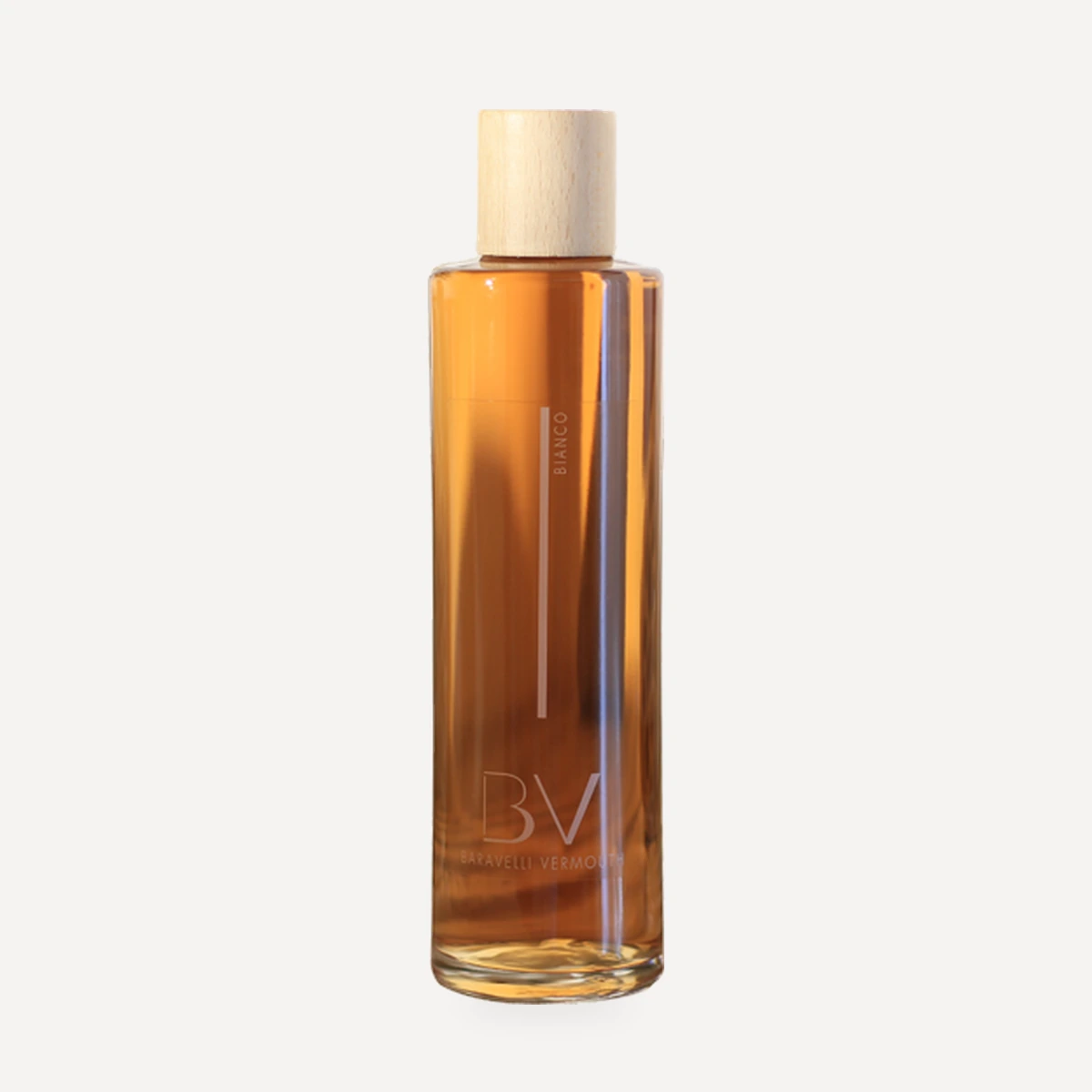
BV Bianco