Storia
The winegrowing background of Vigoleno
Vigoleno’s relationship with vines predates Cantina Visconti. Its name is traced to the Latin Vicus Lyaeo, interpreted as a village dedicated to Bacchus. During the wars of the thirteenth century, much of the hill population moved toward the plain, leaving 1,578 pertiche of vineyard—almost all the village’s holdings—uncultivated.
Viticulture began to recover in the following century. On 28 February 1380, Oddardo Visconti, one of the farmers who had remained on the hills, received a 14-pertica holding under a lease drawn up for Oberto da Favale, Archpriest of Vigoleno, and Giorgio de Anriciis, canon of the parish church of San Giorgio. Johannes de Bardi served as notary. The tenant was charged with caring for the vines and paying several staia of cleaned wheat at Ferragosto. As people returned to the countryside, vineyards were restored and the friars working in the castle cellars experimented with a dense, amber, long-lived wine.
The friars called it Vin Santo because it was poured at important religious ceremonies. Local farmers cultivated and donated the grapes to the Church, which dried them and aged the wine in the castle’s deep cellars. A 1539 inventory of the castle records a highly prized local wine served at the tables of the village. In 1826, Alberto Dauglas Scotti’s accounts for Vigoleno’s tenant farmers recorded the receipt of 19½ weights of grapes destined for Vin Santo, valued at two lire and ten soldi.
For centuries the Church controlled Vin Santo production. As ecclesiastical power declined, growers retained and processed their own grapes following the friars’ instructions. Families made the wine at home, kept it for important occasions or donated it for religious celebrations. Rural depopulation from around 1900 left the tradition in the hands of a diminishing number of growers. Until the late twentieth century, Vin Santo was commonly reserved for major occasions or given to friends and customers visiting farms and vineyards.
1950–1960: the Visconti farm becomes a winery
In 1950, Pietro Visconti acquired holdings at Pollorsi with a small farmhouse and a dilapidated stable. Assisted by his wife Rosa, he initially raised livestock. The surrounding slopes gradually led him toward winegrowing.
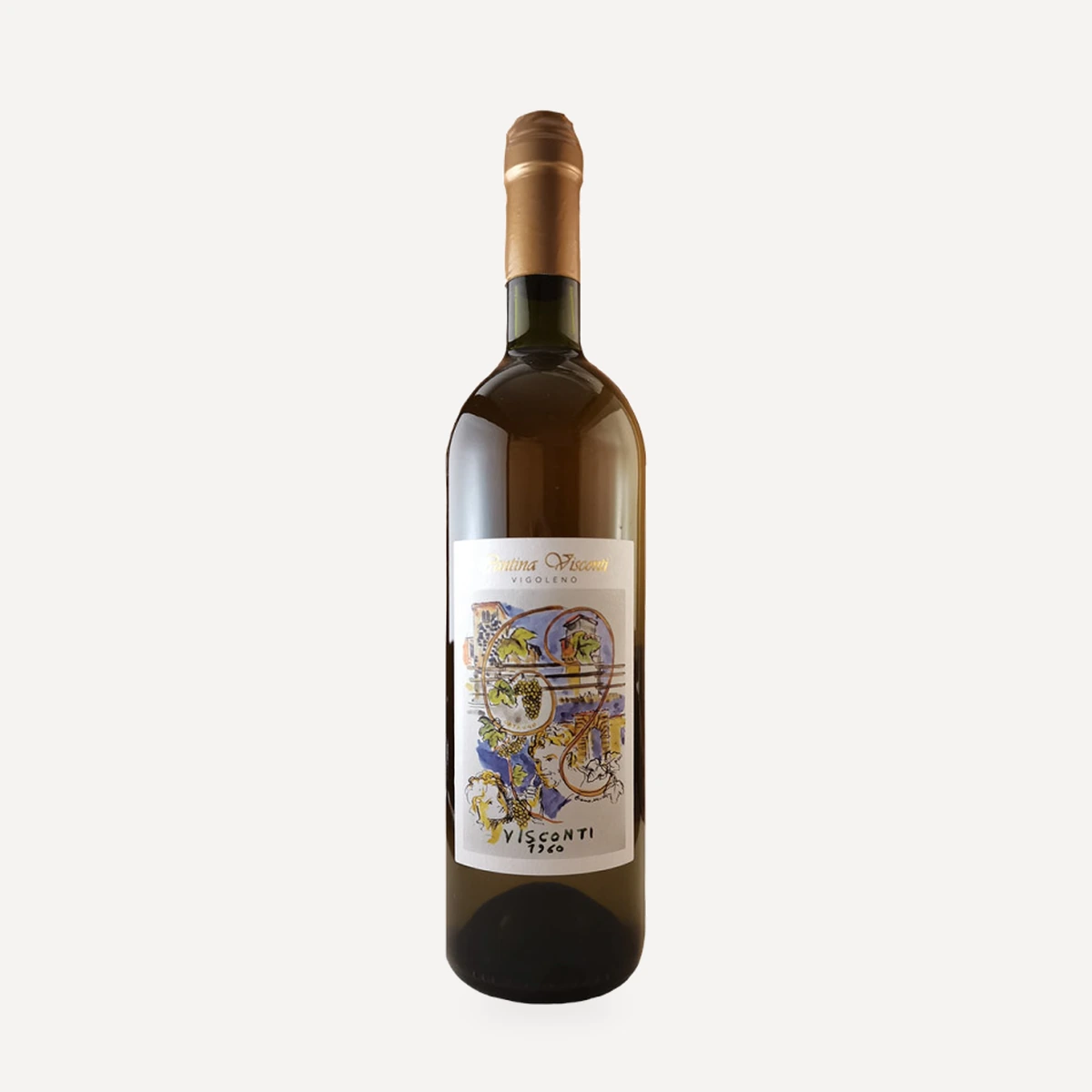
In 1960 Pietro bought two additional plots and, with his sons Giovanni and Massimo, planted the family’s first vineyards. The first variety was Ortrugo, then commonly treated as a blending grape. Pietro converted the old stable into a cellar for processing the new harvest, establishing Cantina Visconti and beginning the family’s continuous use of the ancestral method. Ortrugo vinified on its own followed during the 1970s.
Expansion and formal recognition
Demand led to expansion during the 1980s. New vineyard plantings brought the holding to 6 hectares under vine, new processing machinery was acquired, and cellar visits developed into occasions for sharing wine and family stories.
In 1992, the historical, cultural and sensory importance of Vin Santo di Vigoleno was formalized through a dedicated production code written by the local producers. Cantina Visconti became one of the six surviving producers associated with the village tradition. In 1999, the local Melara and Santa Maria varieties received formal recognition and entry in the regional grape catalogue.
A new cellar and the third generation
After renovation and modernization, a larger cellar opened in 2006. The former stable gave way to a tasting room connected with the new ground-floor winery. In 2010, excavation into the hill enlarged the ground floor and created a dedicated bottle-ageing room. The chamber is cut into tuff, which keeps it naturally cool during summer.
Management subsequently passed to the third generation: Giovanni’s sons Giuliano, Nicola and Michele, and Massimo’s son Nicola. Giovanni and Massimo continued to provide guidance. The family describes itself as both vine growers and cellar workers, tasting throughout the progression from vineyard to bottle.
The abundant 2017 Santa Maria harvest enabled an experimental varietal vinification, tasted in 2018. The experiment led to a separate Santa Maria wine, although the grape had traditionally been reserved for Vin Santo di Vigoleno.
In October 2023, the family added an agriturismo with a small rural kitchen and three guest rooms within the winery complex. Today the estate has approximately 10 hectares of vineyards and averages 400 hectolitres of wine annually.
Terroir
Position between two valleys
The winery occupies the crest of a hill at Pollorsi, close to the fortified village and castle of Vigoleno. Val Stirone lies to the right and Vall’Ongina to the left; the ridge continues gradually downward toward the plain. The vineyards belong to the first band of hills between the two valleys and are exposed to both sun and hill winds.
Dawn humidity, light breezes from Val Stirone and Vall’Ongina and strong solar exposure create the conditions associated with the formation of noble rot on Santa Maria. Vintage development is also shaped by hot July and August weather, cold January and February temperatures, rain distributed through the year, maestrale and tramontana winds, humidity and disease pressure. Mild temperatures, high humidity and frequent rain in April and May can encourage powdery and downy mildew. Autumn ventilation and moderate temperatures are particularly important during post-harvest drying.
Soils
The vineyards are described through a mixture of silt, sand, clay and limestone. Clay is particularly prominent in Argenta and Monte, where the ground is compact, tenacious, rich and fertile. The Argenta slope toward Vall’Ongina is clayey, calcareous and water-rich. Sauvignon grows immediately below the winery at Pollorsi on white, calcareous ground with a north-west exposure. The wider Vigoleno terroir is mineral-rich and connected with the landscape of the Parco Regionale dello Stirone e del Piacenziano. Other descriptions characterize the local formations as clayey, marly and calcareous.
Vinificazione
Cantina Visconti follows integrated-agriculture criteria and aims to minimize phytosanitary and antifungal treatments. The objective is a moderate crop rather than maximum production, protecting the internal and external habitat of the vine and avoiding exhaustion of plants and soil. Old vines are preferred because their greater store of living wood is considered important for reserves, concentration and longevity.
Most canopy operations are manual. Short winter pruning selects the canes that will bear the next crop while preserving wood for the vine’s future. Productive canes are tied to the fruiting wire in February. In spring, green pruning selects young shoots. Vertical shoots are tied to wires in May, with a second pass in June; trimming then controls canopy height and width until approximately mid-August. These operations improve airflow and solar exposure and reduce disease pressure associated with dense, uneven canopies.
Between the rows, the soil is dug before spring growth to aerate it and remove superficial roots, encouraging deeper rooting. The ground is kept clean. Preventive work is timed against powdery and downy mildew, whose development is encouraged by mild temperatures, humidity and frequent April–May rain.
Harvest is entirely manual. Santa Maria and Melara are generally picked first, from late August or the beginning of September, followed progressively by Chardonnay, Malvasia, Ortrugo, Sauvignon, Trebbiano Romagnolo, Bonarda, Barbera, Merlot and Cabernet Sauvignon. Bunches are selected for maturity, soundness and freedom from harmful mould; unsuitable fruit is discarded in the vineyard.
Vin Santo fruit receives additional precautions. Scissors and picking baskets are sanitized, and bunches are transported in no more than two layers per basket with foliage cushioning them. This limits crushing, oxidation, premature maceration and pathogenic contamination. The Vin Santo approach leaves the vintage to develop without chemical or biological agents, allowing weather, humidity and native microbiology to shape the dried fruit and finished wine.
Ancestral wines
The principal sparkling wines are made by the ancestral method without added sulfites. Fermentation and subsequent bottle refermentation depend on indigenous yeasts and the grapes’ natural sugars; no external sugar or yeast source is described. The wines receive no additives and avoid heavy filtration.
The cellar begins receiving grapes around mid-September, whites first and reds afterward. Bunches are destemmed and crushed. White grapes macerate for hours, while red grapes may remain on the skins for several days. At the end of maceration, the liquid is drawn off and the pomace pressed to extract additional material. Still rich in sugar, the young wine undergoes a further 15–20 days in open vats before transfer and removal from its deposits. The vessels are then closed and the wine rests until December.
For several ancestral wines, ageing lasts about six months in fiberglass or cement vessels, with transfers governed by outside temperatures. A single filtration with diatomaceous earth is used for specified cuvées while leaving some bottle sediment. Other whites receive shorter periods of two to three months in fiberglass; red macerations vary with the grape, from approximately seven to fifteen days.
Bottling takes place in several small passes during February, March, April and May. Bordeaux bottles and cork closures are used. The family chooses calm, waning-moon days, when it considers the yeasts less aggressive, to encourage slow, even bottle development. Indigenous yeasts consume the remaining natural sugars inside the bottle and release carbon dioxide, producing the fine natural sparkle. Bottles mature in a chamber excavated into tuff, whose naturally cool conditions help control summer temperatures. Initial tasting begins around one year after harvest, while bottles may continue developing over the following decade.
Vin Santo di Vigoleno
Santa Maria and Melara are hand-picked first, normally around late August or early September. Dawn humidity, breezes from Val Stirone and Vall’Ongina and sun exposure encourage Botrytis cinerea, especially on Santa Maria. Harvest selection is exacting: tools and baskets are sanitized, bunches are kept to no more than two layers per basket and foliage cushions the fruit against crushing.
The bunches are spread on purpose-built racks in a shaded, ventilated room. The fruit and room are monitored to remove infected material and limit damage from bees, wasps, hornets and other insects attracted by the sugar. Under favourable conditions, latent Botrytis develops into compact grey noble rot. Drying averages three months and reduces berry weight by about 25–50%.
Pressing occurs in December, during the week before Christmas. The dried bunches are pressed two or three times. Between pressings, the pomace is reimmersed in its own must-wine and mixed manually. The first pressing extracts the most readily available sugars; later pressings recover sugar and material concentrated against the berry walls. After the final pressing the pomace goes to a distillery.
The must is placed in oak vats and covered with cloth. During 20–30 days of natural settling, stems and pomace fragments fall to the bottom, while dying yeasts form a surface film approximately 4–5 mm thick. The film—white-green where it contacts air and reddish against the wine—contributes aroma and protects against excessive oxidation as the first fermentation begins.
The wine is then transferred into 100–200 L oak caratelli that are 10–20 years old. A second fermentation and oxidative maturation proceed with a yeast flora selected in the cellar over time, identified as Saccharomyces cerevisiae and Saccharomyces bayanus. The barrels are deliberately not full, leaving oxygen for the oxidative bouquet. High sugar density and February cold make the process slow.
The barrels remain in a place protected from extreme temperature changes, but seasonal movement governs development: winter cold slows fermentation; spring warmth restarts it; carbon dioxide produced in spring fills the headspace and arrests activity in summer; fermentation resumes in autumn. Ageing lasts at least five years. From the fifth year onward, a decision is made in November or December whether to bottle in the traditional Renana bottle required by the production code.
Filosofia
Cantina Visconti presents wine as the outcome of attentive work in the vineyard, slow cellar rhythms and respect for the surrounding landscape. The family seeks to recognize and interpret each phenological stage, strengthen and protect the vine and preserve the fruit’s capacity to express itself without exploiting either plant or soil.
Manual work is preferred where attention and selection matter. This requires more labour and time, but supports the desired moderate yields, healthy grapes and longevity of old vines. Tradition is passed from parent to child, while experimentation remains part of the estate’s development, as shown by the long-maceration wines and the varietal Santa Maria trial.
In the cellar, spontaneous transformation is entrusted to indigenous yeasts and natural grape sugars. Additives, added sulfites and heavy filtration are avoided. Vintage variation is accepted rather than standardized: sun, winter cold, rain, wind, humidity, microorganisms and disease pressure are understood to reappear as differences of aroma, colour, flavour and texture.
The ancestral method and the Vin Santo di Vigoleno tradition express two complementary ideas of time. Bottle refermentation proceeds slowly with the seasons, while Vin Santo requires prolonged drying, repeated manual work and at least five years in small old oak barrels. Hospitality extends the same preference for unhurried experience to cellar visits, meals and stays at the farm.
Vini
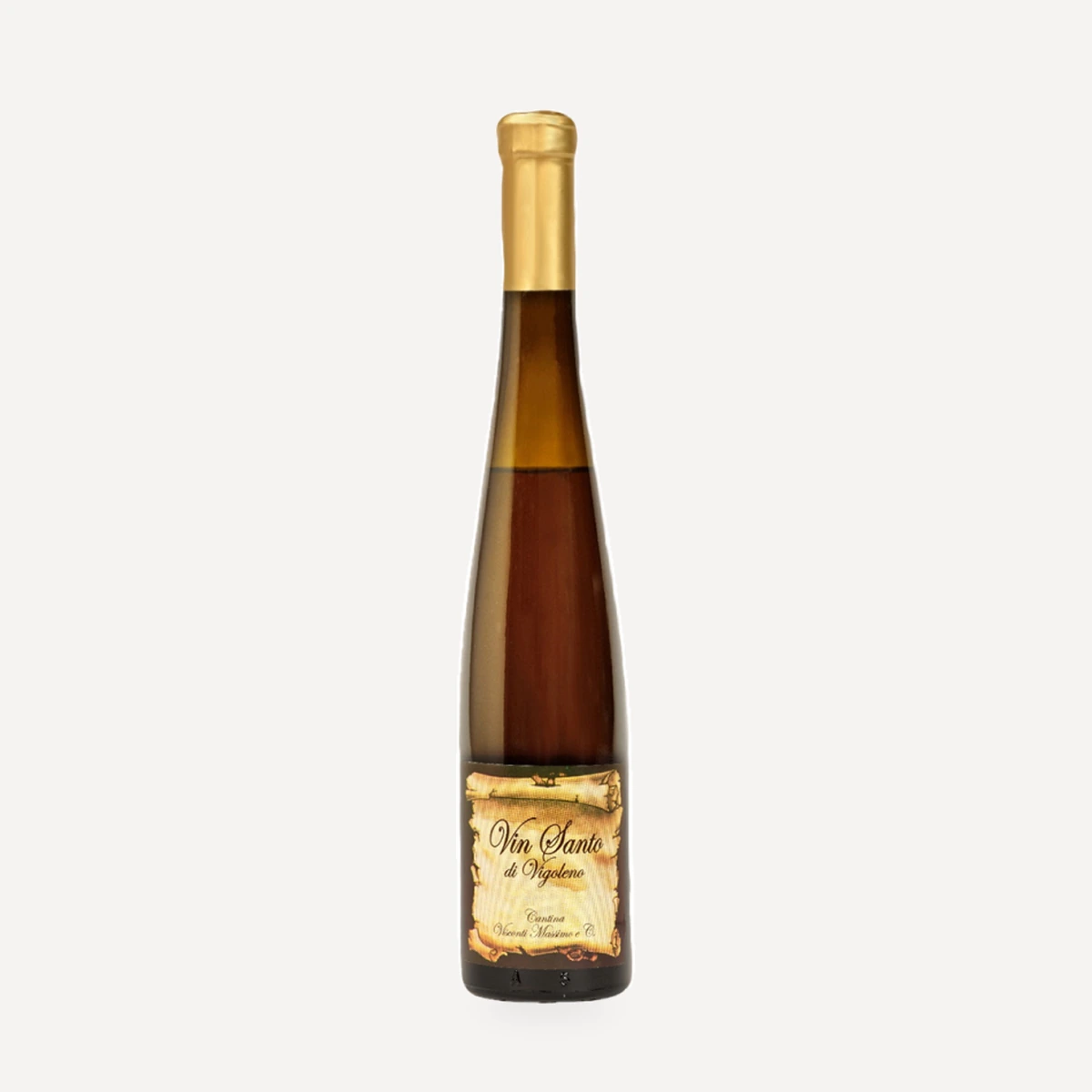
Vin Santo di Vigoleno
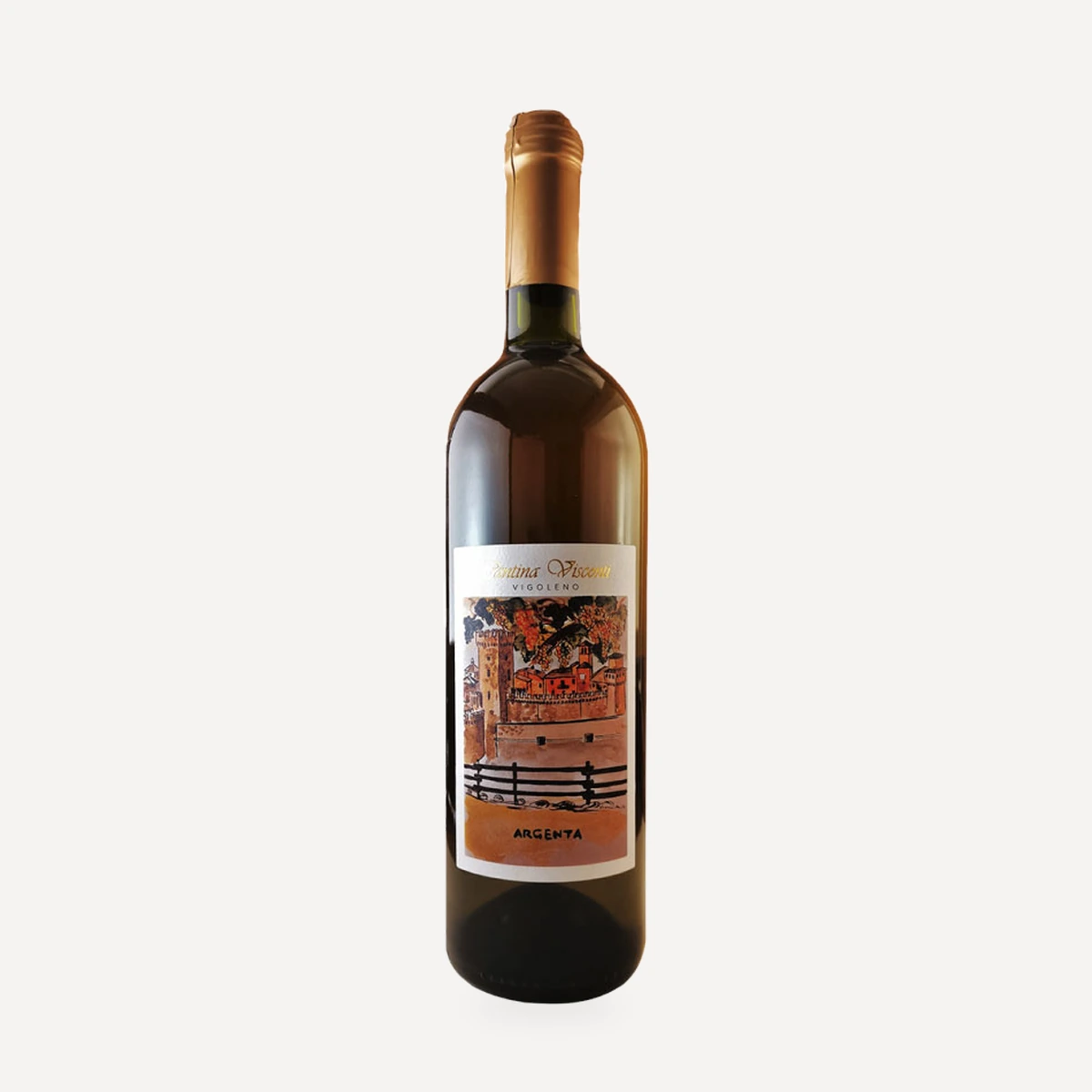
Argenta
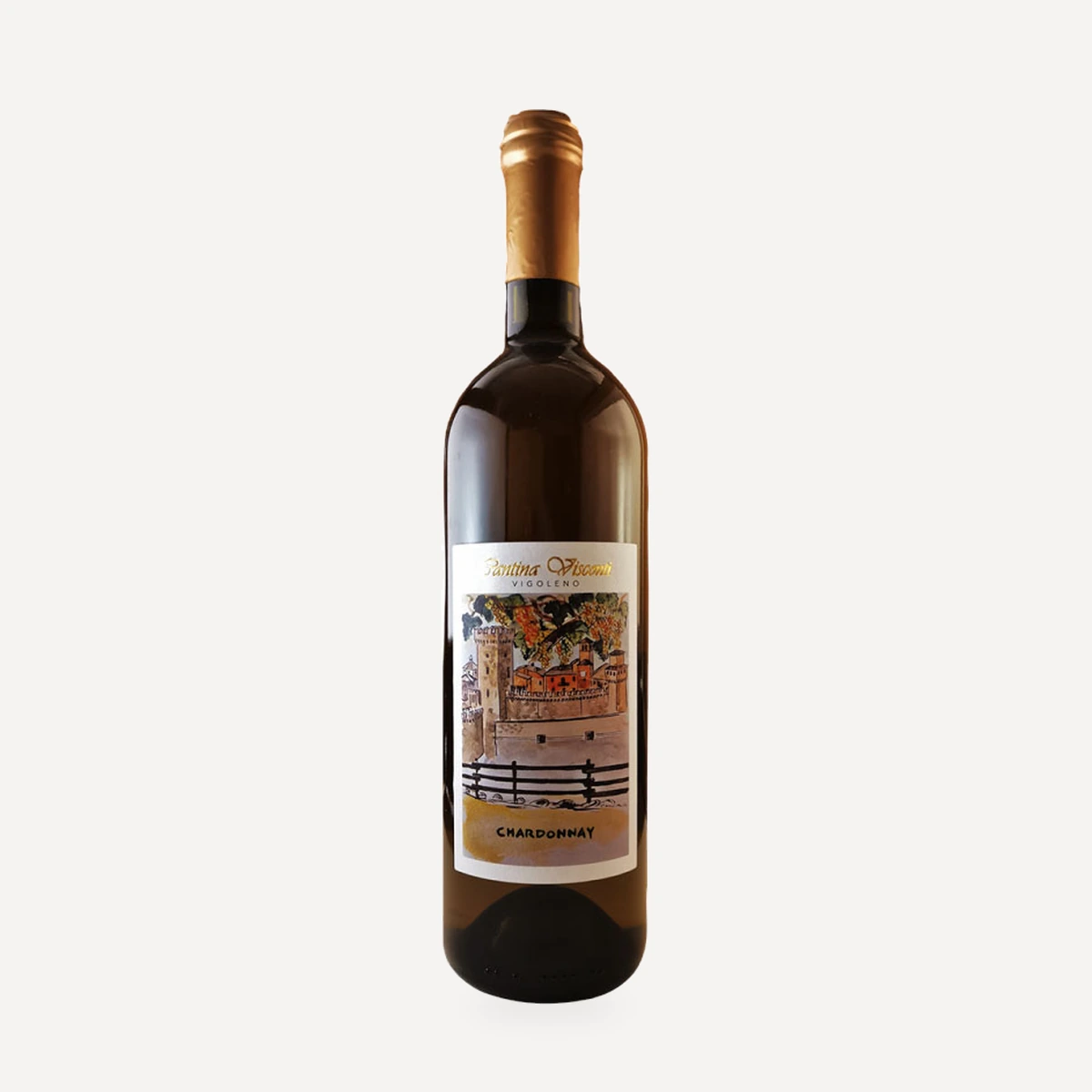
Chardonnay
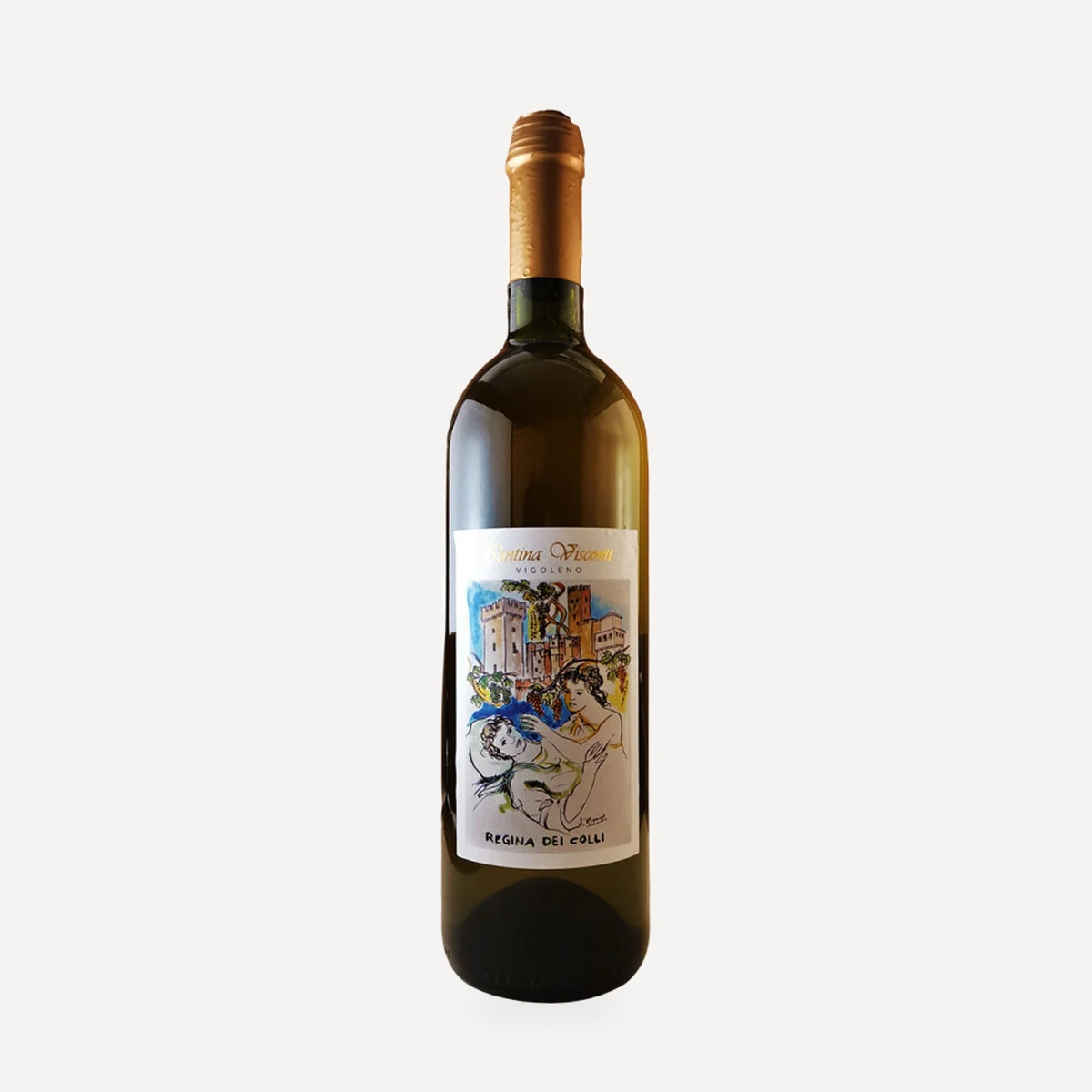
Regina dei Colli
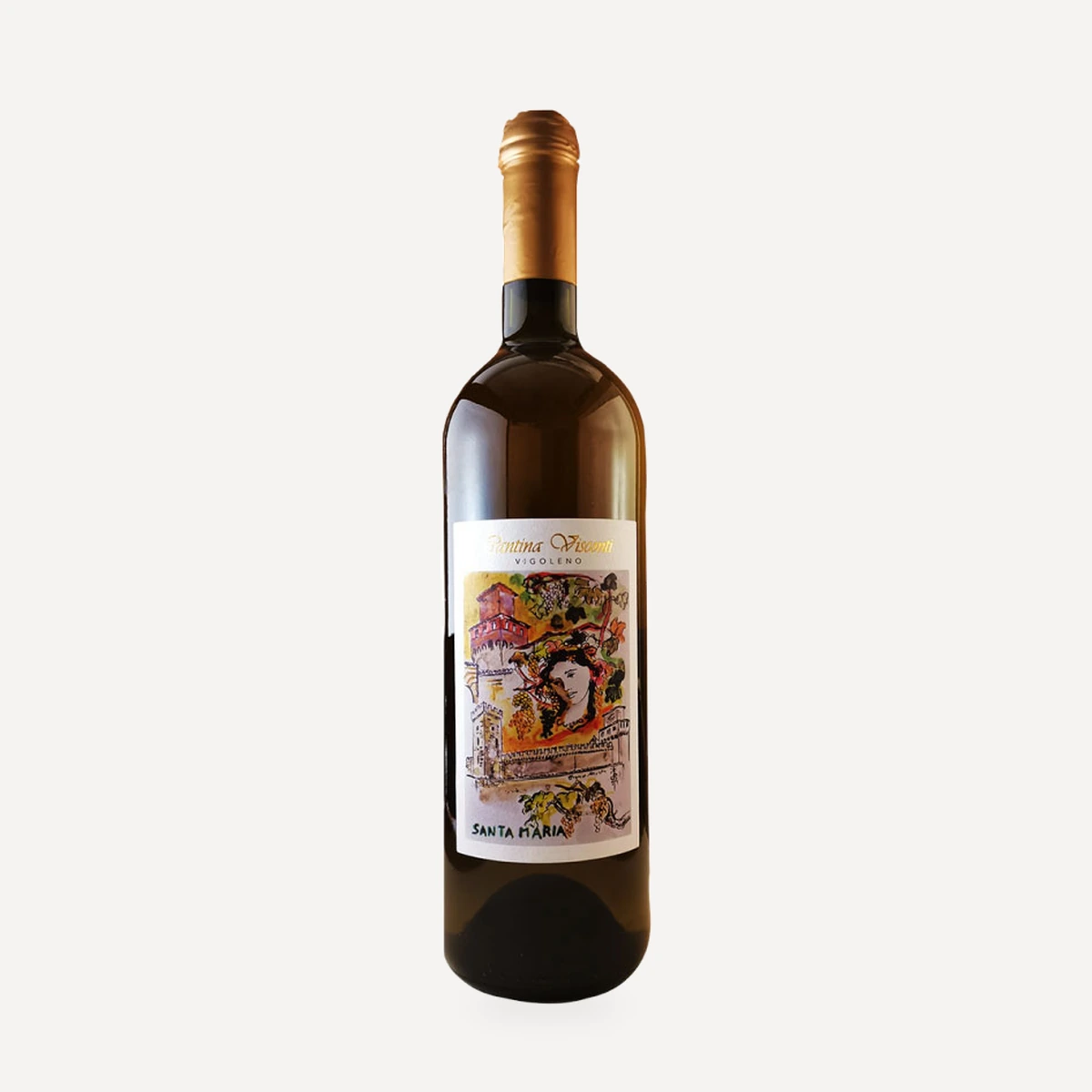
Santa Maria
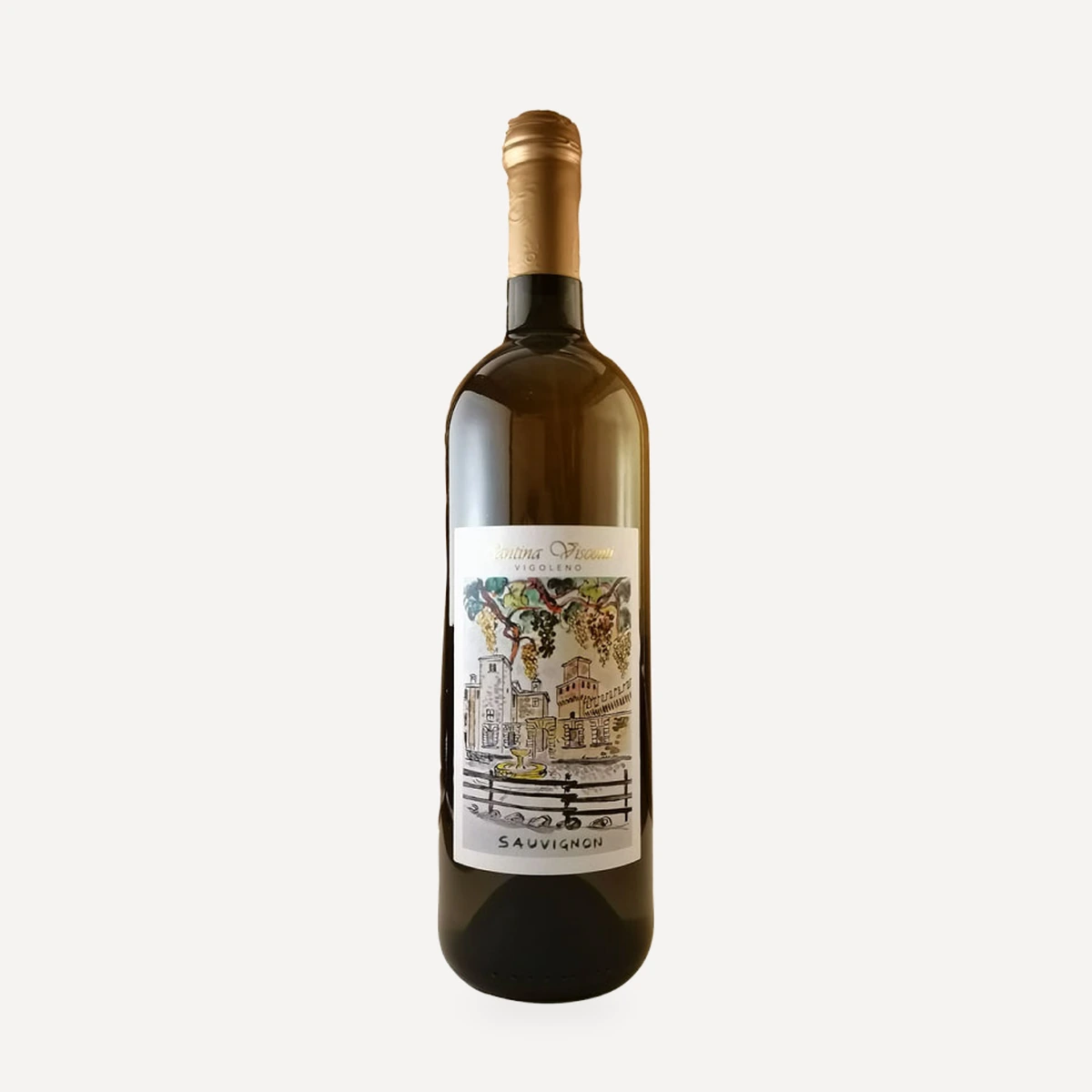
Sauvignon