Storia
The first vineyards, 1970–1976
Vittorio, an agriculture teacher with a passion for vineyard work, planted the family's first vines in 1970. He selected local varieties including Spergola, Malbo Gentile and rare Lambrusco grapes. These surviving plants are preserved as genetic material and used in continuing study and research. Further vineyards were established between 1970 and 1976, including Malvasia and Moscato trained on the double-cordon systems characteristic of that period.
Direct family management and the first wine, 1993
In 1993 Vittorio's sons took direct responsibility for the estate. Giovanni, trained in agriculture and oenology, and Alberto, an architect devoted to viticulture, converted the vineyards to certified organic management and began making wine exclusively from their own grapes.
The first bottled wine was produced that year in the garage beneath the family home. Made from Spergola by the traditional method, it was named Riserva dei Fratelli. The brothers also began experimenting with winemaking without conventional chemical aids, establishing the direction followed in subsequent decades.
A purpose-built cellar and a broader range, 1998–2001
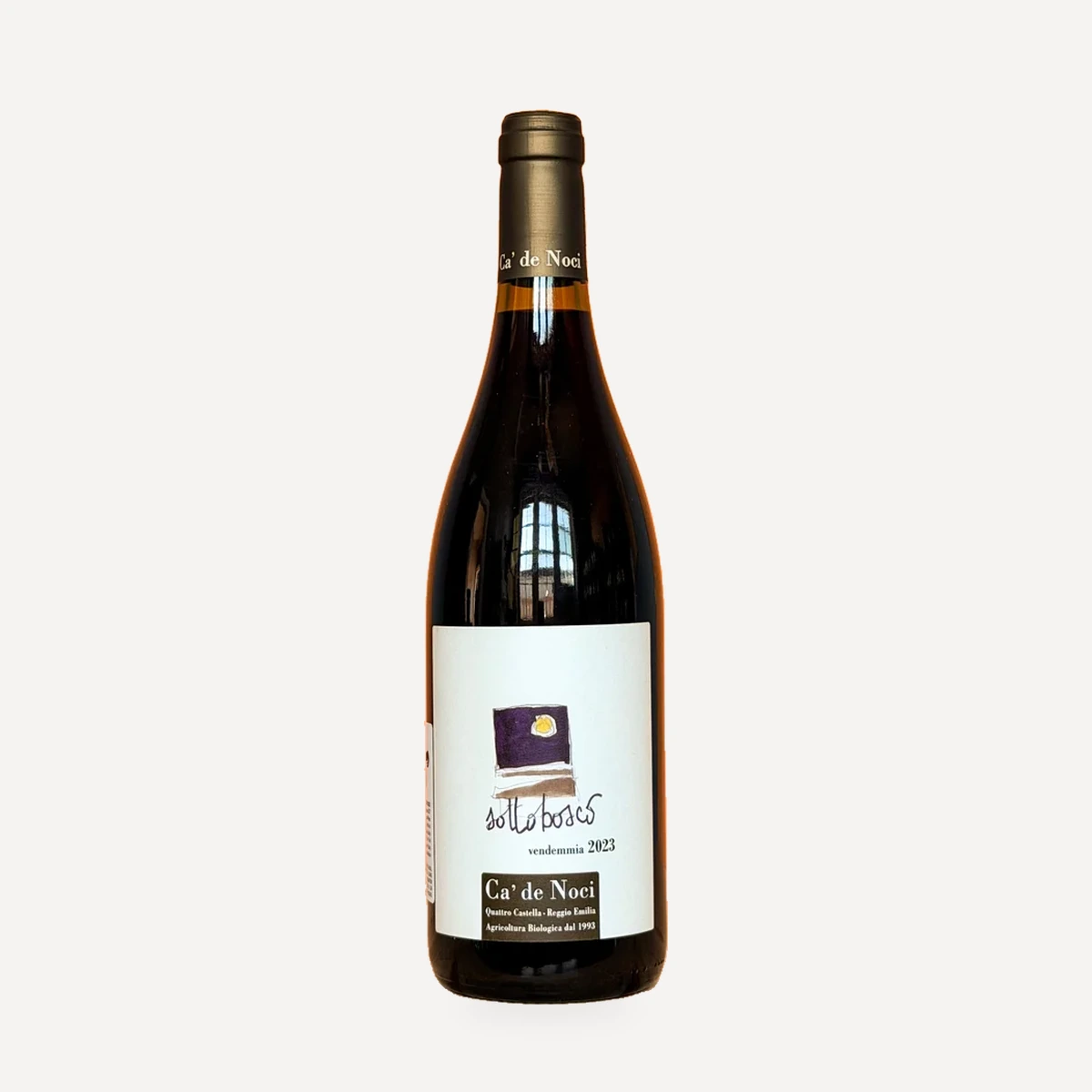
A winery was built in 1998. That year brought the first Querciole and Sottobosco, naturally refermented in bottle from Spergola and Lambrusco varieties respectively. It was also the first year in which dried Moscato and Malvasia grapes were vinified as Aresco.
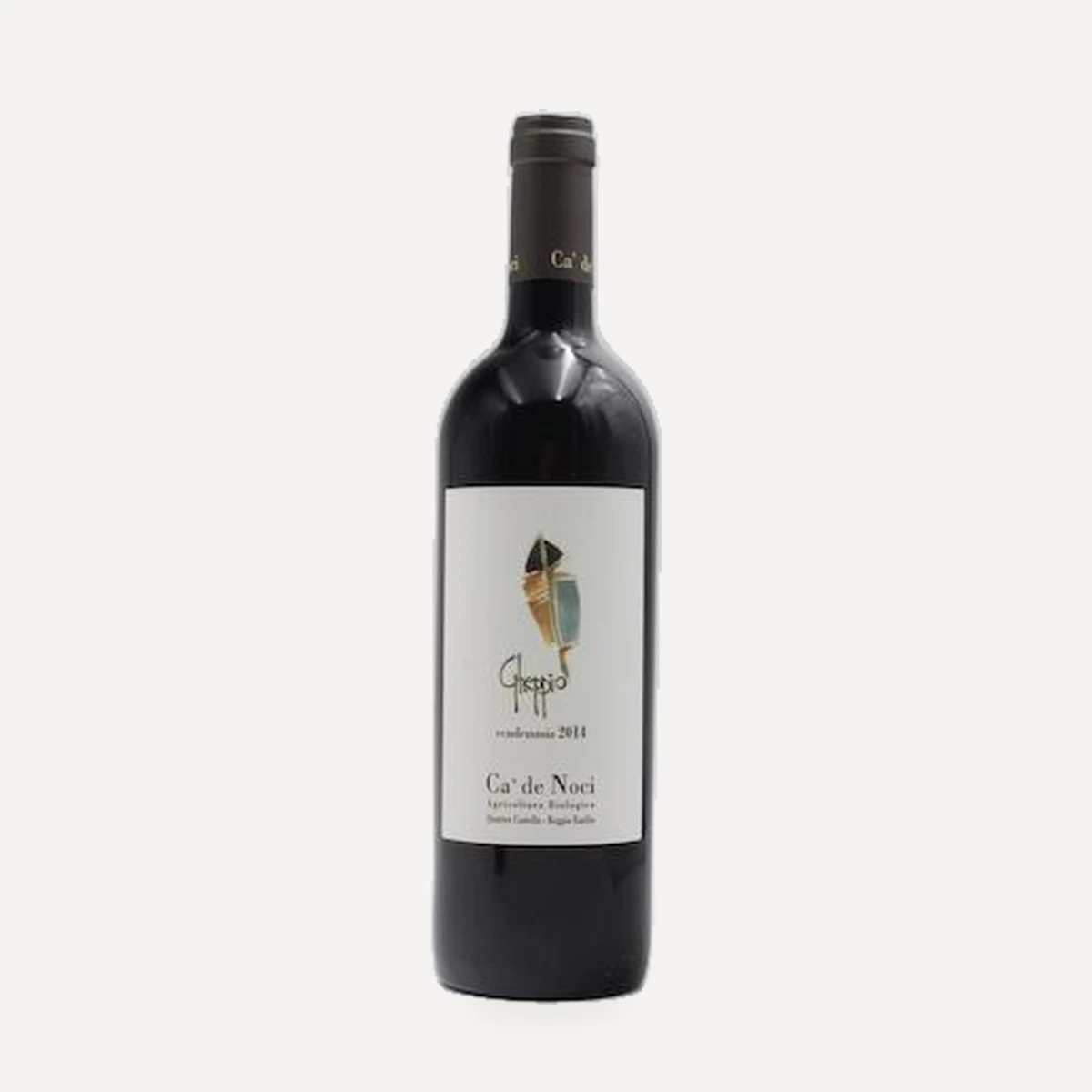
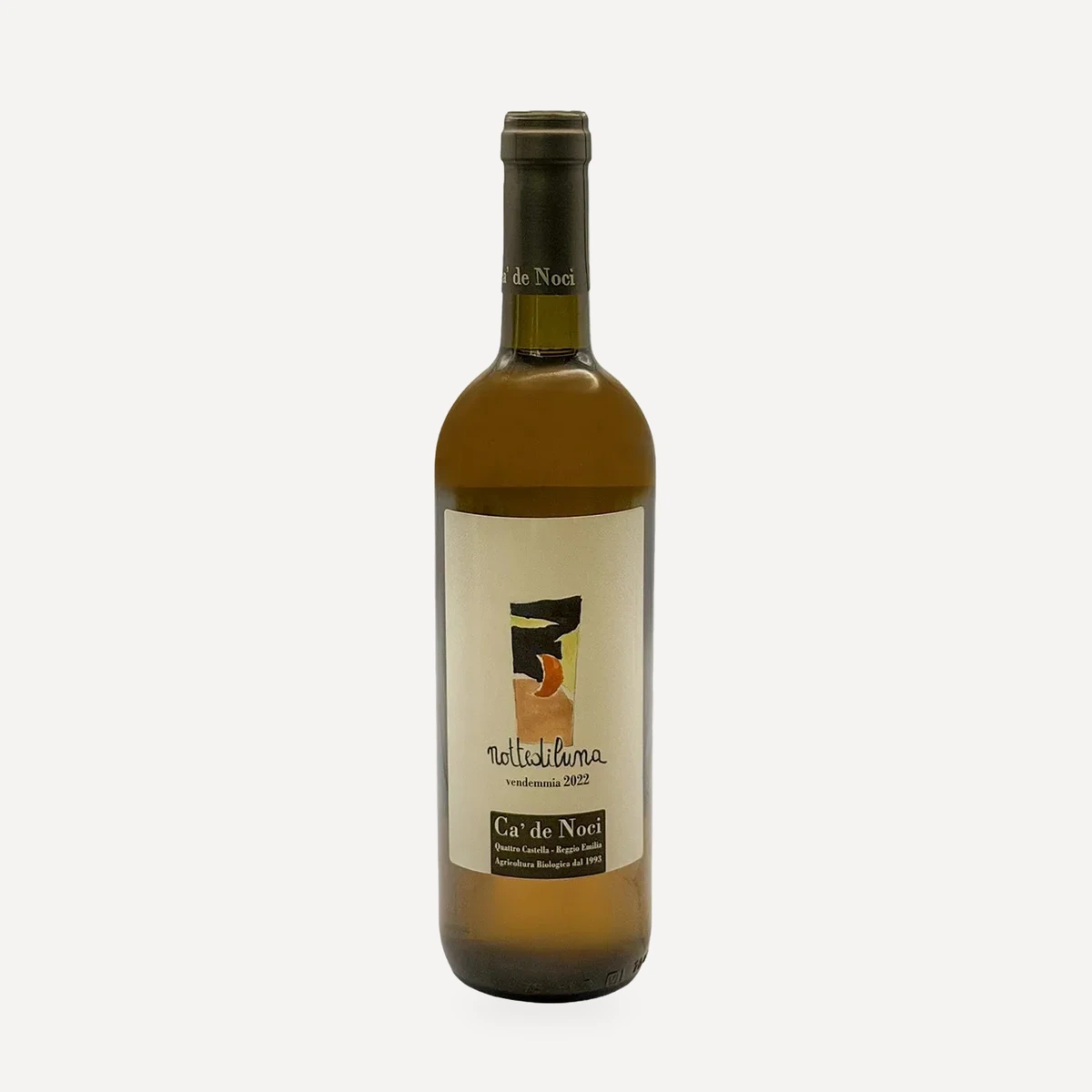
From 2001 the estate added its first ageworthy still wines, Gheppio and Nottediluna, while continuing to work with local varieties.
Broletto and new experimental wines, 2003–2014
In 2003 approximately 1.5 ha of high-hill land at Broletto joined the estate. Its calcareous lower-Apennine soils were planted with old local varieties including Sgavetta and Malbo Gentile.
The fruit of these younger vines inspired a new rosé experiment. In 2012 the first three demijohns were made, giving Tre Dame its name. In 2014 an early harvest of Malvasia aromatica produced the first Le Rose.
Continuing research
Small experimental lots are made in each vintage to understand and develop the potential of native grapes. The vineyards now encompass plantings made between 1970 and 2016. The estate completed its thirtieth directly managed harvest in 2023.
Terroir
Setting
The 5 ha of vineyards are divided among small, stony and silty hillside parcels along the Crostolo stream valley, in the foothills of the Tuscan-Emilian Apennines. The principal localities are Vendina and the higher Broletto hills. Vineyard elevations range from about 150 to 230 m, with east-, west- and south-west-facing sites.
Geological formation
The soils reflect approximately 150 million years of tectonic movement and sedimentation. Their formation began near the boundary between two ancient geological systems: volcanic rocks moving within the deep Ligurian Ocean to the north-west, and complex Umbrian-Tuscan marine deposits—including limestone sediments, marl, red mud and fine deposits—to the south-east.
Between roughly 150 and 45 million years ago, the interaction and subduction of Ligurian rocks and Tuscan sediments contributed to the formation of the Apennines and highly varied hill soils. From about 25 million years ago, movement of the Ligurian masses displaced enormous volumes of water, producing severe erosion and fine debris. The emerging land developed a prevalence of silt, red sediments and calcareous zones.
The submarine movement, estimated at about 1 cm per year across a front of approximately 250 km, continued until around 10 million years ago and separated the Ligurian Sea from the sea of the Po plain. Between 10 and 5 million years ago the hills continued to rise while Ligurian rocks eroded and fine sediments accumulated. Heavy clay strata were deposited as the Plio-Pleistocene sea retreated from the Po plain. During the last 500,000 years, glaciation carried morainic debris into the area through streams and rivers, adding further complexity. Faults remain active, and the continuing Apennine uplift is expressed in light, frequent earthquakes.
Vineyard soils
Proximity to both the Crostolo and the Apennines gives the estate soils a strong silty component. They are deep, with complex layers of ancient-terrace silt together with gypsum, sand and clay. These strata permit deep root development without excessive fertility or vigour and contribute pronounced salinity to the musts.
Vendina includes gravelly, silty-gravelly and silty-clay soils, with arenite and gypsum formations. Broletto includes silty or gravelly ground with arenite, gypsum and, in east-facing parcels, sandy interlayers derived from ancient terraces. The estate associates this variation in soil texture with marked differences in the sensory expression of its local grapes.
Vinificazione
Certified organic farming
Certified organic cultivation has been the estate's sole farming system since 1993, under the control and certification of ICEA. Chemical fertilisers, herbicides and conventional synthetic plant-protection products are excluded. The stated objective goes beyond certification to the maintenance of a resilient vineyard, woodland and meadow ecosystem.
Soil management
No irrigation or conventional fertilisation is used. Permanent spontaneous grass cover protects against erosion and compaction, sustains humus and encourages continuous interaction among vine roots, soil and herbaceous plants. Mowing is limited, timed to the season and alternated between rows. Autumn soil loosening addresses compaction. Grape pomace is composted for an extended period and returned as organic matter, including when new vineyards are planted; other plant nutrition also comes from compost prepared on the farm.
Vine health and pruning
Plants are treated individually rather than subjected to one uniform pruning system. Targeted winter pruning maintains productive balance, while invasive canopy interventions during the growing season are avoided. Every vine is observed through all vegetative stages so that precision pruning can help prevent complex trunk diseases.
Disease control is preventive. Copper and sulphur are used only in low doses when required, alongside trials of natural alternatives and plant-strengthening materials such as seaweed extracts, essential oils, microelements and other plant-derived biostimulants. These are intended to stimulate the vines' own defences without disrupting beneficial insect biodiversity. Propolis was used as a natural sanitiser after the damaging hailstorms of 2020.
Harvest
All fruit is picked by hand in several selective passes, with timing adjusted to each parcel's exposure, soil and ripeness. Only healthy bunches are retained. Small crates of approximately 10–15 kg are normally used; especially delicate or drying fruit may be placed in crates of only 2–3 kg. Keeping the berries intact is a central selection criterion. Harvest work begins very early during hot vintages, and grapes rest for a day at cellar temperature before morning processing.
Biodiversity and recovered grapes
Spergola has very thin skins, requires ventilated sites and naturally low crops, and is poorly suited to mechanised farming. By the 1990s it had been reduced to a few hectares in the province and was confused with other grapes; Ca De Noci's oldest surviving Spergola dates to 1970.
Malbo Gentile is sensitive to downy mildew and has difficulty setting fruit in single-variety plantings because it requires cross-pollination, resulting in very limited crops. Lambrusco di Montericco, also called wild Lambrusco, is a long-cycle, high-acid variety suited to poor hill soils. Sgavetta bears very small clusters that cannot readily be mechanised and is valued for its aromatic intensity and breadth. Further recovered local grapes are studied through dedicated trial vinifications each harvest.
Researchers and thesis students from the University of Modena and Reggio Emilia have participated in the study and recovery work. The old Vendina vineyard supplied samples for M. Bondi's 2008/09 thesis on Spergola characterisation.
Cellar principles
A dedicated winery was built in 1998. Its practices developed from the brothers' decision to make wine for their own table and to move away from conventional, preservation-led oenology. Work is intended to follow the natural evolution and timing of the wine with minimal technological intrusion.
Fruit selection begins in the vineyard. Grapes are harvested by hand in multiple passes and arrive intact in small crates. They commonly rest overnight at cellar temperature so that naturally cooler fruit can be crushed the following morning with greater aromatic protection. During the hot 2023 vintage, indigenous starters prepared in advance at low temperature and an overnight acclimatisation of the fruit enabled slow fermentation starts.
Blends are selected at harvest, avoiding corrective blending after fermentation. Open vessels with floating lids can be adjusted to the amount harvested in each vintage. The cellar uses no added sulphur dioxide at any stage and no preservatives. Healthy fruit, oxidation control and careful management of fermentation, maceration, racking and lees separation therefore carry particular importance.
Fermentation and maceration
An indigenous starter is cultivated every year from the first ripe bunches. Fermentations are spontaneous, and skins remain with the must for a period appropriate to the wine and vintage. All wines receive some maceration so that grape polyphenols can help preserve varietal character naturally.
White wines generally undergo shorter skin contact. The cap may be separated progressively and manually without a final pressing, producing a deliberately low conversion of grapes to wine. Red wines receive longer maceration, followed by gentle manual pressing of the skins. Techniques used across the cellar include remontage, punch-downs, rackings and removal from heavy lees. In wet or polyphenolically concentrated years, manual racking from the cap is used to manage oxidation risk and extraction.
Bottle-fermented wines
Sparkling and frizzante wines are produced by natural fermentation in bottle. Free-run must from the same grapes as the base wine is chilled after crushing, stored cold and added before bottling. Refermentation generally finishes after about three months and is followed by continued maturation.
The traditional-method Spergola spends 36 or 48 months on its lees with periodic bottle movement. It is disgorged manually between January and February, topped with wine from bottles in the same lot, and receives neither dosage nor outside wine.
Other maturation vessels
The cellar employs 500-litre oak and acacia barrels for selected still wines, including periods of 12 months and, for longer-aged reds, 24–36 months with periodic movement over their natural sediment. A dried-grape wine is raised for 12 months in steel and 36 months in old oak. Long-macerated Spergola and Sgavetta may mature for six months in unglazed terracotta jars.
Environmental management
Cellar insulation and energy-saving work are intended to reduce environmental impact. Further objectives include expanding photovoltaic generation with storage and adopting electric vehicles and equipment. A 2022 rural-development investment supported the purchase of a tractor and vineyard machinery to introduce new technology, improve mechanisation, reduce environmental impact and improve production quality.
Filosofia
Ca De Noci regards the vineyard as the foundation of wine quality and presents rare local grapes as both an agricultural inheritance and a living field of research. Its objective is to preserve genetic material, understand each variety through small annual trials and allow vintage differences to remain visible rather than forcing uniformity.
The brothers describe their cellar approach as a departure from conventional, preservation-oriented oenology. Wine should follow its own time and natural evolution, with healthy fruit, indigenous yeasts, skin contact and manual work replacing invasive technology, preservatives and added sulphur dioxide. Their stated health concern encompasses both cellar workers and drinkers.
Environmental responsibility extends beyond organic certification. Biodiversity in vineyards, meadows and woodland is treated as a source of resilience to climate change and as a means of storing carbon and producing oxygen. Current priorities include planting hedges and woodland on open ground, strengthening photovoltaic capacity with storage, electrifying vehicles and tools, and continuing research into lower-impact plant protection and farming.
The estate also rejects increasing quantities or accelerating natural times to satisfy demand. Limited production and the demands of direct family work are accepted as consequences of giving priority to the vineyard, the season and the finished glass.
Vini
Gheppio
Kyathos rosso
Notte di luna
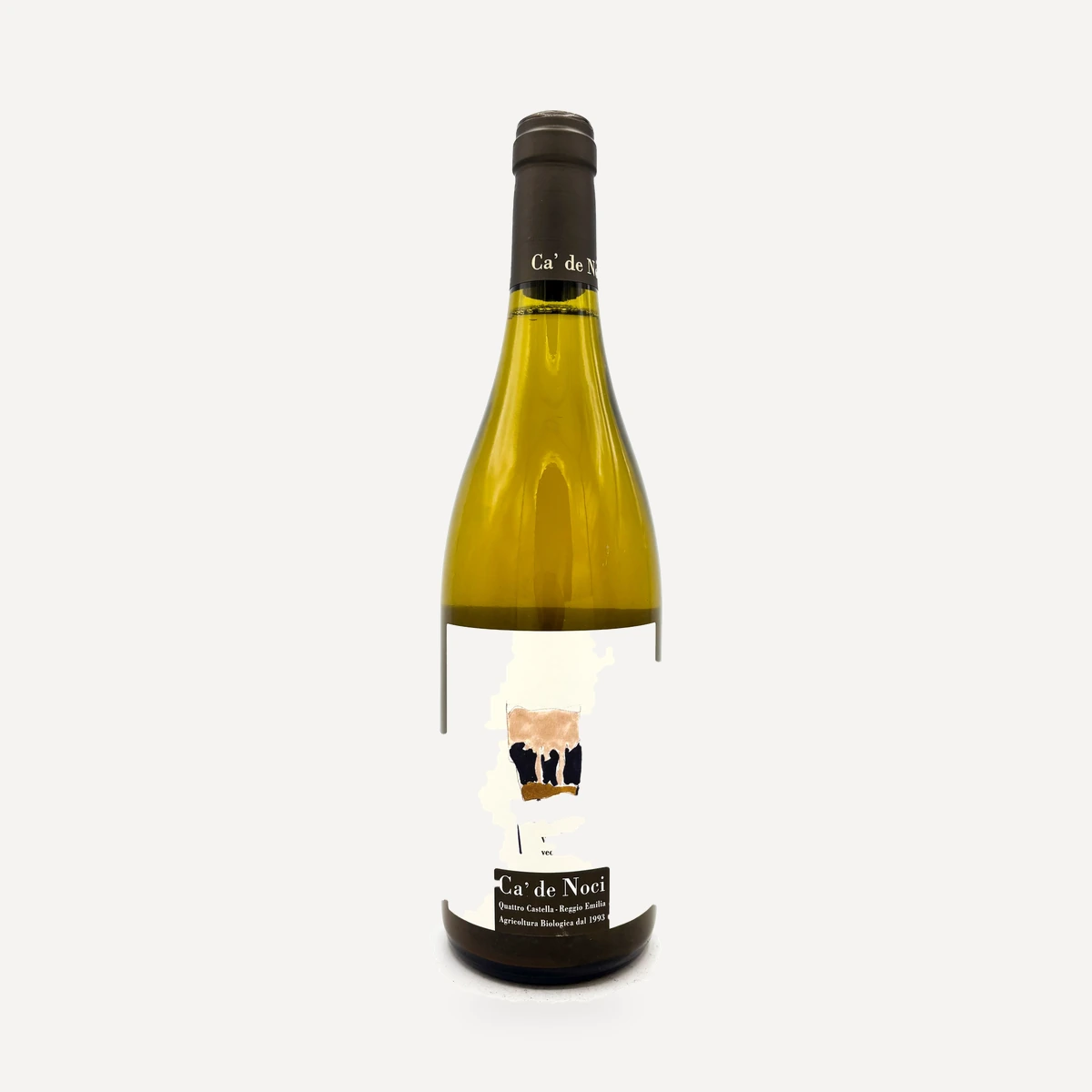
Querciole