Storia
1910 — Domenico Leonardi and the beginning
Antica Cantina Leonardi was founded in Montefiascone in 1910 by Domenico Leonardi. He had travelled to the Americas in search of better prospects before returning to his roots in Montefiascone. He excavated the cellar caves by hand and began selling local wine in small flasks. The business describes itself as the oldest winery in the locality.
The 1950s — From family activity to wine enterprise
During the 1950s, Domenico’s sons developed the family activity into a structured wine-producing enterprise, establishing the foundation for its subsequent expansion.
The 1960s — Carlo Leonardi’s modernization
Carlo Leonardi modernized Antica Cantina Leonardi during the 1960s. New vineyards and technologies broadened its scope and helped transform it into a winery with national recognition.
The 1980s — Ugo Leonardi and a stronger focus on place
In the 1980s, Ugo Leonardi directed attention toward wine quality and the promotion of the local territory and its products.
The 1990s — New vineyards and cellar investment
Further vineyards were established during the 1990s, while another phase of cellar modernization consolidated the company’s position in Montefiascone wine production. Vineyard blocks represented in the present range include plantings made in 1998 and 2000.
The fourth generation
Riccardo and Emanuele now lead the fourth generation. Their direction combines the family’s wine tradition with technological development, international activity and hospitality, including tastings, events and the Vigna sul Lago agriturismo.
2026 — International expansion
In 2026, the cooperative launched the “Antica Cantina Leonardi Wine Export 2.0” internationalization project. A €45,720 grant from the SME Internationalisation Voucher under the Lazio ERDF Regional Programme 2021–2027 supported participation in Great Wines Italy New York 2026, Vinitaly @ Wine Vision Belgrade 2026 and ProWine Shanghai 2026, with the objective of expanding access to international markets.
Terroir
Antica Cantina Leonardi is based in Montefiascone, in the Viterbo area of Tuscia, on hills overlooking Lake Bolsena. The landscape surrounding the winery is volcanic, and the cellar itself occupies caves excavated into volcanic tuff.
The vineyard blocks described across the range stand at approximately 450 metres above sea level, face east and have medium-textured volcanic soils. The Vigna sul Lago property lies among vineyards in the countryside between Umbria and Tuscany, approximately 3 km from Montefiascone, 7 km from Marta and 5 km from the shore of Lake Bolsena.
Morning fogs are important for the late-harvest botrytized grapes: they encourage the development of Botrytis cinerea, concentrating the berries’ sugars and aromas. Volcanic soils also support the estate’s olive groves.
Vinificazione
Spur-pruned cordon is the identified training system, with planting densities of 3,300 or 4,500 vines per hectare. Harvest dates extend from late August for sparkling-wine fruit through the first half of November for botrytized grapes.
Grapes for several white, red, rosé and botrytized styles are picked and selected by hand. For the sweet-wine material, harvesting takes place in several passes according to the progress of Botrytis cinerea. The bunches undergo a further selection after reaching the cellar. Declared vineyard yields range from 50 to 100 quintals of grapes per hectare, depending on variety and intended style.
The historic cellar incorporates caves hand-cut into volcanic tuff. Their naturally controlled temperature and humidity provide an environment used for wine storage and maturation.
White-wine production includes whole-bunch soft pressing, with maximum must yields of 60% for selected wines and 70% for the classic Est! Est!! Est!!! style. Some grapes receive a pre-fermentation cold maceration at approximately 8–10°C for six to eight hours. Fermentation generally takes place in temperature-controlled stainless steel. Certain whites complete approximately 30% of fermentation in barriques and remain there for several months, while others are racked and clarified, held in stainless steel until March, bottled and then matured further.
Rosé production includes manual picking and selection, destemming and pressing, followed by six hours of skin contact at 6°C and a 20-day fermentation in stainless steel at a controlled 15°C.
For red wines, grapes are manually harvested and selected, destemmed and softly crushed. Fermentation takes place on the skins in stainless-steel tanks, generally for about 12 days, with repeated pump-overs. Declared fermentation temperatures range from 22°C for the lighter Merlot-based style to 24–28°C for selected Syrah and Cabernet–Merlot wines. Some reds complete malolactic fermentation and mature in barriques; the longer-aged selection spends approximately 12 months in barriques followed by approximately 24 months in bottle. A fresher Merlot-based wine is transferred to small stainless-steel tanks after malolactic fermentation and receives three months of bottle maturation.
The late-harvest sweet style uses botrytized bunches gathered in several passes. After additional cellar selection, the fruit is lightly crushed and softly pressed. The must ferments for 18 days at approximately 17°C before resting prior to release.
Sparkling-wine methods include autoclave fermentation at approximately 12°C followed by about one month on the lees at low temperature. Traditional-method Dosaggio Zero production undergoes secondary fermentation in bottle with selected yeasts, manual remuage on pupitres and disgorgement without liqueur d’expédition or added sugar. Tirage is carried out at the end of April; maturation on the lees is identified as approximately 24–36 months in different production descriptions.
Filosofia
The house presents its identity as a balance between family tradition and technological development. Its successive generations have emphasized modernization without abandoning Montefiascone, its volcanic landscape or the historic tuff cellars.
Quality and promotion of the local territory became explicit priorities under Ugo Leonardi in the 1980s. The current fourth generation extends that approach through wine production, international activity and hospitality. The wine ranges are framed around tradition, regional identity and differing expressions of the volcanic territory, while the hospitality programme connects wine with local food, family history and the landscape of Lake Bolsena.
Vini
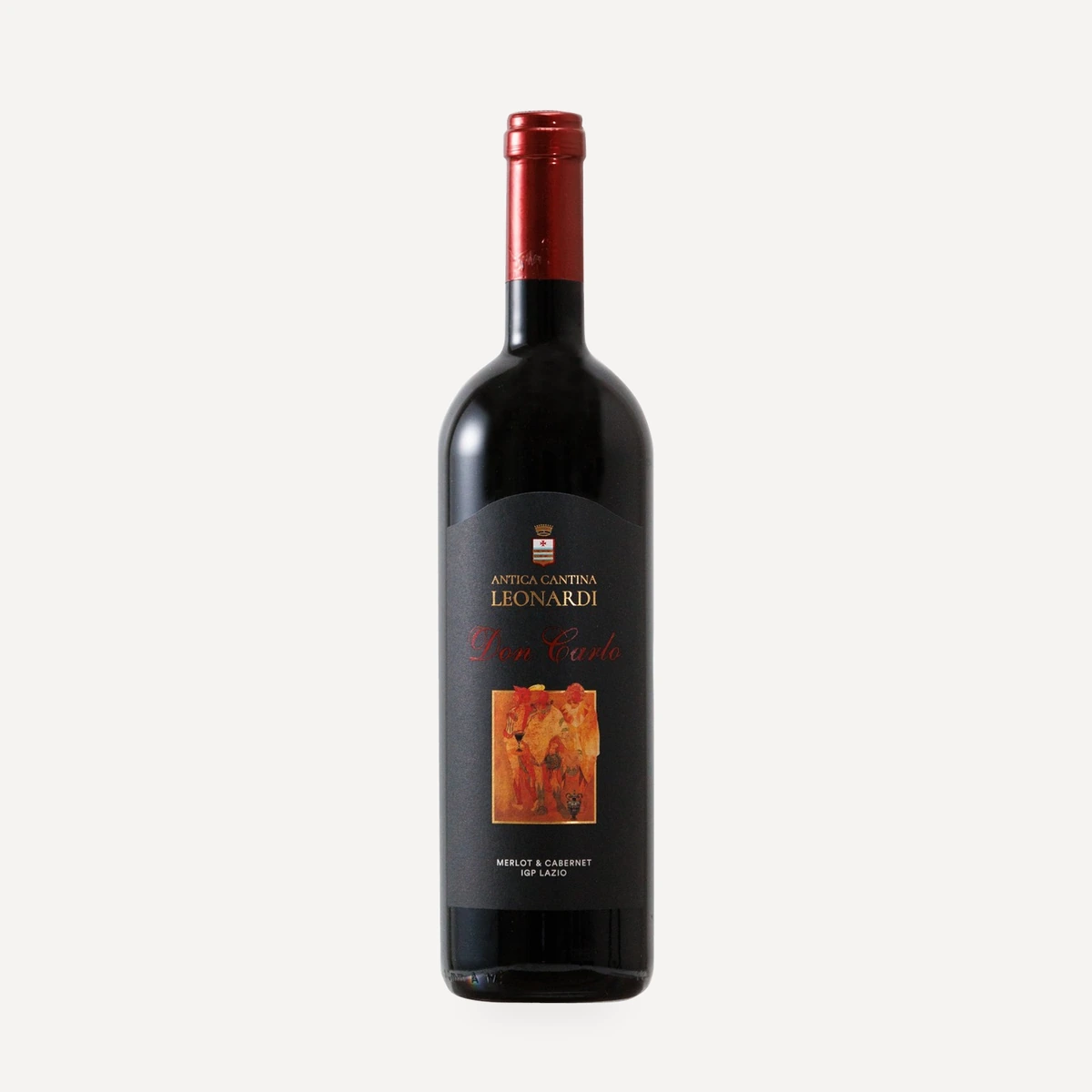
Don Carlo
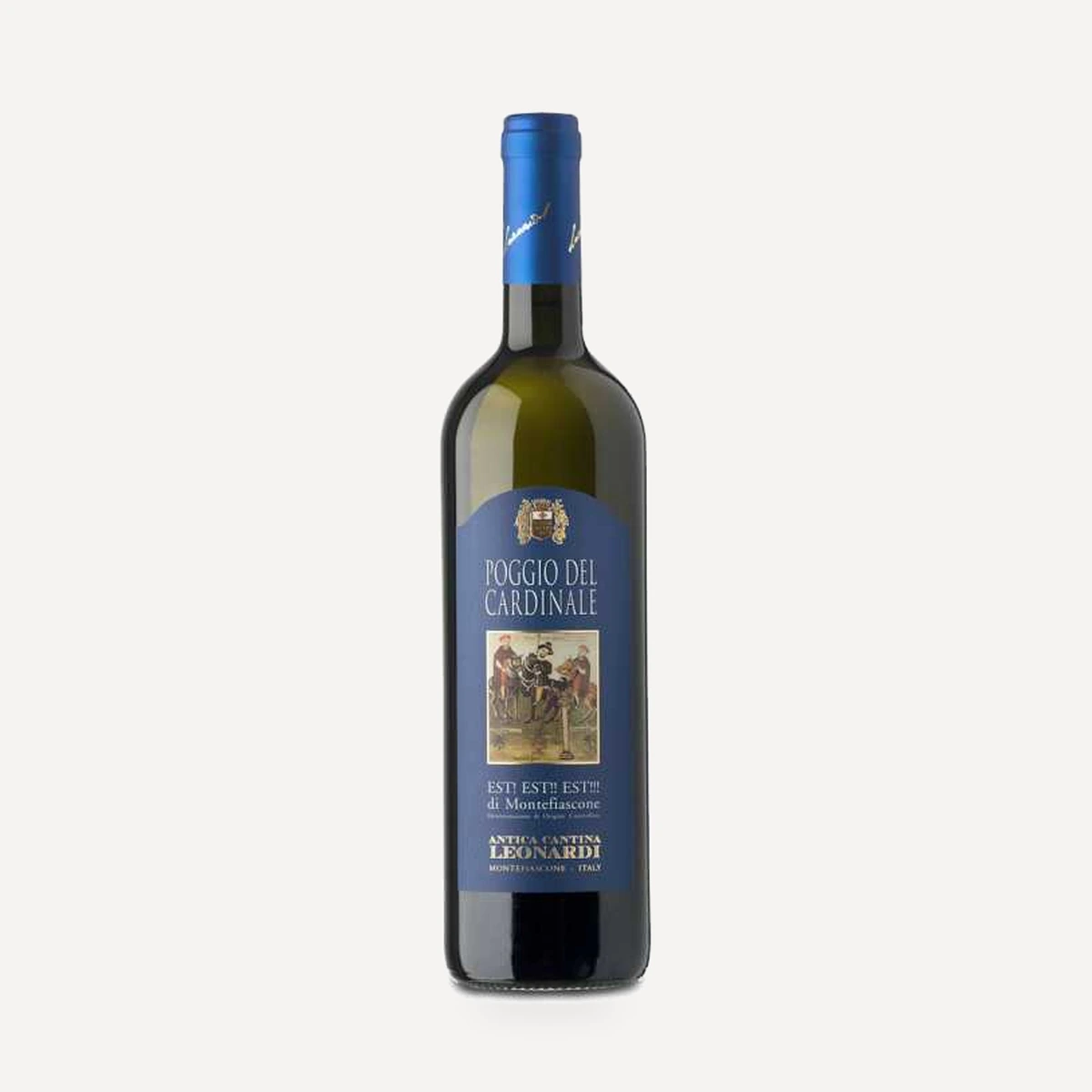
Est! Est!! Est!!!
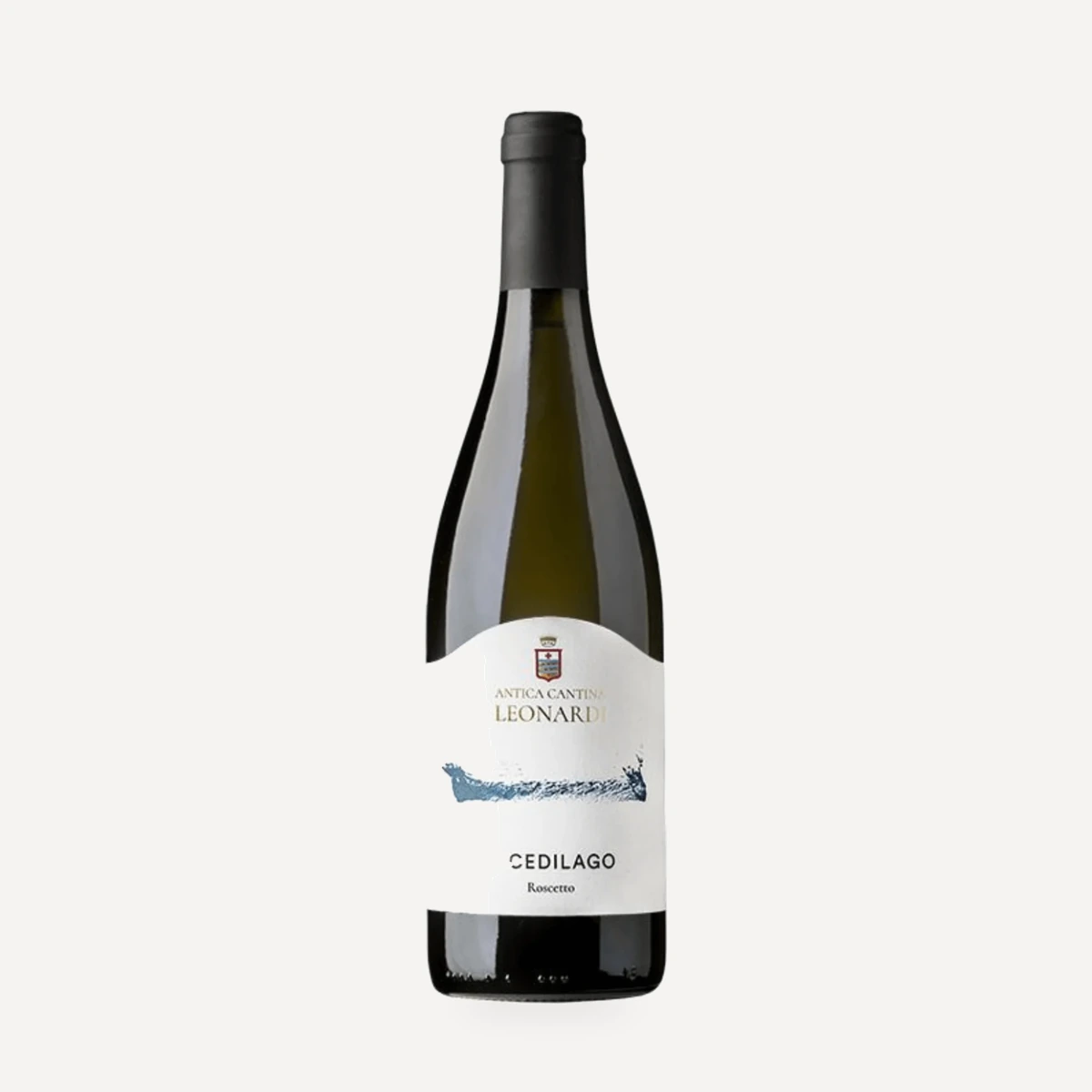
Luce di lago
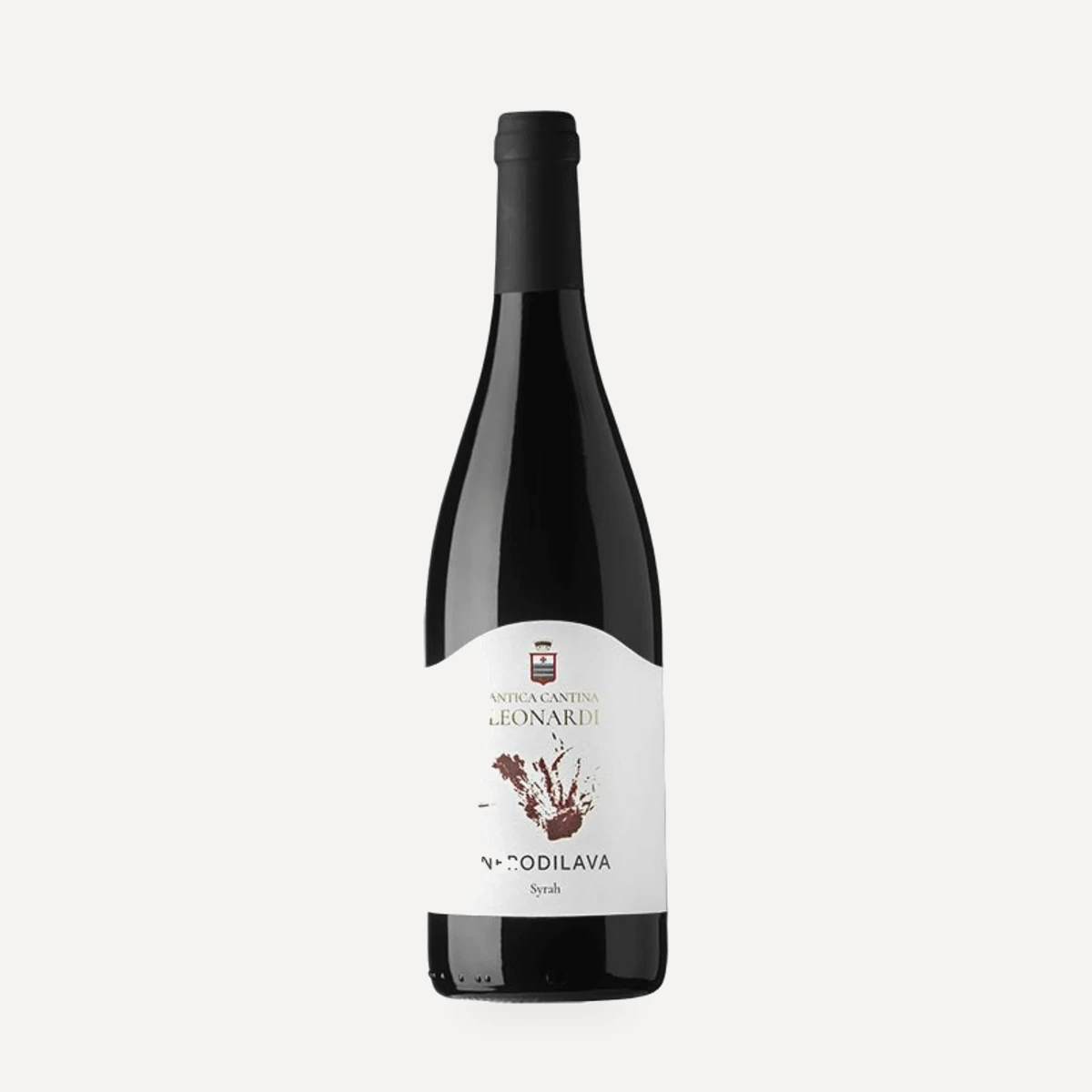
Nero di lava
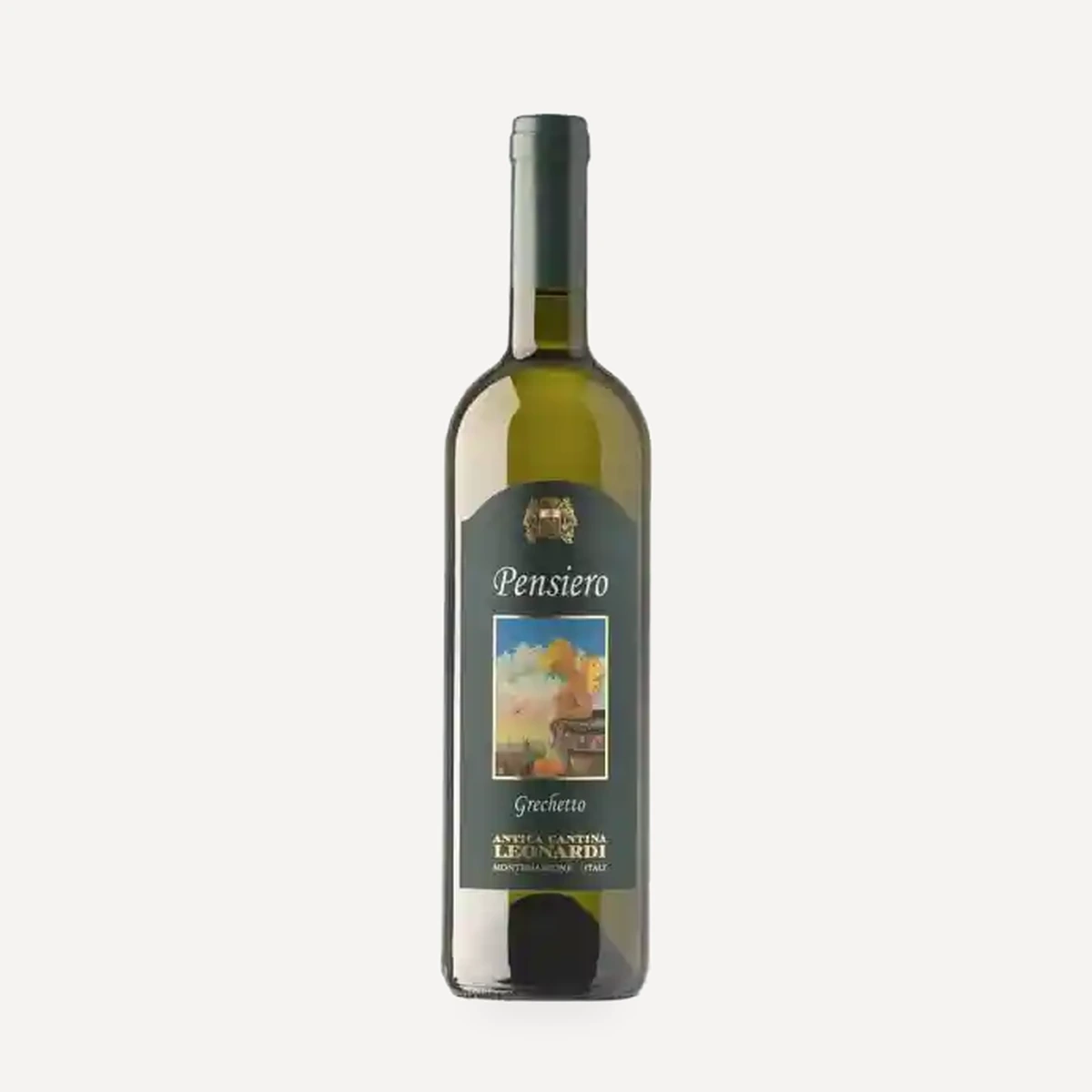
Pensiero
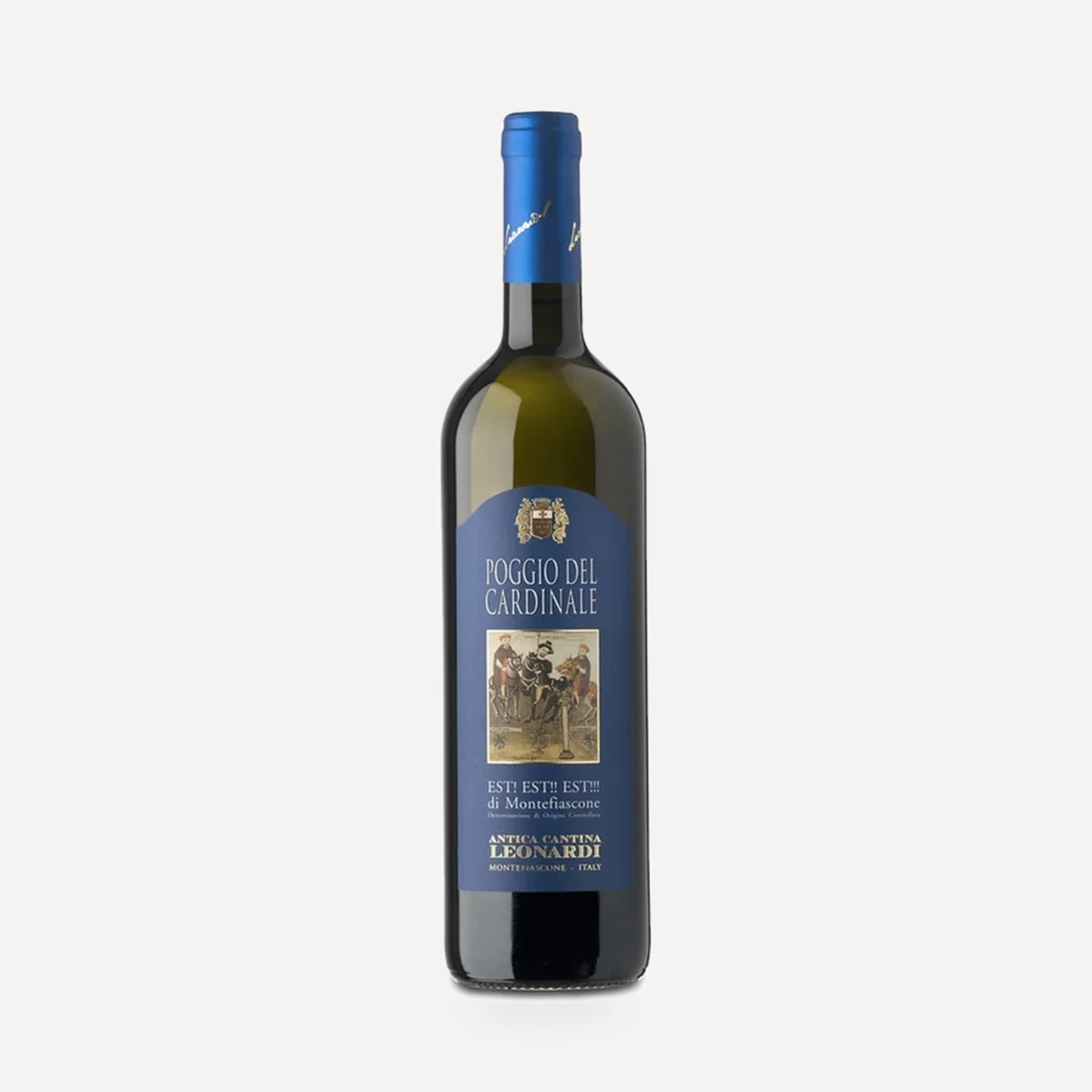
Poggio del Cardinale
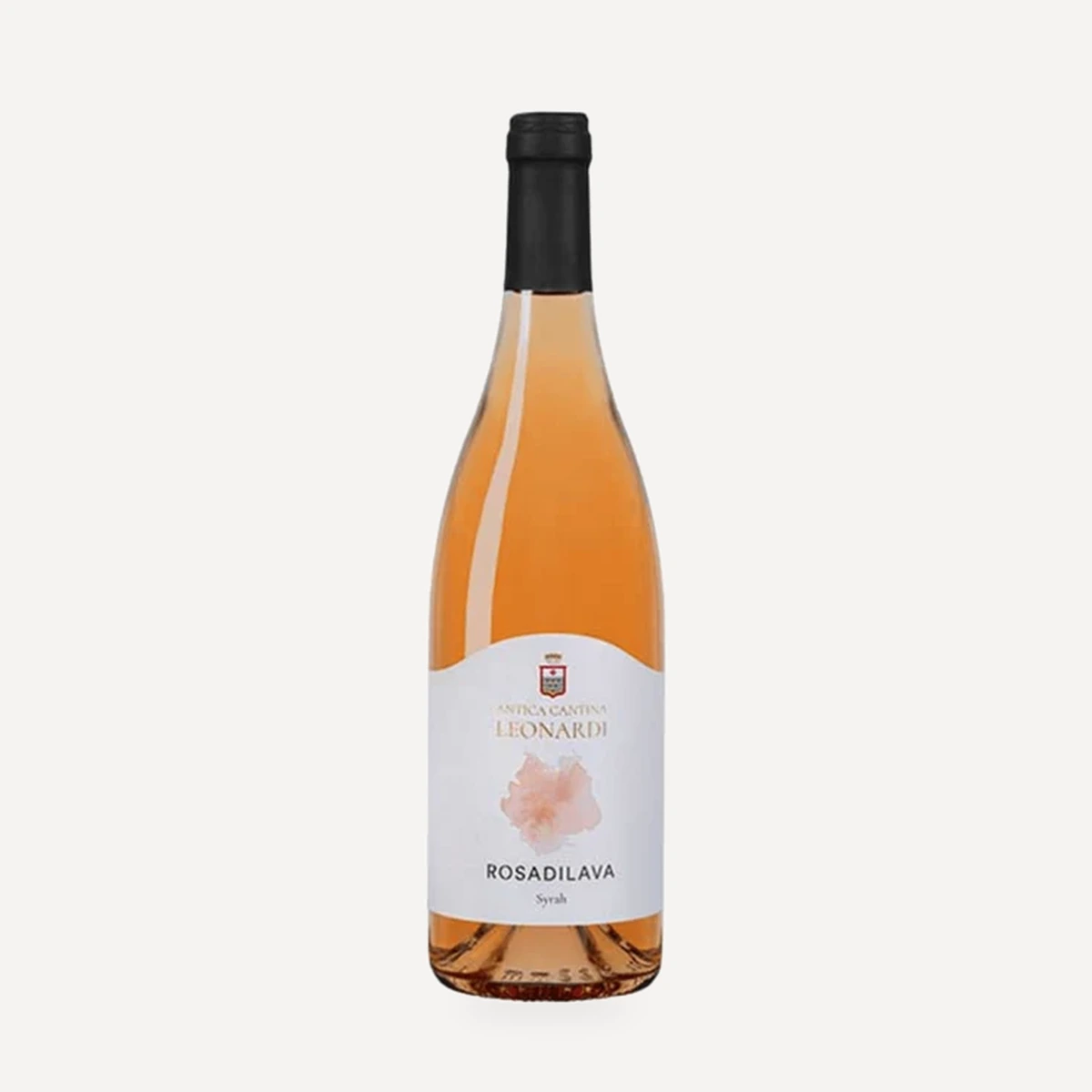
Rosa di lava