Storia
2014: the first vineyard
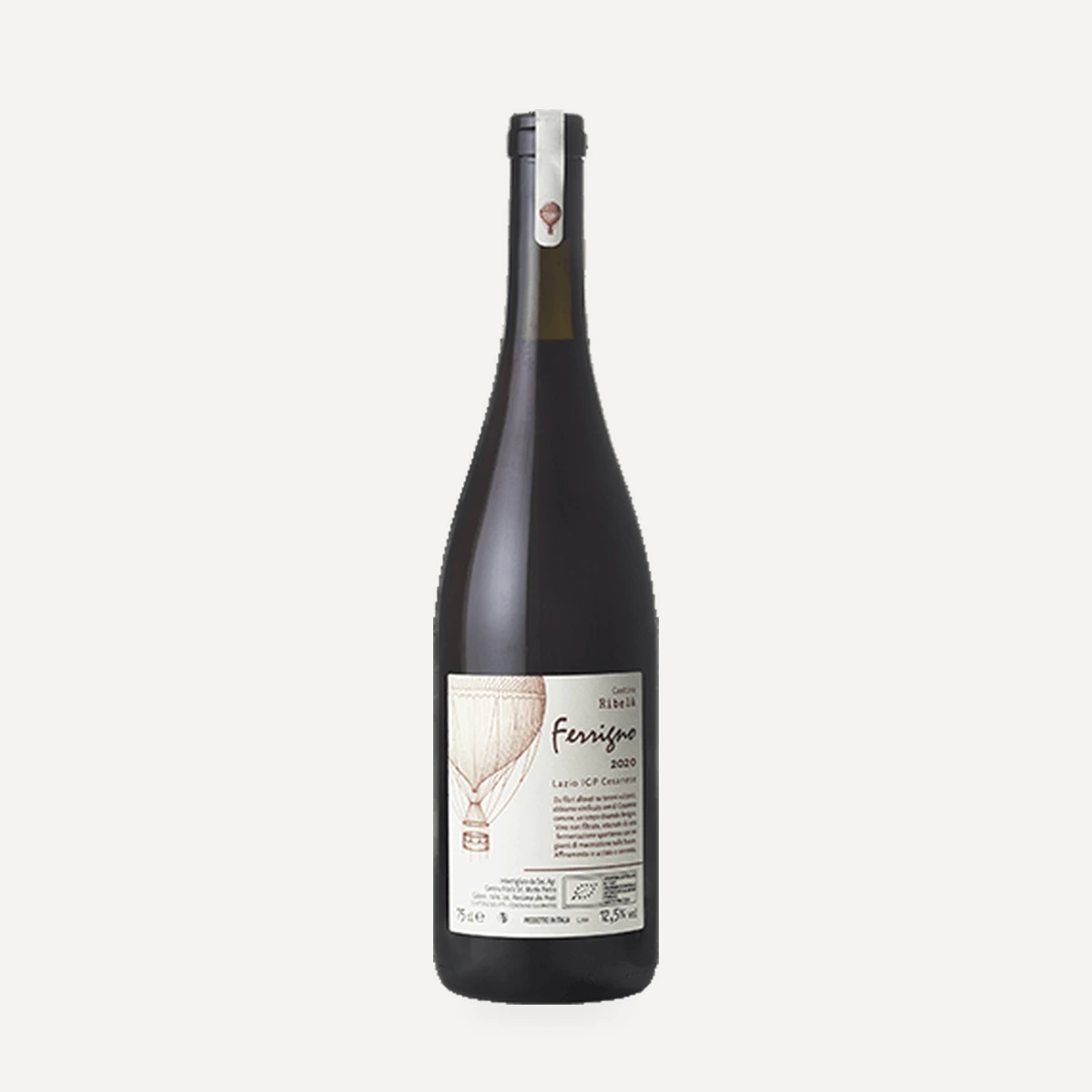
The project took root in 2014 with the purchase of the existing vineyard at Pentima dei frati, a small, self-contained valley in Monte Porzio Catone. The holding included old vines trained both in rows and on pergolas. A small quantity of wine was made that year from Ferrigno, a local name for a particular Cesanese comune biotype.
2015: biodynamic preparations and the first recurring projects
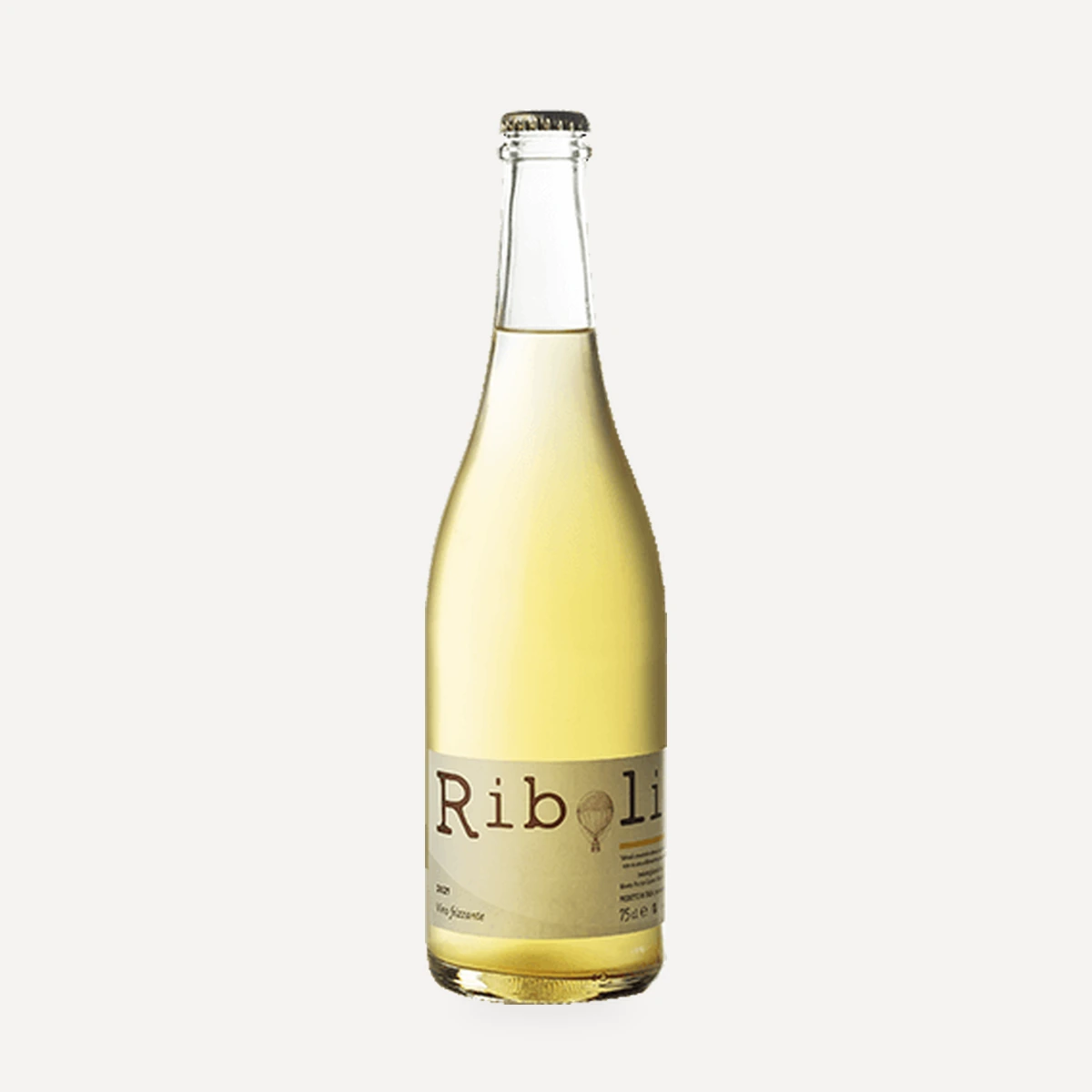
Carlo Noro’s biodynamic preparations came into use in 2015. The same year marked the beginning of Ribolie, a bottle-refermented wine inspired by the local Romanella tradition; it remained in production through 2021. Cantina Ribelà also began appearing at public wine events in 2015, including Vinnatur and Artigiani del Vino.
2016: land for red grapes and a new cellar
In 2016, additional land was acquired for a new red-grape planting and for the construction of a purpose-built cellar. Garbagorba was first produced that year from Cesanese grafted onto old Malvasia vines. Its production remained deliberately tiny—three demijohns, approximately 200 bottles—and continued through 2020.
2017: planting and construction
The Ferrigno Cesanese material first vinified in 2014 was grafted, propagated and planted in a new field in 2017. Construction of the new cellar ran from April through September. Daniele Presutti designed it and supervised the entire process, concentrating on materials and details while working with local artisans and master craftspeople. A special 3-litre magnum was made to celebrate the completion of the cellar; 50 magnums were produced.
2018: completion of the house and diversification
The house, also designed by Daniele Presutti, was completed during the opening months of 2018. Visits to the cellar became available by appointment from May. Mira Italian Grape Ale was produced in 2018 with Vento Forte brewery in Bracciano, using the estate’s white grapes or pomace to initiate spontaneous fermentation.
2019 onward: organic certification and new cellar collaborations
The wines have carried organic certification since 2019. That year, Distilleria Nardecchia di Luca Mastromattei produced two unfiltered grappas from the estate’s pomace: one from Cesanese comune and another from Malvasia and Trebbiano.
The cellar’s connection to local craft is embodied by three barrels made by Alfredo Sannibale of Albano, described as the last cooper working in the Castelli Romani: two are made from local chestnut and one from wild cherry grown on the property. More recently, a hand-carved vessel made from local peperino stone entered the cellar and inspired work bringing Cesanese and Malvasia together. Soyl subsequently replaced Garbagorba in the range.
Terroir
Pentima dei frati
Cantina Ribelà lies at 320 m above sea level in Monte Porzio Catone, within the Castelli Romani Park and the historic Frascati winegrowing area. The small, independent valley is historically known as Pentima dei frati. Its steep, circular form gives the vineyards a complete range of exposures and allows the estate to conduct separate micro-harvests.
The word pentima or pendima, derived from the medieval Latin pentoma and ultimately of pre-Latin origin, is a local term for sloping ground beside the volcanic lakes of the Colli Albani. On one side of the estate valley, Roman-period vaulted chambers and what is probably a cistern survive as evidence of the site’s long agricultural history. The remains of Villa di Domitilla, dating to the first century BCE, and Villa di Matidia Augusta, dating to the first century CE, lie beside the vineyards.
Volcanic formation
Around three million years ago, much of present-day Lazio lay beneath the sea. The massifs of the Monti Lucretili, Tiburtini, Prenestini and Lepini emerged above the water, while the present peaks of the Monti Cornicolani, Monte Soratte, Monti della Tolfa and Circeo formed islands. About two million years ago, tectonic activity raised the seabed to create a broad plain, leaving shallow saltwater lakes trapped near the Monti Lepini, Tiburtini and Prenestini and along much of the pre-Apennine belt.
Volcanism shaped the region during the last million years through the Volsino, Cimino-Vicano, Sabatino and, most recently, Vulcano Laziale eruptive complexes. Vulcano Laziale began its activity approximately 600,000 years ago south of the Roman plain and formed a cone about 60 km across at its base.
Its activity occurred in three principal phases, each lasting thousands of years and separated by long periods of repose. The first and largest phase expelled approximately 200 km³ of material. Pyroclastic flows deposited red pozzolana—locally reaching around 90 m in thickness—and material that formed lithoid tuff, followed by intense effusive activity. Collapse of the upper crater concluded this phase and created the still-visible Tuscolano-Artemisia caldera.
After a period of quiet, a smaller volcano developed in the middle of the earlier caldera. This second phase produced about 2 km³ of eruptive material. During the final phase, concentrated on the volcano’s northwestern side, deep contact between water and incandescent magma caused violent explosions and created the basins now occupied by lakes Nemi and Albano. Many more lake basins once existed, but human intervention drained most of them. Early inhabitants probably lived through the final eruptive phases.
The three soil zones
Pentima contains three distinct geological zones. The valley floor and drainage areas have deposits ranging from silty clay to sandy silt. The Villa Senni eruptive units consist of massive pyroclastic deposits containing scoria and lithic inclusions in an abundant, coarse, weakly coherent ashy matrix. The surrounding zone is formed from weakly cemented, leaden-grey, porphyritic lithoid lava-flow deposits.
Analysis by the Vitenova research group found an average texture of 70% sand, 22% silt and 8% clay, together with high pH and potassium and sodium levels far above the norm. The estate associates this mineral composition with wines driven more by savoury character than by acidity. Within this broader pattern, the small Pentima row parcel planted in 1958 occupies soil described as redder and more clay-rich than the rest of the holding.
A human-shaped landscape
Proximity to Rome and a long history of settlement have deeply transformed the vegetation of the Colli Albani. Cultivation and grazing replaced much of the downy-oak belt, while managed chestnut largely replaced the original woodland. Chestnut prospered in the volcanic soils and supplied material for buildings, ships, furniture and the vats, barrels and harvesting tubs of local viticulture.
The Renaissance Ville Tuscolane and their Italian gardens—including Villa Aldobrandini, Villa Falconieri, Villa Torlonia, Villa Grazioli, Villa Rufinella and Villa Mondragone—strengthened local agricultural and winegrowing traditions under prominent Roman families such as the Borghese. This landscape and its accumulated agricultural practices form the cultural setting for the estate’s work.
Vinificazione
The two hectares of vines are farmed biodynamically. Carlo Noro’s biodynamic preparations have been used since 2015, and the wines have been certified organic since 2019.
The old vines, aged between 30 and 60 years, are trained both on pergolas and in rows. The steep, circular form of Pentima dei frati creates a full range of exposures; work is consequently divided into micro-harvests that preserve the differences among positions and ripening conditions. Most operations across the estate’s production are performed manually.
The farming philosophy is based on an integrated, symbiotic relationship between the place and the people who inhabit, observe and listen to it. The estate treats recovery of soil vitality and knowledge of the reasons behind older agricultural practices as connected goals, with tradition serving as a basis for innovation.
The purpose-built cellar was completed between April and September 2017. Daniele Presutti designed the building and supervised its construction, focusing on materials and details in collaboration with local artisans and master craftspeople.
All wines undergo spontaneous fermentation with indigenous yeasts in open vats. They are neither filtered nor fined, contain no chemical additives or processing aids, and remain below 20 mg/L total sulphur dioxide. Most cellar operations are manual.
The cellar combines several materials and vessel types. Its wooden cooperage includes three barrels handmade by Alfredo Sannibale: two from local chestnut and one from wild cherry grown on the property. A hand-carved vessel made from local peperino stone was later added. The range also demonstrates the use of fibreglass, amphora, stainless steel and glass demijohns, while bottle refermentation formed part of the Ribolie project. The approach to maceration and élevage varies according to the material and intended expression rather than following a single standard recipe.
Filosofia
Cantina Ribelà seeks to revive the wine culture of a layered and complex territory on a human scale in the vineyard and through a contemporary approach in the cellar. Its response to globalisation is to cultivate distinction through the area’s own cultural identity.
The estate regards wine as the changing expression of both terroir and vintage rather than a product that should remain identical from year to year. Production decisions are guided by study, experience and engagement with the area’s centuries-old wine culture, which is treated as protection from short-lived fashions.
Tradition is approached as living knowledge rather than a fixed model. Recovering older skills—from local vine material and skin-contact practices to chestnut cooperage—is paired with new vessels and modern architectural thinking. The intended result is a dialogue between the landscape and the people who live in, observe and care for it.
The hot-air balloon chosen as the estate emblem expresses this relationship. It offers a changed perspective and can move in a desired direction only by responding to atmospheric conditions. For Cantina Ribelà, that balance between intention and circumstance mirrors the inseparable roles of human choice, weather and vintage in winegrowing.
Vini
Ferrigno
Pentima
Saittole
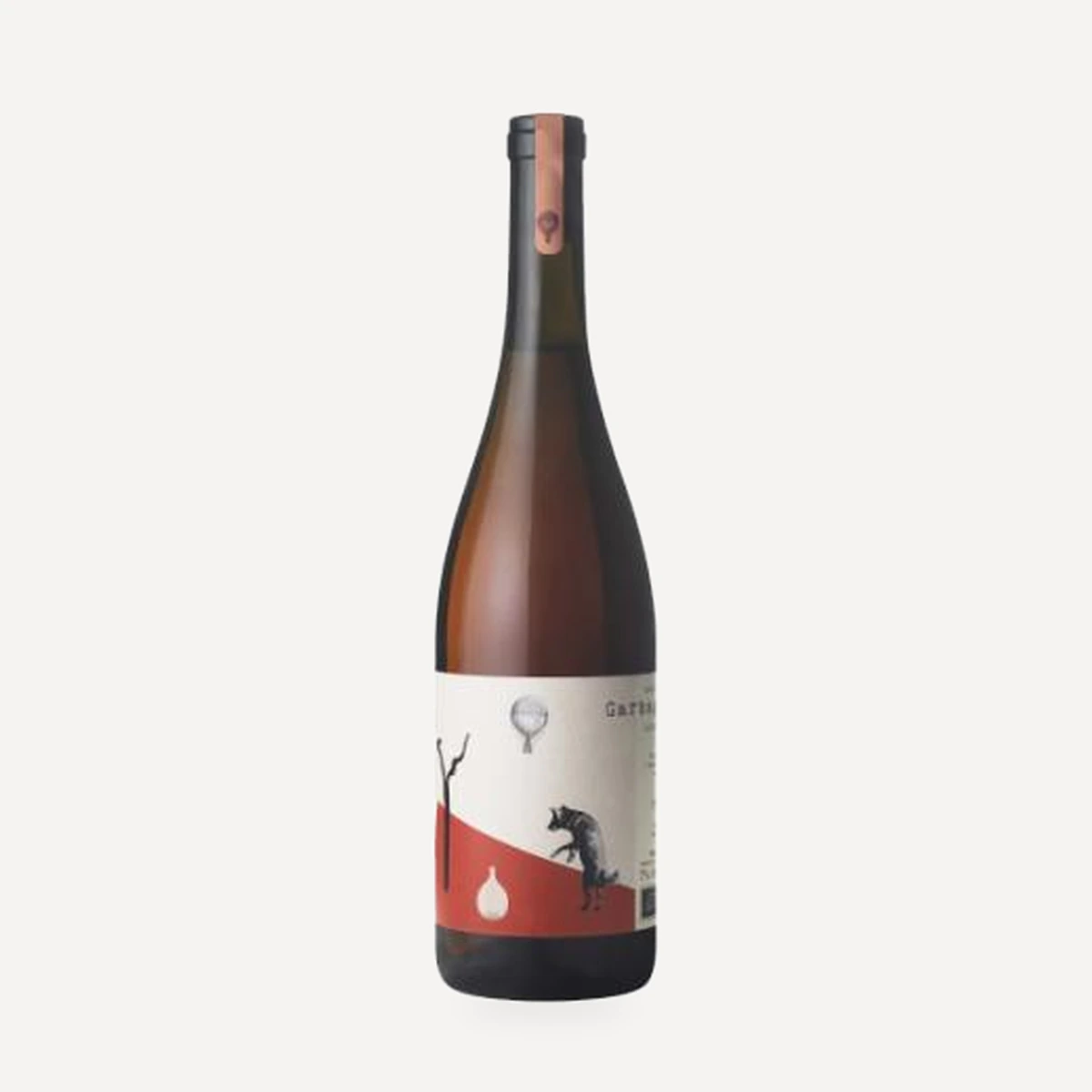
Garbagorba
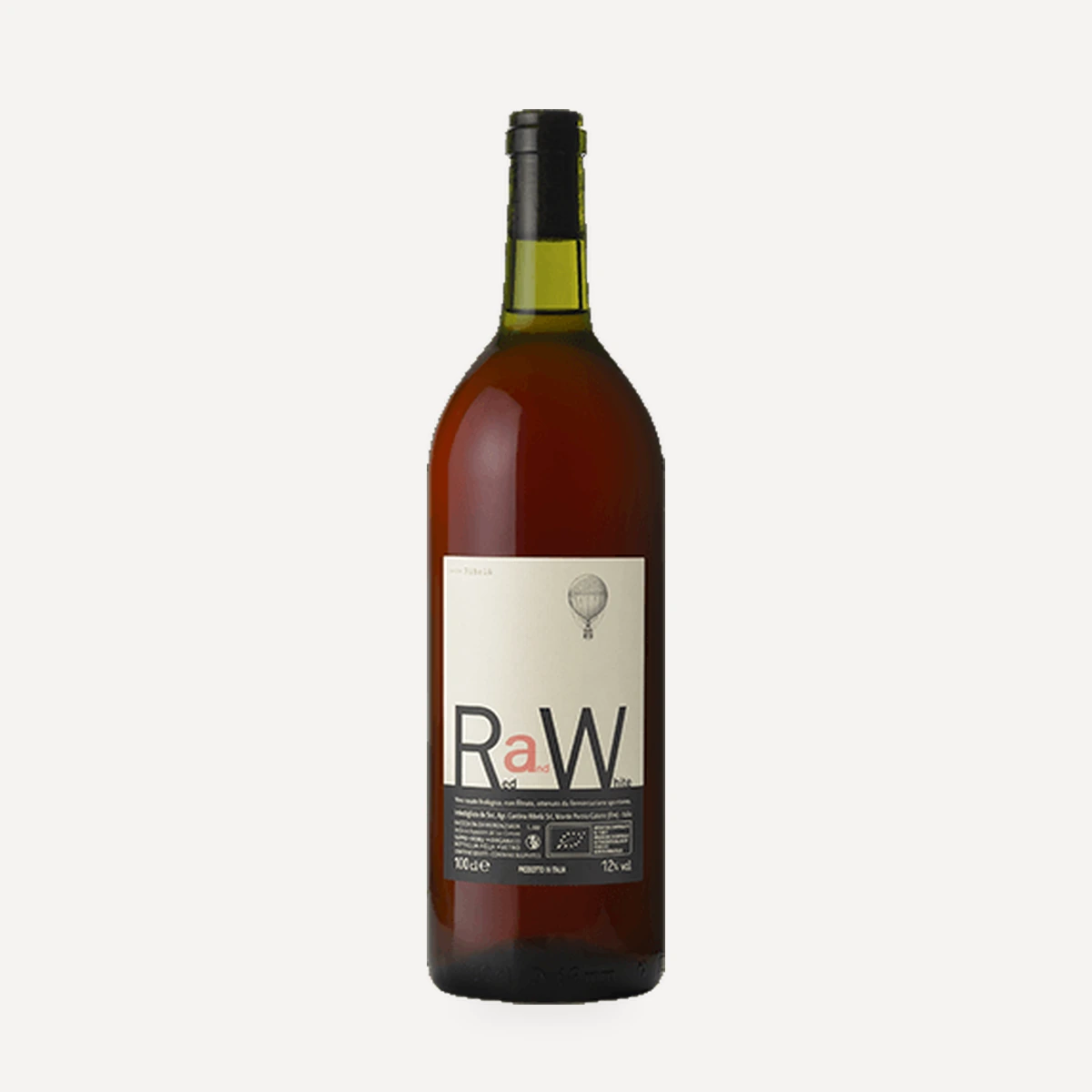
RaW
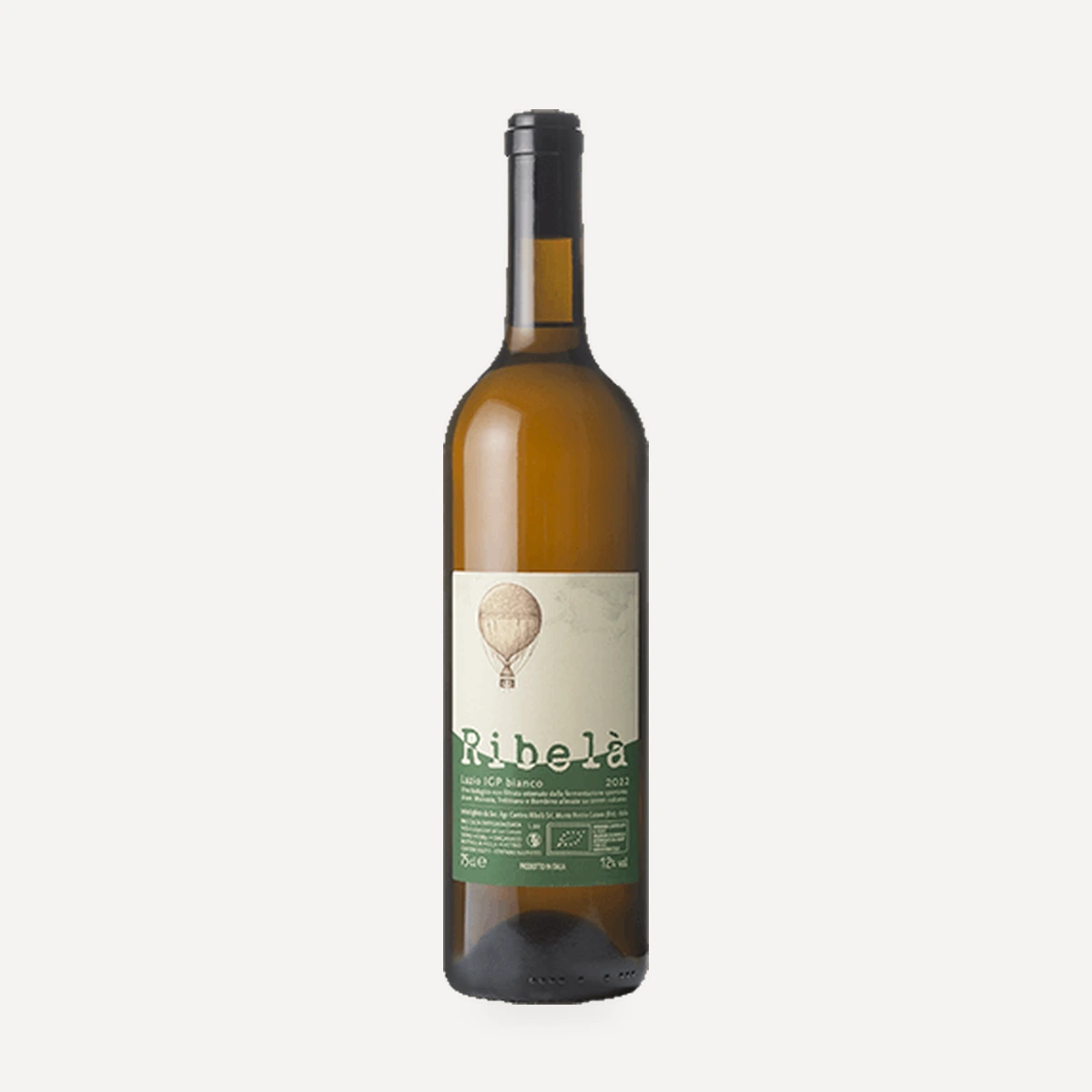
Ribelà - bianco
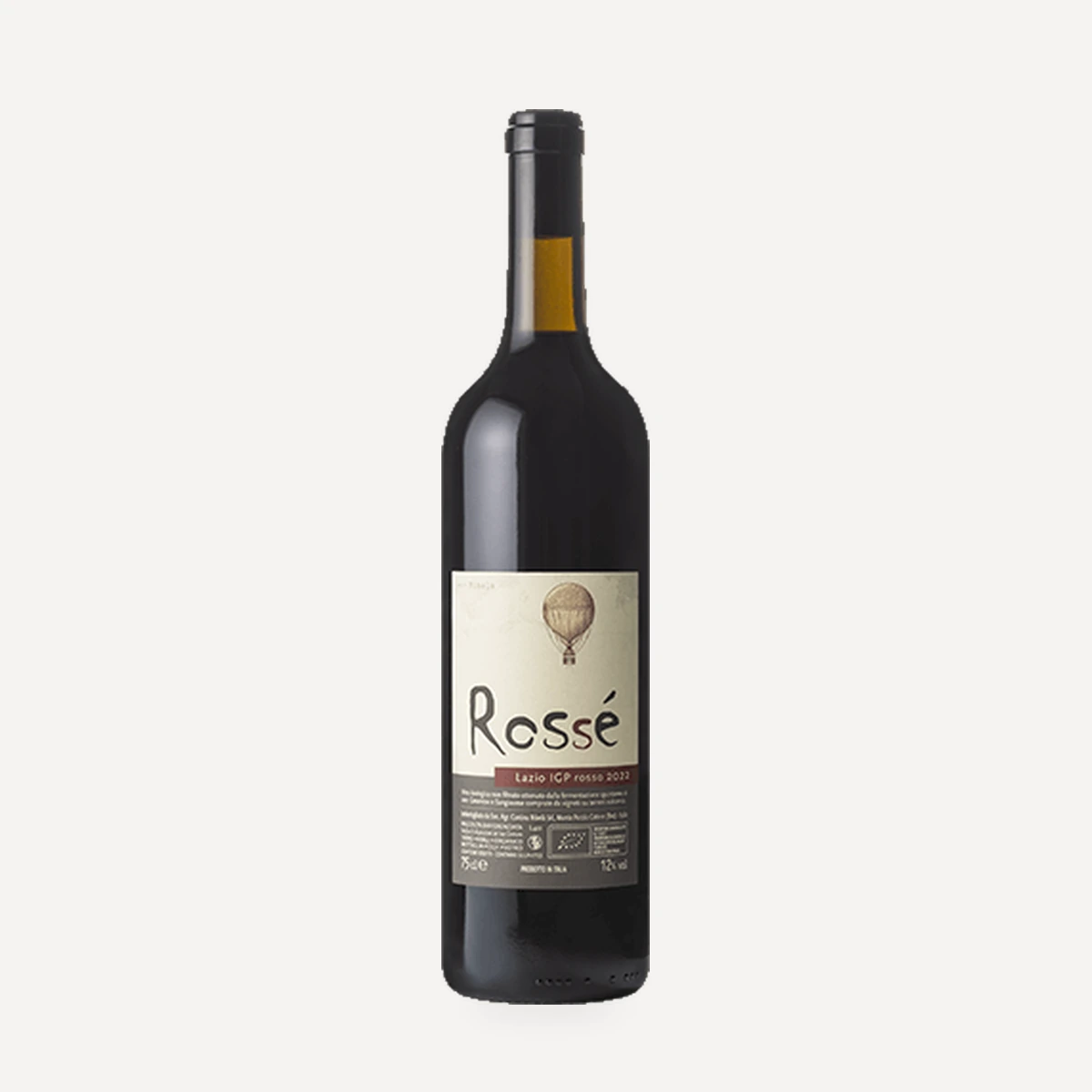
Rossé