Storia
From 1880
Casale Vallechiesa traces its winegrowing history to 1880. The family enterprise has continued its tradition for well over a century in Frascati, progressing from the era of transporting wine by cart to a modern winery that employs blockchain technology. Its development has combined continuity in territorial wine production with an explicit commitment to innovation.
Development of the range
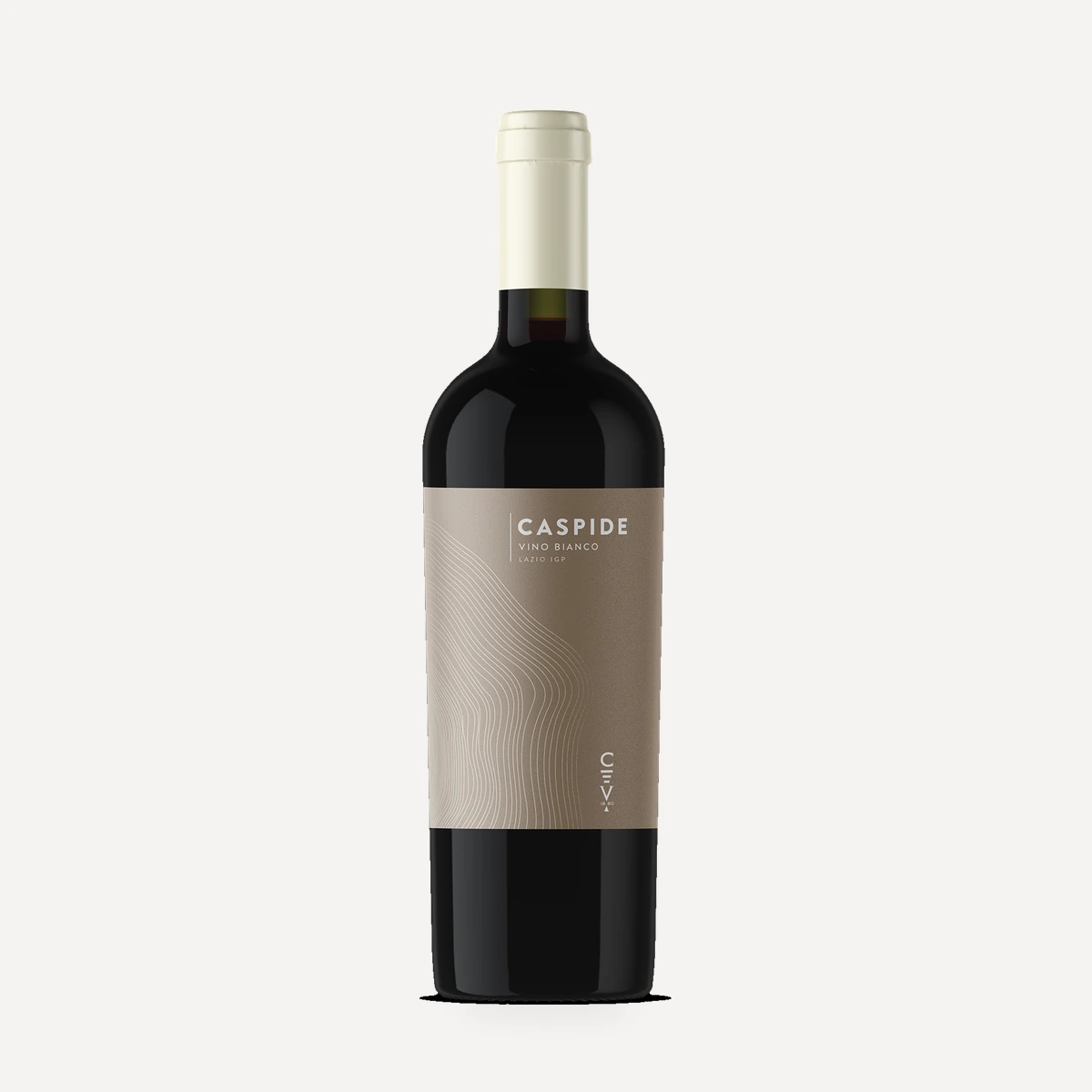
The first vintage of Heredio was produced in 1992, followed by Cannellino di Frascati in 1994. In 1995, production began for Le Rubbie and the Frascati DOC, Bianco IGP Lazio and Rosso IGP Lazio wines now grouped within the Caspide range.
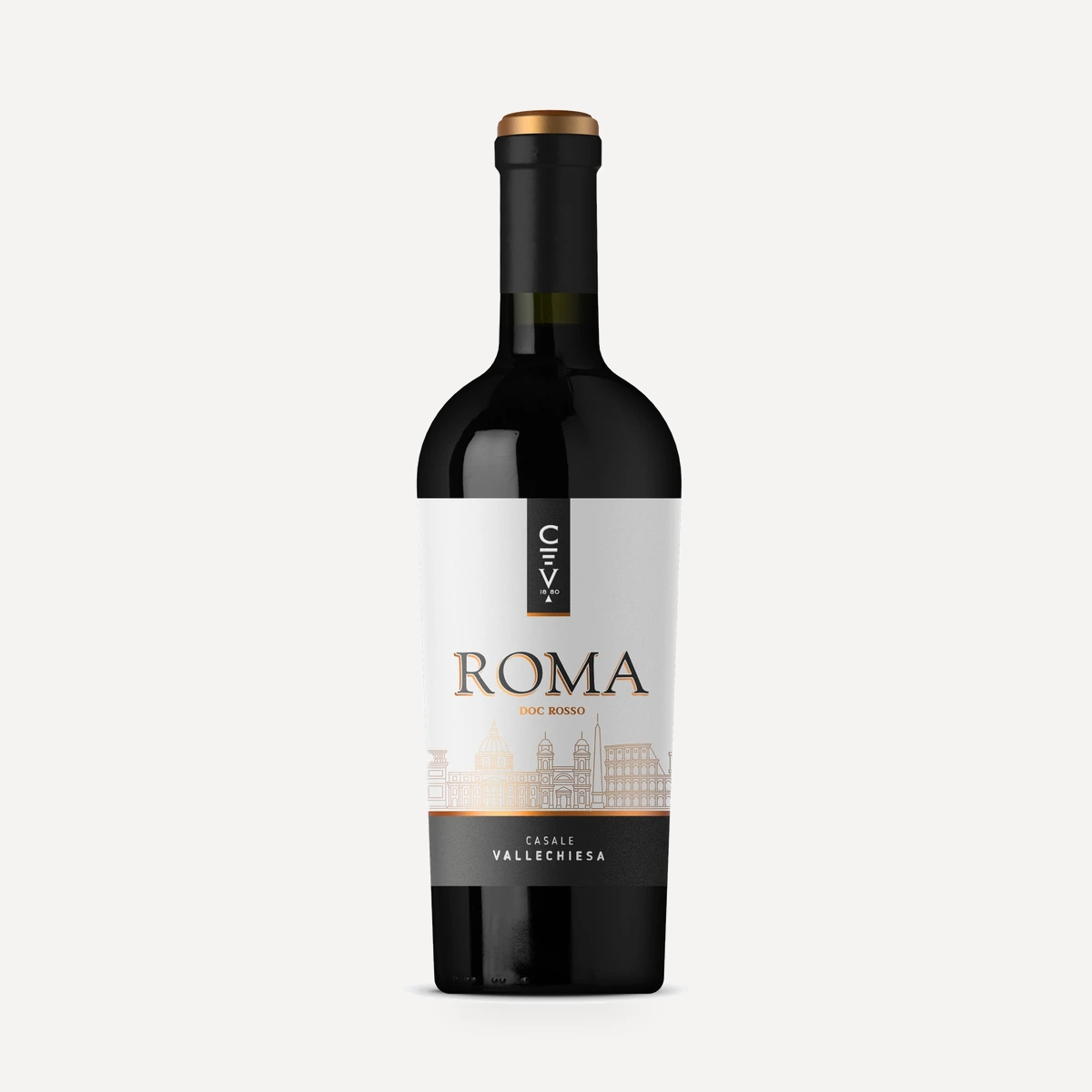
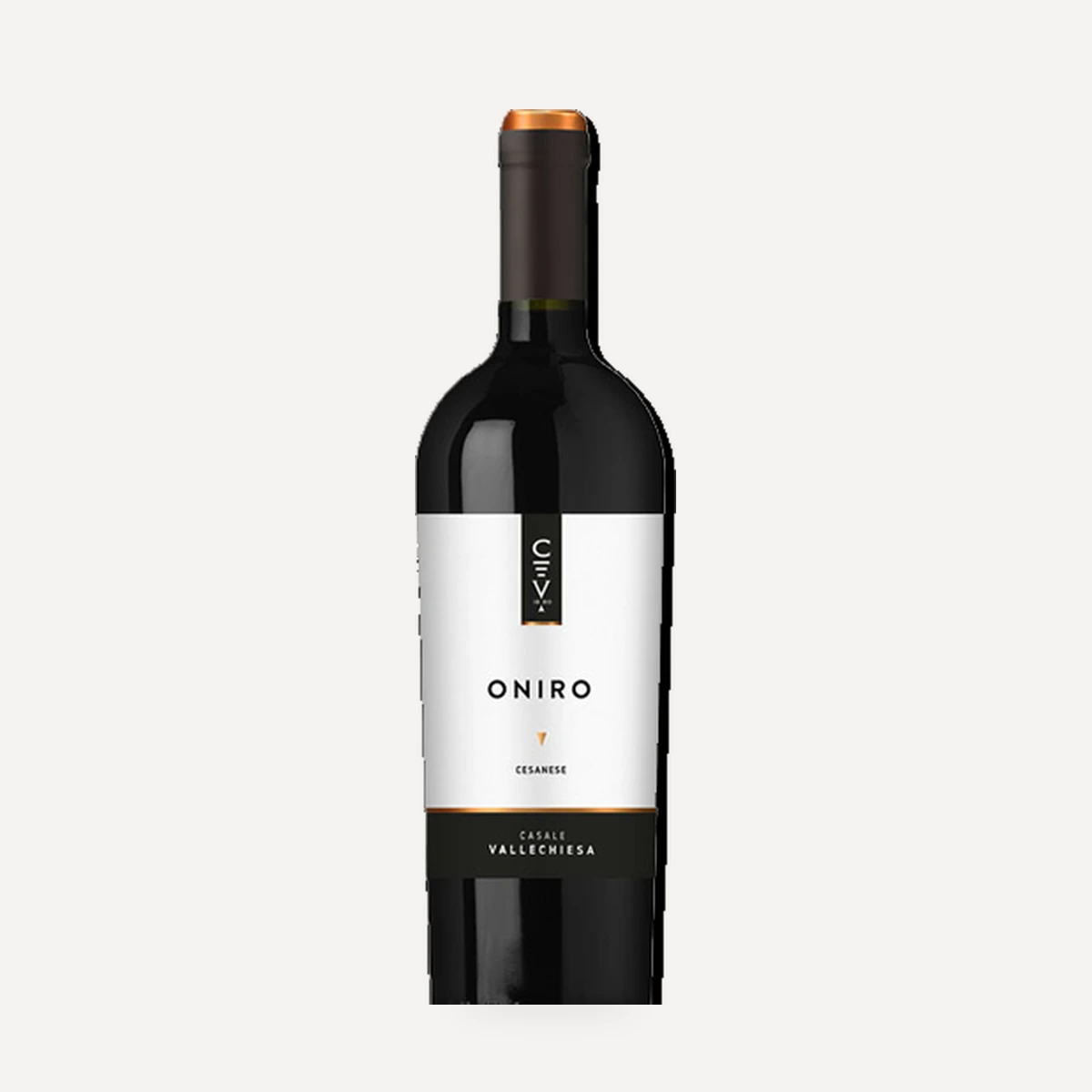
The red-wine portfolio expanded in 2004 with the first vintages of Oniro, Soraya and the Caspide Cesanese IGP Lazio. Mia followed in 2012. The first vintages of 753 and the Caspide Roma DOC Rosso were made in 2015, while Ribello and Rosirà entered production in 2017.
Heredio Riserva debuted with the 2018 vintage. Two new categories followed in 2019: Edonè introduced a sparkling wine made by the Charmat method, and Anima Libera established an artisanal, whole-grape expression. Roma DOC Bianco joined the Caspide range with its first vintage in 2021.
The contemporary winery
Casale Vallechiesa now presents a portfolio spanning DOCG, DOC/DOP and IGP/IGT wines, including still white, rosé and red wines, a late-harvest Cannellino, a sparkling wine and an artisanal wine. The cellar has been equipped with modern machinery covering production through bottling. Blockchain has been introduced to improve both production and the customer experience, representing the latest stage in the estate’s progression from the wine cart to digital technology.
Terroir
Casale Vallechiesa is based in Frascati, in the province of Roma, a few kilometres from the capital. Its vineyards occupy volcanic hills and slopes south of Rome, within the Frascati area and the delimited production zones of the estate’s appellations.
Volcanic soil is the recurring foundation of the vineyards. One production area is described more specifically as combining land of volcanic origin with clay soils. The wines are associated with a pronounced mineral and savoury character derived from this volcanic setting.
The vineyards are generally south-facing. A natural spring runs through the vineyard environment, contributing to soil fertility. A tuff cave and Roman cisterns are also preserved among the vines, physically connecting the present estate with the area’s much older agricultural history.
Vinificazione
Vineyard work is centred on careful grape growing and the selection of sound fruit. Harvesting is manual across the published still-wine production, beginning in mid-August for sparkling-wine base grapes and continuing through the second half of October for later-ripening red varieties. Some lots are picked only after bunch-by-bunch selection; late-harvest grapes undergo slight natural raisining.
The vineyards are trained in rows, with Guyot, simple Guyot and spur-pruned cordon among the named systems. South-facing volcanic sites predominate. Published yields vary by vineyard and intended wine, generally from approximately 6 to 13 t/ha, with many selections limited to 6–9 t/ha.
Casale Vallechiesa presents its wines as sustainable and links their character to native or locally established grapes, volcanic soils and attentive vineyard management.
Winery and grape reception
The cellar uses modern machinery throughout production and bottling. Grapes are selected and processed according to the intended style. Reception methods include destemming and gentle crushing, gentle whole-bunch pressing, refrigeration and clarification of must, and—in sparkling-wine production—the use of free-run must alone.
White and rosé production
White-wine techniques include temperature-controlled fermentation in stainless steel, short skin contact and extended cold maceration. Published protocols range from 12–16 hours at 8–10°C to two days of cryomaceration. Some lots ferment at 16°C. Selected Frascati wines use indigenous yeasts and remain on fine lees for approximately 4–6 months. Other whites mature in steel, sometimes on their lees, before bottling.
Rosé production includes gentle pressing of whole grapes followed by fermentation at 16°C. Late-harvest Cannellino is vinified cold with skin contact and receives a short passage through wood and stainless steel.
Red production
Red-wine methods vary from short, temperature-controlled maceration to longer traditional extraction. One protocol uses 6–8 days at 22–24°C to preserve aromatic expression. Another employs 12–16 days of maceration, repeated délestage and malolactic fermentation in steel. A longer submerged-cap method runs for 18–20 days at 26–28°C with two délestages per week.
A separate Cesanese protocol begins with 48 hours of cryomaceration at 10°C, followed by fermentation at 22°C, gentle pump-overs and racking after six days of maceration.
Artisanal and sparkling methods
Artisanal production includes light pressing followed by whole-grape fermentation with skins and stems for 8–10 days at ambient temperature. Maturation continues on indigenous yeasts for about four months, followed by manual racking.
Sparkling-wine base grapes are vinified white after gentle pressing. The must is refrigerated, clarified and fermented under temperature control; secondary fermentation follows the Charmat method.
Maturation
Stainless steel is the principal maturation vessel, with published periods ranging from two to six months and frequent work on fine lees. Selected wines also mature in 500-litre tonneaux for four or six months; another selection spends ten months in new tonneaux. Bottle maturation ranges from approximately two or three months to six or eight months, depending on the production. The longest sequence combines 4–6 months in steel, four months in a 500-litre tonneau and a further 6–8 months in bottle.
Filosofia
Casale Vallechiesa defines its work through continuity, territorial identity and innovation. The aim is to carry each wine from vineyard to bottle with close attention, preserving the typicity and individuality of Frascati and Lazio grapes while continually evolving production.
The estate presents volcanic origin, indigenous or locally established varieties and sustainable production as central elements of its identity. Quality is pursued through careful vineyard work, selected fruit, professional cellar handling and modern equipment. Tradition is therefore treated as a foundation rather than a limit: the symbolic journey from the wine cart to blockchain expresses a deliberate effort to combine more than a century of family experience with new technology.
Vini
753
Cesanese I.G.P. Lazio
Frascati D.O.C.
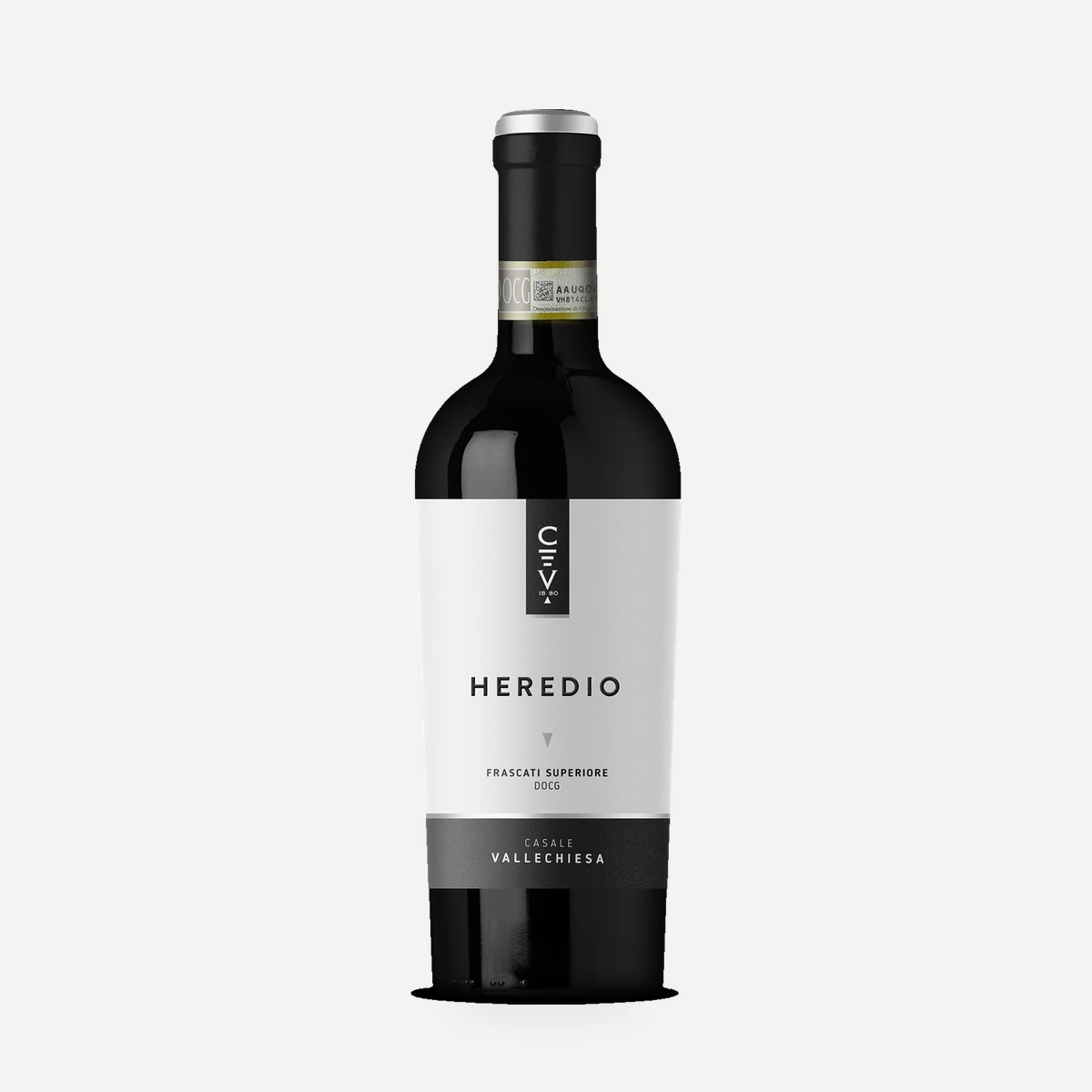
Heredio
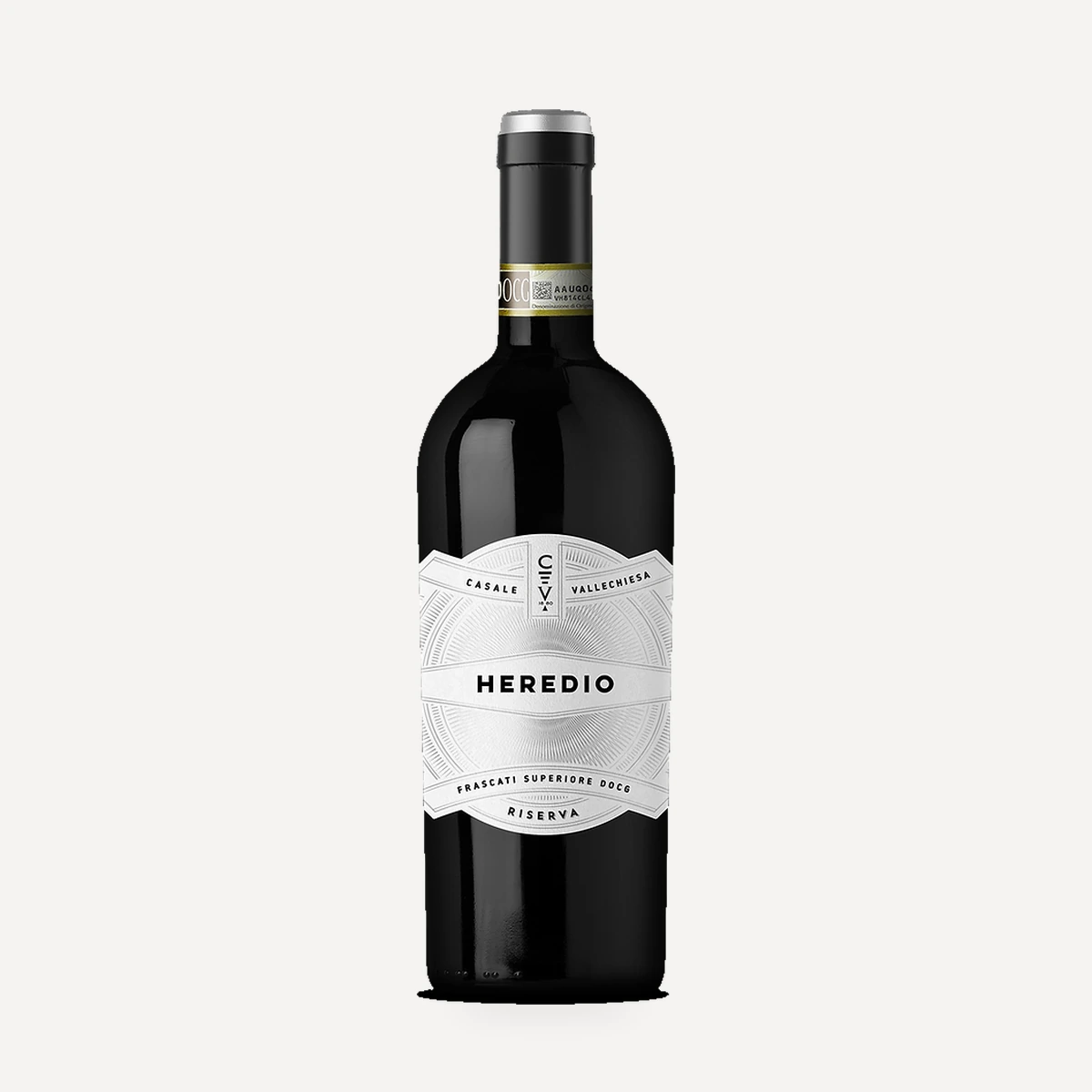
Heredio Riserva
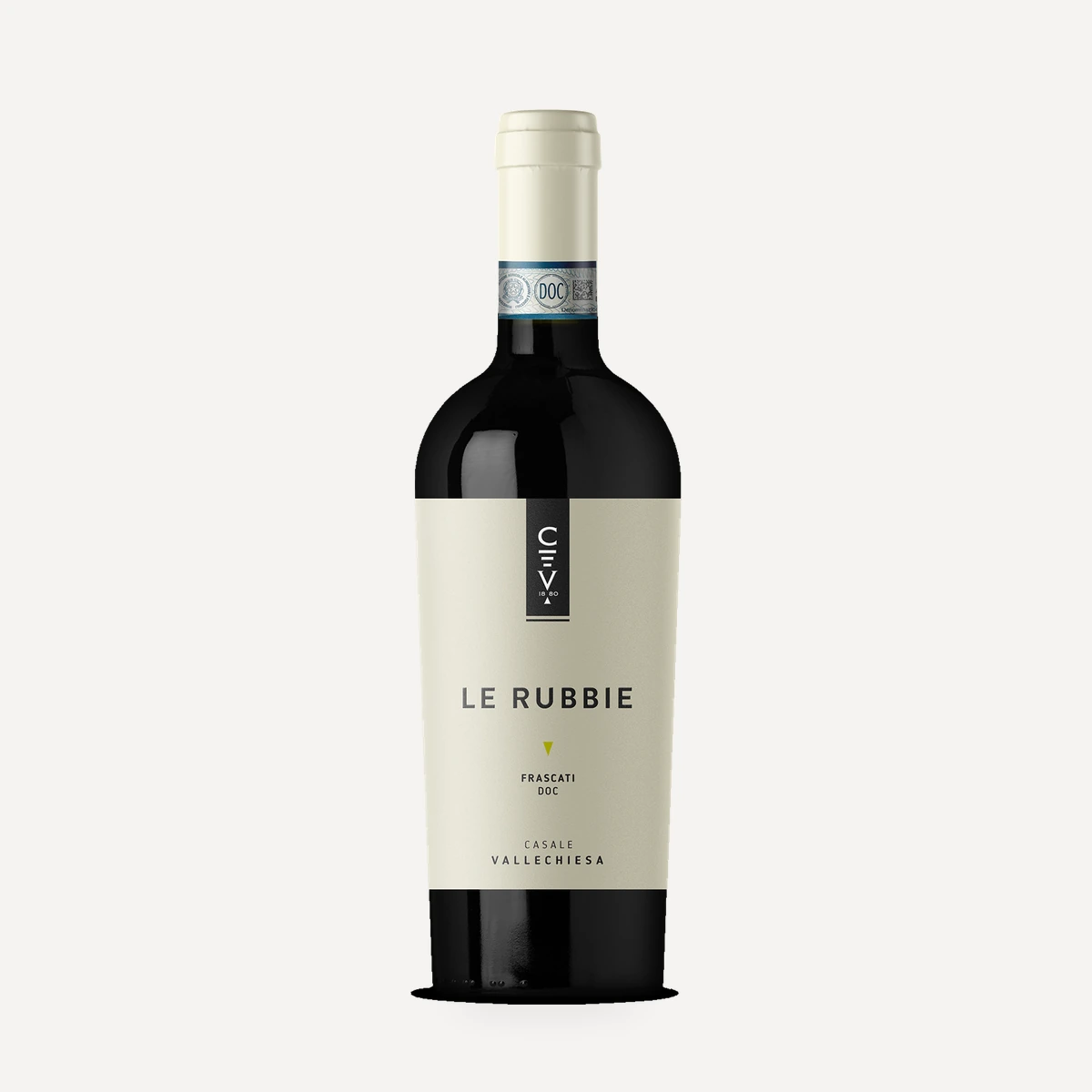
Le Rubbie
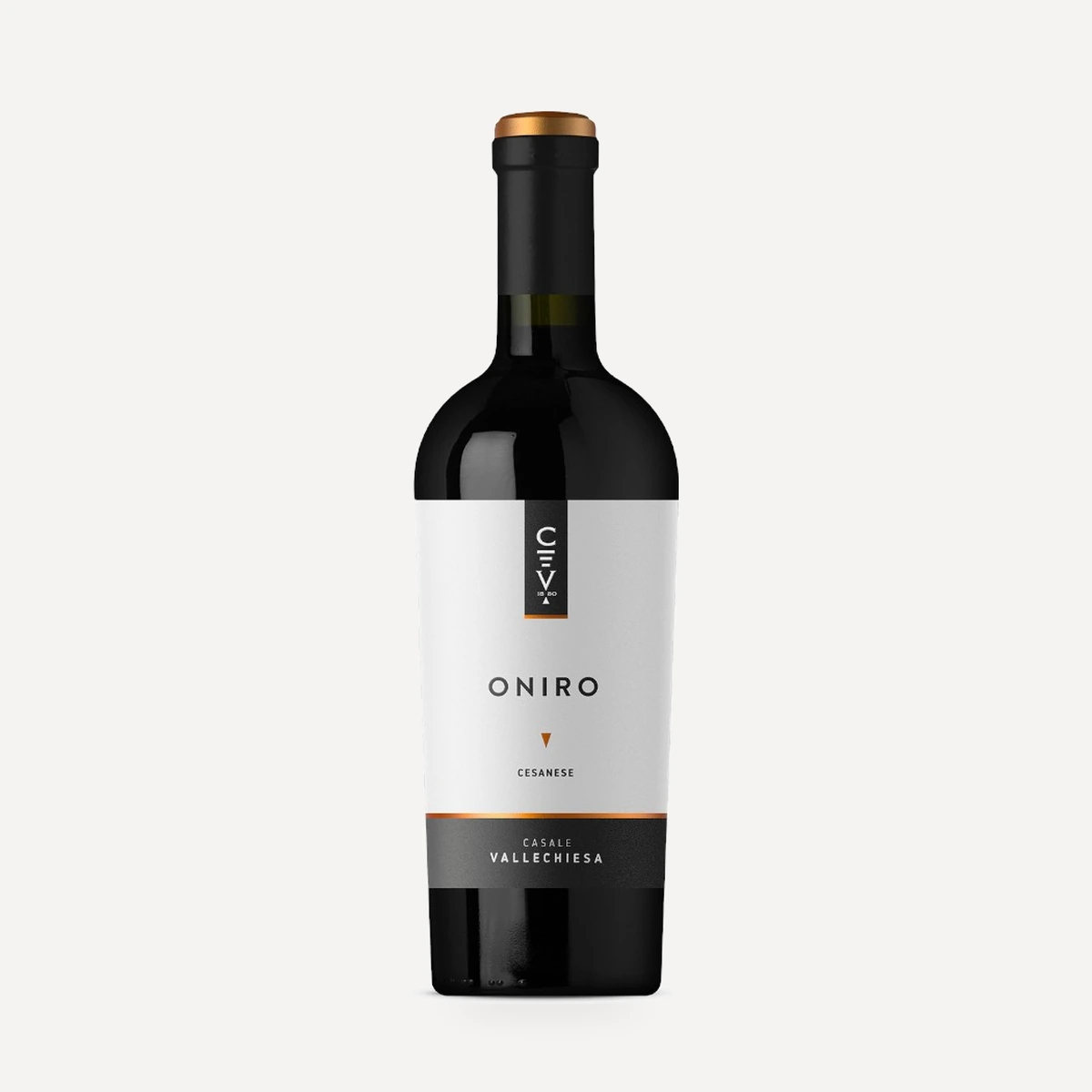
Oniro
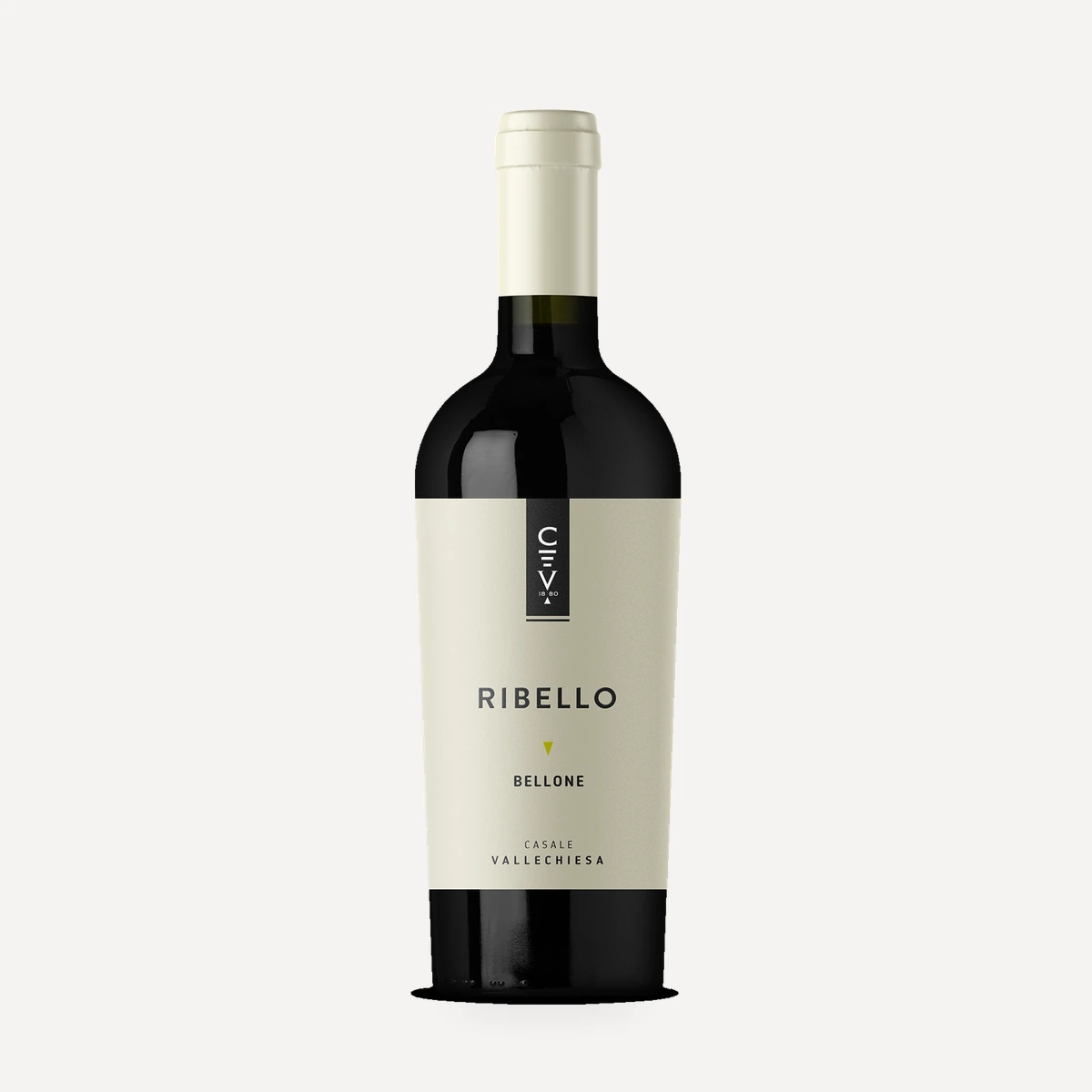
Ribello
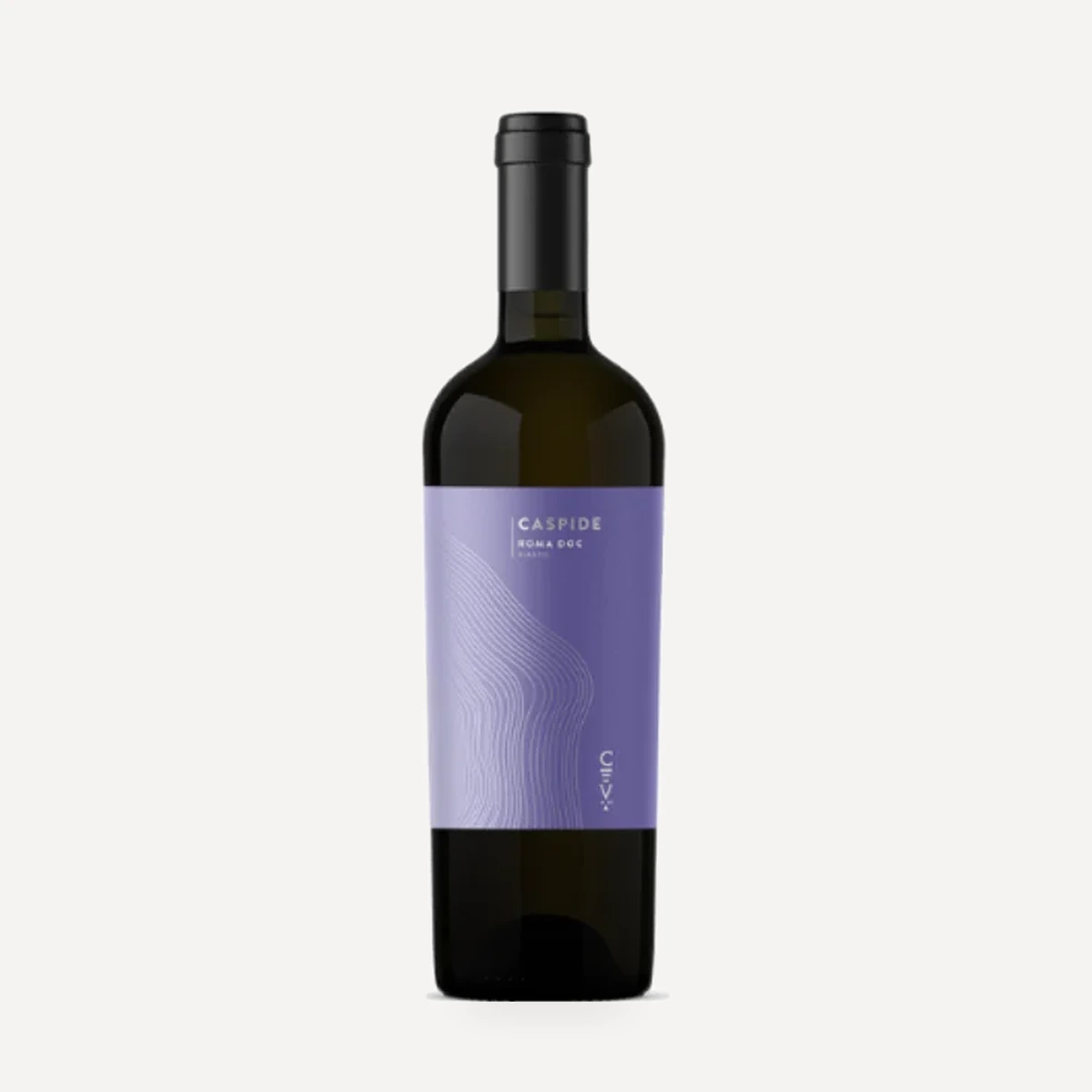
Roma D.O.C. Bianco
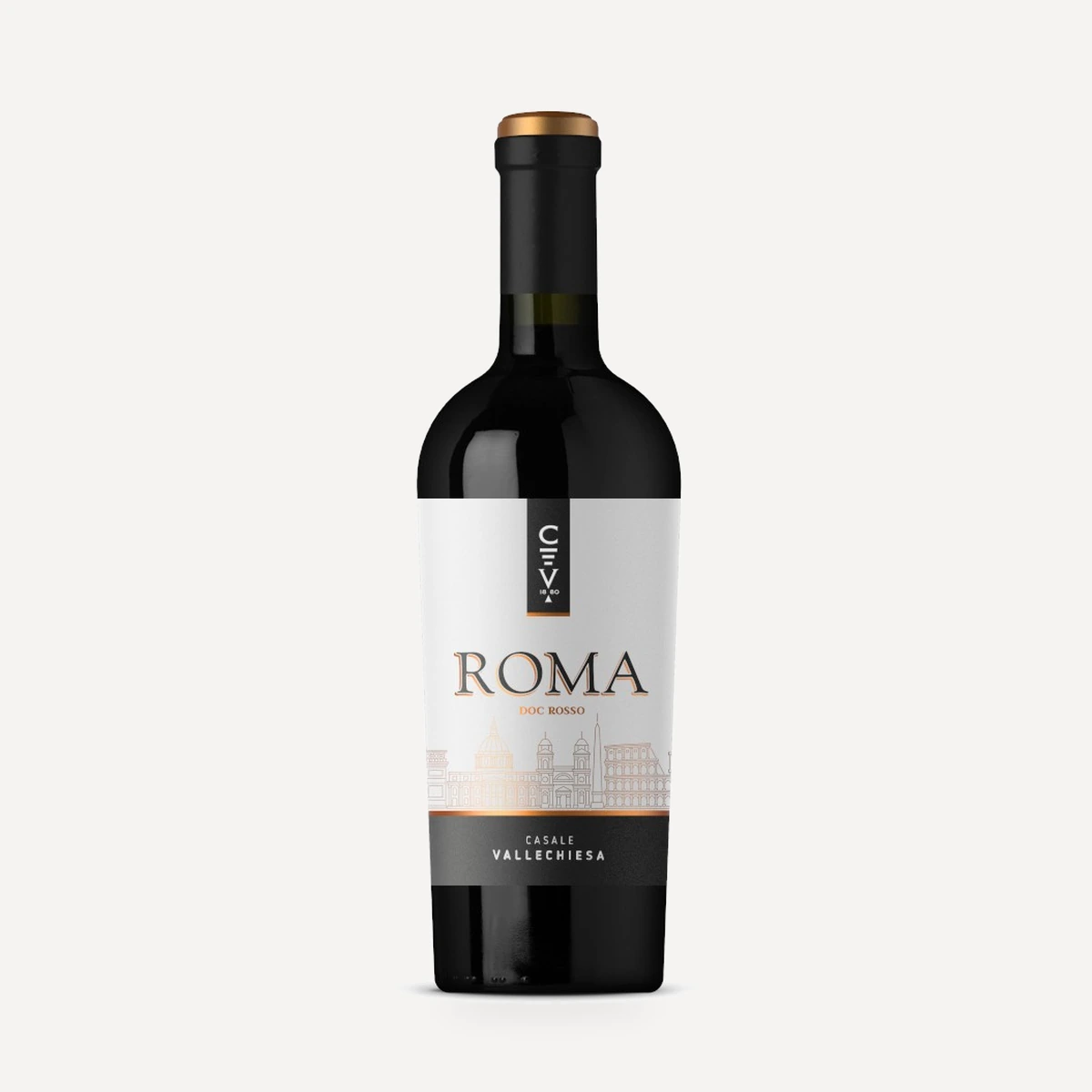
Roma D.O.C. Rosso
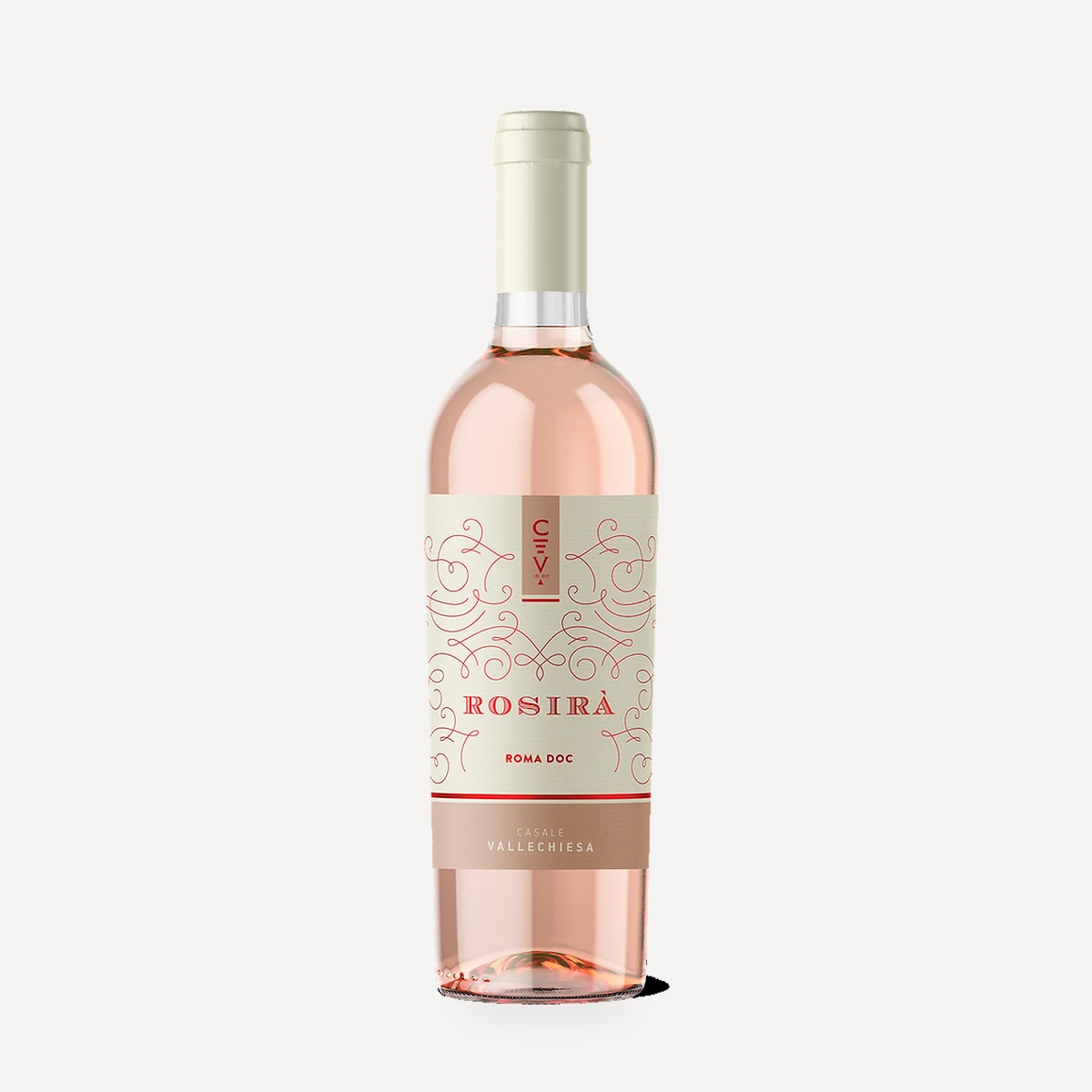
Rosira’
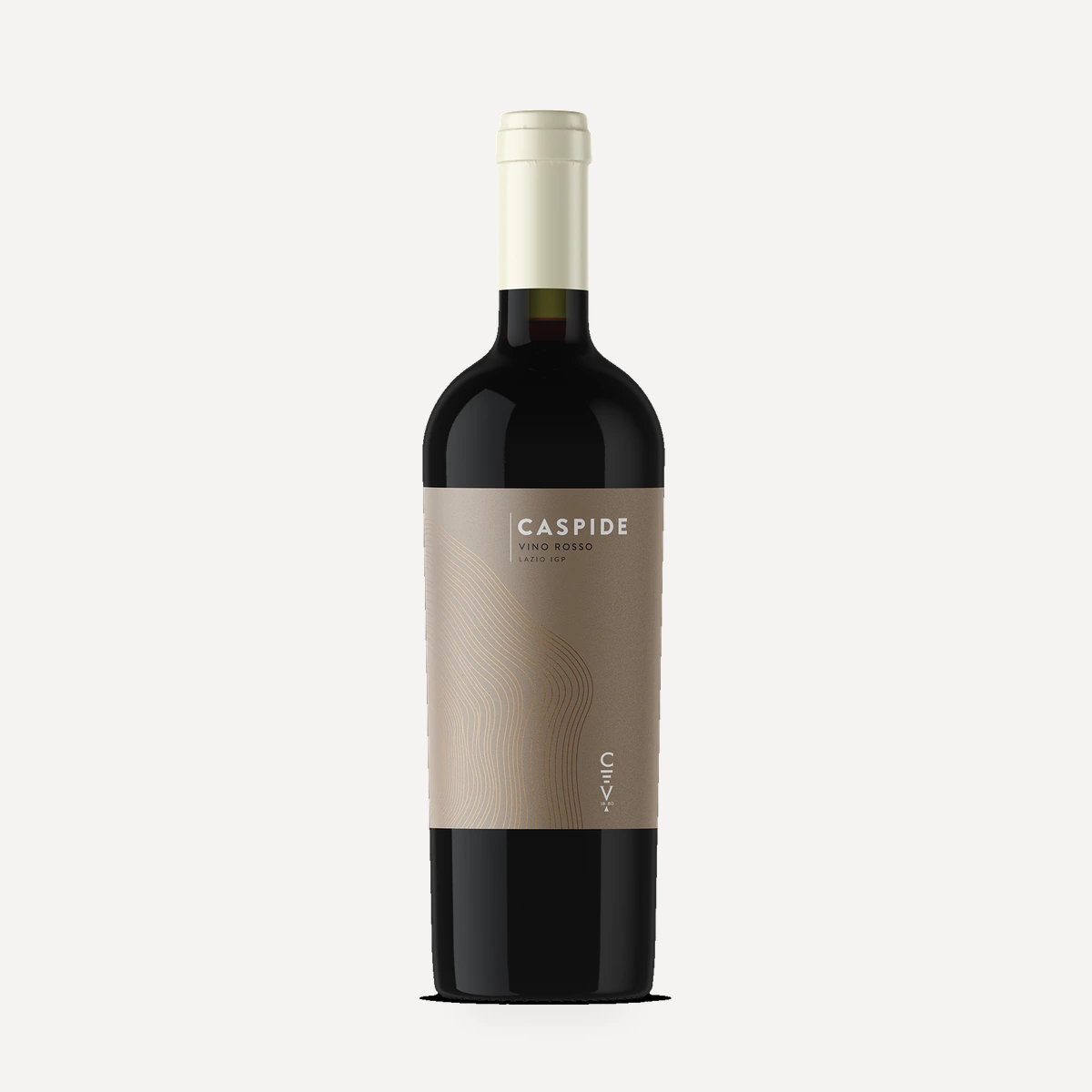
Rosso I.G.P. Lazio
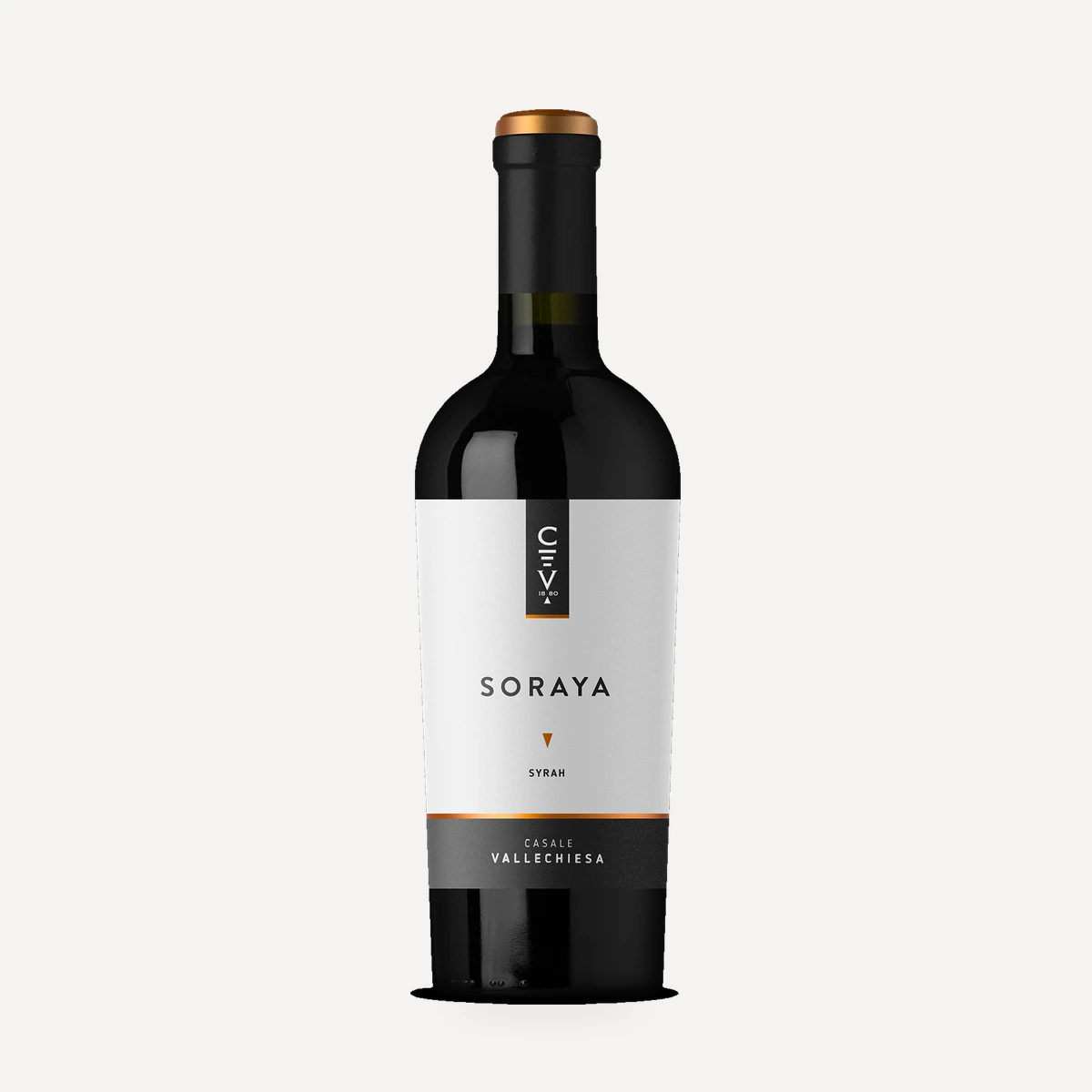
Soraya