Storia
The abbey and its early custodians
The estate takes its name and historical identity from the ancient Badia di Morrona. The abbey was founded by Ugo dei Cadolingi and was administered first by Cluniac Benedictines and later by Camaldolese monks. Other sections date the building specifically to 1089. In 1482 it became the summer residence of the Bishops of Volterra.
Secular ownership after Italian unification
The unification of the Kingdom of Italy in 1861 brought the confiscation of Church property. The abbey subsequently passed through the hands of several owners and families.
The Gaslini Alberti family
The Conti Gaslini Alberti purchased the property in 1939. Existing vineyards were already present on the estate, providing evidence of an established local tradition of viticulture. Each succeeding family generation has participated in the development of Badia di Morrona.
Egidio, identified as the father of the present owners Filippo and Alessandra, undertook the recovery of the abbey. His work included vineyard replanting, improvements to agronomic methods, and the renovation and enlargement of the winery and barrique cellar housed in an annex of the monastic complex. This historic facility became the first home of Badia di Morrona's wines.
The qualitative project of the 1990s
During the 1990s, Conte Duccio Gaslini Alberti, also identified as the father of Filippo and Alessandra, initiated a large-scale vineyard replanting programme intended to raise wine quality while preserving the most promising established vineyards. The project studied and selected suitable clones, planting densities and training systems for the estate's individual conditions.
N’Antia was created in 1992 as an estate-defining Bordeaux-style expression based on Cabernet Sauvignon, Cabernet Franc and Merlot. Taneto followed in 2004, adding a Syrah-led wine with Sangiovese and Merlot to the group of leading estate labels.
The new winery and restoration of the abbey
In the early 2000s, production moved from the annex beside the abbey to a purpose-built winery at Terricciola. The new structure was conceived to blend into the hillside, receive grapes by gravity and reduce its visual impact on the landscape.
A careful conservation programme reopened important parts of the abbey to visitors, including the cloister, the monks' refectory, the gardens and the Romanesque church of Santa Maria a Morrona. The church preserves a Madonna by the Master of San Torpè, eighteenth-century frescoes and a fourteenth-century crucifix carved from olive wood. The historic barrique cellar within the abbey has also been reopened for selected visits and events.
The family today
Filippo and Alessandra represent the third Gaslini Alberti generation to direct Badia di Morrona. Francesca, Lorenzo and Niccolò form the younger generation now contributing to the estate. In 2024, the Felciaio and Vivaja labels moved from Toscana IGT to the Terre di Pisa DOC designation.
Terroir
Badia di Morrona occupies 600 ha between Pisa and Volterra, in the Terre di Pisa. Its 110 ha of vineyards climb the gentle slopes near the Cascina river, across the communes of Terricciola and Casciana Terme Lari. The property lies close to the sea, and marine breezes temper hot daytime conditions while limiting excessive humidity among the rows.
Clay is the prevailing soil component and stones are relatively scarce, but the estate forms a varied geological mosaic. Sand, soft greystone, river cobbles, local alberese marl, travertine slabs and fragments occur in close proximity. Fossils dating from the Pliocene to the Pleistocene are widespread remnants of ancient seabeds; large fossil shells regularly emerge when some vineyard soils are cultivated.
The differences among these substrates give individual parcels distinct personalities. N’Antìa combines clay and travertine; VignaAlta has compact sand, fossils and substantial white Marmettole di Carrara stone; Vigna Disperato is particularly rich in marine shells. The estate combines Sangiovese, its dominant variety, with international red varieties selected for these different microzones.
Vinificazione
The vineyards cover 110 ha within a 600 ha property that also includes forests and 40 ha of olive groves. Red grapes predominate, and Sangiovese occupies 60% of the planted vineyard area. Cabernet Sauvignon, Cabernet Franc, Merlot and Syrah occupy additional parcels, while particular sites also contain Canaiolo and Vermentino.
The vineyard strategy developed in the 1990s combined extensive replanting with the deliberate retention of the most promising established parcels. Research focused on identifying appropriate clones, planting densities and training systems for the estate's varied soils and microzones. This work helped distinguish sites whose geological differences produced clearly recognisable personalities.
All of the named vineyards are within 5 km of the modern winery. The production building was deliberately placed in a central position to minimise the interval between harvest and grape reception.
The modern winery stands at Morrona in the commune of Terricciola. It was designed to preserve the surrounding landscape: most of the structure is partially underground and concealed within the hillside, with only the grape-reception area prominently visible. This arrangement allows grapes to enter the production sequence by gravity.
Musts ferment in temperature-controlled stainless-steel tanks. Wines then move to a large circular maturation hall. International varieties mature in smaller oak barrels, while Sangiovese is principally assigned to large oak casks. The larger vessels are intended to preserve and develop Sangiovese's complexity and elegance, whereas smaller barrels are used to balance the power and harmony of Bordeaux-variety blends.
Numerous historic concrete vats have been restored and retained. Their controlled micro-oxygenation is used to support freshness and elegance, and concrete also serves as an intermediate maturation or integration vessel for several estate wines.
The building carries a large photovoltaic installation. A phytodepuration system treats wastewater so that it can be reused for irrigation and cleaning. Visitor areas include a dedicated tasting room, an open-air terrace and the estate wine shop.
The historic barrique cellar beside the abbey, once the estate's principal production facility, survives as part of the restored monastic complex.
Filosofia
Badia di Morrona presents research and innovation as a continuation of its long agricultural history. The 1990s vineyard programme sought precise matches among clones, planting densities, training systems and individual soils, while retaining parcels already recognised for their potential.
Sangiovese remains the central expression of the property, complemented by international varieties that respond distinctly to particular estate microzones. The winery's vessel choices follow the same principle: large oak for the complexity and elegance of Sangiovese, and smaller barrels to balance the structure of Bordeaux varieties.
Preservation of the landscape is integrated with production. The new winery is embedded in the hill, grapes enter by gravity, solar energy is generated on site, and treated water is recovered for agricultural and cleaning uses. The restored abbey and old cellar maintain a physical connection between the family's historical inheritance and contemporary production.
Vini
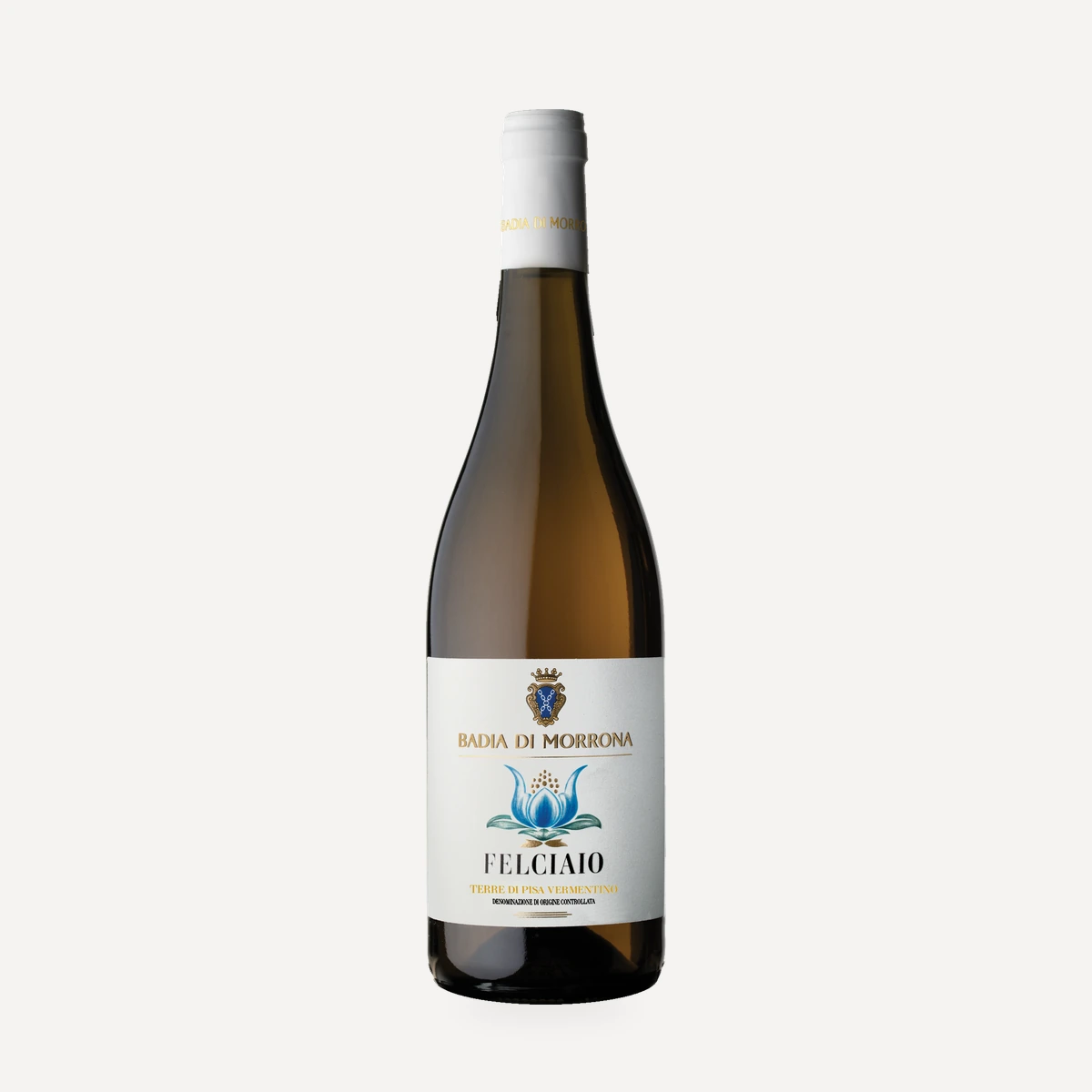
Felciaio Terre di Pisa DOC Vermentino
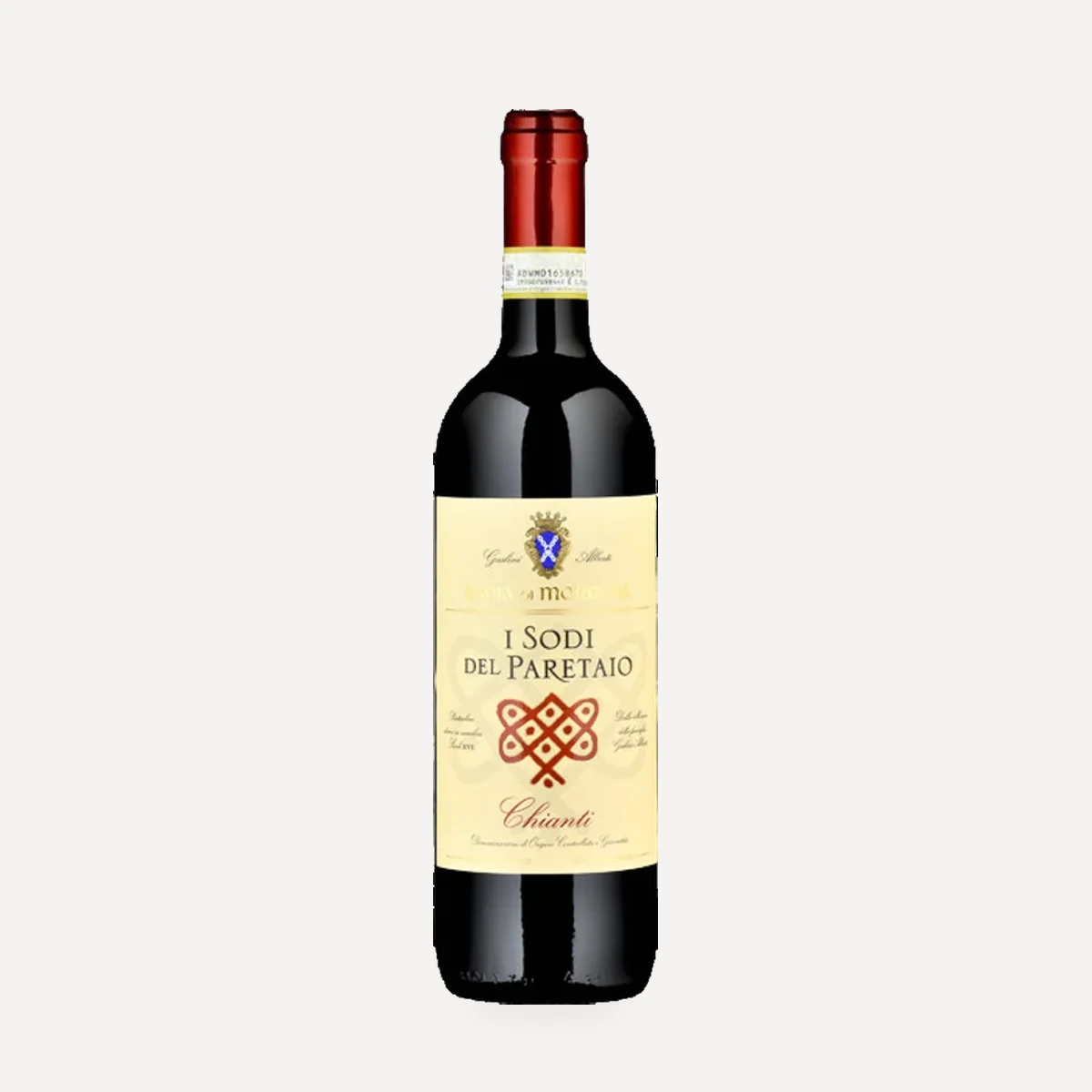
I Sodi del Paretaio Chianti DOCG
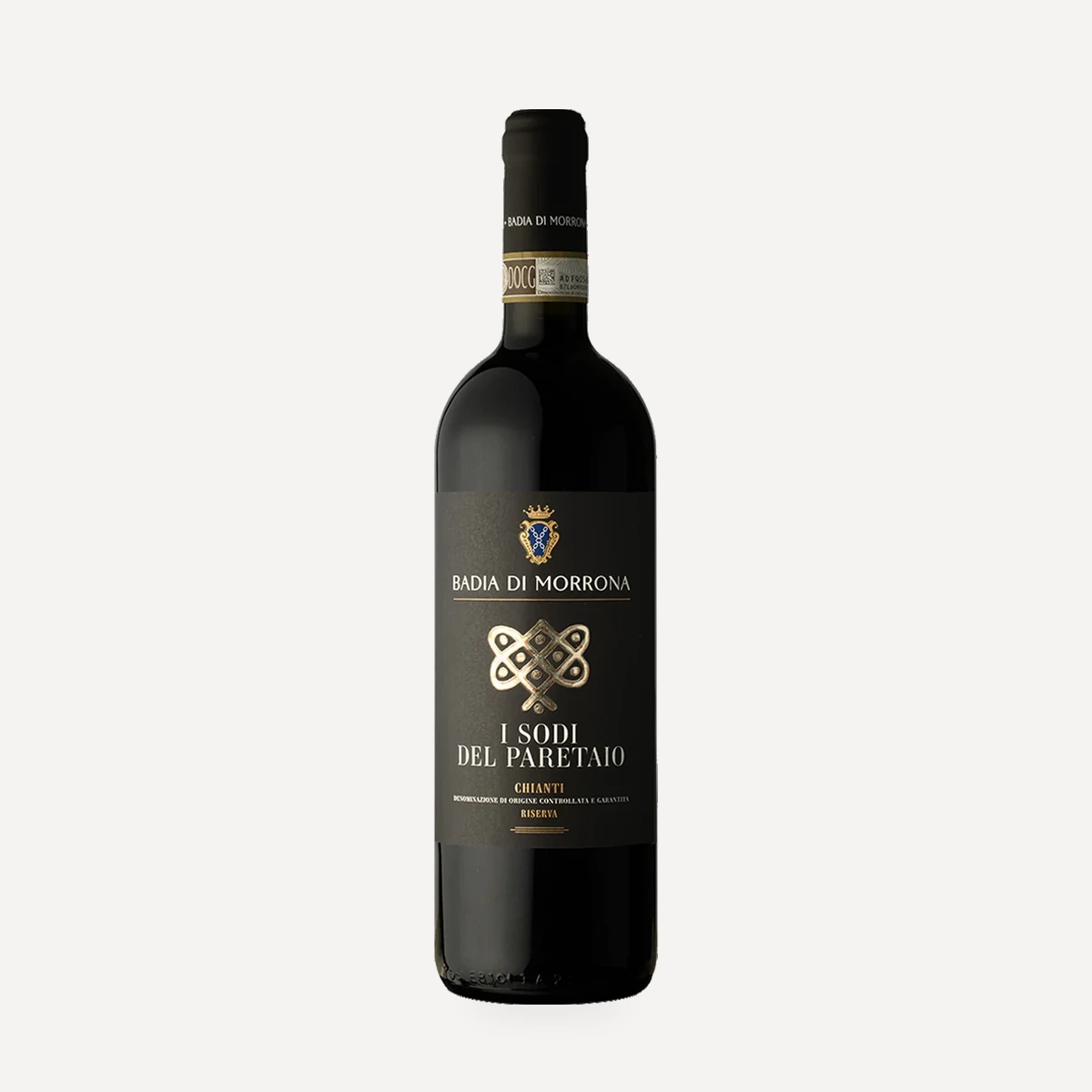
I Sodi del Paretaio Chianti DOCG Riserva
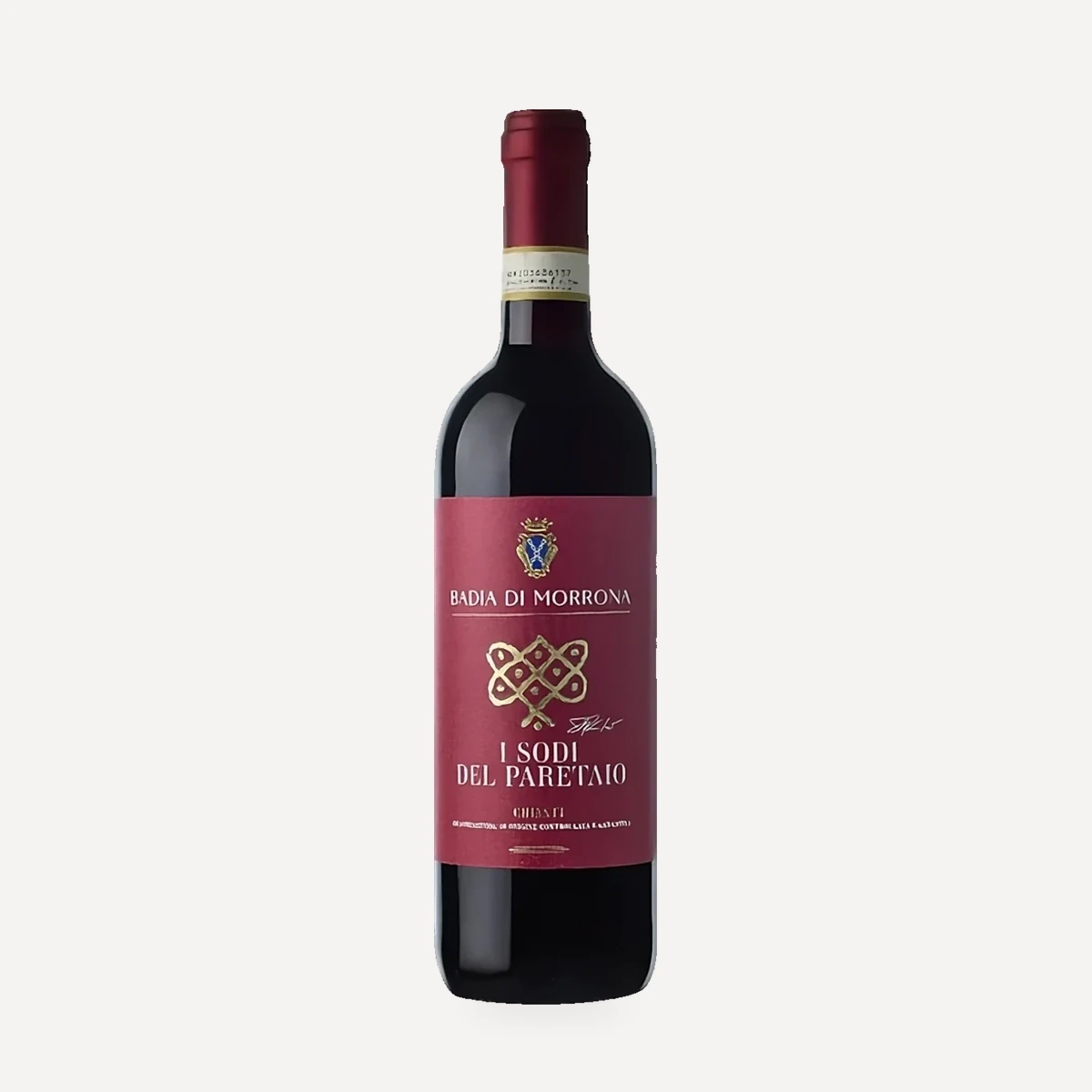
I Sodi del Paretaio FGA – Chianti DOCG
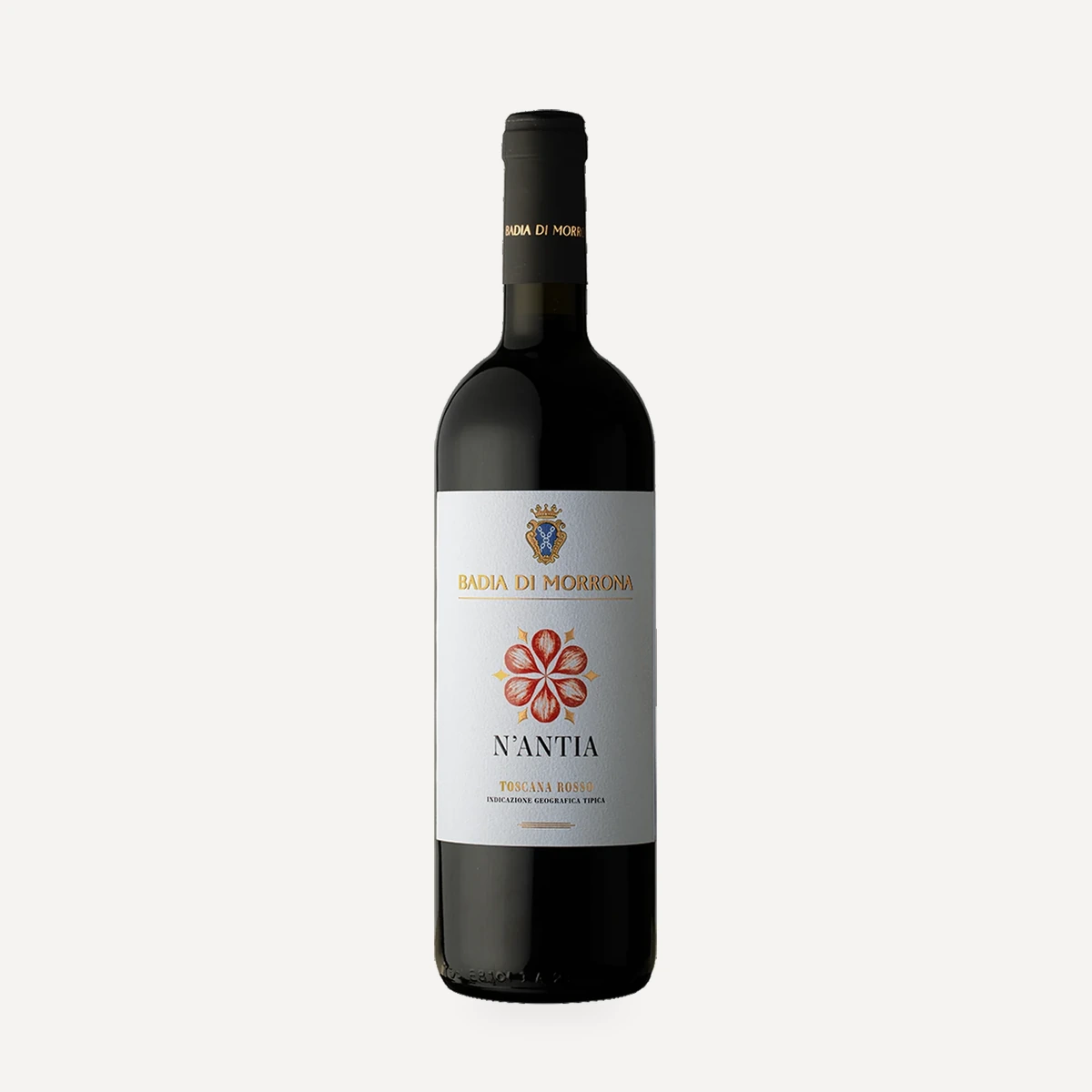
N’Antia Toscana Rosso IGT
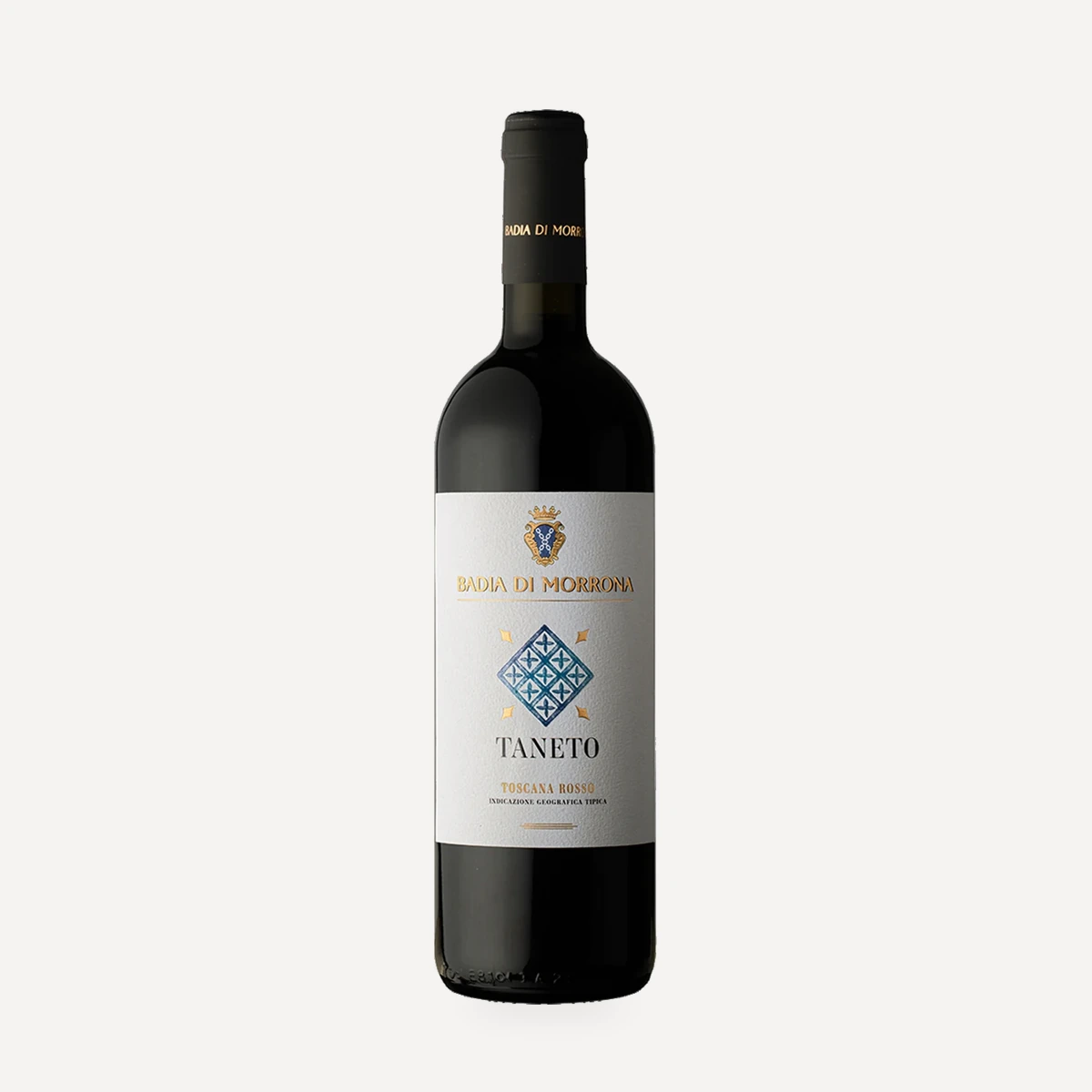
Taneto Toscana Rosso IGT
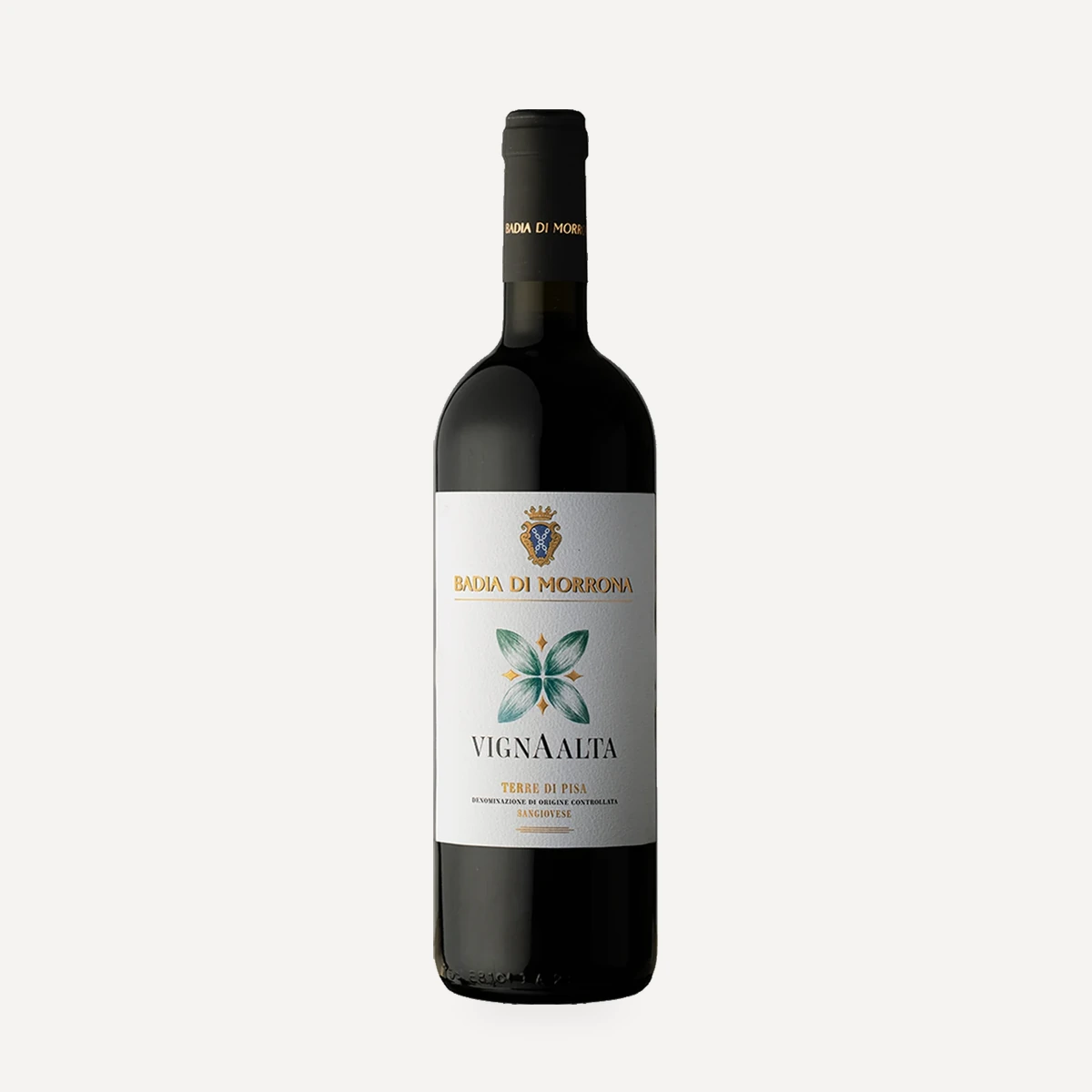
VignaAlta – Terre di Pisa DOC – Sangiovese
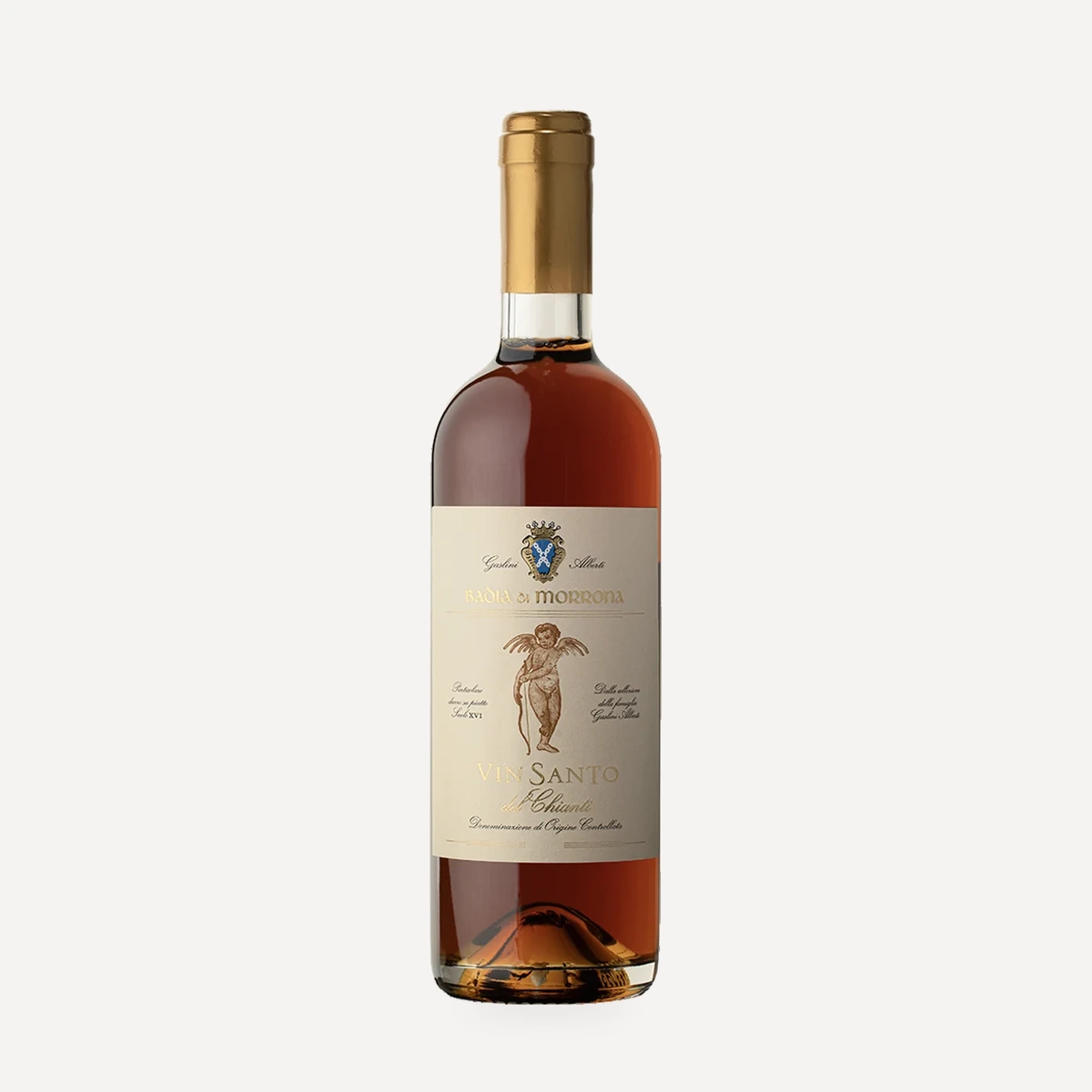
Vin Santo del Chianti – DOC