Storia
Cooperative origins: 1957
The Cantina Sociale di Gravina was established in 1957 as an initiative uniting local winegrowers. It represented both agricultural renewal and a cooperative effort to give greater value to the area's produce and communal identity.
Recognition of Gravina DOC: 1983
Gravina received Denominazione di Origine Controllata status in 1983. The designation was approved by presidential decree on 4 June 1983 and published in the Gazzetta Ufficiale on 24 January 1984. This recognition placed Gravina's wines within Italy's regulated appellation system and marked a new stage in the area's focus on quality.
Foundation of Botromagno: 1991
Botromagno was founded in 1991 from a desire to innovate while remaining closely connected to native varieties and the character of the Alta Murgia. Its name comes from an ancient district of Gravina in Puglia. The new enterprise was conceived as a modern winery rooted in the territory's established viticultural culture.
The protection consortium: 1998
The Consorzio di Tutela D.O.C. Gravina was created in 1998 in recognition of the area's wine potential. Botromagno participated actively in its foundation, contributing to the promotion and protection of the denomination.
A new course: 2025
In 2025 Botromagno began a new phase centred on detailed study of microzones, exposures, elevations, soils and the effects of climate change. The project established a principal objective: to develop a white wine from the Murgia capable of competing at an international level.
The renewed strategy places particular emphasis on fresh, precise and elegant hillside whites that reflect the climate and elevation of the Murgia. It also seeks a lighter and more immediate interpretation of rosé, while narrowing the red-wine selection toward fruit, varietal purity and the expression of the soil rather than excessive extraction or a dominant oak character.
This phase also introduced a more systematic connection between vineyard observation and cellar decisions. The Bigot Index provides objective measurements of vineyard condition, while the P.E.R.—Reasoned Enological Pathway—coordinates objectives and technical decisions from individual rows and plots through vinification.
Terroir
Alta Murgia
Botromagno is based at Gravina in Puglia in the Alta Murgia, a plateau extending across 21 municipalities between the Fossa Bradanica and the valleys descending toward the Adriatic coast. Its landscape reflects centuries of interaction between the natural environment and agro-pastoral activity.
The Murgia consists of substantial limestone and calcareous-dolomitic formations dating from the Cretaceous period. Elevations exceed 350 metres, and the landscape includes karst features, sinkholes, lamas, ridges, exposed bedrock and deep ravines. Surface water circulation is almost absent, with water instead conveyed into the aquifer.
Ravines and microclimate
The gravine are deep natural canyons that cut through the plateau. Their proximity brings cool air and continuous ventilation into the vineyards, moderating temperatures and slowing heat accumulation. Together with marked differences between daytime and night-time temperatures, this reduces water stress and promotes slower, more even ripening, helping the fruit retain integrity, natural acidity and aromatic definition.
Conditions differ materially from one district and plot to another. Slope, elevation, exposure, bedrock, wind intensity, soil depth, soil composition and microclimate all vary across the vineyard mosaic. Calcareous soils with abundant stones provide drainage, while the combination of limestone, ventilation and temperature variation contributes to the freshness and mineral tension associated with the area.
La Selva geology
La Selva is distinguished by naturally gypsum-rich soil derived from ancient marine deposits. Its porous structure stores water and releases it gradually during dry periods, providing controlled hydration. The resulting moderate tension in the vines supports balance among acidity, sugars and aromatic precursors. Soil variations identified within La Selva include friable sandy loam, friable sandy loam with crusts, and sand with gypsum.
Vinificazione
Plot-by-plot observation
Vineyard work begins with daily observation of the vines, knowledge of the soils and interpretation of seasonal and climatic change. Differences among microzones guide soil management, pruning, canopy work, crop load and harvest decisions rather than being addressed through a uniform programme. The local vineyard team combines practical knowledge with continued training in agronomy and vineyard management.
Bigot Index
The patented Bigot Index is central to the agronomic programme. It treats the vineyard as a living organism and evaluates nine parameters with a direct bearing on grape quality:
- Production;
- Exposed leaf area;
- The ratio of leaf area to grape yield per vine;
- Grape health;
- Bunch type;
- Vine water status;
- Vegetative vigour;
- Biodiversity and microorganisms;
- Vineyard age.
Approximately 10,000 observations are made annually. These measurements support management of individual plot-and-variety combinations and can refine decisions down to particular rows. The results are used to anticipate vine responses, adjust canopy management and crop load, classify vineyards, plan harvest and grape reception, guide individual vinification projects and review cultivation choices for the following season. Measurements are recorded on a 100-point scale and require no specialised equipment beyond tools such as a field scale and the 4Grapes application.
Soil and biodiversity practices
Vineyard management is fully organic. Practices include spontaneous ground cover, sowing melliferous species and shallow soil cultivation with a Revitalizer. Biodiversity and soil microorganisms are also monitored within the Bigot Index.
Harvest
Grapes are harvested by hand into 10-kilogram crates. Harvest timing is determined by variety, site and wine objective rather than by a single estate-wide date.
P.E.R.—Reasoned Enological Pathway
The P.E.R. connects vineyard assessment with cellar objectives. It is a shared framework through which growers, technicians, agronomists and cellar personnel communicate defined wine styles and the reasoning behind technical decisions. Each intervention is adapted to the vintage and the actual condition of the relevant vineyard, reducing standardised or unnecessarily invasive treatments.
Identity, purity, wholesomeness, freshness and drinkability are the principal production goals. Technical choices respond to vintage conditions, scientific knowledge and the judgement of the people involved. The winemaking process is therefore dynamic: fermentations are not required to follow an identical formula, and each small vineyard plot may be vinified separately.
Fermentation vessels and techniques
The cellar uses steel tanks, barriques, amphorae and demijohns according to the material and the objectives of each lot. Practices employed across production include spontaneous fermentation with a pied de cuve, progressive fractioning of juice in an open press, and fermentation in temperature-controlled stainless-steel tanks.
Red-wine methods include vinification in stainless steel and French-oak vessels at controlled temperatures. Selected lots may be layered in open barriques using whole berries and bunches, followed by maturation in second-use barriques. Other red lots mature in stainless steel. Sparkling Verdeca is produced through a second fermentation in autoclave using the Charmat method.
The diversity of vessels and small-lot fermentations is intended to preserve the distinctions among vineyards and vintages while maintaining a direct connection between vineyard condition and cellar treatment.
Filosofia
Botromagno places people and observation at the centre of viticulture. Quality is understood as a balance created by those who know the land, interpret the signals of the vines and accompany their development with care; it is not treated as an automatic or mechanical result.
The estate seeks to combine direct human knowledge with objective measurement. Technology and external data support decisions, but observation in the vineyard remains the basis of the sequence described as “observe, conclude, act.” This adaptive approach is considered particularly important as growing seasons become less predictable.
The current project aims to express the Alta Murgia through precision rather than force. Hill-grown whites are intended to emphasise freshness, clarity, elegance and verticality. Rosé is approached as youthful, fresh and suited to everyday conviviality. The red-wine strategy favours a small, selected range centred on fruit, varietal purity and soil expression, avoiding over-extraction and an excessively marked oak signature.
In the cellar, the estate deliberately avoids committing every wine to one fixed recipe. Decisions and vessels vary with vineyard, vintage and desired result. Scientific and technical precision are combined with established cellar traditions so that the wines remain connected to their plots of origin.
Vini
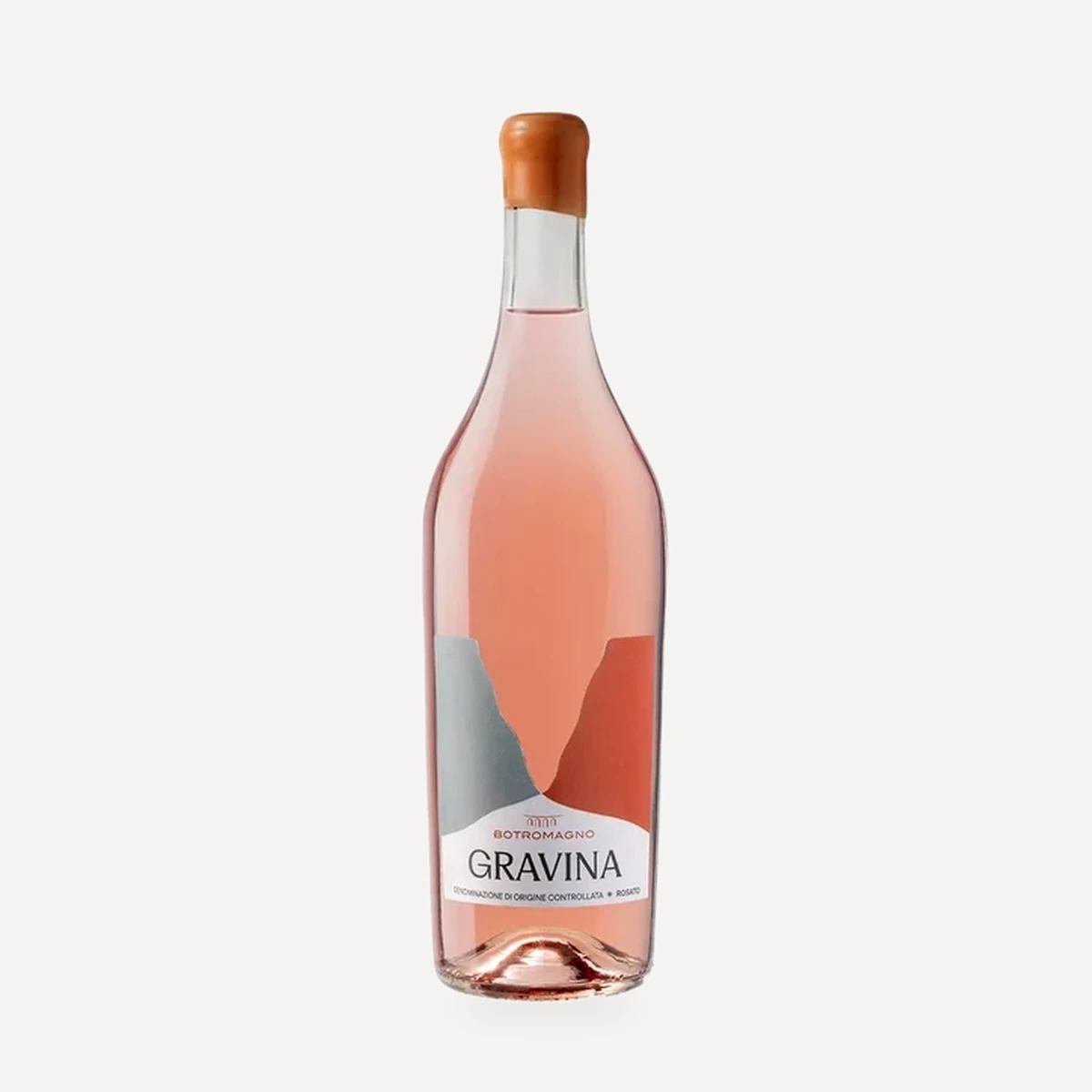
Gravina DOC Rosato
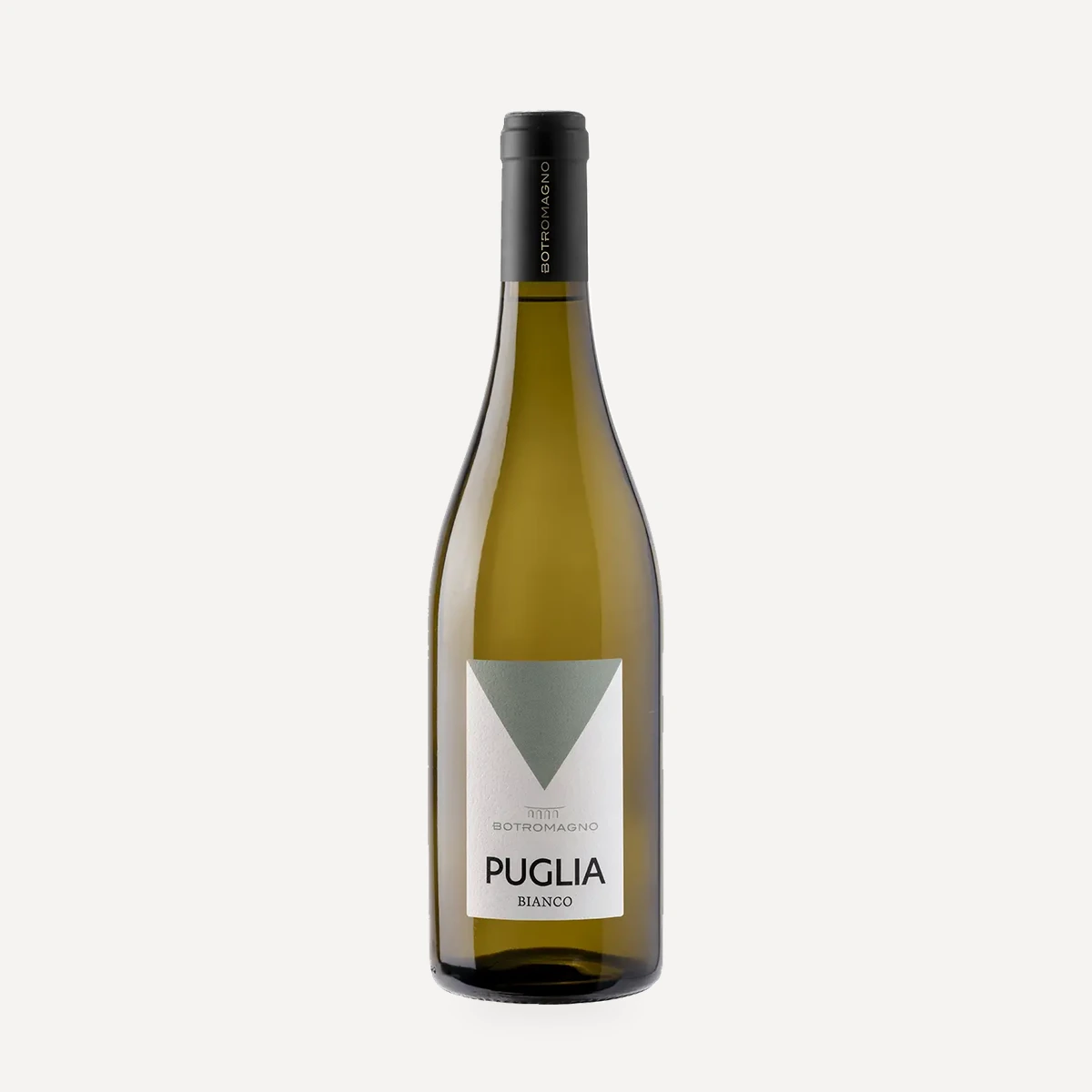
Puglia I.G.P. Bianco
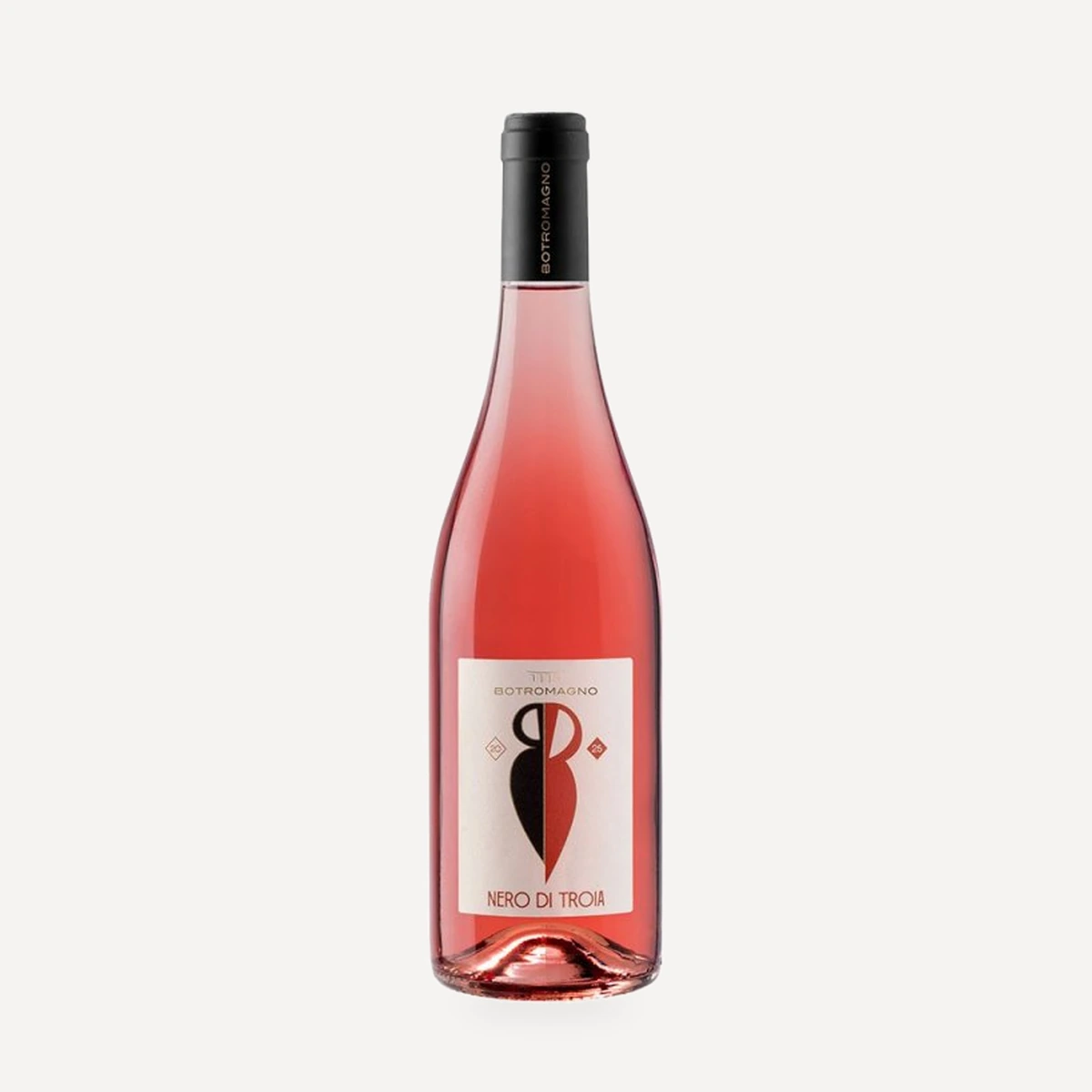
Nero di Troia Rosato
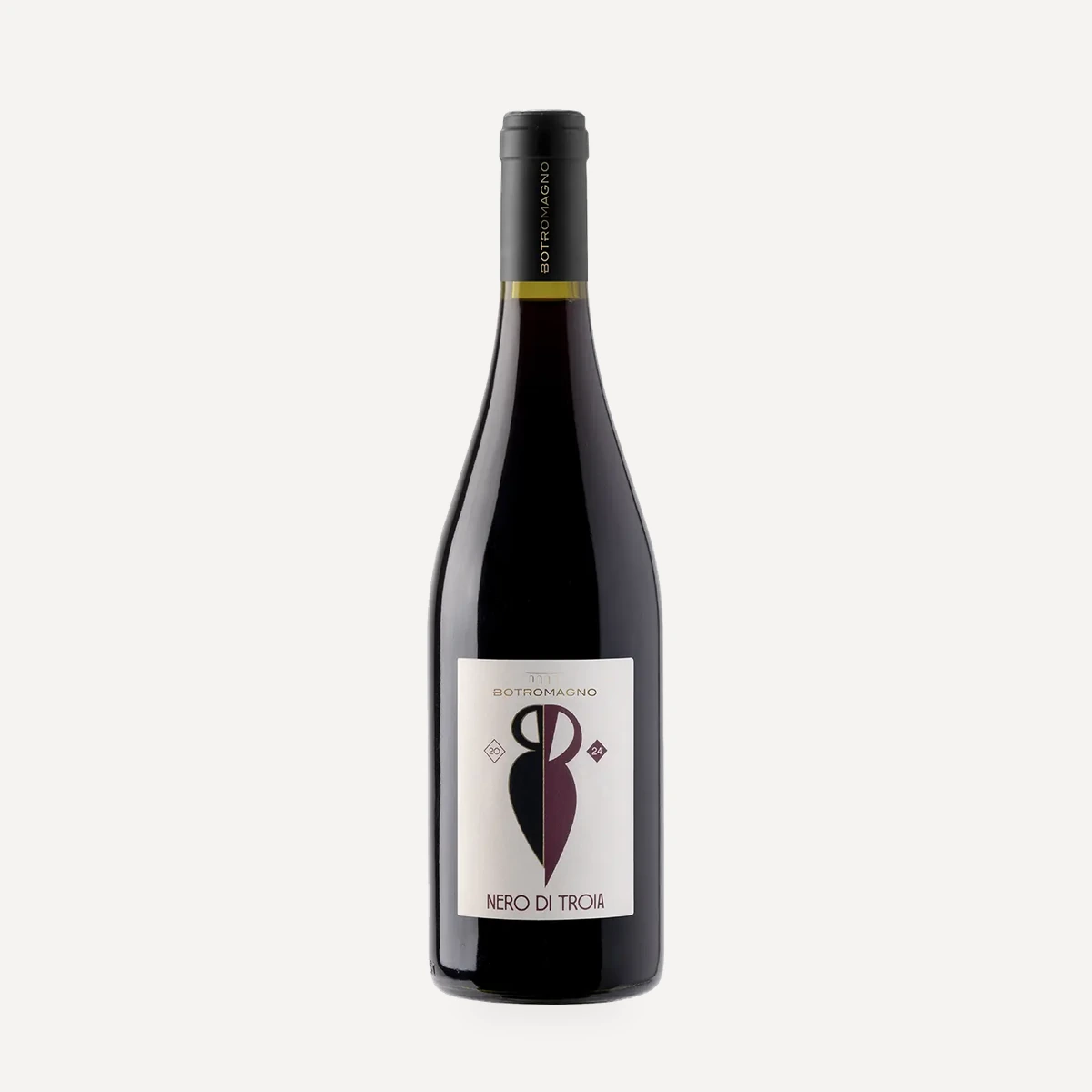
Nero di Troia Rosso
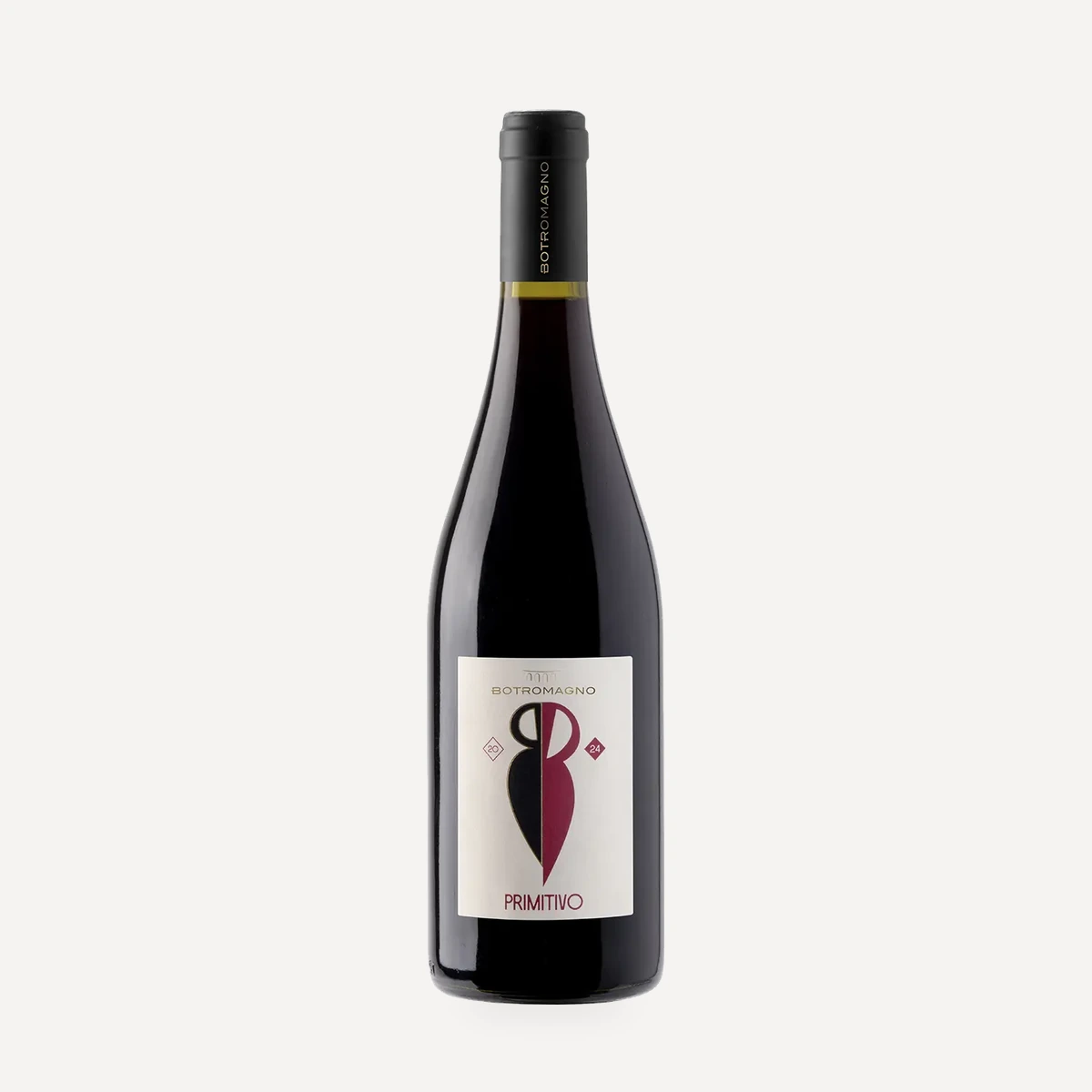
Primitivo Rosso
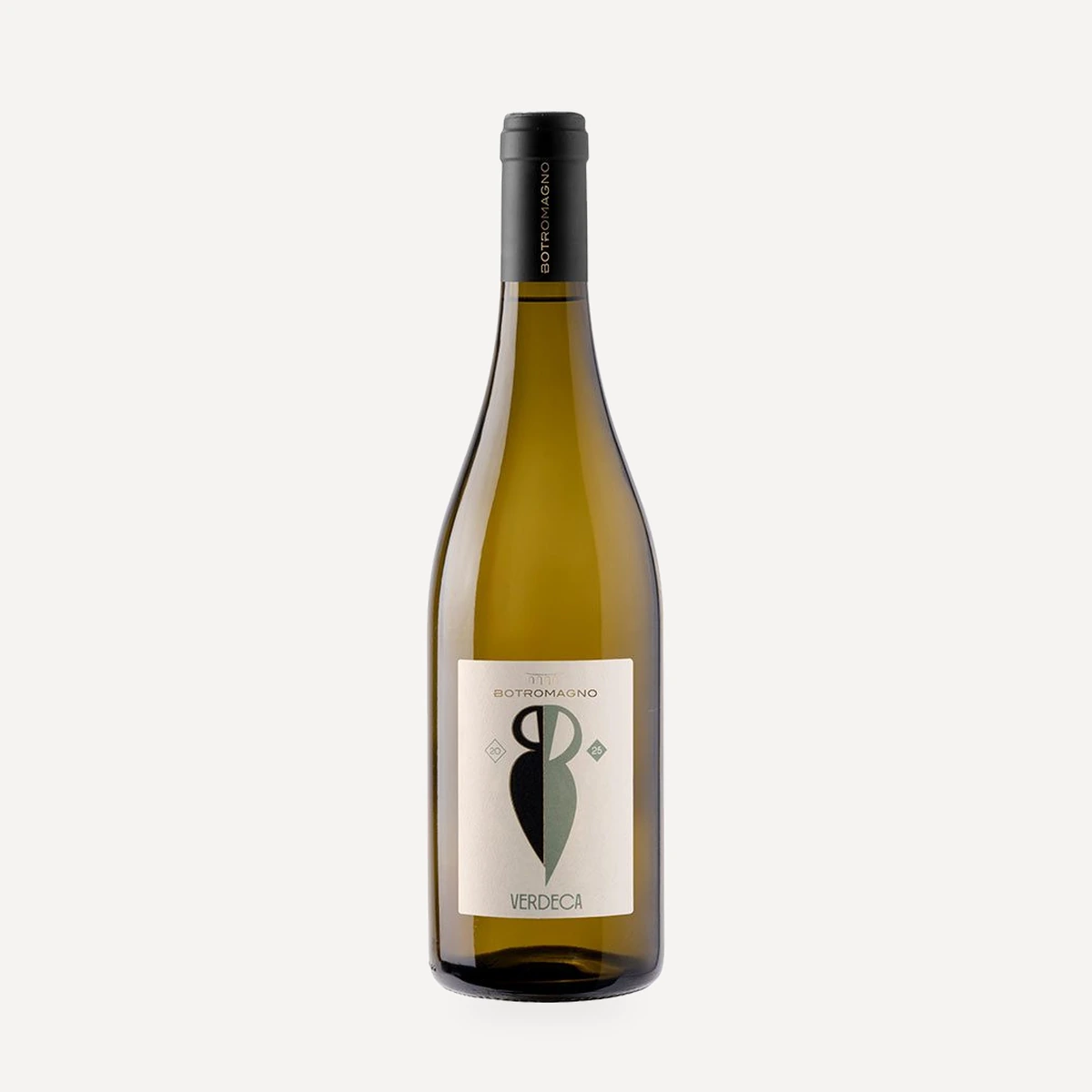
Verdeca Bianco