Storia
Origins in the 19th century
The family began cultivating olive trees in the Arezzo area in the mid-19th century. The agricultural business itself dates from the end of that century and has remained connected to the same landscape for more than five generations. Its name preserves the memory of the present family’s great-grandfather Amadio. He was nicknamed “Buccia Nera”—literally “Black Peel” or “Black Skin”—because years of working outdoors had left his skin deeply darkened by the sun.
Knowledge initially passed directly from father to son. Grapes were sold rather than developed into a broad estate range, and only one wine was made for the local market. The family’s work nevertheless encompassed the wider agricultural landscape of hills, vineyards, olive groves, orchards and woodland.
1985: restoration after the frost
A severe frost in 1985 placed most of the family’s olive trees at risk. The family chose to preserve its olive-growing heritage by restoring the groves and replanting the damaged areas. Terraces, dry-stone walls and trees on the more difficult, shaded slopes were retained to protect the local water system and the traditional landscape.
2000: a new wine project
The year 2000 marked a transition. A new wine project was created by combining inherited agricultural knowledge with new skills, modern technology and an ambition to reach markets beyond Italy. Instead of relying on a single locally sold wine, Buccia Nera began developing multiple wines intended to express different vineyards, sites and varieties.
The project gradually found its direction in organic and natural wines, revisiting older traditions of peasant winemaking while applying contemporary knowledge. Biodiversity and natural processes became central to the new approach. The alternation of vineyards, olive groves, orchards and woods was retained as the ecological foundation of the farm’s organic production.
2004: the new cellar
In 2004 the original cellar, which had relied exclusively on concrete vessels, was replaced by a modern structure combining concrete, stainless steel and wood. The new building was designed to receive the entire grape crop and accommodate every stage from grapes to finished bottles.
The cellar’s equipment supports the production of organic wines with limited sulphite use, but the underlying approach is deliberately non-manipulative: spontaneous fermentations, natural settling and time replace forced clarification and stabilization. A dedicated vinsantaia was also incorporated for the long maturation of Vin Santo.
The present farm
Buccia Nera now cultivates 40 hectares of renewed and restructured vineyards in several parts of the Arezzo countryside. The farm remains family-run, with different family members taking responsibilities suited to their individual skills. Wine, olive oil, hospitality, tastings, events and a circular-economy cosmetics project form interconnected parts of the contemporary estate.
Terroir
Buccia Nera’s vineyards occupy several hilly areas in the Arezzo countryside. Each hill differs in altitude, soil and microclimate. Most rows lie between 350 and 600 metres above sea level, while current vineyard specifications for certain lots extend the lower limit to 250 metres.
The terrain ranges from medium-textured hillside soils to steep, stony and rocky ground. Clay is widespread, accompanied according to site by gravel, sand, silt, galestro, limestone and fluvial or alluvial deposits. Some alluvial soils are rich in pebbles and include sand, silt and clay; other slopes combine sand, clay and gravel. The principal aspects are south-west, with south-east and north-east exposures also represented.
The wider agricultural mosaic alternates vineyards with woods, olive groves and orchards. This arrangement is maintained to support biodiversity, ecological balance and a healthy environment for organic farming. The hilly land is described as stony, lean and demanding, requiring patience and careful respect for seasonal and natural cycles.
Vinificazione
Organic production rests on maintaining an agricultural mosaic of vines, olive trees, orchards and woods rather than treating the vineyard as an isolated monoculture. This alternation supports biodiversity and is intended to keep the farm ecosystem healthy and balanced.
From their fifth year, vineyards are maintained with permanent or sown ground cover. Seeded plants and spontaneous herbs are allowed to grow and spread between the rows, helping create soil that is more fertile, aerated and free-draining. The cover also contributes to the prevention of erosion and landslides on the hillsides.
Sangiovese is treated as the principal local variety. Multiple clones have been selected according to the characteristics of each vineyard and the intended wine. The estate emphasizes patience, seasonal timing and natural processes that should not be forced.
The 2004 winery replaced an earlier cellar based exclusively on concrete vessels. Stainless steel, wood and concrete now coexist in a structure designed to receive the entire harvest, mature the wines and complete the full cycle from grapes to bottling.
Spontaneous fermentation is a defining practice. Wines are allowed to settle naturally over time, without forced clarification or stabilization, and the cellar’s technology is used to support organic production with limited sulphites rather than intensive manipulation.
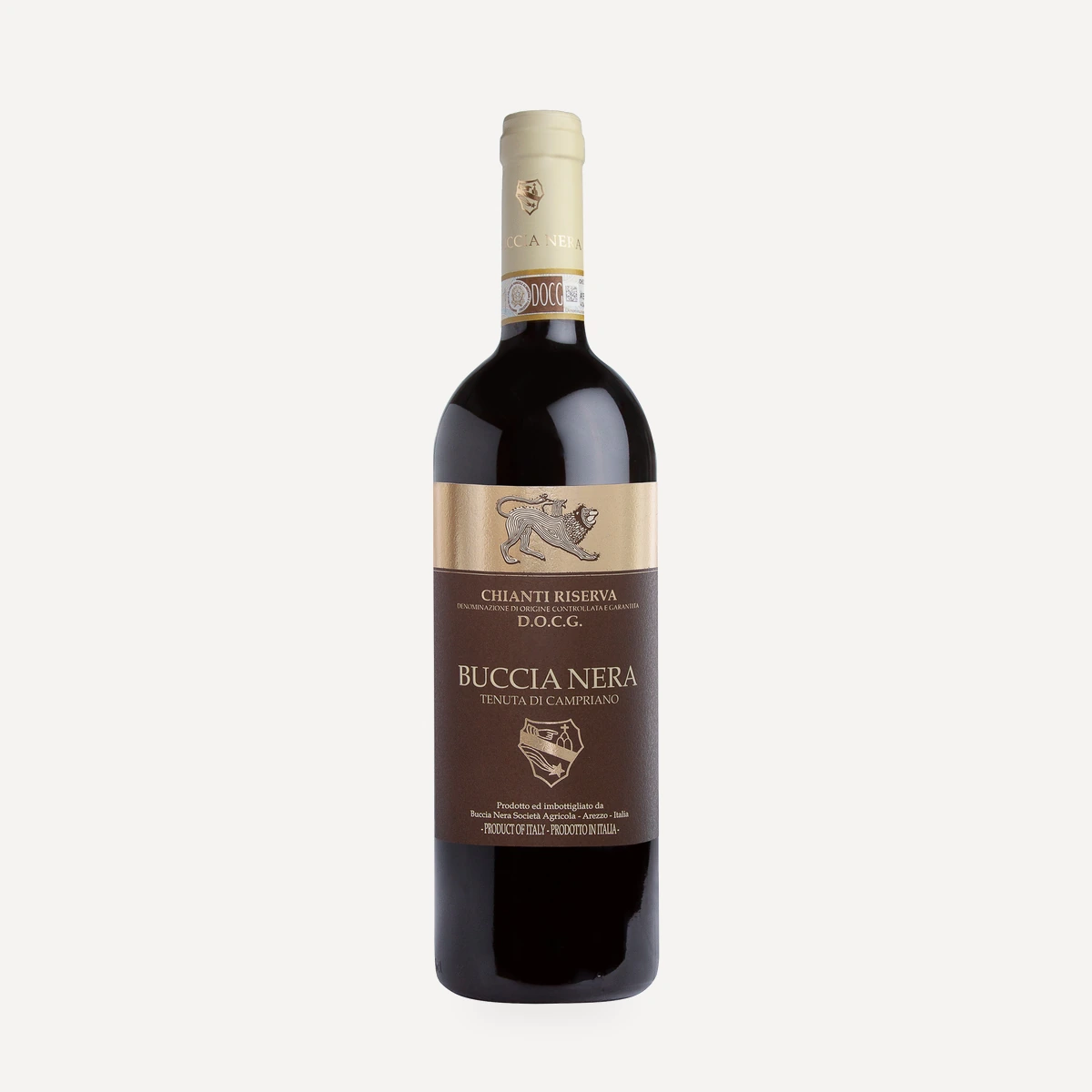
Stainless steel and concrete are used for younger, supple wines where freshness and immediate drinkability are priorities. Wood is used for reds requiring longer evolution, greater complexity and tannin maturation. The principal traditional red production comprises Chianti DOCG, Chianti Superiore DOCG and Chianti Riserva DOCG, differentiated by their maturation and ageing.
The broader project also encompasses skin-macerated whites, bottle-fermented wines retained on their lees, a light red-and-white co-fermented style, varietal wines and longer-aged reds. A dedicated vinsantaia provides the separate environment required for the extended maturation of Vin Santo.
Filosofia
Buccia Nera presents stewardship as a responsibility to the territory, the community and future generations. Hills, vineyards and olive groves are treated as a collective heritage to be cared for and passed on rather than merely exploited.
The family’s approach joins inherited agricultural traditions to modern knowledge and technology. Natural processes, seasons and time are to be respected rather than forced. In the vineyard this principle is reflected in organic farming, permanent vegetation and the conservation of a mixed landscape; in the cellar it appears through spontaneous fermentation, natural settling and the avoidance of forced clarification and stabilization.
Biodiversity is central to the farm’s self-definition. Woods, vineyards, orchards and olive groves are deliberately interspersed to maintain ecological balance. The wine project seeks to express differences among vineyards, territories and varieties while reviving elements of traditional peasant winemaking.
People are considered as important as the land and its crops. The family organizes responsibilities around individual abilities and interests, and acknowledges the daily commitment of everyone involved in bringing the farm’s products to international markets.
Vini
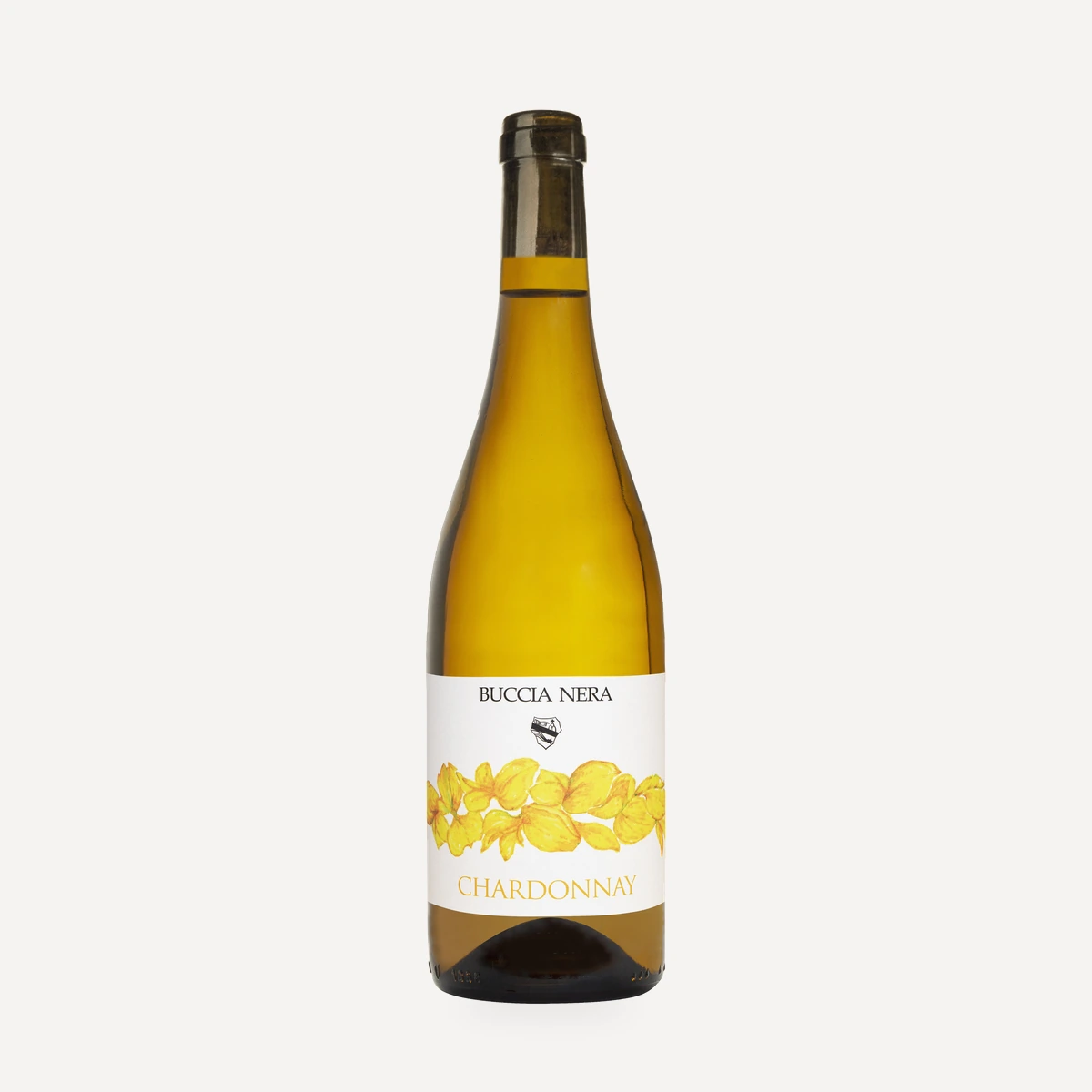
Chardonnay
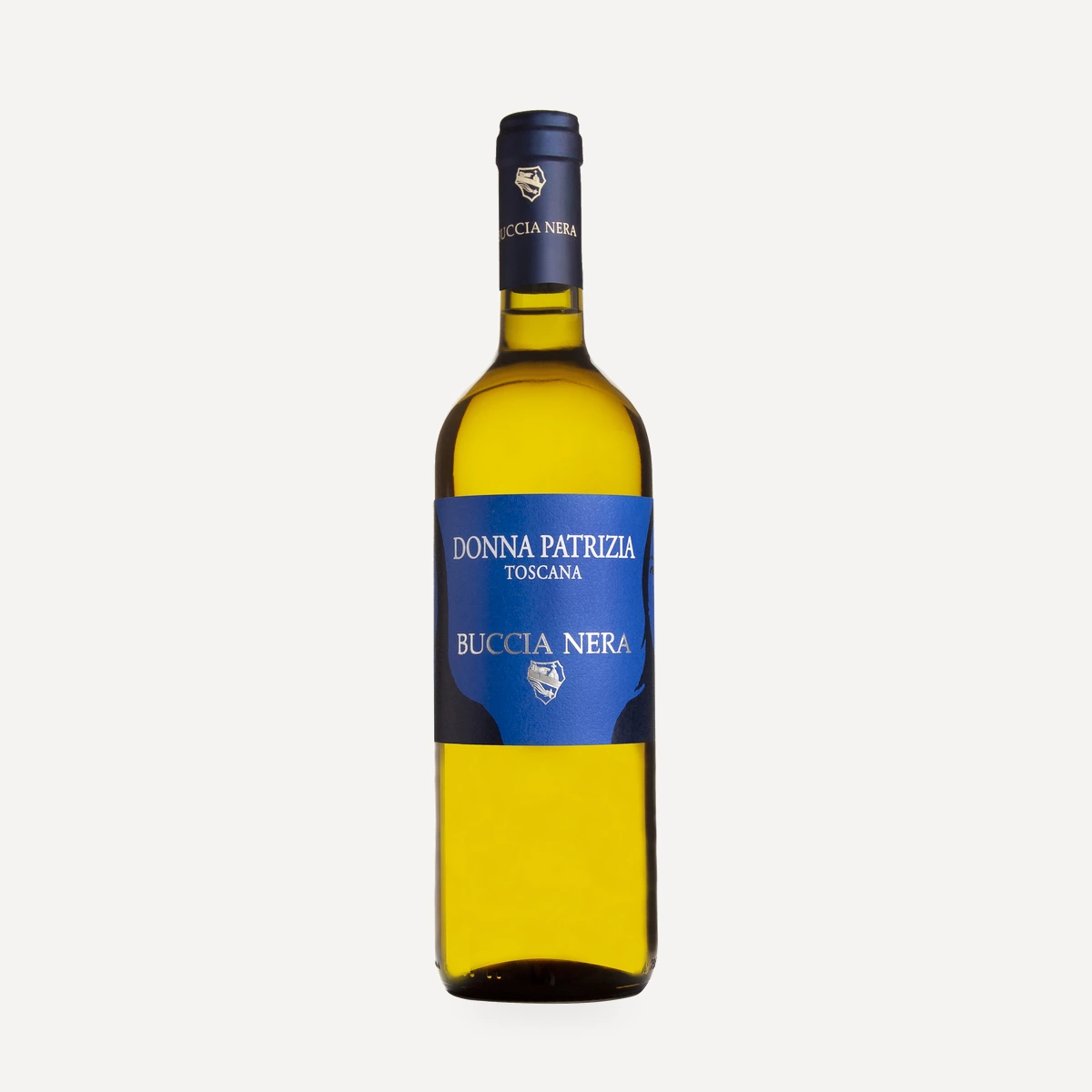
Donna Patrizia
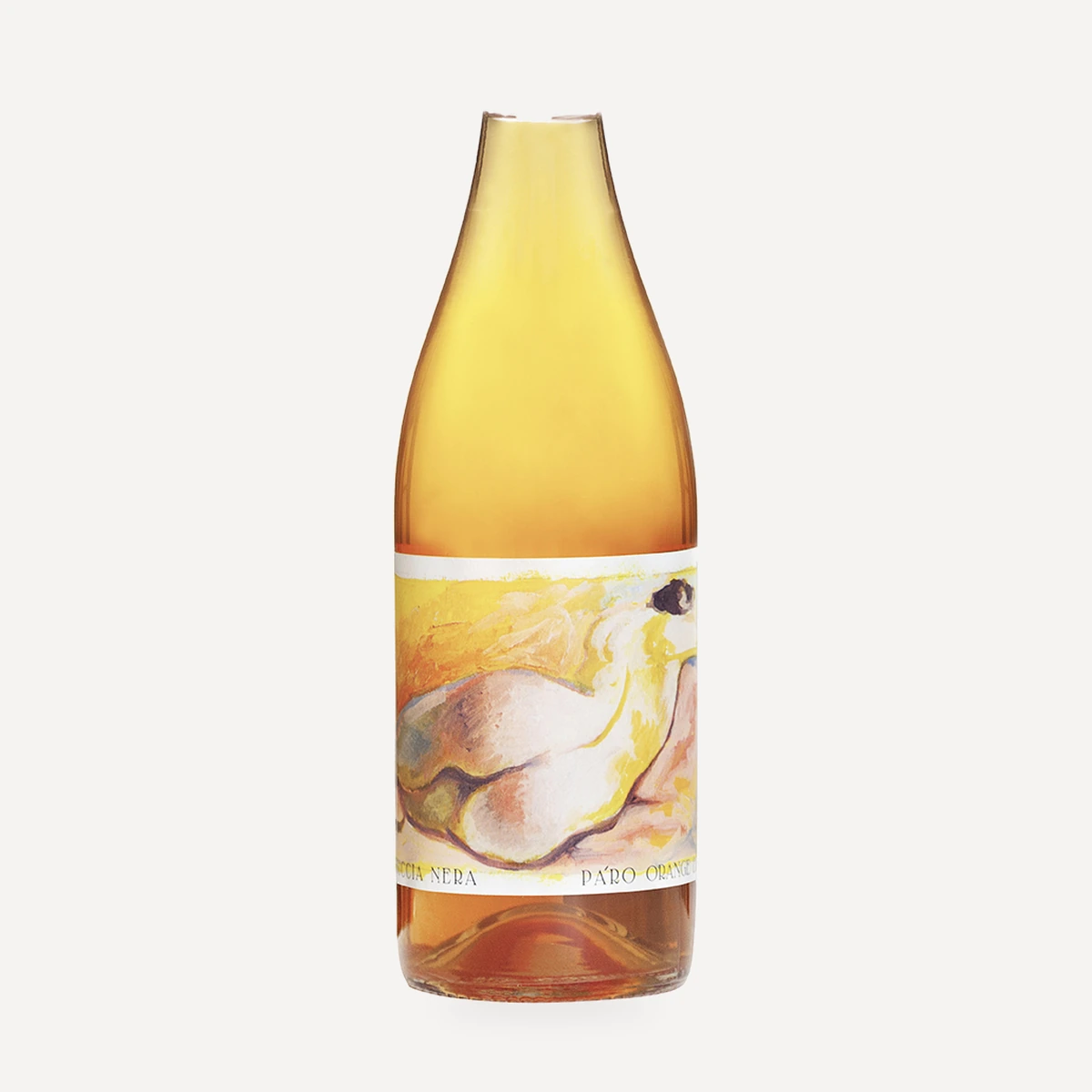
Pa'Ro Orange
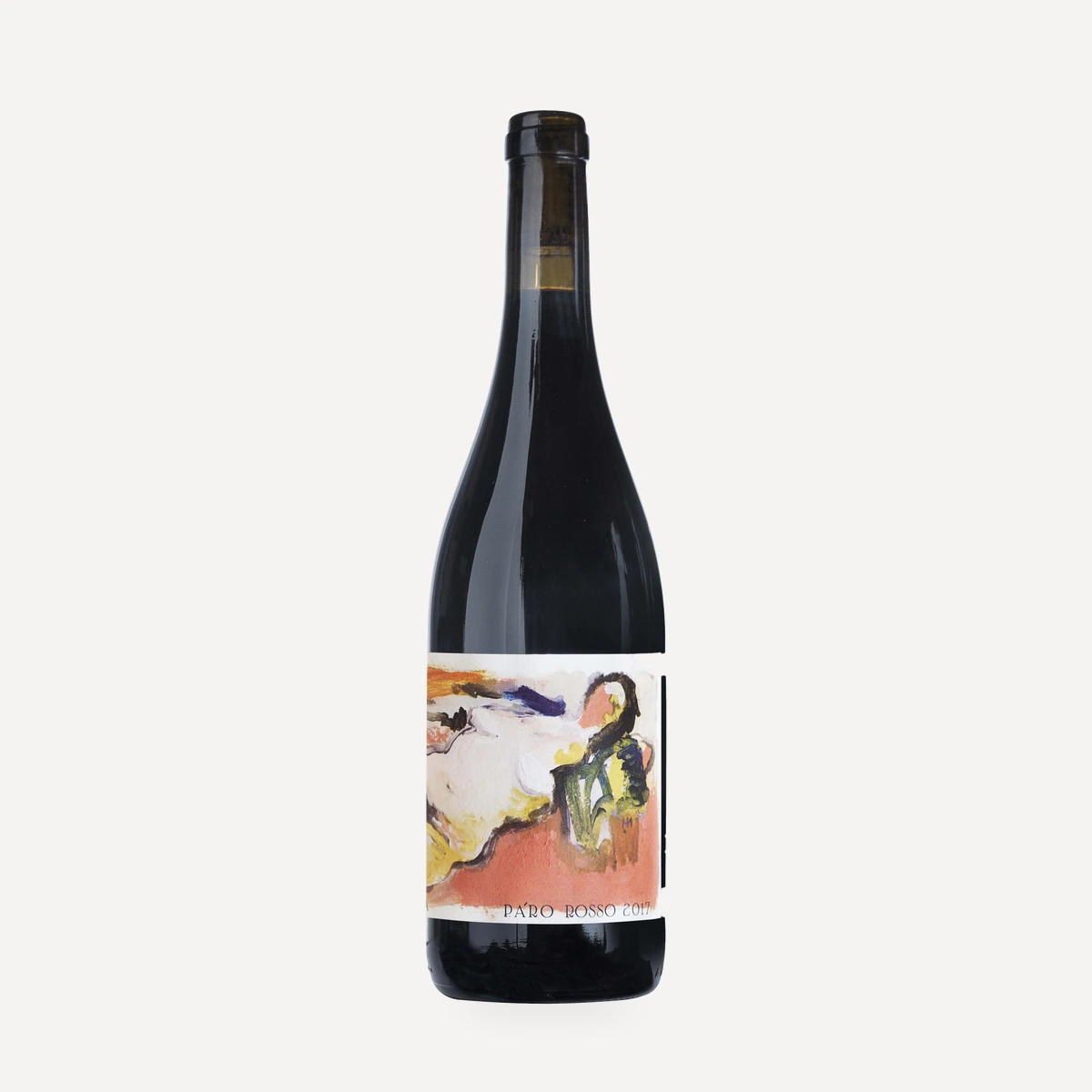
Pa'Ro Rosso
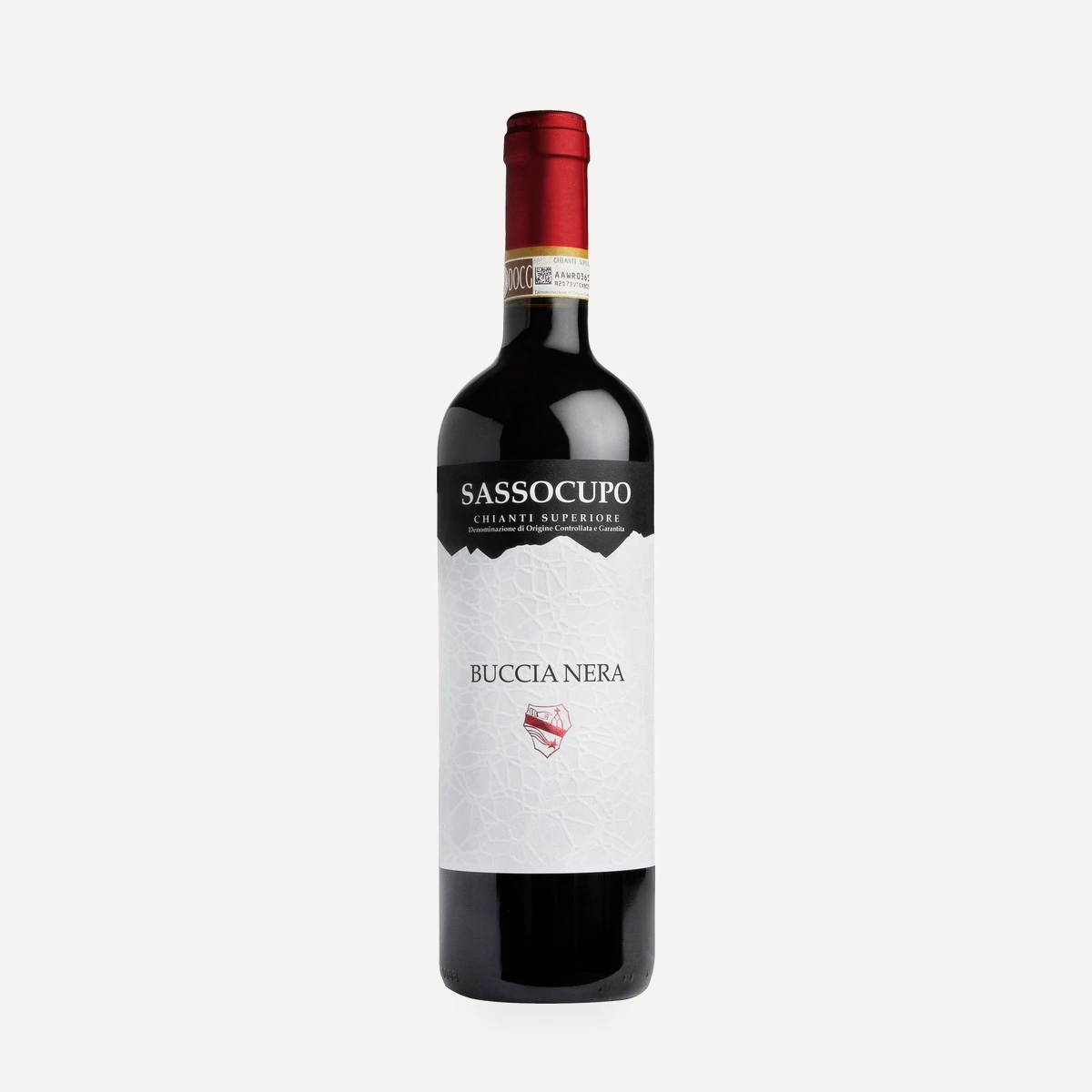
Sassocupo Chianti Superiore
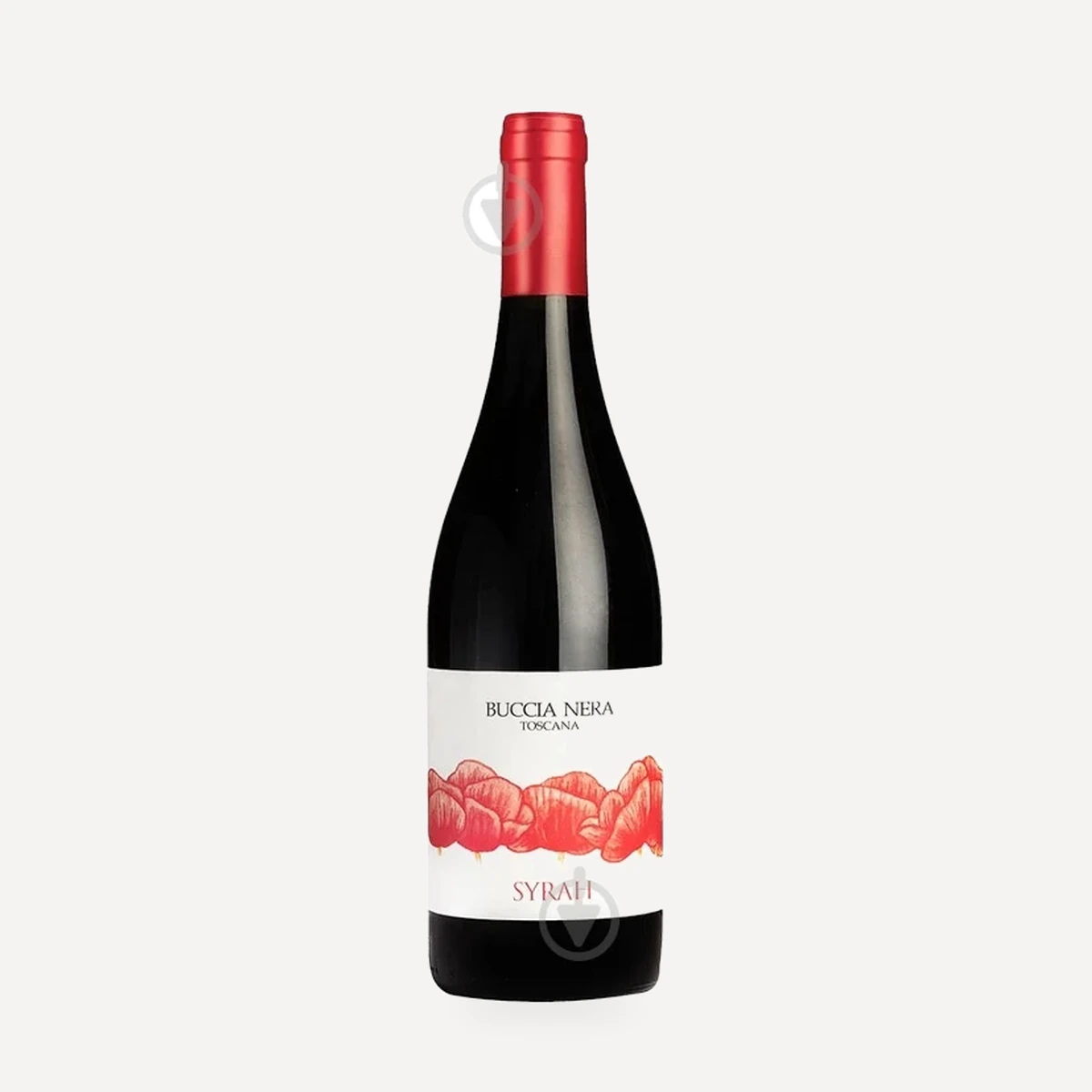
Syrah
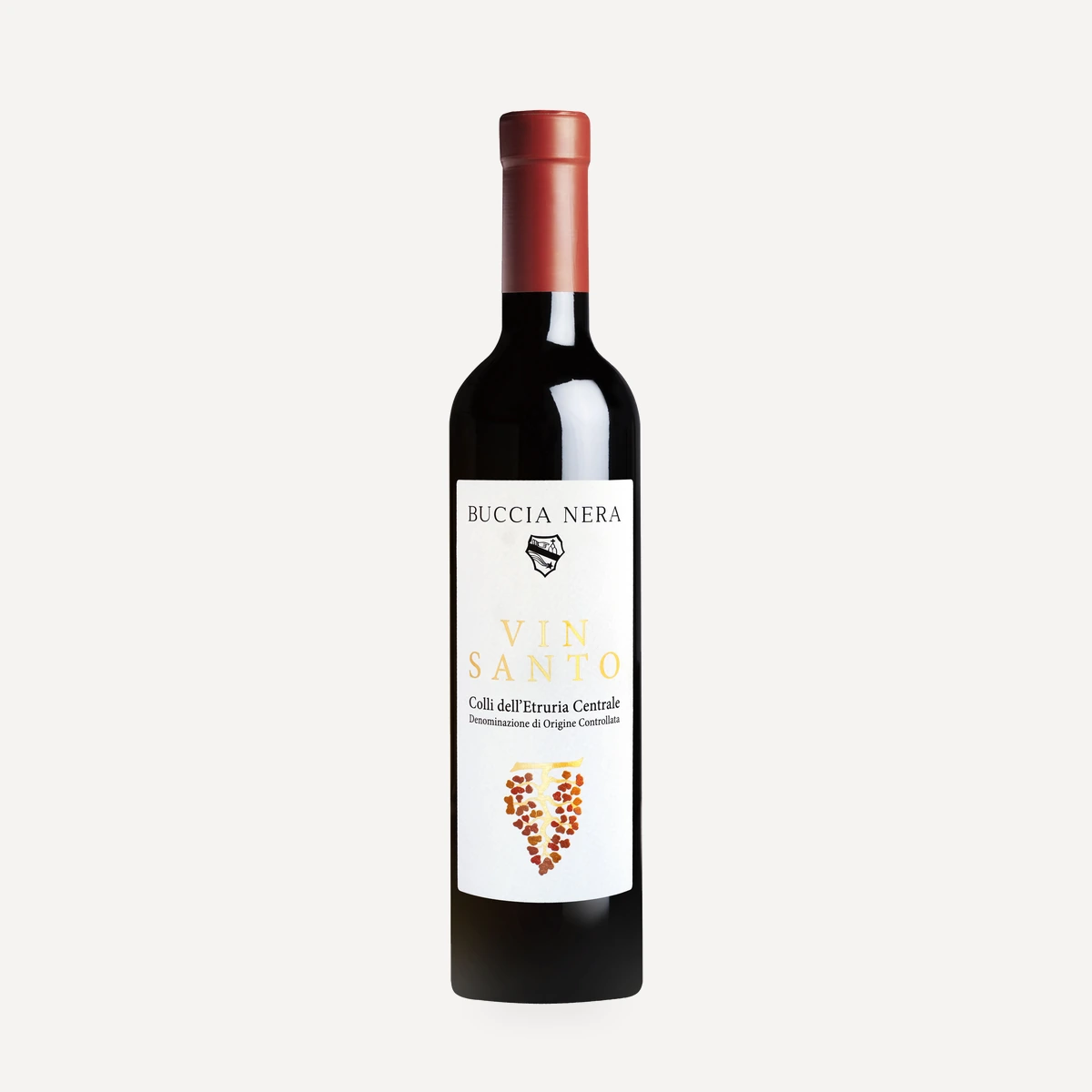
Vin Santo Colli dell'Etruria Centrale
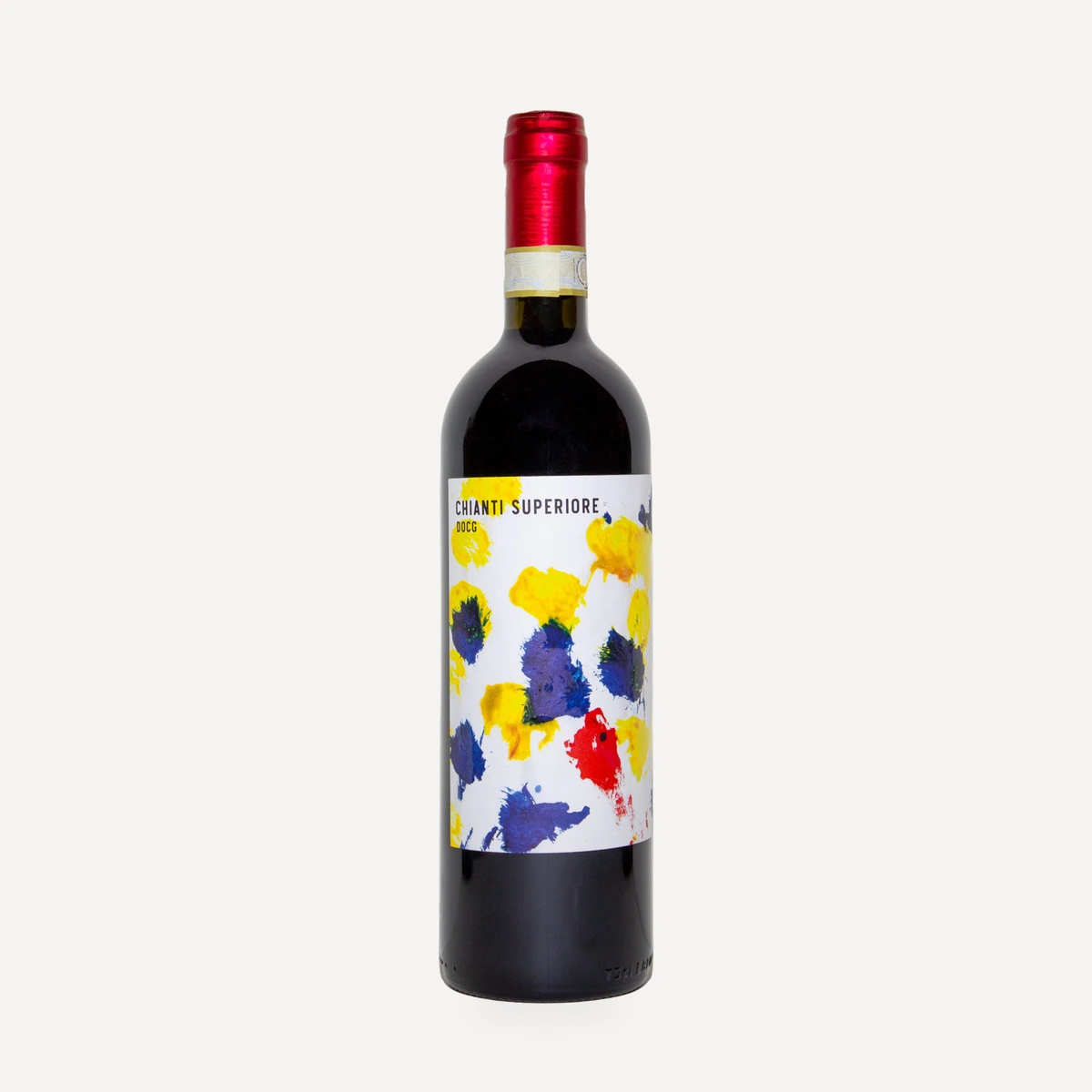
Guarniente Chianti SUPERIORE 2023
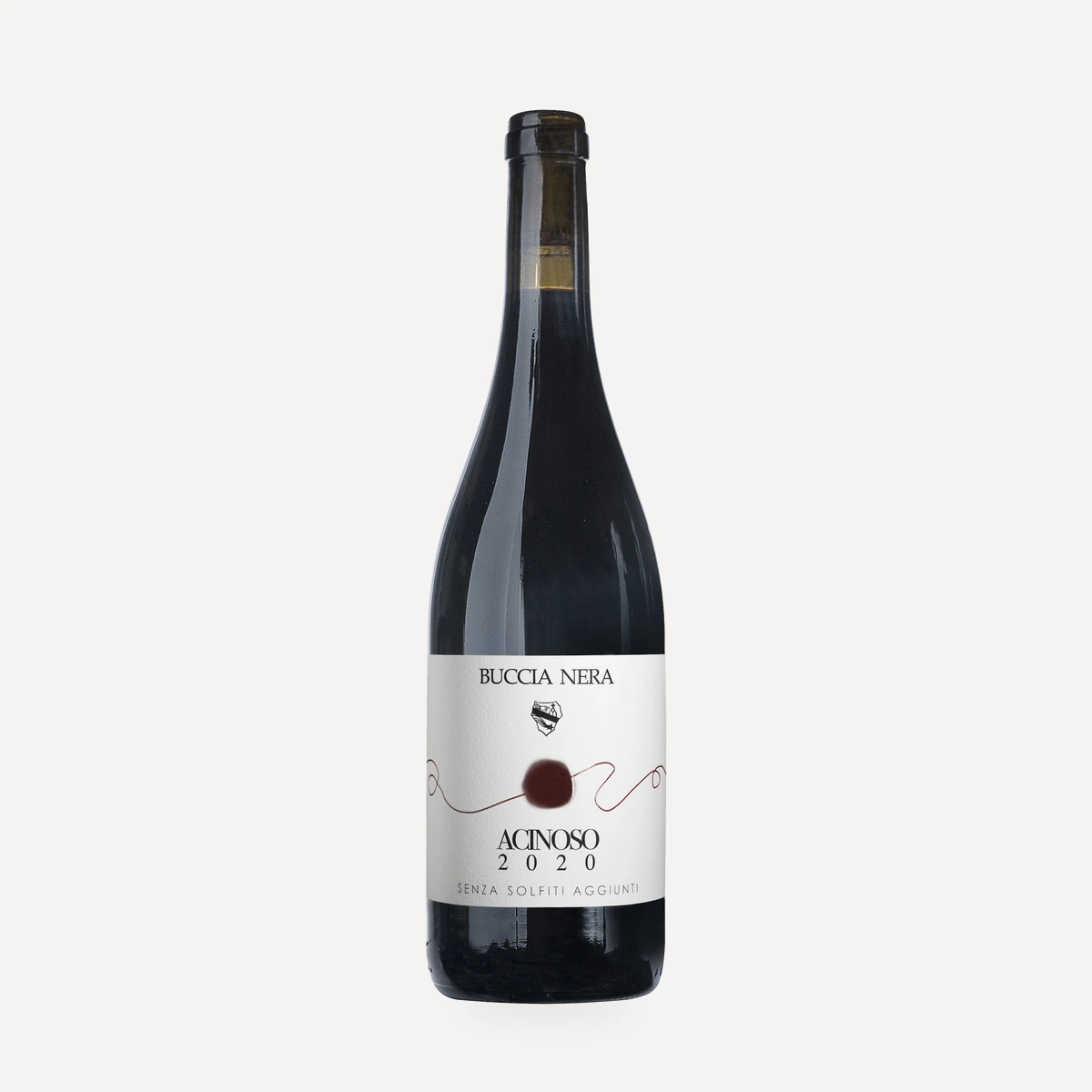
ACINOSO Senza Solfiti Aggiunti
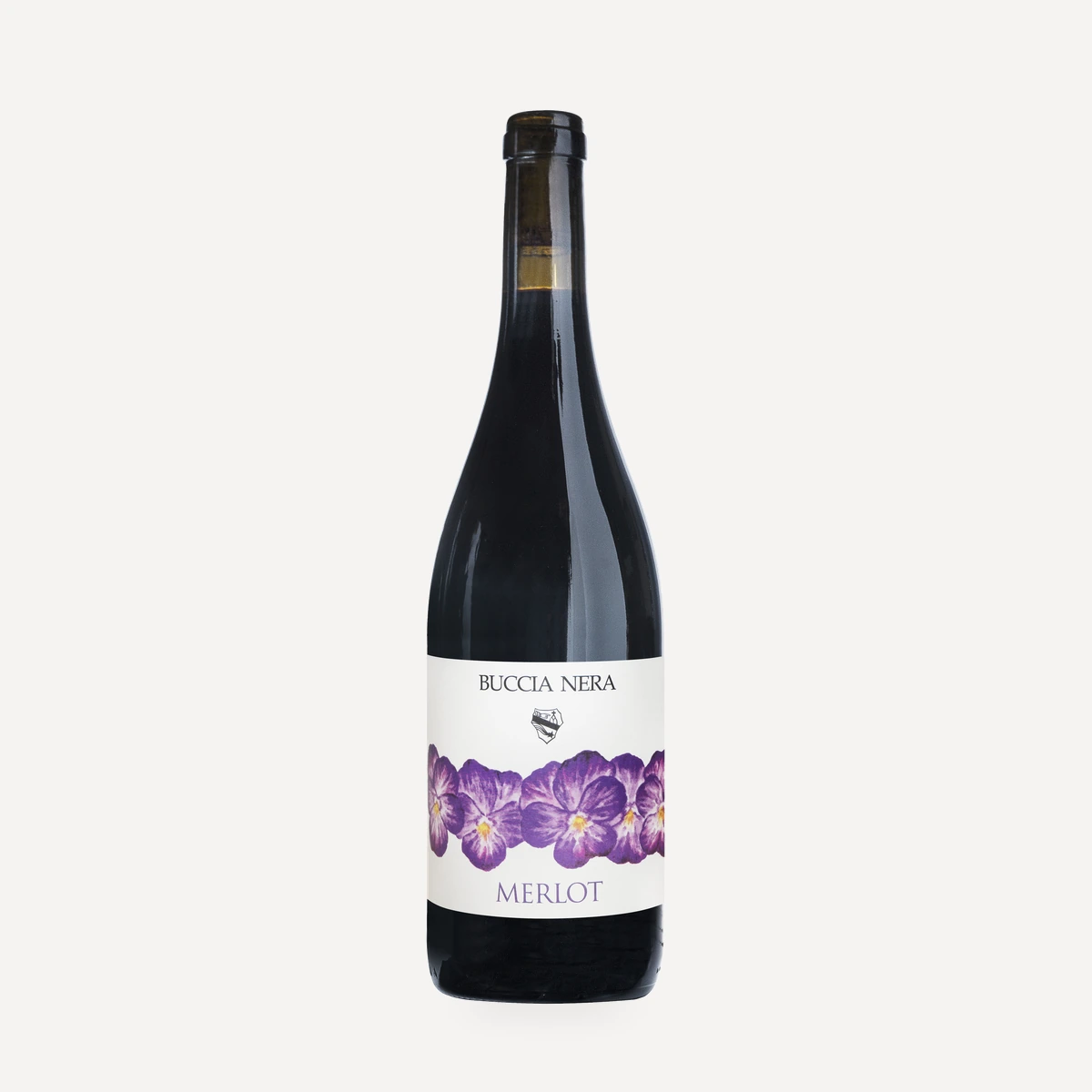
Merlot
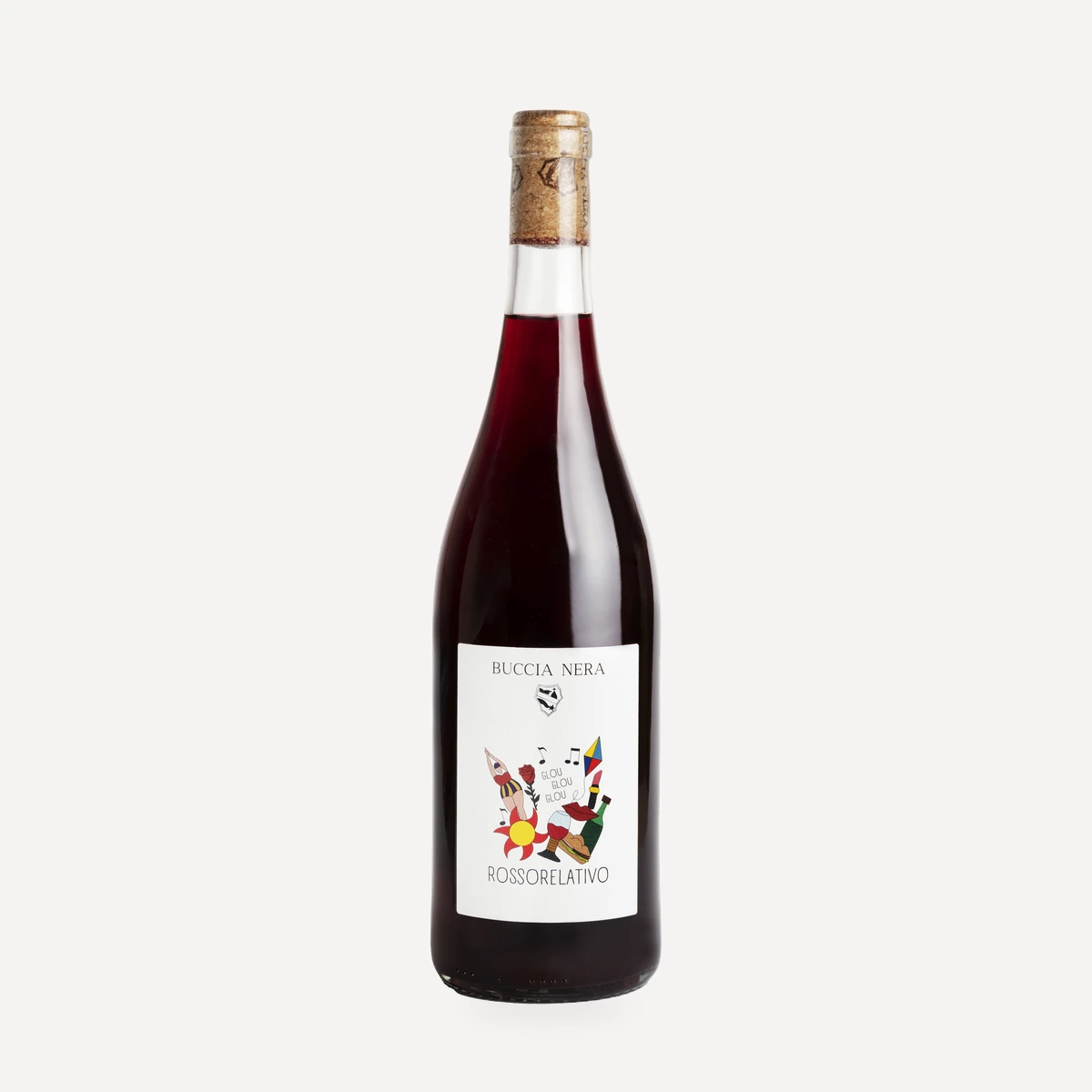
Rossorelativo
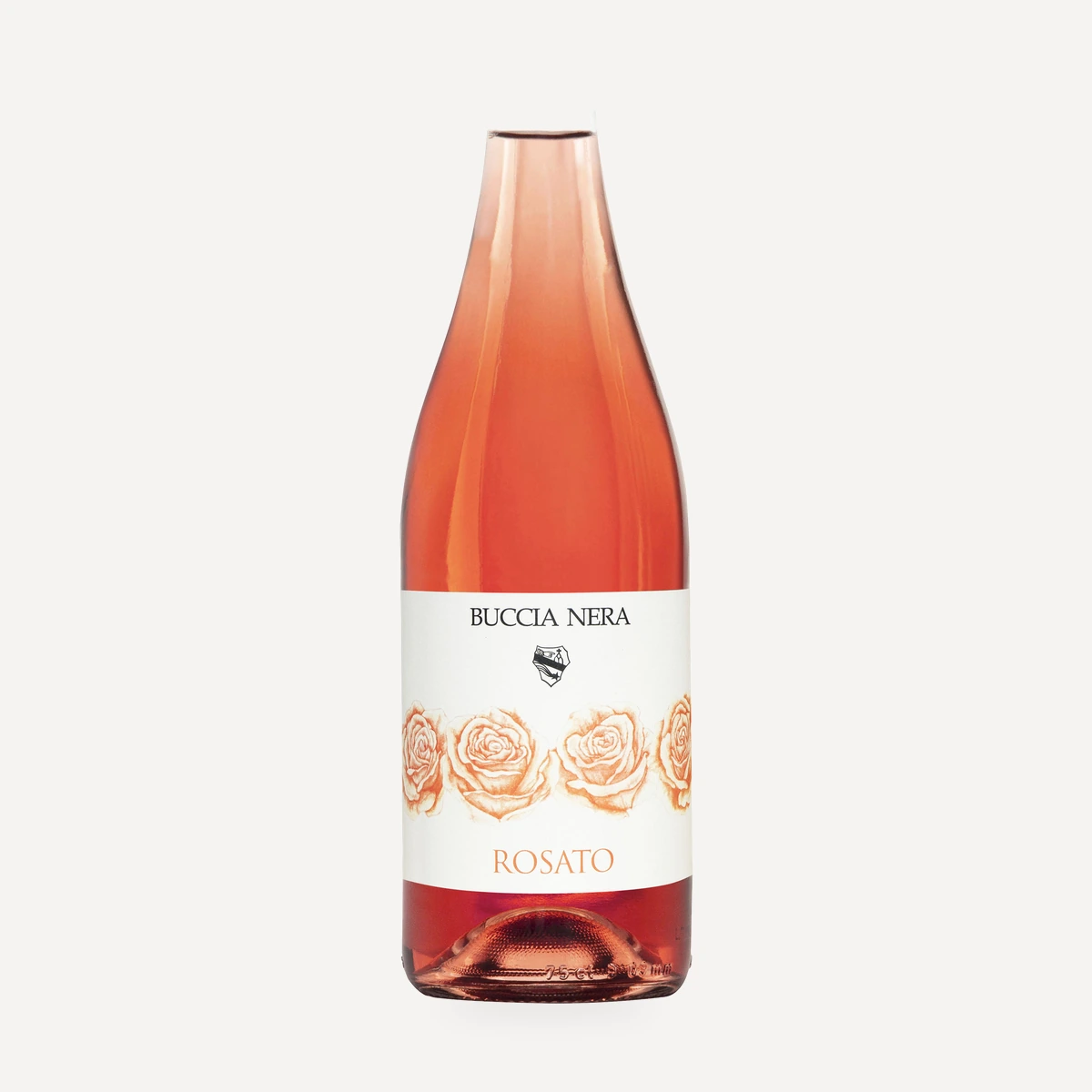
Rosato
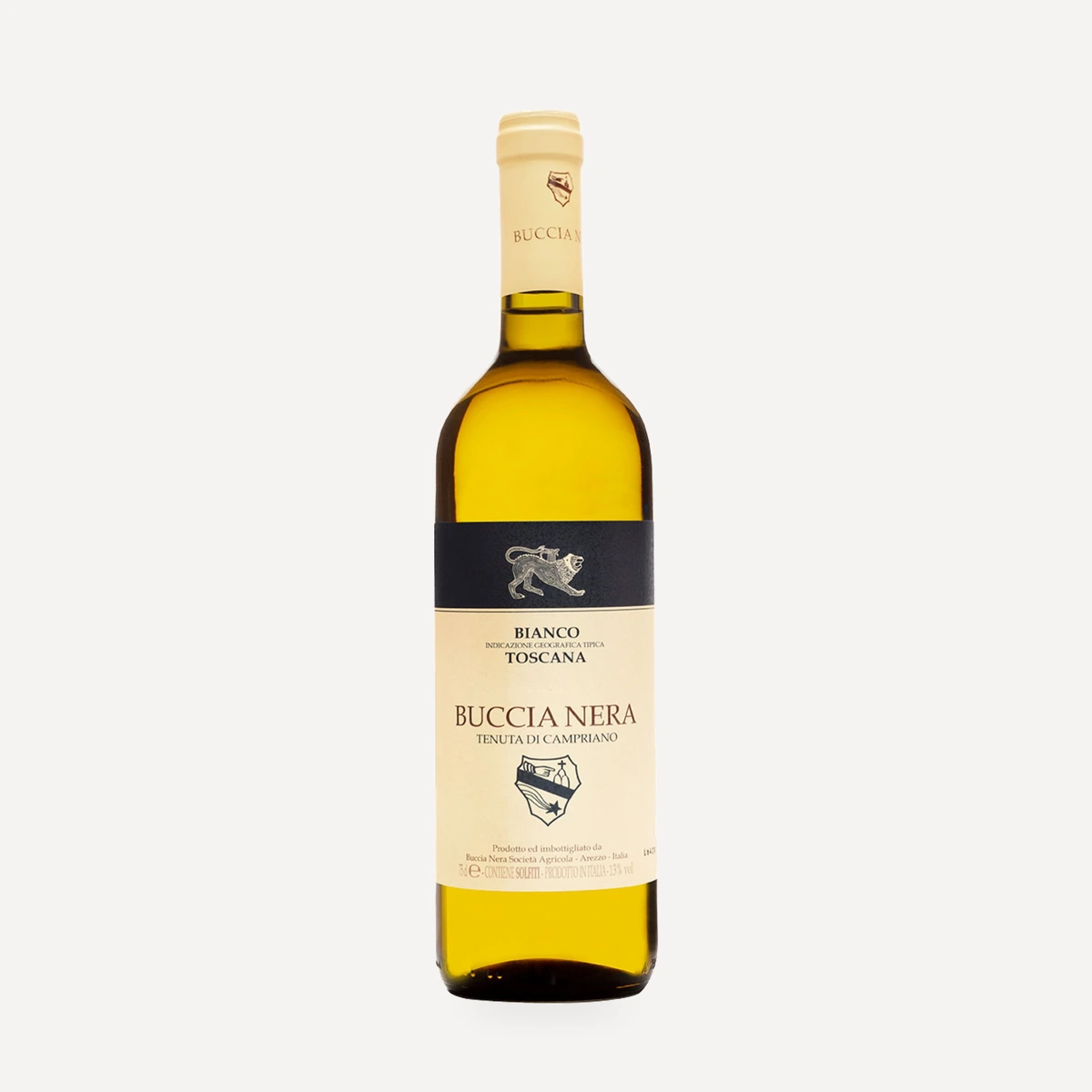
Tenuta di Campriano Bianco
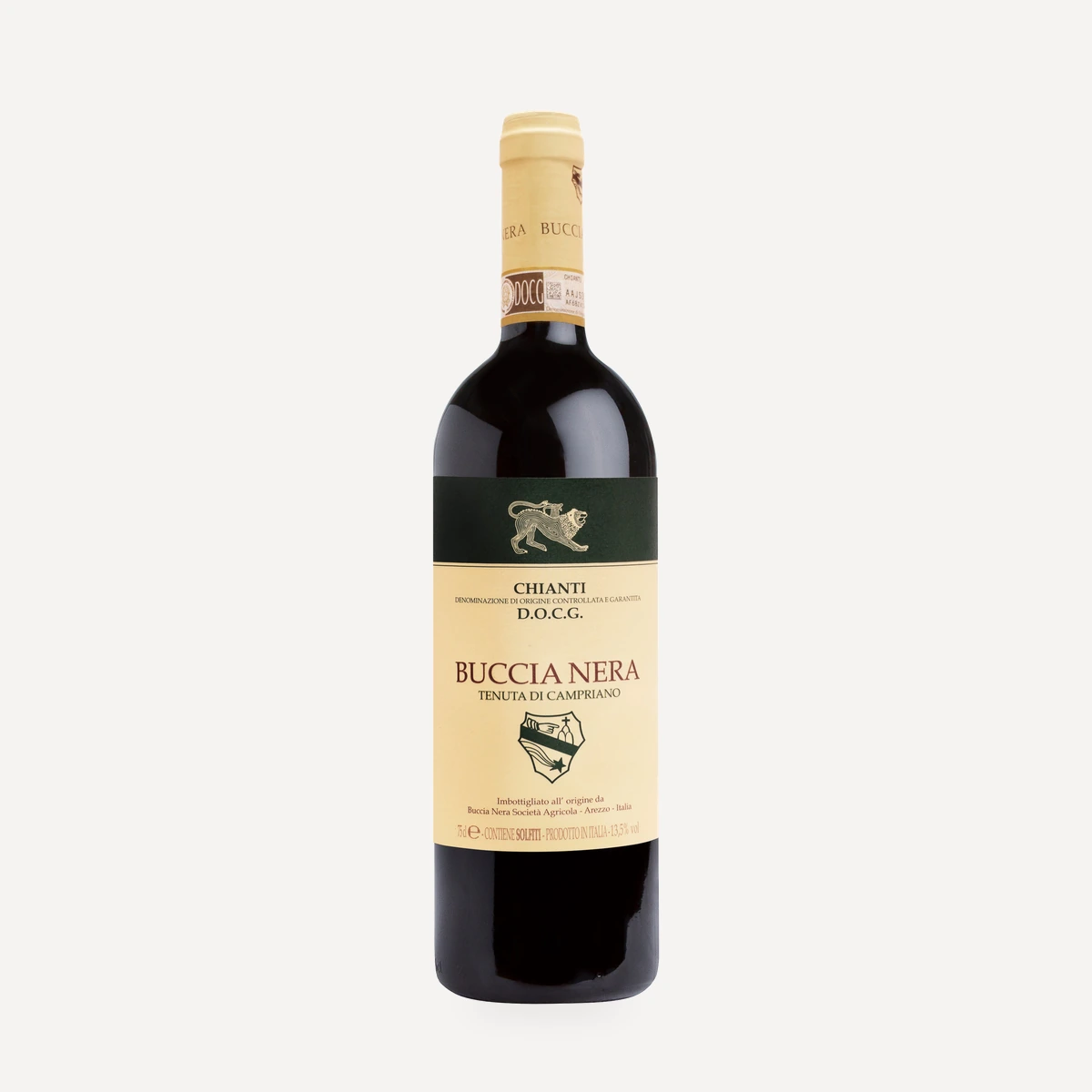
Tenuta di Campriano Chianti