Storia
Hideyuki and Marisa Miyakawa
In 1960, aged 22, Hideyuki Miyakawa left his native Maebashi, Japan, to travel around the world by motorcycle with a friend. His route crossed India, Pakistan and Europe before reaching Rome during the 1960 Olympic Games. He remained there for a time as a reporter for a Japanese magazine.
While visiting the Turin motor show, Hideyuki met Maria Luisa “Marisa” Bassano, a student preparing to spend a year studying in Japan. Their relationship developed during that year; Hideyuki subsequently joined Marisa in Japan, where they became engaged. They married in 1962 and settled in Turin. Hideyuki worked with Giorgetto Giugiaro and Aldo Mantovani on the creation of Italdesign, while the family continued to live in Turin until 1992.
1983: a communal agricultural project
Azienda Agricola Bulichella was created in 1983 by four families from northern, central and southern Italy. Their intention was to move beyond the conventional nuclear-family model and live together as an extended family, sharing experiences and raising their children collectively.
Agricultural production was conceived for the community’s own use and for sharing beyond it, with respect for nature and the surrounding environment. Organic farming began as part of this founding commitment. The community also sought a social role, opening the farm and its spaces to people facing difficulties and needing an environment in which to recover.
1992–1998: permanent settlement and development
Hideyuki and Marisa left Turin and settled permanently at Bulichella in 1992. Between 1993 and 1998, the community continued pursuing its agricultural, educational and social objectives. Membership of the group changed during this period, but many of its original aims were substantially realised.
The decisive move towards quality-focused organic winegrowing came in the mid-1990s, when Hideyuki and Marisa invested in wine as the agricultural product most closely associated with Suvereto and Val di Cornia. The local Buonaguidi family, whose knowledge included the land and its particular microclimate, contributed to this phase of the project.
1997: the new winery and vineyard transformation
A new winery was completed in 1997. It subsequently evolved and incorporated increasingly advanced technology. The larger transformation took place outdoors: new vineyards were planted, several years of trials followed, and the varieties that would define Bulichella’s production were selected.
The new direction centred on small quantities, careful grape selection, close attention to detail and intensive vineyard work adapted to the needs and characteristics of each vintage.
1999: Miyakawa family ownership
In 1999, Hideyuki and Marisa Miyakawa and their children became the owners of Bulichella. They launched new projects while drawing upon the experience of the original communal enterprise. The property developed as an organic wine-and-olive farm and agritourism operation.
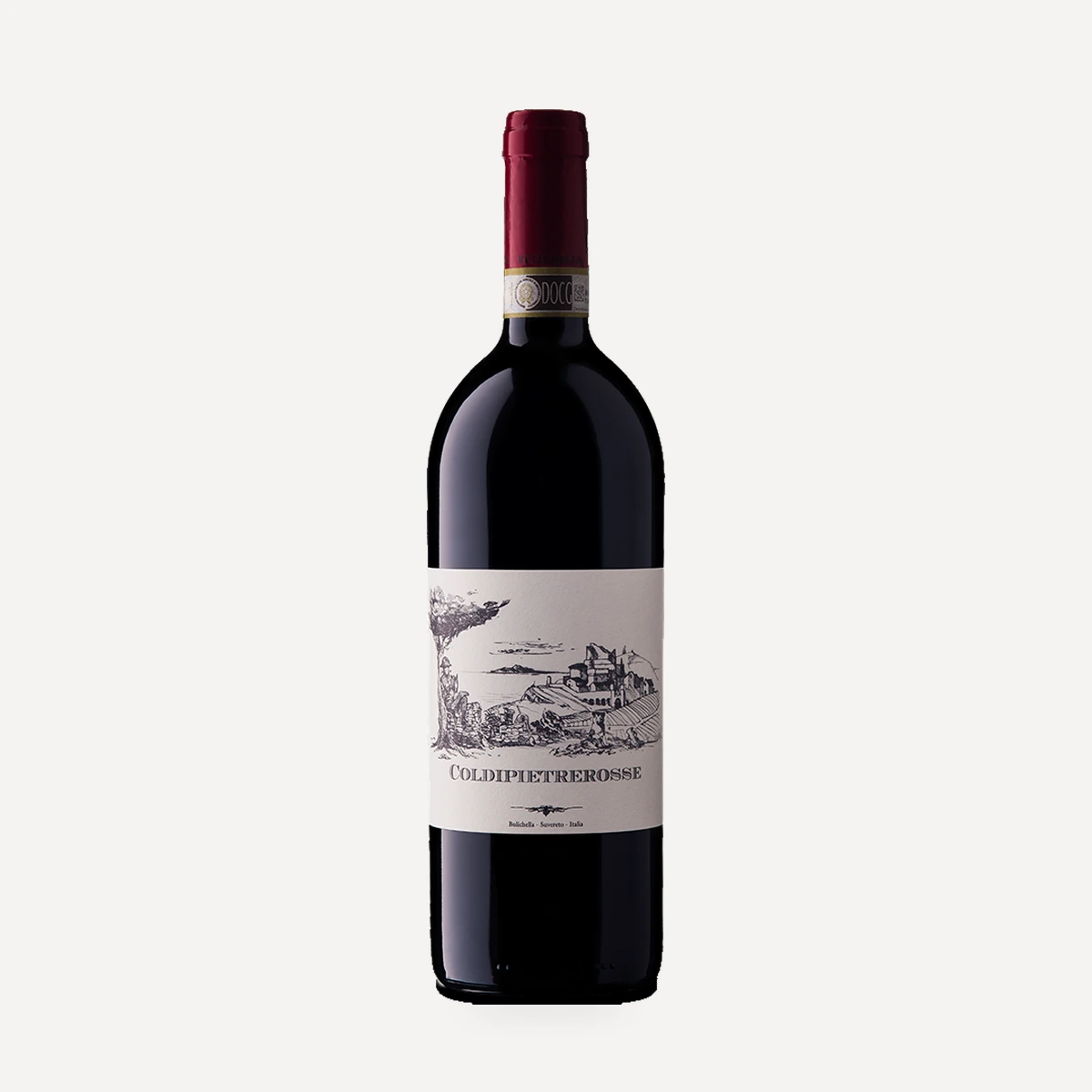
2000: Coldipietrerosse
Coldipietrerosse was created in 2000 from one of the estate’s most important vineyards, planted on a steep, sea-facing hillside. Its name refers to the red colour of the site’s earth and stones.
Promotion of Suvereto and DOCG recognition
Bulichella participated in the promotion of the local wine territory through the Val di Cornia DOC wine consortium. Hideyuki Miyakawa served as its president and worked toward recognition of Suvereto DOCG, achieved in 2012. The recognition was intended to strengthen the identity of both Suvereto and the wider Val di Cornia area.
2018: renewed labels and oenological direction
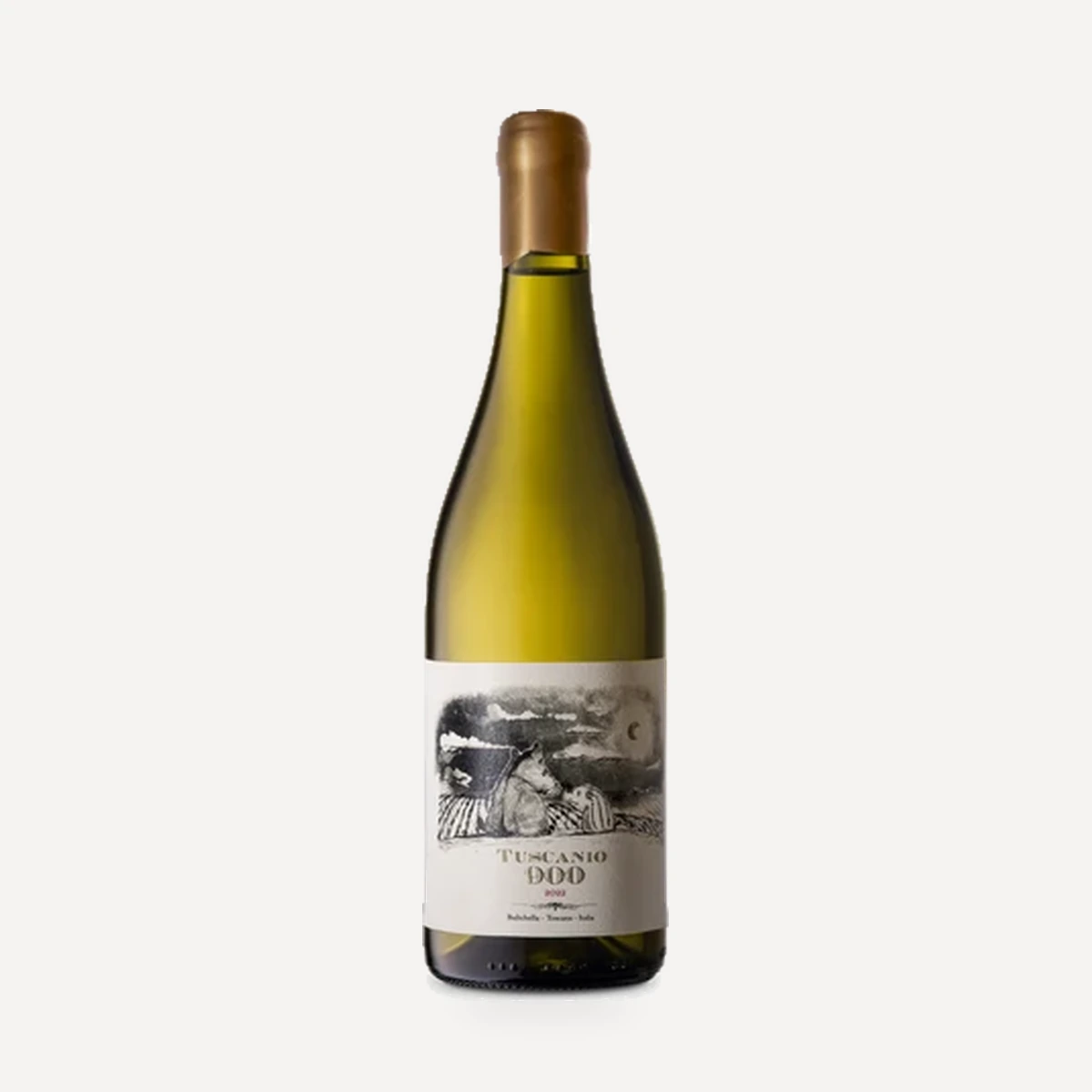
Luca D’Attoma returned as oenologist before Vinitaly 2018. That year began a broader renewal of the company’s presentation. New labels for Sol Sera, Tuscanio and Rubino were unveiled at Vinitaly. Developed through collaboration between Hideyuki Miyakawa and his family, they were created with mixed media by production designer Francesco Sala, Orso Miyakawa and Nicolò Miyakawa. The labels were intended to narrate the estate and its history visually.
2021 and the present organisation
In December 2021, most of the area’s producers collaborated in the formal creation of the Consorzio di tutela DOP Suvereto e Val di Cornia Wine.
Bulichella remains under Miyakawa family ownership, with Hideyuki Miyakawa as president, Shizuko Miyakawa and Nicolò Miyakawa as administrators, and family members active in accounting and sales. Wine, olive oil and agritourism continue alongside the environmental and social principles established in 1983. Bulichella also supports the non-profit organisation Marisa – Un sorriso per tutti.
Terroir
Bulichella lies 2 km from the medieval village of Suvereto in Val di Cornia, at the northern edge of Maremma and beside the Bolgheri area. The estate faces the sea, with Elba visible offshore. Views from the property extend across the vineyards, Montepeloso and Val di Cornia to the coast.
The local microclimate is dry and very sunny from April through the end of August. Evening breezes from the nearby Mediterranean moderate the daytime warmth and carry a saline maritime influence.
Vineyards occupy medium-textured, predominantly clayey soils containing a broad range of mineral salts. Other descriptions emphasise ferrous minerals and large clay-bound stones. These stony, iron-rich soils are difficult to cultivate but form a central part of the estate’s understanding of its identity.
Proximity to the sea is considered especially important for Sangiovese, giving the estate’s coastal expression structure together with pronounced acidity. The steep Coldipietrerosse site faces directly toward the sea and is marked by red earth and stones, while Montepeloso is associated with conspicuous mineral rock.
Vinificazione
Bulichella has followed an organic approach since its creation in 1983. Vineyard production is certified organic by ICEA, with operator code IT BIO 006 B147 documented for Società Agricola Bulichella s.r.l.
Viticulture is directed toward low quantities and carefully selected grapes, concentrating the character and quality of the vines rather than maximising output. Vineyard work is adapted each year to the needs of the plants and the characteristics of the vintage. Management is intended to preserve ecological and environmental balances while expressing the marked identity of the estate’s difficult clay, stone and iron-rich soils.
The estate regards organic farming as a practical means of seeking originality and transmitting the land’s identity. The broader farm also maintains an orchard and vegetable garden, a pond, olive groves and a small woodland area, creating a mixed agricultural environment rather than a vineyard monoculture.
A new winery was completed in 1997 and has continued to evolve with modern technology. Its functional areas include spaces for winemaking and maturation, a dedicated barrique room and a bottling area.
Production is based on small volumes and carefully selected fruit. The cellar’s work is tied to the conditions of each vintage and to the intensive decisions made in the vineyards. The available estate-wide material does not define one standard protocol for fermentation, maceration or maturation across the complete range.
The 2018 account of Rubino records maturation in steel followed by a short passage through second- and third-use barriques. The same account records early-morning hand harvesting, gentle pressing and steel maturation for Tuscanio Bianco. These practices relate to those individual wines rather than a single universal protocol for every Bulichella bottling.
Filosofia
Bulichella’s founding principles combine shared family life, social responsibility and agriculture conducted in harmony with nature. The original community sought to raise children collectively, share agricultural products beyond the resident group and make the estate’s spaces available to people needing support and recovery.
In winegrowing, the central objective is not simply technical quality but the transmission of a recognisable local identity. The estate treats organic farming as an aid in the search for originality and works to express its difficult iron-rich, clay-and-stone soils rather than imitate neighbouring Bolgheri producers. Its declared position is one of difference rather than competition.
Everyday work, close attention to detail, small quantities and responsiveness to each vintage underpin this approach. Tradition and environmental responsibility coexist with the technological development of the winery. The intended result is a faithful expression of Bulichella’s land, climate and proximity to the sea.
The ecological commitment extends beyond vineyards and olive groves to hospitality and daily operations: locally sourced organic food, short supply chains, photovoltaic electricity, solar-heated water, separate waste collection and reduced reliance on disposable products all form part of the same approach.
Vini
Coldipietrerosse
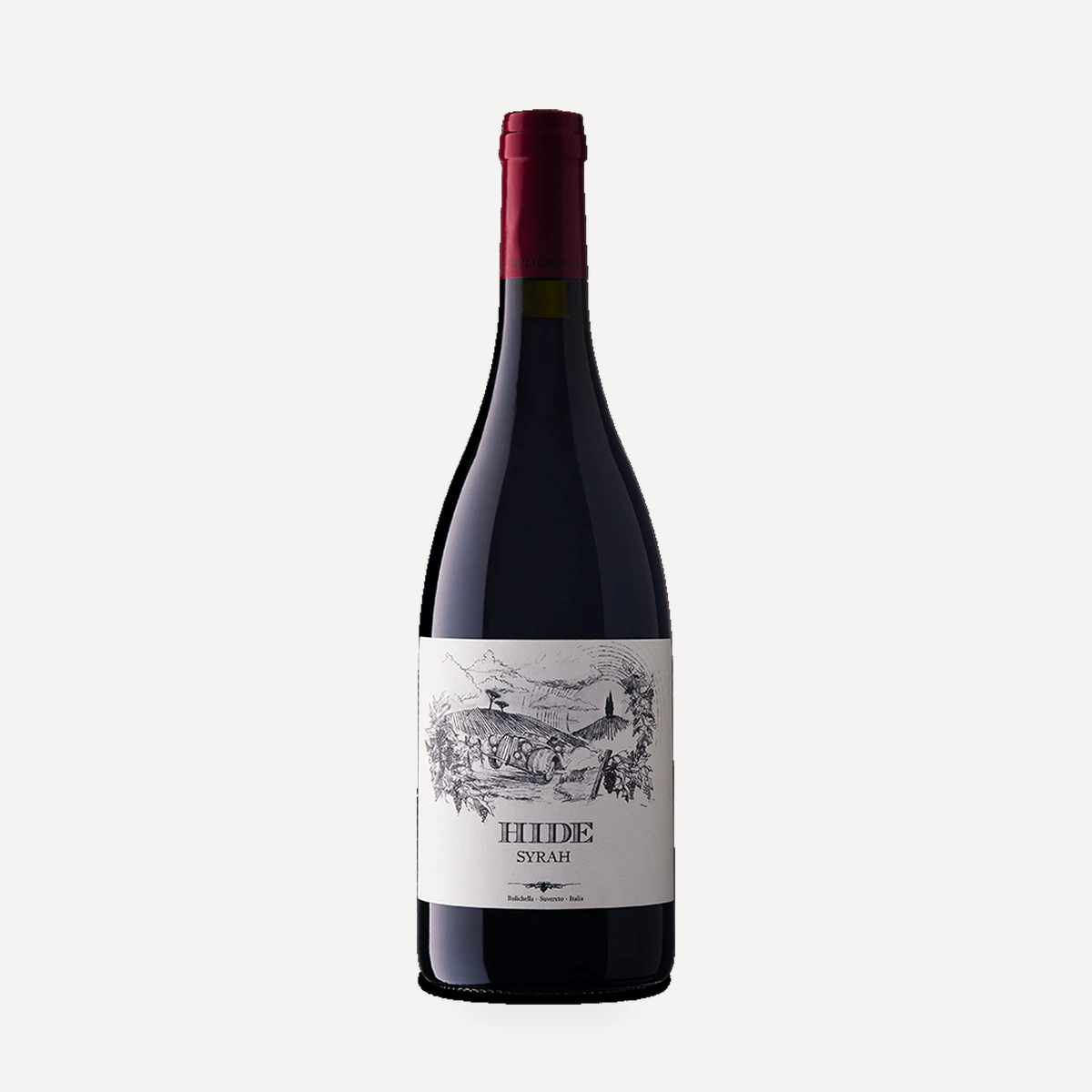
Hide
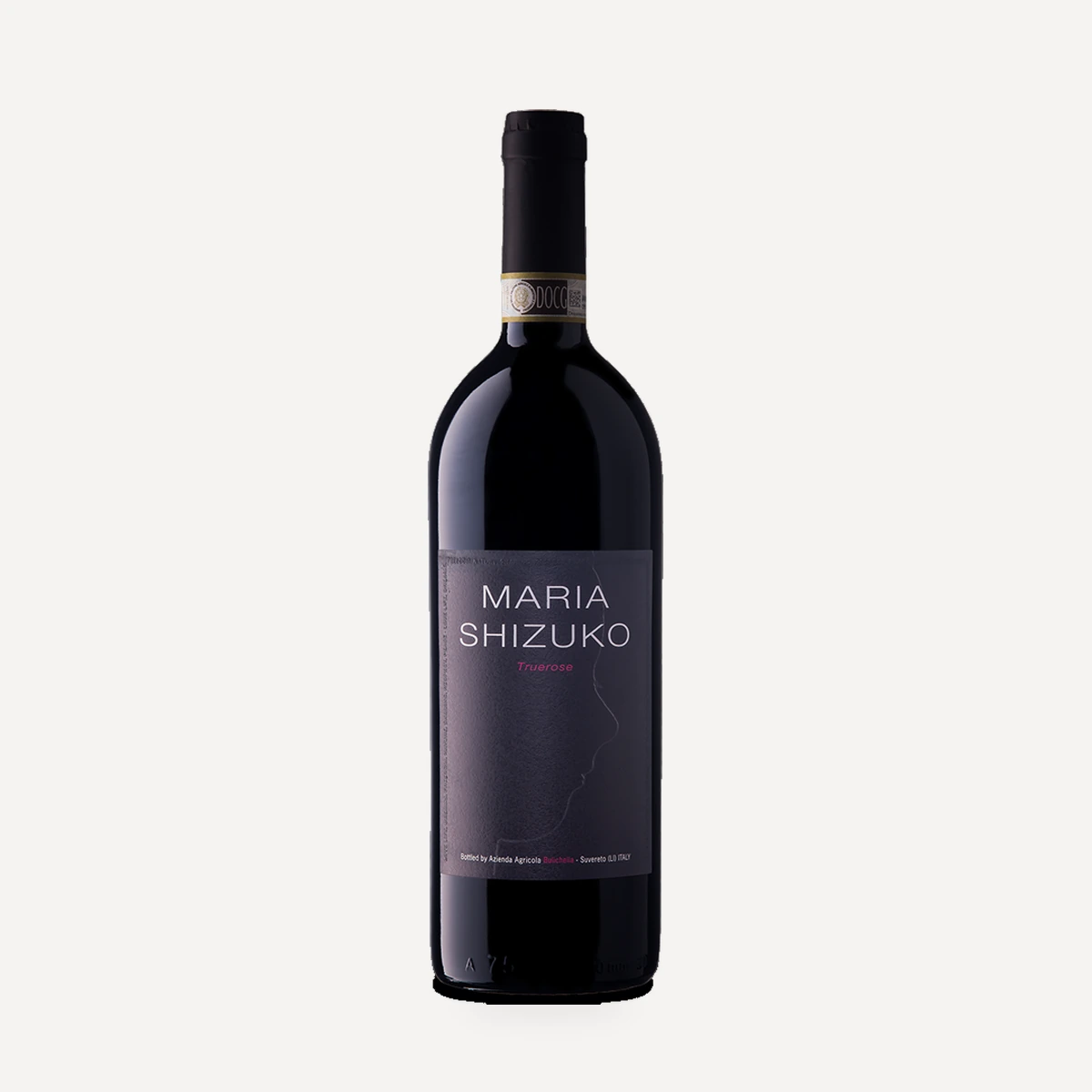
Maria Shizuko
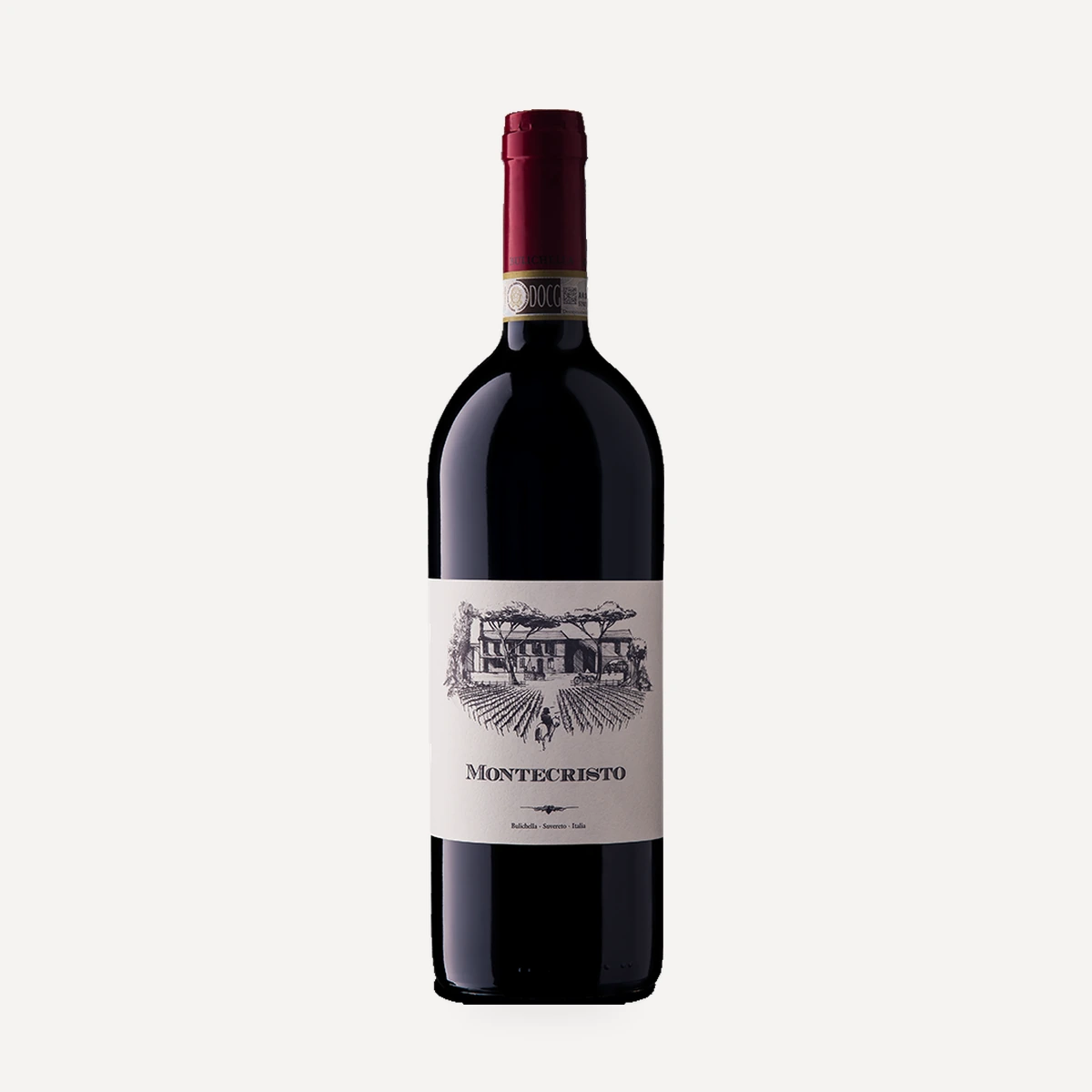
Montecristo
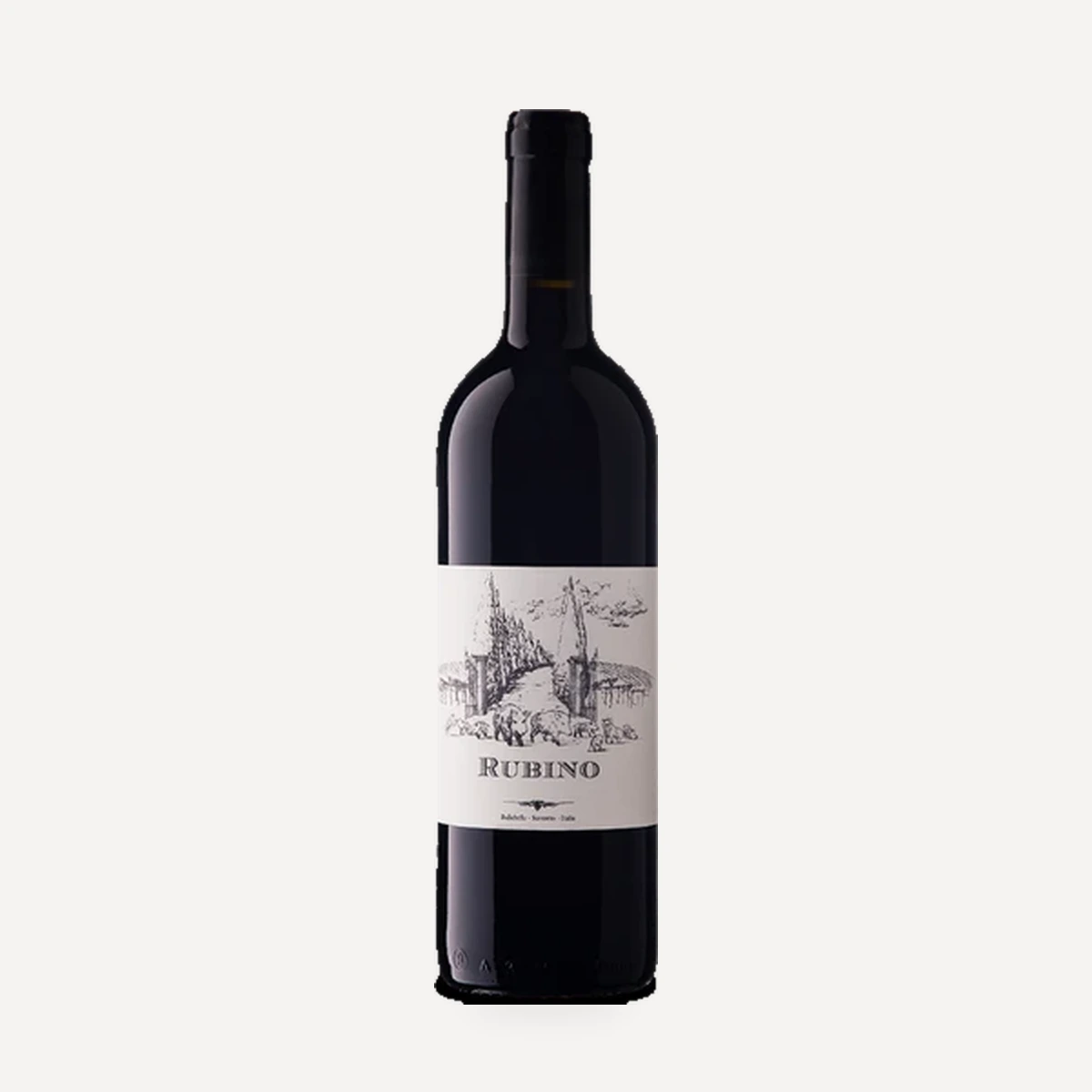
Rubino
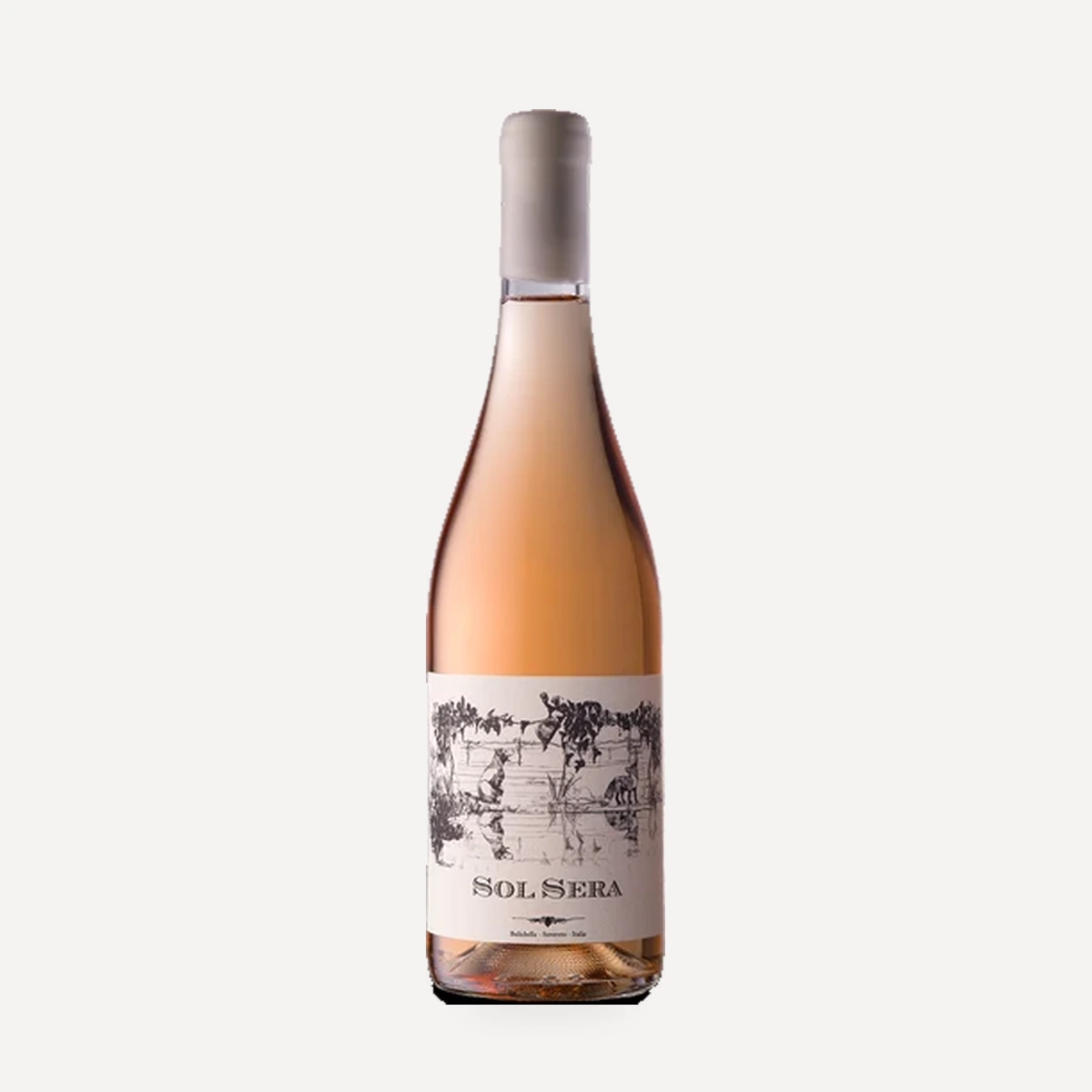
Sol Sera
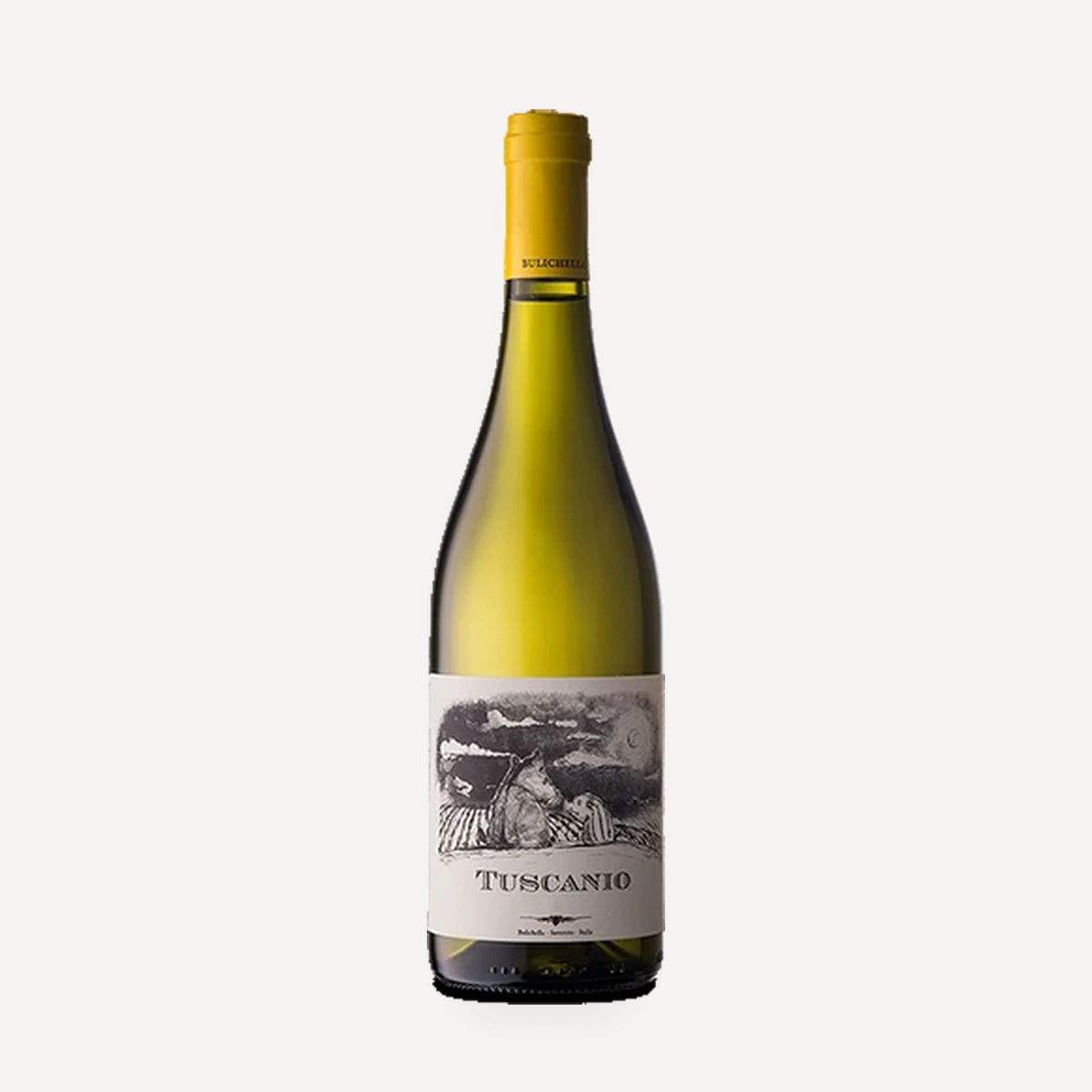
Tuscanio