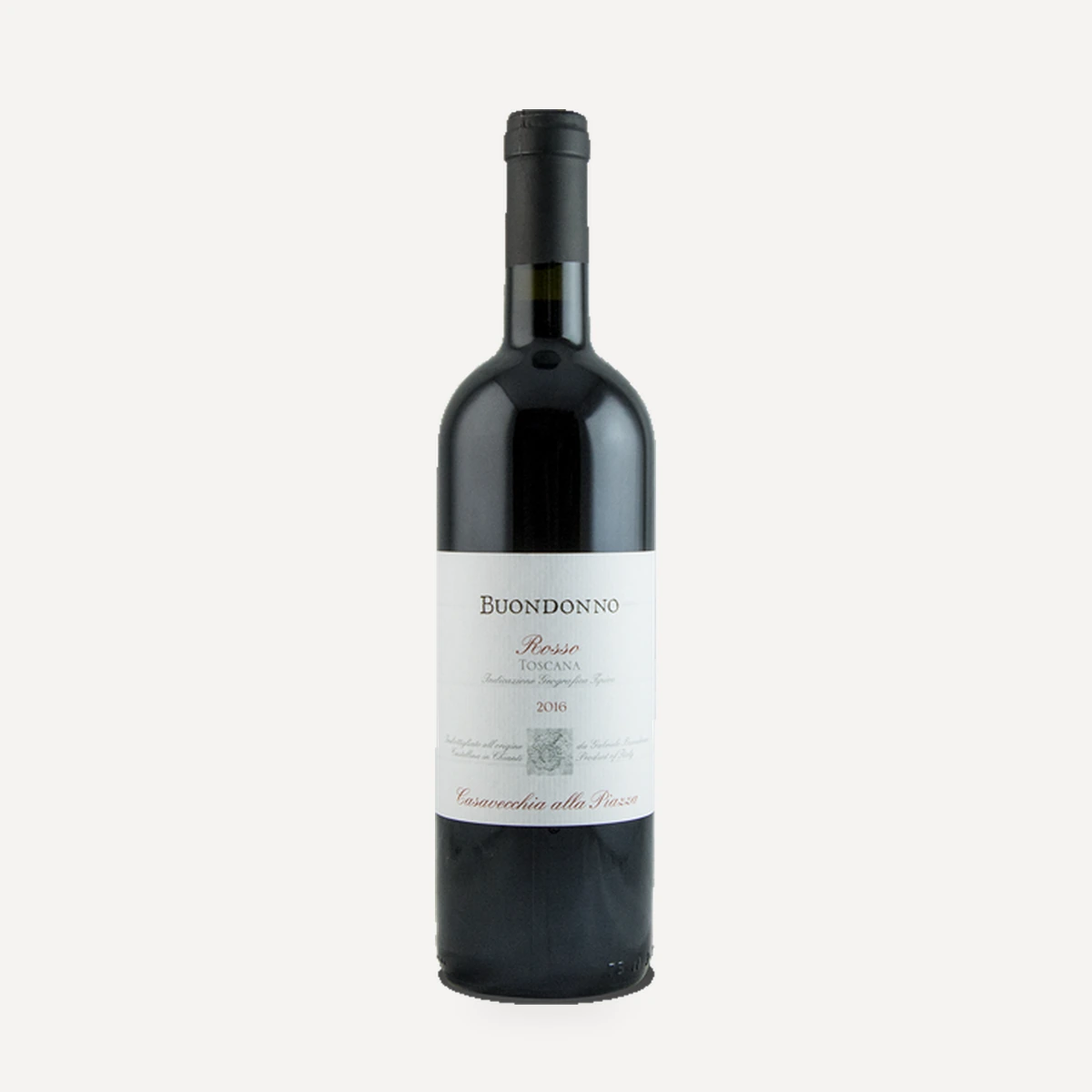
Storia
The historic farmstead
The estate is centred on the ancient Casavecchia farmstead, whose origins date to the 12th century. Its later historical name was Casino di Buonarroti. On a 1549 map prepared by the Captains of the Guelph Party, the property is clearly marked as the “place of Lionardo Buonarroti,” Michelangelo Buonarroti’s nephew.
Surviving correspondence between Michelangelo—then aged 74 and living in Rome—and Lionardo records that Michelangelo had purchased Casavecchia alla Piazza. The letters also testify to the reputation already enjoyed by the area’s wine: Michelangelo told his nephew that he would prefer two barrels of Trebbiano to eight shirts and intended to offer some of the wine to the Pope.
Several remnants of the estate’s older mixed-farming landscape survived later agricultural specialisation. These include maple-trained vines planted between the 1930s and the 1950s beside country roads and historic buildings. The rented Sicellino vineyard dates from the 1970s.
Establishment of Buondonno
In 1988, after completing their studies in their native Naples, Gabriele Buondonno and his wife searched for a place where they could establish an agricultural project. They found and purchased Casavecchia alla Piazza, then in a semi-abandoned condition, together with two hectares of old vineyards. Gabriele, who had studied agriculture, became particularly committed to viticulture and built the present estate from that initial holding.
The first vinification took place in 1989 in an improvised cellar equipped with very little machinery. Organic farming was adopted from the beginning. In the same year, Buondonno joined the Coordinamento Toscano Produttori Biologici as member no. 17, placing it among the early participants in one of Italy’s first associations of organic producers.
Vineyard renewal and collaboration
Beginning in 1992, a substantial proportion of the older vineyards was progressively renewed. The estate selected low-yielding Sangiovese clones producing small berries and consequently a higher ratio of skin to must. New varieties—including Syrah, Merlot and Cabernet Franc—were also introduced. Campo ai Ciliegi, a small Syrah vineyard edged by wild cherry trees, was planted in 1992. A few rows of Cabernet Franc were planted in the Vigna di sotto at Casavecchia in 1999.
In 1995, Buondonno joined small organic estates from Tuscany and Piedmont in founding Trimillii—Amici viticoltori di Piemonte e Toscana. The association later became a consortium, enabling its members to participate in trade exhibitions and fairs and to experiment with new forms of cooperation and promotion. This activity continued until 2013.
Diversification and the next generation
In autumn 2015, Marta Buondonno founded L’Apicorno as a sustainable agricultural activity complementary to viticulture. It began with approximately ten beehives and four Chamois-coloured goats. The project subsequently expanded into a herd of about 50 Alpine Chamois goats, an on-farm dairy, honey production and a farm campsite.
In 2016, Buondonno and other environmentally engaged Chianti producers and operators established the Biodistretto del Chianti. Its purpose is to advance organic agriculture and other practices intended to protect the land and environment.
The estate remains a family project. Errico Buondonno returned after studying economic development and international cooperation and completing a master’s degree in viticulture at the Sant’Anna School in Pisa. He now works in wine production and estate management, continuing the path begun by Gabriele. Marta oversees L’Apicorno’s livestock, cheese, honey and hospitality activities. Although the property and its activities have expanded since the makeshift 1989 cellar, organic farming, spontaneous fermentation, simplicity and minimal intervention remain central to its direction.
Terroir
Buondonno occupies the Casavecchia alla Piazza farm between the medieval villages of Sicelle and La Piazza, straddling the provinces of Siena and Florence. The principal vineyards surround the old Casavecchia farmstead at an average elevation of about 425 metres, while identified vineyard sites extend from approximately 400 to 450 metres above sea level.
The farmstead occupies the sunny southern and south-eastern side of a hill. Vineyards and olive groves occupy both the slopes and old terraces that climb the ridge toward a cypress grove at 500 metres. Beyond woodland on the north-facing descent are newer vineyards and centuries-old olive groves. Farther north, vines give way to pastures and woods used by the goat herd. The property also looks toward the Conca d’Oro di Panzano.
Most Casavecchia vineyards face south, south-east or east. Near Sicelle, at approximately 400 metres, there is a small north-east-facing vineyard. Sicellino is also north-east-facing, while younger Sangiovese vines occupy the northern slope. Other declared vineyard exposures include north-west.
The vineyard soils derive from a consolidated mineral substrate of silty clay schist known as galestro, marly limestone known as alberese, and calcareous sandstone known as pietraforte. They are moderately deep, very calcareous clay-loams with abundant stones. This coarse mineral fraction provides effective drainage. Individual sites repeat the same clay-calcareous and stony pattern, with Vigna di sotto particularly rich in galestro.
Vinificazione
Organic agriculture has guided the estate since its first vinification in 1989. That year Buondonno became member no. 17 of the Coordinamento Toscano Produttori Biologici, one of Italy’s early organic-producer associations. The estate also displays the EU organic-farming mark and identifies itself with the Vignaioli Indipendenti.
The objective is to disturb the natural environment as little as possible. Machinery and modern technology are used where necessary, but their role is deliberately limited. Soil cultivation is minimal: light harrowing is performed in alternating rows, while half of the rows remain permanently grassed. A shallow under-vine cultivation controls competition from vegetation immediately around each vine.
Green-manure mixtures are frequently sown in alternate rows to increase both soil organic matter and porosity. Fertilisation and plant-protection treatments rely on natural products permitted by EC Regulation 834/2007 for organic agriculture. Small quantities of estate compost are produced from grape pomace and goat manure and applied particularly to younger vineyards and the household vegetable garden.
A substantial renewal of older vineyards began in 1992. Sangiovese clones were chosen for low yields and small berries, improving the ratio of skin to must. The renewal also introduced Syrah, Merlot and Cabernet Franc while retaining old mixed plantings and rare maple-trained rows where they had survived.
Harvesting is exclusively manual. The wider farm supports biodiversity through its mosaic of vineyards, old olive groves, permanent grass, woodland and pasture. Approximately 50 Alpine Chamois goats graze the estate for much of the year in a semi-free-range system, and goat manure contributes to the compost used in young vineyards.
The cellar follows a simple, minimally interventionist approach established with the first, sparsely equipped vinification in 1989. Grapes are harvested entirely by hand and brought to the winery. Must ferments naturally and spontaneously in cement and steel tanks.
After alcoholic fermentation, the wines rest in tanks located outside before being transferred to the ageing cellar. Ageing takes place in large wooden casks for periods ranging from one to three years. The governing principles are spontaneous fermentation, limited manipulation and preservation of the character of the organically farmed fruit and individual growing season.
Filosofia
Buondonno defines respect for the land and simplicity as values shared by farming and daily life. Its approach follows natural rhythms and rural traditions while accepting that selected modern machinery and technology remain necessary. Their use is restricted wherever practical in favour of sustainable agronomic work rooted in organic farming.
Organic agriculture is understood as a way of moving lightly through the natural environment and altering its balance as little as possible. This principle extends beyond vineyards to grassed rows, green manure, estate compost, old olive groves, pasture, woodland, goats and beehives.
In the cellar, simplicity takes the form of spontaneous fermentation and minimal intervention. Vineyard renewal combines continuity and adaptation: low-yielding Sangiovese selections and surviving historic mixed rows coexist with Syrah, Merlot and Cabernet Franc introduced from 1992 onward. The family’s broader agricultural philosophy also supports diversified farming, raw-milk cheese, honey and nature-based hospitality rather than viticulture as an isolated monoculture.
Vini
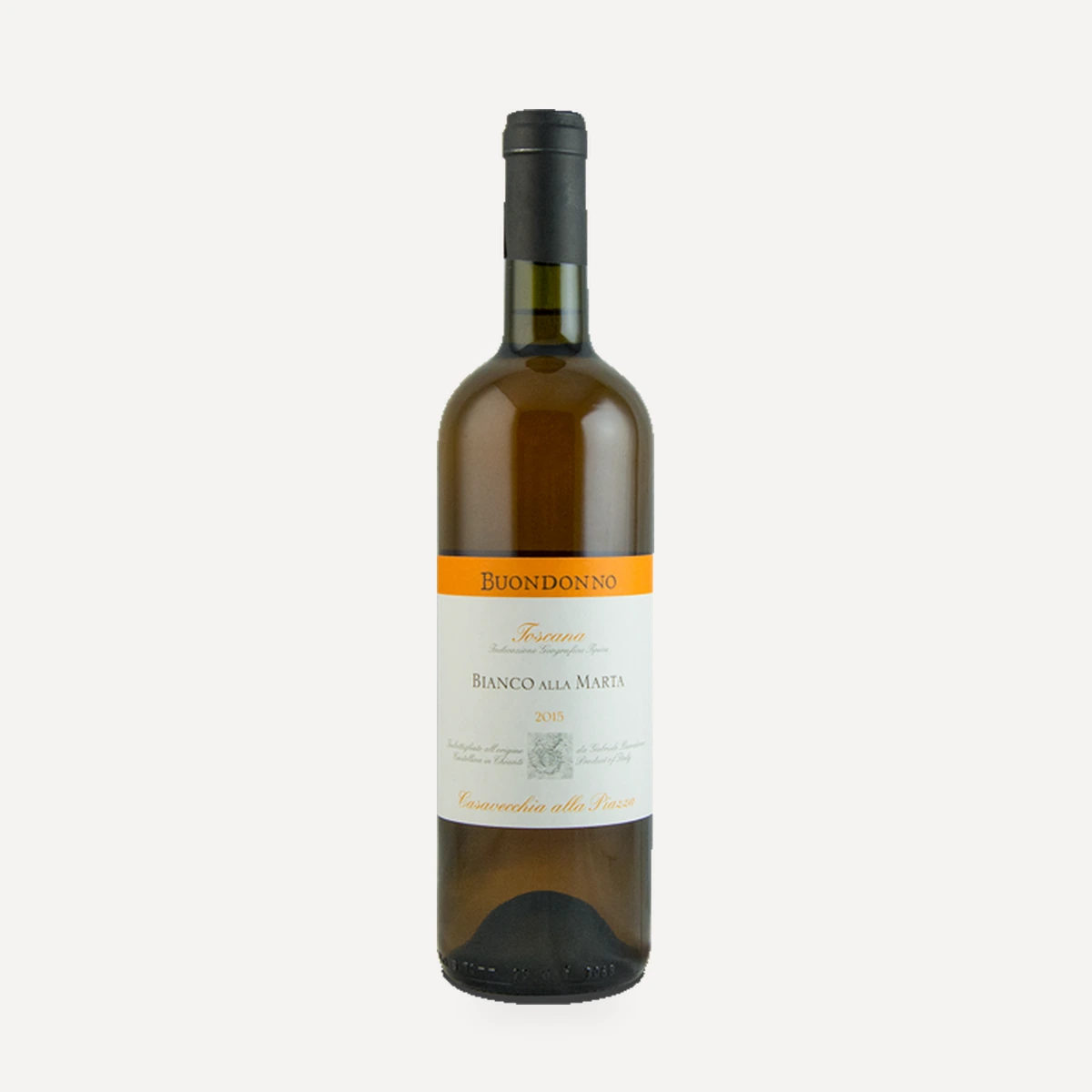
Bianco alla Marta
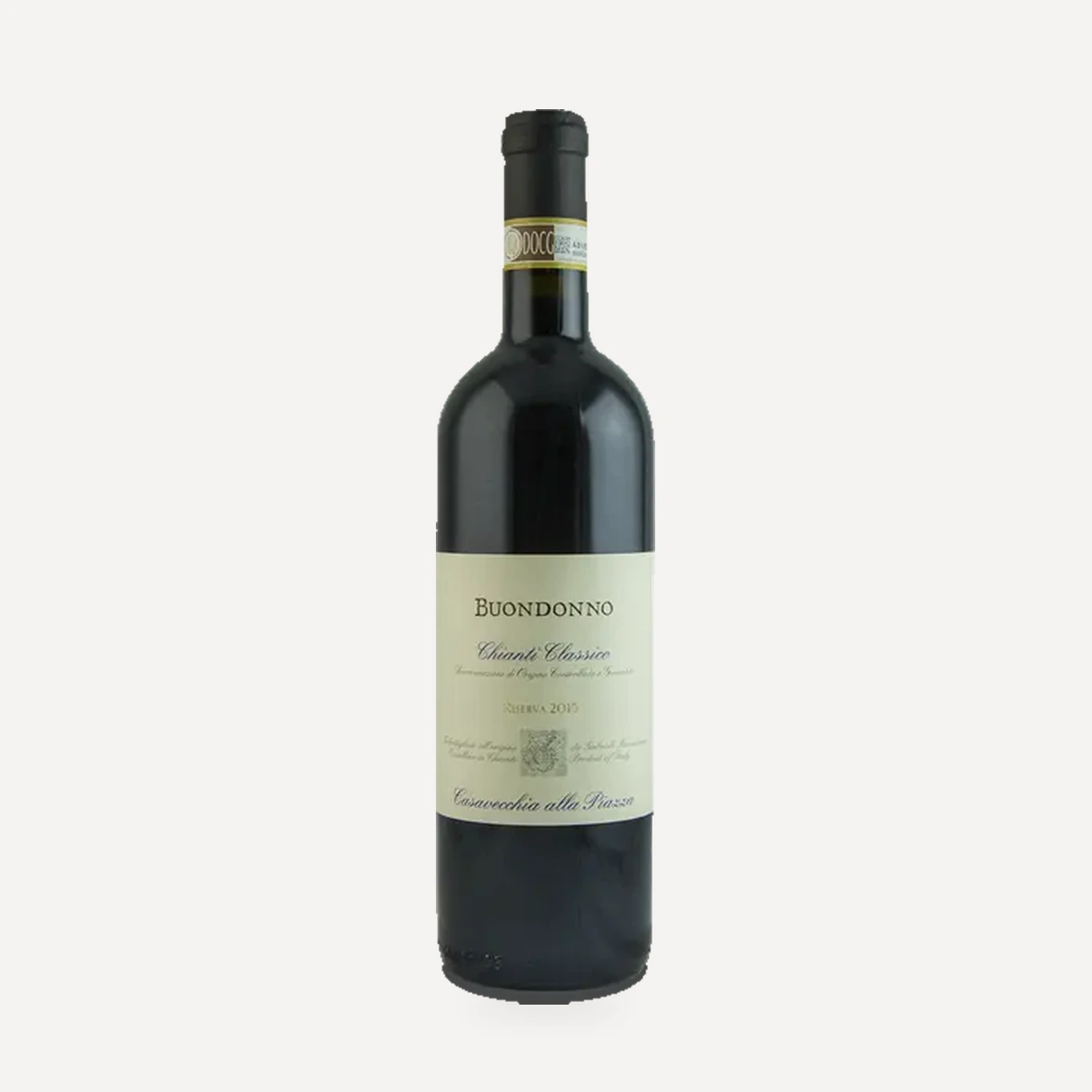
Chianti Classico Riserva
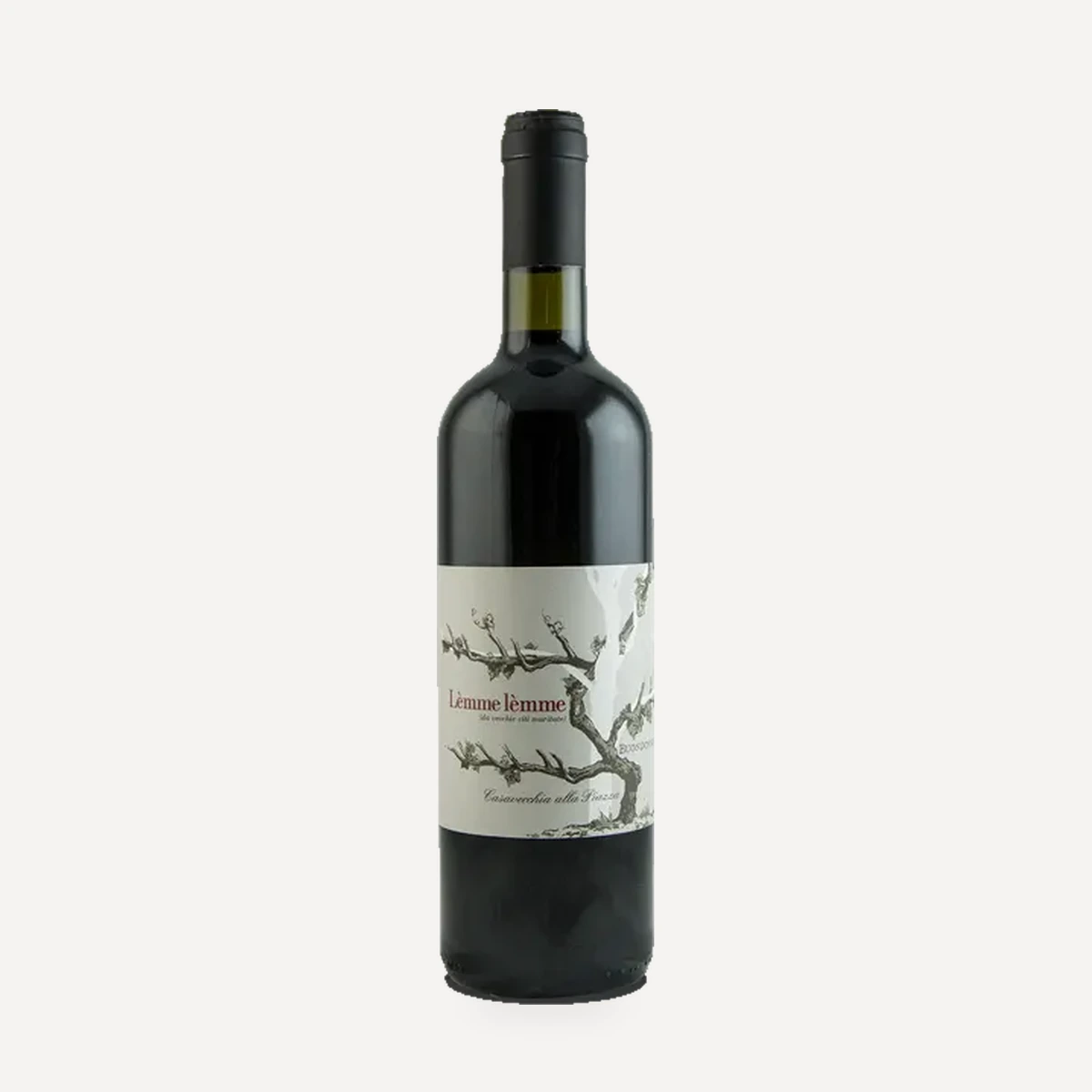
Lemme Lemme
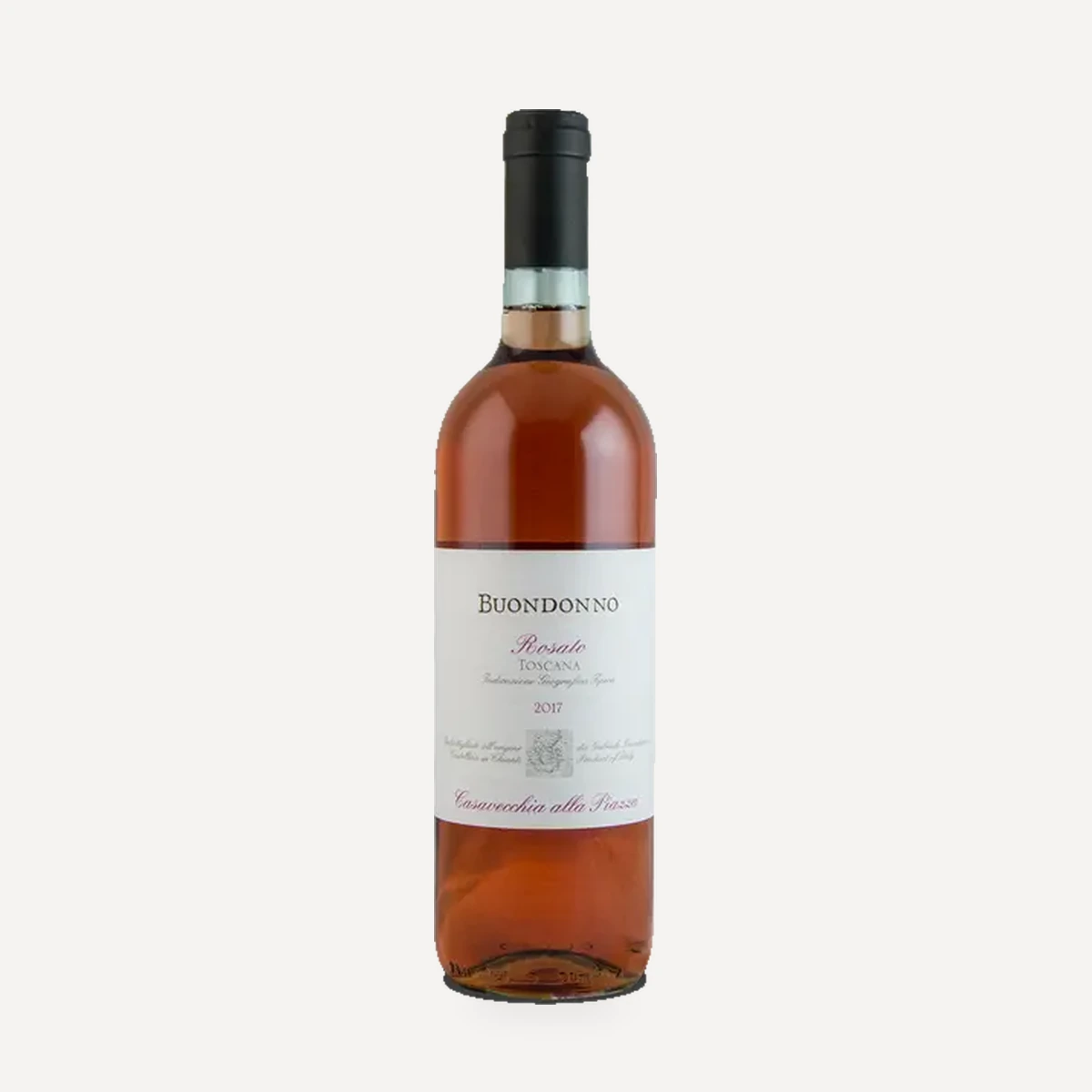
Rosato Toscana