Storia
From Turin to the wine hills
Alessandro Varagnolo’s path began in Turin. His early professional career was in the events industry, where relationships with restaurateurs and wine producers brought him into increasingly close contact with the Langhe and Monferrato.
A decisive personal influence was his grandfather, whom Varagnolo regarded as a father figure. At a family celebration, his grandfather gave him a glass of Moscato and asked him to remember the taste of his heritage. After his grandfather’s death, Varagnolo’s visits to the Langhe and Monferrato became more frequent, and his interest in wine deepened despite the prospects of an international career.
Training and the family project
Varagnolo qualified as a sommelier and became a Langhe Wine Ambassador through courses at the Barolo & Barbaresco Academy. Encouragement from local producers helped turn his interest into a plan for a family wine-and-hospitality business. For him, wine became a means of preserving and communicating stories, memories and emotion.
Two estates
The project operates between two Piedmontese wine landscapes. Tenuta Valdivilla, in Santo Stefano Belbo, lies within the Moscato d’Asti territory. Its historic winery is dedicated to Moscato production, and its six hectares of vineyards surround a five-room Wine Country House.
Tenuta La Cova stands among the hills of Calamandrana in Alto Monferrato, midway between Nizza Monferrato and Canelli. Its principal building is a refined 17th-century farmhouse. The estate accommodates the headquarters and the newer winery as well as a Wine Country House.
Cultural landscape and long-established vineyards
Valdivilla and Calamandrana form part of the Langhe-Roero and Monferrato vineyard landscape, recognized as a UNESCO World Heritage site in 2014. The estate works with mature vineyards, including Moscato vines approximately 70 years old at Valdivilla. Its Vigna Vecchia project preserves an unusual maturation practice: a small quantity of bottles remains for 60 months in sand-filled crates under dark, humid, isolated and motionless conditions.
Environmental and social commitments
The vineyards and wines have obtained SQNPI certification under Italy’s National Integrated Production Quality System. Integrated pest management, restorative agricultural practices and a gradual move toward organic conversion define the current farming direction.
The Fabè initiative added a social dimension to the project. A portion of the revenue associated with Barbera Fabè financed the construction of the Fabio Costantino Medical Center in Glei, Togo. The center serves a surrounding population of more than 100,000 people who otherwise face journeys exceeding three hours to reach another regional medical facility. Support has continued through assistance with medical staff, medicines, equipment and basic infrastructure, including a completed water well.
Terroir
Langhe and Monferrato
Ca' D'Gal operates between the hills of the Langhe and Monferrato in Piedmont. Tenuta Valdivilla is in Santo Stefano Belbo within Moscato d’Asti territory. Tenuta La Cova lies in Alto Monferrato at Calamandrana, midway between Nizza Monferrato and Canelli.
Soils
The vineyards are associated with light, well-drained calcareous marls rich in sand and limestone, commonly described as white soils. Sand is linked with aromatic intensity and finesse, while limestone contributes structure and ageing capacity. The individual vineyard specifications identify white marls and blue clays at both Valdivilla and Calamandrana.
Climate and microclimates
The continental climate brings hot summers and cold winters, with the Alps moderating temperature extremes. Marked differences between daytime and nighttime temperatures support aromatic development. Variations in microclimate and exposure create different expressions across the vineyards; sunlight assists ripening while preserving natural acidity.
Elevation, exposure and vine age
The documented Valdivilla vineyards stand at approximately 400 m above sea level, with north, north-east and south-east exposures. Moscato vines range from about 20 to 70 years old. The Calamandrana vineyards are around 250 m above sea level and include north-east and south-west exposures, with documented vine ages from 15 to 35 years.
The oldest vines have established deep root systems capable of reaching minerals and nutrients below the surface. Their age is associated with greater concentration, complexity and depth.
Vinificazione
Restorative approach
The farming program is framed around restoring soil health, biodiversity and ecosystem balance. Named practices include crop rotation, cover cropping and reduced tillage. The intended effects are the recovery of natural soil fertility, better water retention, reduced erosion and more resilient ecosystems. The broader approach connects agricultural work with natural cycles and draws on agroforestry and traditional agricultural knowledge.
Integrated production
The vineyards and wines are certified under SQNPI, Italy’s National Integrated Production Quality System. Vineyard protection follows integrated pest-management principles and uses limited pesticide applications described as low-impact for soil, people and beneficial insects. Pest antagonists and sexual-confusion techniques are also employed.
Organic transition
The farming program is progressively moving toward organic conversion, although it currently remains identified through SQNPI integrated production rather than an organic certification.
Training and harvest
The documented vineyards use classic Guyot training. Depending on the block, pruning retains between 6 and 10 buds. All documented harvests are manual. Picking dates range from the first ten days of September through early October, allowing the timing to follow grape variety, vineyard exposure, acidity and the desired level of ripeness.
Production is divided between two sites. Tenuta Valdivilla contains the historic winery dedicated to Moscato, while the 17th-century farmhouse at Tenuta La Cova in Calamandrana serves as the headquarters and houses the newer winery.
The most distinctive maturation practice concerns the small production of Vigna Vecchia. After bottling, the wine spends 60 months in crates filled with sand, protected by darkness, humidity, isolation and complete stillness. The method is intended to develop complexity, refinement and longevity while symbolically returning a wine rooted in white marl to the earth.
Across the documented production, grapes are harvested manually. The cellar specifications employ soft pressing for white and Moscato grapes, temperature-controlled stainless-steel vessels and, where required, carbon snow to protect the fruit during pressing. Selected yeasts and extended cold storage on the yeasts are used for the longer-aged Moscato expressions. Red-wine production includes destemming and crushing, temperature-controlled fermentation, an emerged-cap technique, punching down and pumping over.
Filosofia
Ca' D'Gal presents wine as a carrier of stories, memory and emotion. Alessandro Varagnolo’s personal connection to Moscato and family heritage informs a project that joins production, landscape and hospitality.
The stated ambition is to combine tradition with an avant-garde outlook: improving vinification while building a wine-tourism destination in which the land, wine and visitor experience remain closely connected. Care and responsibility extend beyond the cellar to environmental choices, production policy and social action.
Restorative agriculture expresses the environmental side of this philosophy. Its goal is broader than producing a crop: the land should be regenerated, biodiversity strengthened and farming aligned with the natural cycles of the ecosystem. SQNPI-certified integrated production and the gradual approach to organic conversion provide the practical framework.
Vigna Vecchia embodies the relationship between innovation and inherited practice. Old Moscato vines rooted in white marl supply a wine that returns symbolically to the earth during 60 months of bottle maturation in sand. The Fabè initiative extends the same sense of responsibility beyond the estates by directing part of its revenue toward medical care and infrastructure in Glei, Togo.
Vini
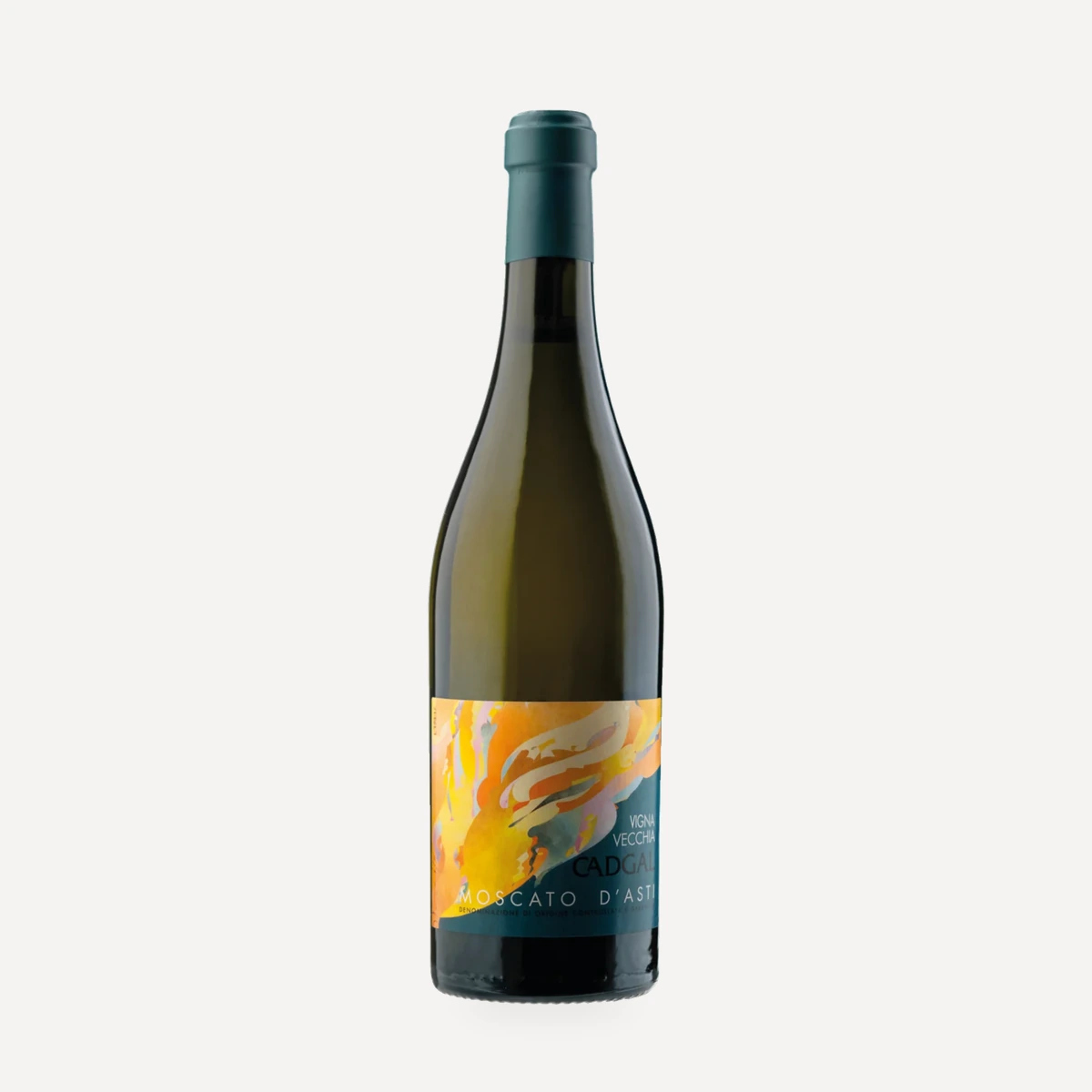
Moscato d'Asti DOCG Vigna Vecchia
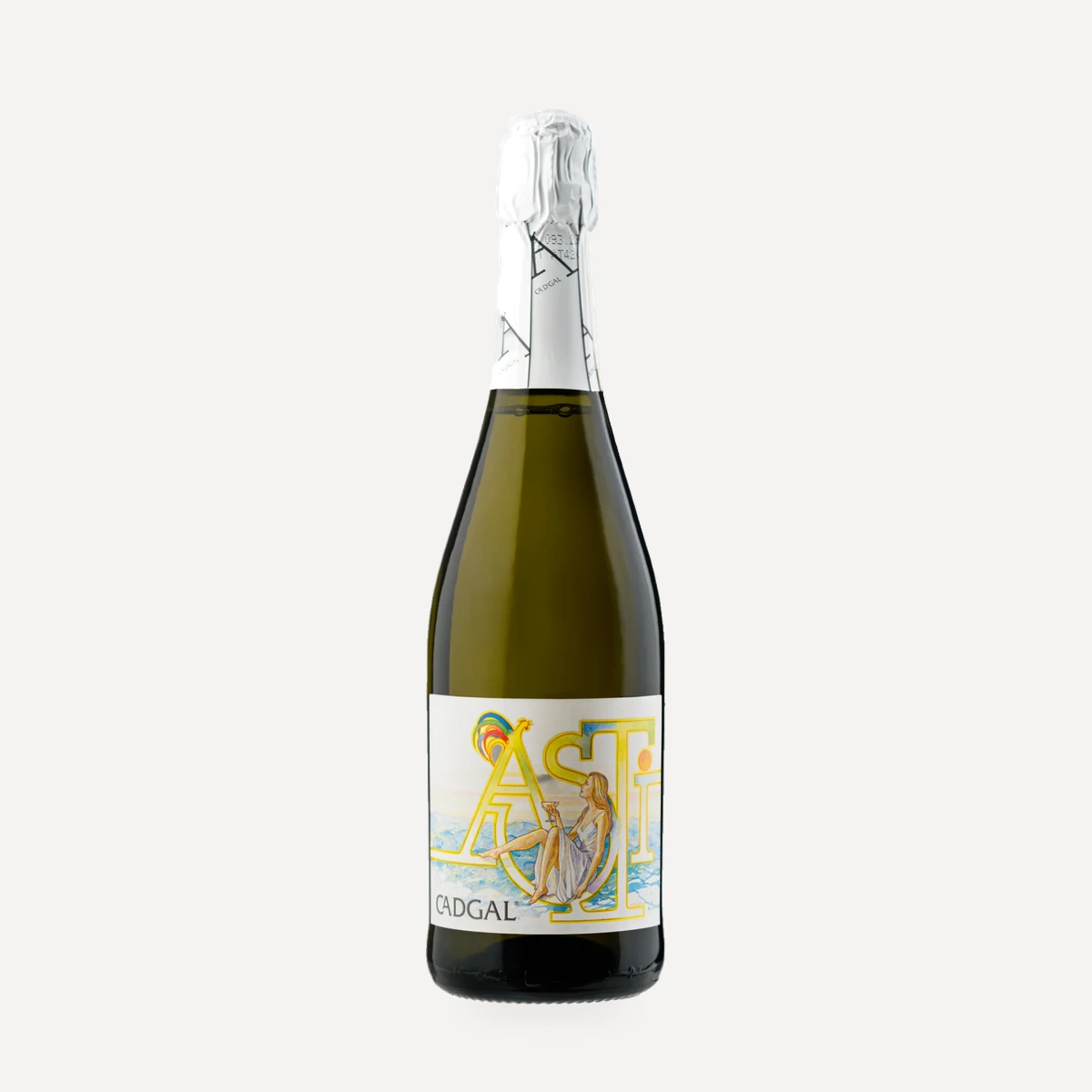
Asti Spumante DOCG Asti
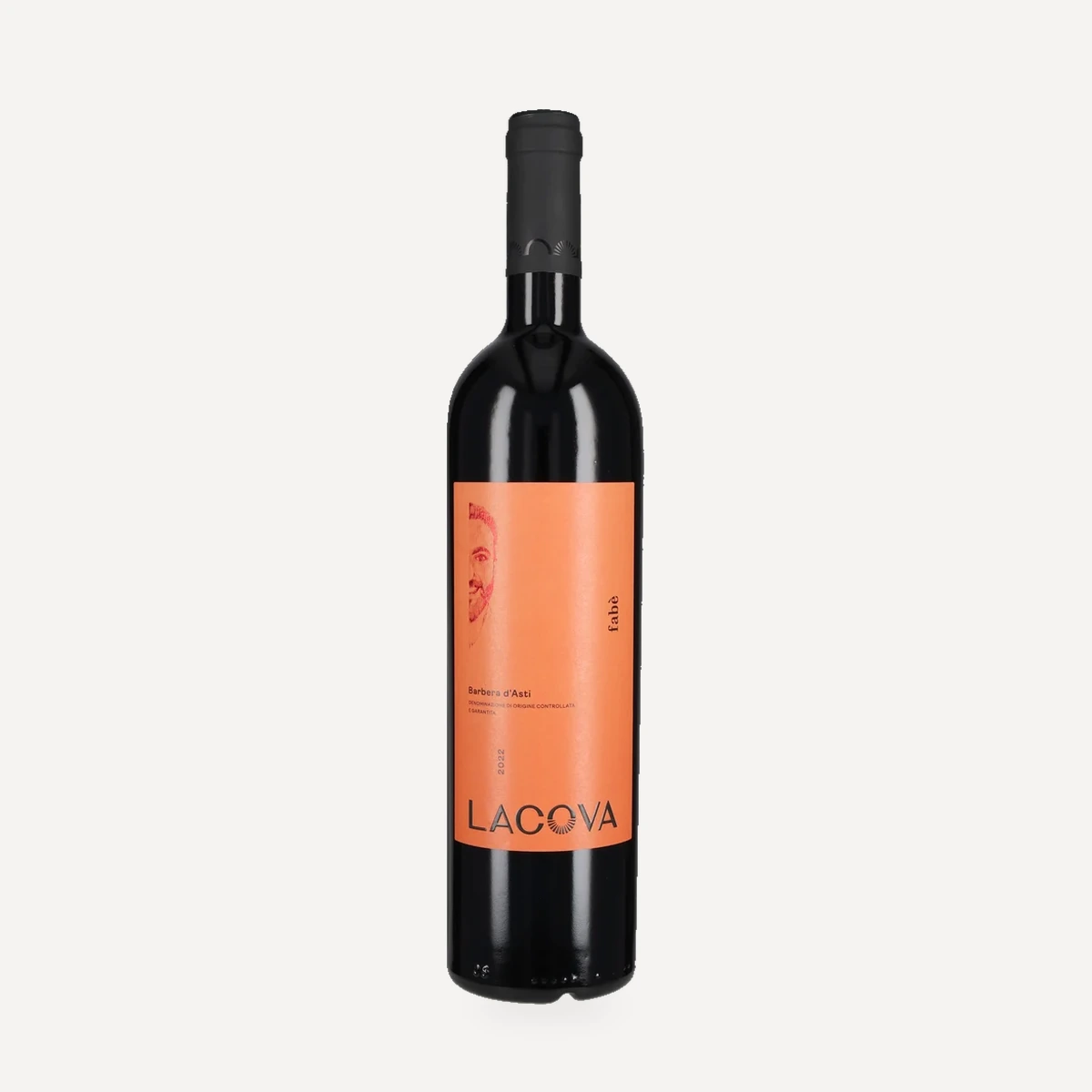
Barbera d'Asti DOCG Fabè
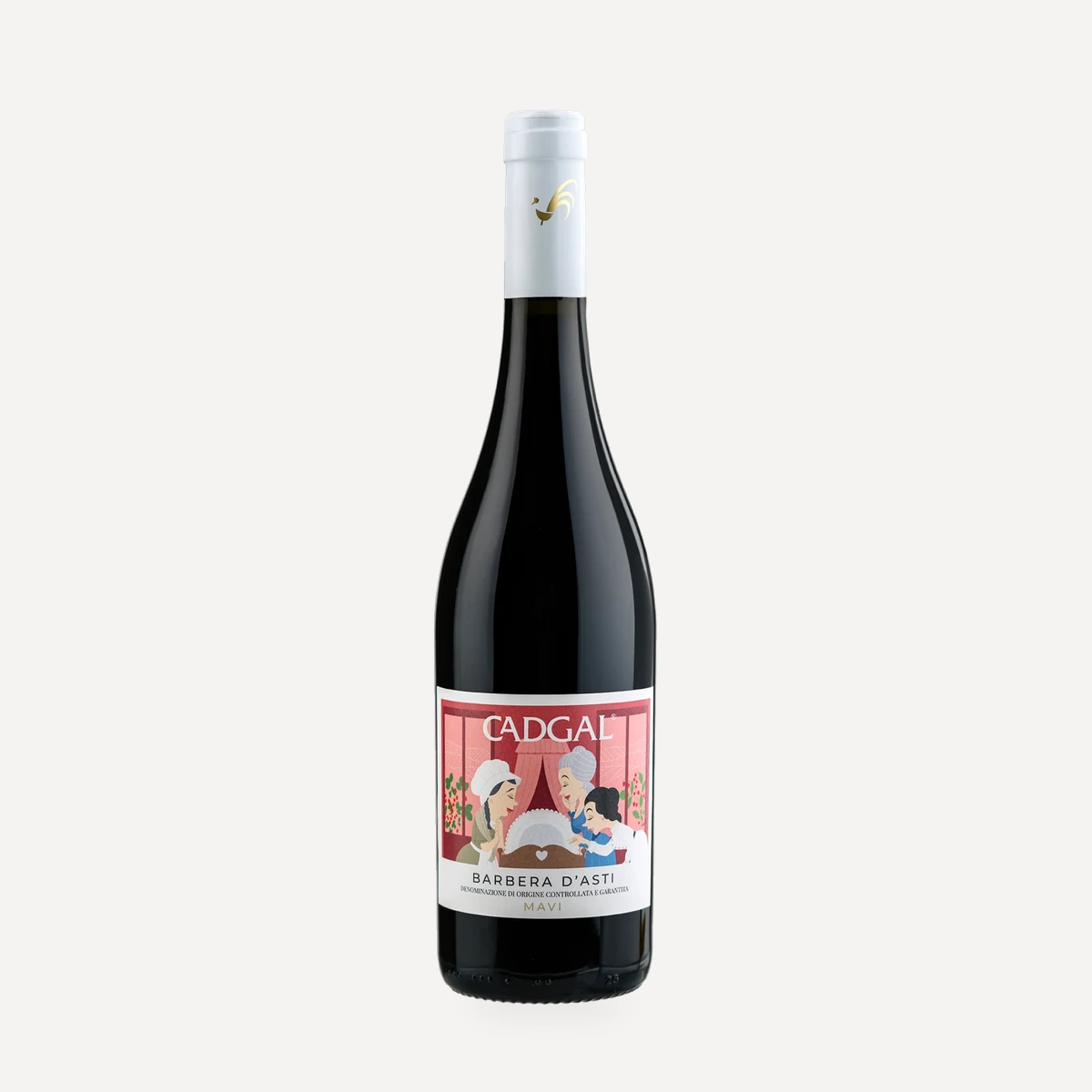
Barbera d'Asti DOCG Mavi
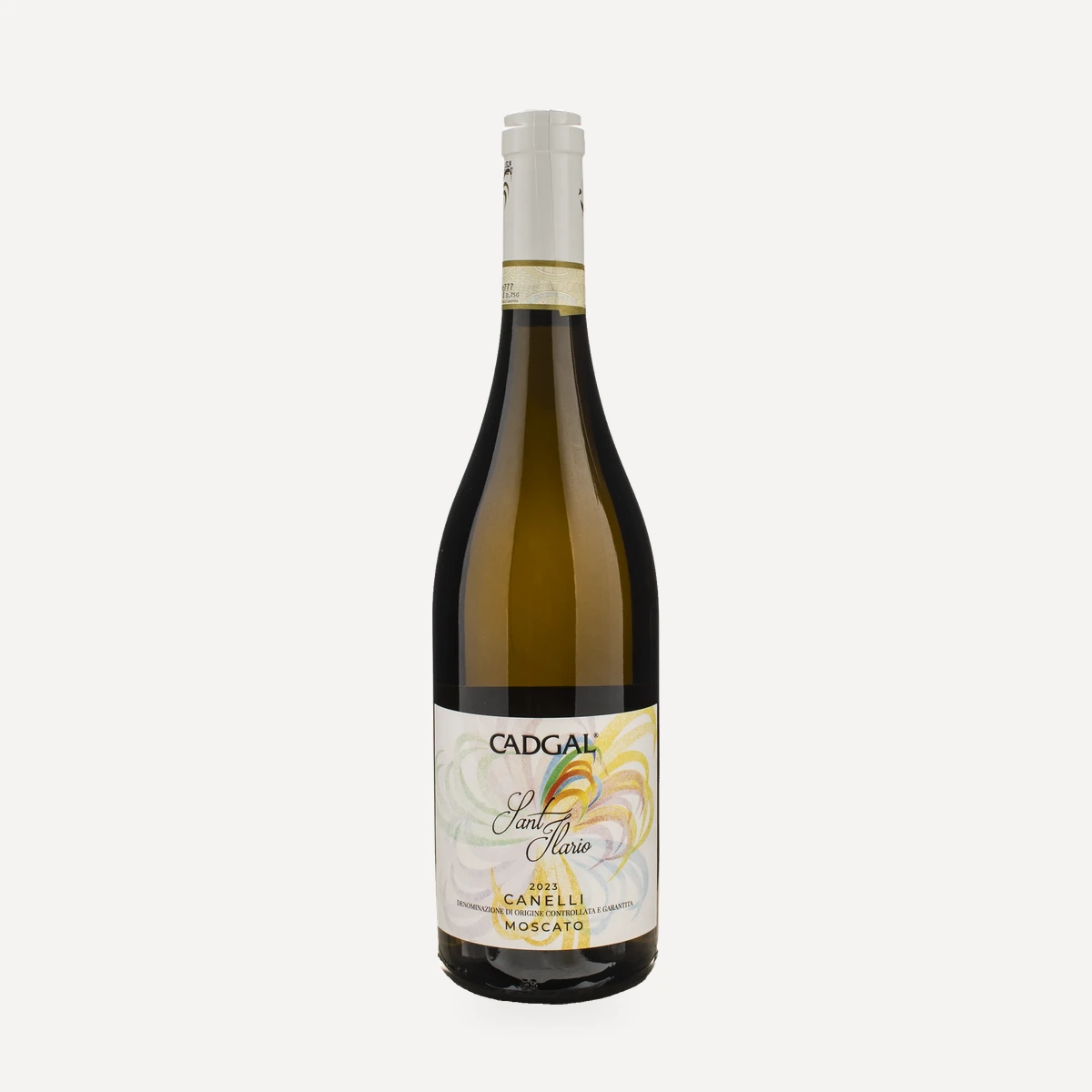
Canelli DOCG Sant'Ilario
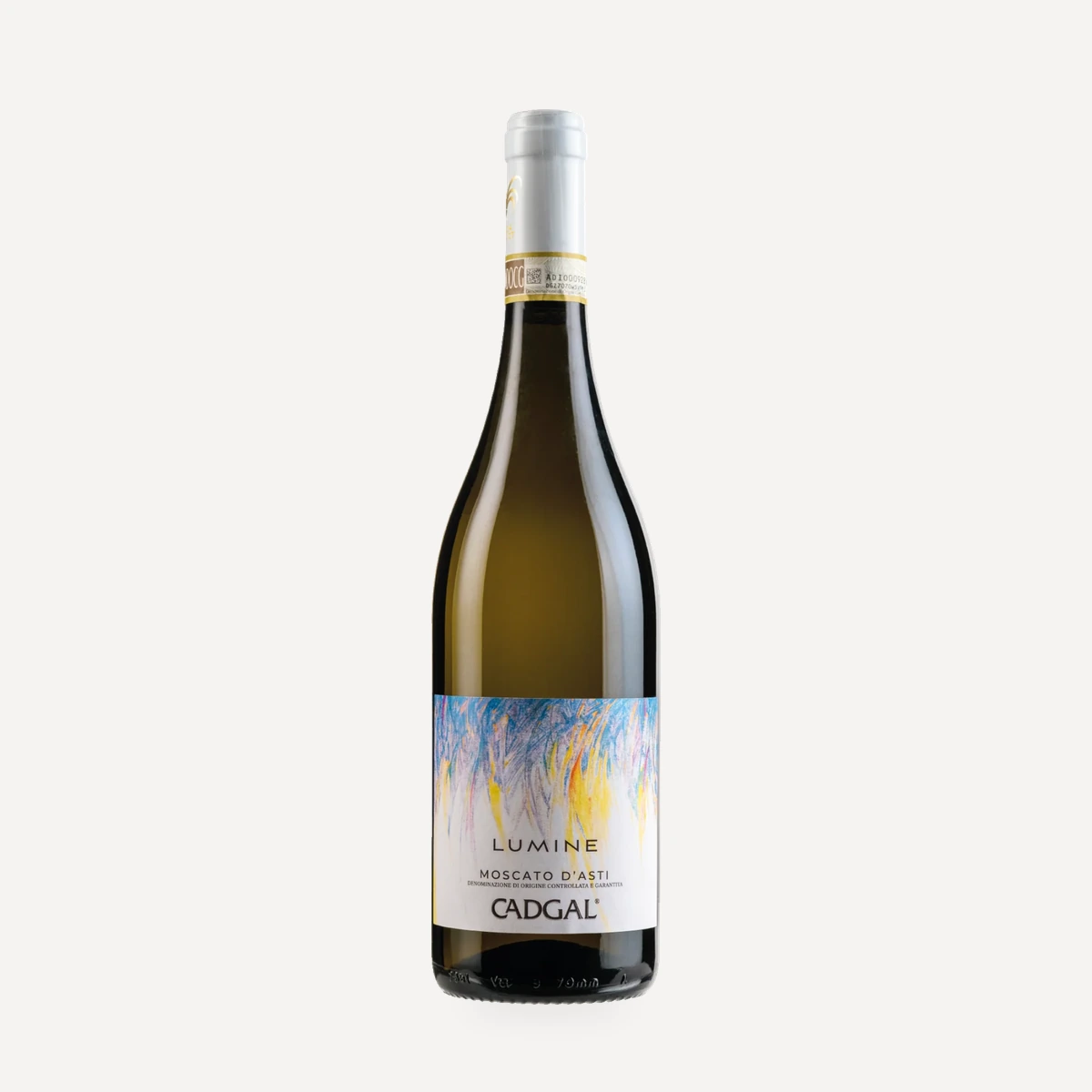
Moscato d'Asti DOCG Lumine
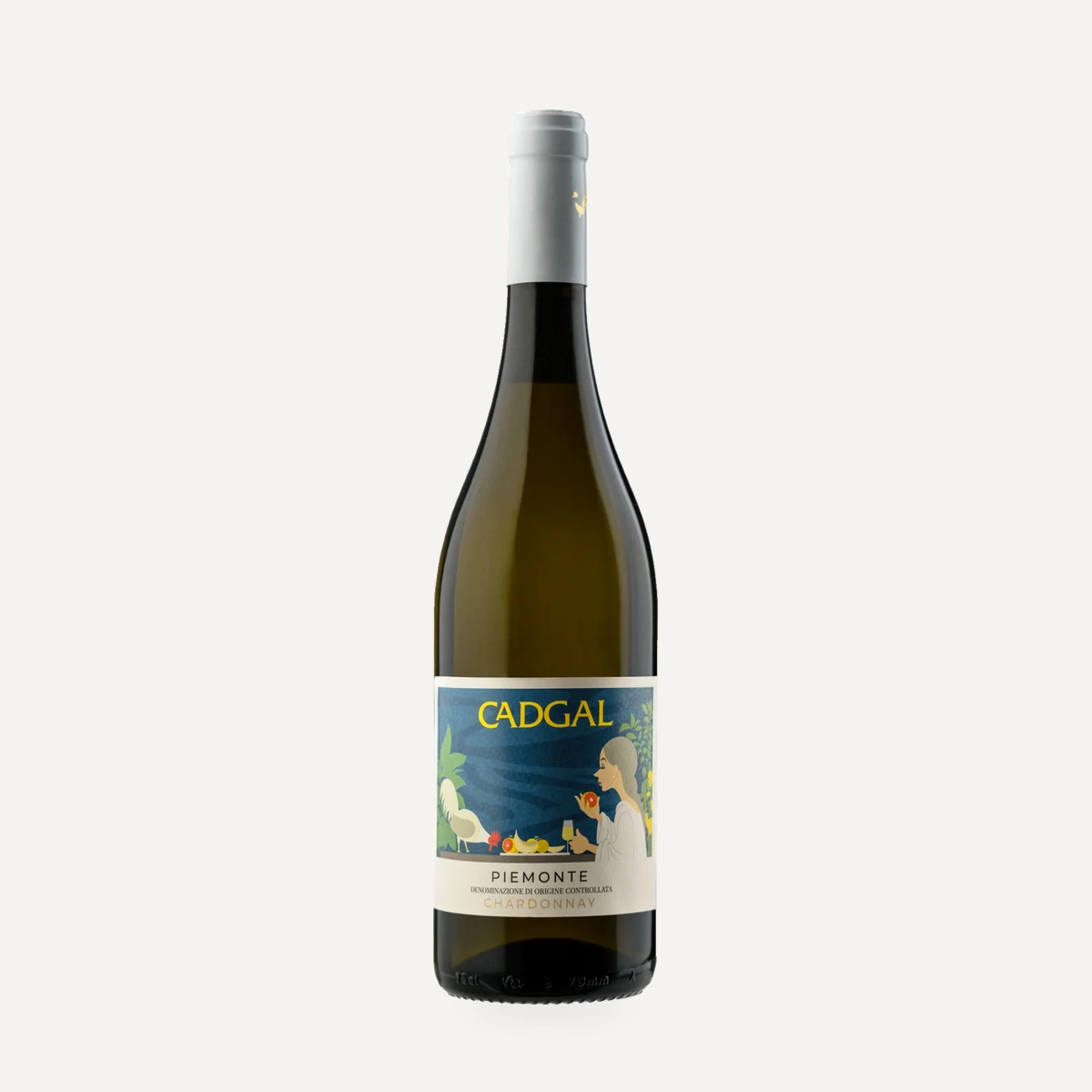
Piemonte DOC Chardonnay