Storia
Cascina Maiolo
The estate's historical nucleus is Cascina Maiolo, a farmstead and manor house dating from 1710. The memory of its founder, notary Sebastiano Maiolo, is preserved in an inscription on the keystone above the manor-house entrance. The historic building now accommodates Cà Maiol's commercial management and stands beside the modern showroom.
1967: Walter Contato and the creation of the estate
Walter Contato recognized the viticultural potential of the vineyards on Lake Garda's southern shore in 1967. Cascina Maiolo, its surrounding land and the area's distinctive microclimate inspired the creation of the agricultural estate that year. Contato's interest centered on the local grape behind Lugana and on the clay soils of glacial origin between the lakeshore and the morainic hills.
Contato worked with other growers to develop the territory and helped create the Consorzio per la Tutela del Lugana DOC. Cà Maiol consequently identifies itself as one of the pioneers of the denomination from 1967 onward.
Growth around Lake Garda
The estate expanded to 118 hectares under vine around Lake Garda. Its holdings now extend through two distinct areas: Lugana, south of the lake, and Valtènesi, on its western side. The estate developed a range encompassing Lugana, Valtènesi rosé and red wines, sparkling wines and a passito, while continuing to focus on Turbiana and the indigenous red varieties of the western lakeshore.
A secret recipe for the dosage used in the estate's traditional-method sparkling wine dates from 1990. The Cantariva project later developed into a vintage Metodo Classico made only in the best growing years and matured for an extended period on its lees.
2017: entry into a larger wine group
In 2017, Cà Maiol became part of the wine-estate portfolio of Santa Margherita Gruppo Vinicolo. The business is now Cà Maiol Srl – Società Agricola, with Herita Marzotto Wines SpA as its sole shareholder. Alessandro Marzotto serves as General Manager.
Vineyard and cellar renewal
A substantial investment program began with the agronomic approach. Vineyard techniques were developed to preserve the vines and nourish the soil without synthetic chemicals. Research also led to the establishment of a small experimental vineyard propagated through massal selections from old Turbiana vines. Its purpose is to conserve genetic material and explore ways of maintaining the territory's potential under climate change.
The winery was subsequently rebuilt around a three-level, gravity-fed design integrated into the landscape. The new arrangement follows the grapes' path from reception at ground level through destemming and pressing to parcel-by-parcel fermentation and maturation below. It introduced new Willmes presses, truncated-conical tanks and a central 2,000-hectolitre blending tank. The layout makes it possible to vinify individual vineyards separately and reduce mechanical stress on the fruit.
New expressions of the estate
Molin developed as the estate's single-vineyard Lugana DOC Superiore, based on a nearly contiguous 13-hectare vineyard beside the winery. Some of its parcels contain vines averaging about 40 years of age.
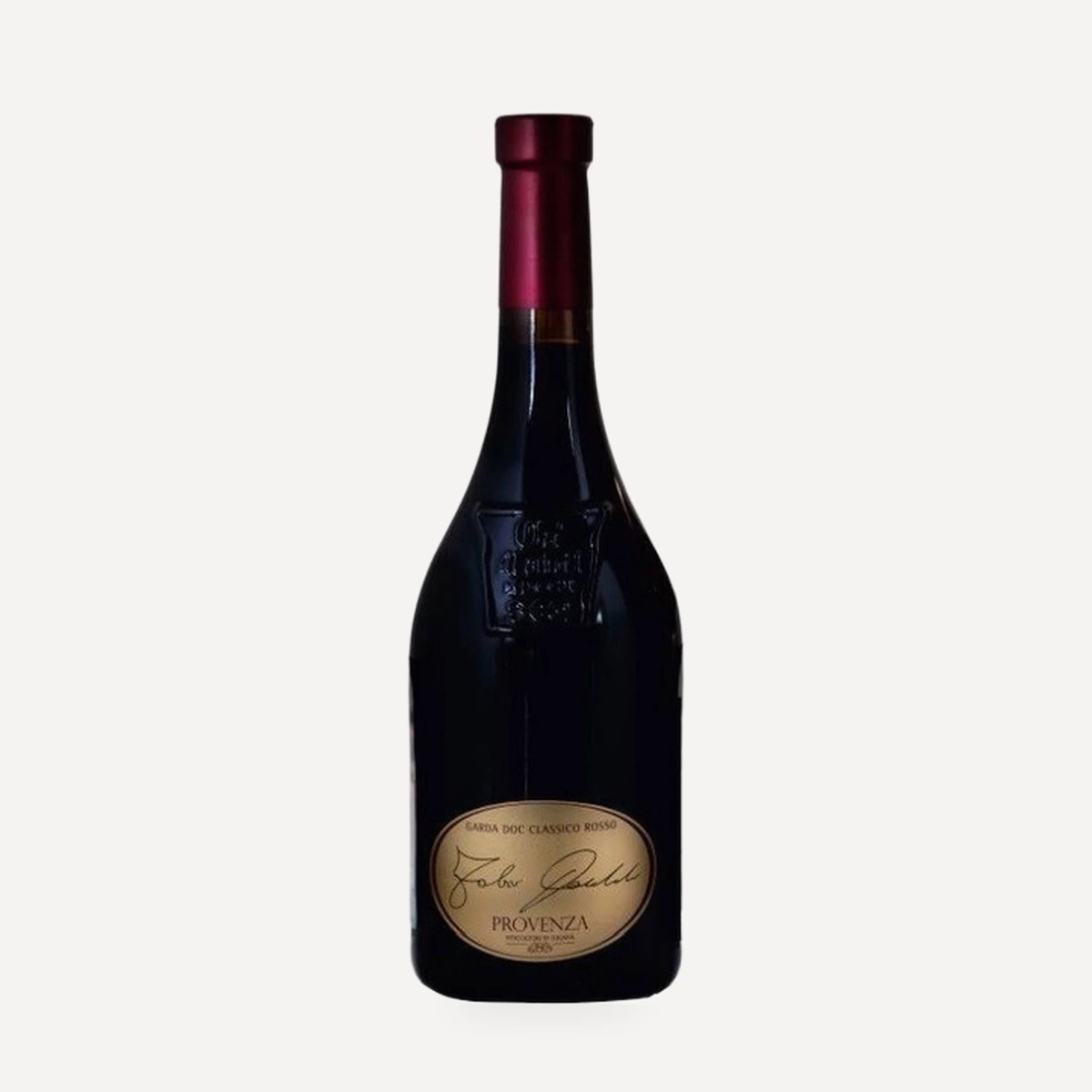
The 2021 vintage marked the debut of Sùere Lugana DOC Riserva. Released after at least two years of maturation, it was conceived as a limited-production selection from old estate vines and as a further exploration of Turbiana's capacity for structure, concentration and development. Its introduction completed the Heritage range alongside Molin, Cantariva and Groviglio. The estate presented Prestige, Roseri and Negresco as its Premium Pop range.
Cà Maiol's sustainability program subsequently obtained Equalitas certification, extending across vineyard management, winemaking, packaging and distribution.
Terroir
Lake Garda setting
Cà Maiol's 118 hectares of vineyards surround Lake Garda, extending through Lugana to the south and Valtènesi to the west. The lake moderates extreme temperatures, contributing to mild winters and warm but generally non-muggy summers. Its breezes ventilate the vineyards, help counter humidity and fungal pressure, and temper summer heat. Across the broader lakeside landscape, vineyards coexist with olive trees, citrus orchards and woodland at the foot of the hills.
Lugana
The southern lakeshore was shaped by ancient glaciers. Rock and ice deposits alternate with sediments from ancient seabeds and clay. Lugana's soils are characterized by stratified, sedimentary clays of morainic origin, predominantly calcareous and rich in mineral salts. The flatter historical core between Desenzano, Sirmione, Pozzolengo and Peschiera has compact clay soils and a strongly lacustrine character.
Farther east, from San Martino della Battaglia toward Pozzolengo and Lonato, the terrain becomes hillier. The clay contains more sand, the soils become increasingly morainic and gravelly, and the gentle hills reach no more than about 130 metres. Cà Maiol's vineyards therefore occupy a band in which the soils become sandier toward the hills.
Lake Garda's temperate breezes create a mild, relatively constant microclimate with limited day-to-night temperature variation. Turbiana ripens slowly under these conditions while retaining its natural acidity. The estate associates Lugana's marked acidity, savouriness, structure and mineral character with this combination of stratified clay, limestone, mineral salts and lake-influenced climate.
Valtènesi
Valtènesi lies on Lake Garda's Brescia shore and extends broadly from Desenzano del Garda toward Salò. Its sunlit hills experience a moderate Mediterranean climate strongly influenced by the lake. The principal soils are marl and limestone with a substantial presence of very fine gravel. Groppello is especially closely adapted to these conditions, alongside Marzemino, Sangiovese, Barbera and Rebo.
Vinificazione
Cà Maiol describes its vineyards as grassy gardens and bases its approach on cultivation in harmony with natural forces. Agriculture is intended to respect the ecosystem and its inhabitants while preserving the land for the future.
Recent investment began with agronomy. The estate developed methods designed to preserve the vines and nourish the soil without synthetic chemicals. Equalitas certification covers the broader sustainability system, including environmental, social and production performance. Its protocols address soil health, water-resource management, biodiversity and the protection of the Lake Garda ecosystem.
Environmental and social performance is measured on a continuing basis, with the stated objectives of reducing carbon emissions, water use and energy consumption. Sustainability principles also extend beyond the vineyard to winemaking, packaging and distribution.
Research is centered on a small experimental Turbiana vineyard propagated by massal selection from old vines. The project aims to retain genetic resources and use climate change as a stimulus for adapting vineyard management while maintaining the territory's inherent potential.
Grapes entering the gravity winery are harvested by hand so that whole bunches reach reception intact. Selected old-vine Turbiana destined for Riserva is hand-picked at very low yields. Certain estate bottlings may combine manual and mechanical harvesting, depending on vineyard and production requirements.
Three-level gravity winery
The rebuilt winery is integrated into the surrounding landscape and organized on three levels that correspond to the grapes' progression through production. Gravity moves the fruit, berries and must between stages, limiting pumping and mechanical stress. The objective is to preserve berry integrity, balanced extraction and the character of each vineyard.
At ground level, whole bunches enter the reception system. Cluster vibration and high-frequency linear destemming are used in relevant processing streams, with gentle destemming designed to leave berries intact. The fruit then descends toward new Willmes presses. Soft pressing is intended to recover the finer juice fraction without forcing the delicate Turbiana fruit.
Musts are kept separate by parcel and vinified in modern stainless-steel tanks. The cellar includes truncated-conical vessels capable of gentle punch-downs during fermentation and a central 2,000-hectolitre tank used for blending. Separate vinification allows the cellar team to follow individual vineyard identities before assembling wines where appropriate.
Wines requiring wood mature slowly on the lowest level. The estate's broader range employs stainless steel, French oak barriques and tonneaux according to the intended expression. Selected wines mature on fine or suspended lees; traditional-method sparkling wine undergoes prolonged lees ageing. The cellar's technology is conceived as a means of preserving the fruit and translating the year's vineyard work rather than replacing traditional knowledge.
The estate also employs grape cooling to approximately 10°C, cold settling and temperature-controlled fermentation for relevant lots. Rosé production can include cold pre-fermentation maceration to extract a pale Chiaretto color and aroma. Selected Groppello may be hand-picked into crates, with one portion dried for about 20 days before separate stainless-steel fermentations and subsequent assembly. Passito production uses hand-selected grapes laid in small crates to dry naturally in the estate's drying loft.
Filosofia
Cà Maiol defines wine as the product of cultivation aligned with natural forces. Its agronomic and enological decisions are therefore intended to respect the ecosystem, protect the vines and preserve the territory for future generations.
The cellar philosophy places contemporary technology at the service of inherited knowledge. Gravity handling, gentle processing and separate parcel vinification are used to avoid forcing delicate Turbiana fruit and to retain its characteristic aromas. Innovation is treated as a tool for recognizing both the estate's viticultural heritage and the work performed in the vineyards throughout the year.
The estate aims to express Lake Garda through wines described as territorial, authentic and contemporary, joining history and tradition with modern technique. Vintage differences are retained particularly in the Metodo Classico program, which is declared as a vintage wine only in the best growing years.
Sustainability is presented as a long-term company culture encompassing the environment, product quality, employees, local communities and consumers. Measurement and continuous improvement form part of this approach, alongside research into old Turbiana selections and adaptation to climate change.
Vini
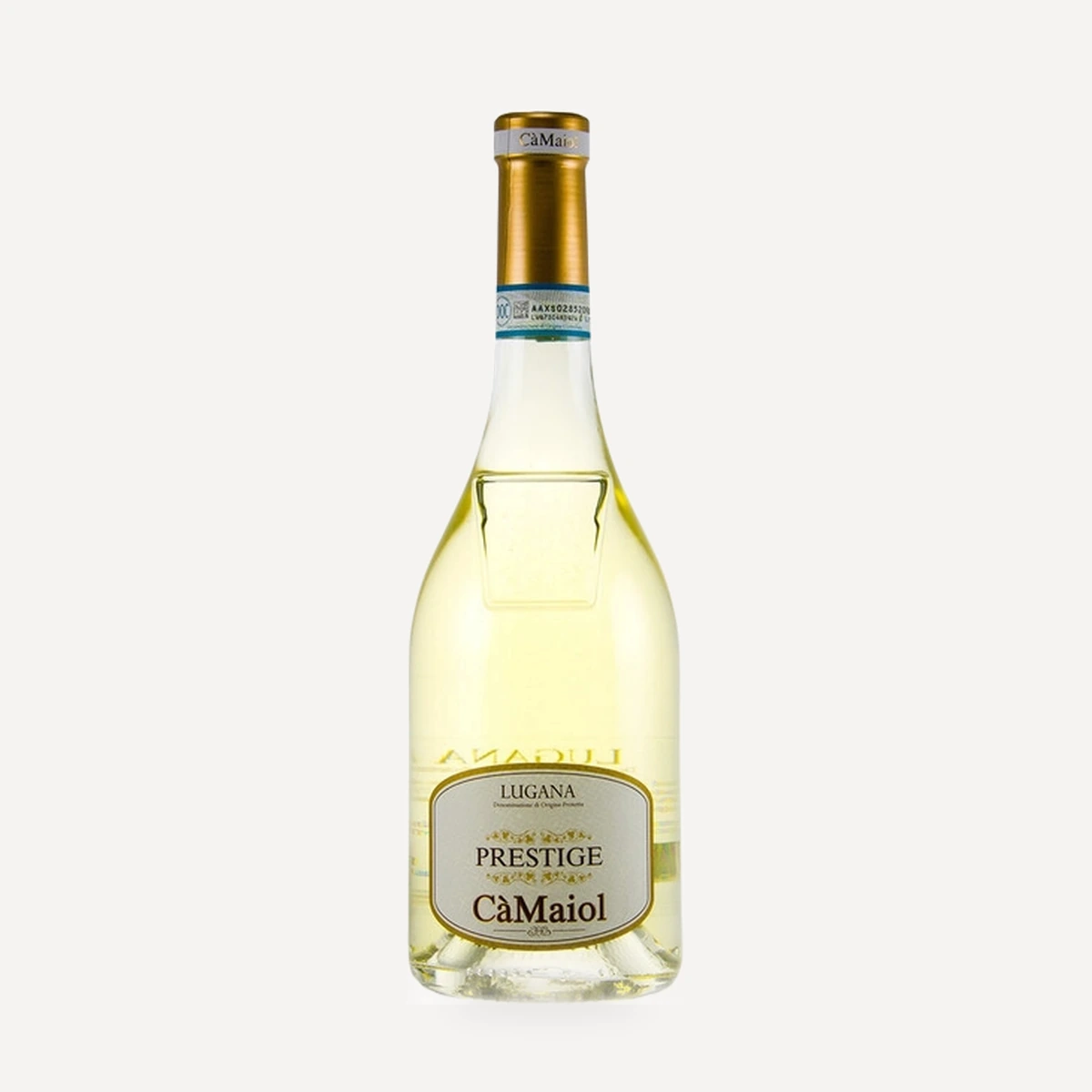
Prestige Lugana DOP
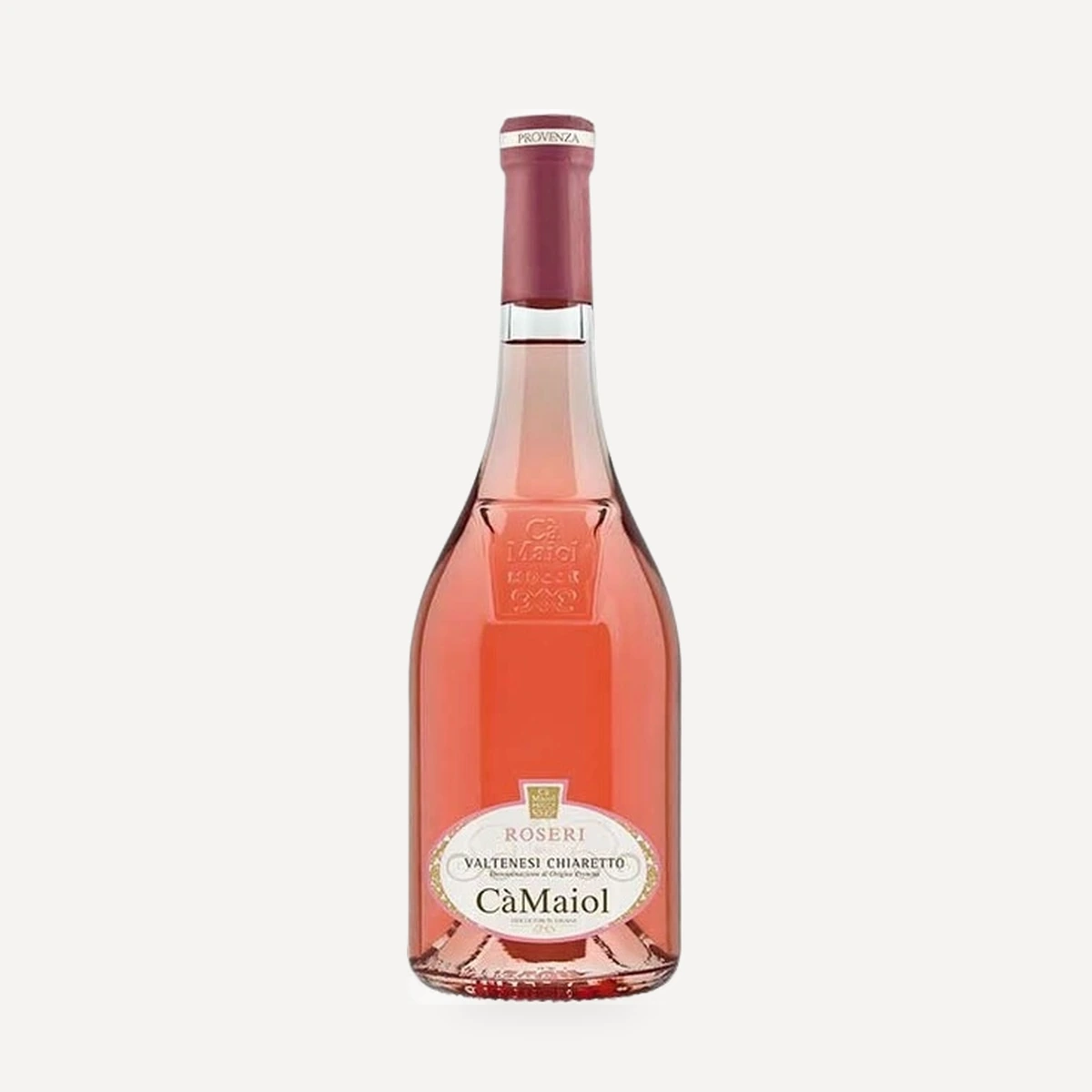
Roseri Valtenesi Chiaretto DOP
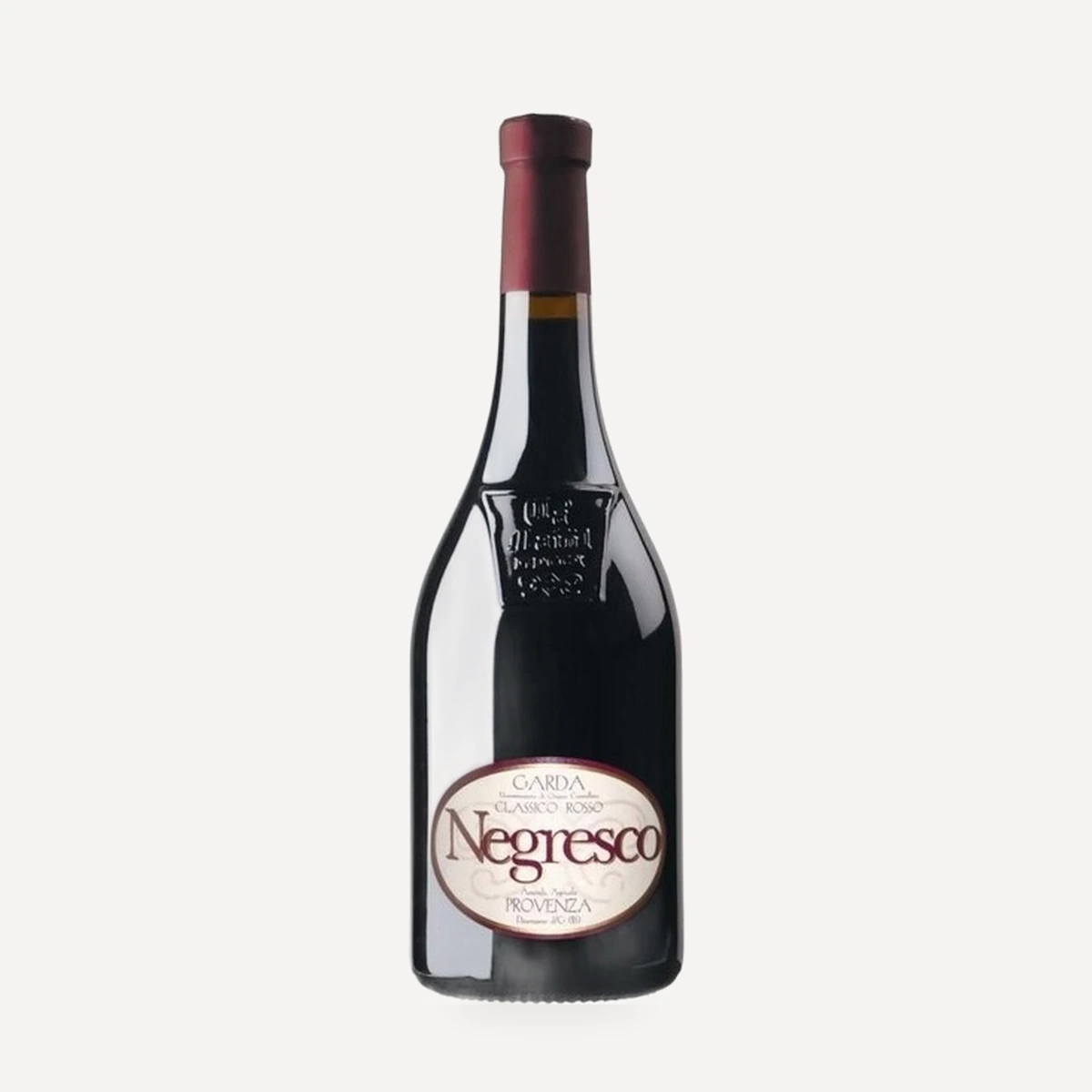
Negresco Garda Classico Rosso DOC
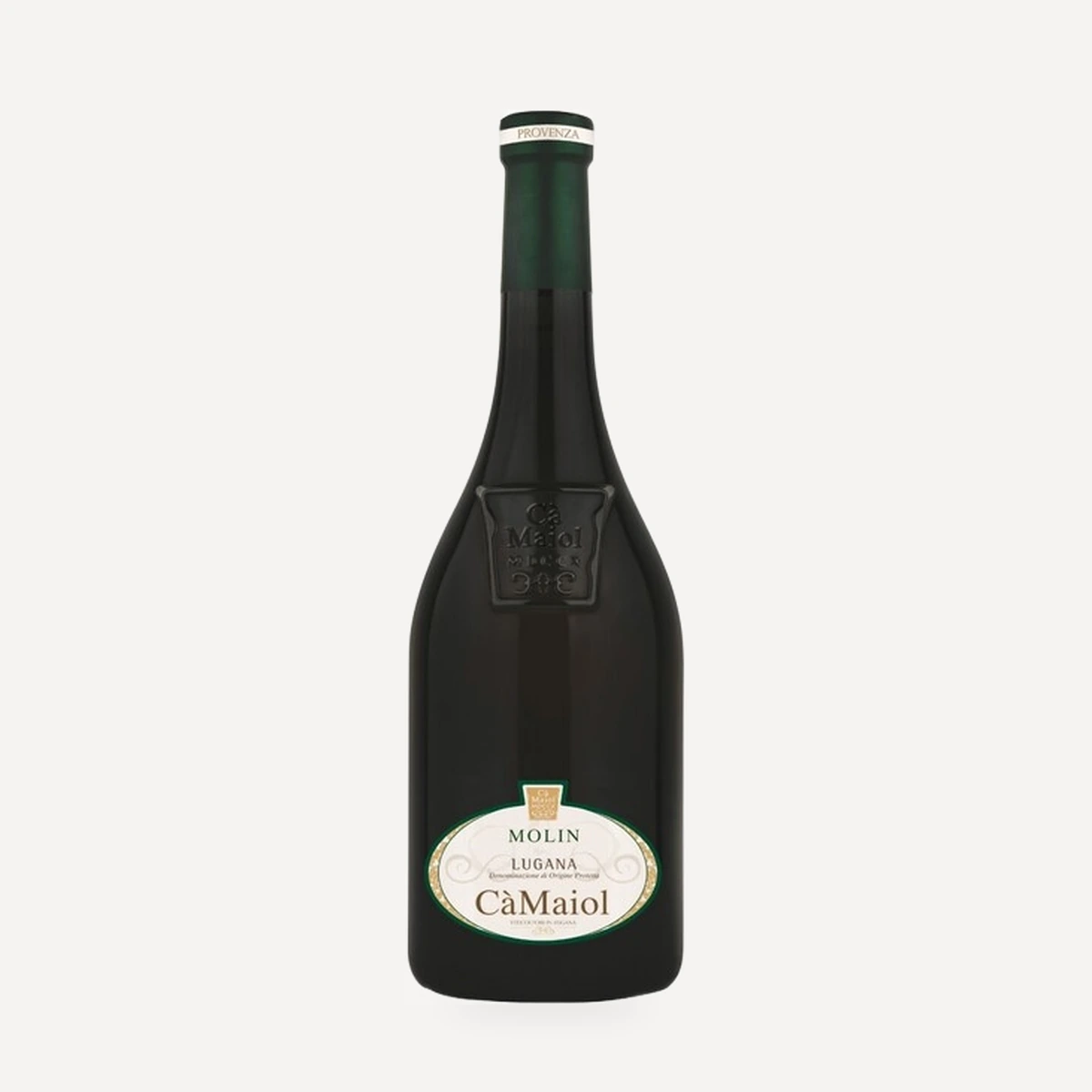
Molin Lugana DOP