Storia
Historical viticulture in Frignano
Frignano occupies the central Modenese Apennines. Its cultural history is associated with the Friniati, described as a Ligurian-Provençal people of Gallo-Celtic origin. During the Este period, Pavullo—the capital of Frignano and a territory dominated by the Counts of Montecuccoli—served as a summer residence of the Dukes of Modena. The surrounding hills were then cultivated intensively with vines.
Viticulture once had greater economic importance in Frignano than chestnut growing. A Frignano statute issued in 1337 required every farming family to plant a prescribed amount of land each year. Historical local grapes included Lambrusca, Trebbiana, Uva d’Oro, Barbera and Covra. Uva Tosca was the most extensively planted, supporting enough wine production to justify a factory for dark wine bottles in Pavullo.
1993: the experimental beginning
The business began in 1993 under its original name, Vignaboni. Its first vineyard was an experimental planting studied and sponsored by the Regione Emilia-Romagna. Establishing vines at Pazzano challenged the prevailing belief that vineyards could not be cultivated successfully in this part of Frignano Basso.
1995: recognition of Malbo Gentile
Malbo Gentile, now central to the estate’s work with local varieties, was entered in Italy’s national catalogue of grape varieties in 1995. Its earlier origin remains uncertain because of the lack of documentary evidence.
2000 and 2001: further vineyard plantings
Additional vineyards were planted in 2000 and again in 2001. The estate consequently developed into just over 5 hectares, all planted with vines.
Cantina del Frignano today
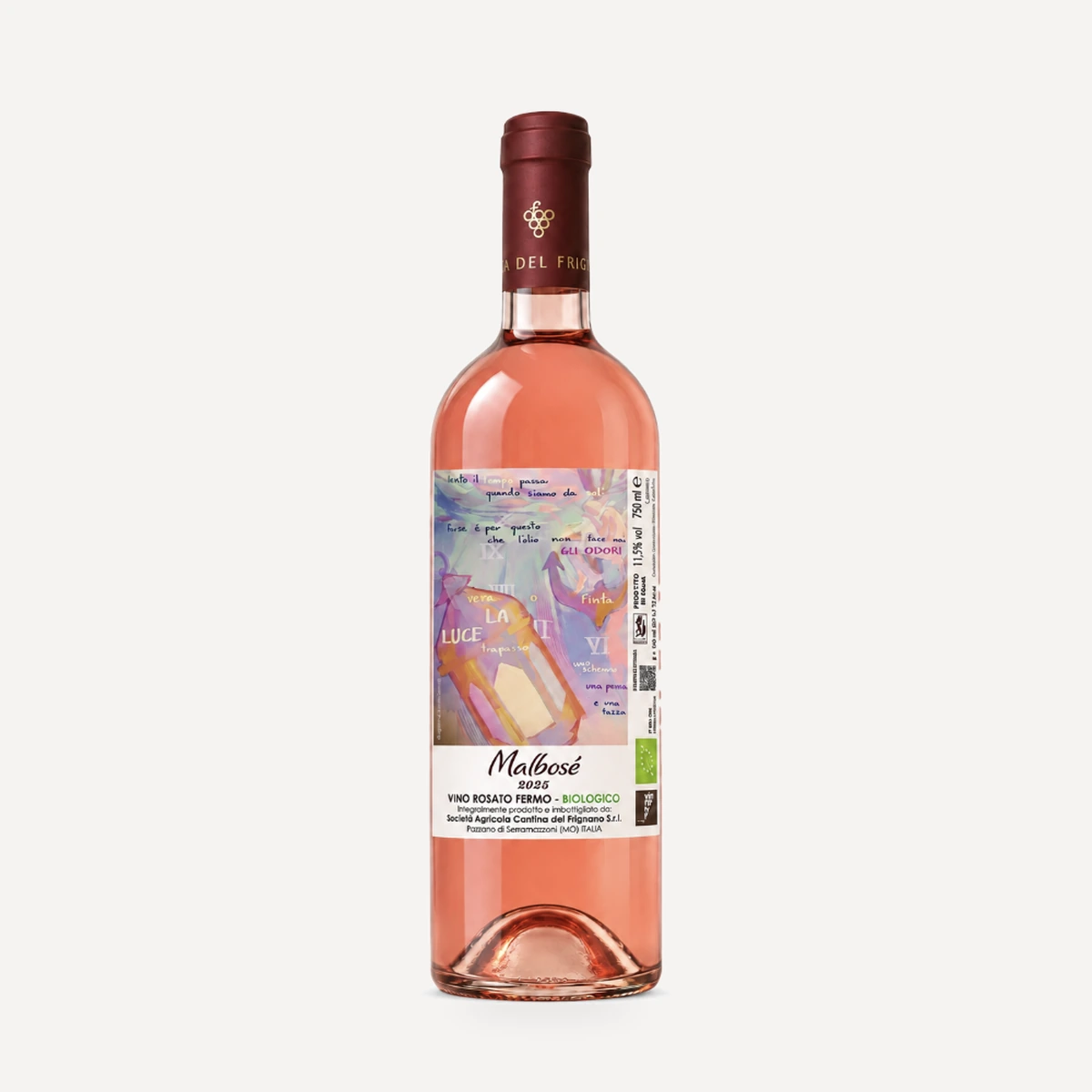
The operation subsequently adopted the name Cantina del Frignano. It is presented as a small organic winery focused on quality and now produces approximately 15,000–18,000 bottles annually. Its vineyards occupy elevated sites in Frignano Basso, and the planted varieties combine local grapes—Malbo Gentile, Uva Tosca and Grasparossa—with Chardonnay, Pinot Nero, Merlot, Cabernet and Trebbiano. Its range encompasses still whites and reds, traditional-method white and rosé sparkling wines, ancestral-method wines and long-aged red reserves.
Terroir
Cantina del Frignano lies at Pazzano in Frignano Basso, in the central Modenese Apennines. The vineyards occupy elevated hillsides at approximately 450–500 metres above sea level. Temperature variation between day and night is considered an important influence on the character of the area.
The vineyard soils contain clay, silt and sand in broadly balanced proportions and are notably calcareous. Some sectors are described as clay-silt soils that are low in magnesium and especially suitable for Chardonnay and Pinot Nero destined for traditional-method sparkling wine. Other, more markedly clayey sectors are associated with red grapes.
The estate selects medium-to-early-ripening varieties for its altitude and microclimate. Local grapes include Malbo Gentile, Uva Tosca and Grasparossa; the wider planting also encompasses Chardonnay, Pinot Nero, Merlot, Cabernet and Trebbiano. The estate’s elevated position gives views across the Serramazzoni hills and, in clear conditions, towards the Venetian Prealps and Colli Euganei.
Vinificazione
The entire estate—just over 5 hectares—is planted with vines. The general planting density is approximately 4,000 vines per hectare, while the usual estate yield is given as 50–60 quintals per hectare. More selective lots are associated with yields of approximately 40–55 quintals per hectare.
Farming is certified organic and connected with VinNatur. Vineyard work is described in terms of natural treatments, environmental protection and close control beginning with vineyard selection. Organic principles extend through the production cycle from cultivation to bottling.
All harvesting is performed manually. Technical descriptions specify collection in 25 kg crates, with grapes delivered to the cellar during the day of picking. Some red and sweet-wine selections are harvested late. For fruit intended for drying, bunches are placed in crates without being stacked and remain in a ventilated room from September until February. The estate values the loose bunch structure of Malbo Gentile for this process.
Cantina del Frignano produces still white and red wines, traditional-method sparkling wines, ancestral-method sparkling wines and red reserves.
For several red selections, hand-harvested fruit reaches the cellar within the picking day and is destemmed before natural fermentation on the skins. Skin contact commonly lasts four to six days, after which fermentation continues as must until the sugars have been consumed. One Pinot Nero process divides fermentation equally between barriques and stainless-steel tanks before assembling the two components. Malolactic fermentation, racking off the lees and several subsequent rackings are specified for another red-wine process, followed by at least 12 months in stainless steel.
Oak maturation varies by selection. Still reds may mature for at least 6 months in oak, while reserves spend at least 12 months in oak barriques; a late-harvest selection is matured for at least 18 months. Bottle ageing follows where required, reaching at least 70 months for one long-aged selection.
The traditional-method white and rosé sparkling wines undergo secondary fermentation in bottle. The estate-level description gives 36–70 months of bottle refermentation and lees ageing, with Chardonnay and Pinot Nero as the principal grapes.
Ancestral-method wines also undergo refermentation in bottle. The range includes both colfondo wines retained on their sediment and disgorged versions. Without disgorgement, the wine remains cloudy and can develop an aroma reminiscent of bread crust.
For dried-grape production, manually harvested Malbo Gentile rests in a ventilated room from September until February. After pressing and fermentation, the wine matures for at least 12 months in second-use oak barriques.
Filosofia
Cantina del Frignano defines its objective as the production of quality wine through meticulous control beginning with vineyard selection, natural treatments in the field and attentive cellar work. Its approach centres on demonstrating the potential of elevated vineyards at Pazzano and on expressing Frignano Basso through both local and adapted grape varieties.
Environmental protection is presented as integral to the entire cycle, from cultivation through bottling. Organic farming, manual harvesting and work with VinNatur support this commitment. The estate gives particular emphasis to Malbo Gentile, Uva Tosca and Grasparossa as expressions of local identity while also matching Chardonnay and Pinot Nero to the calcareous soils and cool, elevated conditions used for sparkling-wine production.
Tradition and multiple forms of vinification coexist in the range: still wines, long-aged reserves, traditional-method sparkling wines, ancestral-method colfondo and disgorged wines, and dried-grape production. The common principle is to adapt the method to the vineyard, grape and intended expression rather than impose one uniform cellar technique.
Vini
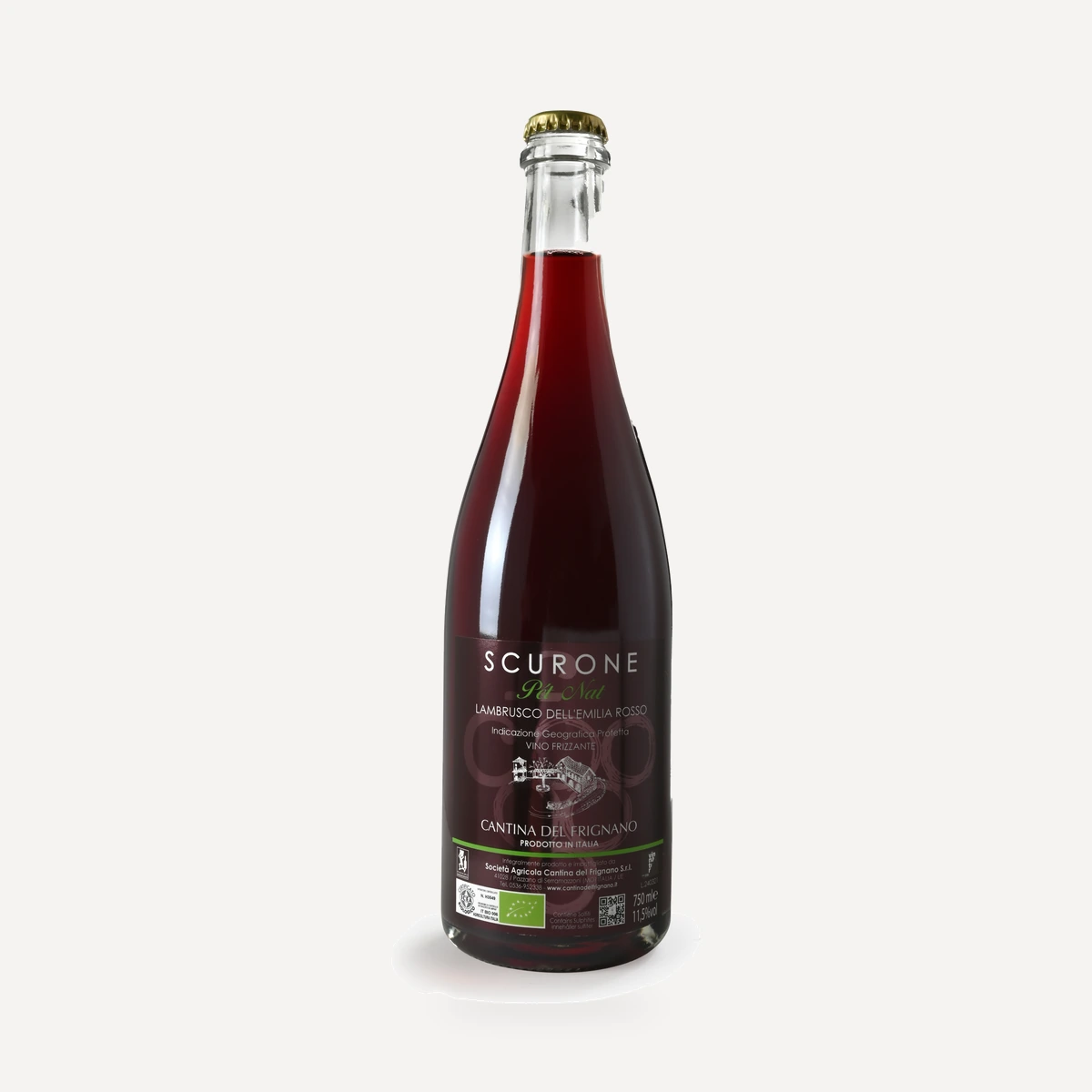
Scurone
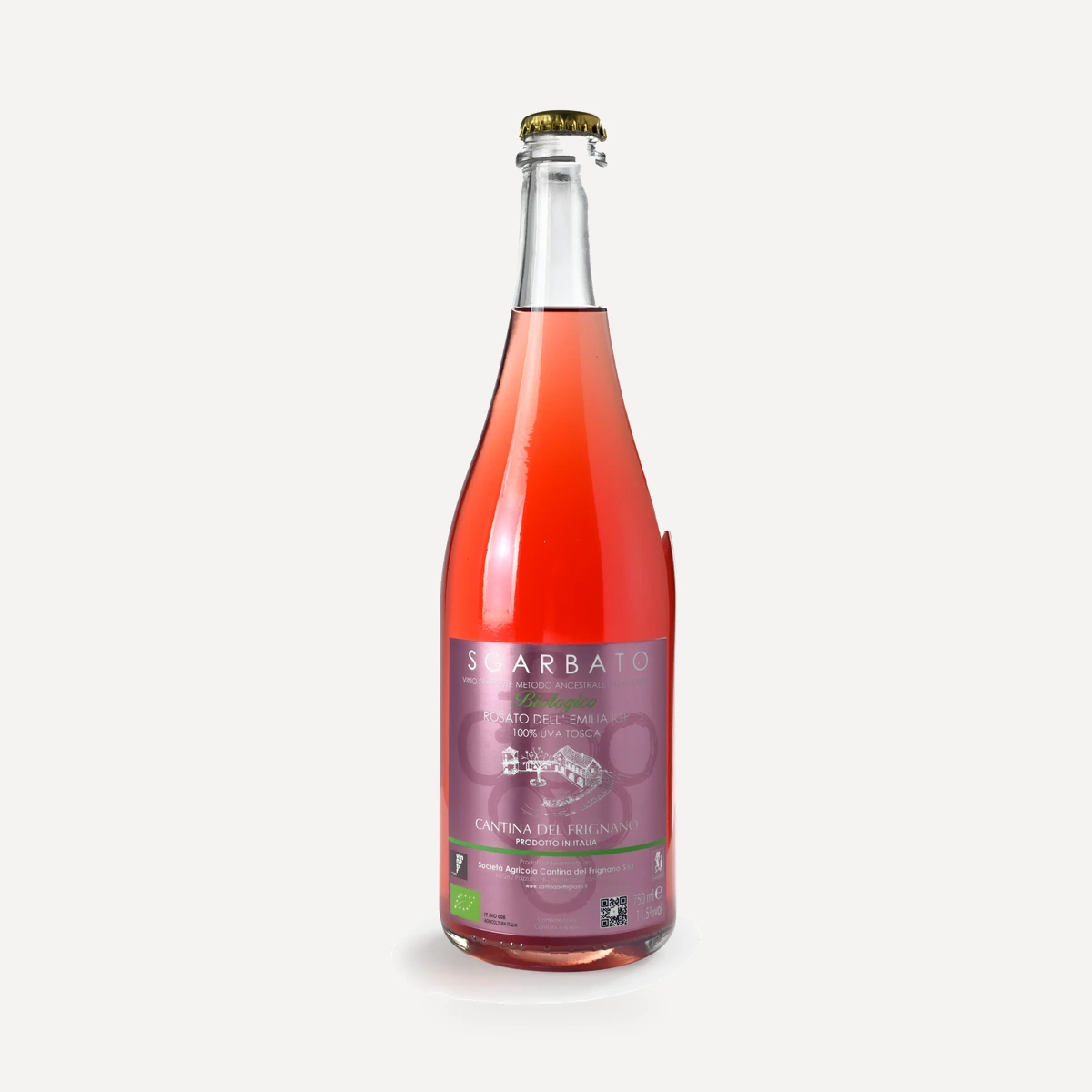
Sgarbato
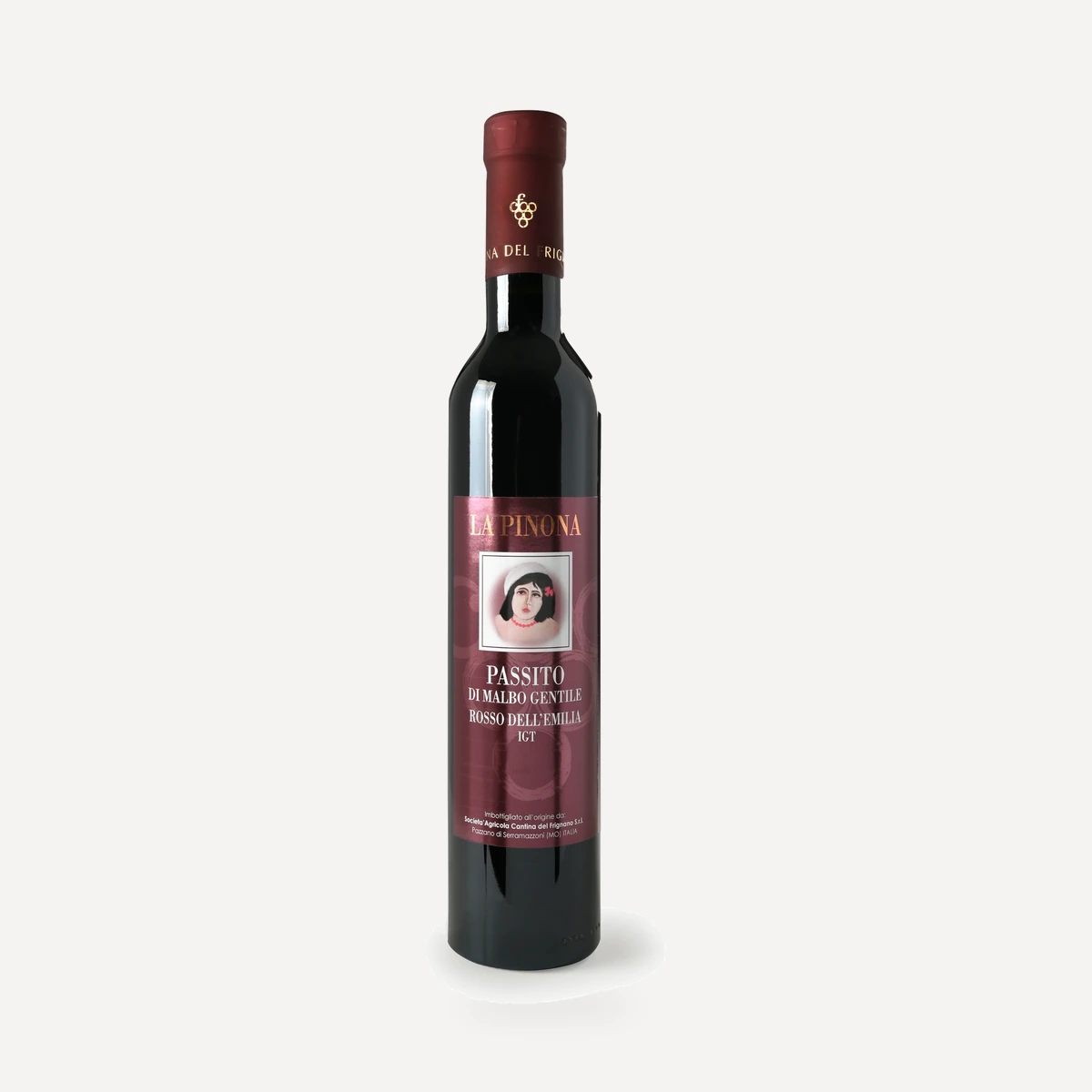
TERD'ESTE La Pinona
TERD'ESTE Altonero
TERD'ESTE Bucamante
Zebio