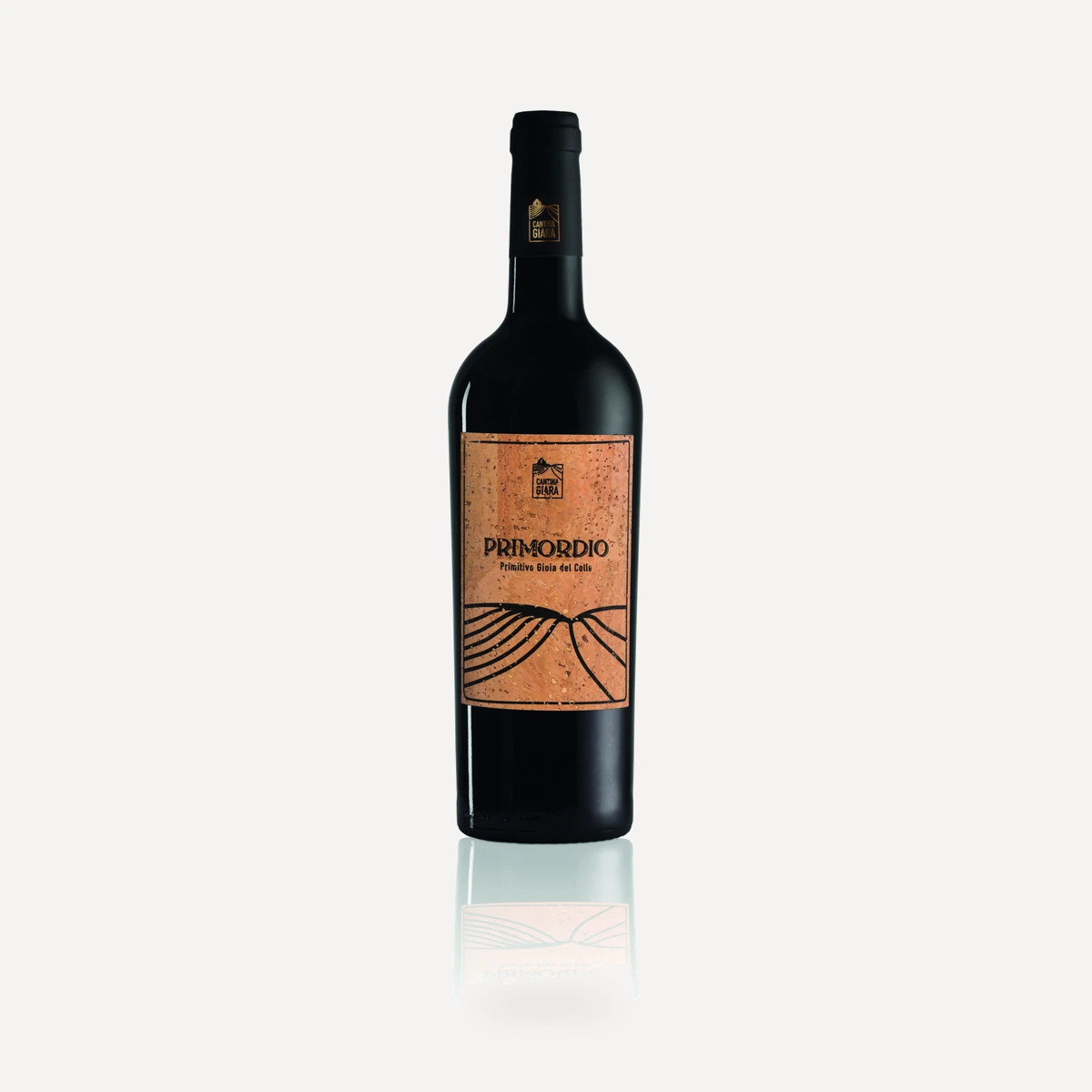
Storia
Late 19th century: Nonno Giorgio
The Nicassio family’s winegrowing story begins in the late 19th century with Nonno Giorgio. His work established a relationship between the family and its land that subsequent generations sought to preserve and transmit.
Arcangelo and the continuity of the family tradition
Giorgio’s son Arcangelo learned to safeguard the fruits of his father’s work. His role was one of continuity: conserving the family’s agricultural inheritance and passing it to his own son so that the tradition could outlive its founders.
Giorgio Nicassio and Cantina Giara
In the present generation, Arcangelo’s son Giorgio has brought together the inherited agricultural tradition and his own desire to create wine. His work focuses on natural wines produced in small quantities, giving rise to the family winery called Cantina Giara.
Cantina Giara is a small, family-run agricultural and winegrowing enterprise dedicated to Primitivo, Verdeca, Malvasia bianca, Greco, Fiano and Moscatello selvatico, with Falanghina, Malvasia lunga and Moscato also represented in its vineyard and wine portfolio. Its vineyards occupy the Adelfia localities of Jazzo di Stefano and Lama Baronale, including the Masciapato area.
The family adopted biodynamic viticulture, continued to use traditional methods and reduced treatments to a minimum, excluding synthetic chemistry. Natural vinification became the cellar counterpart to this approach: spontaneous fermentation with indigenous yeasts, manual cap work, skin maceration for both white and red grapes, no clarification and no filtration. The resulting production is deliberately small and cannot be standardized into a serial process.
Giorgio describes the family as artisans of wine, caring for each wine as though it were a work of art. Cantina Giara’s contemporary identity rests on this combination of inherited knowledge, physical work, biodynamic farming and natural cellar practice.
Terroir
Cantina Giara’s vineyards lie in the countryside of Adelfia, in Puglia, at approximately 231 metres above sea level. The principal named places are Jazzo di Stefano and Lama Baronale; Masciapato is identified as an area within the Lama Baronale zone.
Jazzo di Stefano is reached by Via di Jazzo Sacchetti, locally known as “u’azzecchette.” The Nicassio family’s park-like agricultural setting combines grassland, fruit trees, old vines and patches of undergrowth with spontaneous shrubs and bushes.
Lama Baronale is a channel for rainwater runoff. Its landscape includes white stones, white soil and old vines, with hares and foxes among the resident wildlife. The soils are described in varying combinations as calcareous, clay-rich, tufaceous and karstic. The old vineyard overlooks a lama of white stone; the combination of stone, white tufaceous earth, clay and karst is associated with distinctive aromatic expression in the grapes.
The vineyards experience marked daily temperature differences between day and night. At 231 metres, these diurnal shifts are linked to the grapes’ aromatic development and, particularly for Primitivo, to freshness of expression.
Vinificazione
Viticulture is biodynamic and uses traditional methods. Treatments are kept to a minimum, synthetic chemistry and synthetic products are excluded, and caring for and nourishing the soil is treated as the first step in making wine. Biodynamic farming is understood as a means of delivering tangible benefits to the soil and maintaining the vineyard’s balance.
The estate combines old tendone plantings with espalier-trained vines. The historical account describes an old tendone planting as 66 years old, while the current technical description of the corresponding old Primitivo block gives an age of 67 years. Other documented vineyard ages range from approximately 25 to 40 years.
Yields are deliberately restrained. The general historical figure is approximately 35 quintals per hectare. Current block descriptions generally give 35–45 quintals per hectare, with the oldest Primitivo block at approximately 30–40 quintals per hectare.
Harvesting is exclusively manual and follows careful grape selection. Most grapes are placed in 10 kg crates to preserve berry integrity during transport to the estate cellar; one documented white-grape harvest uses 15 kg crates. Picking extends broadly from late September to late October. White grapes are generally harvested from September into October, while documented Primitivo harvests take place from late September through October.
Cantina Giara’s natural vinification is designed to retain the character of the grapes without clarification, filtration or standardization. Grapes are transported to the estate cellar in small crates, destemmed and allowed to ferment spontaneously with wild indigenous yeasts associated with the local environment. Fermentations are monitored manually with a mustimeter at ambient cellar temperature and proceed without temperature control.
Skin contact is used for white as well as red grapes. Most documented fermentations and macerations last approximately 5–12 days, depending on the material, while one extended white-wine method keeps the wine with its skins for approximately seven to eight months. Manual pump-overs are generally performed once or twice per day during fermentation; the broader historical description also refers to manual cap punching.
Stainless-steel vessels are the principal cellar containers, with documented capacities of 500, 800 and 1,000 litres. Raw 250-litre amphorae are also used: one method conducts every stage in amphora until bottling, while another alternates two months in steel, four months in amphora and a final month in steel after racking. French-oak barriques of 225 litres are used selectively, with documented maturation periods of six or twelve months. Other wines mature in steel for at least six months or for twelve months and remain in the same vessels until bottling.
No wine is clarified or filtered, so natural haze and bottle sediment can remain. Some cellar paths use no added sulfites, while others receive a minimal addition before bottling. The absence of artificial stabilization and the impossibility of serial production mean that vintages—and even bottles from the same vintage—may differ slightly according to the maturation vessel and the moment of tasting.
Filosofia
Cantina Giara places respect for and nourishment of the earth at the beginning of the winemaking process. Its natural-wine approach grew from a desire to preserve the family’s land and vineyards while producing wines that are purer, simpler and more authentic.
The family regards biodynamic farming as a practical way to benefit the soil and maintain balance in the vines. In the cellar, natural wine is defined as the result of pressed grapes kept as complete as possible, with nothing removed through clarification or filtration and with additions avoided or minimized. Indigenous fermentation, manual work and skin maceration are intended to express the characteristics and potential of each vineyard.
Vintage variation is accepted as an inherent consequence of biodynamic farming and natural vinification. Different years are expected to yield different wines, and slight differences may occur even among bottles from one year because of maturation vessel and tasting time. These variations are treated as an expression of living wine rather than a defect to be engineered away.
The approach requires skill, patience, knowledge and demanding physical work. Giorgio Nicassio characterizes the family as “artisans of wine”: production is small, each wine is cared for individually, and wine is approached as a crafted work rather than a standardized product. Family knowledge and inherited values remain central to the definition of quality.
Vini
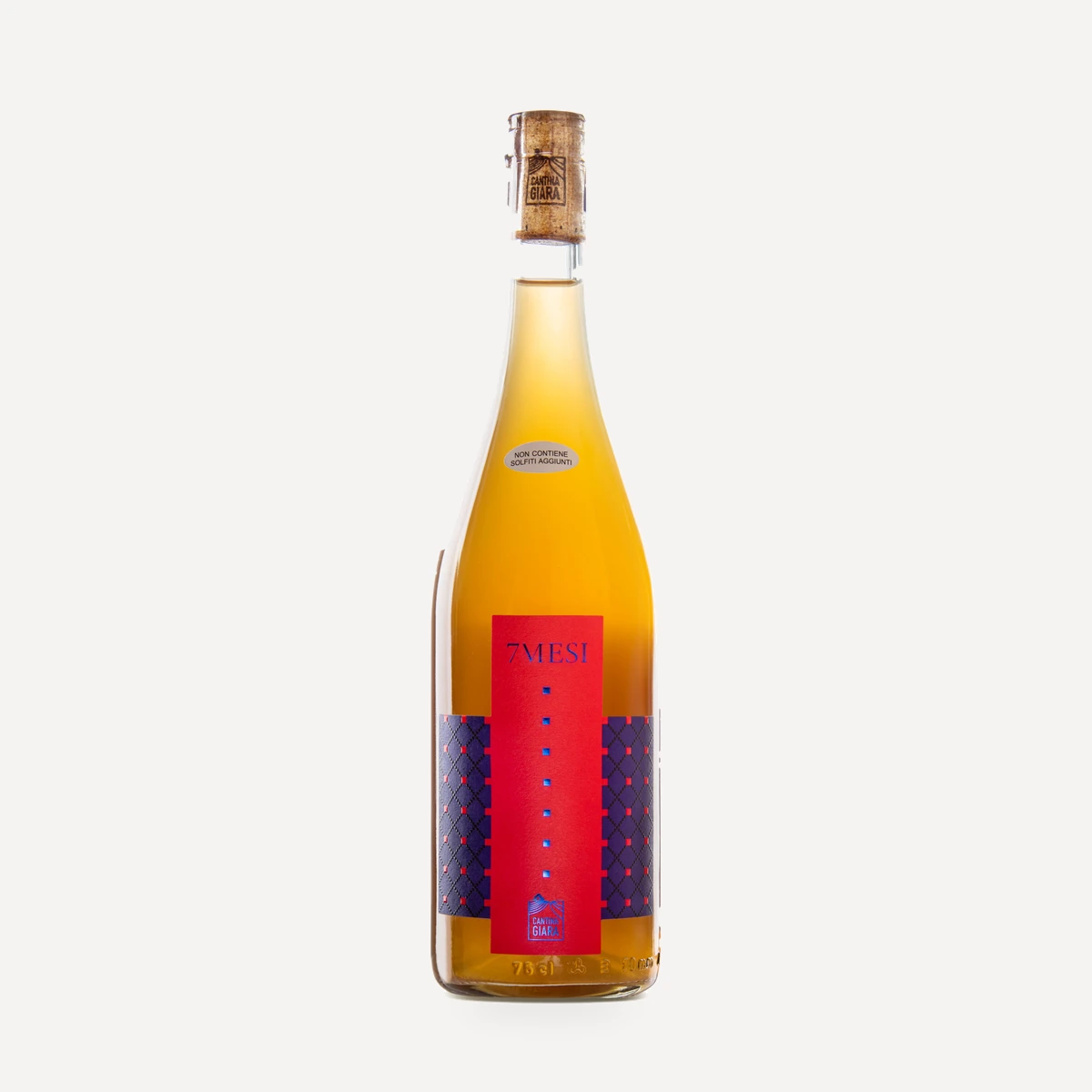
7 Mesi
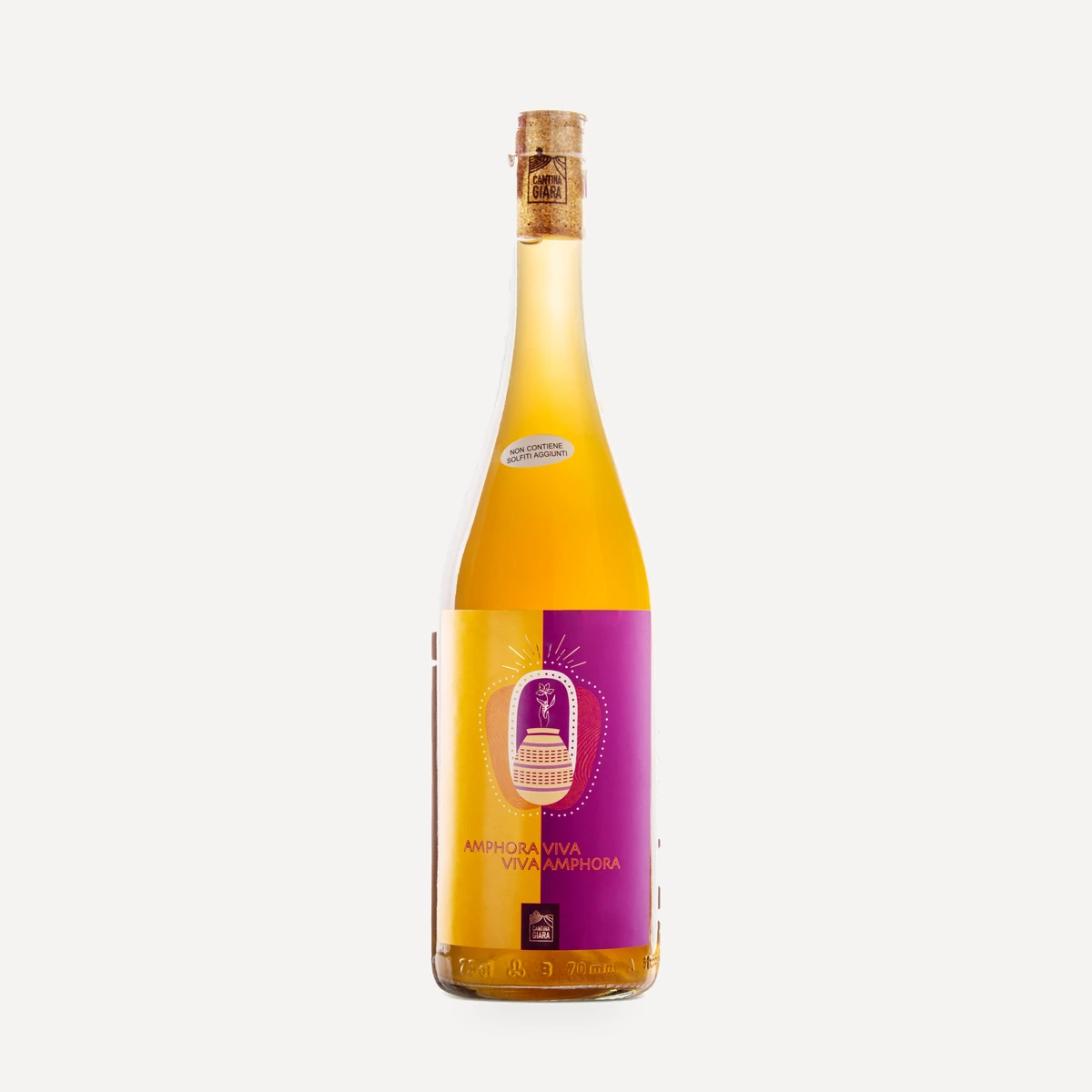
Amphora Viva
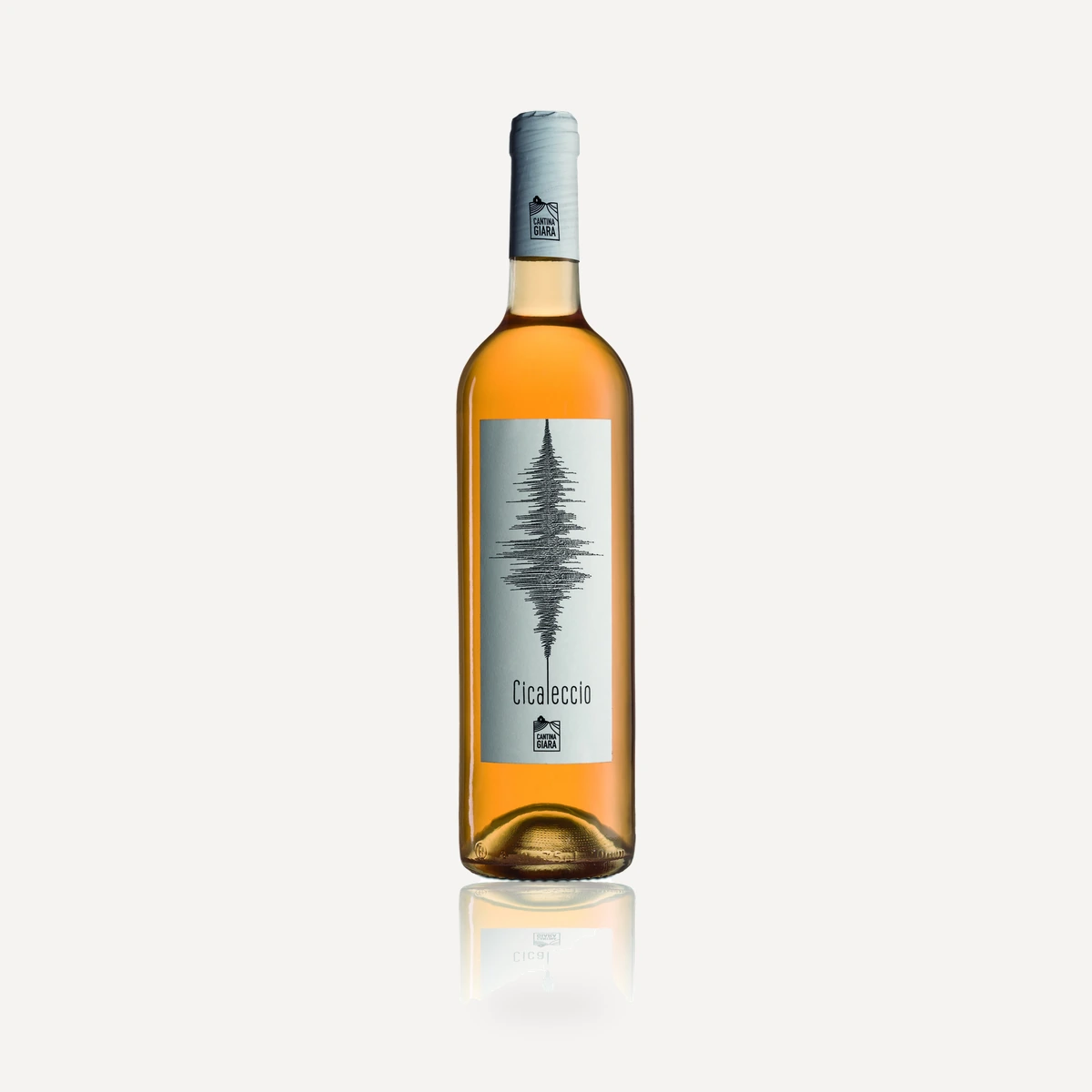
Cicaleccio
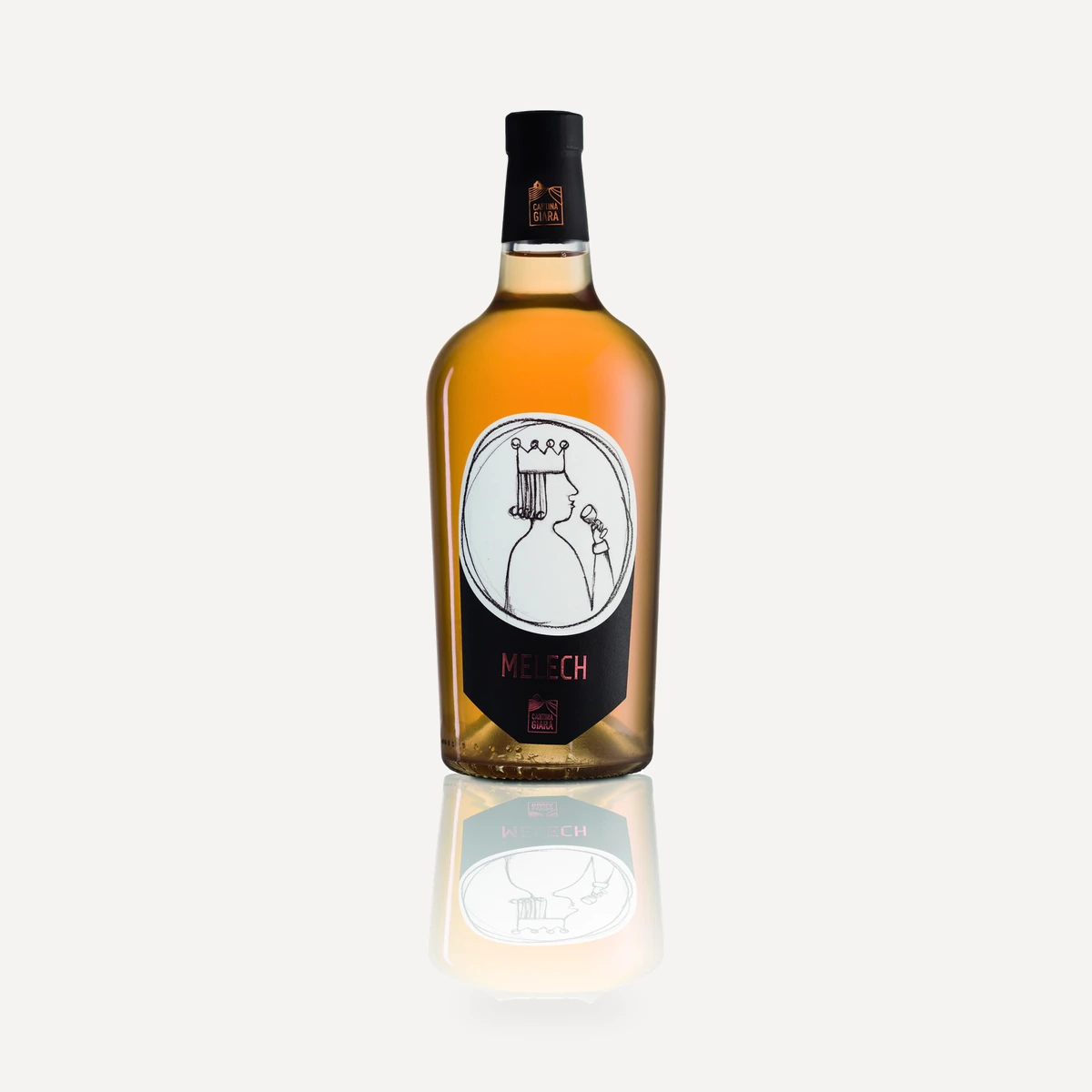
Melech
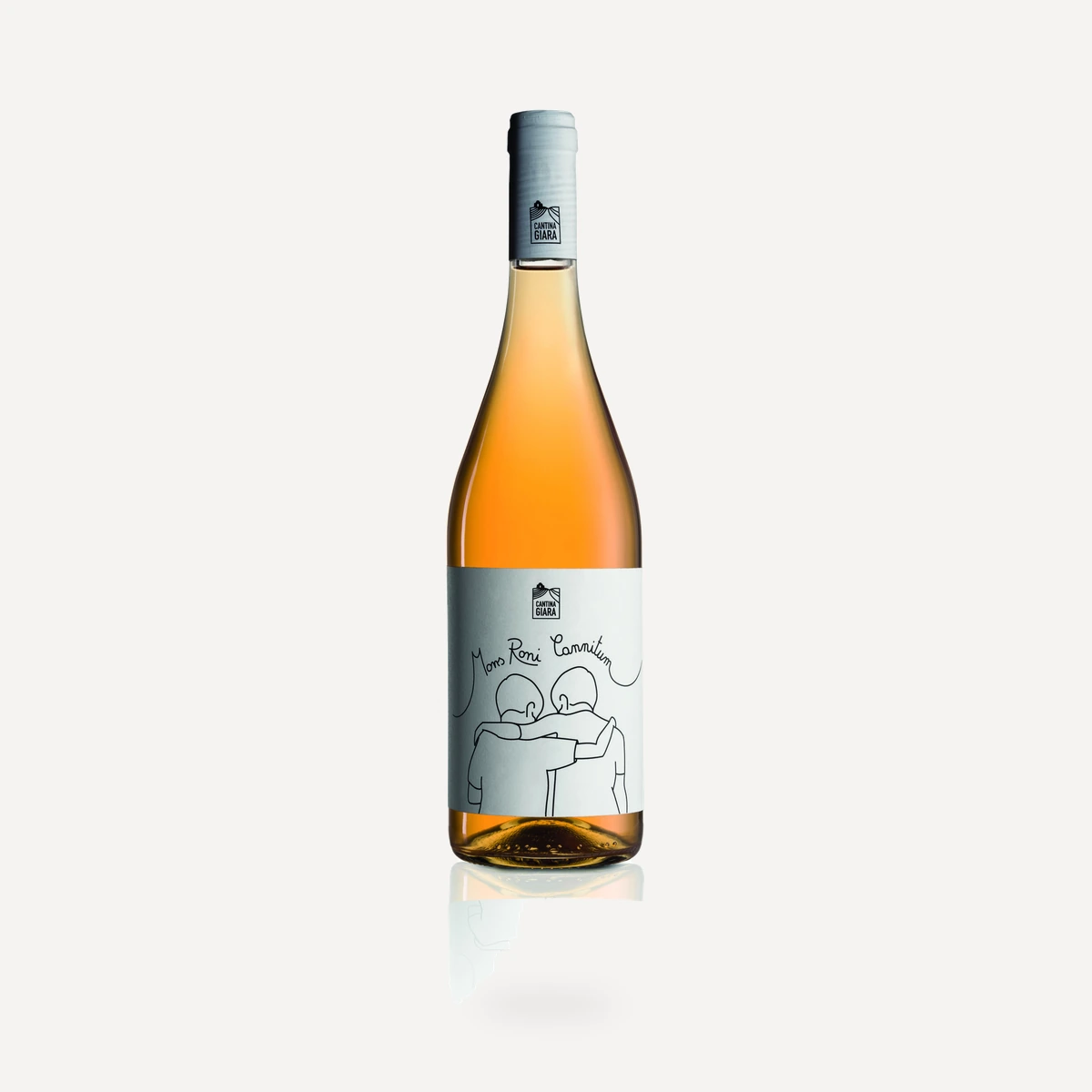
Mons-Roni Cannitum