Storia
The old cellars
Caparsa's built heritage predates the modern estate by centuries. Its underground ageing cellar is more than 500 years old, while another cellar dates from the seventeenth century. The latter reflects the priorities of historic Chianti farmhouses: the cellar was built before the bedroom because wine was treated as a basic food and an essential part of daily life. It is now used for tastings.
1965: the Cianferoni family arrives
Professor Reginaldo Cianferoni purchased Caparsa in 1965 and began planting vineyards. One vineyard was already established at the time of purchase. It had been grafted by specialist grafters using material selected among vines growing on the hills around Radda in Chianti. Further vineyards were planted during the late 1960s and early 1970s; many remained productive for more than 30 years.
1982: Paolo and Gianna take responsibility
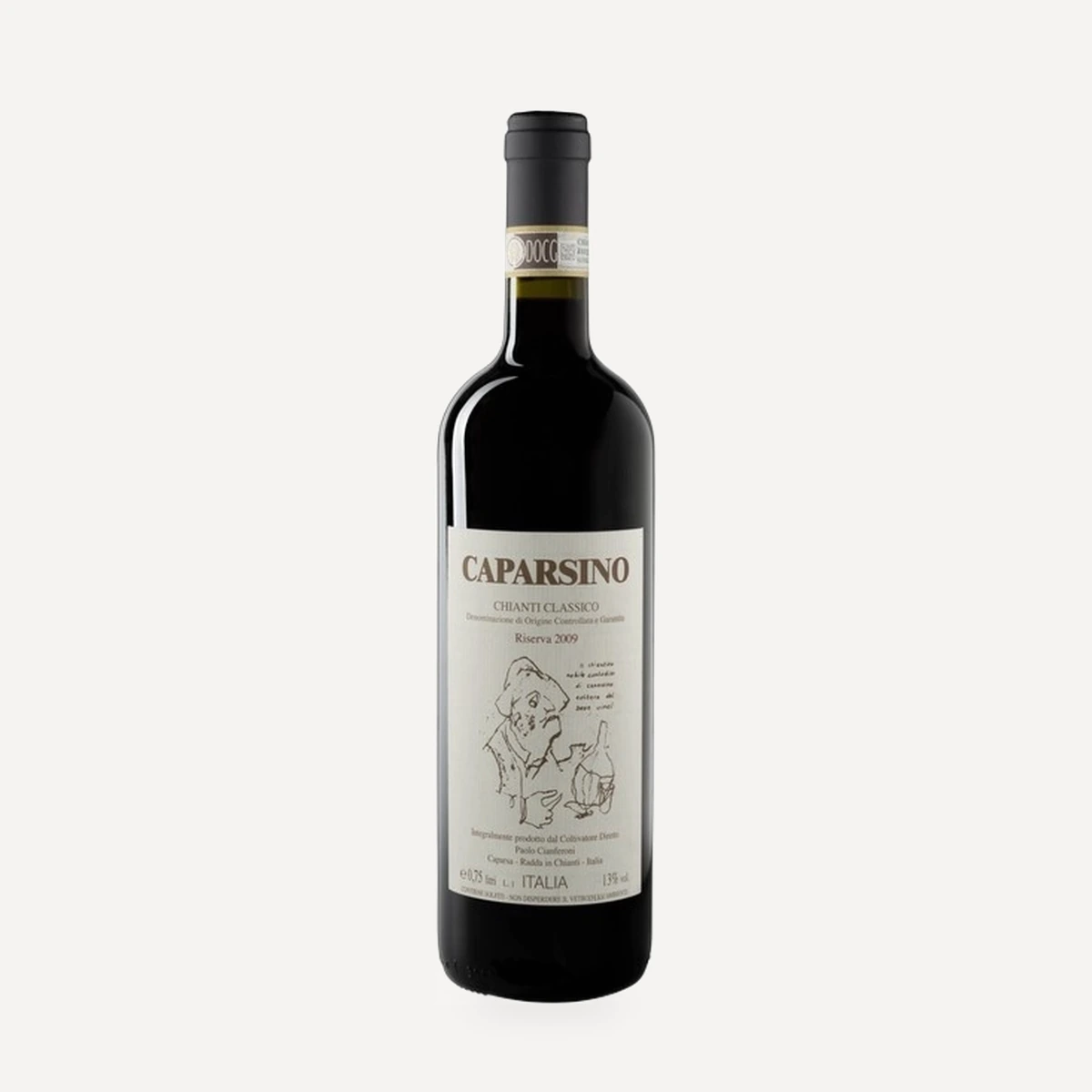
Paolo Cianferoni and his partner Gianna began running Caparsa in 1982. That year was also the first vintage of Caparsino. They developed the estate as a family farming enterprise while raising five children: Federico, Filippo, Fiamma, Flavio and Francesco.
Direct sales and independence
In 1985 Paolo joined nine other small growers to establish one of the earliest direct-sales initiatives for Chianti Classico in the area. The cooperative's members took turns staffing the outlet. As its administration became too costly, management passed for two years to Paolo's brother Simone before the cooperative closed. Caparsa and Crognole continued together for another two years, and from 1994 Caparsa operated the sales point alone. Direct relationships remained central to Paolo's commercial approach; in 2011 he estimated that he personally knew more than 80% of his customers, while Federico had assumed responsibility for the outlet.
Organic certification and vineyard renewal
Paolo cultivated organically before submitting to formal controls. In 2003 he adopted controlled organic certification, regarding third-party verification as a matter of transparency toward consumers and fairness toward other certified growers. The estate is now certified in both vineyard and cellar, with CCPB Bologna named as certifier.
A gradual replacement of the old vineyards began in 1999. The earlier plantings contained a particularly rustic form of Sangiovese suited to a period when white Trebbiano and Malvasia could be included in the Chianti blend. The replanted vineyards use selected material and eventually replaced the old plantings.
In 2010 Caparsa prepared a further 2.2 ha vineyard. Exceptionally wet spring weather slowed the work. Its underground drainage required 6,000 perforated terracotta elements measuring 21 × 25 × 25 cm, together with several hundred metres of drains built from vineyard stones.
In September 2011 Paolo began massal selection in a vineyard that was then 46 years old and had already existed when Reginaldo bought Caparsa. The first stage identified the best vines; a second selection was planned about 20 days later to eliminate plants showing possible virus or disease symptoms through changes in leaf pigmentation. Selected material would then be grafted onto suitable rootstocks, tested in an initial row and evaluated before planting approximately 1.5 ha. Paolo estimated that the full process would require eight to ten years.
New wines and cellar evolution
Chianti Classico Caparsa debuted with the 2016 vintage. Mimma followed with the 2018 vintage as a limited selection of Sangiovese. The estate's historic underground ageing cellar was subsequently restored. Cement returned to a central role in fermentation and maturation, while stainless steel became principally an assembly vessel before bottling. Large oak vessels remained the preferred medium for the slower development of Sangiovese.
2025–2026: ownership and generational transition
After the deaths of Reginaldo and his wife, ownership had been divided among Paolo and his two brothers. Paolo faced a choice between selling the estate to satisfy their shares or consolidating ownership. After consulting his five children, all of whom wanted the family project to continue, he acquired his brothers' interests without legal proceedings. On 23 April 2025 he became Caparsa's sole owner. He credited Gianna's energy, resolve and sacrifices as fundamental to the estate built at Radda in Chianti.
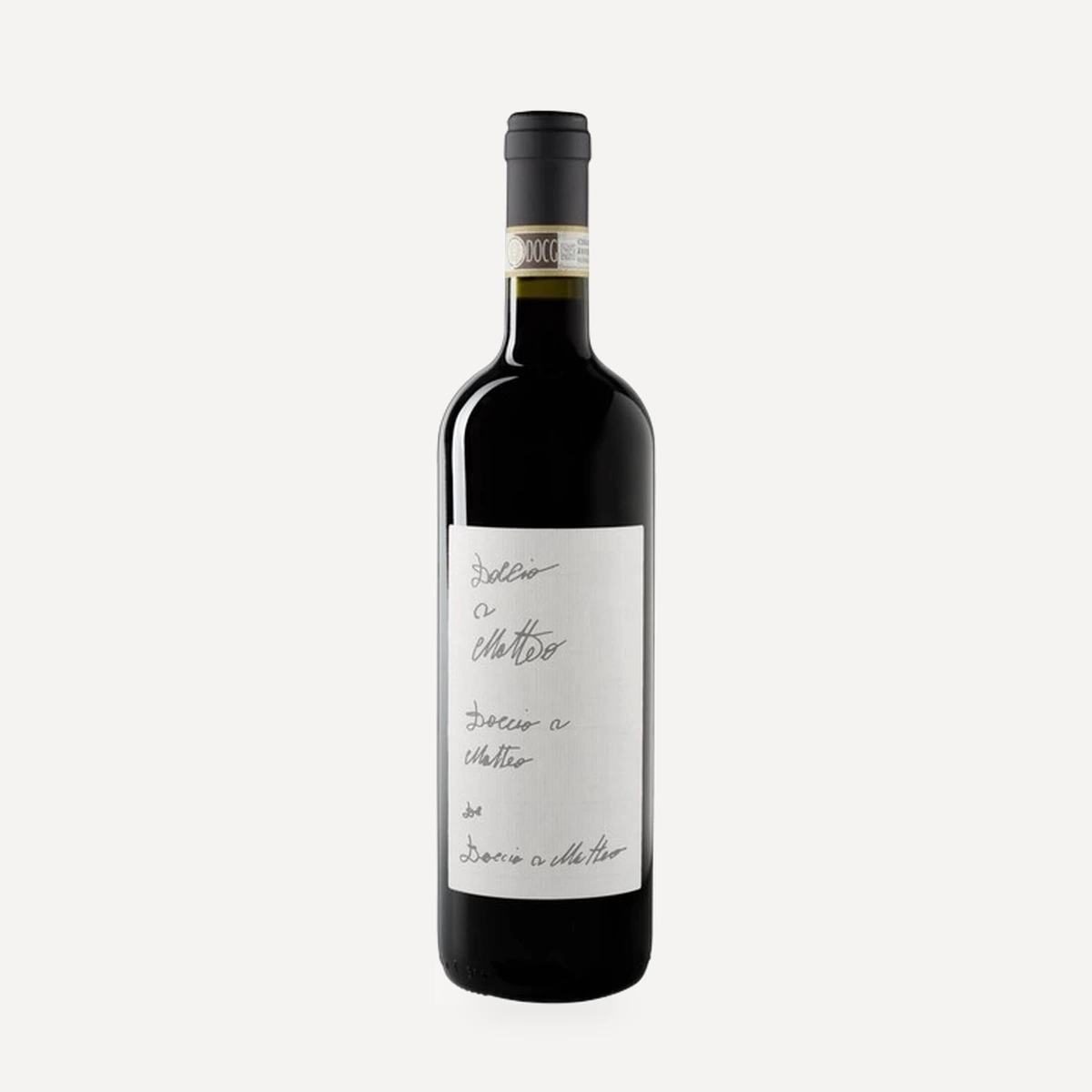
By September 2026 the five children were described as running Caparsa, marking an active generational handover. In the same year, Doccio a Matteo 2022 was introduced as Chianti Classico Gran Selezione Radda, its first release as Gran Selezione rather than Riserva.
Terroir
Caparsa lies in the municipality of Radda in Chianti, in the northern to north-eastern sector of Radda and in the Monti del Chianti. The vineyards average approximately 450 m above sea level and are surrounded by woodland.
The vineyard soils include galestro, a friable terrain prone to erosion but highly permeable. Rainwater percolates rather than remaining in the soil, while the naturally lean conditions restrain vine vigour and grass growth. These properties proved especially beneficial during the cool, wet 2014 season.
Large differences between daytime and nighttime temperatures are a recurring feature. On 14 July 2020, the estate's weather station recorded a 22 °C diurnal range. During the preceding month and a half in 2012, it registered a maximum temperature of 39.4 °C on 1 July. Slow ripening at 450 m, accompanied by pronounced temperature variation, is associated with the aromatic development, acidity and tannic profile valued in Caparsa's Sangiovese.
The estate treats terroir as an ecological system encompassing flora, fauna, insects, fungi, microorganisms, soil, weather and vineyard exposure, together with human work. Woodland, spontaneous vegetation and the healthy insect environment form part of that system. Climate change has also altered ripening: the north-eastern position formerly struggled to achieve complete maturity in some years, whereas higher average temperatures have substantially improved phenolic ripeness.
Vinificazione
Caparsa is certified organic in both vineyard and cellar, with CCPB Bologna named as the current certifier. Paolo Cianferoni farmed organically for years before accepting controlled certification in 2003.
A digital weather station records temperature, relative humidity, leaf wetness and rainfall. These measurements help determine the timing of treatments, an especially important tool under organic management.
Pruning is performed manually with hand or pneumatic shears. Each vine is assessed individually to guide balanced vegetative development. As growth proceeds, suckers and unwanted shoots are removed and the canes are tied to the trellis, improving grape aeration and allowing machinery to pass without damage. Lateral shoots are controlled during summer to maintain an open fruit zone. Manual work is regarded as substantially greater than in conventional farming.
Disease control begins when shoots exceed about 10 cm and weather creates fungal pressure. Treatments target downy mildew and powdery mildew; the healthy environment is considered sufficient to prevent damaging insect populations, so insect pests are not routinely treated. Non-synthetic materials are used: copper, or alternatives based on clay and horsetail, against downy mildew, and sulphur against powdery mildew.
No herbicides are used beneath the vines. An A. Spedo three-disc cultivator works the soil directly under the row. Between rows, a flail mower cuts vegetation and encourages spontaneous ground cover. Every three or four years the inter-row is cultivated to improve root-zone aeration.
New vineyards receive substantial drainage work to regulate underground water and preserve soil stability. Trenches follow the slope; stone or perforated terracotta elements are laid at the bottom and covered with non-woven filtering fabric to prevent silting. Ground preparation uses two excavators working together: one moves soil to a maximum depth of 80 cm, while the other finishes the profile and collects stone for drainage. After setting out the rows, rooted vines are planted with a special fork or mechanically.
Mature grapes are harvested by hand to permit selection. Wild boar once selected the ripest grapes at night; the vineyards are now protected by fencing and electric fencing.
Caparsa's cellar has a total declared capacity of 3,300 hL: 372 hL in stainless steel, 2,680 hL in cement and 178 hL in wooden vessels. Bottle-storage capacity is 40,000 bottles. Approximately half of the estate's production is bottled.
The underground ageing cellar is more than 500 years old and has been restored. A separate seventeenth-century cellar is now dedicated to tastings.
Fermentation is spontaneous, using indigenous yeasts, principally in cement tanks. Cement is valued for its insulation and natural porosity, which permits gentle oxygen exchange, and is used for both fermentation and the maturation of several wines. Filtration is coarse rather than sterile.
Stainless-steel tanks are considered convenient for cellar work but unsuitable for prolonged storage; they are generally used to assemble wines before bottling.
Wooden ageing vessels are distributed through several cellar areas and include 500-, 1,000- and 1,800-litre formats. Oak origins include Slavonian, Limousin, French, American and Hungarian. These capacities are intended to support the slow development required by Sangiovese. Current records also identify 10 hL Stockinger and Mittelberger casks. The 1,800-litre Limousin vessels are principally associated with Caparsino, while 500- and 1,000-litre casks of several origins have been associated with Doccio a Matteo. Ageing duration is adjusted to the vintage rather than imposed as a fixed formula.
The approach has evolved away from the smaller barrels that Paolo felt could dry the wines and exaggerate tannin. Cement and larger oak now play the central roles, preserving vintage differences and reducing the influence of wood.
Filosofia
Tradition as a working principle
Caparsa defines its philosophy with one word: tradition. Its model reaches back to sharecropping culture, when wine had the standing of food and accompanied food at the table. Care for every stage of cultivation and production is central to this view, with wholesome wine treated as inseparable from quality.
Terroir as a living system
Originality arises from the interaction of flora, fauna, insects, fungi, microorganisms, soil, climate and field exposure with the work and judgement of the grower. The estate connects its characteristic acidity, aromas, tannins and longevity to this territorial identity.
Vintage transparency and restrained intervention
Paolo's aim has been to offer an alternative to invasive vineyard and cellar practices. Technical uniformity is not the overriding objective: wines may vary between years but should remain recognisable as expressions of their vintages. Cement, spontaneous fermentation and larger oak vessels serve that objective, while earlier experience with forceful pumping and small barrels led to a less extractive, less wood-driven approach.
Good, clean and fair
Environmental care, natural production and fair remuneration for collaborators form the ethical centre of the family's work. Wine is understood not merely as the liquid in a bottle but as part of agricultural life, local food culture and the continuity of territorial traditions.
Family continuity
Caparsa remains a direct-grower enterprise rather than an investment fund or corporate holding. Paolo's 2025 consolidation of ownership was intended to give his five children the opportunity to continue the project begun by Reginaldo in 1965. The family's next generation is now engaged in the estate's management, vineyard, cellar, sales and logistics.
Vini
Chianti Classico Riserva Doccio a Matteo