Storia
Historical background of Ofena
The estate stands at Ofena, in a territory inhabited by the Vestini, a people of Osco-Umbrian origin, from at least the fifth century BCE. The celebrated Guerriero di Capestrano was sculpted during that period and was later discovered only a short distance from the estate vineyards.
Ofena and Capestrano belonged to the Acquaviva family in the later Middle Ages and to the Piccolomini during the Renaissance. They were subsequently sold to Francesco I de’ Medici, passing first into the Grand Duchy of Tuscany and then becoming a principality. The Florentine dynasty retained the territory as an enclave surrounded by the Bourbon kingdom until 1747. This long Tuscan connection inspired the theory that the Ofena plateau may have been the birthplace of Montepulciano d’Abruzzo through an encounter between local biotypes and Tuscan viticultural knowledge.
Before the Second World War, the province of L’Aquila—and Ofena in particular—was Abruzzo’s leading wine-producing area. After the war, the centre of volume production moved toward the more easily cultivated coastal provinces.
1920: the family wine-growing enterprise begins
Baron Luigi Cataldi Madonna began the family’s wine-growing activity in 1920. This marked the first of four generations associated with the estate.
1975: the first estate bottling
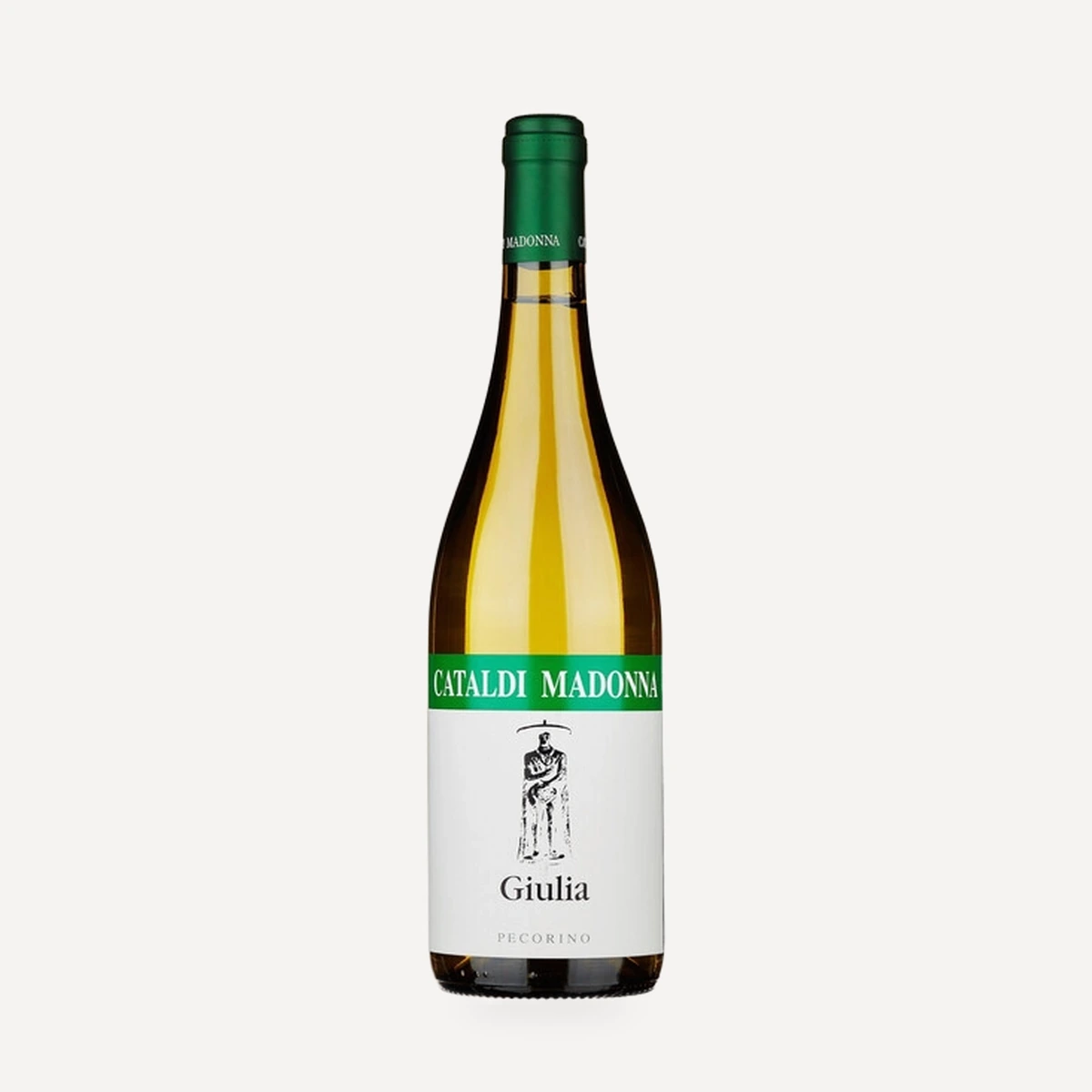
Luigi’s son Antonio Cataldi Madonna bottled the family’s wine for the first time in 1975. From that year onward, he reproduced the unmistakable figure of the Guerriero di Capestrano on the labels, linking the wines with an archaeological emblem discovered near the vineyards.
1988: Tonì
In 1988, Luigi Cataldi Madonna created Tonì in honour of his father, Antonio—also called Tonino. The wine later became part of the estate’s Vigneti range.
1990: Luigi Cataldi Madonna takes over
Luigi, Antonio’s son and the founder’s grandson, assumed responsibility for the estate in 1990. He continued the family project by sharpening the identity of its products and working to increase recognition of the territory. Until the beginning of the 1990s, Cataldi Madonna was virtually the sole winery maintaining a presence across the wine-growing area of Ofena.
1997: Piè delle Vigne
Piè delle Vigne Cerasuolo was produced for the first time in 1997. Its conception revisited the local historical practice known as svacata, combining a white and a red vinification partway through their fermentations.
2003: Lorenzo Landi joins the estate
Agronomist and oenologist Lorenzo Landi began contributing to the estate in 2003, supporting both vineyard and cellar work.
2016: certified-organic grapes
From 2016, the wines have been produced from certified-organic grapes.
2017: evolution of Tonì’s maturation
Tonì had been matured for one year in barriques through the 2015 vintage, followed by another year in bottle. From the 2017 vintage, its maturation moved to 25-hectolitre large casks.
The fourth generation
Giulia Cataldi Madonna is the current owner and represents the fourth generation. The estate now comprises 30 hectares of vineyards, all within the commune of Ofena and planted exclusively with the native or traditional varieties Montepulciano, Pecorino and Trebbiano.
Terroir
Cataldi Madonna’s vineyards lie entirely within the commune of Ofena in Abruzzo, at elevations ranging from 320 to 440 metres. The estate is situated in the Valle del Tirino, within the Parco Nazionale del Gran Sasso e Monti della Laga.
Ofena occupies the centre of a small, amphitheatre-shaped plateau measuring approximately 10 km². The area is known as the Forno d’Abruzzo, or “Abruzzo oven,” but its warmth is counterbalanced by its position below the Calderone glacier. Air descending from the mountain cools summer days, functioning as a natural air-conditioning system across the plateau. Fresh breezes moving through the valley likewise affect the vineyards.
The surrounding landscape is defined by imposing mountains and the enclosed form of the plateau. No individual soil profiles, geological formations, vineyard exposures, rainfall figures or measured temperature ranges are identified.
Vinificazione
The 30 hectares of vineyards are planted exclusively with Montepulciano, Pecorino and Trebbiano. The principal stated vineyard objective is to protect the varietal expression of the grapes, especially through management of the leaf canopy.
The wines have been made from certified-organic grapes since 2016. Vineyard work is framed by respect for the land, attention to innovation and the advancement of Abruzzo’s indigenous varieties. The multifunctional team connects vineyard and cellar duties: Valerio Carota combines cellar work with assistance on the tractor, while Fabrizio Delfino combines tractor operation with cellar assistance. Agronomist and oenologist Lorenzo Landi contributes to the estate’s work in both spheres.
The wines are vinified as single-variety wines and under reductive conditions, meaning in the absence of oxygen. The cellar objective is to retain the drive, savoury character and freshness present in the grapes rather than obscure their original expression.
The production facilities include a working cellar and a barrel area. The broader range demonstrates the use of both steel and wood, although complete estate-wide protocols are not defined. One documented historical technique is the local svacata, reinterpreted for Piè delle Vigne by combining a white vinification and a red vinification halfway through their respective fermentations. The estate has also used barriques and 25-hectolitre large casks in the maturation of Tonì, with the change to large casks beginning in the 2017 vintage.
Filosofia
Cataldi Madonna places the search for harmony at the centre of its work. Externally, this means contributing to the revival of mountain viticulture in Abruzzo; internally, it means operating through a close, multifunctional team whose responsibilities cross administration, commerce, vineyards and cellar.
Luigi Cataldi Madonna’s formulation of the estate’s outlook begins with the idea that making must be preceded by thought: without a concept, wine cannot be made meaningfully. In this view, thought works like art, multiplying what nature provides.
In the vineyard, this philosophy is expressed through the protection of varietal character, particularly by managing the leaf canopy. In the cellar, the corresponding aim is to preserve the grapes’ energy, savoury quality and freshness. Respect for the land is paired with innovation and a deliberate focus on indigenous Abruzzo varieties.
The hierarchy of the range also expresses this approach. Base wines are intended as an immediate introduction to the house style; Fondamentali form the core of the estate; Selezioni result from both vineyard selection and the selection of the best grapes at harvest; and Vigneti wines come consistently from the same long-tested vineyards, including in challenging years.
Vini
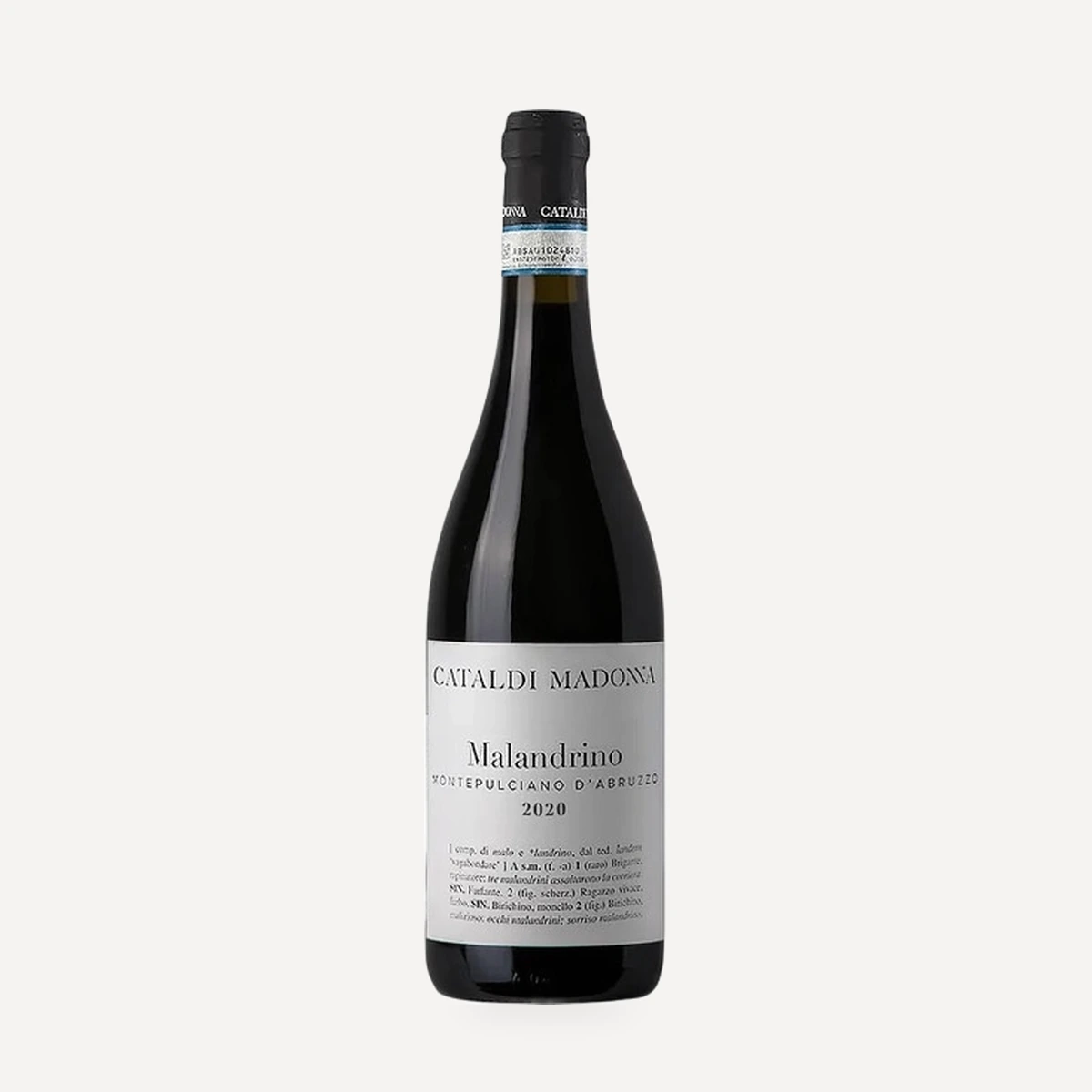
Malandrino Montepulciano d'Abruzzo DOC
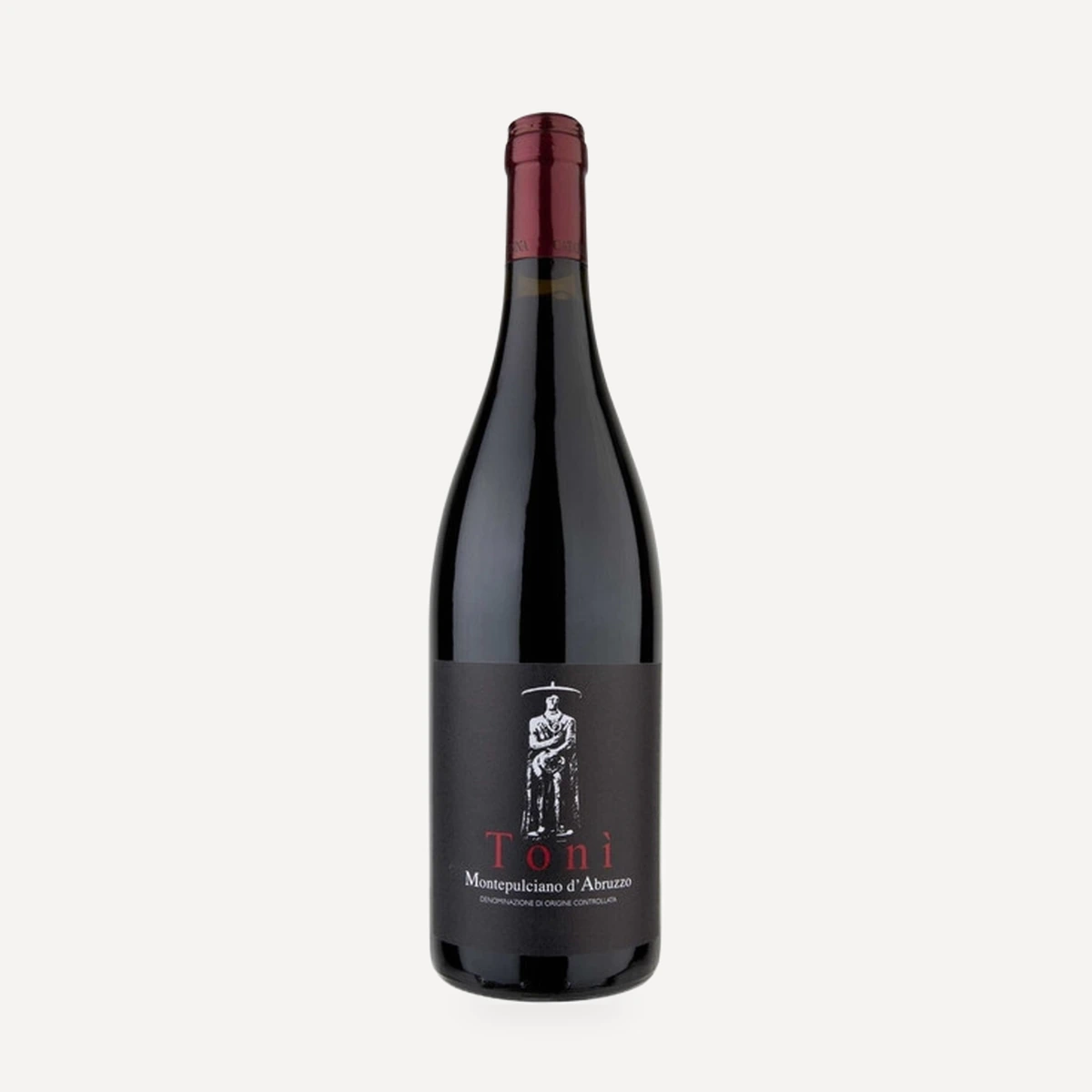
Toni Montepulciano d'Abruzzo DOC
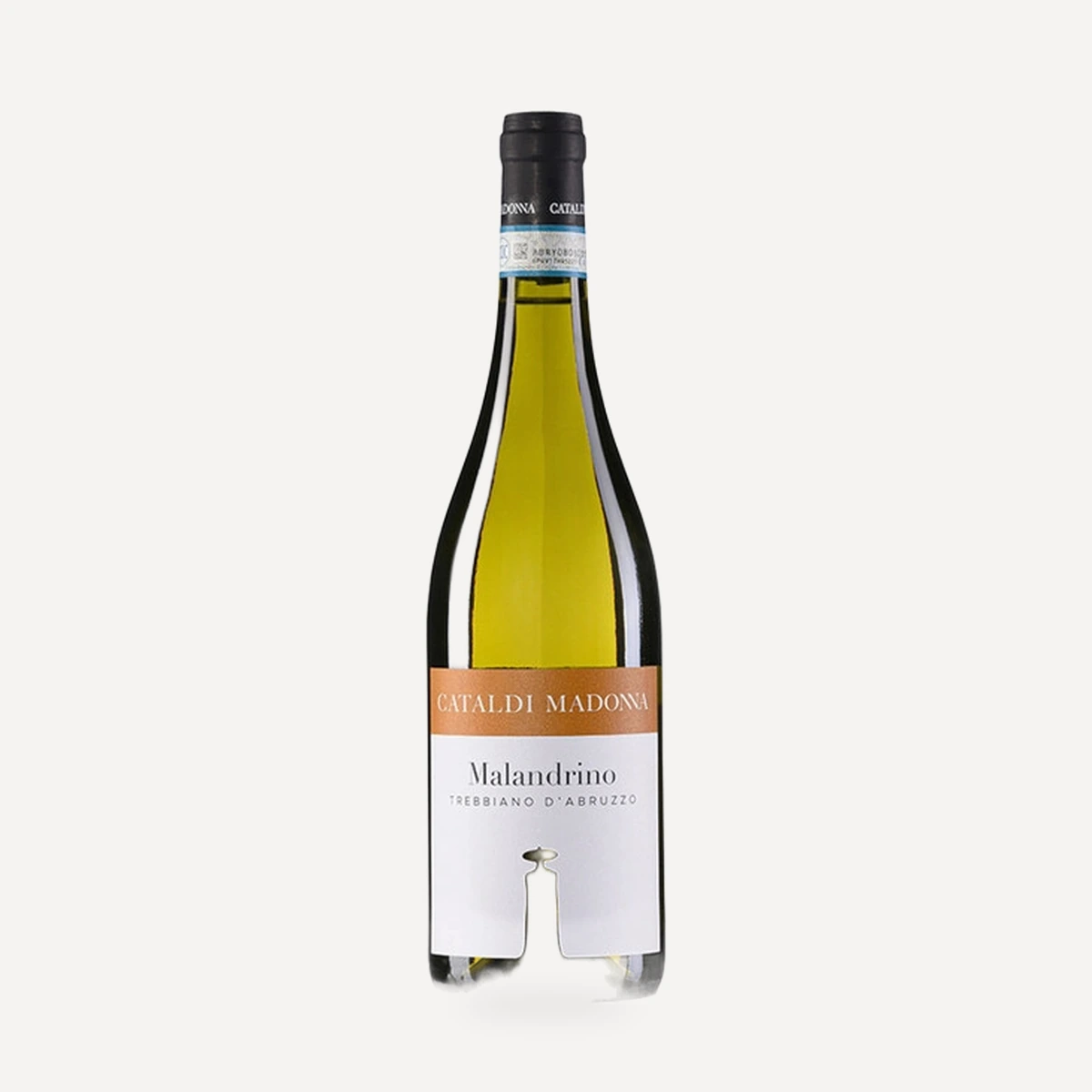
Trebbiano d'Abruzzo DOC
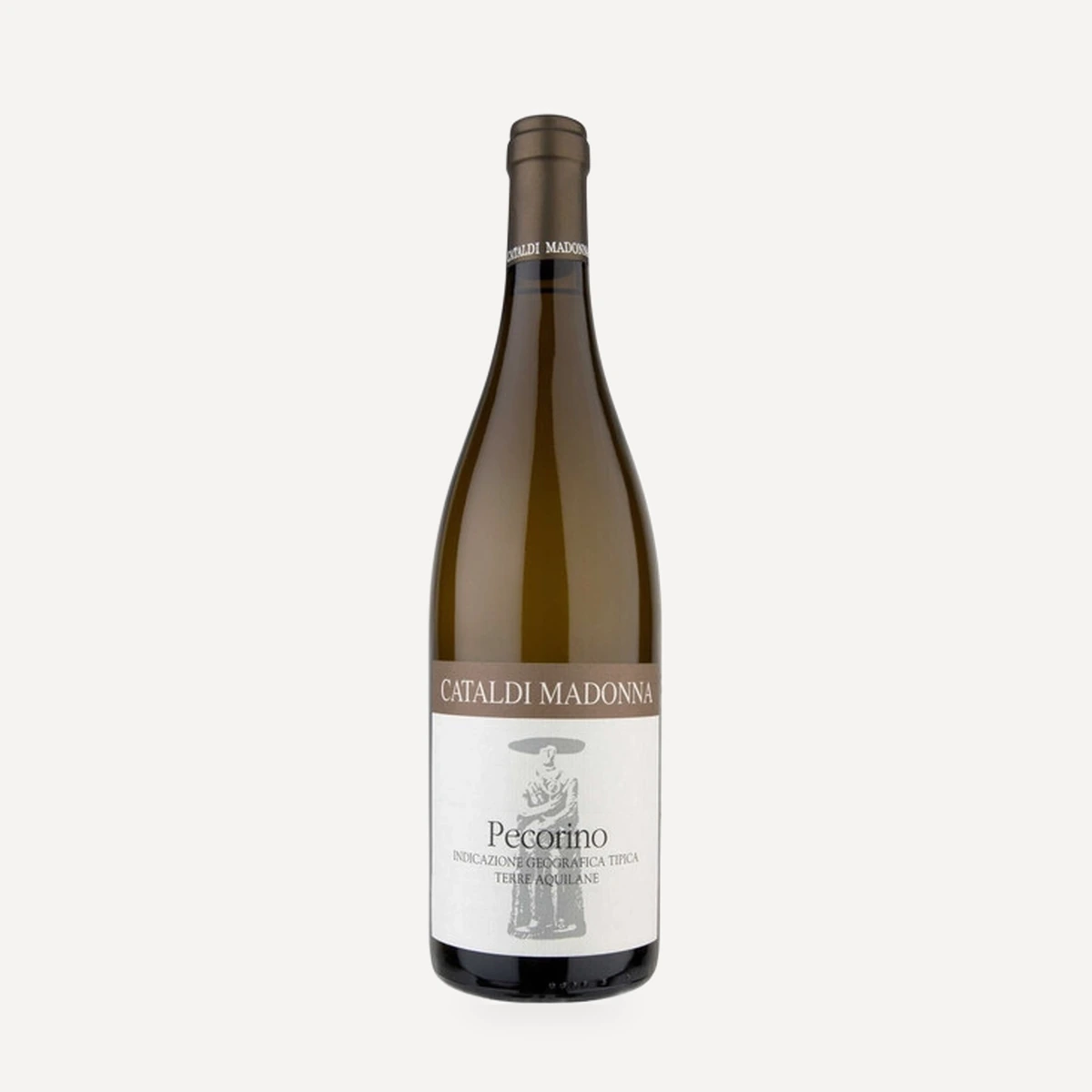
Frontone Pecorino Terre Aquilane IGT