Storia
Origins and Fattoria Nicò
The Illuminati wine story began in 1890, when Nicola Illuminati established his first winery in Ripatransone, close to the boundary between Marche and Abruzzo. He named it Fattoria Nicò. The family traces its identity further back through the memory of its ancestor Pacifico Illuminati and through heirlooms bearing its historic crescent-moon-and-candle coat of arms.
The succession identified within the family is Nicola, Lorenzo and then Dino Illuminati, followed in the present era by Stefano Illuminati, Stefano’s brother Lorenzo and Stefano’s son Nicola. The latter Nicola is the most recent family member to enter the business, linking the founder and the current generation across five generations.
The move to Controguerra
In 1960, Dino Illuminati, Nicola’s grandson, left Ripatransone and moved to Controguerra in Abruzzo. He chose the clay-rich hills between the Gran Sasso and the Adriatic Sea, bought a farmhouse and acquired five hectares in an area already known as Zanna. The farmhouse remains the winery’s headquarters, while the original holding became the nucleus of 110 hectares of directly managed vineyards.
Dino established the working method that subsequent generations continued to refine, combining inherited practices with continuing experimentation. He also created La Luperia inside the original farmhouse as a place for welcoming guests and sharing meals. It later became both a tasting space and the repository for family memorabilia, historic labels, documents and photographs.
Development of vineyards and wines
The first production year recorded for Zanna was 1973. The wine comes from the historic vineyard adjoining the winery, the estate’s first parcel at Controguerra.
Traditional-method sparkling-wine production began in 1982. Fermentation in bottle, manual riddling and disgorgement take place within the winery’s temperature-controlled caves.
In 1993, Dino created Lumen to explore how Montepulciano could work with Cabernet Sauvignon in a Bordeaux-inspired blend. The project demonstrated a different expression of the local grape and became part of the estate’s experimental tradition. In 1997, Lumen earned the first Gambero Rosso Tre Bicchieri in the winery’s history.
Pieluni entered production in 2000. Its name combines the initials of fifth-generation family members Pierpaolo, Ludovica and Nicola. Ilico followed with its first production in 2003, taking its name from a Controguerra hill associated either with a large holm oak that once stood there or with an older local memory.
Dino also played a leading role in the development of the area’s protected designation. He built relationships among local growers, led the creation of the Consorzio di Tutela and promoted the collective project that culminated in recognition of Colline Teramane Montepulciano d’Abruzzo DOCG.
International milestones
Dino was among the early Abruzzo wine entrepreneurs to pursue international recognition. In 1977, a shipment held in England led Giordano Limited to taste the wines and place them on the menu for an official dinner at the Palace of Westminster attended by Queen Elizabeth II.
In 1982, Sophia Loren told journalists outside a Miami restaurant that an Illuminati wine was her favourite. Dino sent her a gift, she replied by letter, and the New York Times subsequently covered the wine selected by the actress.
During the 1990s, Dino received letters of appreciation from Luciano Pavarotti and Pippo Baudo. Bruno Vespa also recalled bringing Lumen to a dinner where it was warmly received.
In 1999, Dino received honorary citizenship of Texas at a ceremony attended by George W. Bush, then the state’s governor. Barbara Bush was identified as an admirer of Zanna.
In 2000, Ecuadorian president Gustavo Noboa praised Illuminati wines during an interview in Rome, beginning a correspondence with Ecuador’s embassy.
Illuminati was selected as the official wine supplier for the G8 dinners held in L’Aquila in 2009. In 2014, its wines represented Italy in the athletes’ residences during the Winter Olympics in Sochi.
The fifth generation
Stefano Illuminati, his brother Lorenzo and Stefano’s son Nicola continue the family business. Pierpaolo, Ludovica and Nicola are identified as members of the fifth generation. The present team cultivates the vineyards and carries forward a method developed through successive generations, preserving established practices while continuing to experiment.
Terroir
Between the Gran Sasso and the Adriatic
The vineyards lie around Controguerra, near the boundary between Abruzzo and Marche. The estate’s hills reach approximately 320 metres above sea level. The Gran Sasso range shelters them from cold northerly winds, while the nearby Adriatic Sea moderates temperatures and supplies a persistent breeze. Exposure, ventilation and a moderated day-to-night temperature range shape the local microclimate.
Individual vineyard groups extend from approximately 260 to 295 metres above sea level. The broader production area represented within the range also includes vineyards at Controguerra, Corropoli and Torano Nuovo between 200 and 270 metres.
Clay and parcel variation
Clay is the defining component of the estate’s soils. It retains moisture during dry periods and releases it gradually to the vines. Within this broader profile, individual parcels differ. Zanna has a poorly porous, marl-origin soil containing clay; the parcel known as Agostino has loose soil with small quantities of sand and silt; the selected Ilico parcels have medium-textured soils tending toward clay; and the vineyards associated with Lumen have relatively loose soils containing small amounts of clay.
The winery links these conditions with structure, density and depth in its wines, while the sea breeze and sheltered position support aromatic development in the grapes.
Vinificazione
The full 110 ha of vineyards are cultivated and managed directly, with parcel-by-parcel oversight from pruning to harvest. Training systems include both row-trained vines and pergola abruzzese, the latter retained as part of regional practice and as a means of maintaining production under varying weather conditions.
Soil care centres on avoiding forced production. Phytosanitary treatments are reduced to a minimum, organic fertilisers are used, and grass cover is maintained between the rows to encourage biological activity in the soil. Hedgerows, fruit trees and grassed strips surrounding the vineyards are treated as parts of the working ecosystem and as contributors to vineyard resilience.
Many operations remain manual, including pruning and much of the harvest. Grapes are picked predominantly by hand and bunches are selected at optimum ripeness. Harvest dates respond to the vineyard, weather and conditions of the individual year rather than to a fixed calendar. The hilltop position of the winery shortens transport time between vineyard and processing, helping preserve the grapes’ aromas and condition.
Harvest timing varies by parcel. Ilico is generally picked by hand in early October; Zanna around mid-October; Agostino in the final ten days of October; and the Lumen vineyard group from late September for Cabernet Sauvignon to early October for Montepulciano.
Harvest reception
Grapes are harvested predominantly by hand, with bunches selected at their optimum stage of ripeness. Because the winery stands on the same hill around which its vineyards grow, fruit reaches the production facilities quickly after picking.
Fermentation
Fermentation takes place in temperature-controlled stainless-steel tanks, with the programme adjusted to the grape variety and intended result. White and rosé production uses low-temperature fermentation at 8–10°C with cryomaceration. The pomace remains in a cold, nitrogen-saturated environment so that aromas and other components are released gradually while limiting oxidation.
Red production uses warm maceration to extract colour and structure. The aim is to obtain ripe, supple tannins capable of contributing body and longevity. Maceration times and temperatures are refined according to the vintage as part of the estate’s continuing experimentation.
Maturation
After fermentation, wines intended for maturation move first into concrete tanks and then into barrels or barriques. Slavonian oak is favoured because its contribution is intended to remain balanced rather than dominate the wine. Wooden vessels are held in three temperature-controlled caves.
Depending on the wine, barrel maturation lasts approximately 12–24 months and is followed by bottle ageing. Natural cork permits gradual micro-oxygenation during this period. The winery works with low sulphite levels as part of a minimal-intervention approach. Before release, a final decanting removes yeast deposits.
Traditional-method sparkling wine
Traditional-method sparkling wine has been produced in the caves since 1982. The process includes extended fermentation in bottle, manual riddling and disgorgement under the caves’ constant-temperature conditions.
Filosofia
The family presents wine as a vocation transmitted and refined from one generation to the next rather than simply an inherited trade. Its guiding ideas are respect for the land, attention to the vineyard and trust in time.
Tradition provides the framework for the estate’s methods, while continued experimentation allows them to evolve. Dino’s work is treated as the foundation of the modern approach, with later generations adjusting techniques to individual varieties, wines and vintages. The stated objective is consistent quality and recognisable character without erasing the identity of a particular year.
The production philosophy favours careful manual work, minimal forcing in the vineyard, limited phytosanitary inputs, low sulphite levels and wood that supports rather than overwhelms the wine. The estate also treats biodiversity, soil life and the balance between cultivation and the surrounding landscape as practical elements of viticulture.
Family memory remains central to this identity. Historic places, labels, documents and symbols are preserved, while new projects—including Lumen and Pieluni—connect experimentation and contemporary family life with that inherited history.
Vini
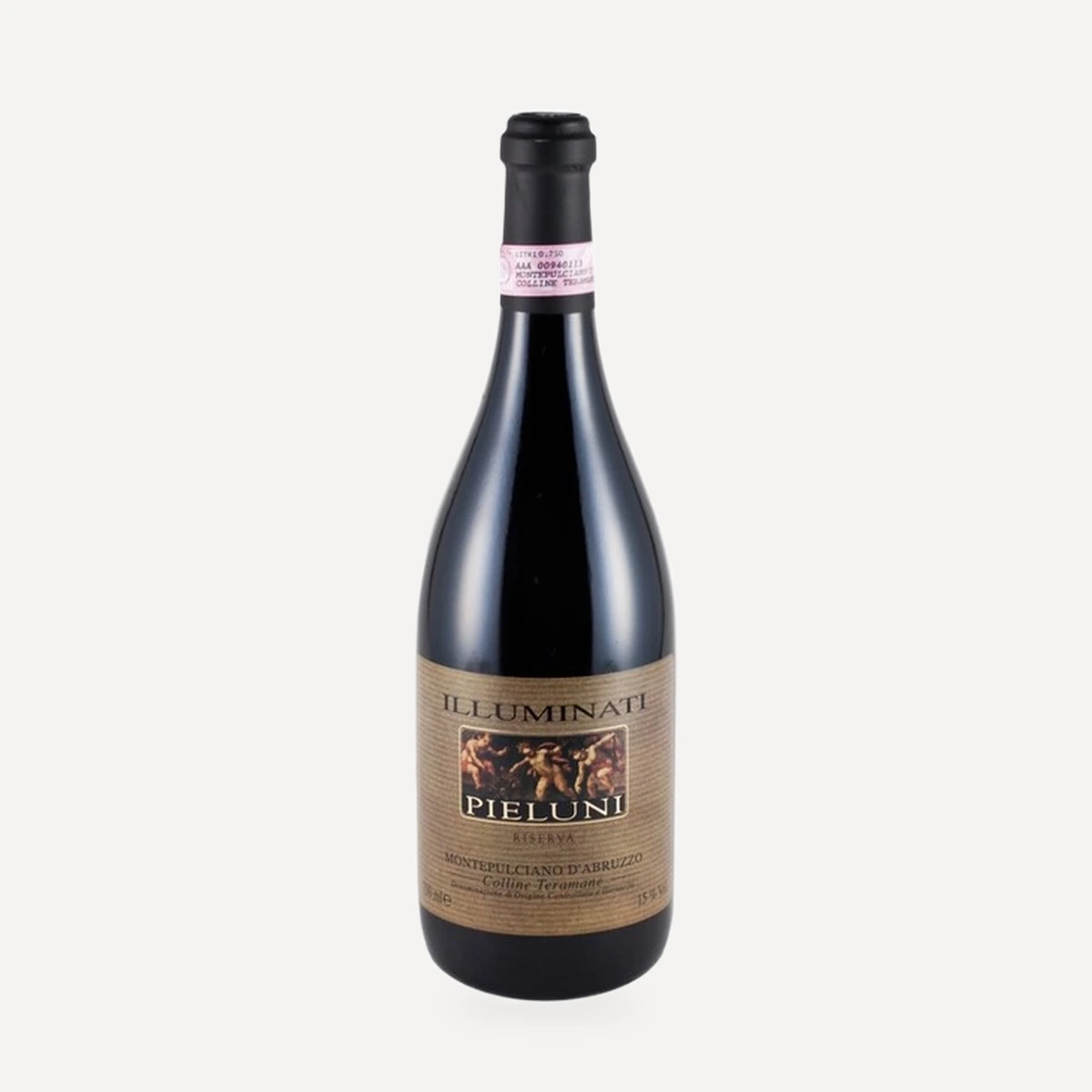
Pieluni Riserva Montepulciano d'Abruzzo Colline Teramane DOCG
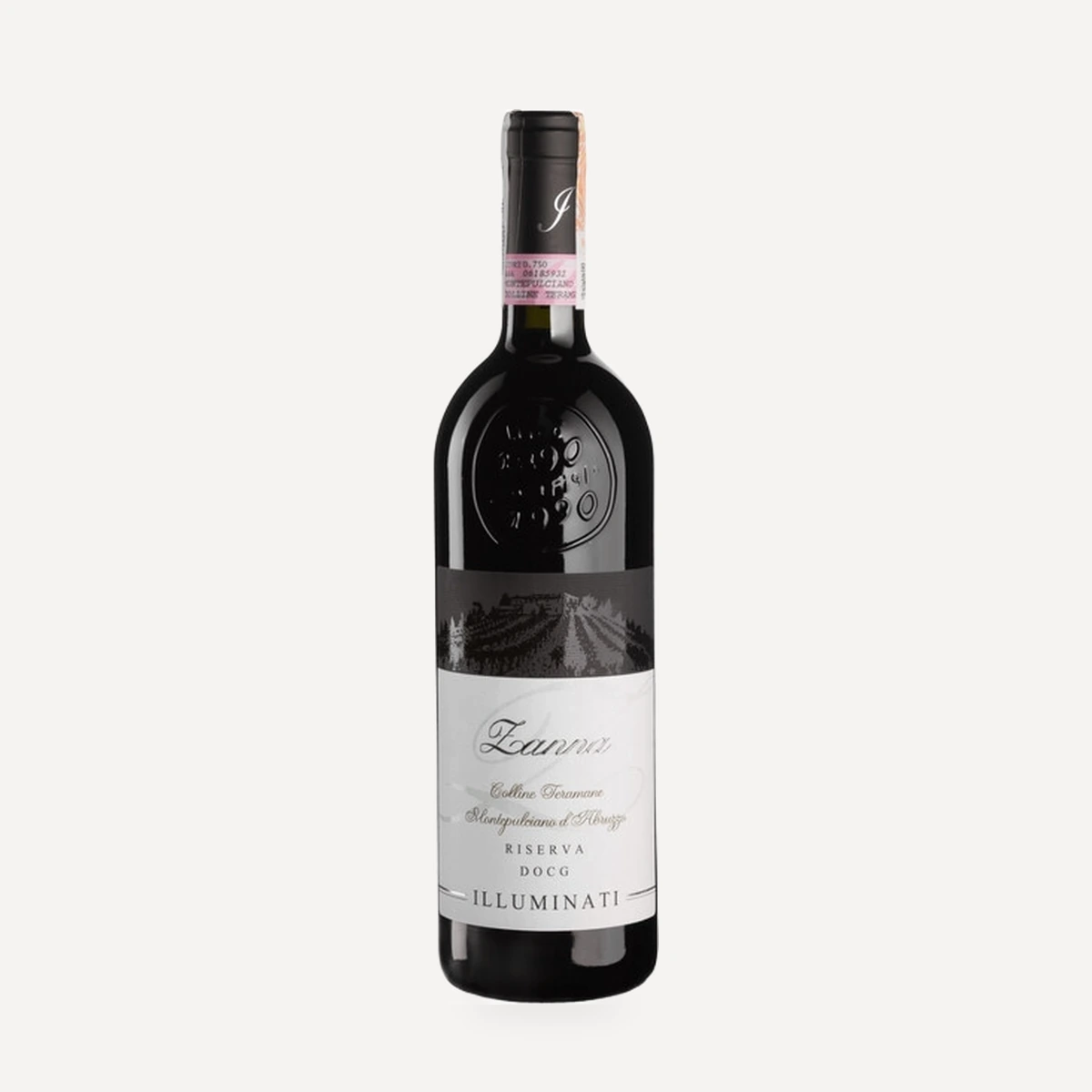
Montepulciano d'Abruzzo Riserva Zanna Colline Teramane DOCG
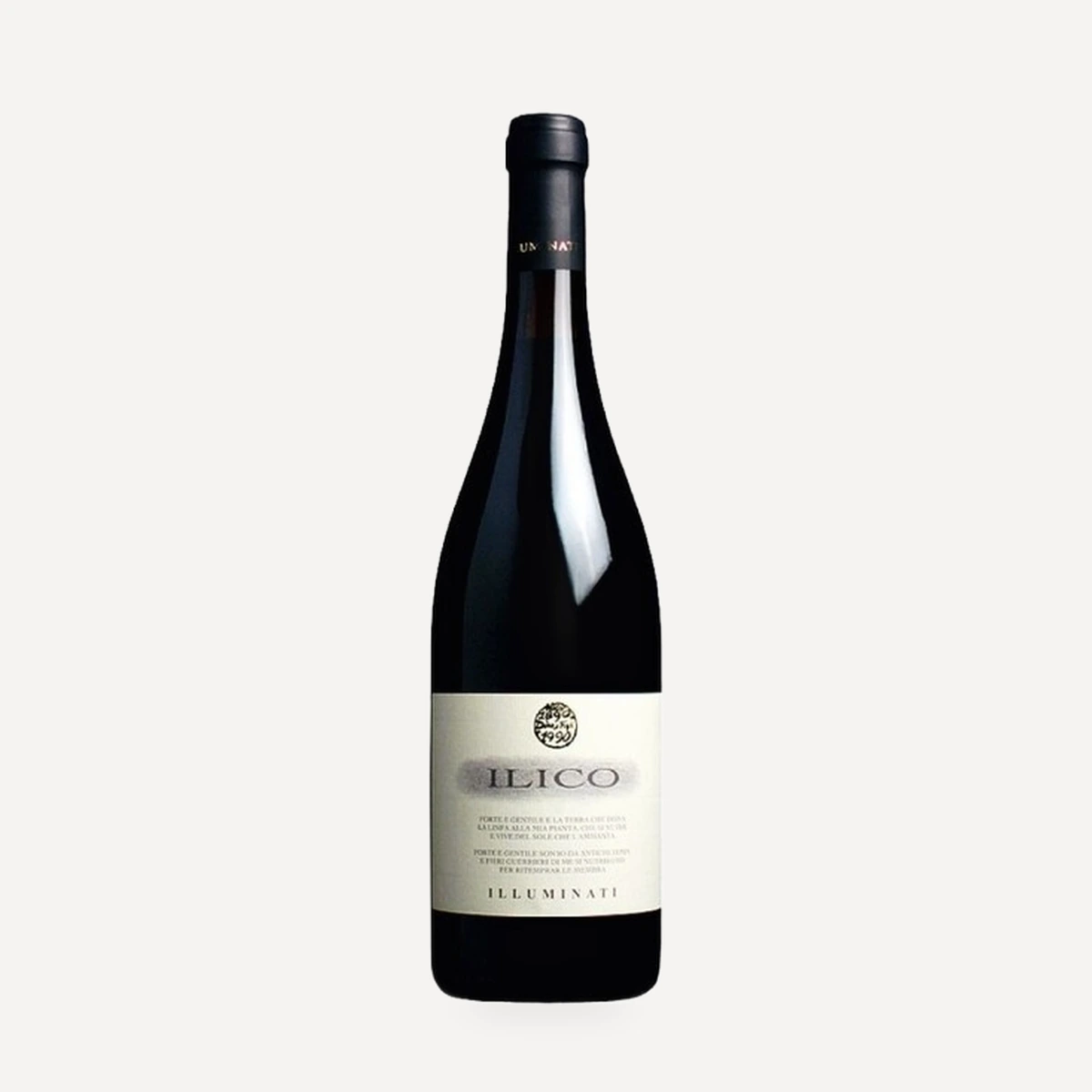
Ilico Montepulciano d'Abruzzo DOC
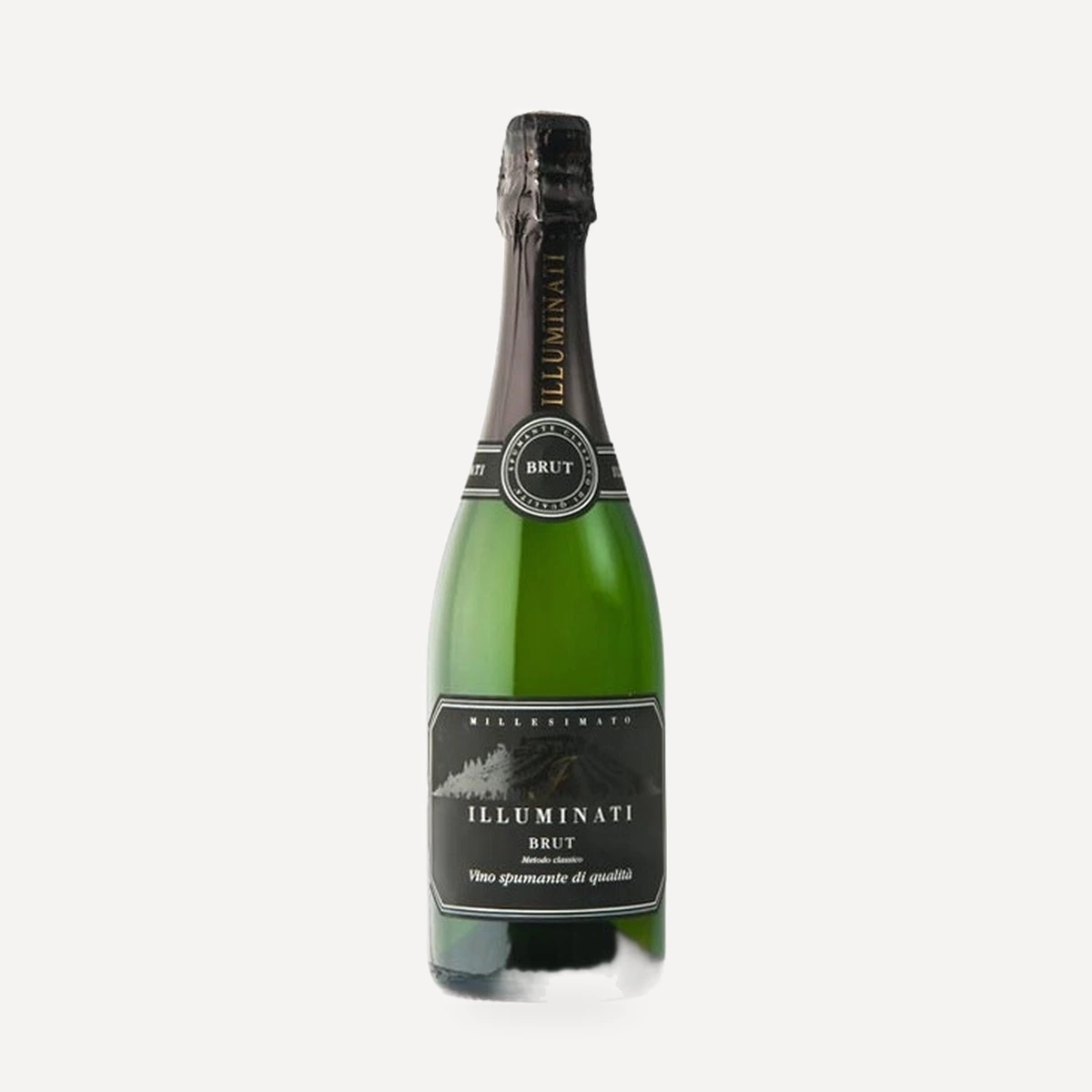
Brut Millesimato Metodo Classico DOC
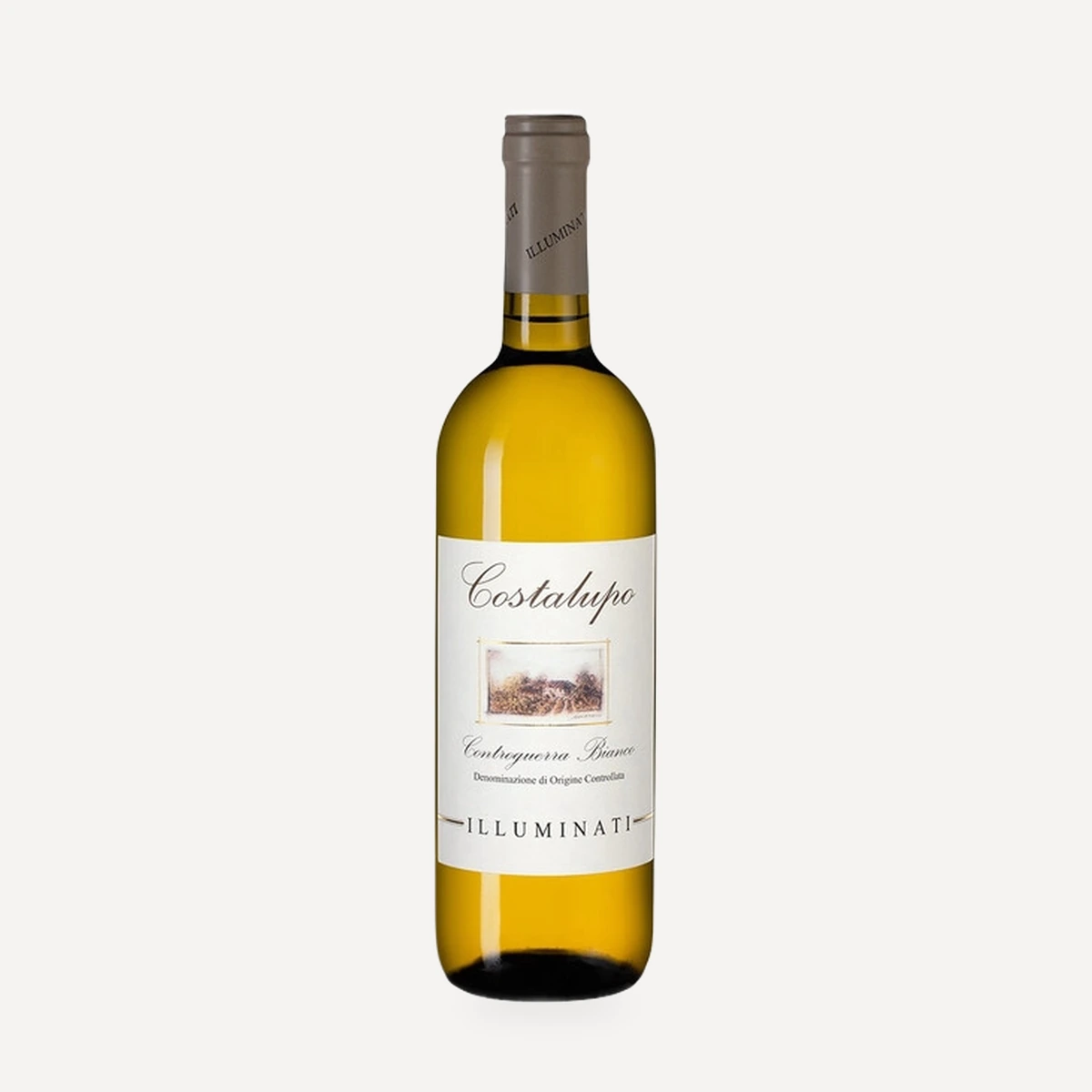
Costalupo Controguerra DOC
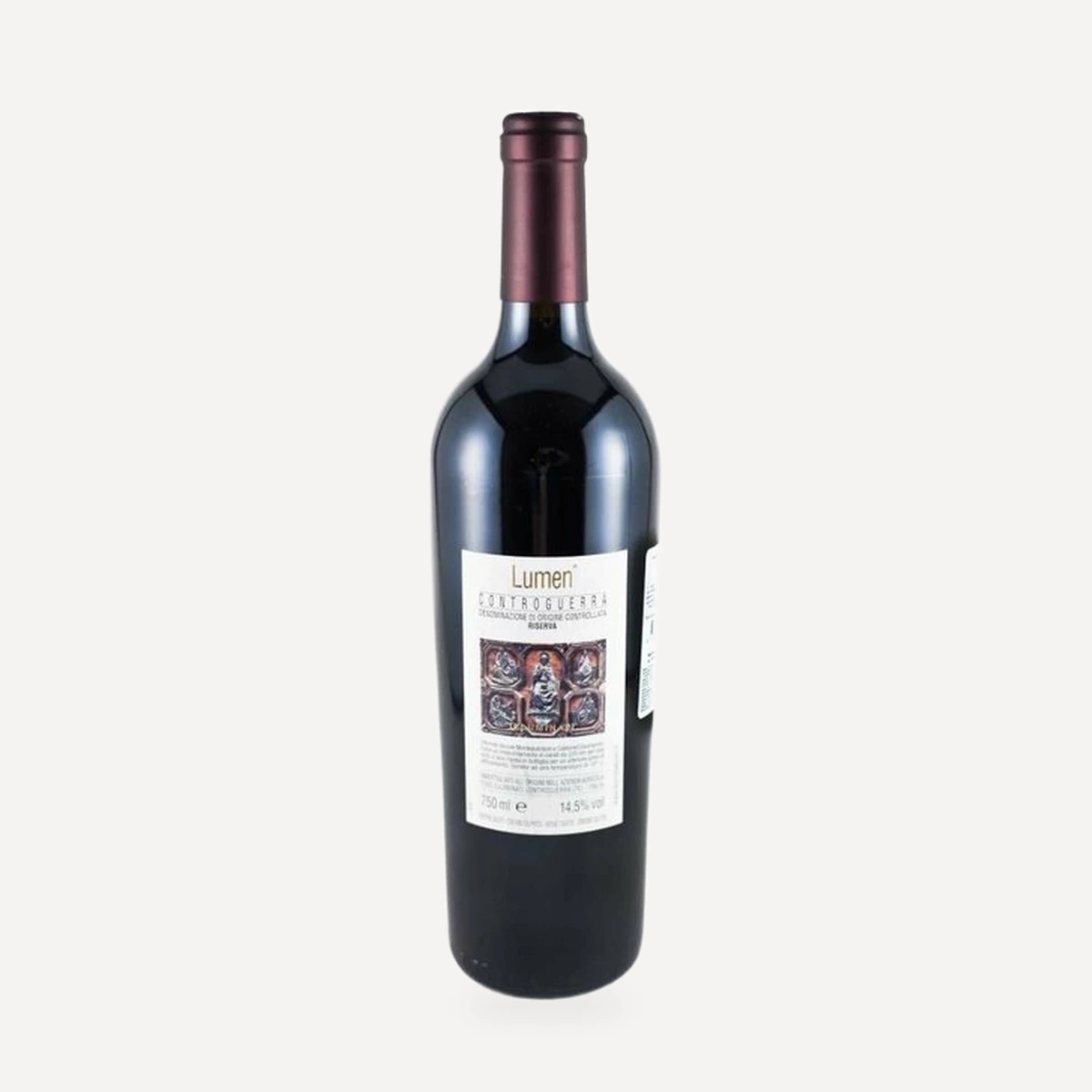
Lumen Controguerra Riserva DOC
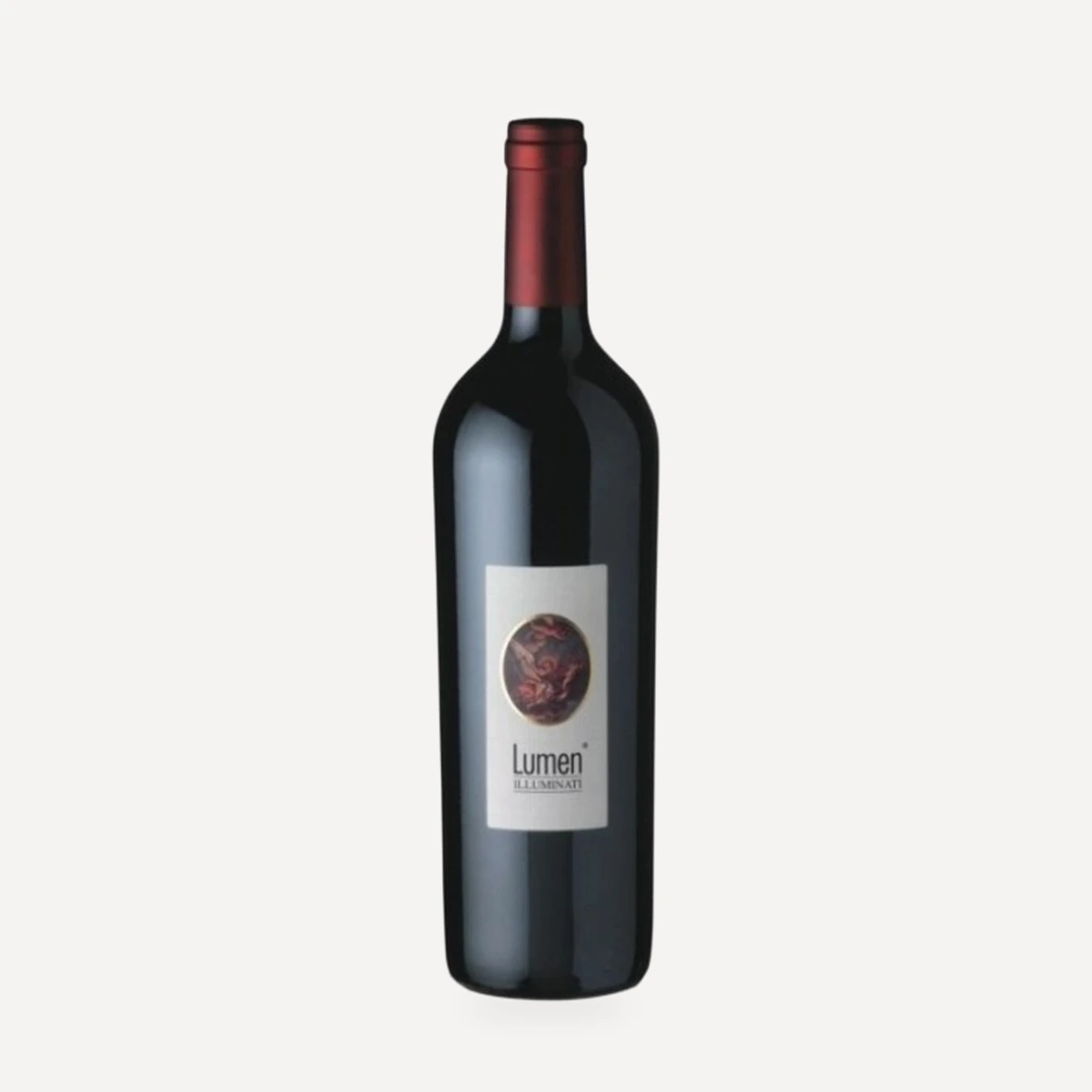
Lumen
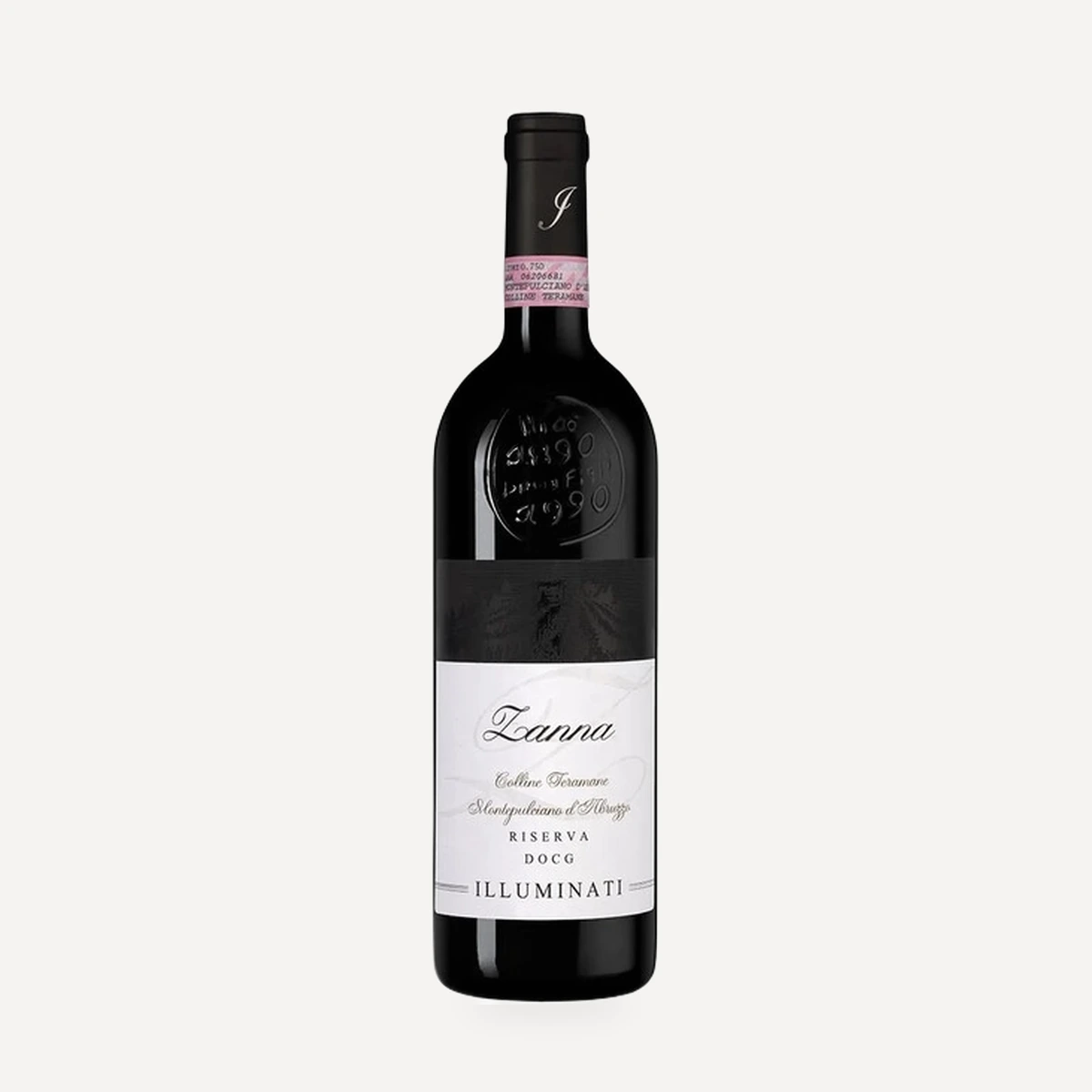
Zanna Montepulciano d'Abruzzo Riserva Colline Teramane DOCG
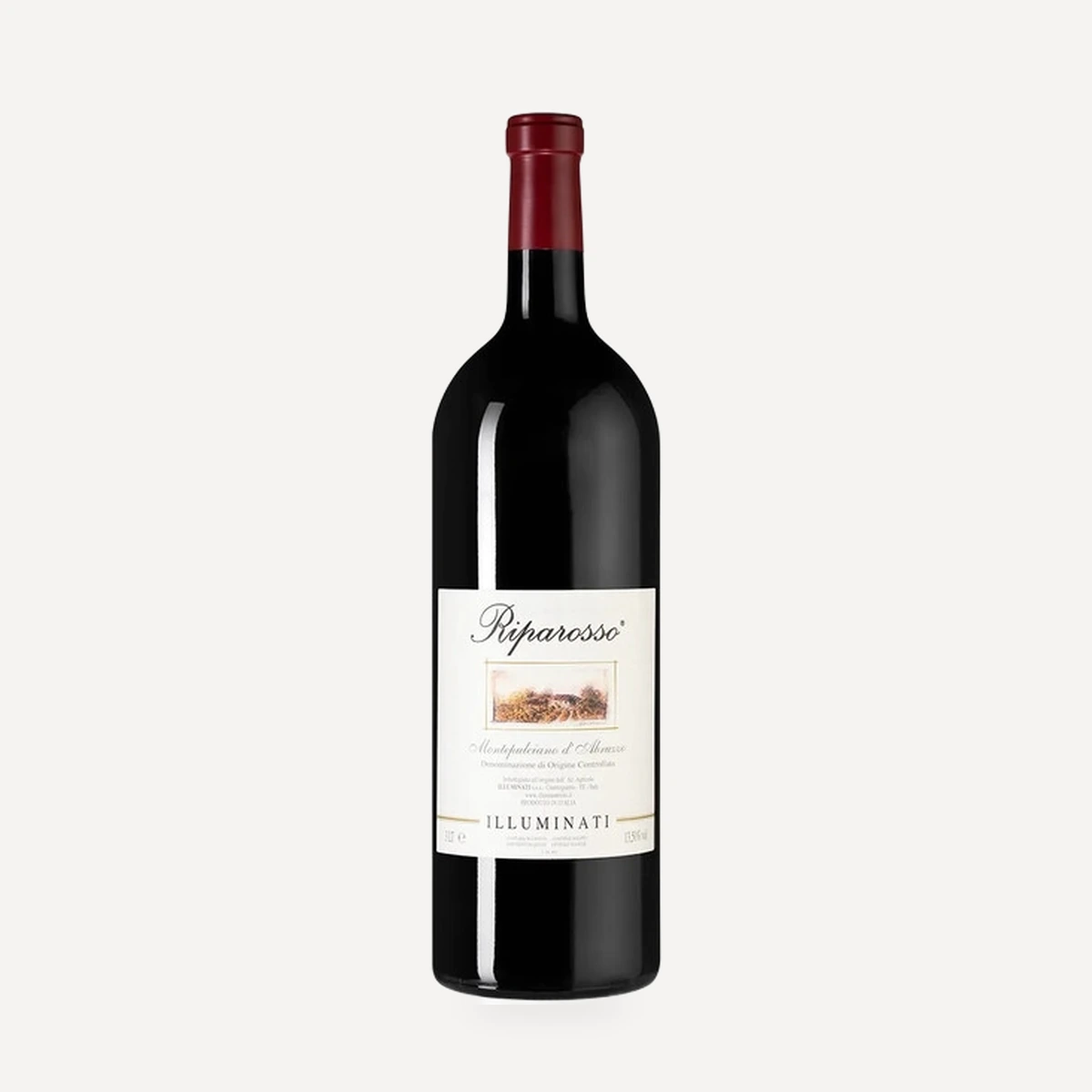
Montepulciano d'Abruzzo Riparosso DOC
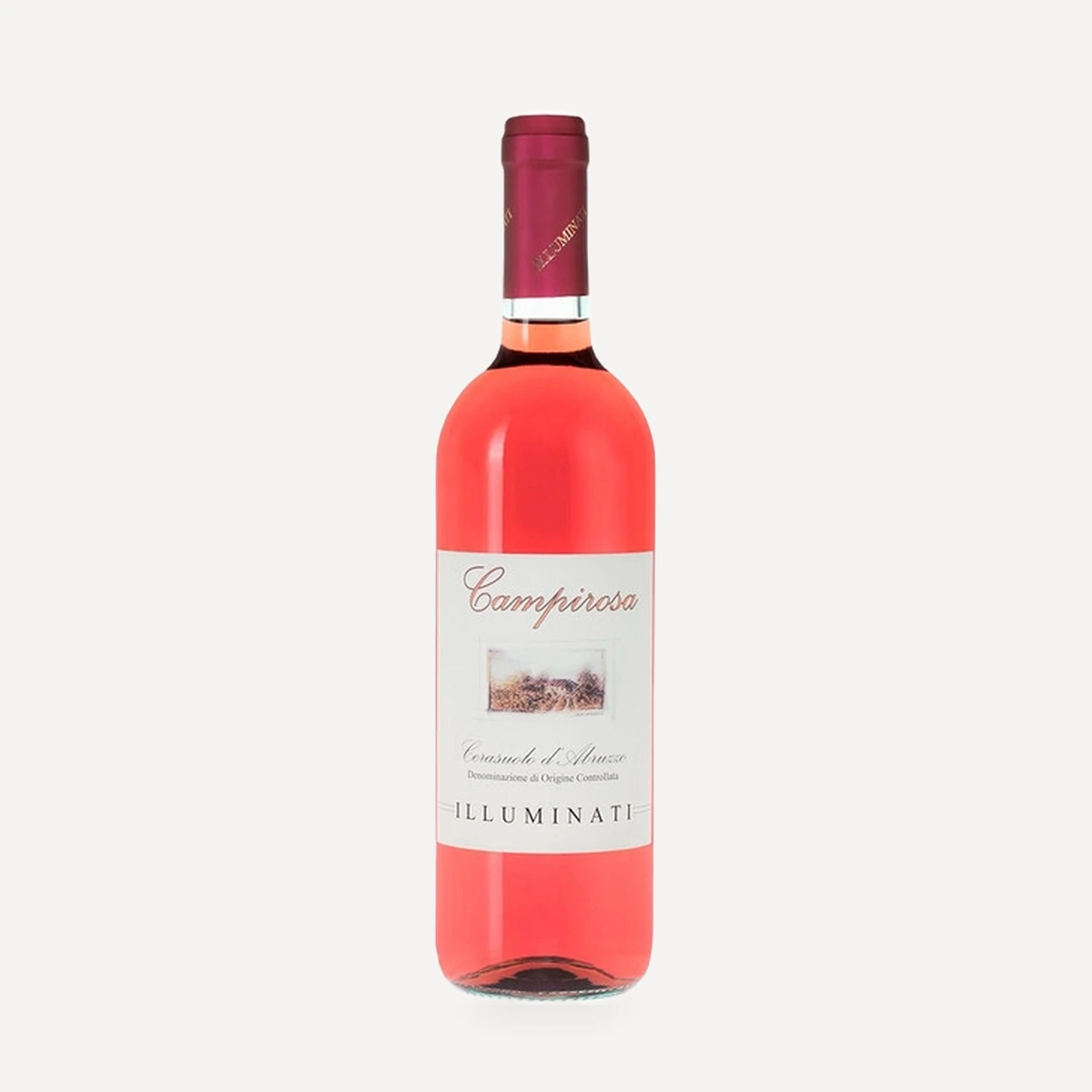
Montepulciano d'Abruzzo Campirosa Cerasuolo DOC
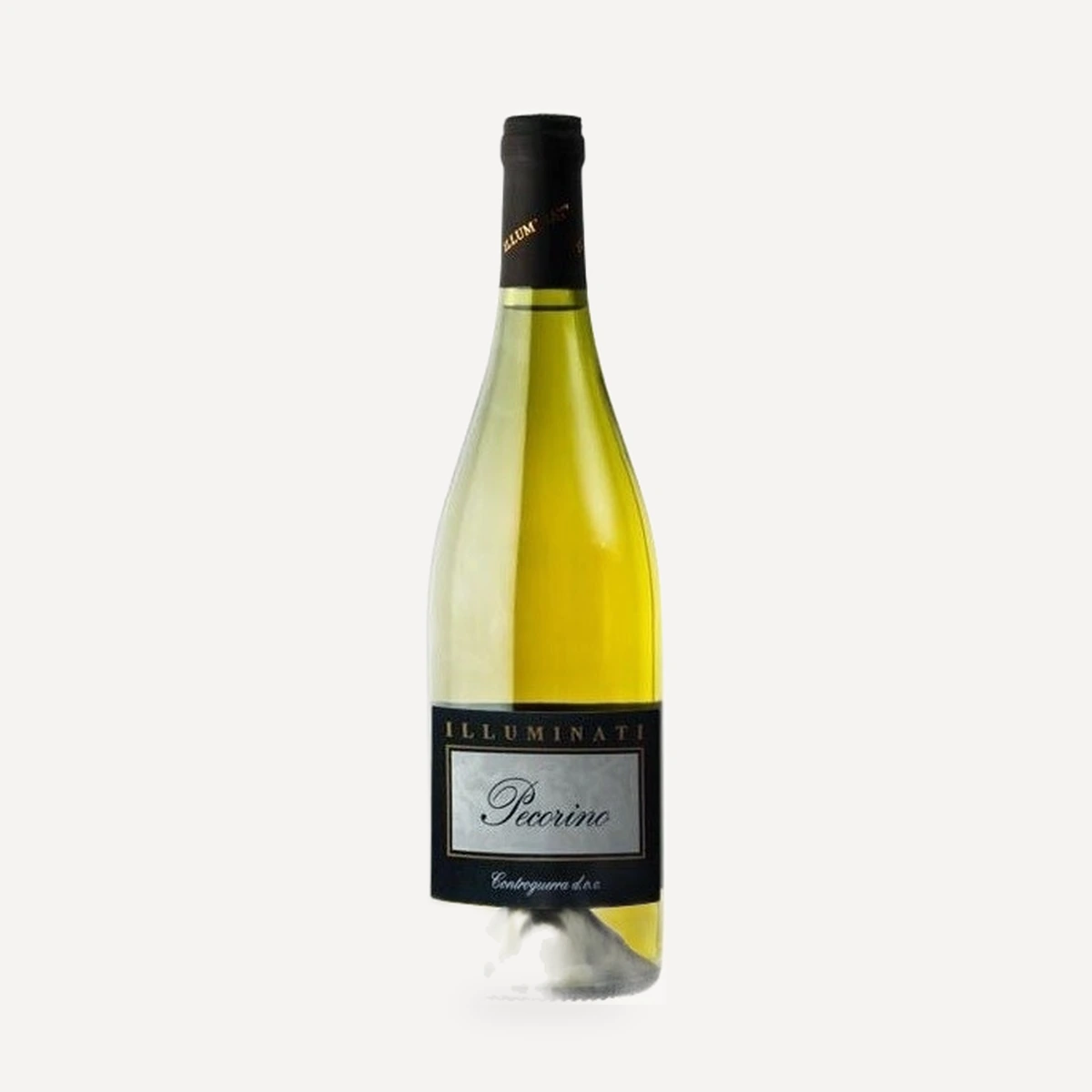
Pecorino Controguerra DOC