Storia
Foundation and change of ownership — 1990–1994
Fattoria La Valentina was established in 1990 on the hills overlooking Spoltore, near Pescara. Following several changes among the original shareholders, Sabatino, Roberto and Andrea Di Properzio acquired the entire company in 1994 and began directing its development.
Study of Santa Teresa and a new objective
The first years under the Di Properzio brothers were devoted to studying the Santa Teresa vineyard. This work progressively established two central objectives: improving wine quality through research and strengthening the identity and reputation of Abruzzo’s DOC denominations.
A less-interventionist approach
Closer observation and care of the land led to a philosophy centred on biological equilibrium. The estate progressively rejected excessive reliance on chemicals and technology, seeking to intervene as little as possible in natural processes. Its aim became the production of authentic wines in which adapted local varieties, soils, microclimates and the conditions of each growing season remain perceptible.
Sustainable development
Environmental and social sustainability subsequently became part of company policy. The programme encompasses vineyard and cellar practices, biodiversity and natural-resource protection, solar energy, employee training, environmental responsibility in day-to-day work and continuing monitoring of the company’s social and environmental performance.
Terroir
Fattoria La Valentina is based in the hills of Spoltore, near Pescara in Abruzzo. The vineyard selections represented across the estate’s range extend through the province of Pescara, including Spoltore, San Valentino in Abruzzo Citeriore, Scafa and Alanno.
The documented vineyards range from approximately 150 to 400 metres above sea level. Most described sites face south or south-west, while a higher San Valentino selection at the foothills of the Maiella has east, north and west exposures. Soils are consistently described as clay-based, ranging from medium-textured clay and clay loam to a clay-limestone matrix.
The Adriatic Sea and its breezes provide ventilation in the Pescara area. During the hot 2021 season, this maritime influence helped the vineyards withstand excessive summer heat. Vintage reports also record meaningful day–night temperature variation, notably in 2020 and 2025.
The estate treats terroir as the interaction of microclimate, soil and varieties adapted to their sites. Its objective is to preserve the character created by these relationships rather than obscure it through intervention.
Vinificazione
Vineyard management combines certified-organic and reduced-input traditional blocks. ICEA certifies the organically managed vineyards. Herbicides and desiccants are excluded throughout the stated vineyard practices, while conventionally managed parcels use reduced chemical inputs.
Only indigenous varieties are cultivated, and genetically modified vines are excluded. New vineyards are planted with material obtained through mass selection within the estate’s existing vineyards, preserving its own genetic selections.
Organic green manure is used for fertility and soil management. Biodiversity and the safeguarding of natural resources form part of the environmental programme. The estate also certifies the absence of pesticide residues in its wines through authorised laboratories.
Harvesting is manual. Grapes are picked only after phenolic maturity has been reached and when their health and quality meet the required standard. Difficult seasons can require especially strict selection in the vineyard: the frequent rain of 2016, for example, made it necessary to retain only the healthiest bunches.
Canopy management has evolved in response to hotter conditions. Instead of excessive leaf removal, natural foliage is now retained around clusters to provide shade and reduce sunburn risk, particularly under southern Italian conditions.
Cellar work begins with berry-by-berry selection. Forced concentration and drying systems are excluded, as are chemical additions or corrections to analytical parameters. Clarification and filtration capable of disturbing the wine’s biological and natural equilibrium are avoided. Total sulphur dioxide is capped at 80 mg/l.
The estate’s documented cellar vessels include stainless-steel tanks, concrete, 25 hl oak casks, barriques, tonneaux, open truncated-conical Slavonian oak vats and terracotta jars from Impruneta. These are used selectively rather than as a single standard recipe.
Red-wine techniques represented in the cellar include fermentation and maceration in stainless steel; long fermentation in open Slavonian oak vats; malolactic conversion; élevage divided among large casks, barriques, tonneaux, concrete and the original fermentation vats; and whole-berry or partly whole-cluster fermentation in terracotta. Some lots are bottled without fining or filtration and receive extended bottle ageing before release.
White-wine work includes gentle pressing, low-temperature settling, temperature-controlled stainless-steel fermentation and ageing on fine lees. Certain lots continue from outdoor stainless-steel tanks into concrete and are bottled without fining, forced stabilisation or filtration.
The winery’s operating energy is generated from solar power. Laboratory certifications cover the absence of pesticide residues, animal-derived residues and allergens.
Filosofia
Fattoria La Valentina’s philosophy links qualitative improvement to respect for biological equilibrium. The estate seeks to limit intervention in natural processes and rejects unrestrained reliance on chemistry and technology.
Its guiding idea is that the vine should leave a recognisable imprint on its grapes. Wines are therefore conceived as products of their particular soils, microclimates and locally adapted varieties. Quality is understood as the cumulative result of numerous small decisions rather than a single cellar technique, and authenticity is intended to remain consistent even as individual vintages differ.
Sustainability is treated as an operating principle extending beyond certification. It includes the liberation of vines from unnecessary chemical conditioning, innovation in production and management, biodiversity, conservation of natural resources, solar energy, employee education and continuous improvement of social and environmental performance. The company also describes itself as a family, linking environmental responsibility with the way its people carry out their work.
Vini
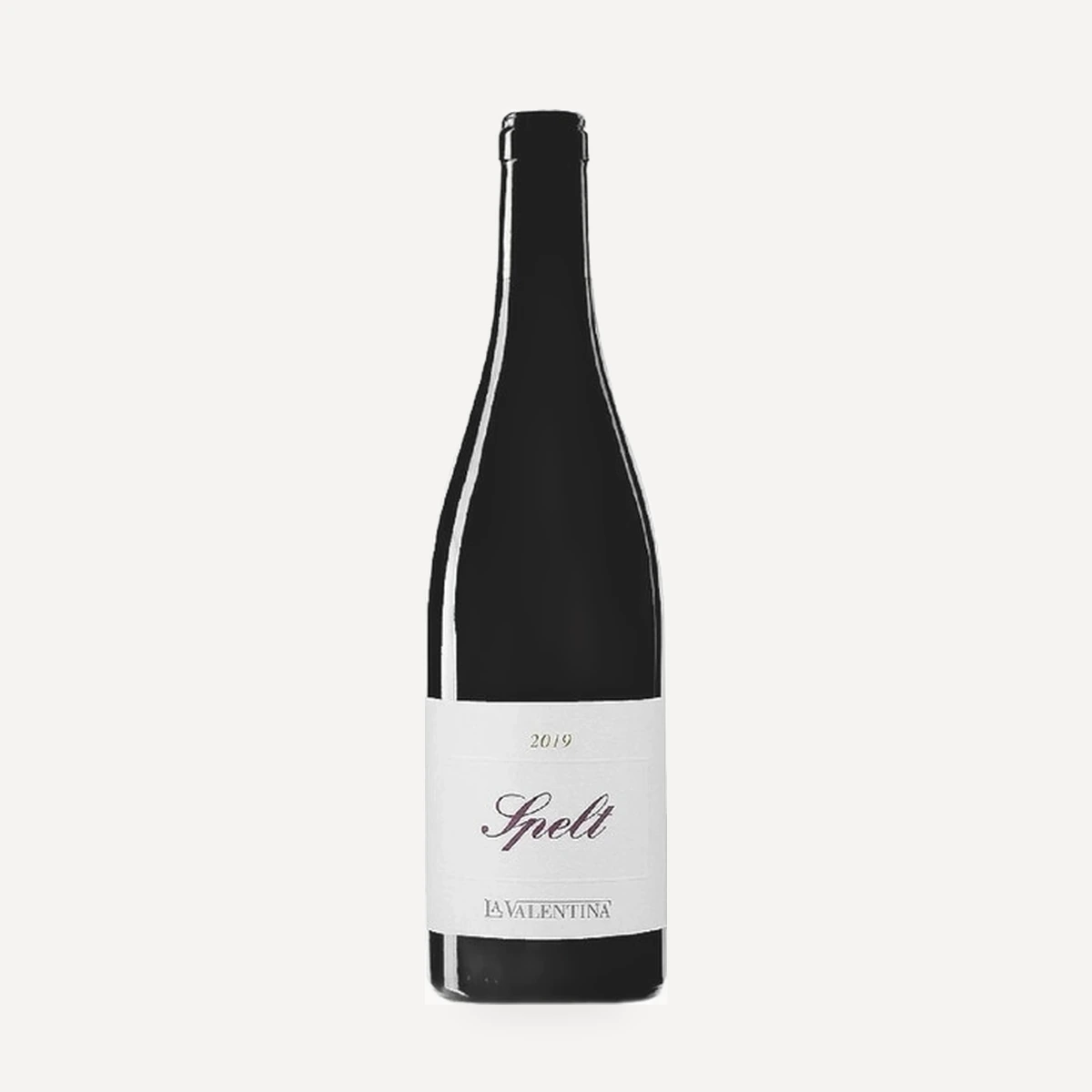
Montepulciano d’Abruzzo Riserva SPELT DOC
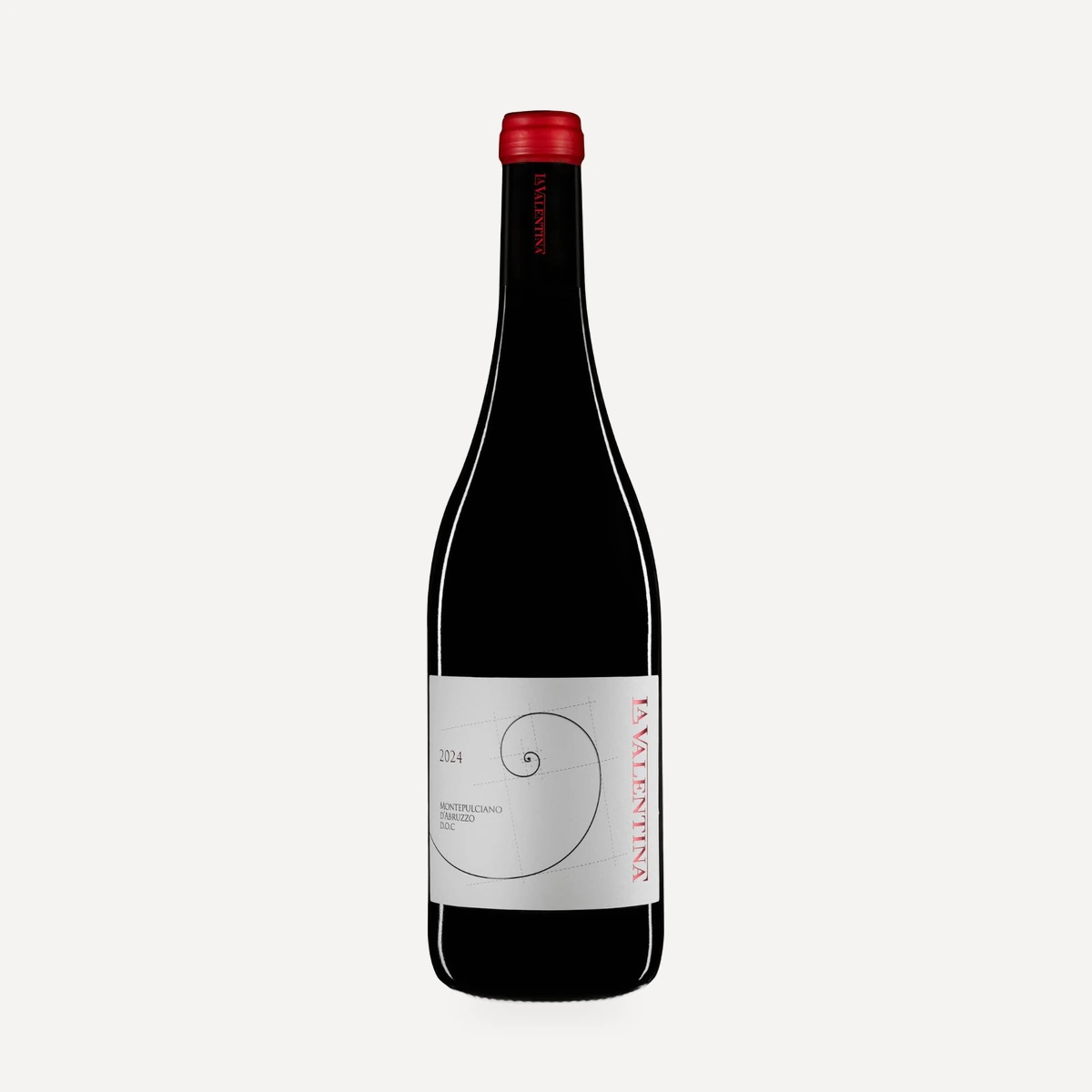
Montepulciano d’Abruzzo DOC
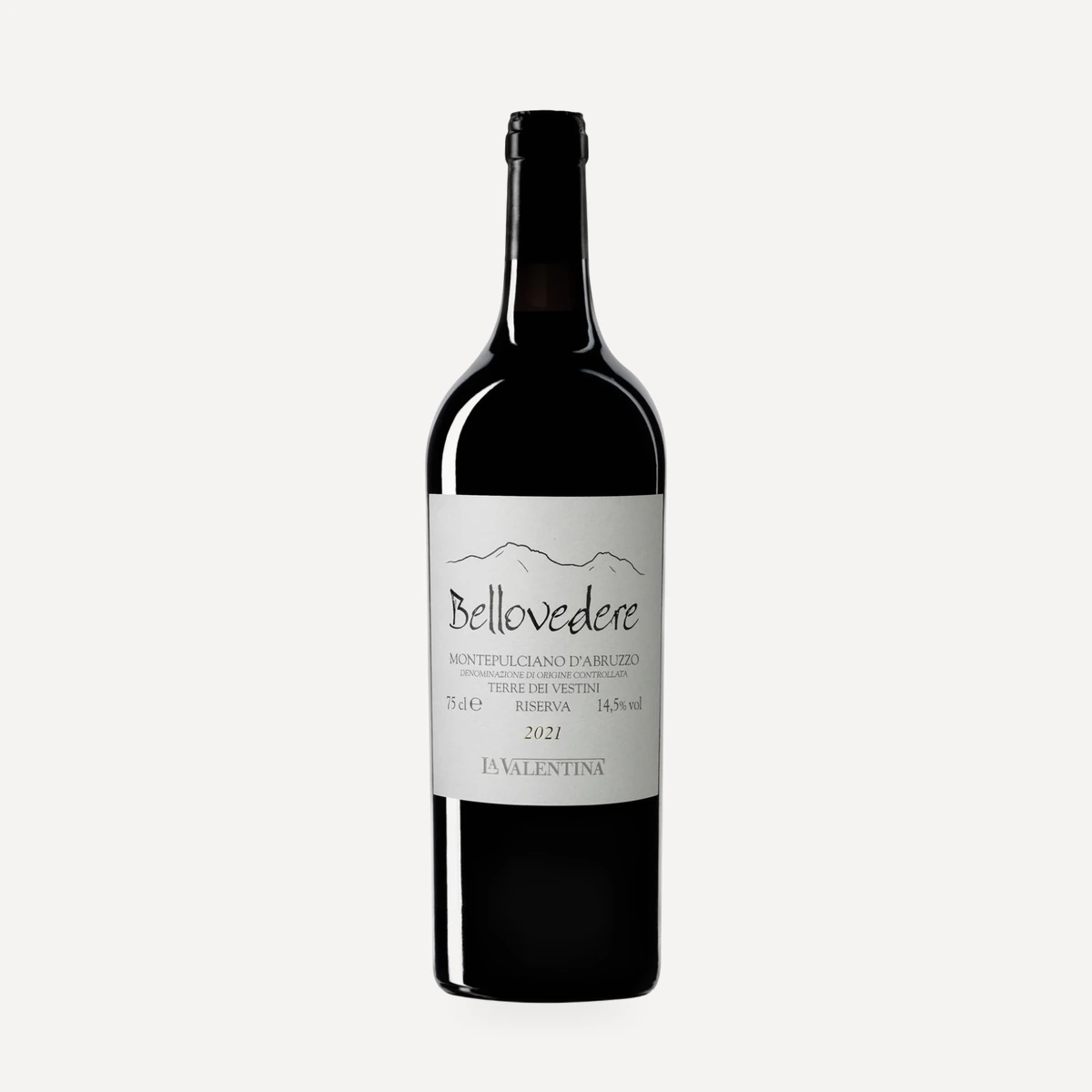
BELLOVEDERE Montepulciano d’Abruzzo DOC
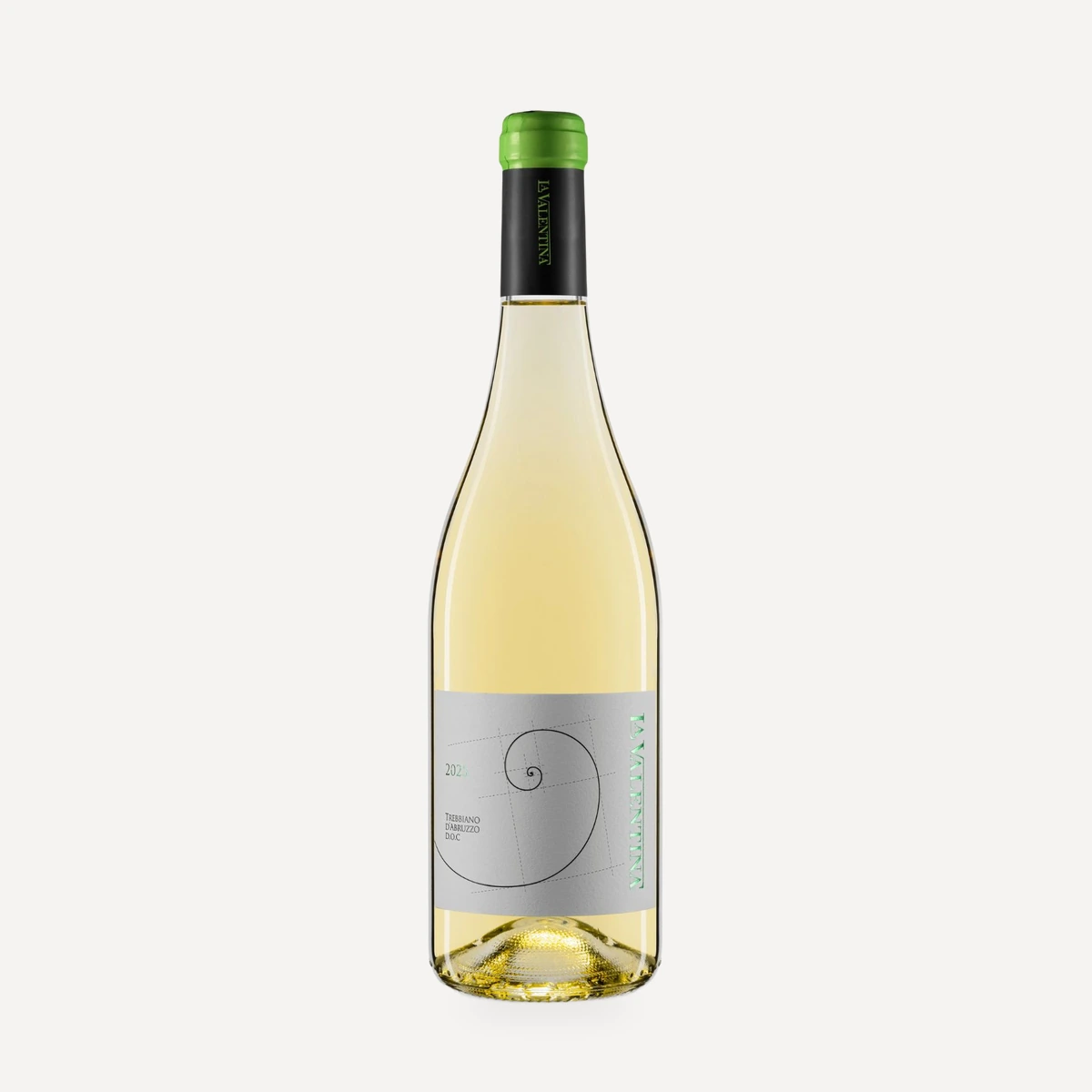
Trebbiano d’Abruzzo – Biologico DOC
DOCHEIO Montepulciano d’Abruzzo DOC
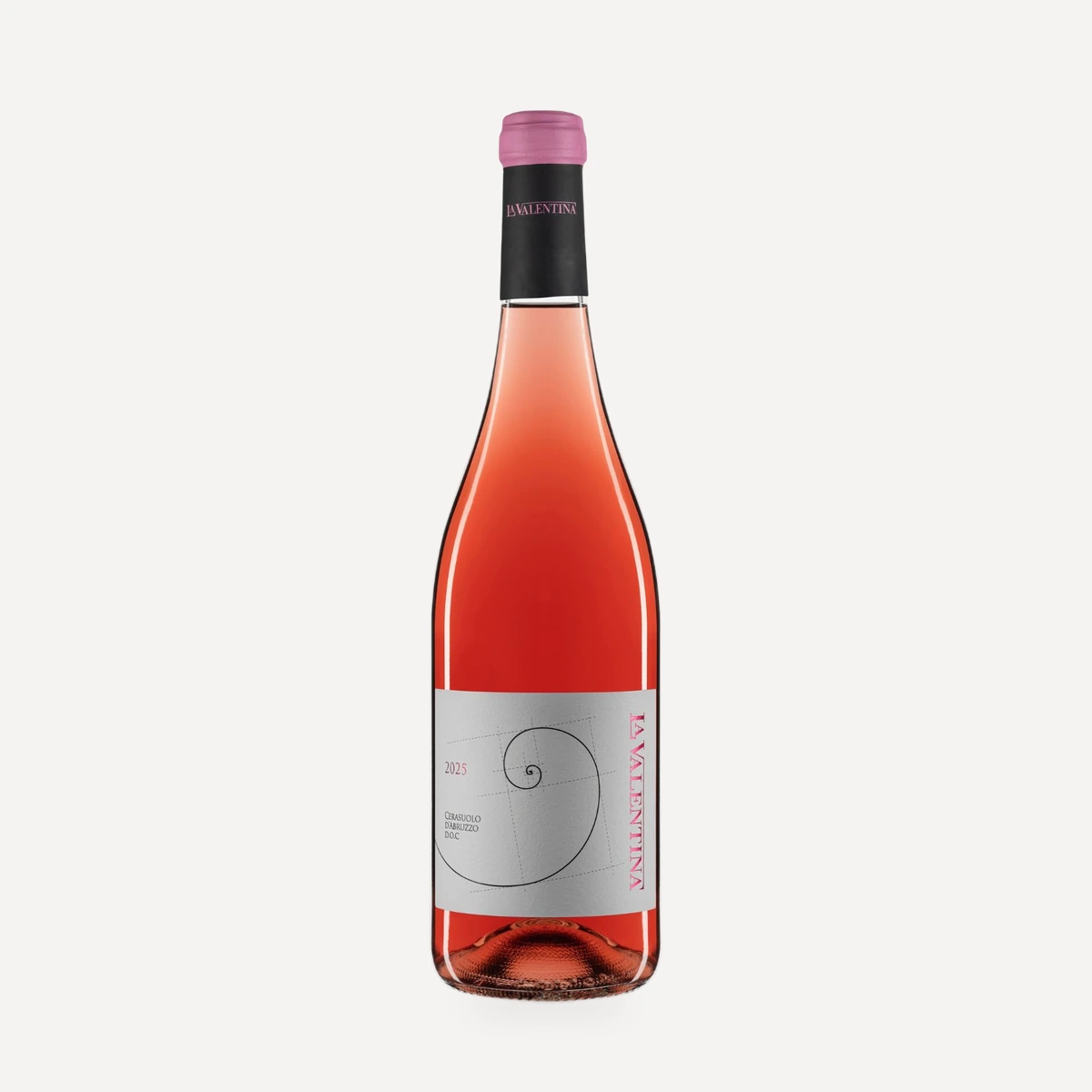
Cerasuolo d’Abruzzo Biologico DOC