Storia
1969 — Foundation
Cellaro was founded in 1969 as the local cooperative winery of Sambuca di Sicilia. Its purpose was to give member growers a shared facility in which to transform their grapes into wine.
1972 — Operations begin
The winery began operating in 1972. Membership increased during this initial phase, expanding the agricultural base of the cooperative.
1980 — Bottling development
Bottling began in 1980. The introduction of advanced technology allowed Cellaro to increase both wine production and the volume bottled at the cooperative winery.
Subsequent expansion
Stable growth over the following decades brought the facility to a production capacity of more than 100,000 hL. The cooperative combined the winegrowing knowledge of its members with the technical expertise of its oenologists and continued investing in production technology.
2010 — Partnership with Fantini Group
Cellaro entered a partnership with Fantini Group in 2010. The relationship opened international markets to the Sambuca di Sicilia cooperative and supported worldwide exports.
2019 — Four million bottles
By 2019, production had risen from one million to four million bottles in less than a decade.
2024 — More than 600 members
Cellaro counted more than 600 cooperative members in 2024. The membership remained the agricultural and institutional foundation of the business.
Following the ordinary members’ meeting of 22 December 2024, a new board of directors and board of statutory auditors were elected. The meeting also addressed approval of the accounts closed on 30 June 2024 and the appointment and remuneration of the statutory auditor. Melchiorre Cacioppo, previously vice-president and a board member for more than 20 years, became president.
Current development
Cellaro has extended its work beyond western Sicily through an Etna DOC project based around Randazzo on Etna’s northern slopes. The project is its first exploration outside western Sicily and is undertaken in collaboration with a group of local Etna growers. It comprises Etna Bianco DOC, Etna Rosato DOC and Etna Rosso DOC.
The cooperative’s current priorities include strengthening its relationship with Fantini Group, increasing sales, expanding distribution in Sicily, controlling costs, improving grape remuneration and seeking to provide a dividend to members.
Terroir
Cellaro is based a few kilometres from the centre of Sambuca di Sicilia, facing the rolling hills around Lago Arancio in the Terre Sicane. Its wider winegrowing territory forms a mosaic across the provinces of Agrigento, Trapani and Palermo.
The vineyards extend from 50 to 600 metres above sea level. Most occupy inland hills, while the broader area also encompasses fertile coastal plains and mountainous zones associated with the Sicani, Iblei and Erei ranges. This geographical breadth produces marked differences in latitude, soils and mesoclimates.
The climate is Mediterranean. Warm winds arrive from nearby Africa, including the sirocco, while marine breezes and the influence of the landscape around Lago Arancio contribute further local variation. The soils are heterogeneous and are principally described as brown, clay-rich, sandy and calcareous.
Cellaro treats each zone as a distinct microcosm capable of producing grapes with its own characteristics. The Etna project adds a separate environment around Randazzo on the volcano’s northern slopes, where vines grow among black volcanic rocks and cold high-altitude winds shape the grapes.
Vinificazione
Cellaro’s viticultural base comprises more than 600 cooperative members and over 1,500 ha of vines. The vineyards range from 50 to 600 m above sea level and are trained predominantly to Guyot.
The principal Sicilian grapes are Nero d’Avola, Grillo and Nerello Mascalese; Syrah, Merlot and Chardonnay are the principal international varieties identified in the vineyards. Members work across coastal plains, inland hills and mountain zones, adapting the relationship between grape variety and site to markedly different soils and microclimates.
The cooperative presents respect for nature as a central operating principle. Renewable energy is incorporated into its broader environmental approach. No estate-wide organic or biodynamic status is assigned.
The Cellaro winery stands a few kilometres from Sambuca di Sicilia, opposite the hills surrounding Lago Arancio. Its capacity exceeds 100,000 hL, and the current portfolio comprises more than 25 labels.
Production combines the agricultural knowledge of more than 600 member growers with the work of the cooperative’s oenologists. Traditional wine culture is paired with continuing technological innovation; investment in advanced equipment was already enabling greater production and bottling volumes when bottling operations developed in 1980.
The facility also uses renewable energy as part of its approach to environmental responsibility. In 2019, Cellaro recorded four million bottles, having risen from one million bottles in less than a decade.
Filosofia
Cellaro places its cooperative members, its territory and the final consumer at the centre of its mission. It seeks to enhance the role of its growers, express the places from which their grapes come and deliver consistently high-quality products.
The cooperative defines its wider purpose as contributing to local social and economic development. Environmental attention and the welfare of employees and members are presented as necessary parts of that purpose.
In the cellar, the guiding idea is to unite inherited winegrowing traditions with technology and innovation. The growers’ practical knowledge and the oenologists’ technical skills are brought together to interpret the relationship between grape varieties and the cooperative’s diverse soils while respecting nature.
The Etna initiative extends this philosophy through collaboration rather than territorial substitution. It expresses a desire to grow while respecting the landscapes, communities and histories of a new area, combining deep roots in Sambuca di Sicilia with an openness to Sicily’s diversity.
Vini
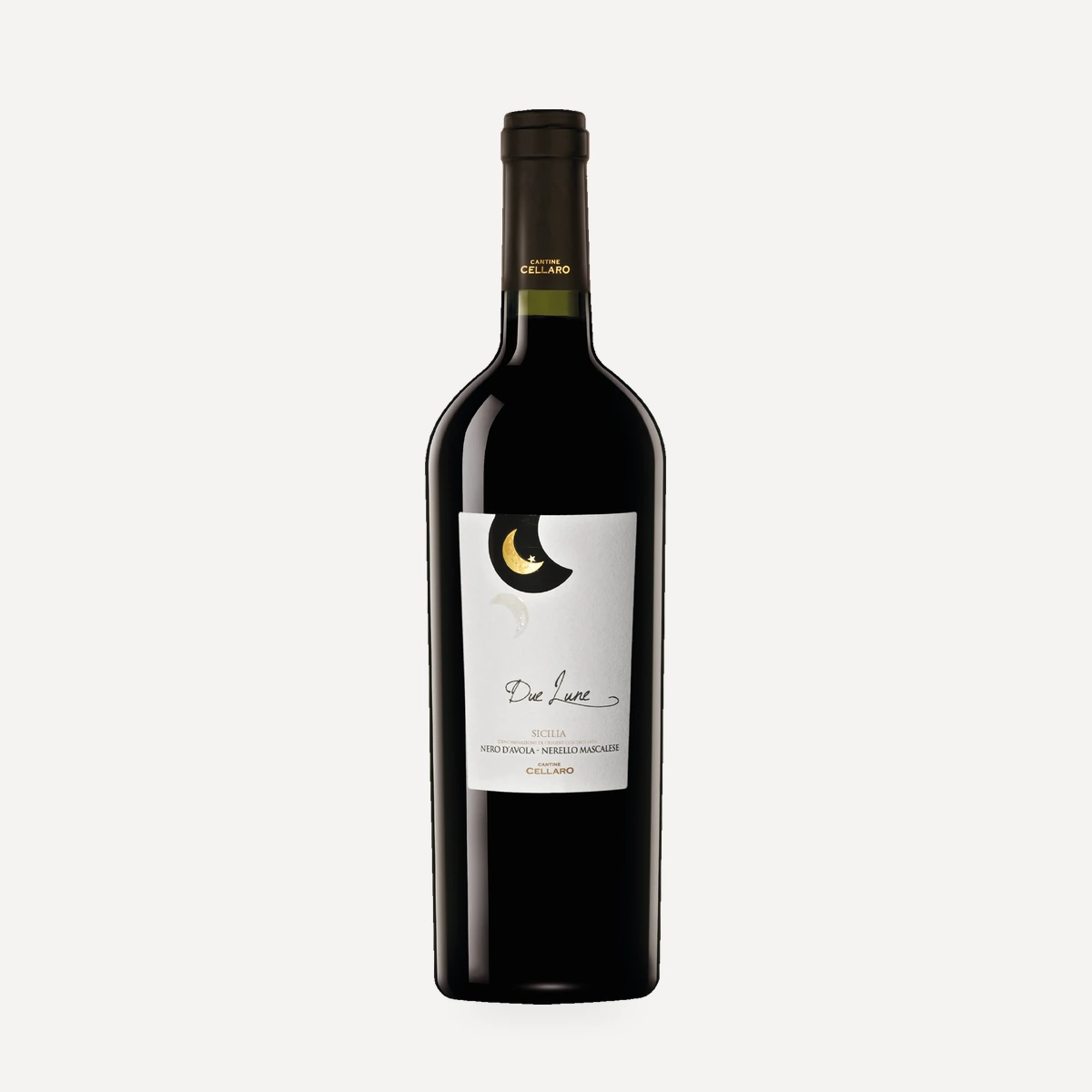
Due Lune Nero d'Avola – Nerello Mascalese
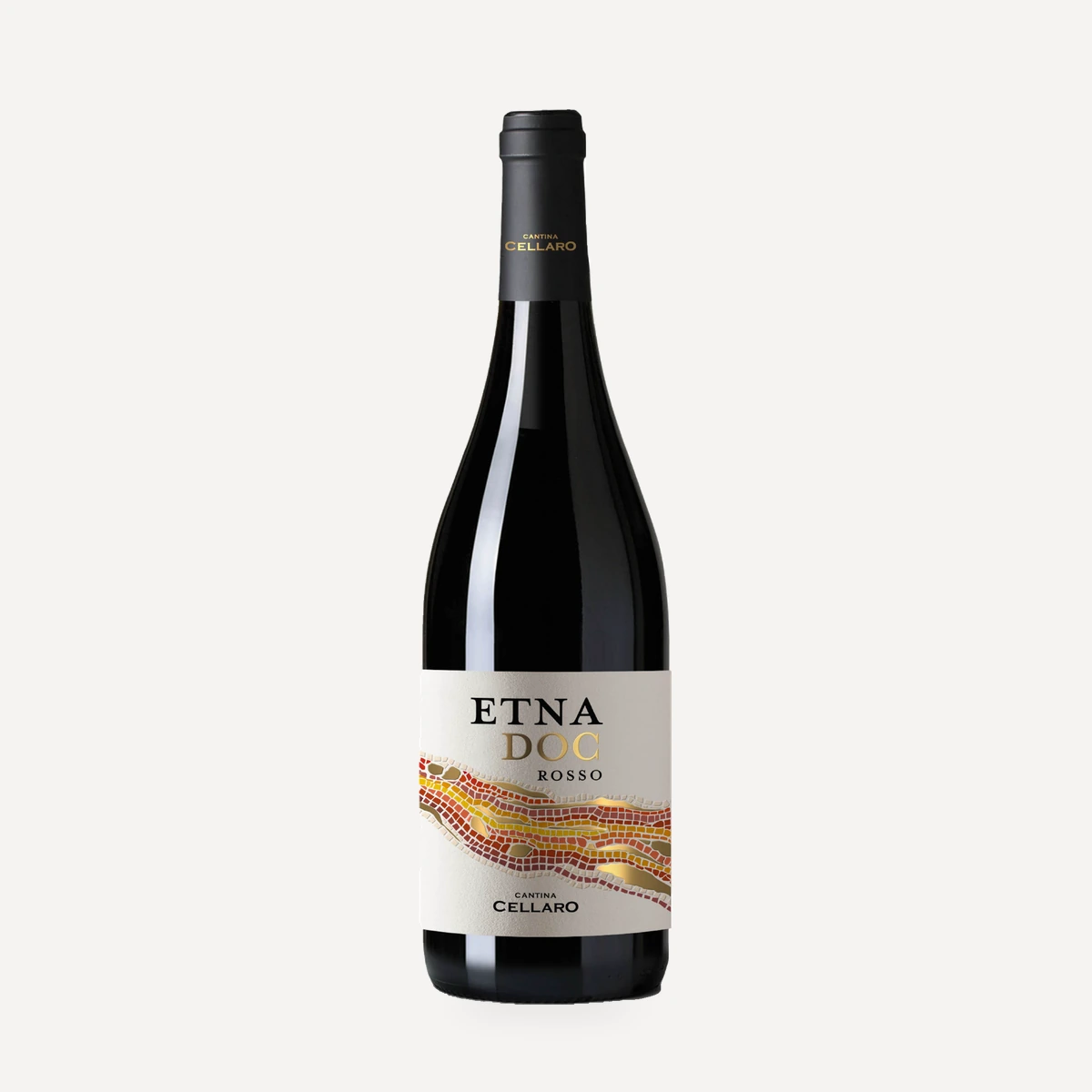
Etna DOC Rosso
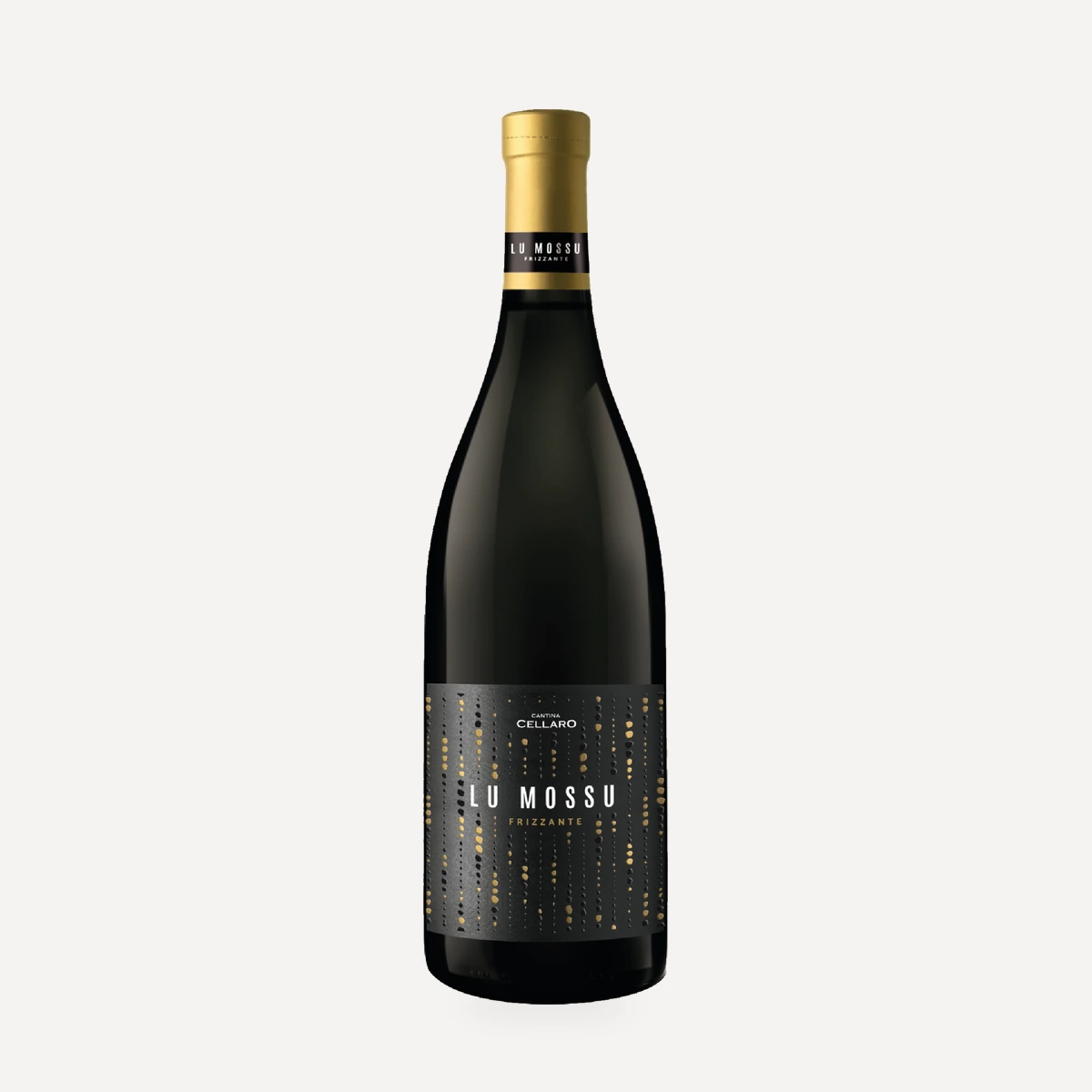
Lu Mossu Nerello Mascalese – Catarratto
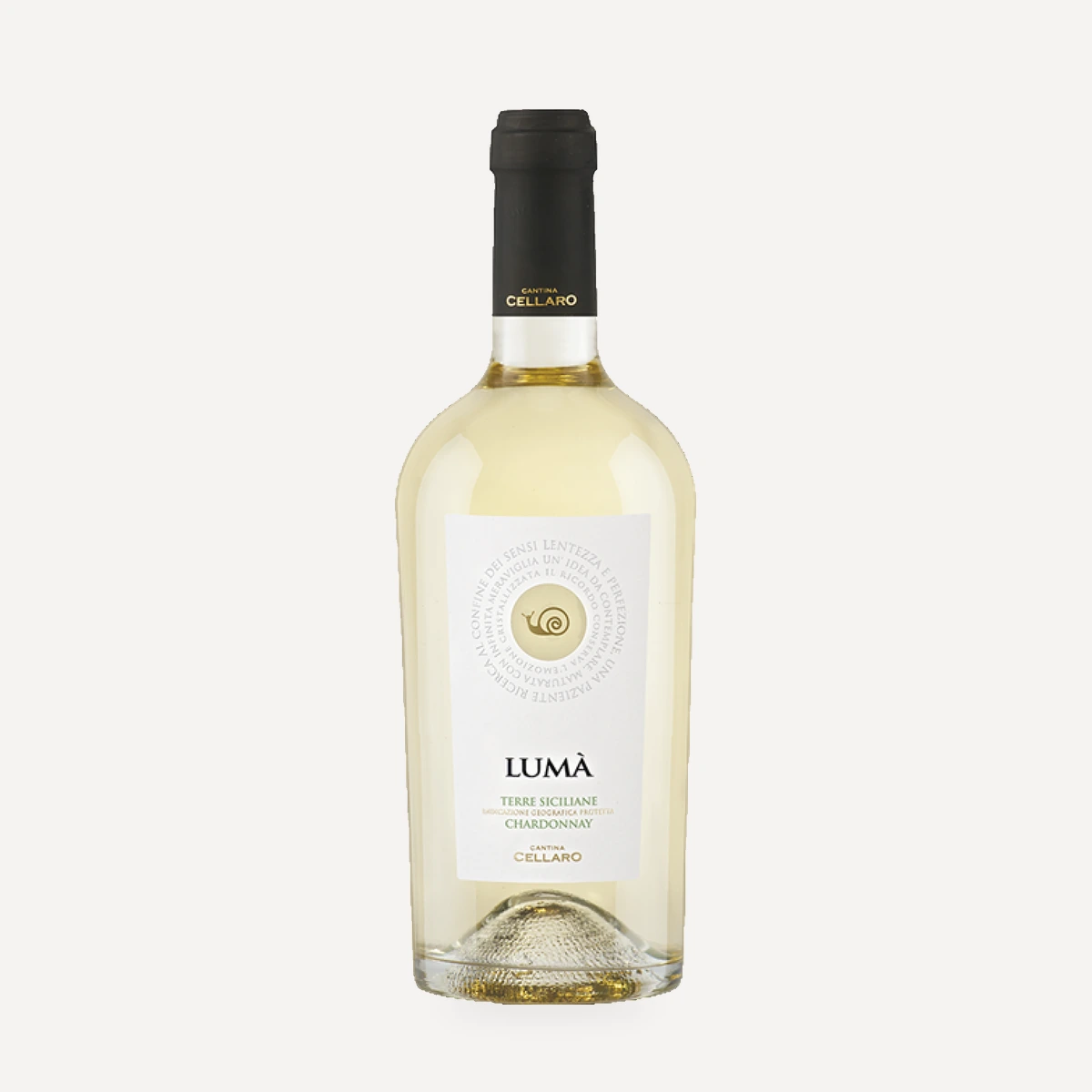
Lumà Chardonnay
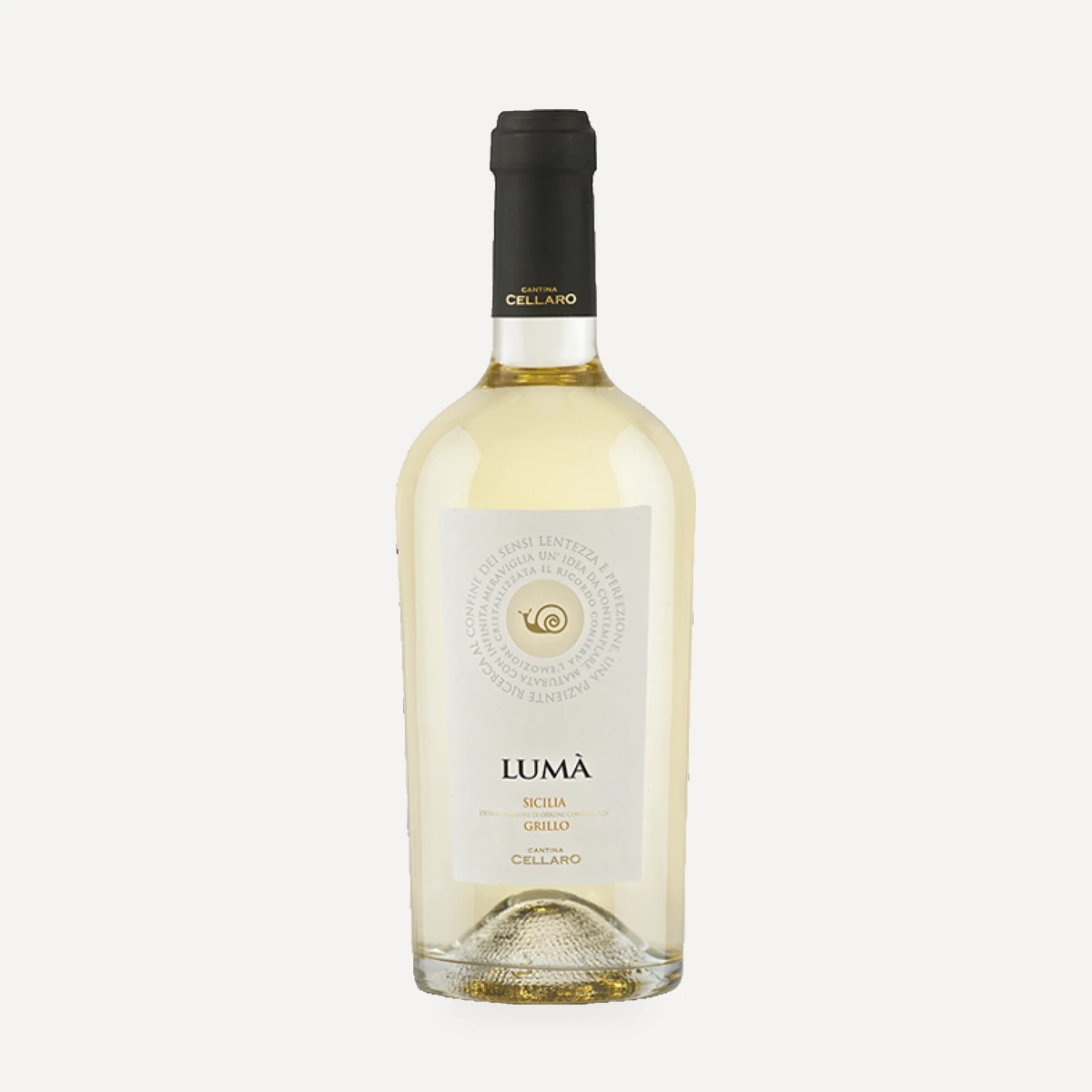
Lumà Grillo
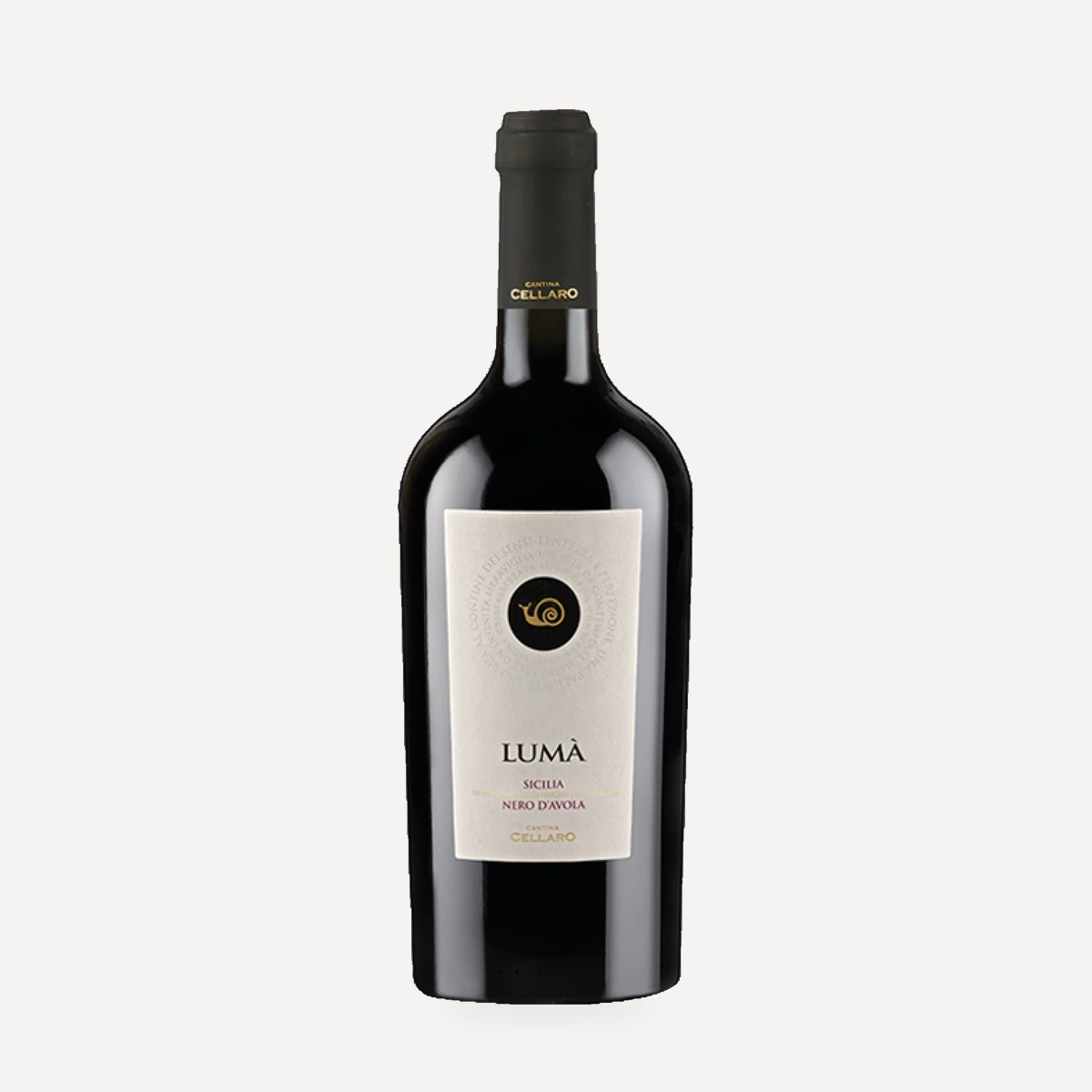
Lumà Nero d'Avola
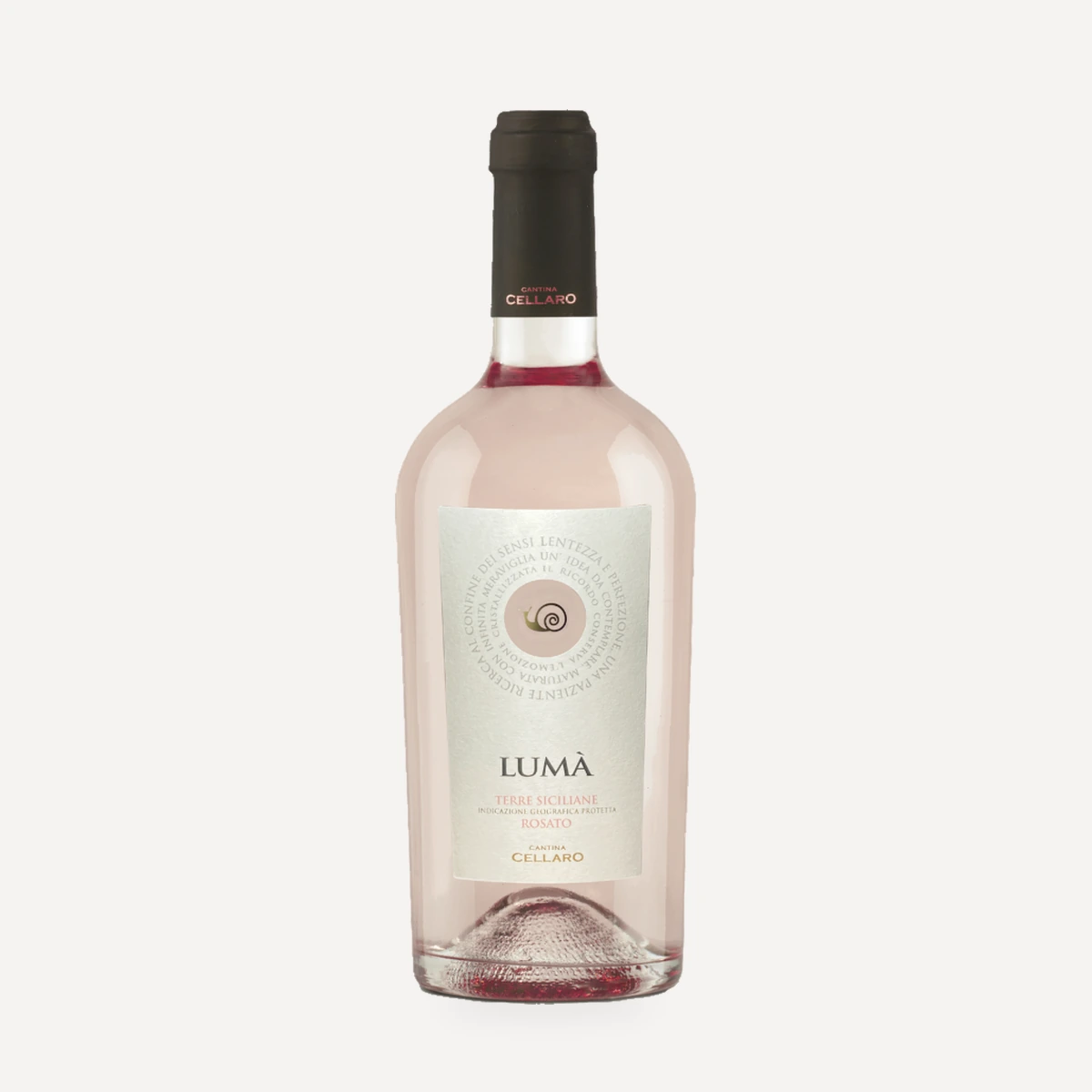
Lumà Rosato
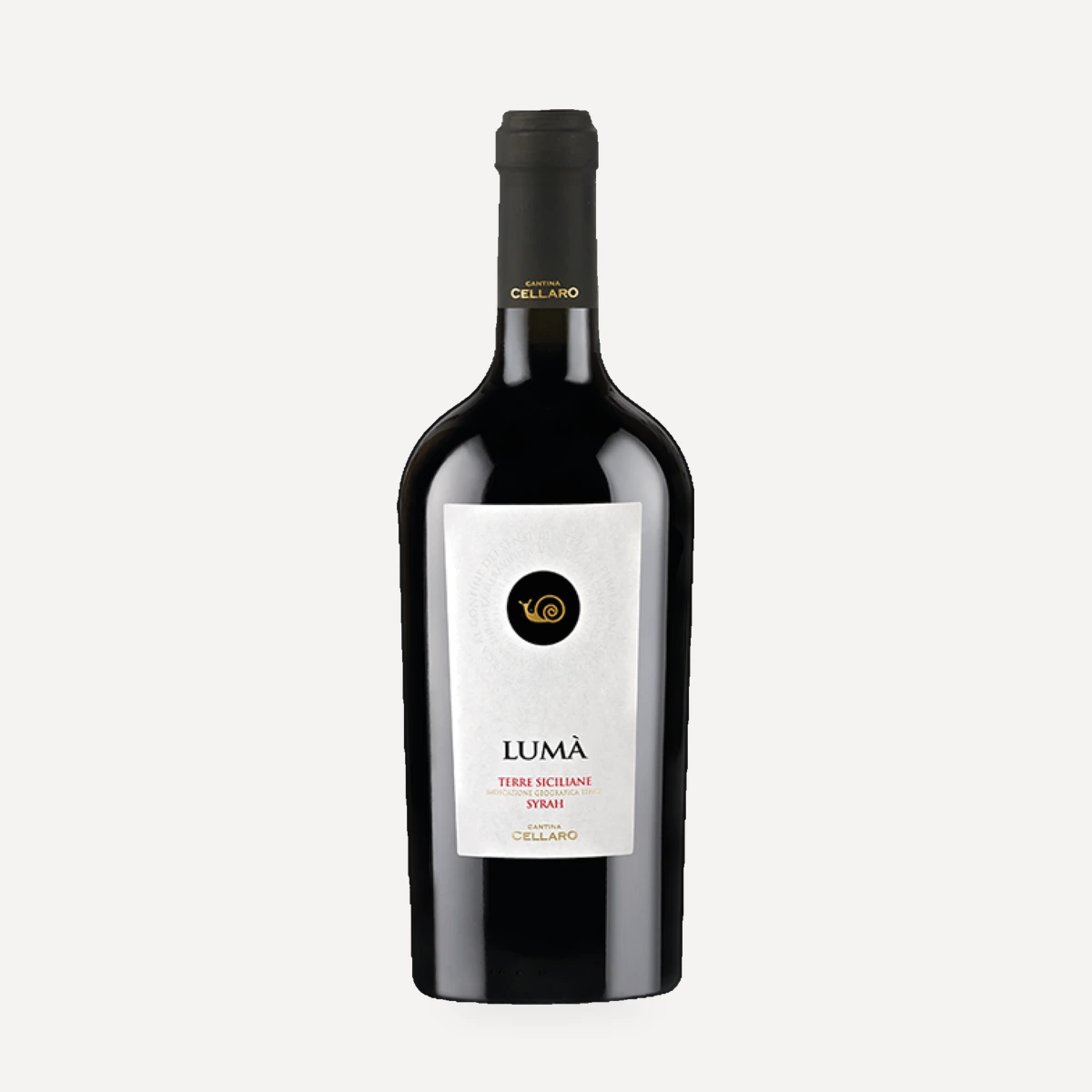
Lumà Syrah
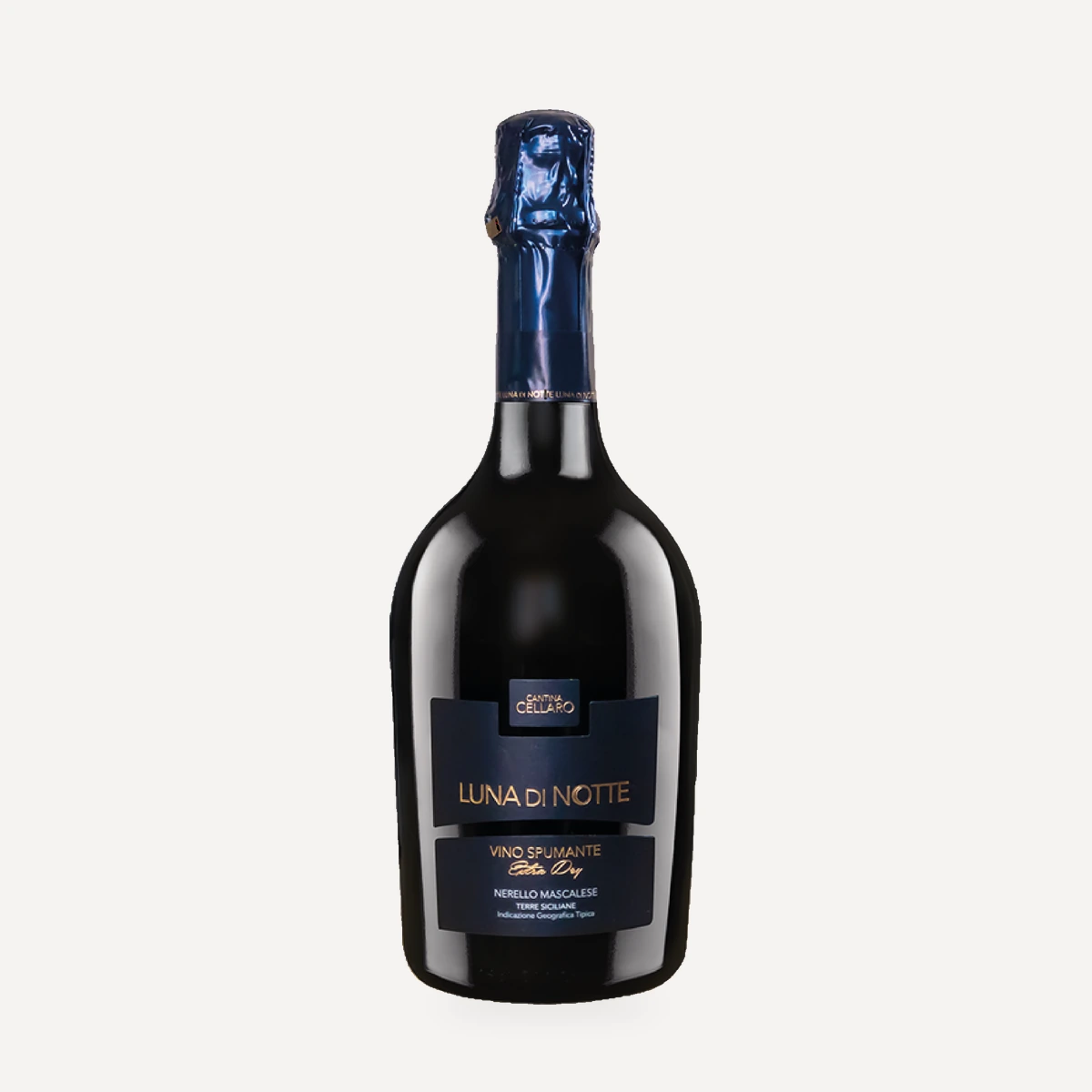
Luna Di Notte Nerello Mascalese Spumante Extra Dry
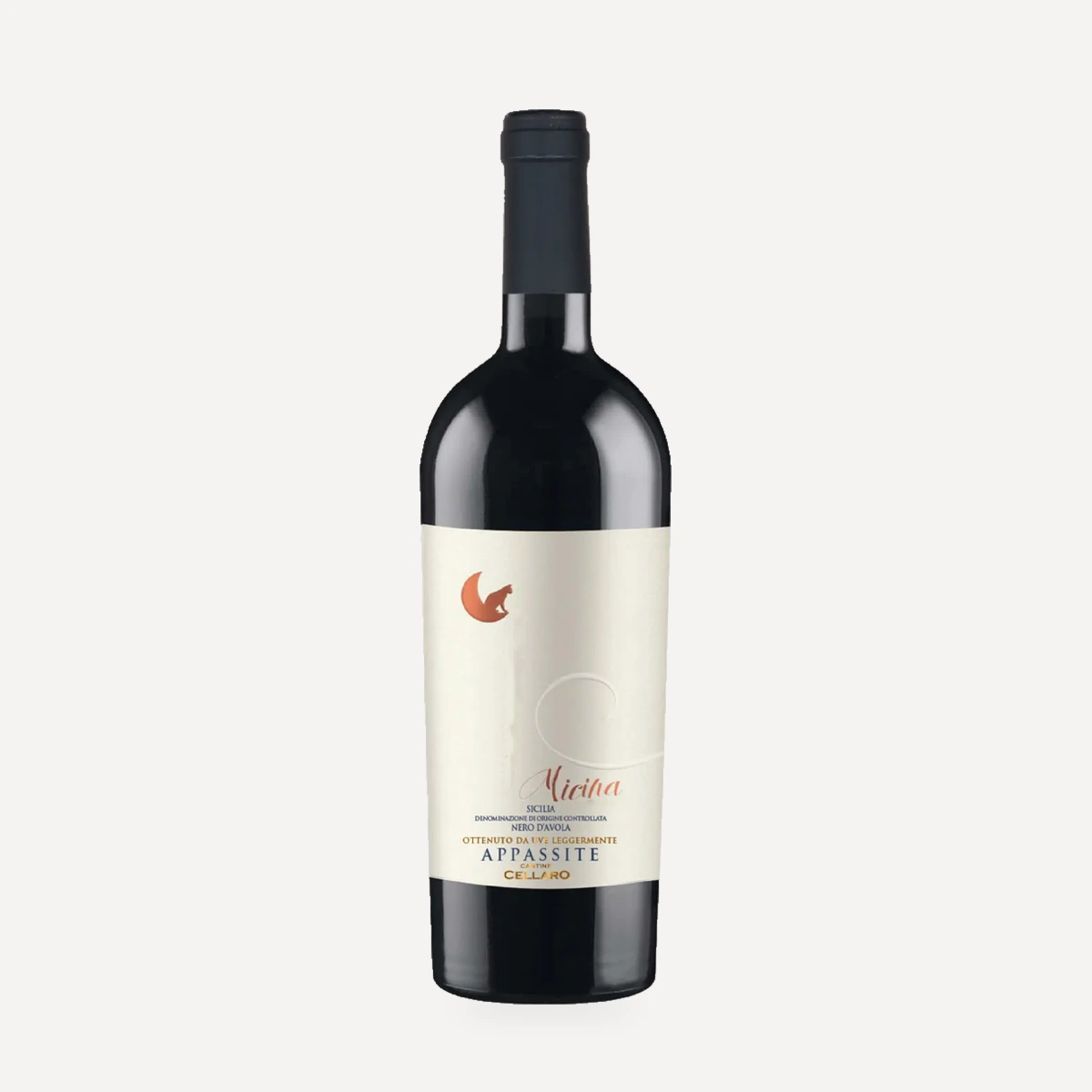
Micina Appassimento
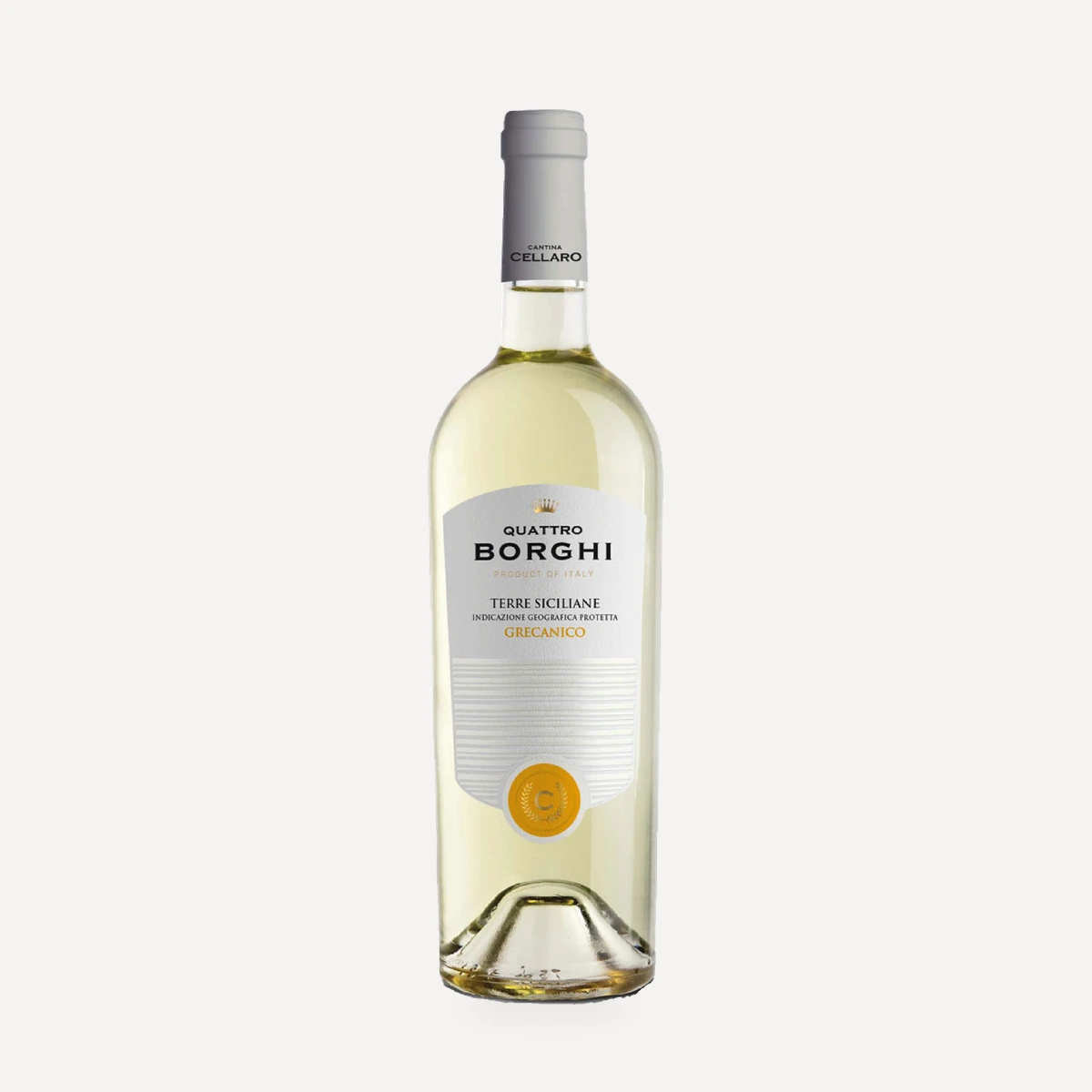
Quattro Borghi Grecanico
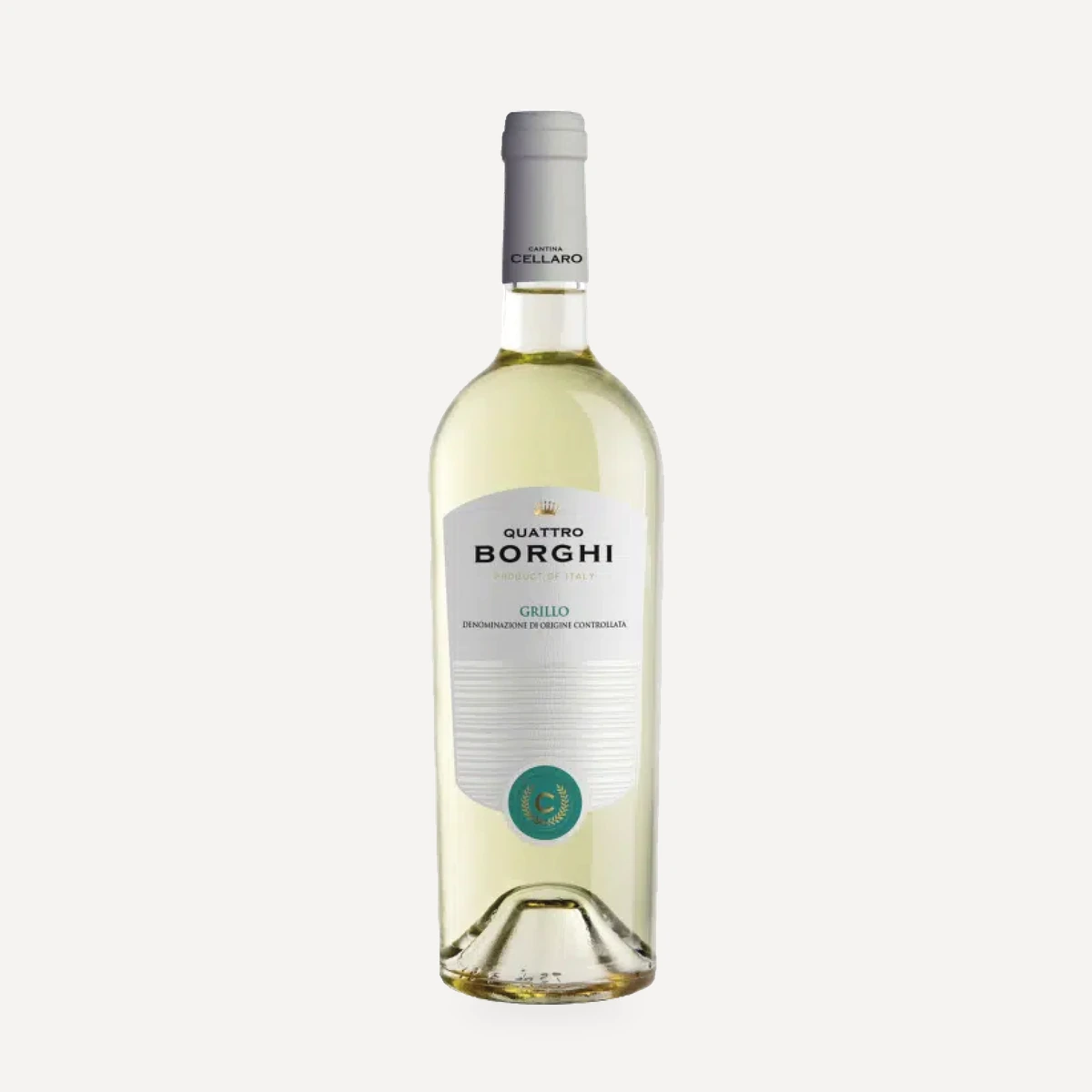
Quattro Borghi Grillo
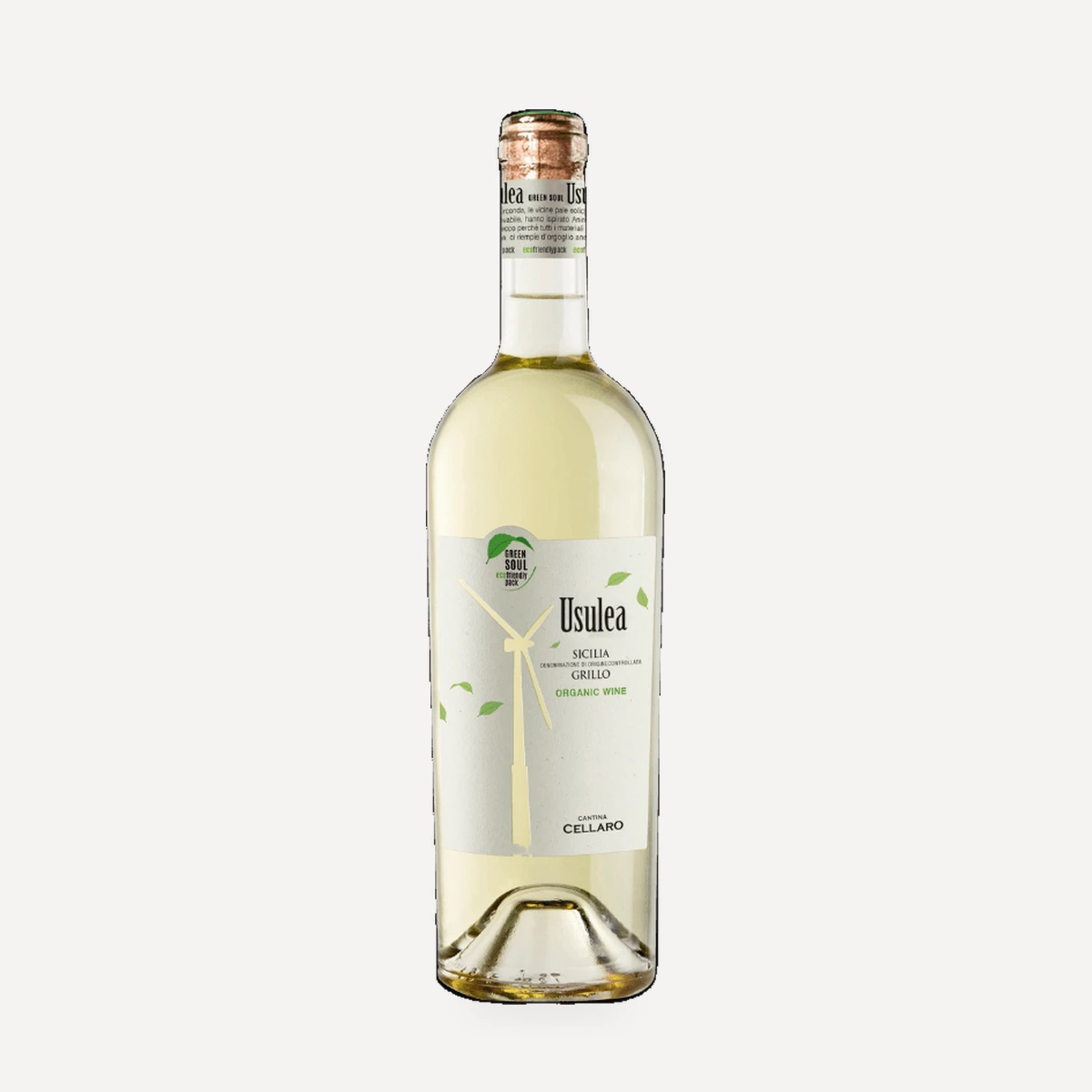
Usulea Grillo Bio
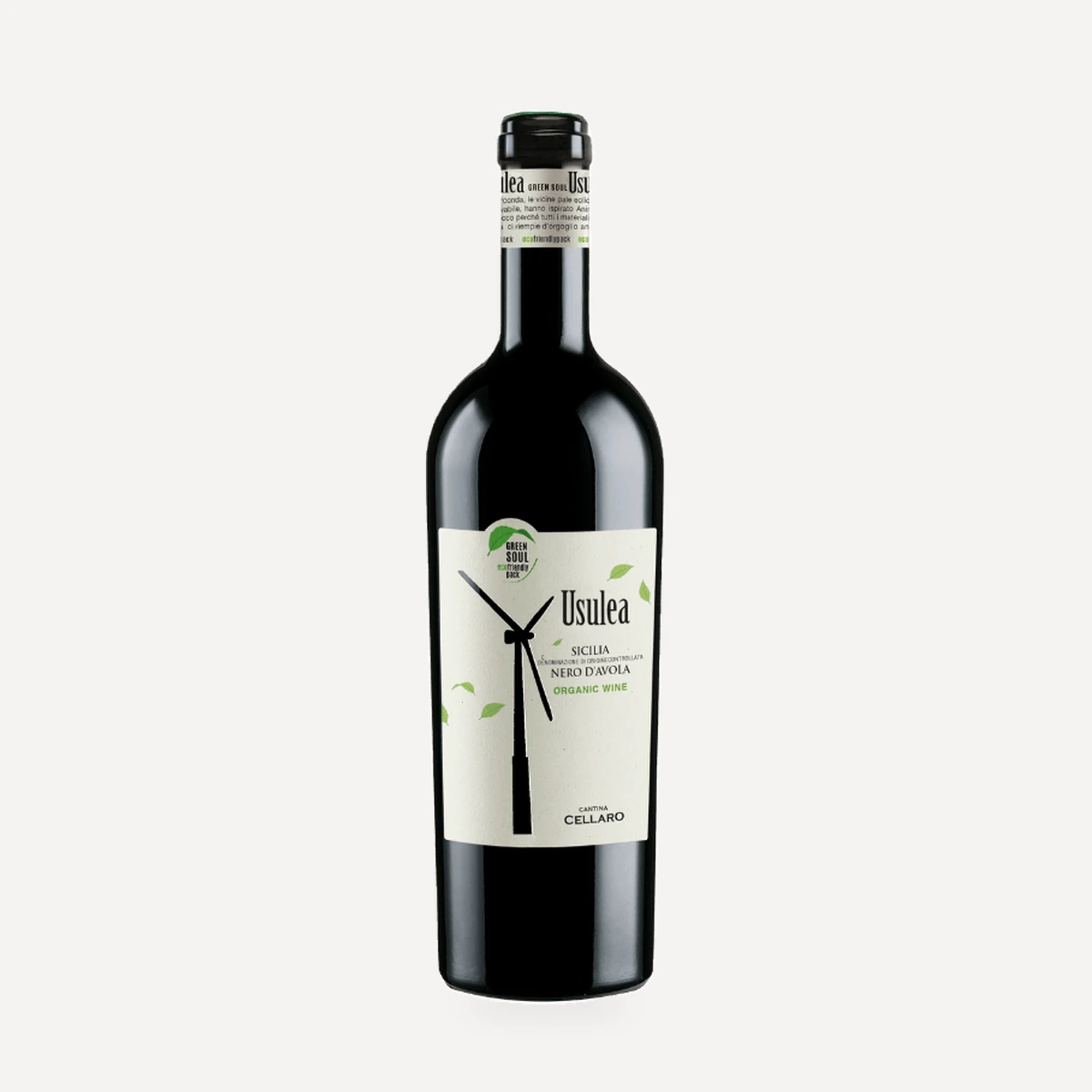
Usulea Nero d'Avola Bio
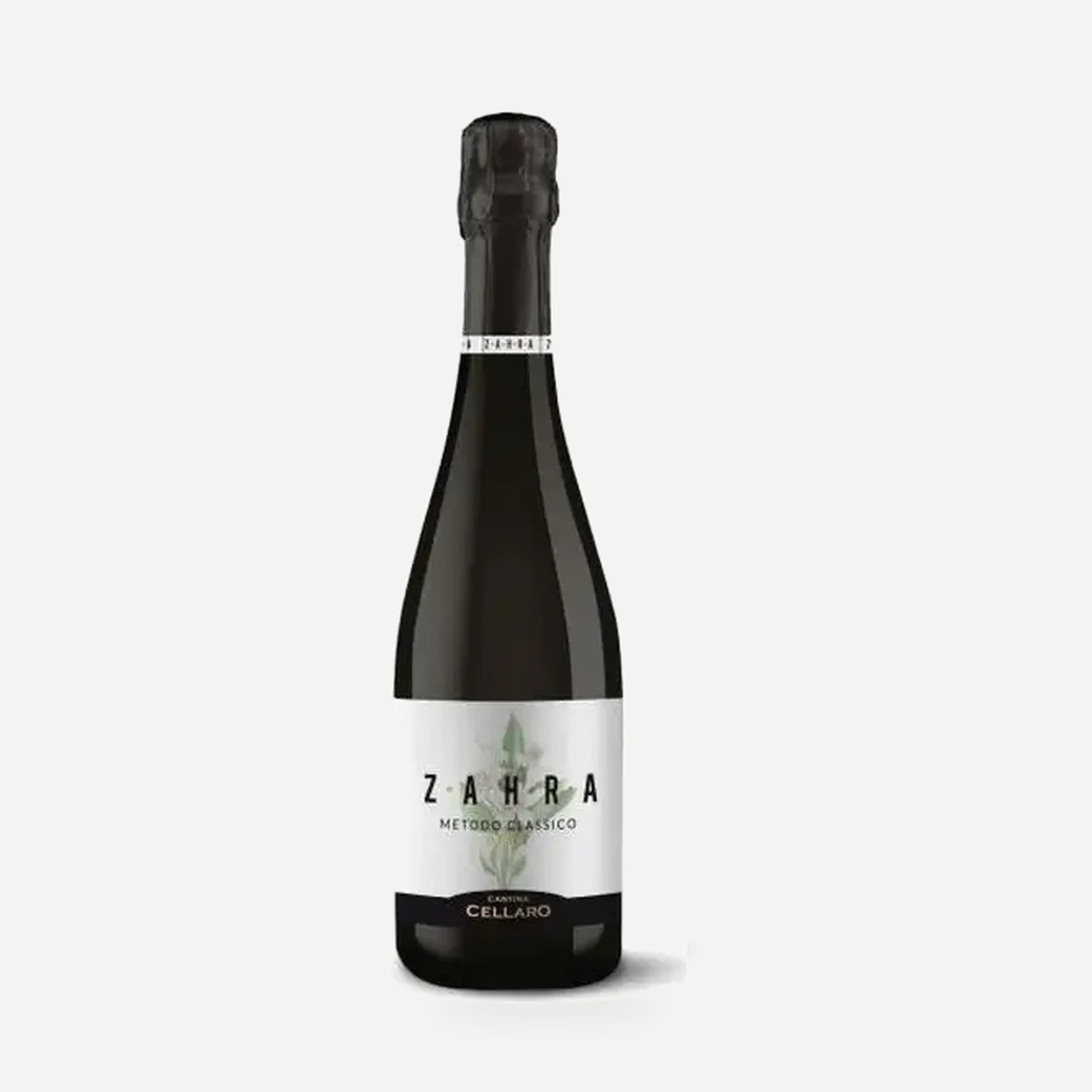
Zahra Nerello Mascalese Metodo Classico Brut
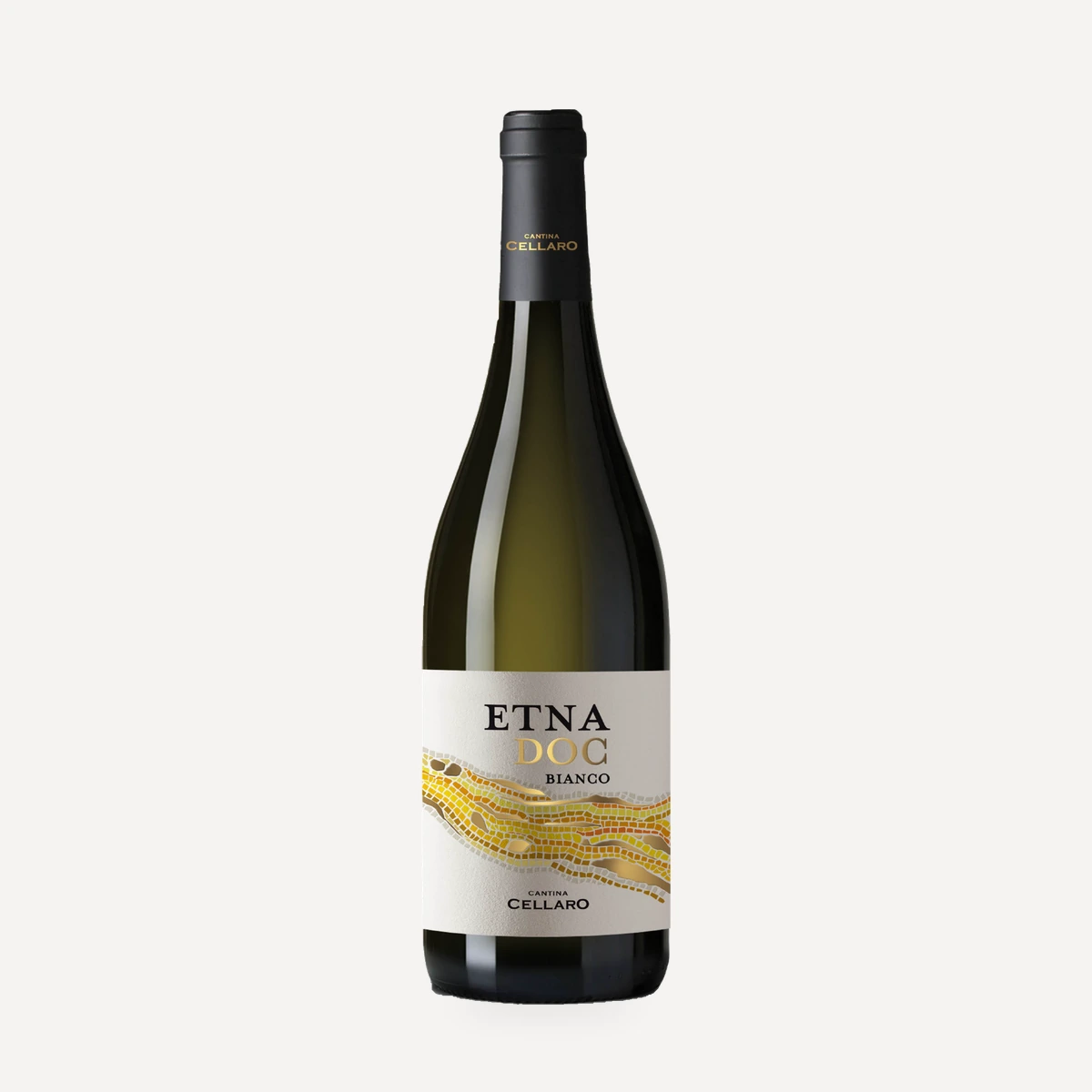
Etna DOC Bianco
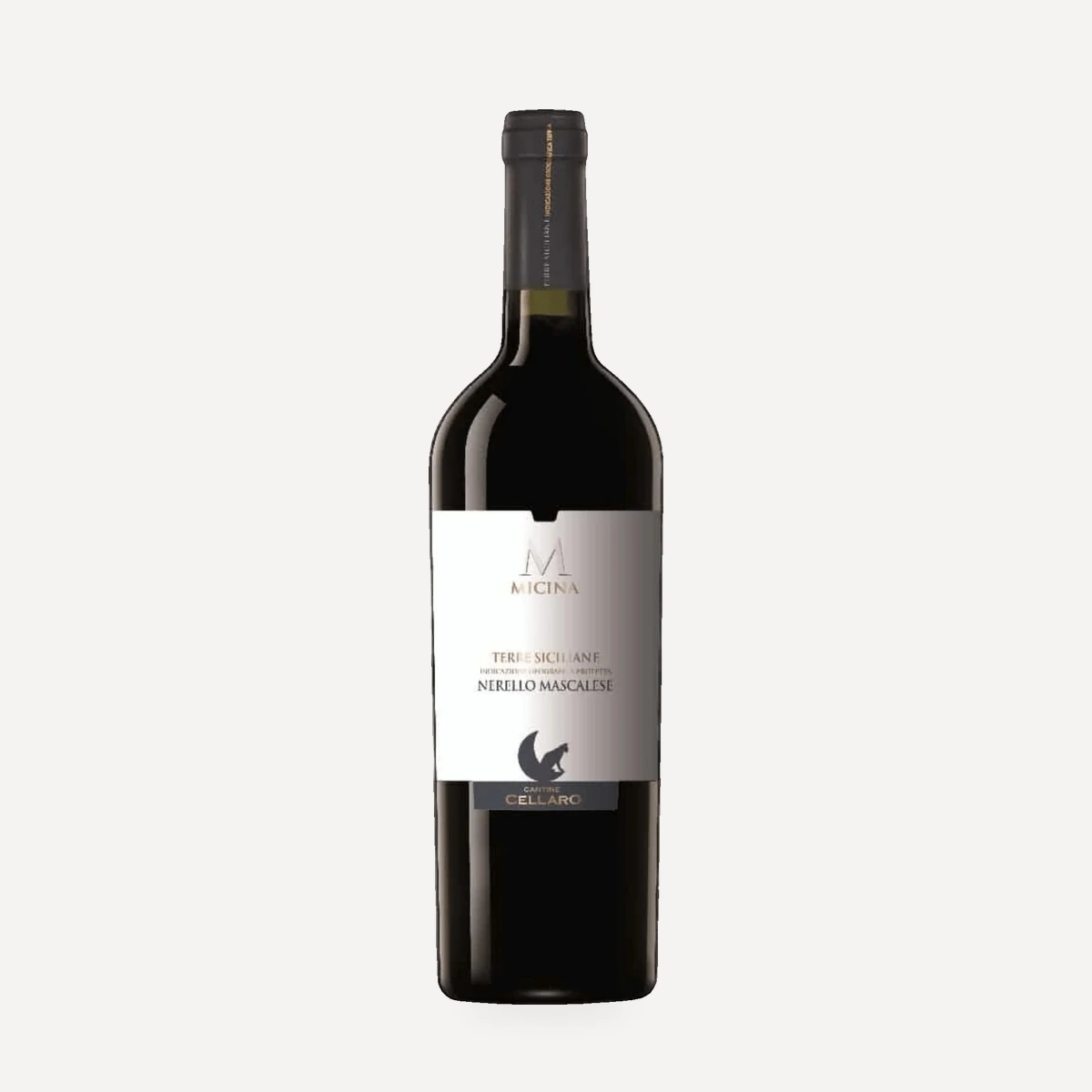
Micina Nerello Mascalese