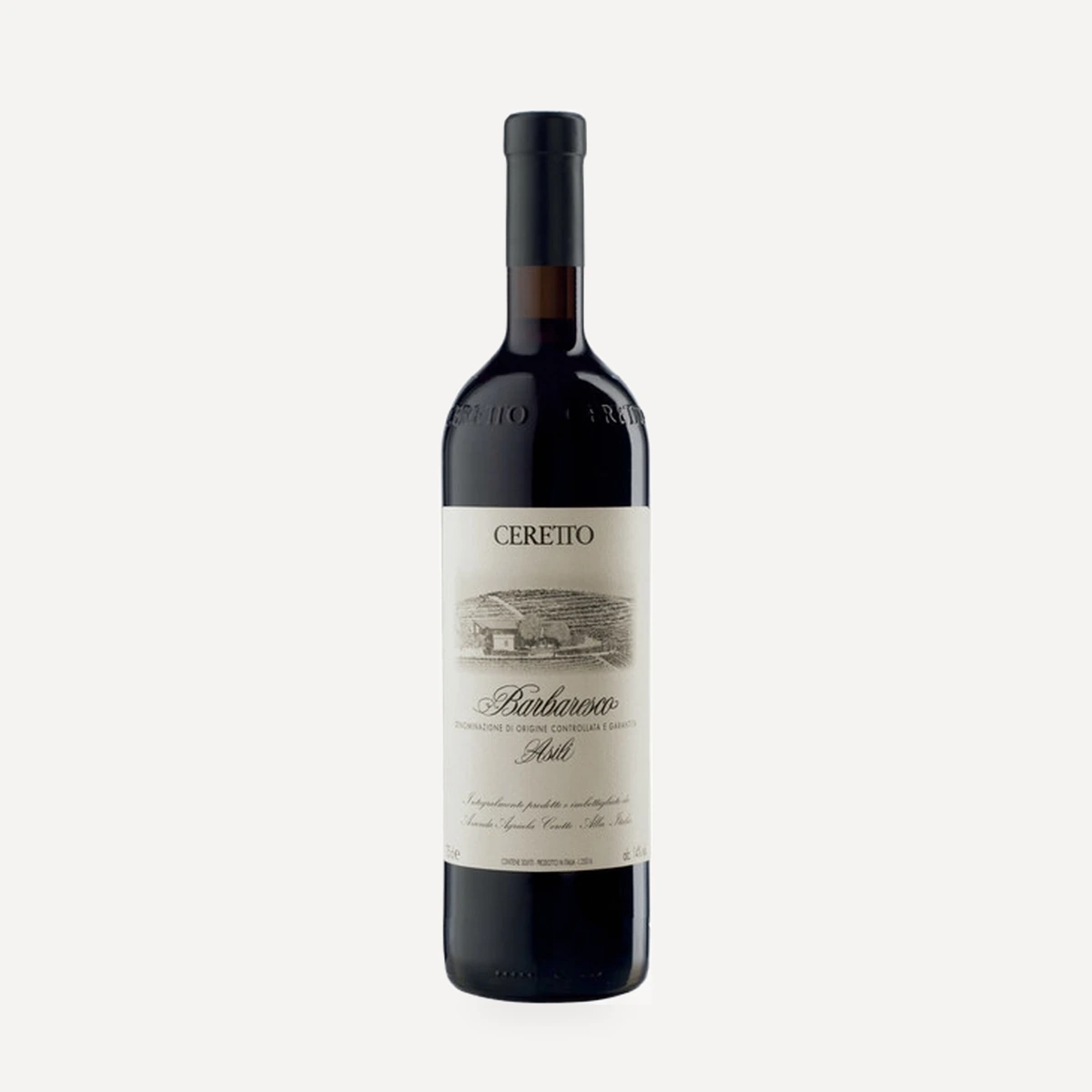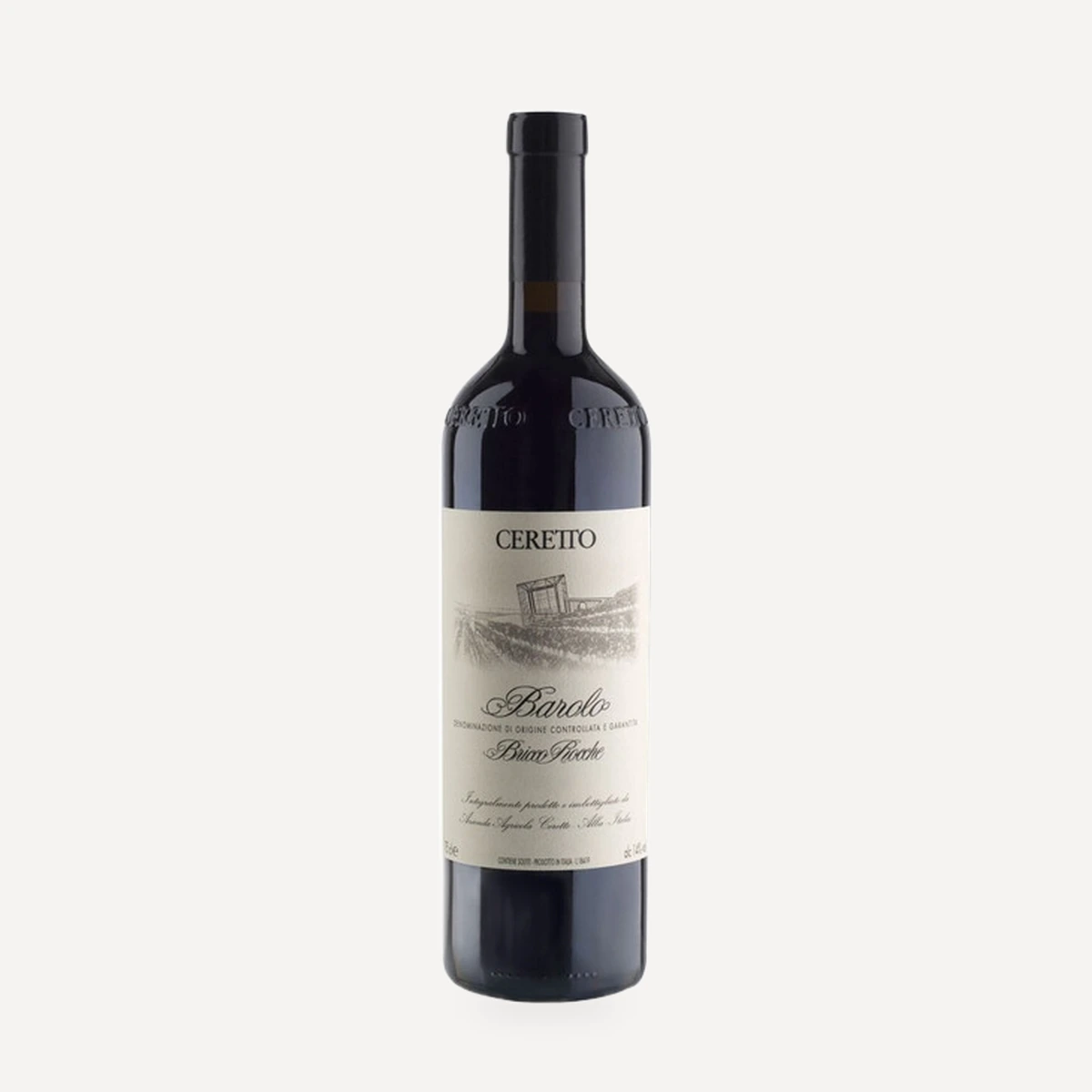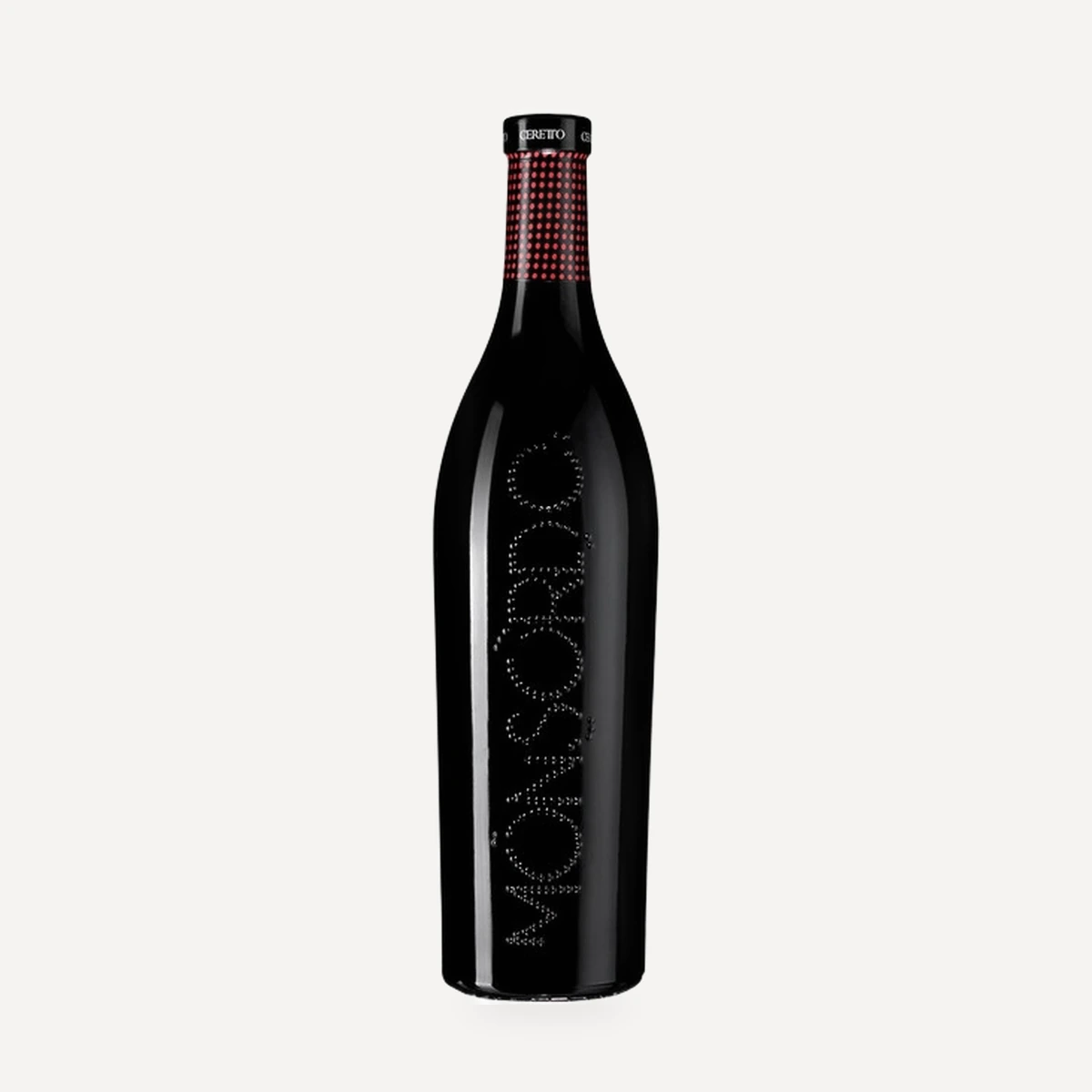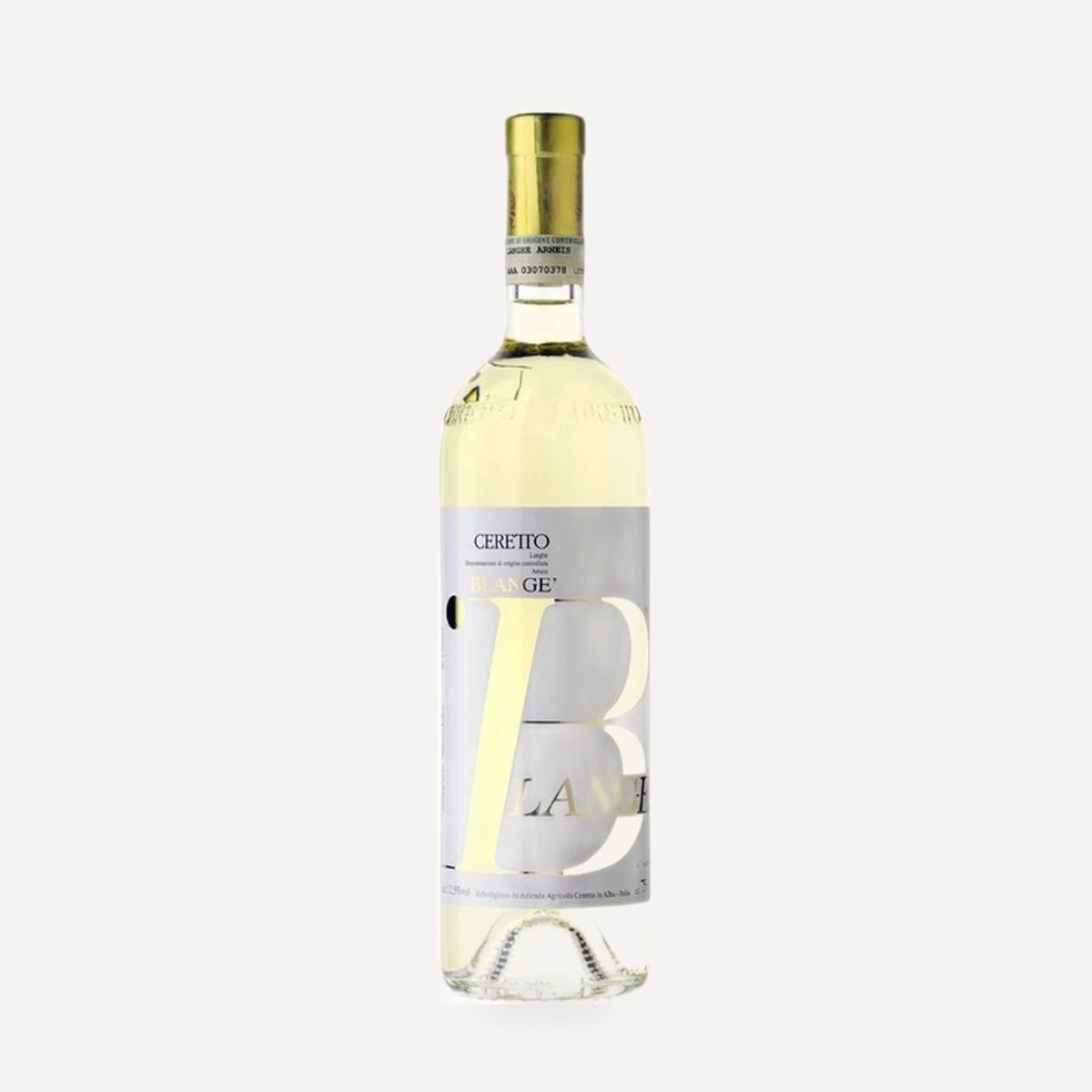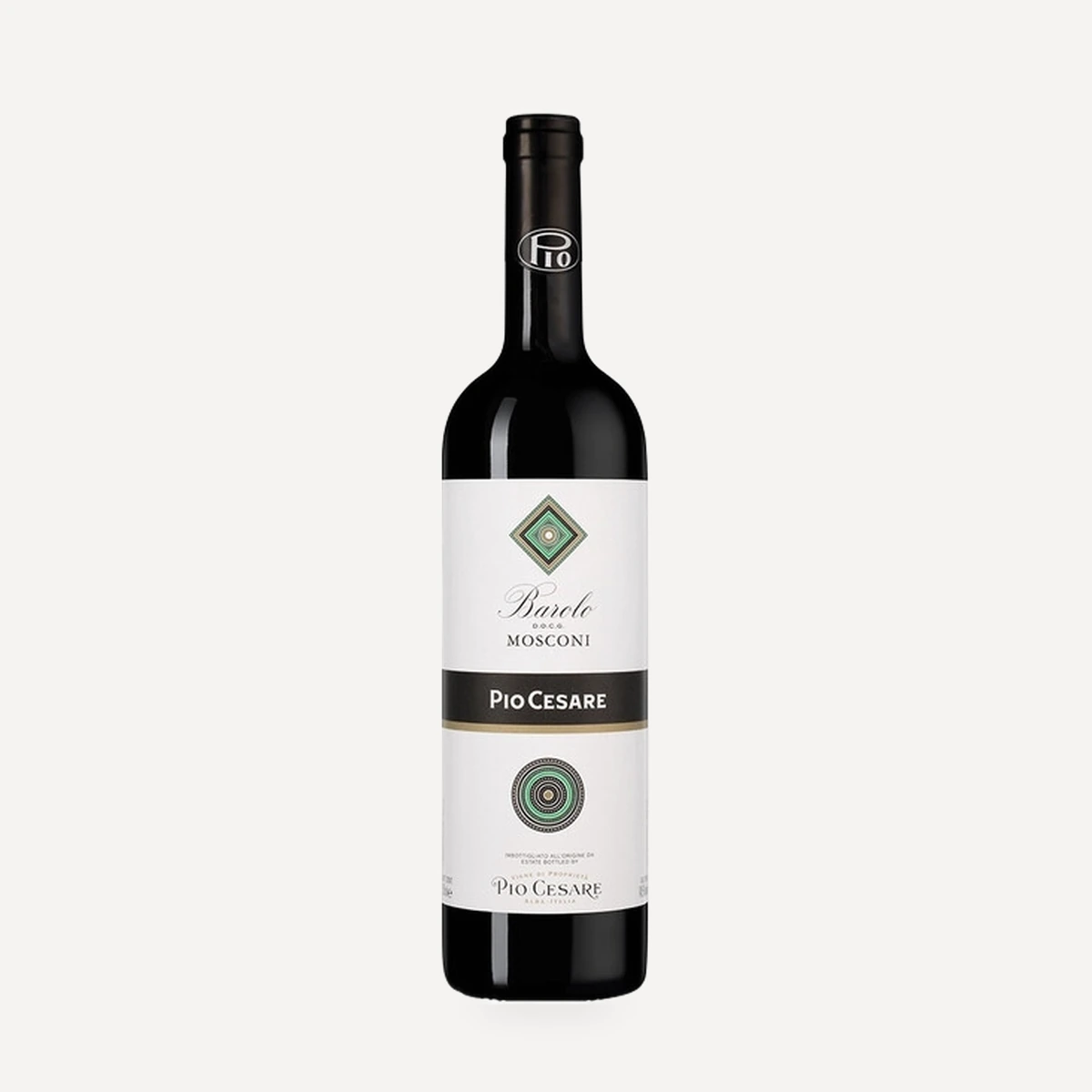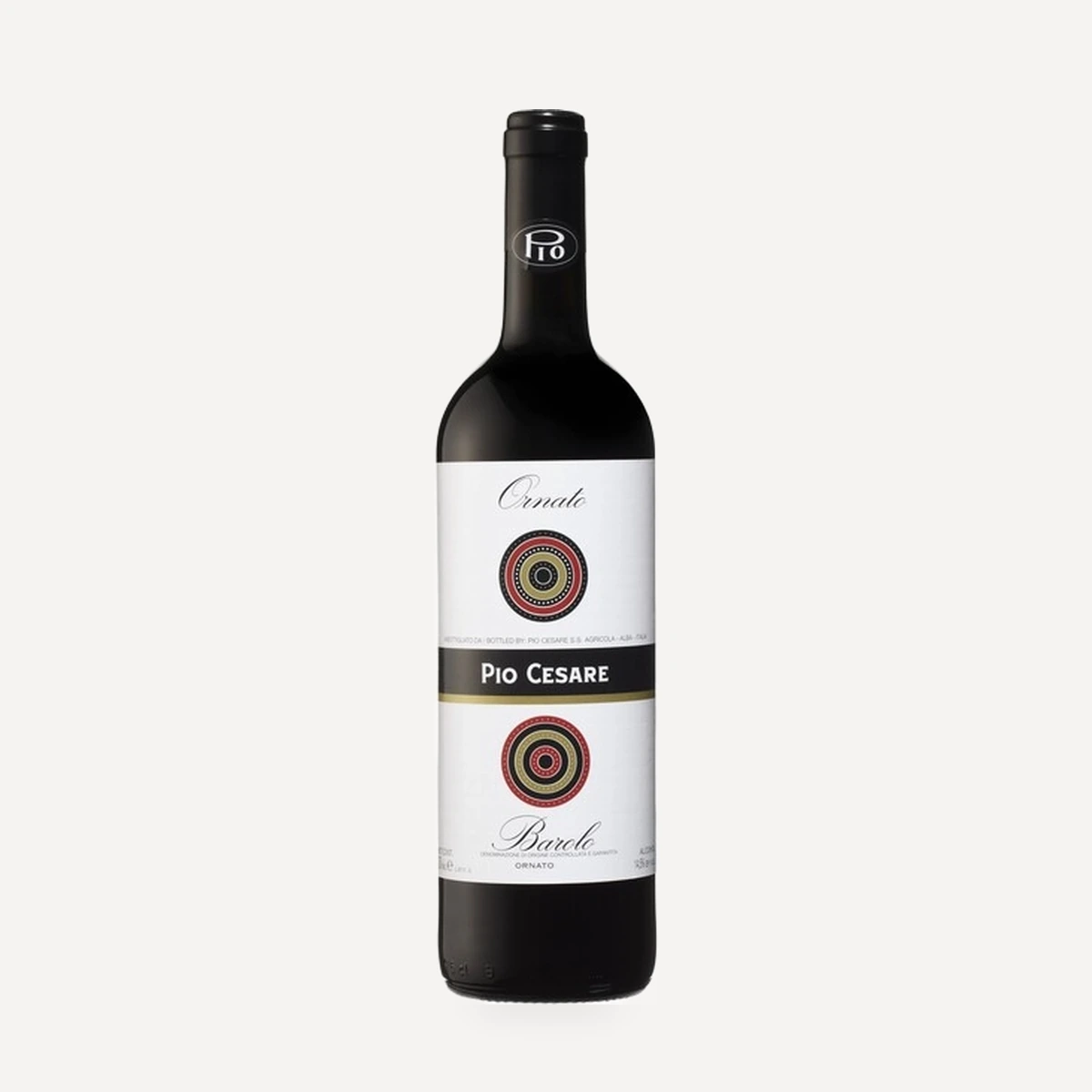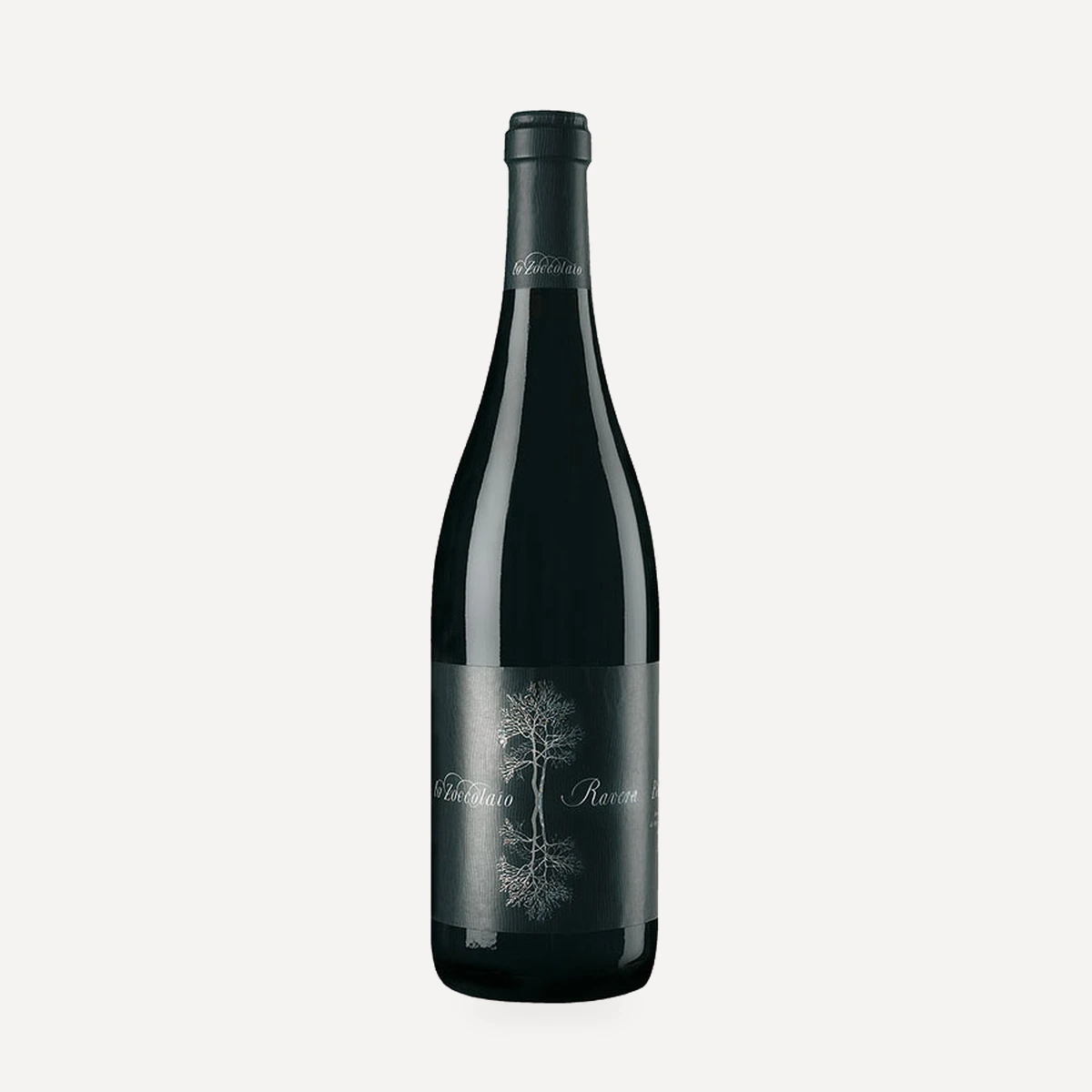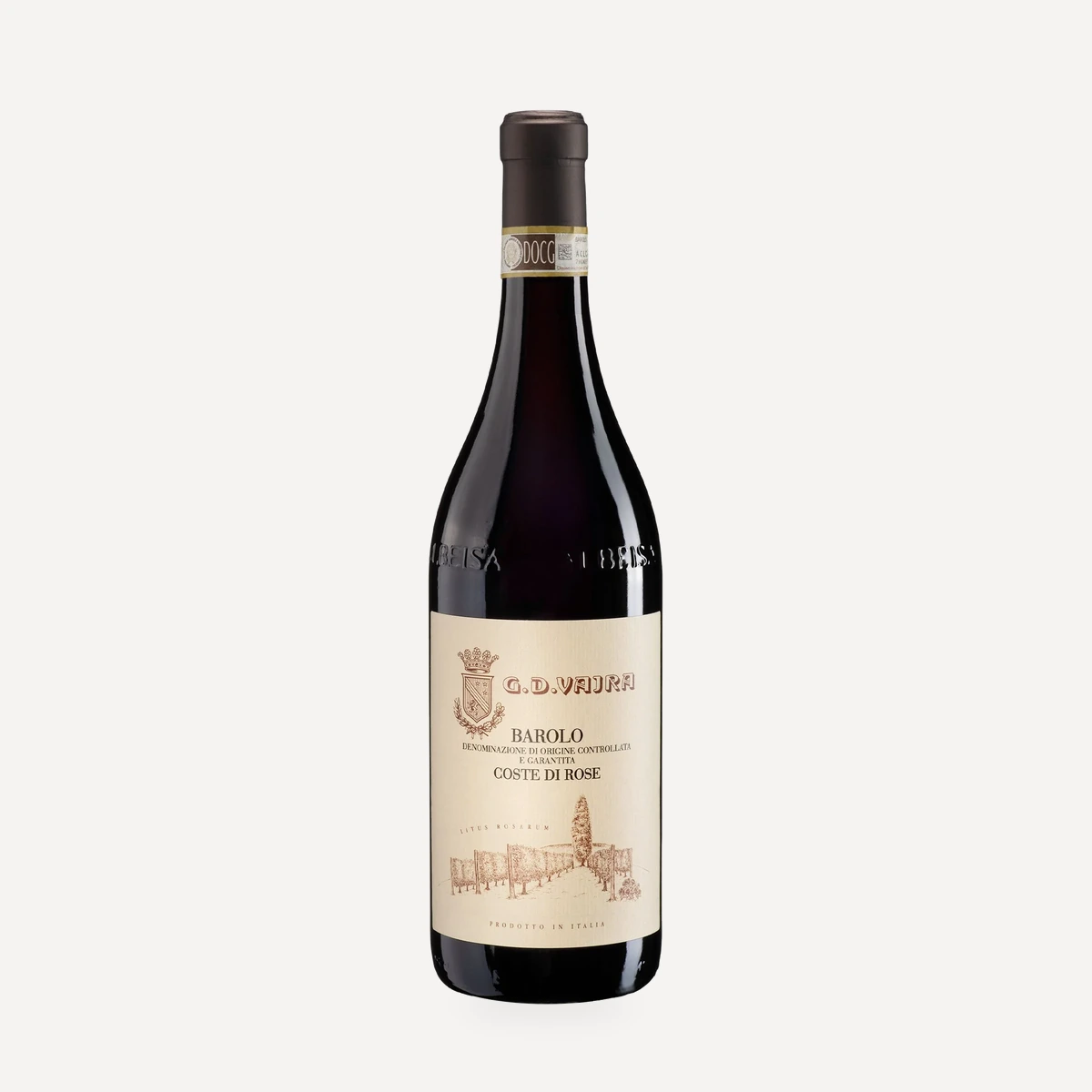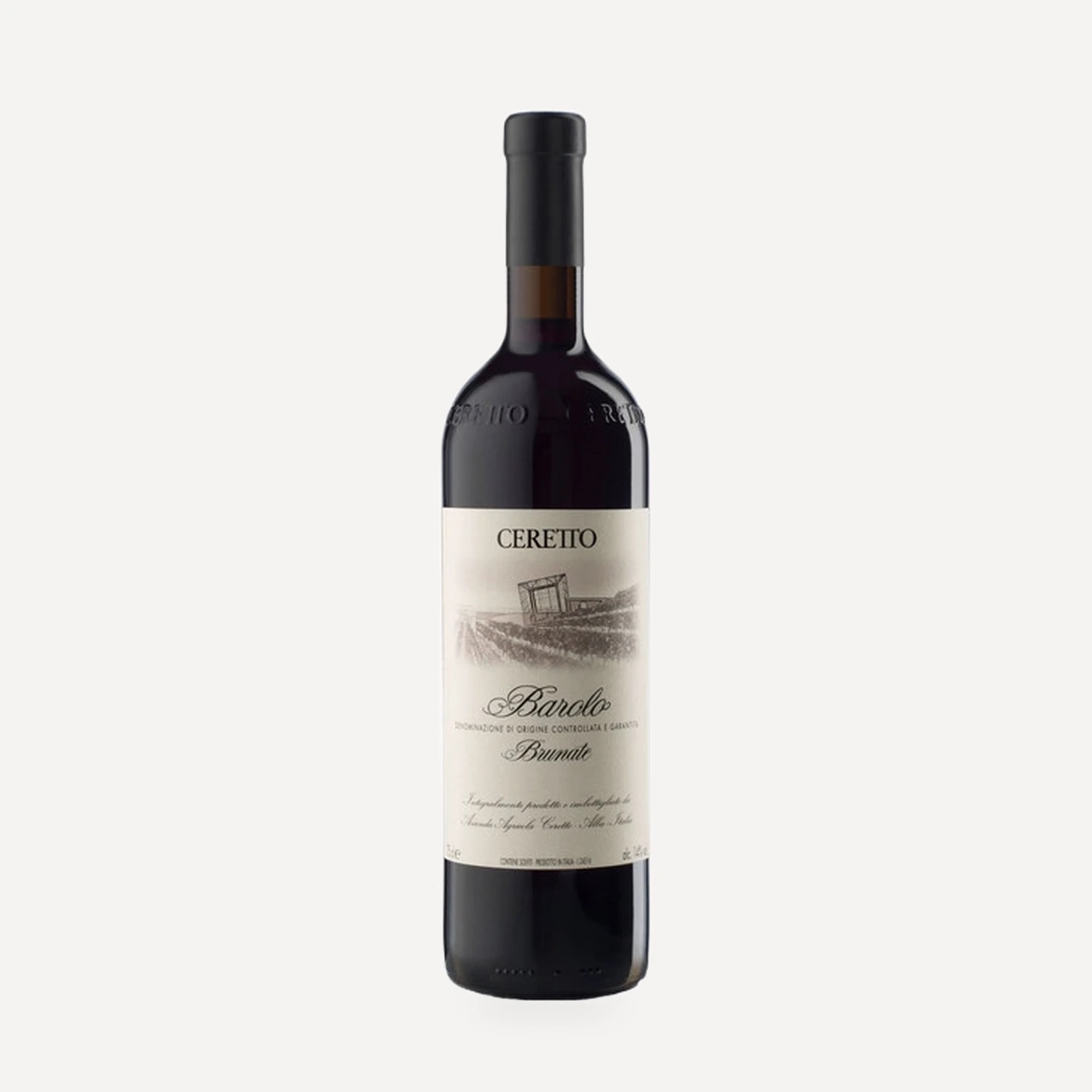
Questo vino
Vineyard and terroir
The grapes are selected from the Brunate vineyard in the commune of La Morra, at 276–342 m above sea level. The 5.6-hectare Grand Cru vineyard faces south-east and is planted at 4,300 vines per hectare. The magnesium-rich soils are mainly clay and silt, with a little sand. The vines were planted in 1974.
Vinification
Fermentation and maceration take place in stainless steel tanks at controlled temperatures for 7–10 days, with daily pump-overs. The wine is made only in the best vintages.
Ageing
The wine spends 12 months in oak barrels, 10% of them new. It then moves to Austrian oak barrels for a further 2 years. After bottling it rests a year in the winery's cellars. The 2020 vintage is expected to show its full potential between 2026 and 2049.
Tasting profile
Powerful, full-bodied and beautifully balanced.
Label / history
Giacolino Gillardi, the general manager, made wine from this vineyard until the early 1990s. At that time Brunate had more producers than any other area in the winery's collection. For him, sharing the hill with other producers while aiming for a distinctive Barolo that reflected its terroir was both a necessity and a source of pride.
The Ceretto family began making wine in the 1930s, when Riccardo Ceretto moved to Alba. In the 1960s his sons Bruno and Marcello Ceretto carried on the work with a different philosophy and devoted themselves to promoting Barolo, earning the nickname "the Barolo Brothers." Today the family owns nine estates, each with its own style and approach, producing around 700,000 bottles from more than 80 hectares of vineyards. The third generation now runs the business.