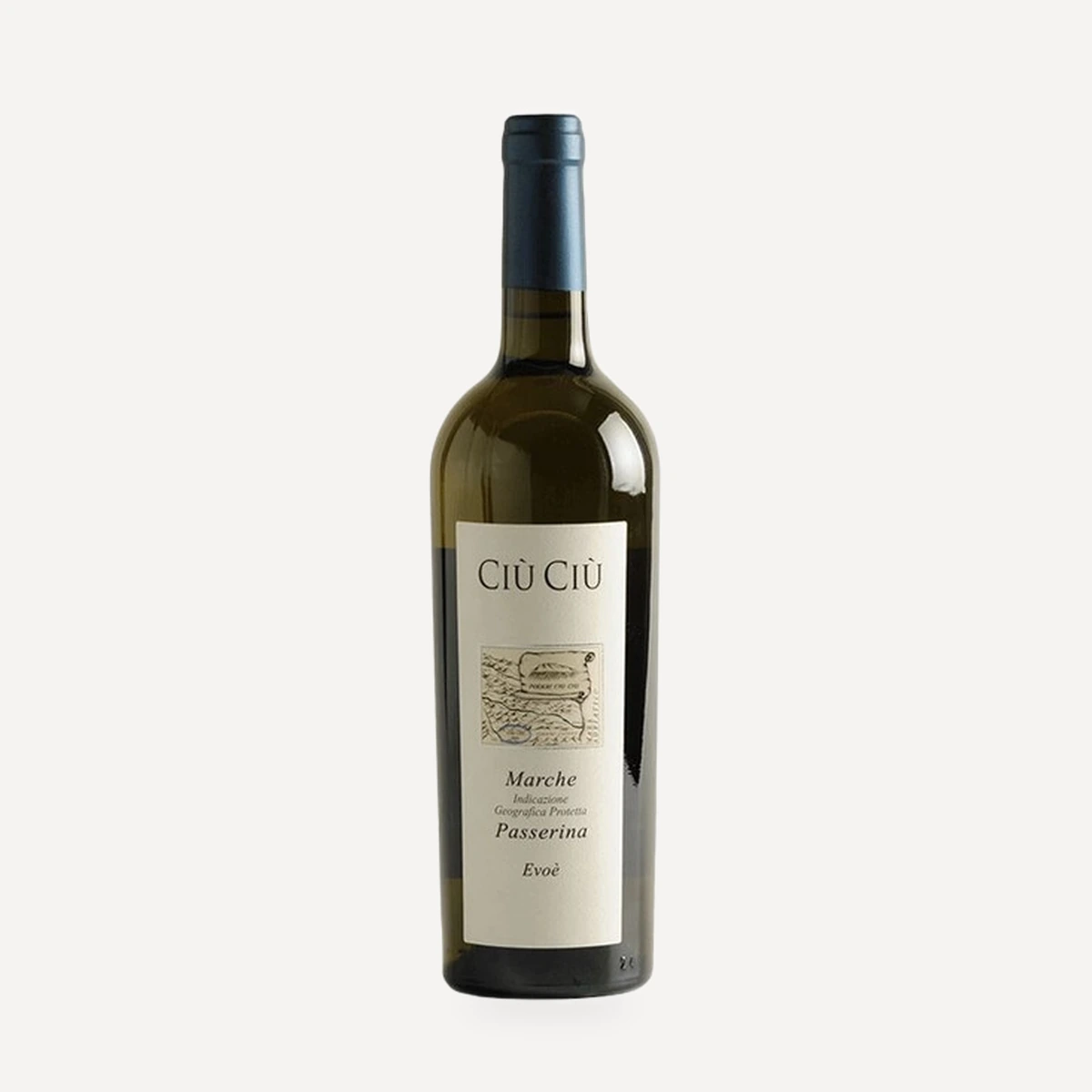
Storia
Foundation in Offida
Ciu Ciu was founded in 1970 by Natalino and Anna Bartolomei. The family established the wine-growing business near the medieval town of Offida, in the province of Ascoli Piceno in southern Marche. The estate developed around the native grapes Pecorino and Passerina, alongside Montepulciano and Sangiovese and a broader collection of white and red varieties.
The second generation
Management subsequently passed to the founders’ sons, Massimiliano and Walter Bartolomei. They retained the family emphasis on territorial expression while combining established vineyard practices with modern production and conservation technology. The estate grew to approximately 200 hectares, of which about 180 hectares are described as vineyards. Its wines came to be distributed in Italy, elsewhere in Europe, the United States and Asia.
Sustainability programme
In 2024 the agricultural company introduced a programme designed to implement, maintain and improve compliance with the Equalitas SOPD standard for sustainability in the wine supply chain. This was accompanied by a formal corporate policy and a Code of Ethics covering environmental stewardship, product quality and safety, human rights, non-discrimination, workplace health and safety, fair competition, transparency and responsible relations with employees, suppliers and the local community.
The 2024 improvement plan included achieving Equalitas certification, publishing sustainability information, installing LED lighting in the winery, installing photovoltaic systems at the winery and warehouse, participating in organic and biodynamic trade events, and continuing the estate’s organic and biodynamic certifications.
Terroir
Ciu Ciu lies near Offida in the Piceno area of southern Marche. Its principal viticultural setting comprises the hills of Offida and neighbouring municipalities between the Tronto and Tesino rivers. Sea air arrives from the east, moving inland through the hills and vine rows. The wider vineyard belt descends from the vicinity of Ascoli Piceno toward the Adriatic Sea.
Production areas identified for the estate include Offida and Acquaviva Picena in the province of Ascoli Piceno, where vineyards associated with several estate wines lie at approximately 300 metres above sea level. The soils in these sites are described as medium-textured and, in many cases, tending toward clay. The Lacrima production area at Morro d’Alba is identified at approximately 250 metres, likewise on medium-textured soils with a clay tendency.
The estate treats microclimate, soil and subsoil as inseparable components of wine identity. Variety, climate and soil are regarded as primary determinants of grape sugar, acidity, pH, colour, tannin and aroma, ahead of the application of cellar technique.
Vinificazione
Ciu Ciu farms according to organic and biodynamic principles. Organic production is certified by CCPB and biodynamic production by Demeter.
Chemical herbicides, pesticides and synthetic fertilizers are excluded. Natural products, compost and, where a demonstrated nutritional deficiency requires intervention, organic fertilizers are used instead. Vineyard nutrition is monitored so that additions are limited to evident needs.
Spontaneous vegetation is encouraged between the vines. This ground cover supports biodiversity, improves soil structure and fertility, reduces erosion and increases the soil’s load-bearing capacity. Beneficial insects and naturally occurring wild flora are fostered as parts of a balanced vineyard ecosystem.
Biodynamic preparations and the lunar cycle form part of vineyard management. These practices are intended to reinforce vine health while maintaining the ecological relationship between the vineyard and its surroundings.
The estate monitors weather through the Marche regional AMAP agrometeorological bulletins. Vineyard irrigation is not used, reflecting the concern that irrigation can deplete groundwater reserves and contribute to soil salinization.
Activities are governed by documented protocols and recorded for traceability. Environmental management also includes monitoring operational impacts, conserving the rural landscape and its biodiversity, and pursuing lower use of natural resources, reduced emissions, responsible waste management and protection of the surrounding ecosystem.
Ciu Ciu combines traditional wine-growing knowledge with modern production, conservation and bottling technology. Processing is organized through specific working protocols covering every stage from harvest to bottling. Activities are recorded to maintain product traceability, and cellar practices follow certified-organic requirements.
Modern equipment is used to protect the quality and integrity of harvested fruit. The cellar’s automatic bottling line incorporates a bottle washing and cleaning system supplied with municipal water microfiltered to 0.2 microns. Water treated to the same standard is used for cleaning equipment.
Primary, secondary and tertiary packaging is assessed in terms of materials, weight and supplier selection. Suppliers are chosen in alignment with the estate’s sustainability commitments. Winery sanitation procedures regulate cleaning frequency, detergents and water consumption; the 2024 assessment considered these inputs already reduced to a practical minimum.
The sustainability plan also called for LED lighting in the winery and a photovoltaic installation serving the winery and warehouse. Visitors to the Offida facility can enter the barrel room and learn about the estate’s vinification and maturation practices.
Filosofia
Ciu Ciu’s central principle is that wine should embody the place from which it comes. The estate treats microclimate, soil and subsoil as irreplaceable elements and considers cellar technique secondary to the intrinsic quality and identity of the fruit.
The family presents tradition and innovation as complementary rather than opposing forces. Established cultivation knowledge is retained while modern technology is used to improve production, preservation, traceability and environmental performance. Research and quality work extend across both vineyard and cellar.
Environmental responsibility is framed as a measurable process of continuous improvement. The approach encompasses organic and biodynamic cultivation, biodiversity, soil health, conservation of natural resources and the rural landscape, climate-change mitigation throughout production, and transparent communication with stakeholders.
The social dimension includes fair and merit-based treatment, equal opportunity, professional development, workplace safety and rejection of discrimination or exploitation. The estate also seeks long-term relationships with local institutions, trade associations, suppliers and the surrounding community. Its Code of Ethics identifies honesty, impartiality, legal compliance, transparency, quality, safety, human rights, inclusion, fair competition and confidentiality as operating principles.
Vini
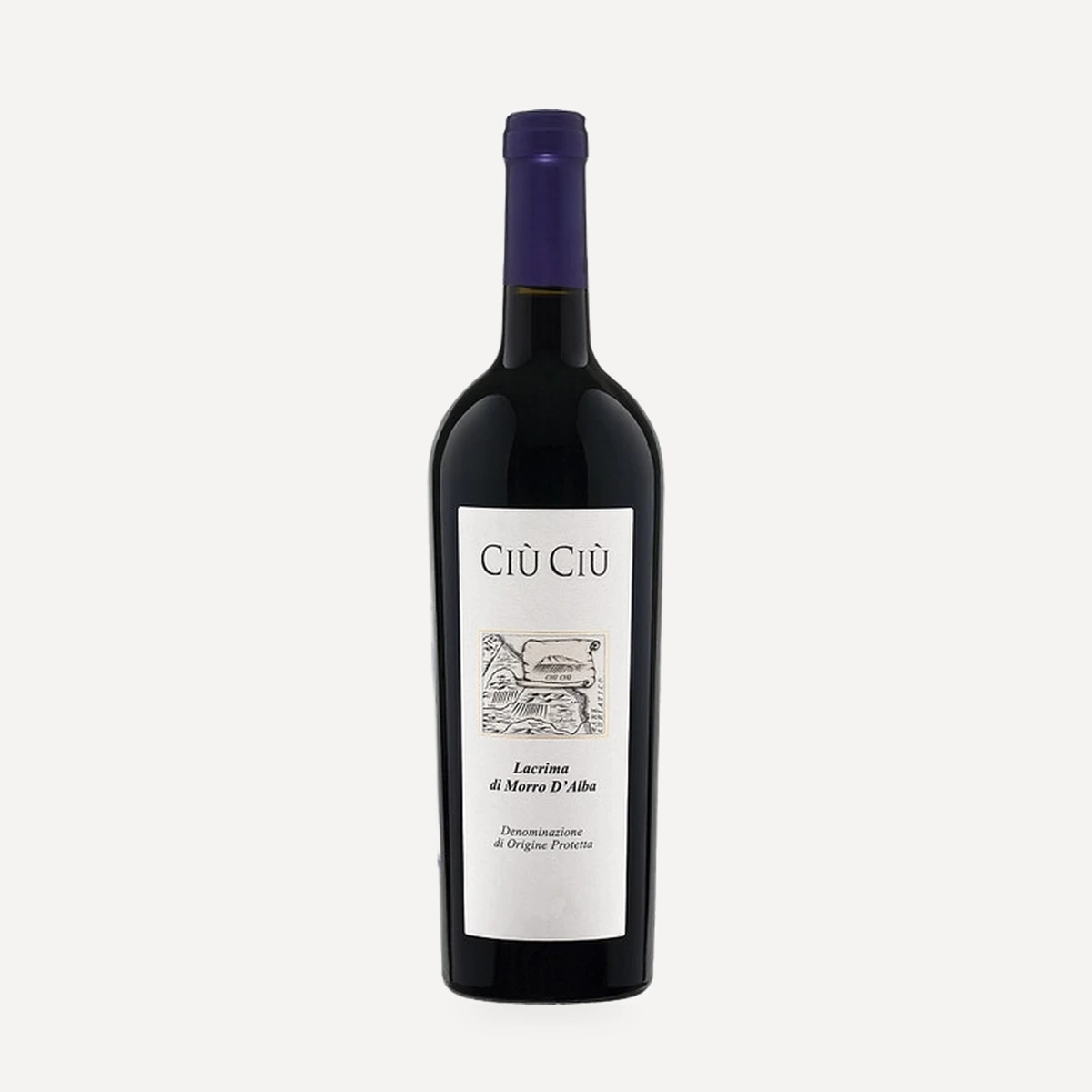
Lacrima di Morro d'Alba DOP
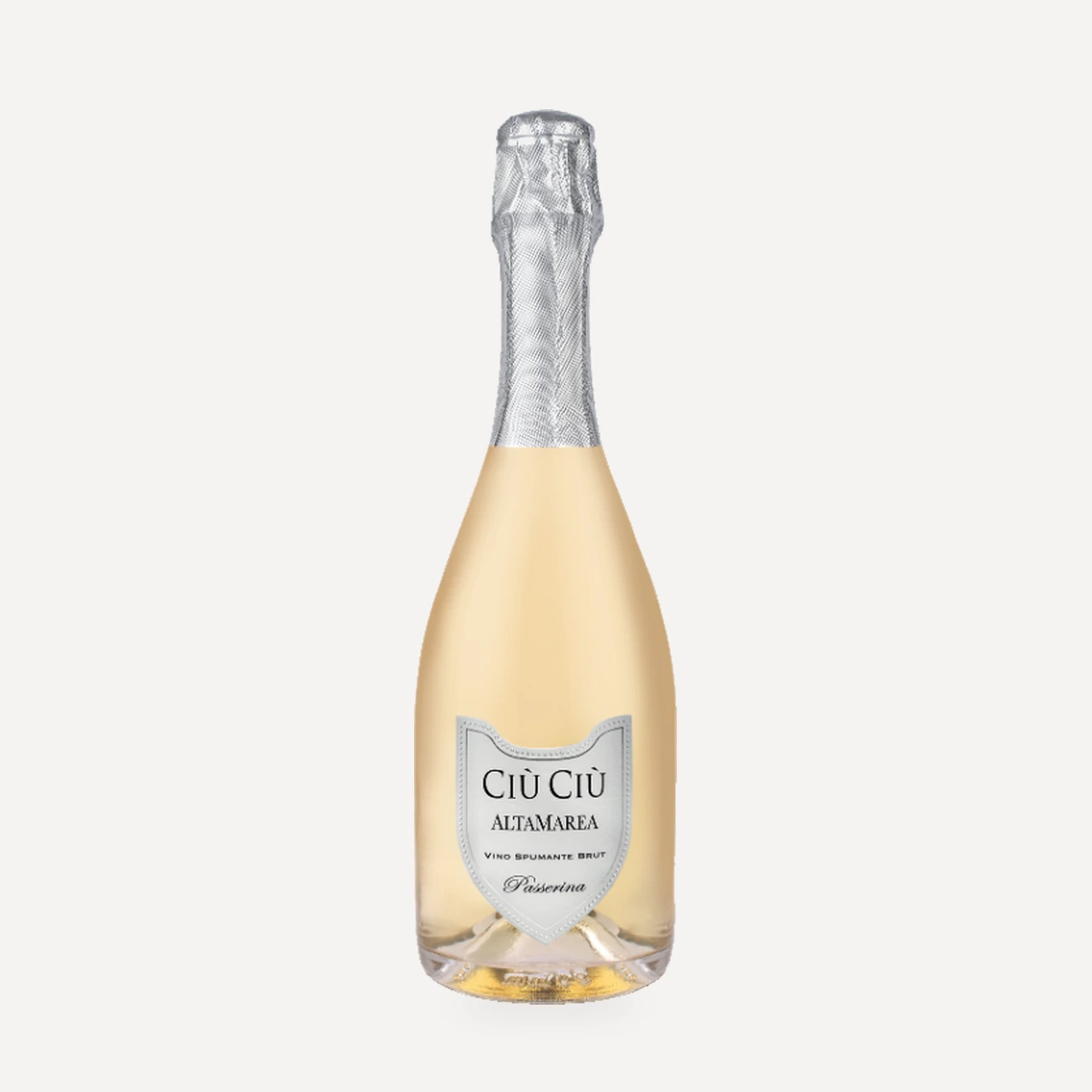
Alta Marea Ciù Ciù
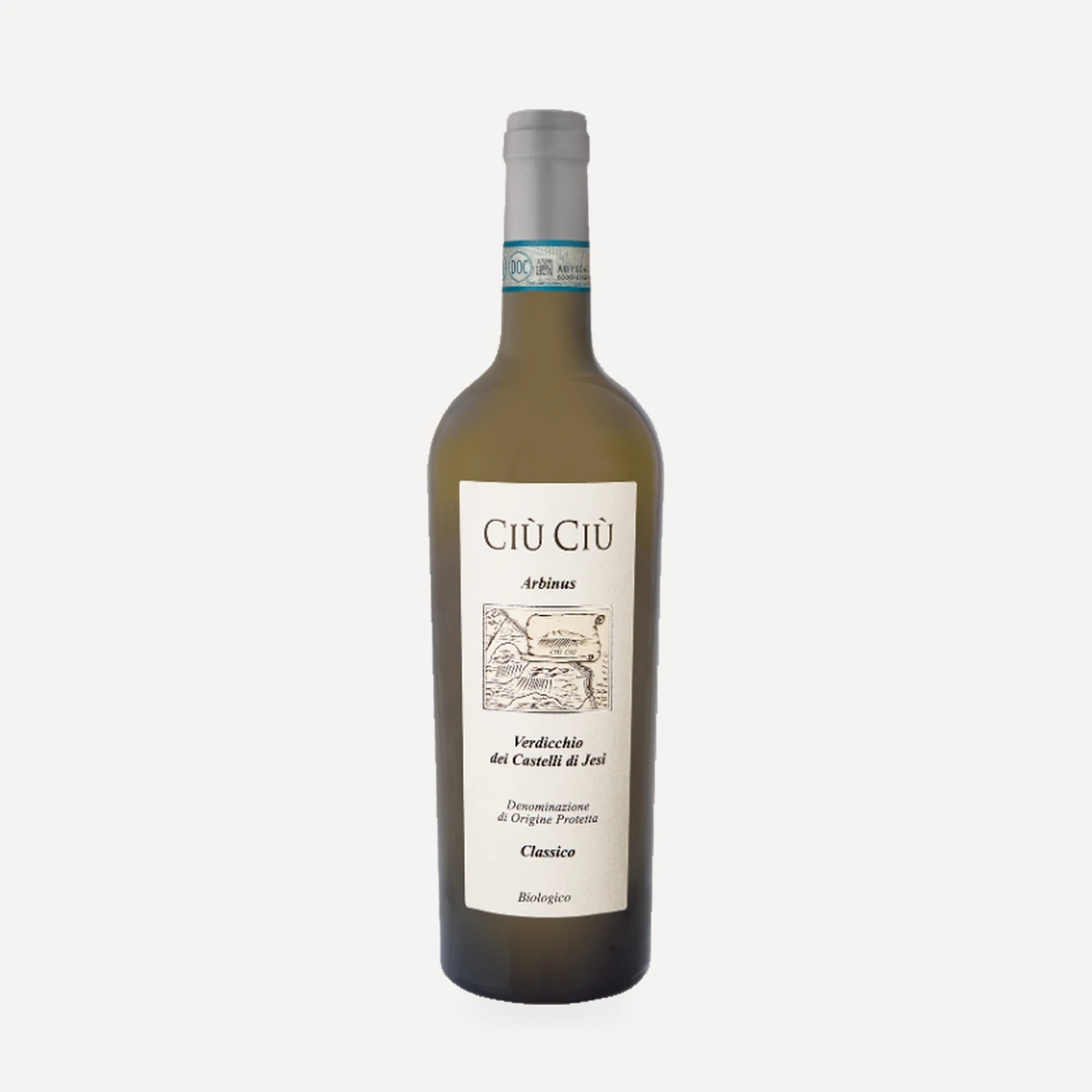
Arbinus Ciù Ciù
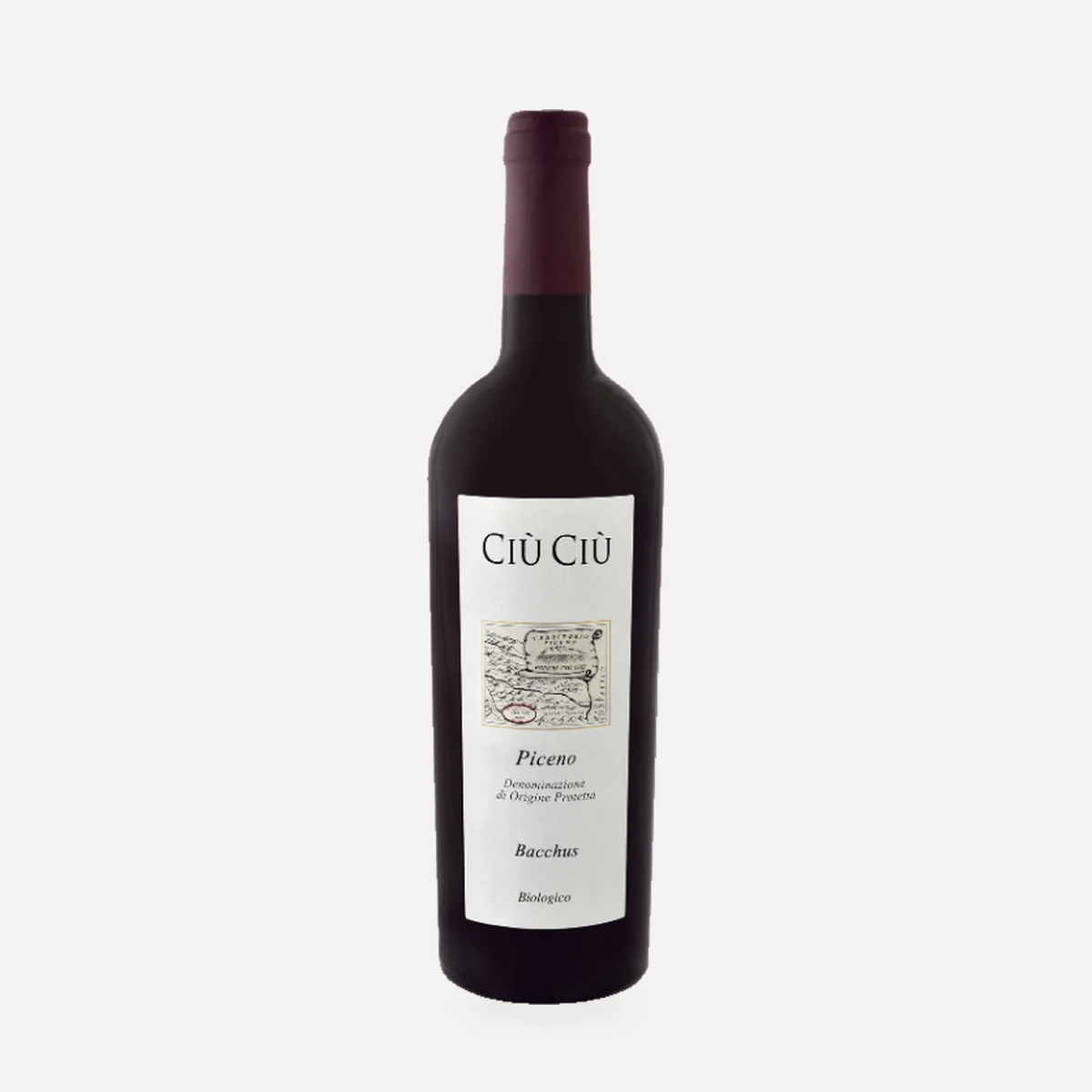
Bacchus Ciù Ciù
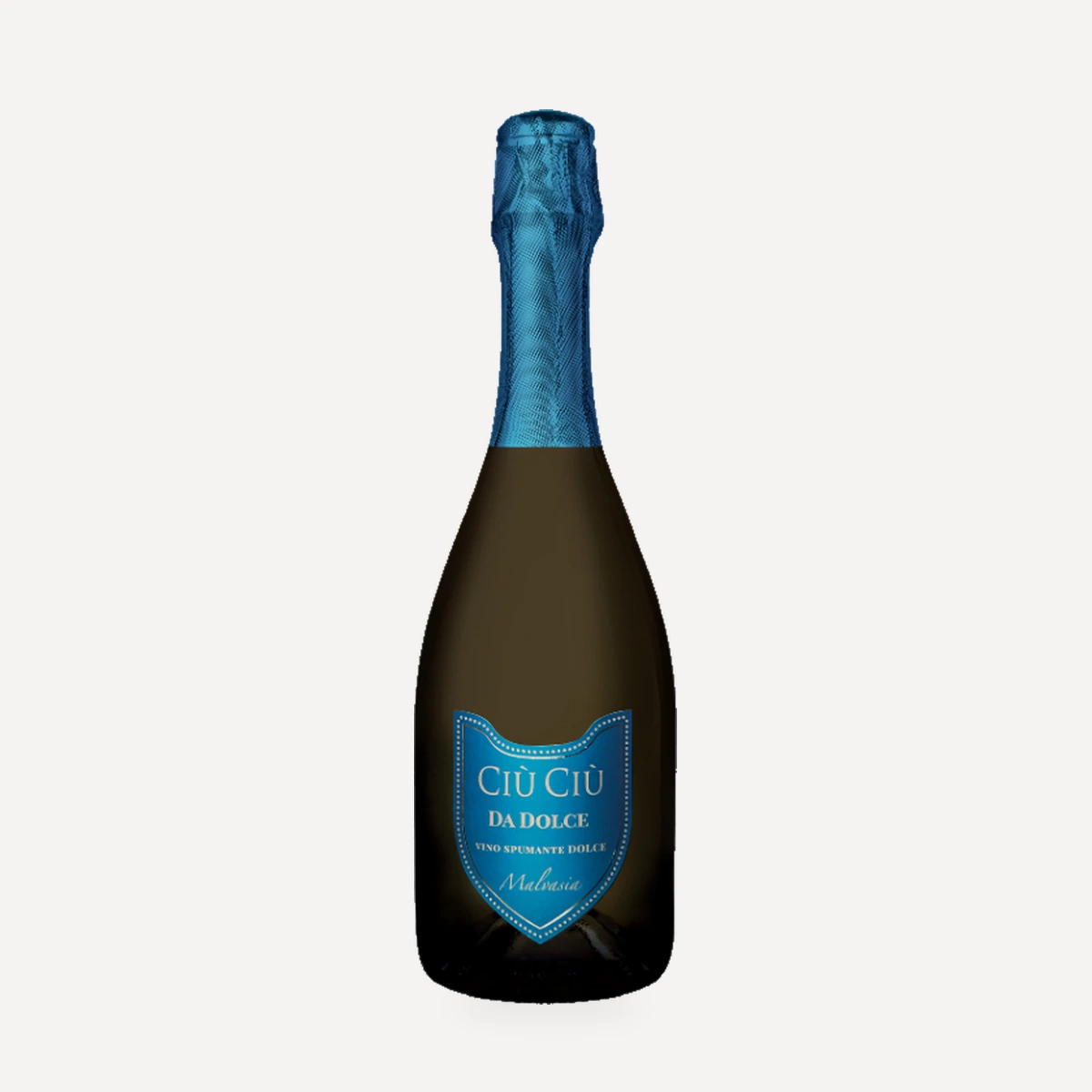
Da Dolce Ciù Ciù
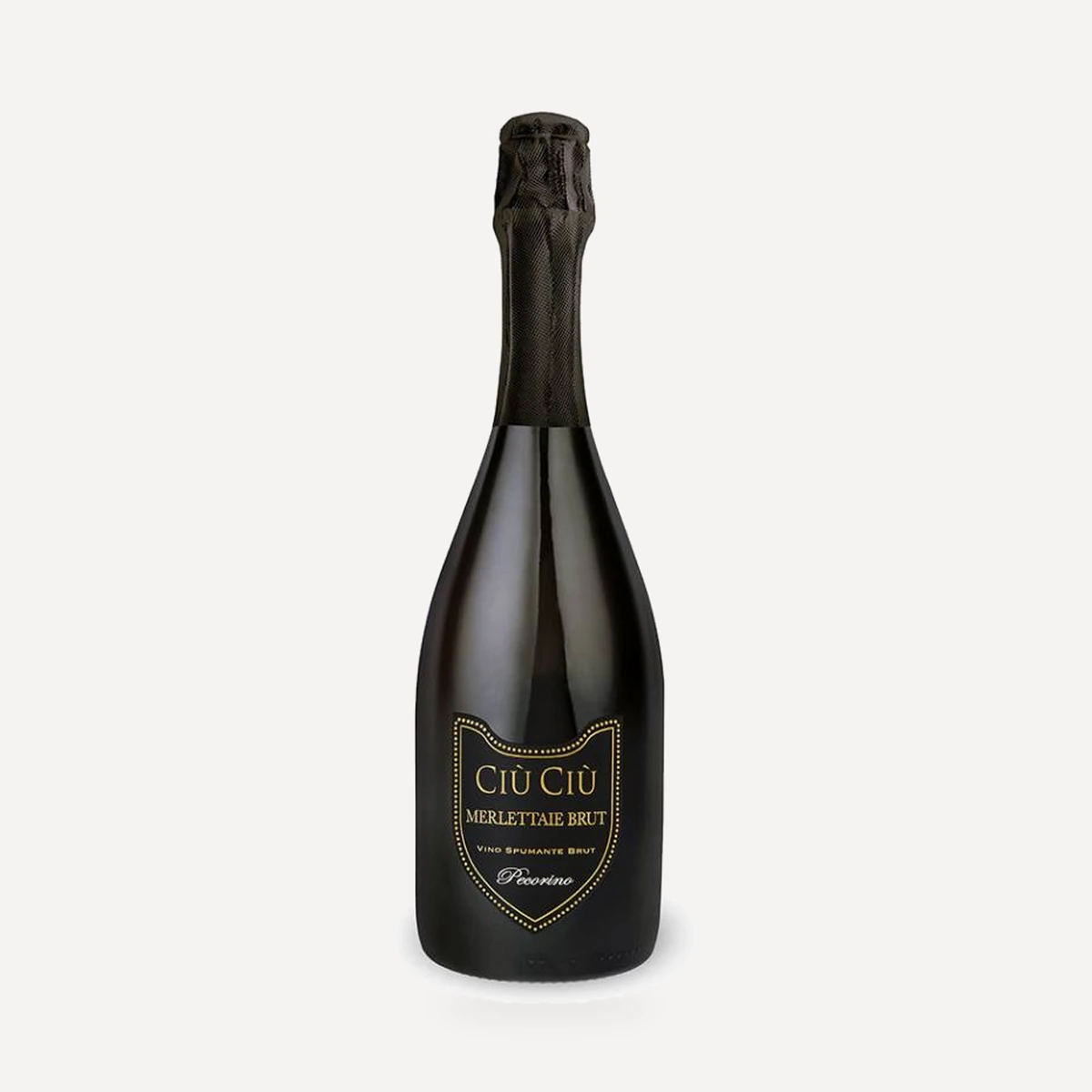
Merlettaie Brut Ciù Ciù
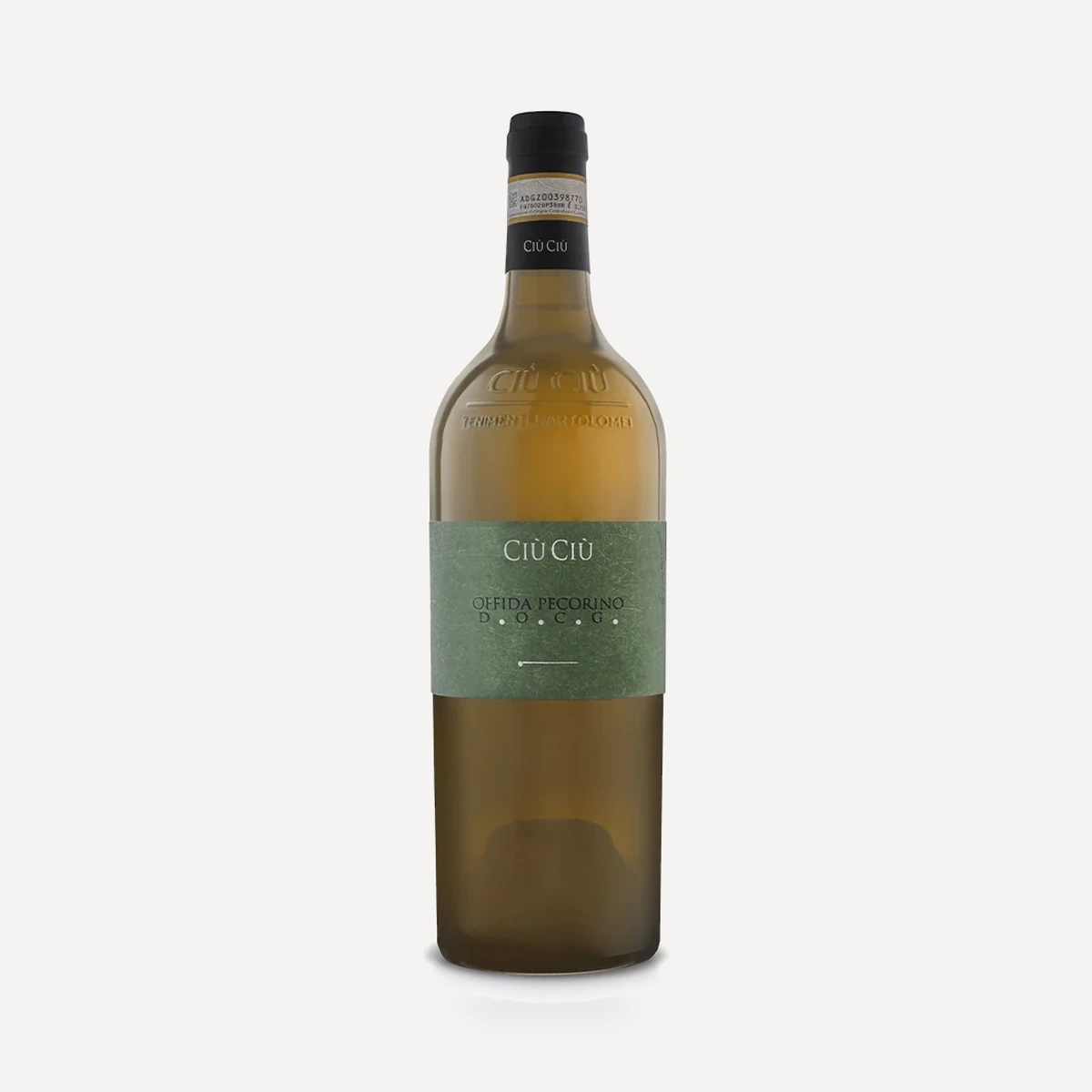
Offida D.O.C.G. Pecorino Ciù Ciù
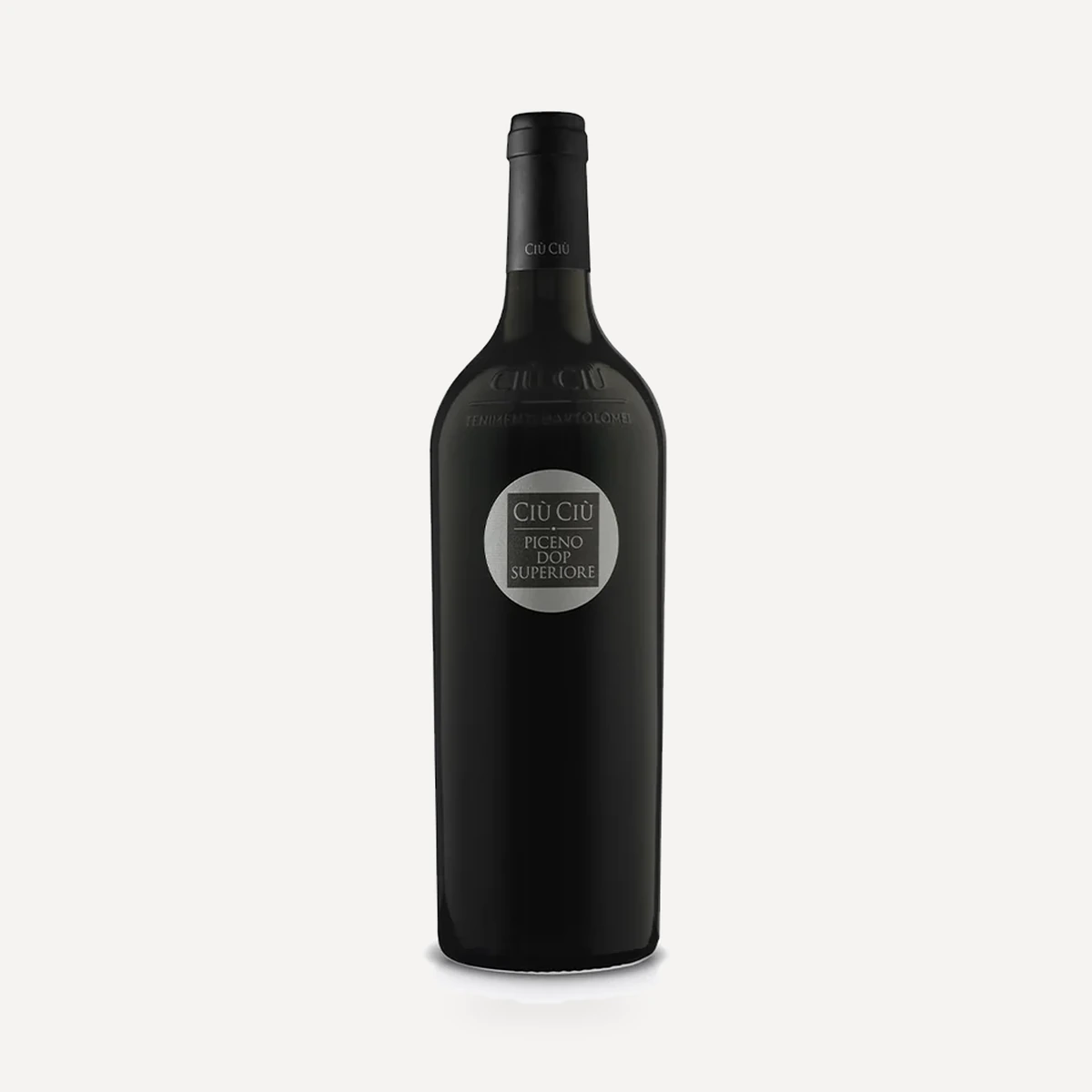
Piceno D.O.P. Superiore Ciù Ciù
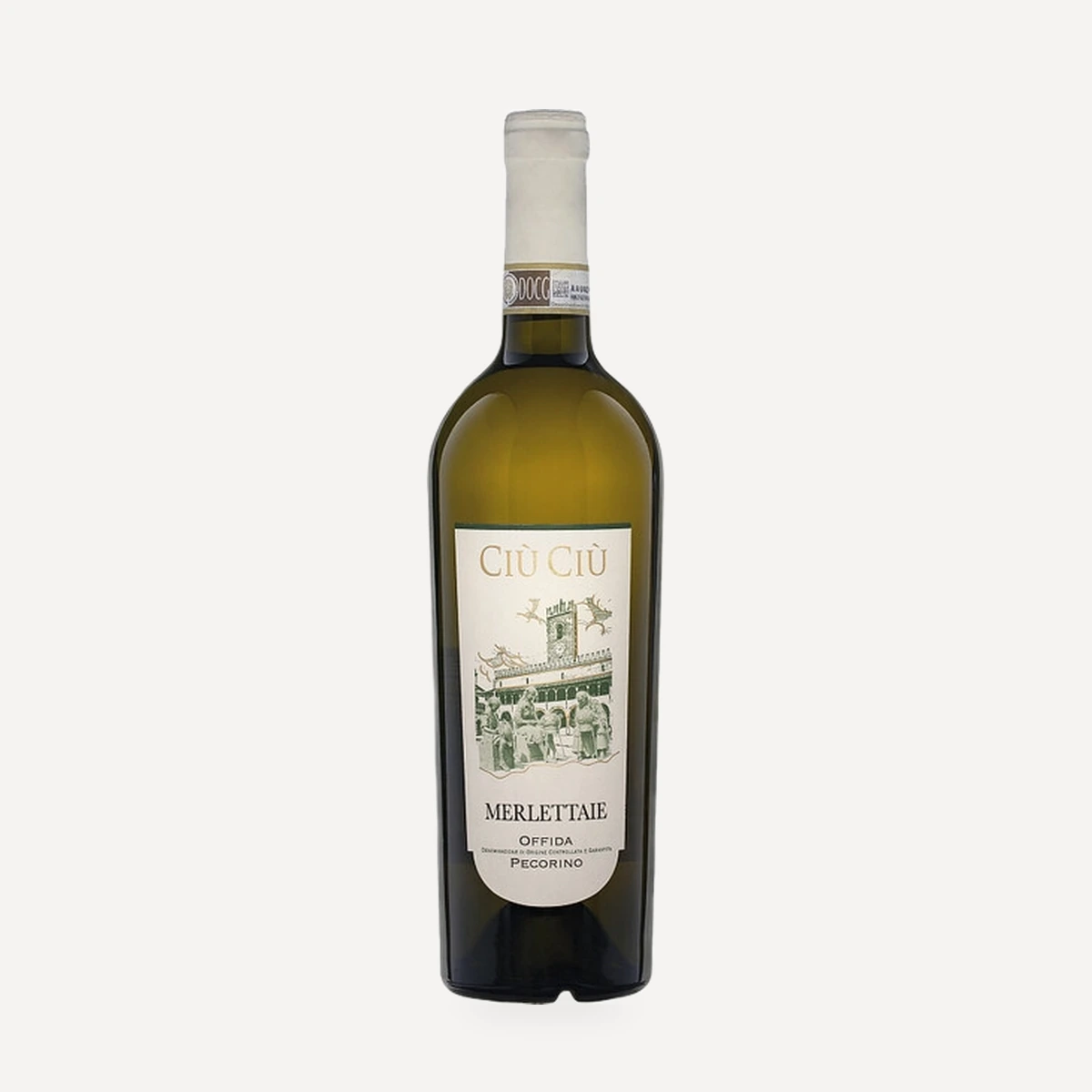
Merlettaie Pecorino Offida DOCG
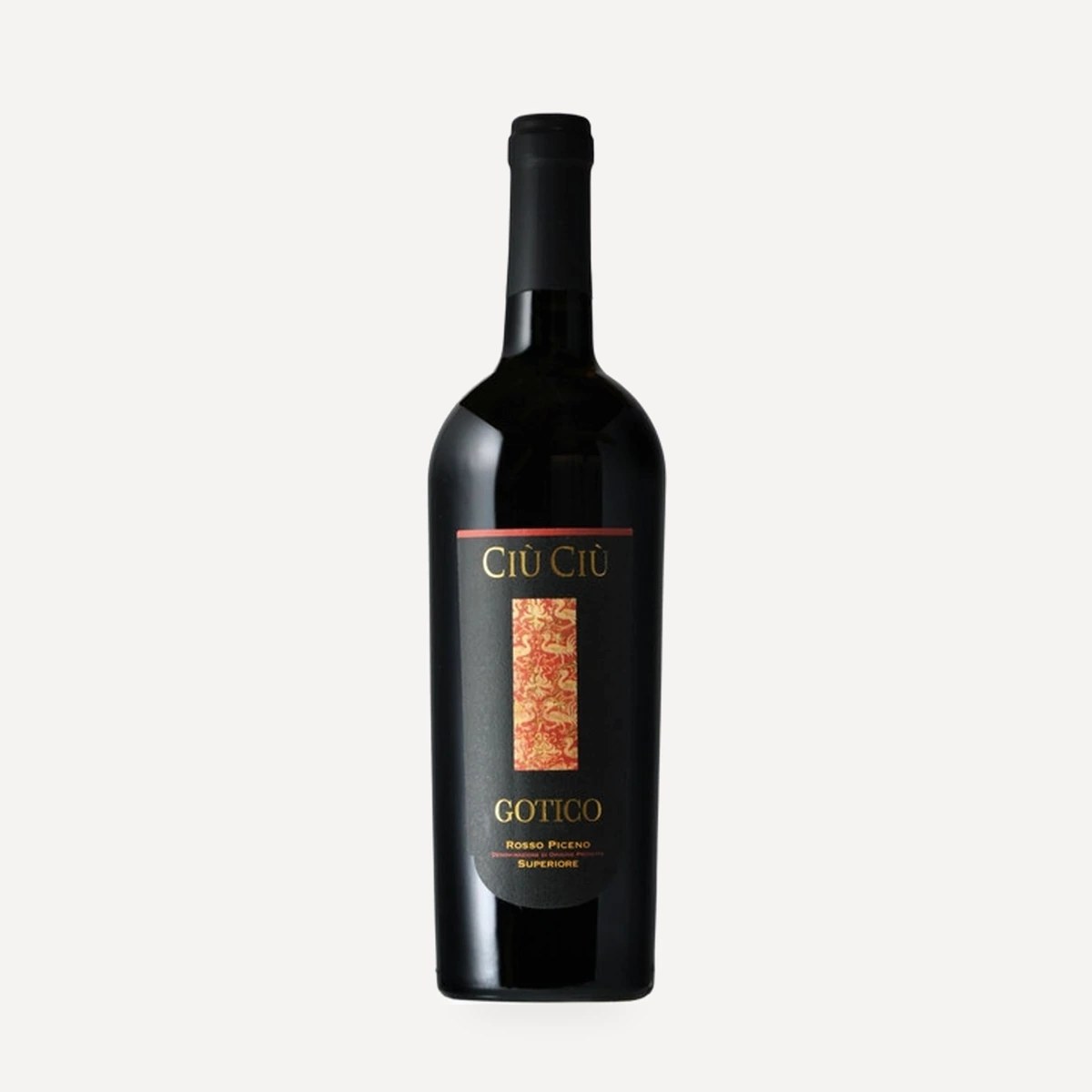
Gotico Rosso Piceno Superiore DOP