Storia
The family vineyard
The Plessi family established a small vineyard in the countryside of Castelnuovo Rangone, close to the Tiepido stream. It was arranged in the traditional piantata modenese system, with vines trained onto elm trees. The mixed farm also produced cereals and fodder for cattle and pigs. Lambrusco and white wine were made in the family cellar using wooden equipment.
1986: conversion to organic farming
In 1986, Claudio Plessi began converting the farm to organic agriculture. This placed vineyard management and biodiversity at the centre of the estate’s subsequent development.
1993: organic certification
The conversion culminated in organic certification in 1993.
2000: full-time commitment and vineyard expansion
From 2000, Claudio devoted himself entirely to the vineyard. The planted area expanded, and the estate introduced native cultivars that had largely disappeared from local vineyards. Their recovery followed research into the surrounding territory and formed part of a broader effort to safeguard Modena’s agricultural and cultural heritage.
This preservation work produced a collection of historic cultivars. Uva tosca, for example, was recovered in the Modena mountains through mass selection intended to retain its biodiversity. Other recovered or preserved grapes include Uva ruggine, Festasio, Lambrusco del pellegrino and Sgavetta. Production was deliberately organized around single-variety wines so that the individual characteristics of this viticultural diversity could be expressed.
Terroir
The vineyard lies in the countryside of Castelnuovo Rangone, in the Province of Modena, close to the Tiepido stream. It occupies flat ground at 52 metres above sea level.
The soil is alluvial and rich in limestone. Its formation is associated with the Rio dei Gamberi and the Tiepido. The area also retains a historic irrigation network of medieval origin connected with the Canale San Pietro, although the vineyard itself is not irrigated.
Spring frosts are a recurring local hazard. The vines’ productive zone is therefore maintained at a greater height. Downy mildew can cause substantial damage, whereas powdery mildew has comparatively little presence.
Vinificazione
Organic conversion began in 1986, followed by certification in 1993. The vineyard is managed without irrigation and with biodiversity allowed to develop throughout the site.
Harvesting is carried out by hand. Because the area is vulnerable to spring frost, the fruiting zone is maintained high above the ground. Disease pressure is characterized by potentially severe downy-mildew damage and relatively little powdery mildew.
The estate’s preservation work involves researching the local territory, recovering disappearing native grapes and re-establishing them in the vineyard. Uva tosca was propagated through mass selection to retain diversity within the cultivar. This work is intended to conserve both biological diversity and the agricultural and cultural inheritance connected with Modena’s historic grapes.
The original family cellar produced Lambrusco and white wine using wooden equipment.
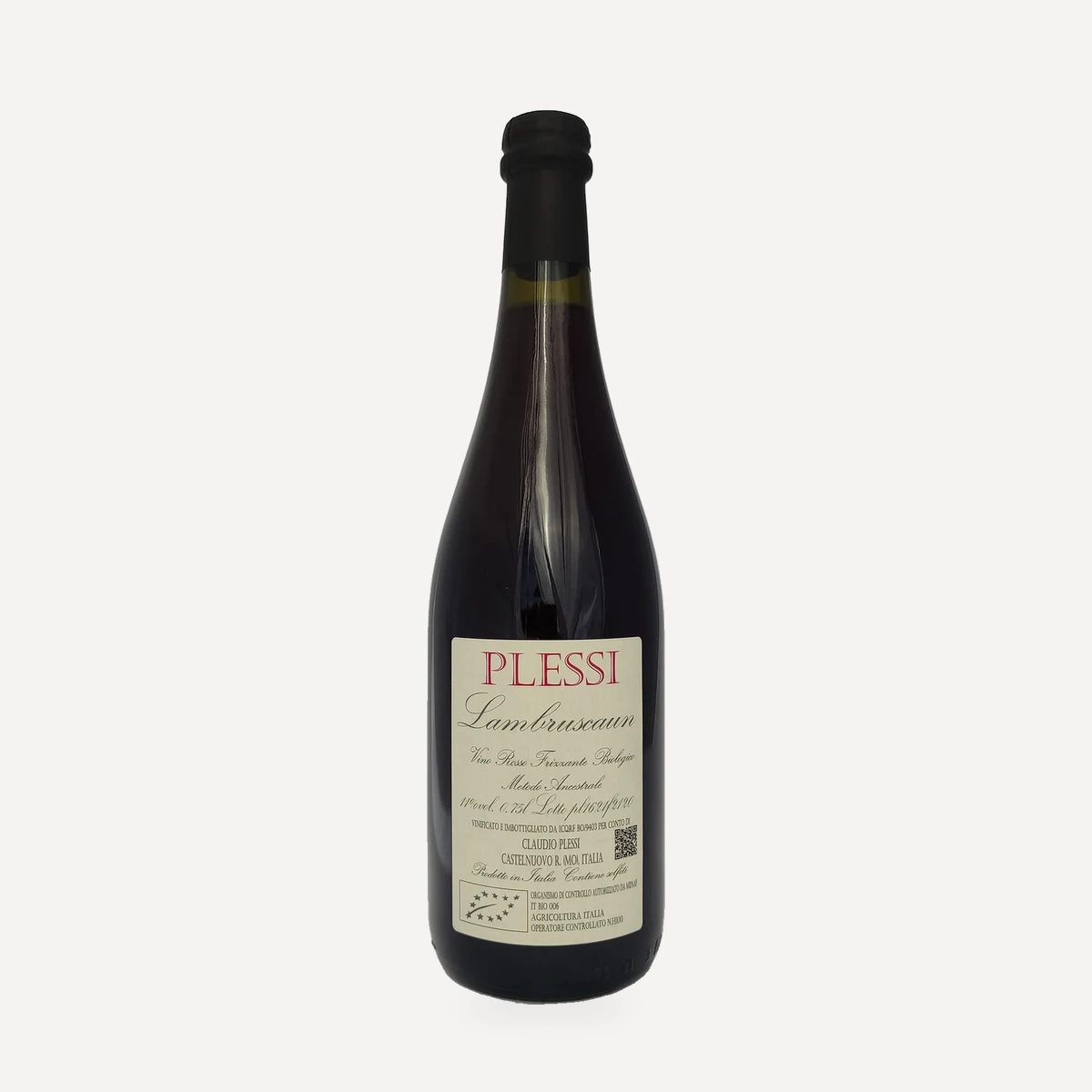
Current production is centred deliberately on single-variety wines, allowing each recovered or established native cultivar to be presented separately. The range encompasses still wines and naturally sparkling wines made by the ancestral method. This approach connects organic farming and biodiversity preservation with the direct expression of individual Modenese grape varieties.
Filosofia
The estate’s work is founded on organic agriculture, respect for biodiversity and the recovery of native Modenese grapes. Vineyard expansion has been accompanied by territorial research and the replanting of cultivars that had largely disappeared, treating their preservation as both an agricultural and a cultural undertaking.
Single-variety production is a deliberate extension of this philosophy: rather than subsuming the recovered grapes within blends, the wines are intended to reveal the particular identity of each cultivar. Non-irrigated viticulture, manual harvesting and mass selection of Uva tosca further connect the approach to the conservation of diversity within the vineyard.
Vini
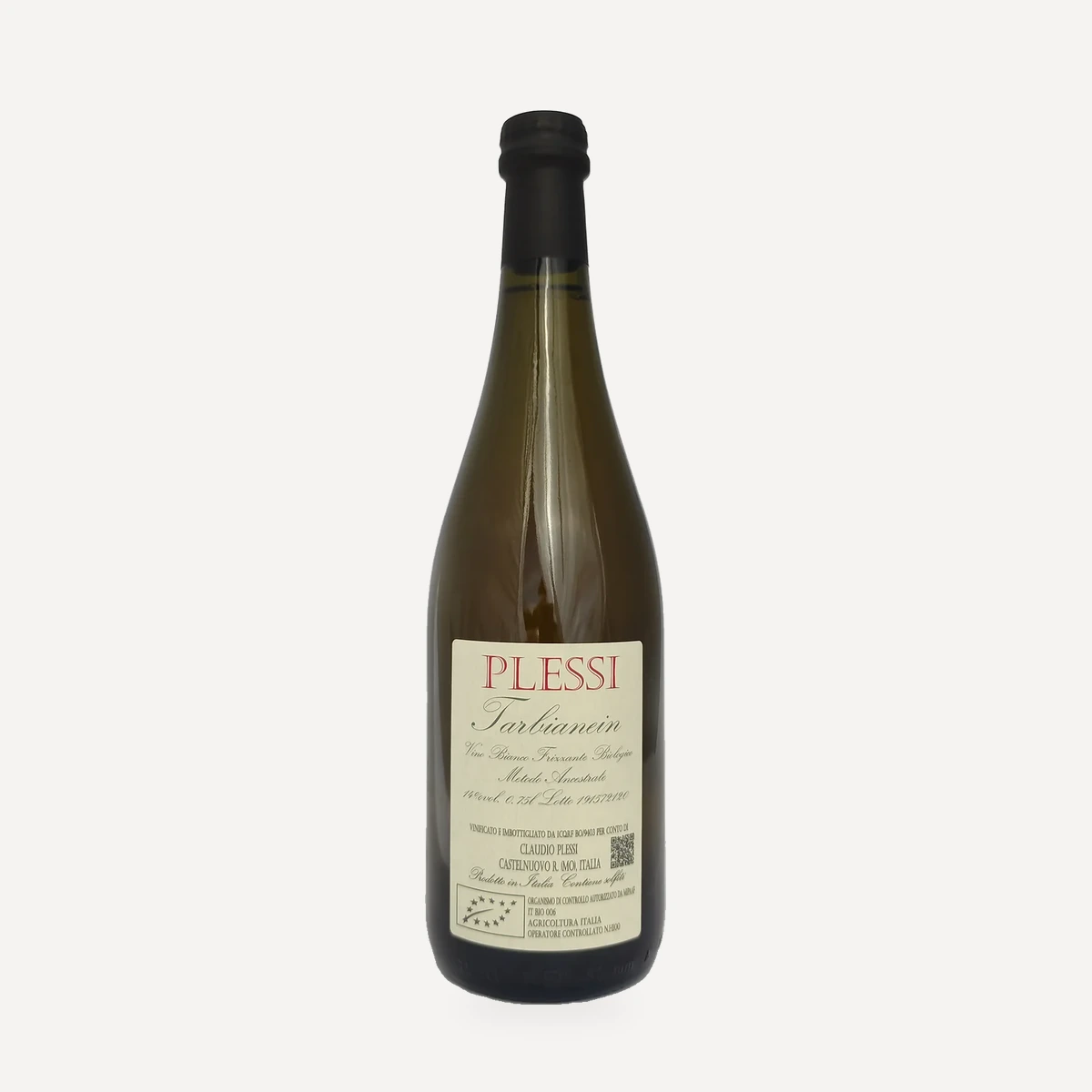
Tarbianèin
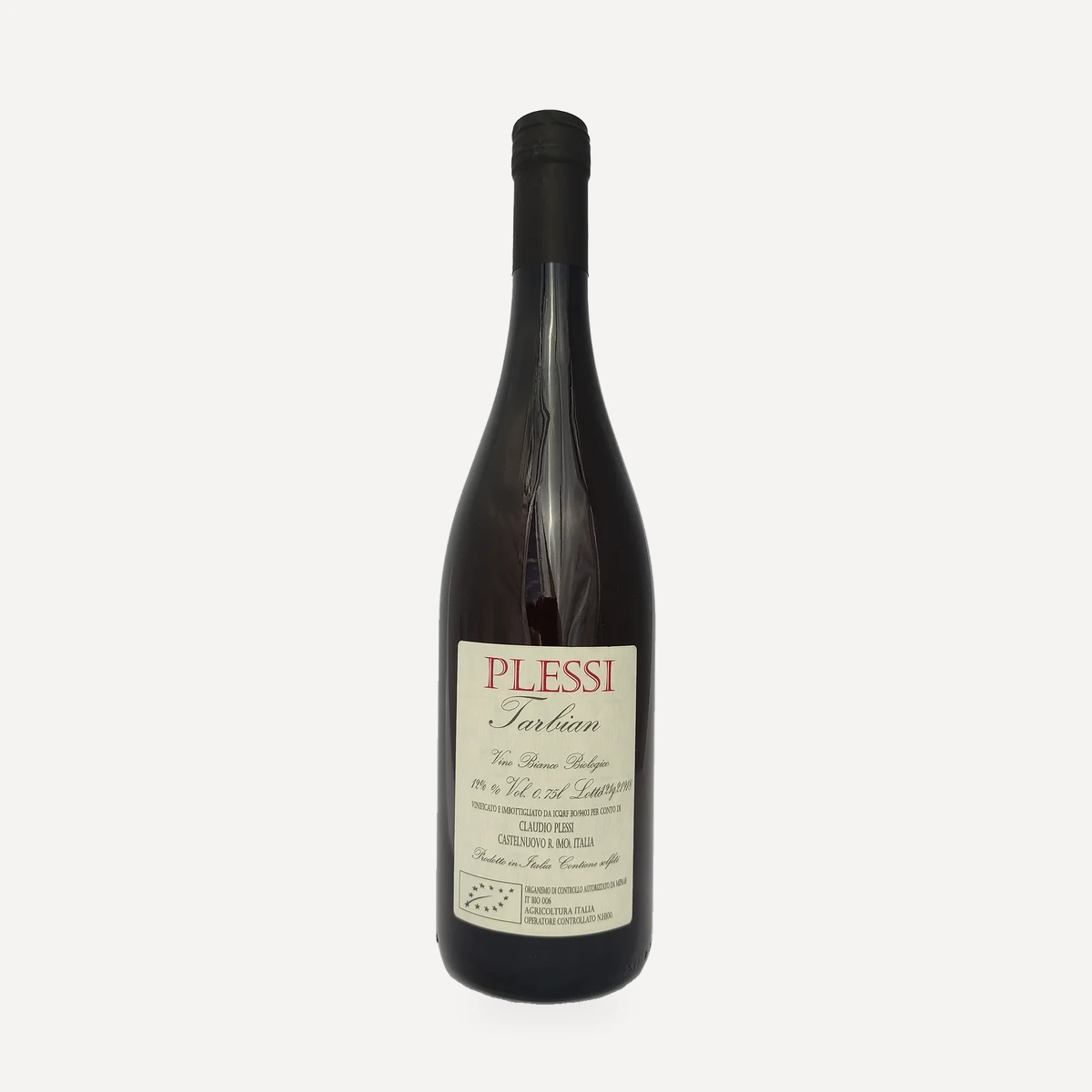
Tarbiàn
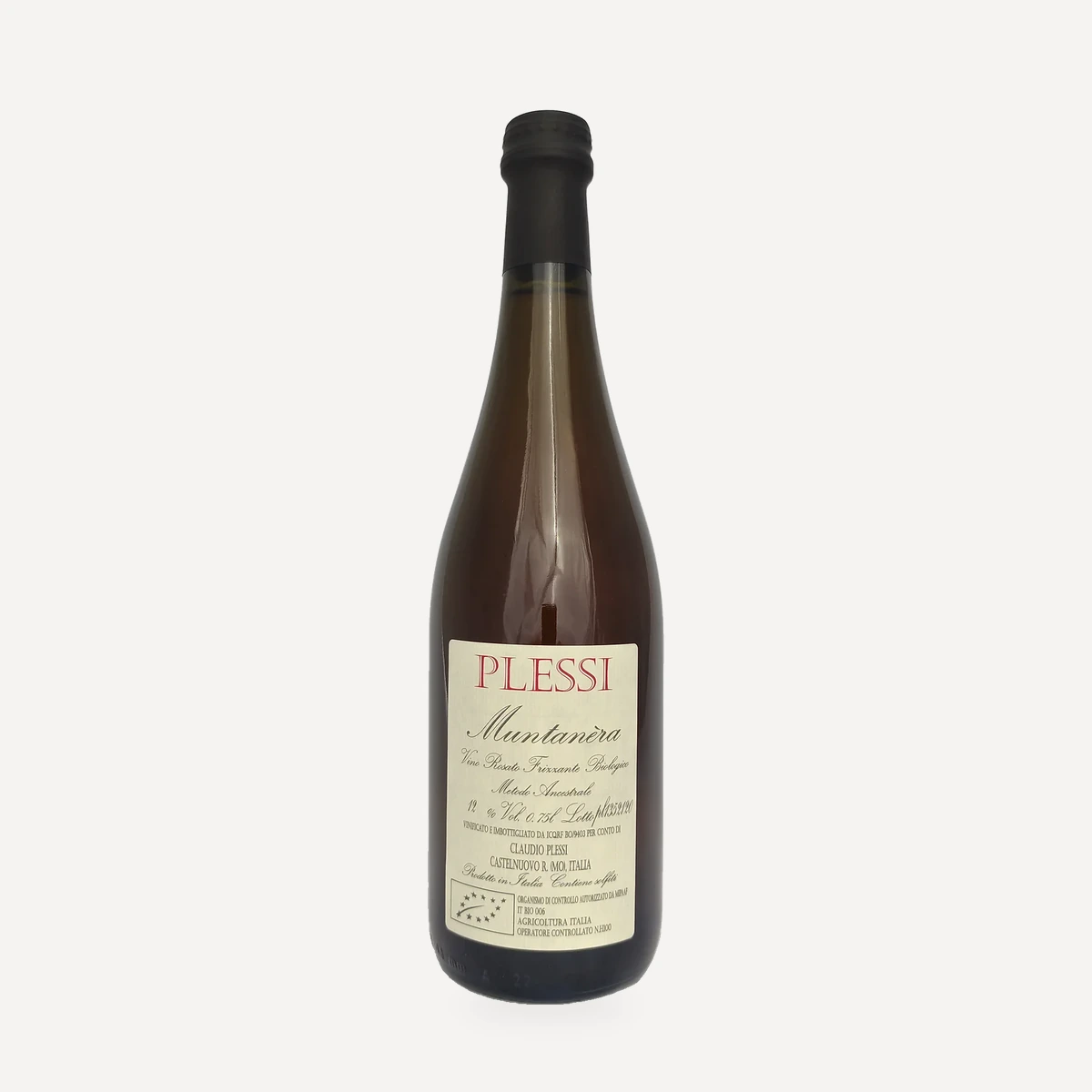
Muntanèra
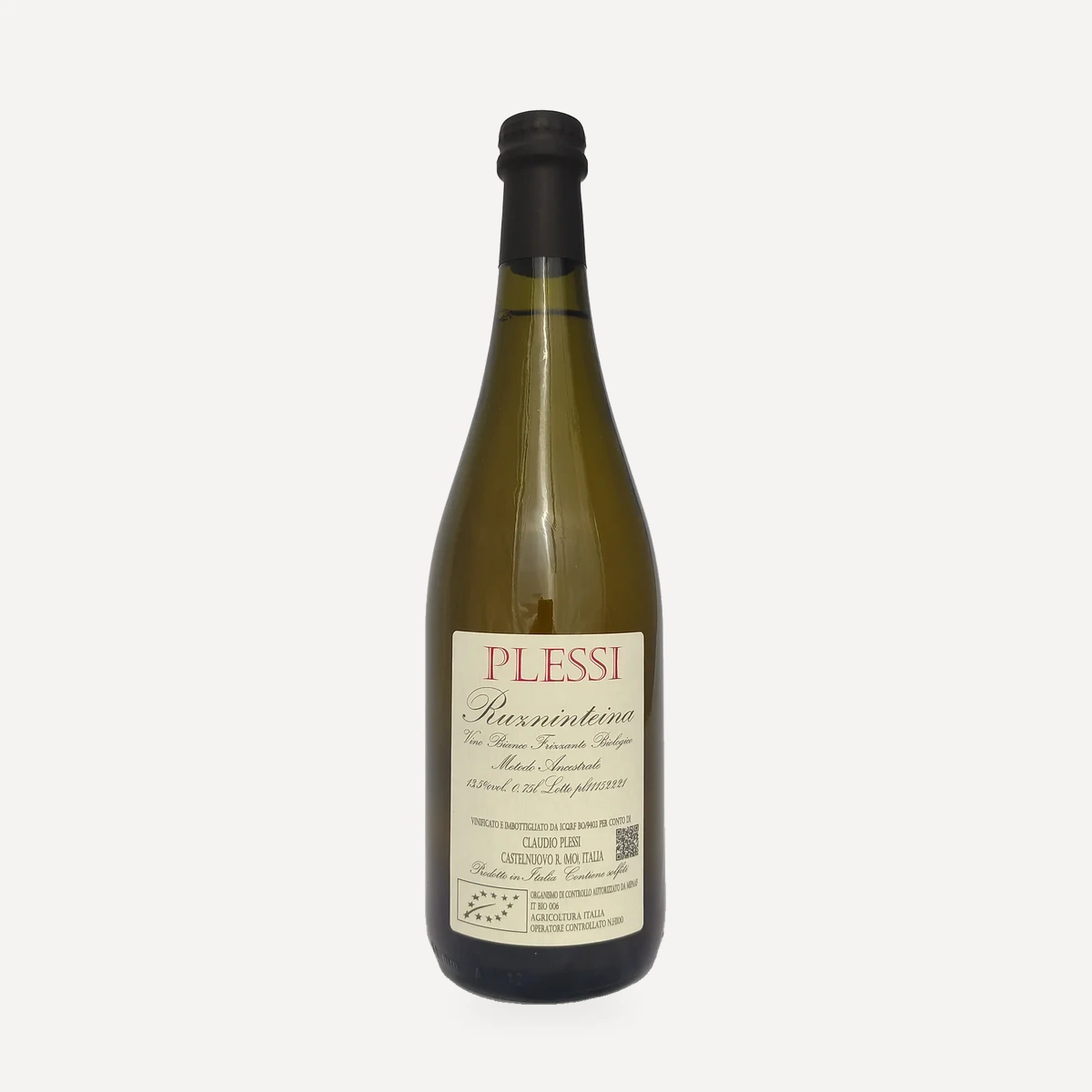
Ruzninteina
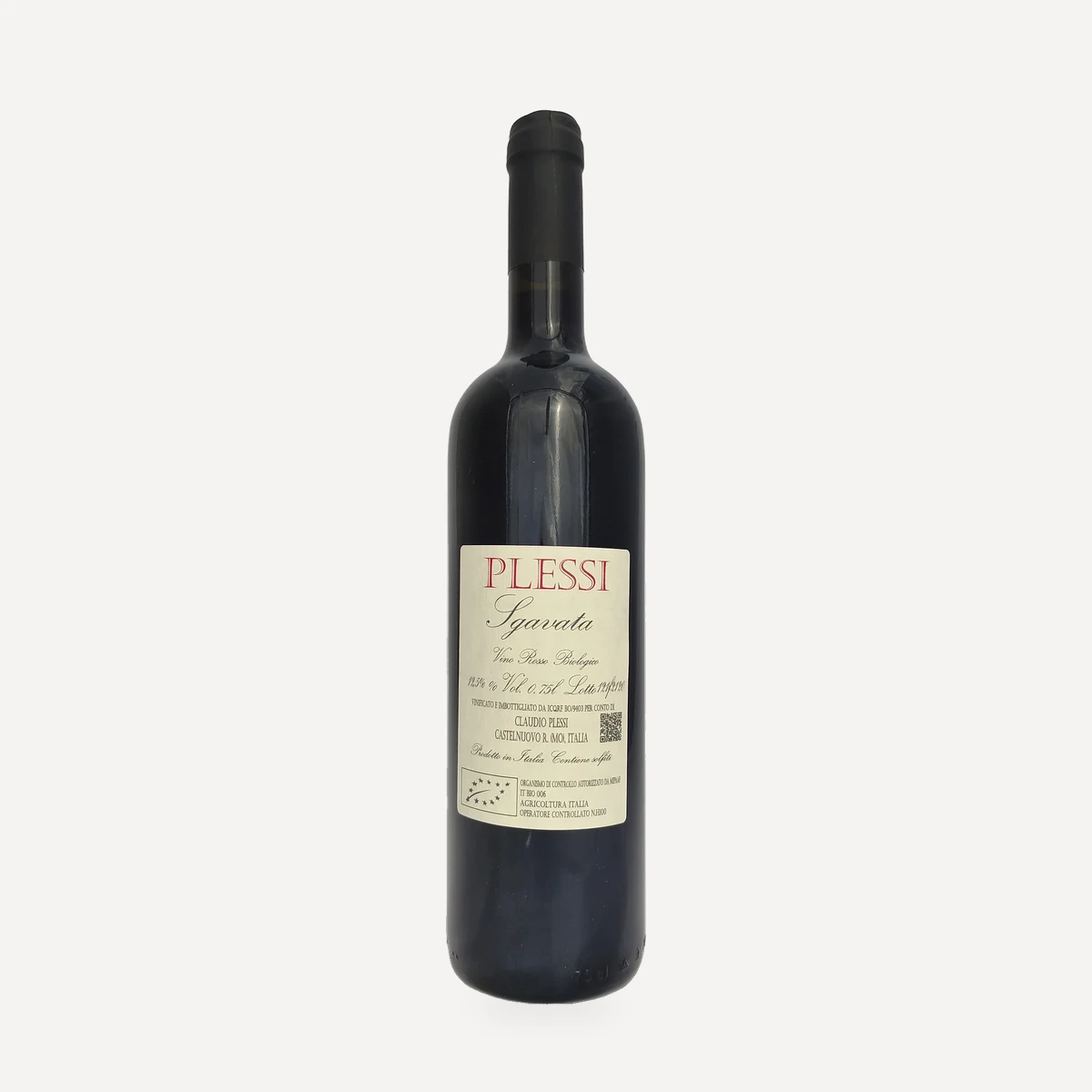
Sgavàta
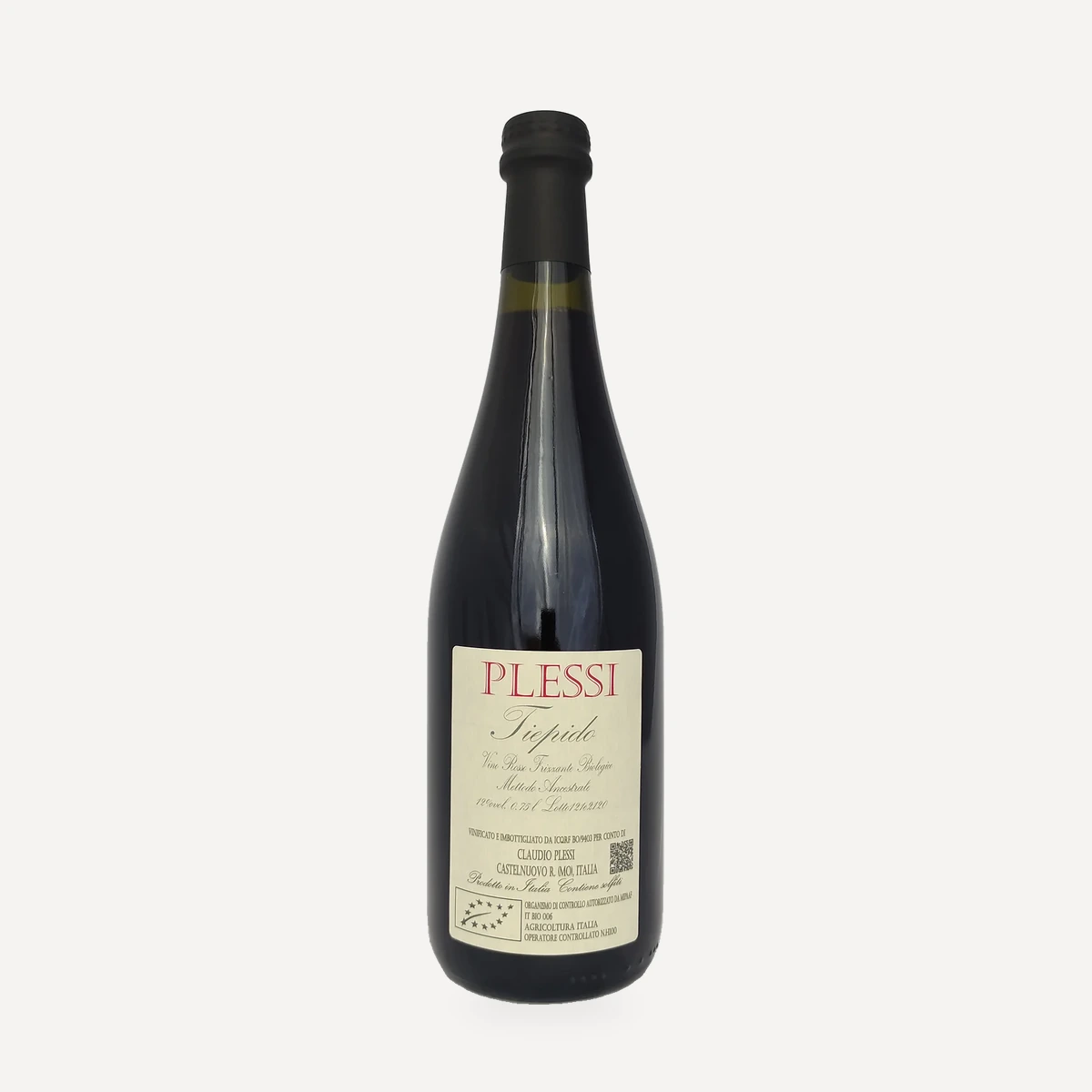
Tiepido
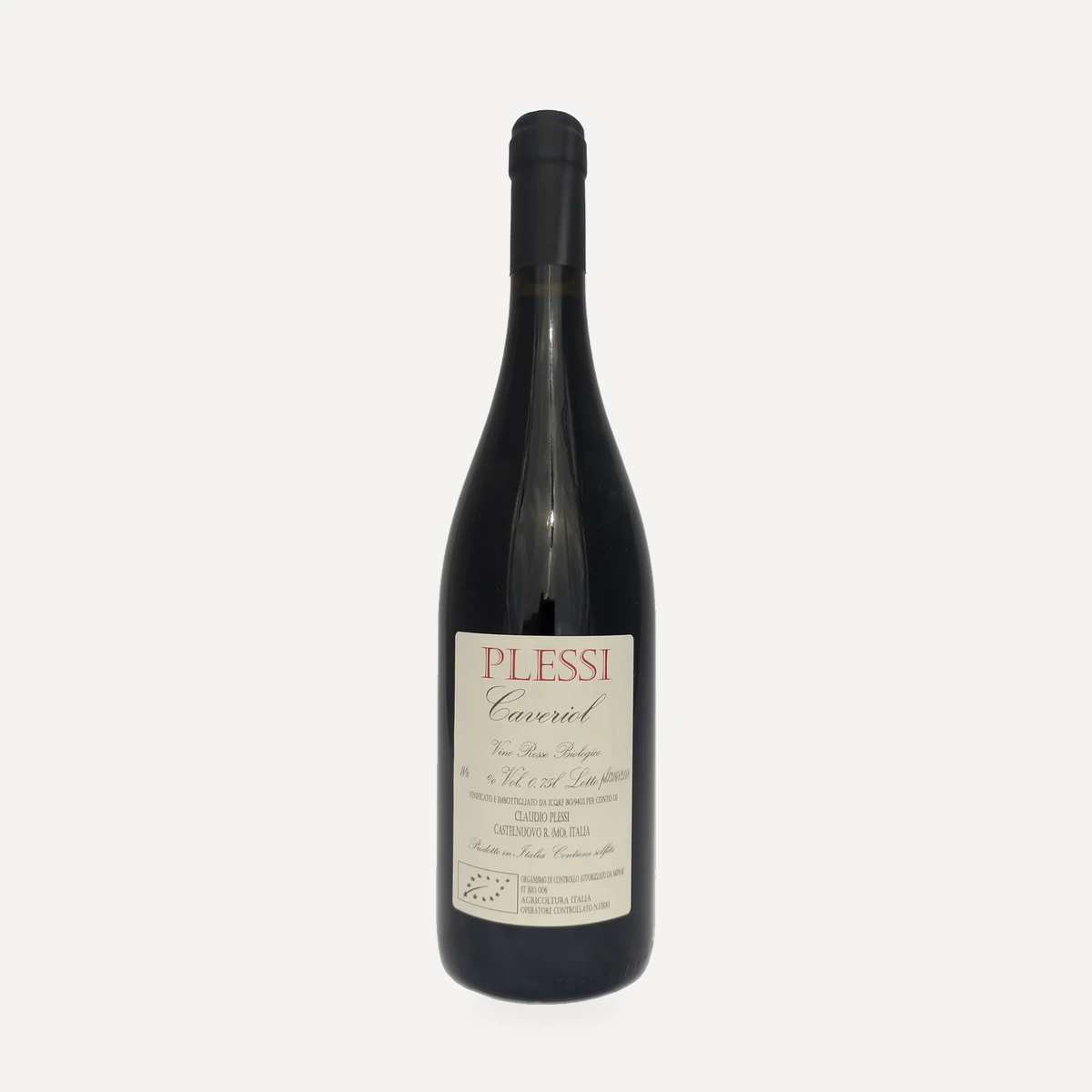
Caveriòl