Storia
Paola Di Mauro and the origins
During the 1960s, in an agricultural and wine world still dominated by men, Paola Di Mauro bought a difficult-looking property in the Castelli Romani from a French woman. She saw potential in the land and began observing, studying and listening before challenging a local farmer to make better wine. His dismissive response—effectively telling her to make it herself—became the impetus for her own project.
Paola accepted the challenge but did not rely on determination alone. She sought high-level technical expertise, including that of Giorgio Grai, then regarded alongside Giacomo Tachis as a leading figure in Italian oenology. Through sustained work and specialist collaboration, she transformed the property into a recognized wine enterprise. The family’s later account presents this as both an entrepreneurial achievement and a personal victory in a setting that had resisted her authority.
The chronology celebrated in 2026 identifies that year as Colle Picchioni’s 50th anniversary, placing the formal milestone in 1976.
The family continues
Paola’s son Armando appears in the next family generation. More than twenty years before the account was published, his son Valerio tasted an influential wine while dining with him at an important restaurant in northern Italy. The experience became a lasting reference for Valerio’s understanding of balance, depth and personality in wine and eventually informed Le Vignole.
In 2004, Valerio met Laia at the Hard Rock Café in Rome. Laia brought Spanish roots, German education and an international outlook to their shared path. The couple subsequently spent long periods abroad, encountering different cultures and approaches to wine, food and conviviality in Spain, Germany, Italy and elsewhere. Those experiences later entered Colle Picchioni’s contemporary identity.
A new family voice
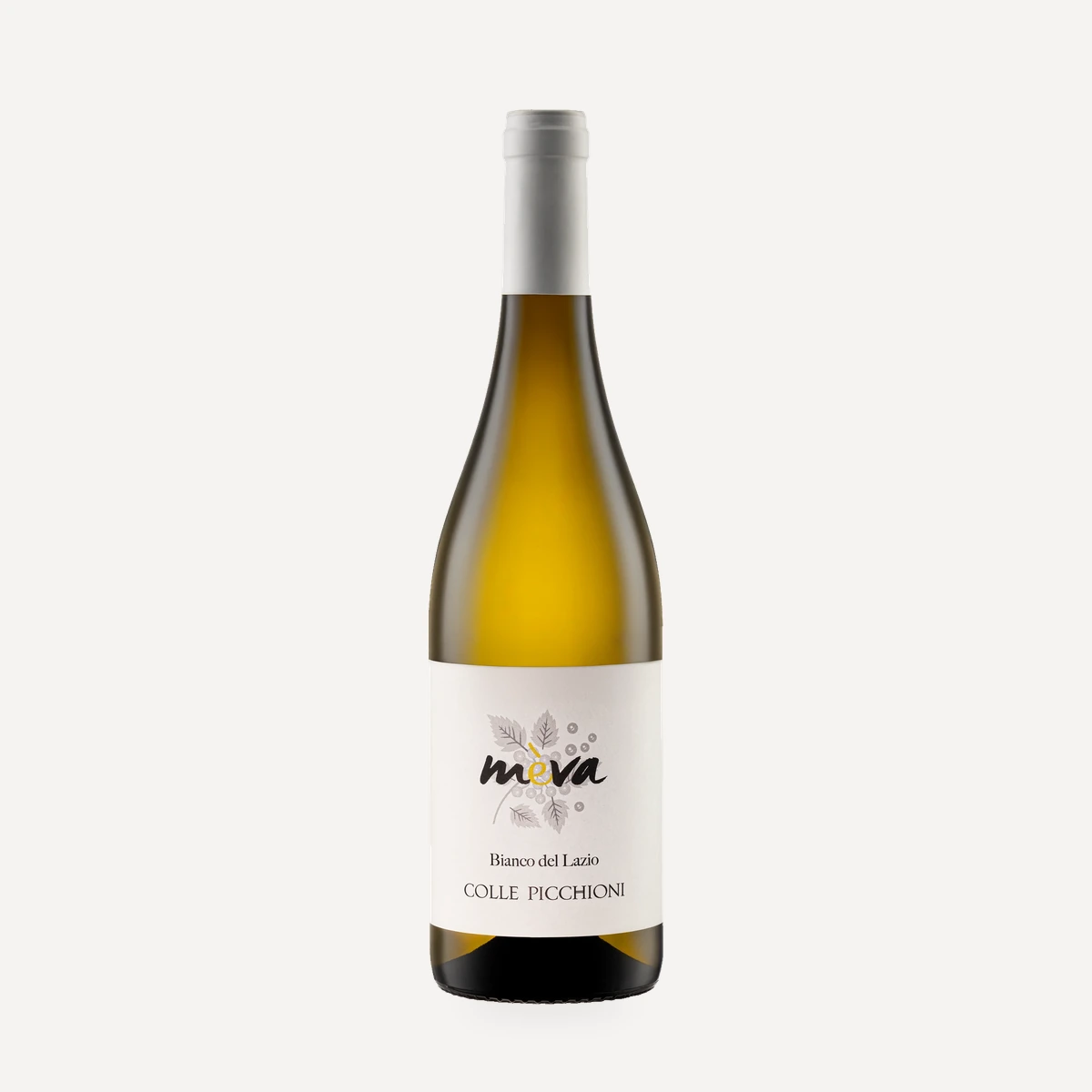
Valerio and Laia entered Colle Picchioni with respect for the work of earlier generations but also wanted to create a personal expression. Their Mèva project emerged from that intention. The name comes from Laia’s native Catalan and means “mine”; within the project it signifies recognition, belonging and a conscious choice rather than possession or rejection of the past. Mèva Bianco and Mèva Rosso express the meeting of their cultures, travels and inherited family identity.
Perlaia developed from the same shared journey. Its name means “for Laia” and is Valerio’s dedication to his wife and partner in the project. It represents the meeting of their backgrounds and a contemporary side of Colle Picchioni shaped by experience abroad and subsequently brought home.
Valerio has also applied the idea of listening to the past without merely copying it to Hèkos. The name evokes echoes left by earlier generations. In Hèkos Rosato, he took the technically and stylistically unconventional route of interpreting Cabernet Franc as a rosé.
Il Vassallo and Daniele Cernilli
Il Vassallo grew from an ambition to reinterpret the estate’s land through a rigorous vineyard selection. Daniele Cernilli played a decisive part in its creation. His connection to Paola Di Mauro began through their families: his father had been Paola’s classmate. Cernilli advised and encouraged the project and proposed selecting the estate’s finest, most important and oldest vineyard as its foundation.
The wine’s name refers to the medieval vassal and the reciprocal bond of loyalty, service and responsibility represented by that figure. It became Colle Picchioni’s first major ambassador abroad, reaching prestigious international tables and being served to queens and other prominent figures.
2026: anniversary, recognition and hospitality
In the year of Colle Picchioni’s 50th anniversary, Hèkos Rosato received the “Rosato dell’Anno” distinction in the DoctorWine 2026 guide. The recognition came from Daniele Cernilli, linking a contemporary project led by Valerio to a figure involved in an earlier formative period of the estate.
On 11 April 2026, Colle Picchioni inaugurated “A Tavola con Colle Picchioni,” a hospitality project bringing together wine, seasonal cooking, art and local identity among the vineyards. The programme continued through a series of dinners and holiday events in April and May 2026.
Terroir
Colle Picchioni lies at Via Collepicchione Marino 46 in Frattocchie di Marino, in the Castelli Romani countryside outside Rome. The property is close to Castel Gandolfo and a nearby lake.
Its identity is explicitly connected with a volcanic landscape, presented as the source of energy, depth and a persistent territorial character. The founding narrative describes the original land as difficult, although Paola Di Mauro recognized its potential. The vineyards surround the setting now used for the estate’s wine-and-food experiences.
Vinificazione
Care for the land is treated as a responsibility extending through every stage from vineyard to bottle. The environmental programme is framed as a continuation of the relationship with the property established by Paola Di Mauro, combining inherited practice with technology intended to reduce the operation’s impact.
Specific vineyard cultivation systems, plant-protection regimes, soil-management practices, harvest methods and formal organic or biodynamic certification are not defined in the published technical material.
Production combines established cellar practice with measures intended to reduce environmental impact. Electricity is generated with photovoltaic equipment, tanks are sanitized with steam, and low-impact ecological materials are incorporated into routine work. These measures apply across the process from vineyard to finished bottle.
The broader production philosophy favours a dialogue between inherited experience and contemporary experimentation. Tradition is treated as material to interpret rather than a fixed formula to reproduce. No single general protocol for crushing, fermentation, maceration, maturation, filtration or bottling is prescribed across the entire range.
Filosofia
Colle Picchioni defines its relationship with the land through loyalty, care and responsibility rather than possession. In the story of Il Vassallo, service to the land is a reciprocal commitment between vineyard and grower and between tradition and those entrusted with preserving it.
Tradition is understood as a living inheritance. The Hèkos concept treats earlier generations’ choices and intuitions as echoes to be heard and reinterpreted, not formulas to be copied. This gives experimentation a legitimate place: Valerio Di Mauro’s Cabernet Franc rosé is presented as a technical and stylistic challenge undertaken by listening to the variety, the territory and the possibilities revealed through risk.
Valerio and Laia’s work adds international experience without rejecting family roots. Their approach joins identity with openness, memory with a contemporary viewpoint, and continuity with personal expression. Mèva embodies belonging as a conscious choice; Perlaia represents a shared path shaped by several cultures.
Environmental responsibility is described as a daily obligation rather than a response to fashion. The operational objective is to unite winemaking tradition and practical innovation while reducing impact from vineyard through bottle.
Vini
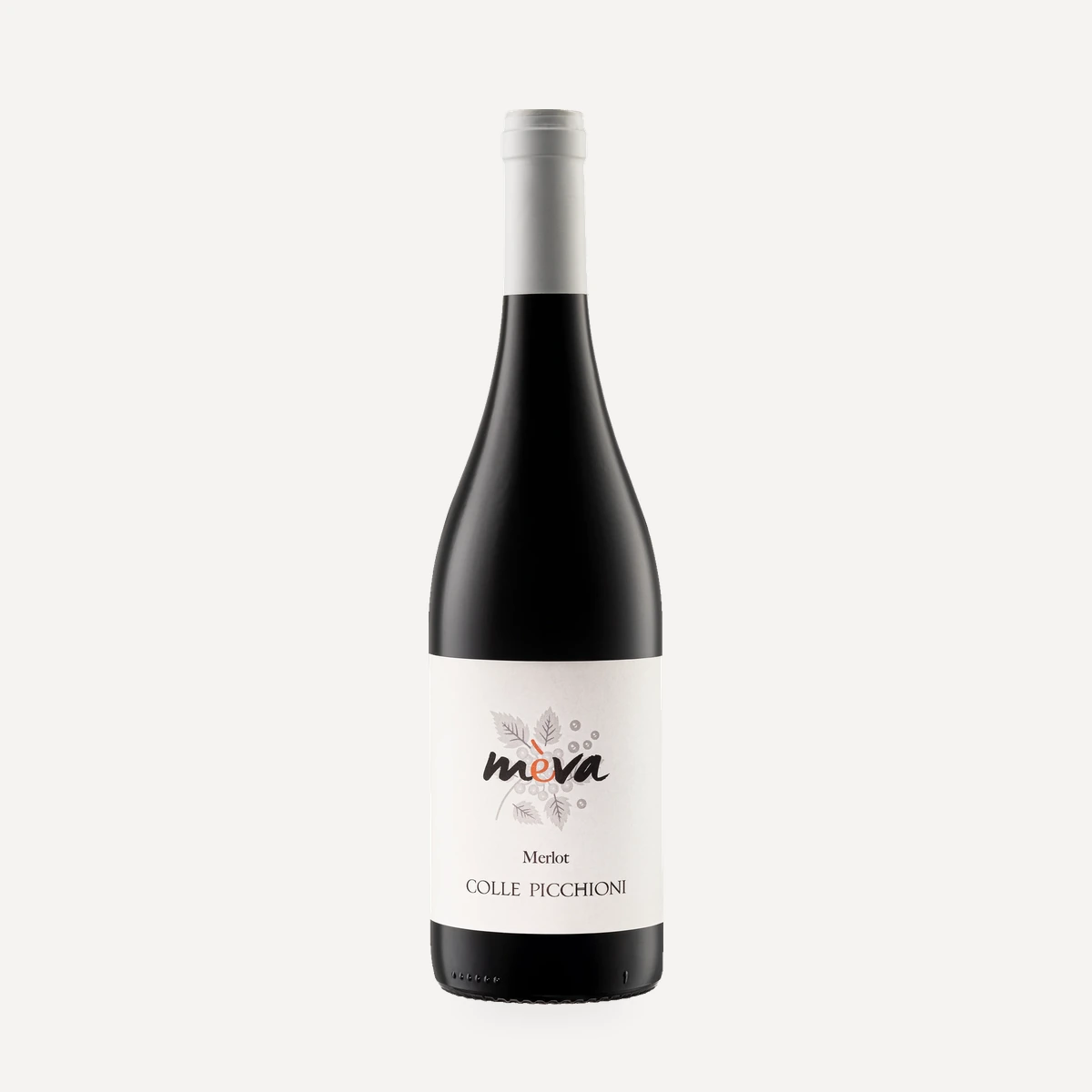
Mèva rosso
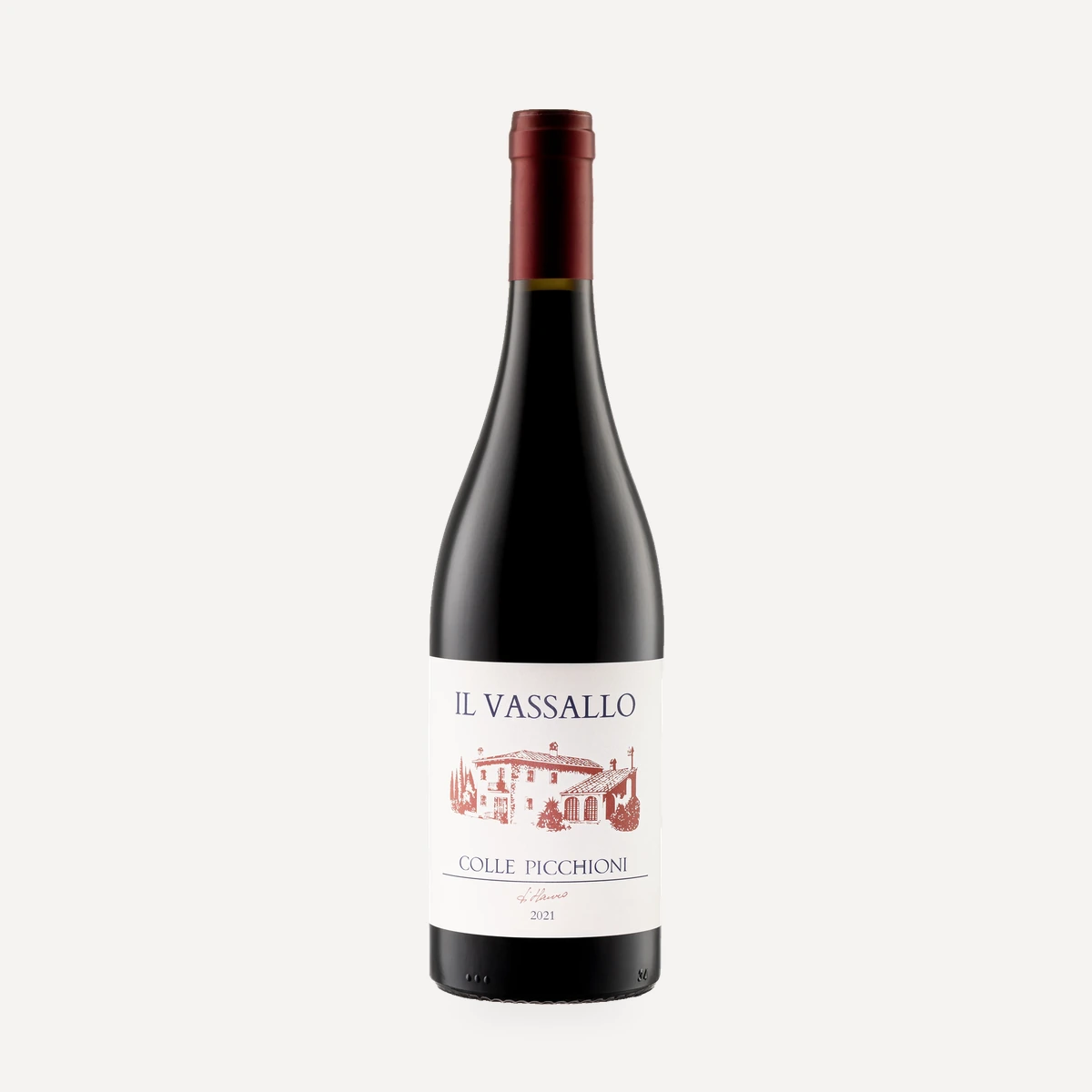
Il Vassallo
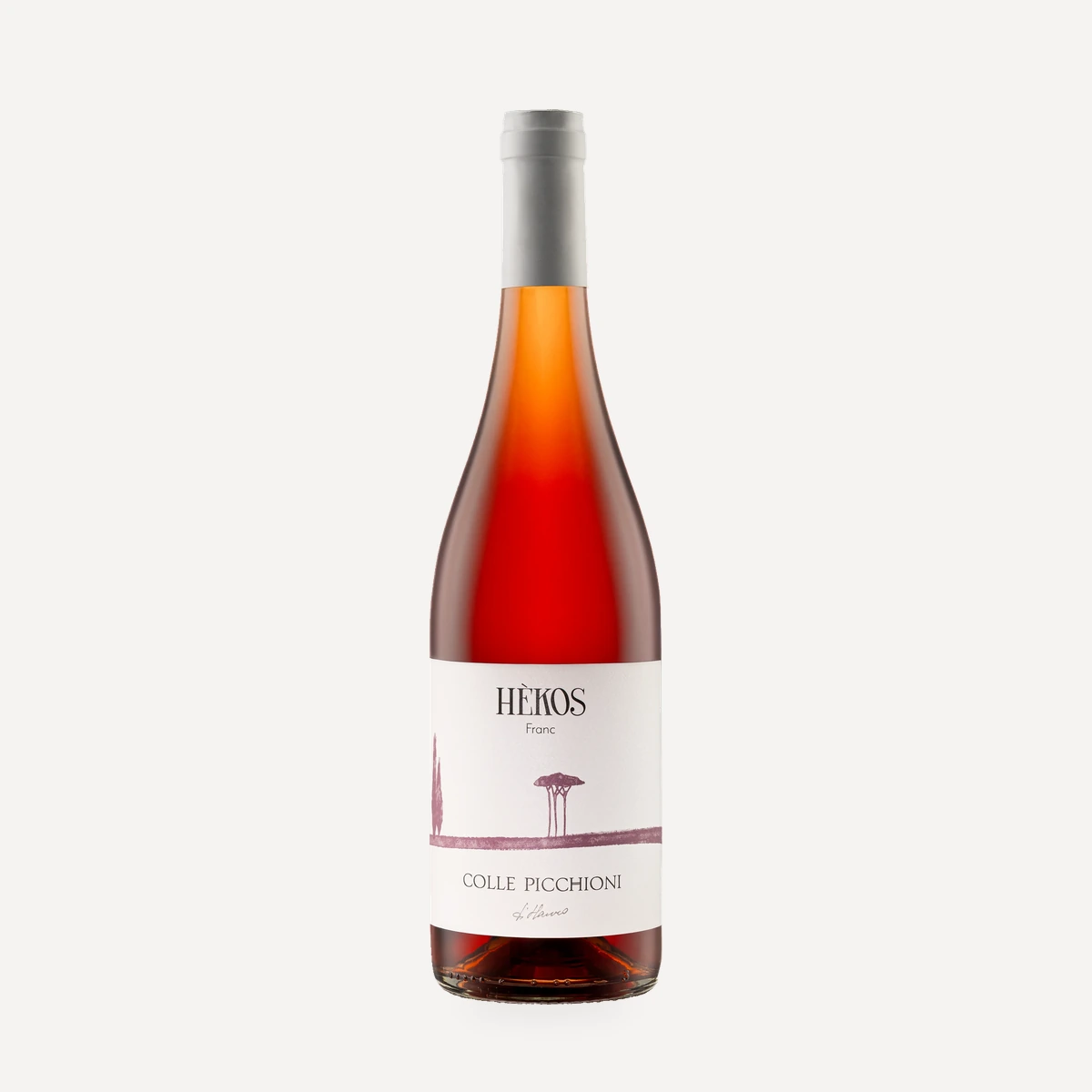
Hèkos Rosato