Storia
Family stewardship since the late 19th century
The family has cared for a small holding in the locality of Colle Formica, Velletri, since the late 1800s. The property lies in the Castelli Romani, 45 km south of Rome. Wine production and the work associated with the land were handed down from one generation to the next.
The estate now covers 3 hectares. Two hectares are planted with vines, including plants more than 45 years old. The remaining hectare contains olive trees, fruit trees and a seasonal vegetable garden.
Renewal of the vineyards and cellar
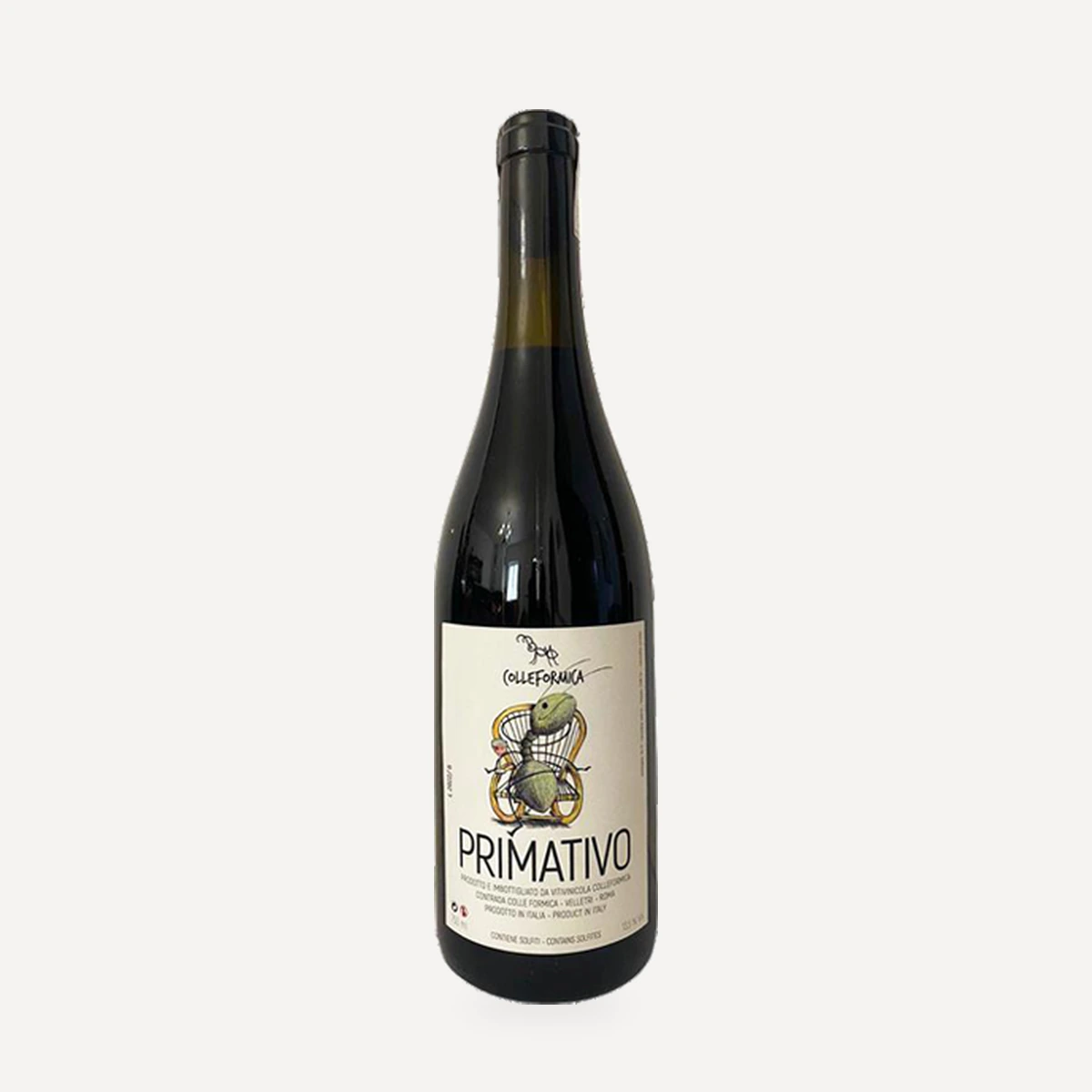
A Primitivo vineyard was planted in 2017, reviving a variety that had been present in the Castelli Romani until after the Second World War. It joined the estate's Malvasia di Candia, Trebbiano Toscano and Sangiovese vines.
Sergio and Maria, assisted by their children, grandchildren and the wider family, restored and equipped the old cellar for a new phase of estate production. This family project was conceived as a way to preserve the country house, continue the family's history and make wine naturally and artisanally.
Estate bottling from the 2018 harvest
Beginning with the 2018 harvest, the family started bottling its own wine, using grapes grown exclusively in its vineyards. The resulting range developed into three white wines, two red wines and two bottle-refermented wines.
Terroir
The vineyards occupy 2 hectares in the locality of Colle Formica at Velletri, within the Castelli Romani and approximately 45 km south of Rome. They stand at about 200 metres above sea level, beneath the slopes of the Vulcano Laziale, whose activity continued until approximately 36,000 years ago.
The soils are volcanic and described as particularly rich and fertile. The property lies approximately 25 km from the Tyrrhenian Sea and 20 km from the Monti Lepini. Colleformica places its own vineyards within a broader local winegrowing history extending back approximately 2,500 years.
Vinificazione
Colleformica describes its vineyards as organically cultivated. Green manure is used, and spontaneous ground cover is retained in parts of the vineyard. Chemical fertilizers, herbicides and pesticides are excluded. The vines are allowed to grow naturally without routine fertilization or weed removal; sulfur and copper treatments are applied when considered necessary.
Every vineyard operation is performed manually. This includes pruning, tying, suckering and harvesting. Grapes are hand-picked, and only the best, healthy bunches are admitted to the cellar. This intensive vineyard work reflects the family's conviction that sound grapes make low-intervention cellar work possible.
All vineyards use the locally named Tendone or pergola training system. The property combines older Malvasia di Candia and Trebbiano Toscano vines, Sangiovese and a Primitivo planting established in 2017.
The old family cellar was renovated and equipped by Sergio and Maria with the assistance of their children, grandchildren and wider family. Since the 2018 harvest, it has processed and bottled wine exclusively from estate-grown grapes.
Only the best bunches are brought into the cellar. Fermentations begin spontaneously and rely solely on indigenous yeasts. The wines are neither clarified nor filtered, and fermentation temperatures are not controlled. Sulfite additions are kept at very low levels, described as well below statutory limits. Racking and bottling are scheduled in accordance with lunar phases.
Across the cellar, the equipment and techniques include direct pressing, small or open fermentation vats, manual punching down, pumping over, fiberglass tanks, stainless-steel tanks and 500-litre chestnut barrels. The bottle-refermented production undergoes secondary fermentation with estate must reserved and frozen during the harvest.
Filosofia
Colleformica's guiding principle is respect for the land with the least possible intervention. The family sees healthy fruit as the foundation of wine and therefore concentrates much of its effort in the vineyard, where every operation is completed manually.
In the cellar, minimal transformation follows from that vineyard work: carefully selected estate fruit, spontaneous indigenous-yeast fermentation, no clarification or filtration, no temperature control and restrained sulfite additions. Lunar phases guide racking and bottling.
The family regards wine as a living food capable of nourishing both body and spirit. Vintage variation is accepted as an essential part of this outlook: every year and every wine is expected to be different. Seasons, harvests, vineyard walks, cellar work and each new bottling are treated as opportunities for continued learning.
The wider project is also familial and cultural. Its purpose is to maintain a country home, keep the family's history alive and continue an artisanal form of wine production. The wines are intended to express the volcanic land of the Castelli Romani rather than conform to an unchanging style.
Vini
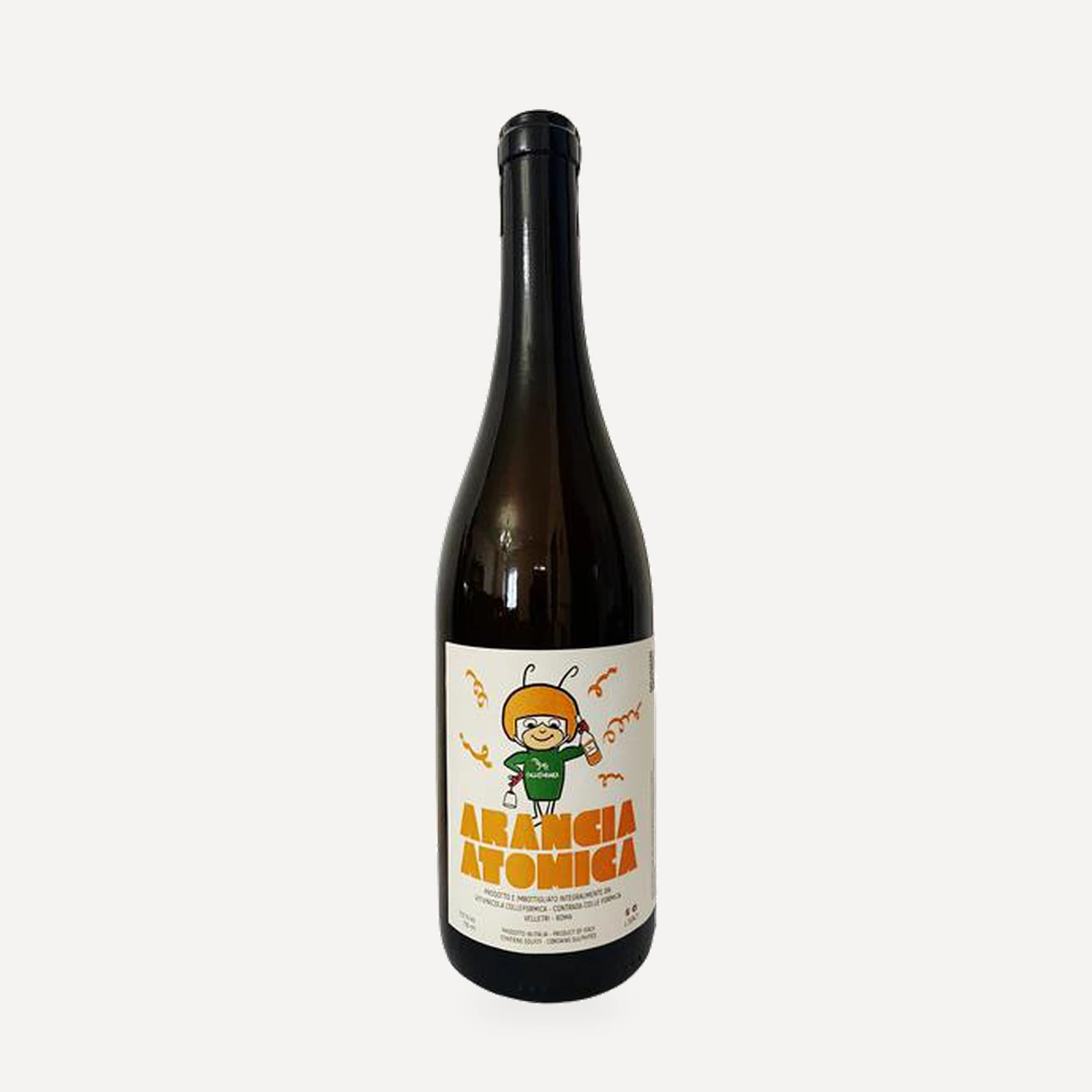
Arancia Atomica
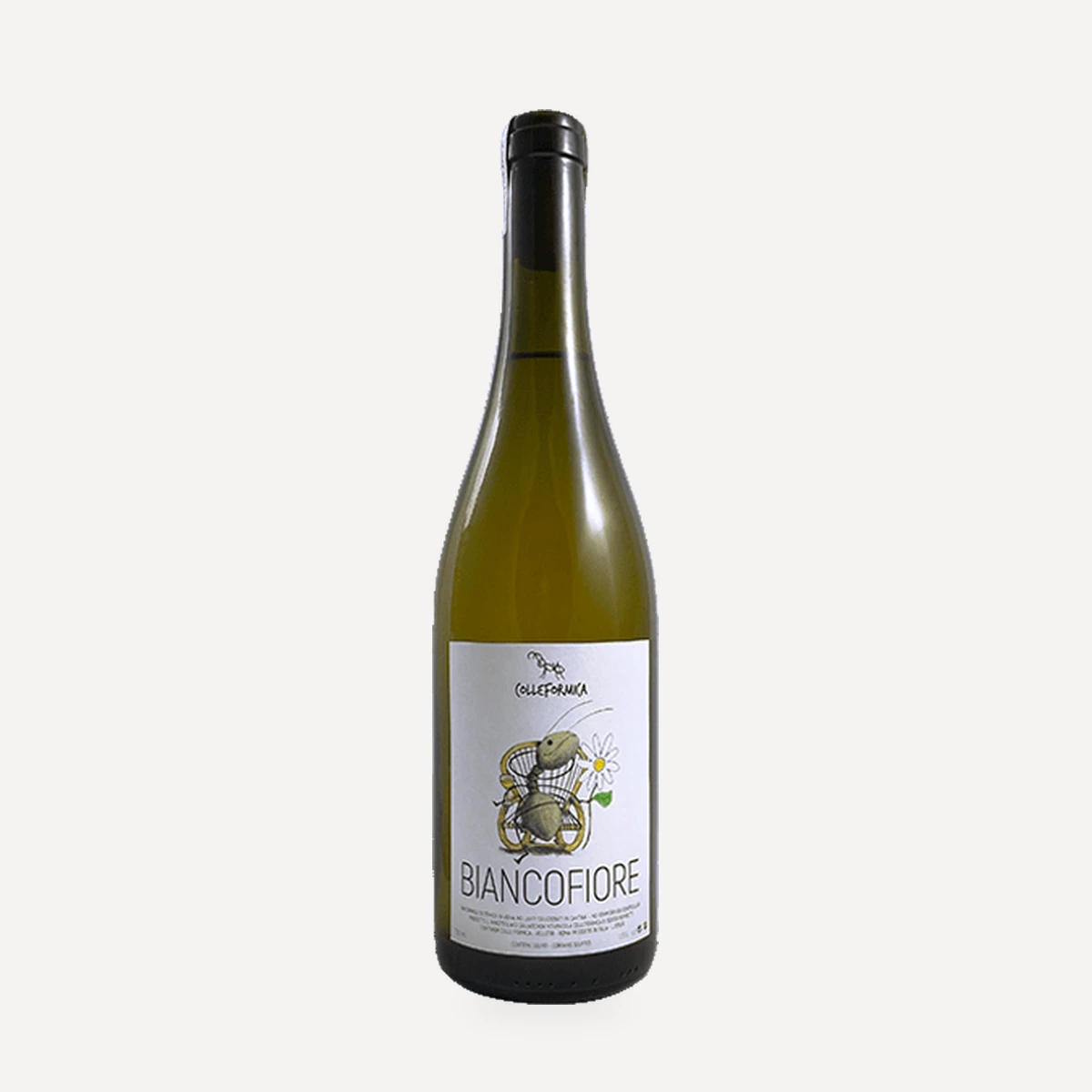
Biancofiore
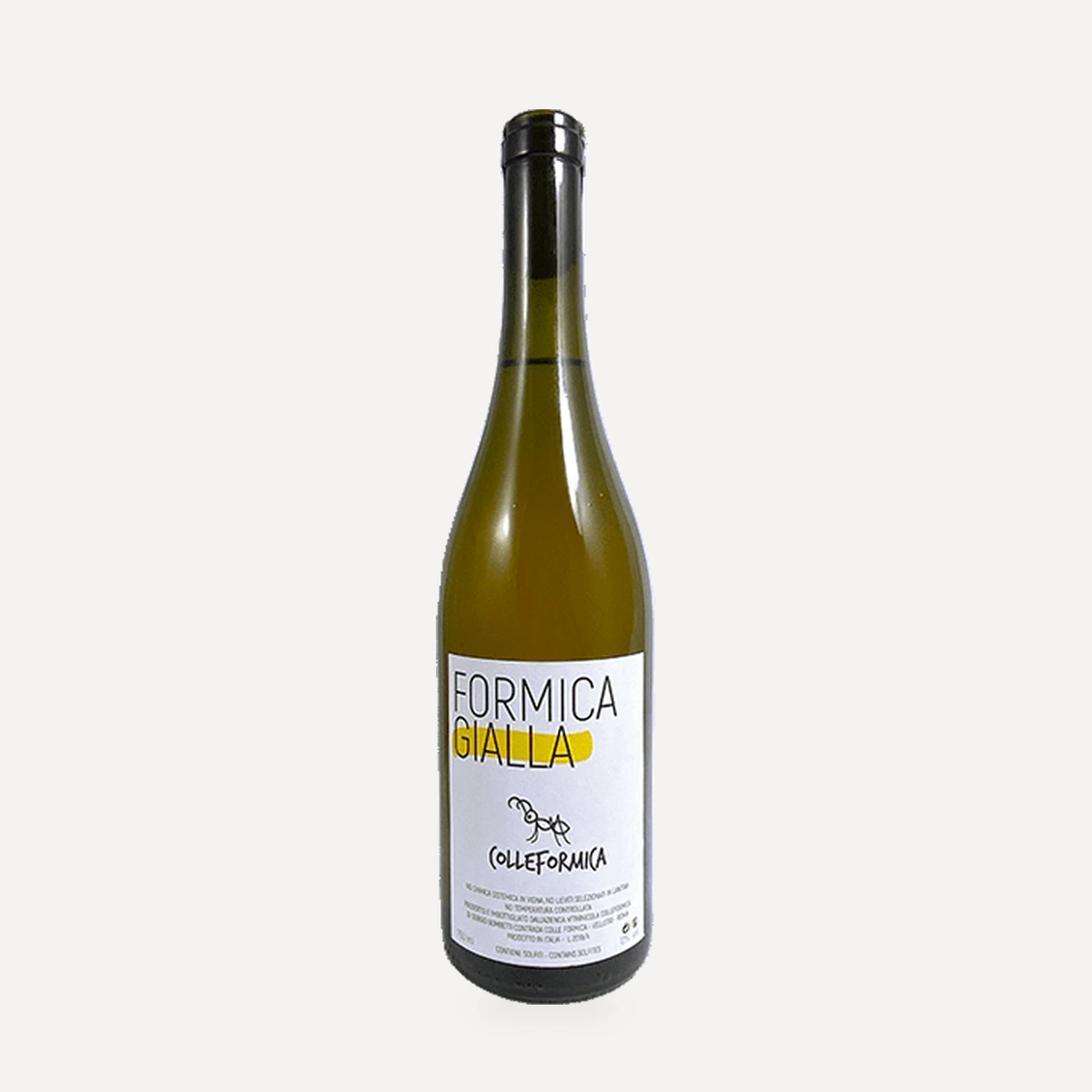
Formica Gialla
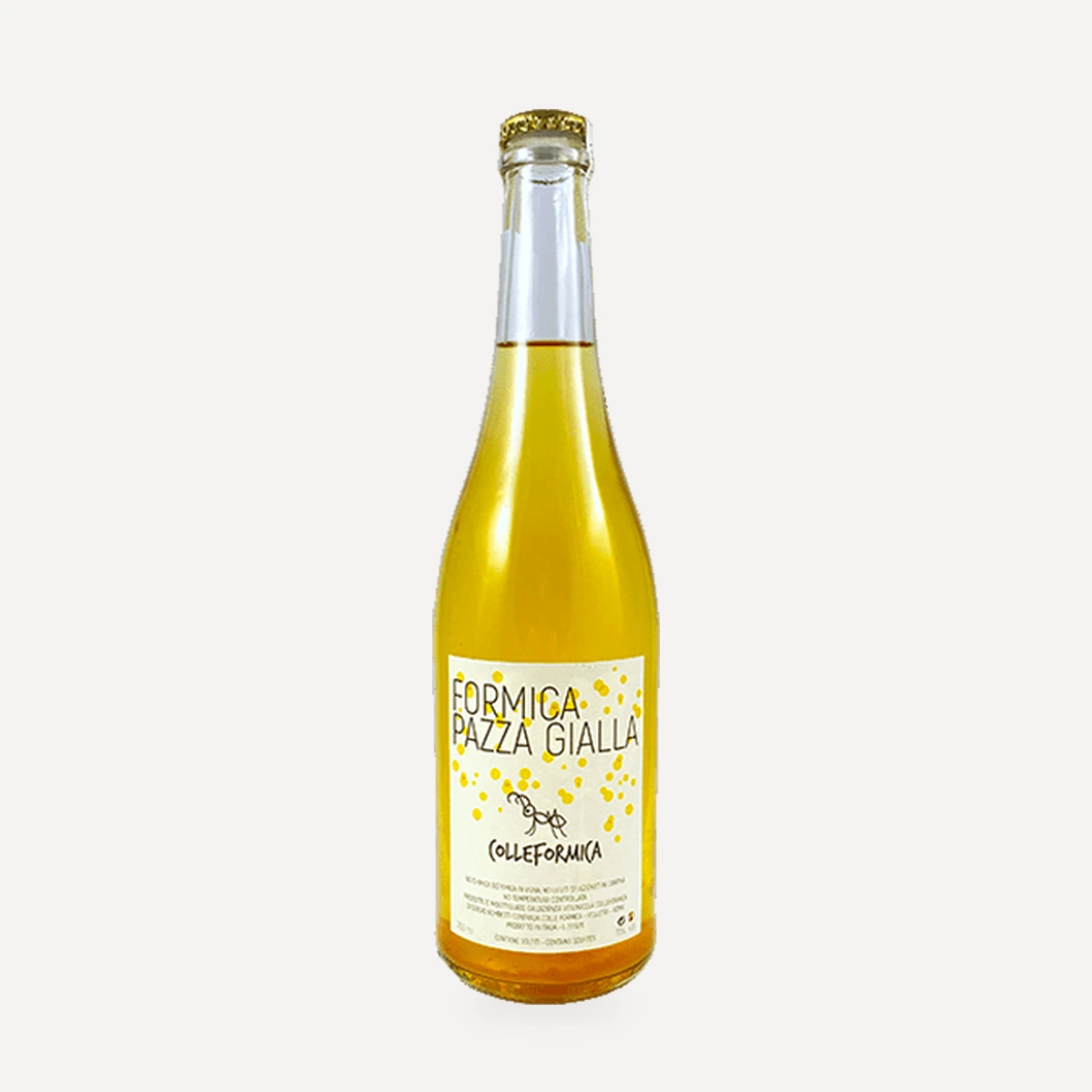
Formica Pazza Gialla
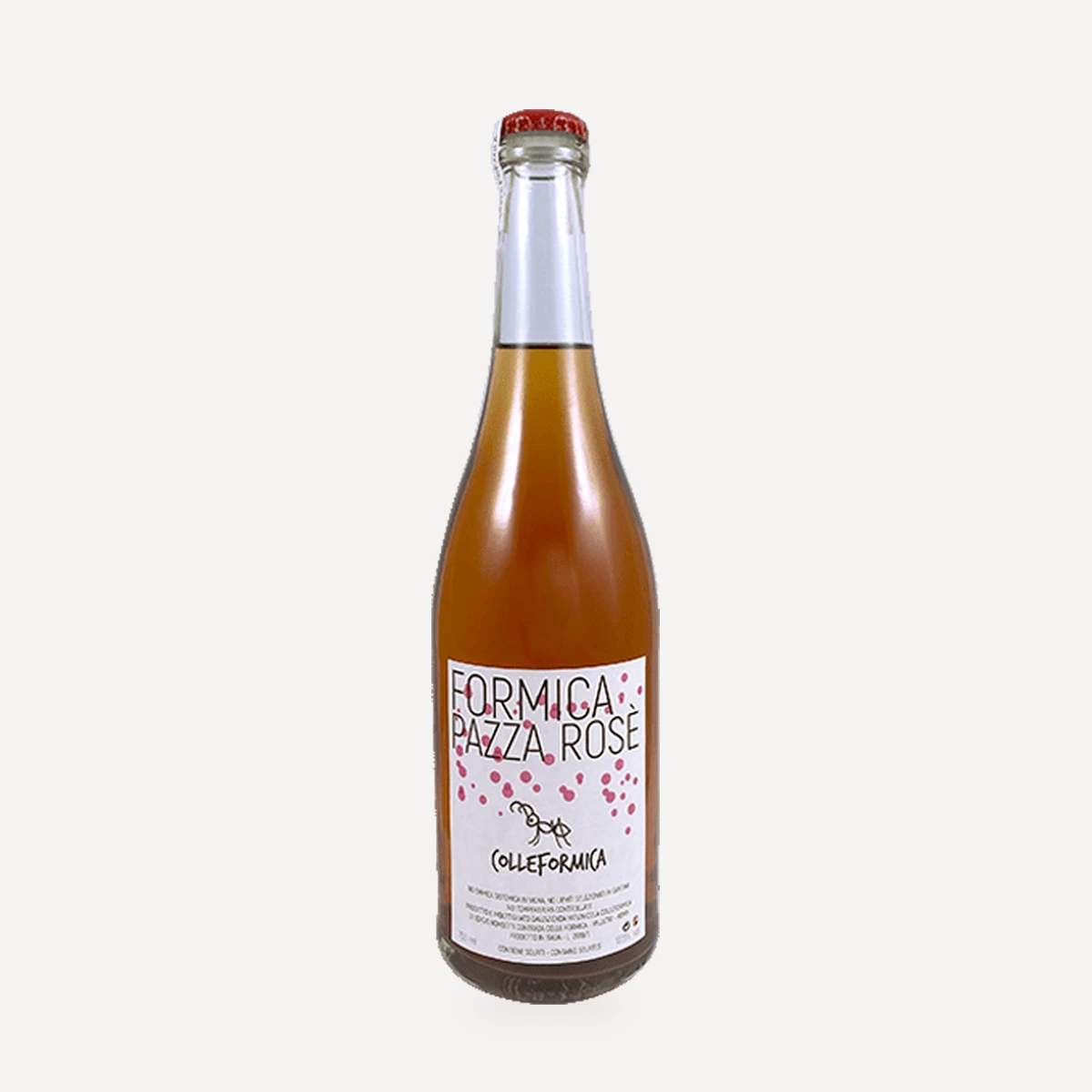
Formica Pazza Rosé
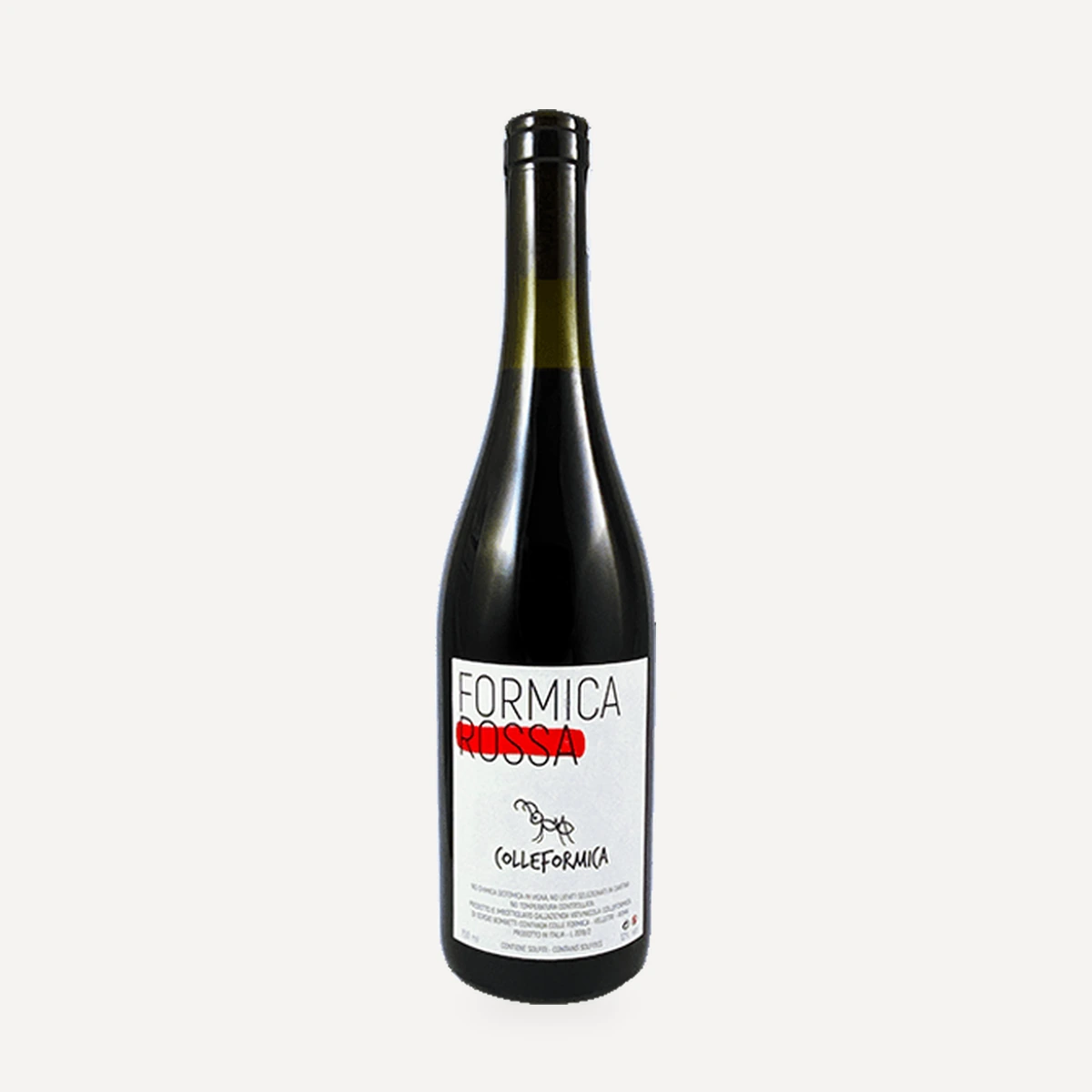
Formica Rossa