Storia
The first wines and the 1990s
Erbaceo was the first wine produced by Colli della Murgia and became part of the Puglian wine market during the 1990s. The early production philosophy favoured clean, approachable blends of native varieties, an approach now represented by the Classici range.
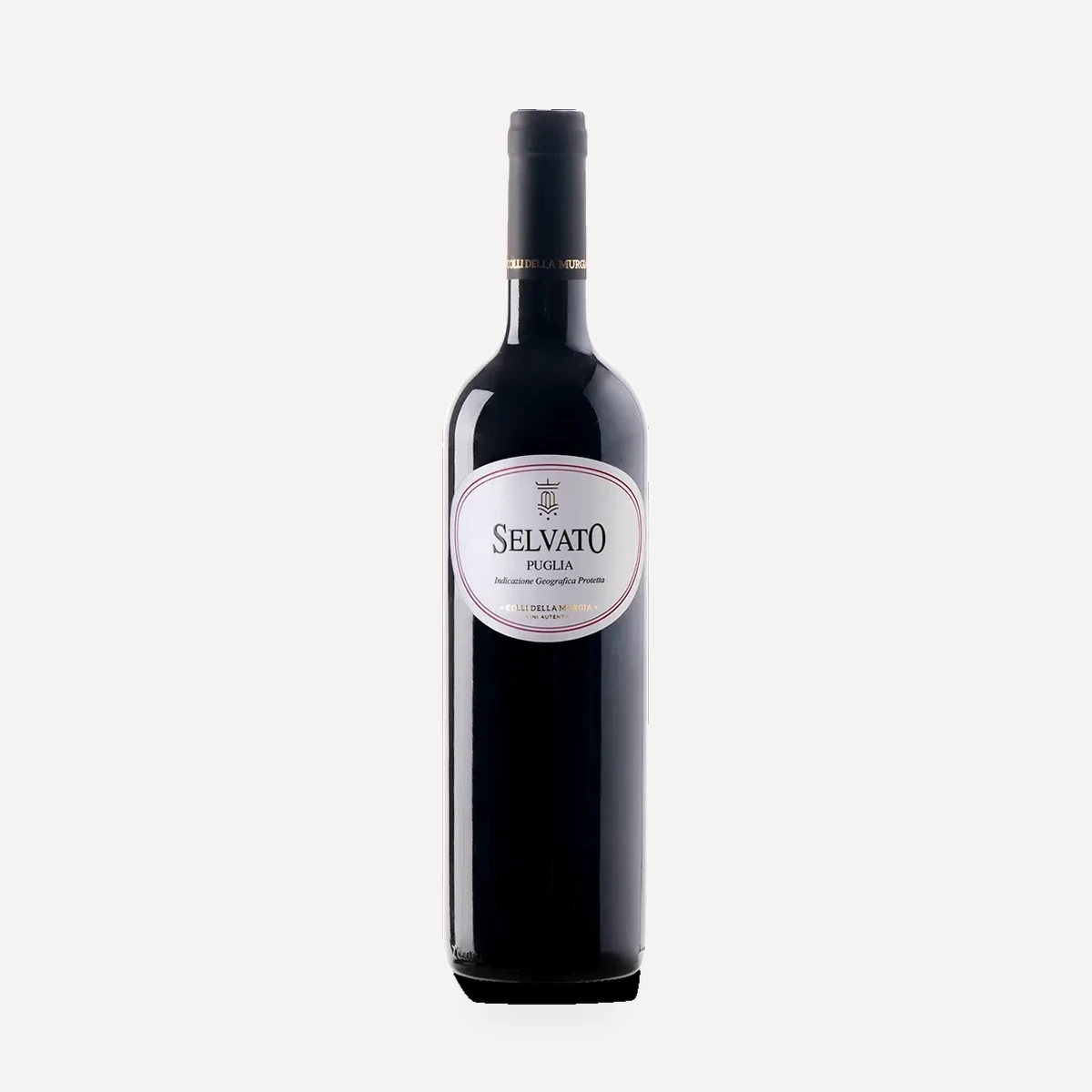
Selvato followed as the estate’s second wine, with its first bottled vintage in 1993. It joined Primitivo and Aglianico in equal proportions, with the varieties handled separately until the final blend was prepared for bottling.
Franco Ventricelli began studying Minutolo in the early 1990s. At the time, the aromatic but relatively unproductive variety was close to disappearing as growers replaced it with more productive and disease-resistant vines. Between 1995 and 1996, Ventricelli carried out a massal selection of cuttings collected from old vineyards between the provinces of Bari and Brindisi.
Organic certification and the recovery of Minutolo
Colli della Murgia obtained organic certification in 1996, becoming one of the earlier certified wine producers in Puglia. The certification formalised an approach based on protecting environmental biodiversity, consumer health and the agricultural landscape while recovering and promoting native grape varieties.
In 1998, the selected Minutolo material was grafted directly in the field. This created the first post-abandonment vineyard in Puglia devoted exclusively to Minutolo. The planting preserved a heterogeneous population of vines predating modern clonal standardisation rather than reproducing one uniform clone. This vineyard became the basis of the estate’s work with varietal Minutolo.
Regional agronomic institutions began a broader programme of Minutolo selection and study in the early 2000s. Sixty types were isolated according to phenological diversity and the absence of evident viral symptoms. Because the surviving material had serious sanitary problems, the programme also required vine sanitation. In 2011, the work culminated in the registration of two certified clones in the Italian National Catalogue of Vine Varieties: Minutolo b. CRSA–Regione Puglia B7 and B11. B7 was characterised by lower fertility and productivity, smaller and looser bunches, lower disease susceptibility, higher sugar content and more intense peach and apricot aromas. B11 remained closer to the general varietal standard, with higher productivity and acidity, gentler fruit aromas and more pronounced herbal notes.
New ranges and projects
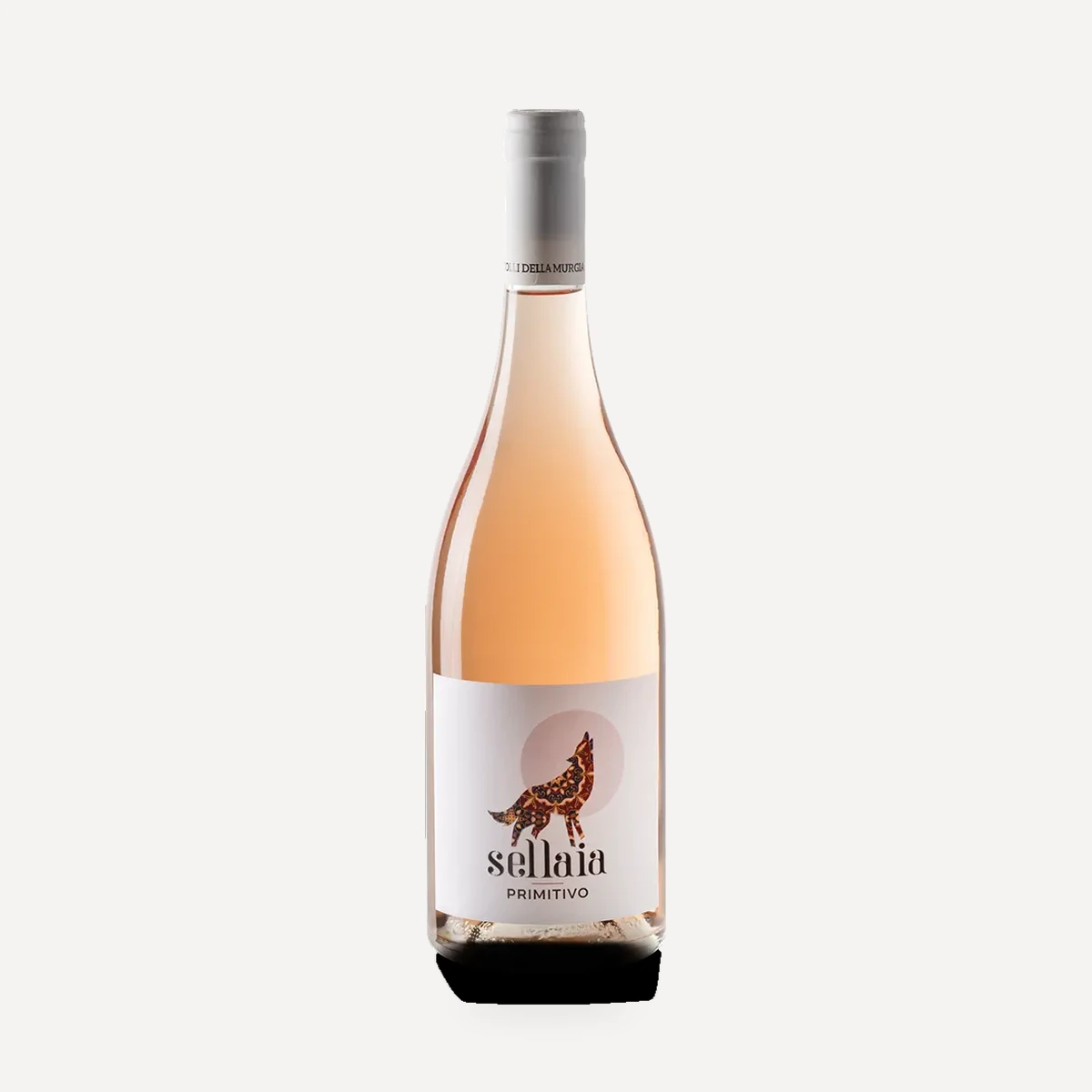
In 2013, the toponym La Sellaia was adopted for the estate’s rosé, taking inspiration from a traditional jazzo—a stone shelter for sheep—in the Alta Murgia National Park.
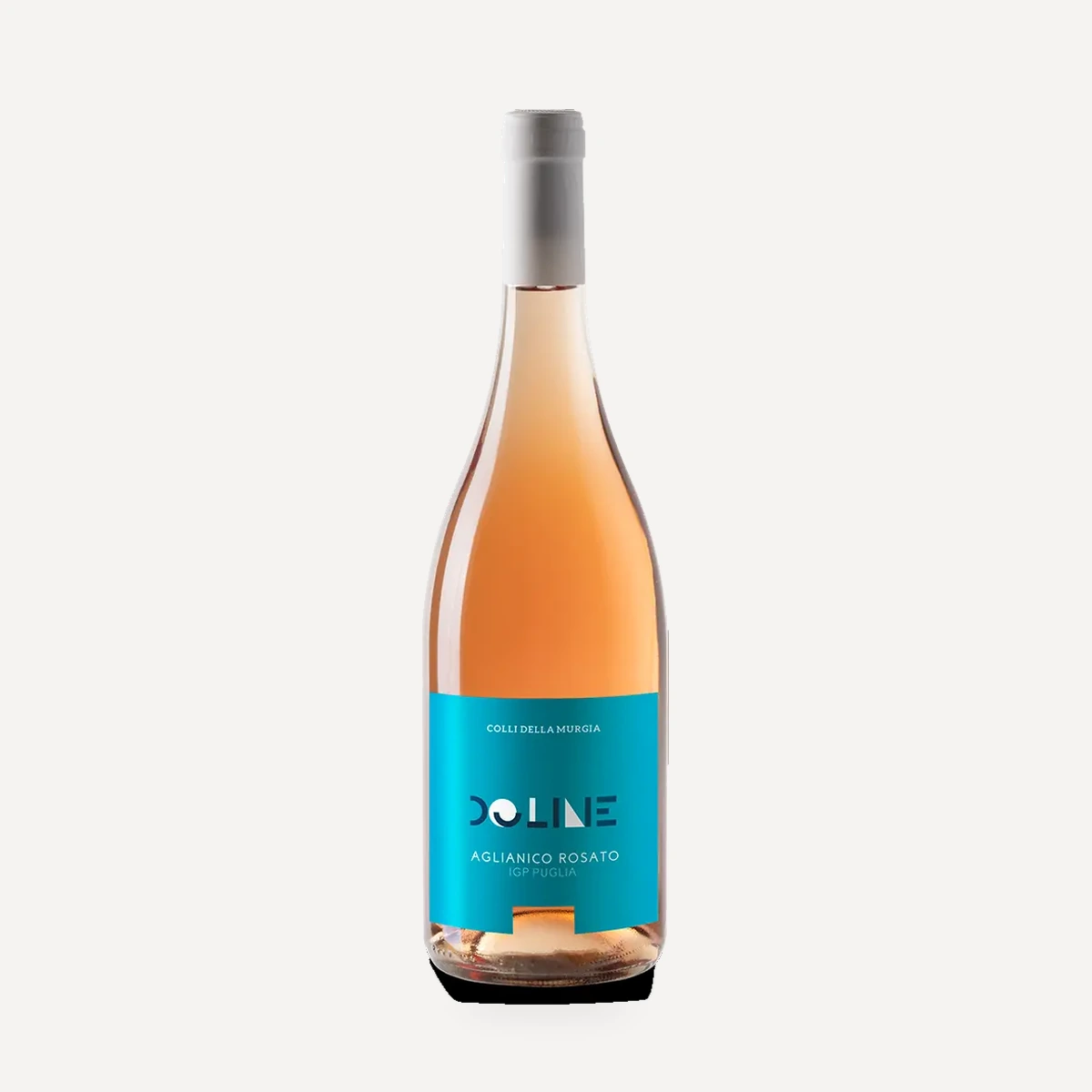
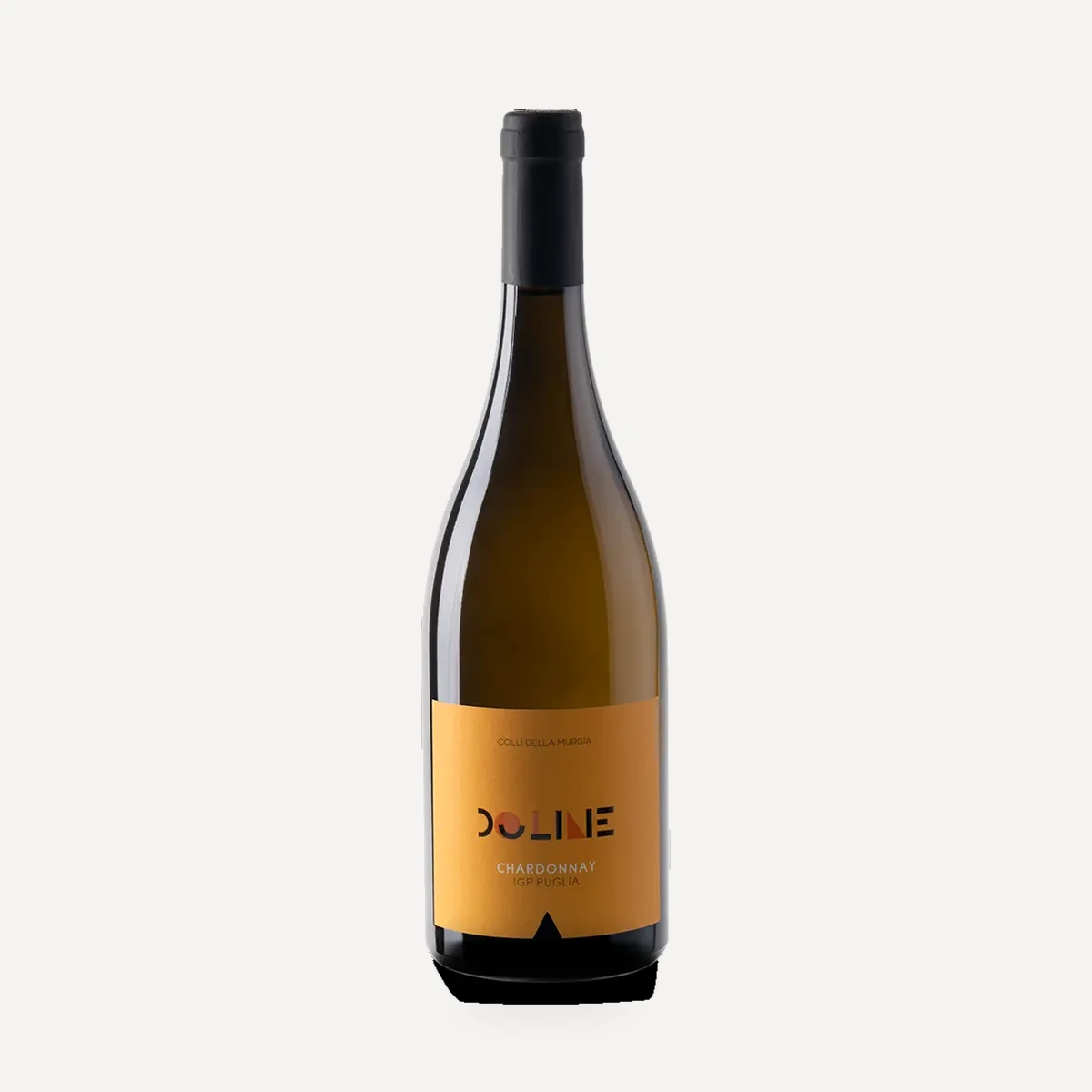
The Doline range was created in 2014. Its visual identity drew on the communicative symbolism of the line, circle and triangle, linking each geometric form to a wine. A later redesign integrated these shapes into a more contemporary graphic treatment.
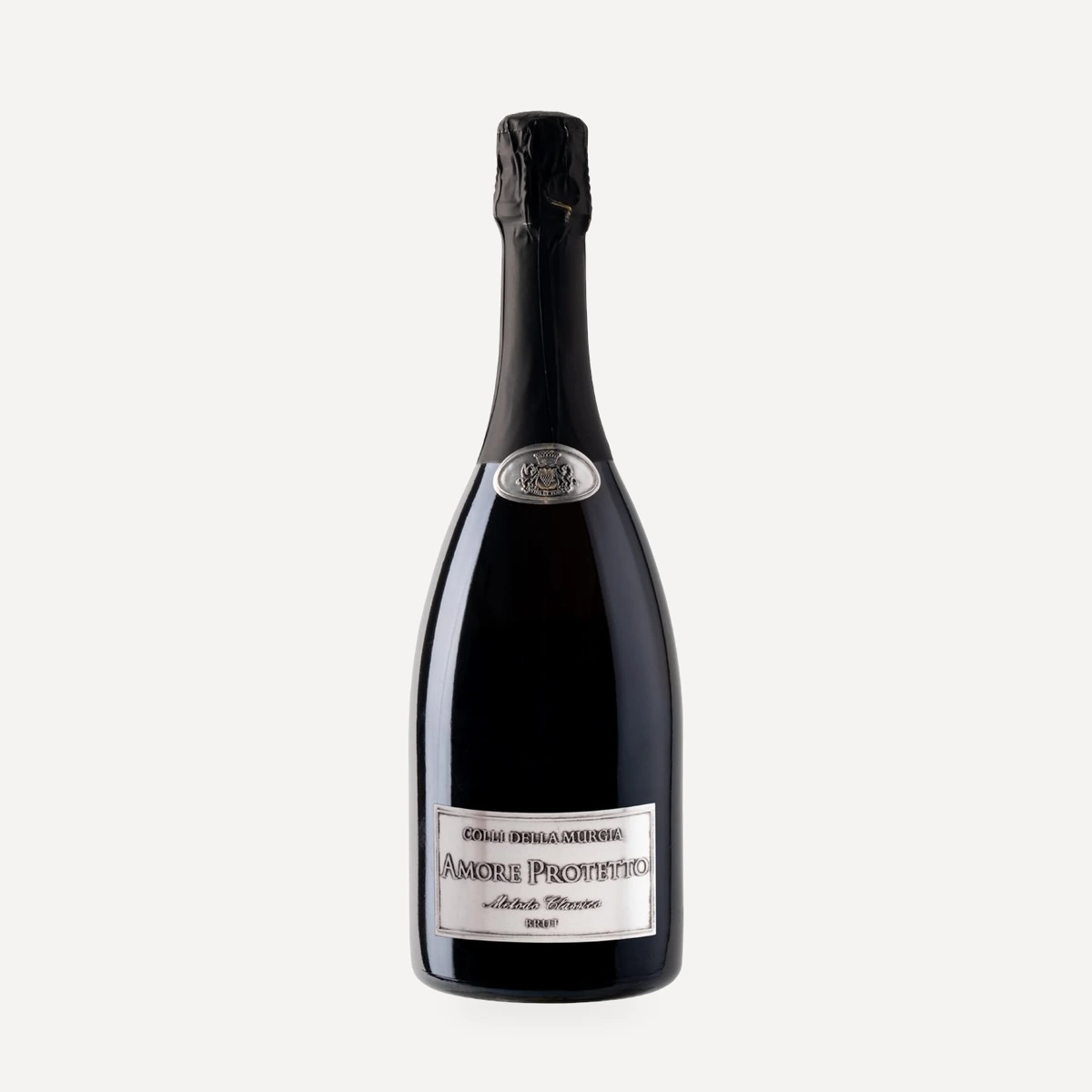
In 2015, the Amore Protetto project began in the same year that Altamura’s Grande Teatro Mercadante reopened. Its name refers to Saverio Mercadante’s opera Elisa e Claudio, ossia l’Amore Protetto dell’Amicizia, performed at Teatro alla Scala in the autumn of 1821. The project developed Minutolo as a traditional-method sparkling wine aged in a tuff-carved niche.
In 2021, Sellaia received a new label featuring a wolf. The image sharpened the connection between the wine, La Sellaia’s rural landscape, the traditional jazzo and the estate’s stated values of respect and conservation.
Continuing experimentation
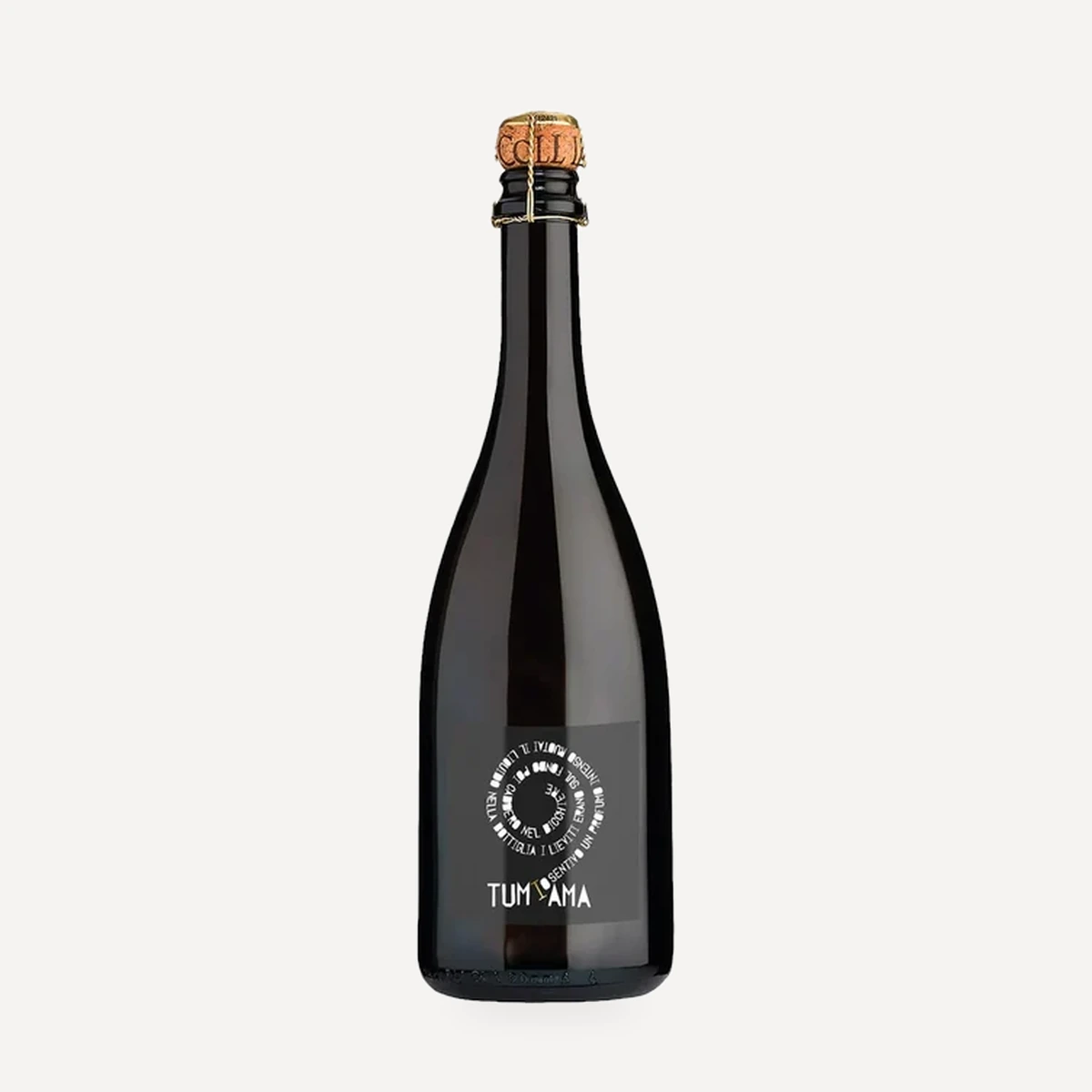
Franco Ventricelli’s production philosophy now reflects four decades of winemaking experience. The Orizzonti range provides an outlet for continued study and experimentation, including minimally handled, long-macerated Minutolo. Sparkling-wine research encompasses Charmat production, traditional-method wines and bottle-refermented wines retained on their lees.
Terroir
Colli della Murgia is based at Contrada Zingariello in Gravina in Puglia, between the protected Bosco Difesa Grande and the Bradano valley. The surrounding Alta Murgia landscape is formed by rocky ridges, rolling hills, steep escarpments, woods, extensive natural pasture, karst cavities, dolines and sinkholes.
The Murgia Plateau contains abundant karst formations together with younger geological materials: tuff, pockets of clay, sand, and earthy or pebbly alluvial deposits from the most recent geological era. These occur alongside humus and red earth. Limestone, wind, high vineyard elevations and marked temperature fluctuations are recurring elements of the estate’s description of its growing environment.
The identified growing sites range from approximately 240 to 600 metres above sea level. Contrada San Domenico lies at 420 metres on medium-textured soils of clay and Gravina calcarenite. Contrada Zingariello is at 480 metres on limestone. Contrada Santa Sofia is at 510 metres on sandy-calcareous soil; one selected Primitivo plot also has a volcanic matrix below the surface. A Primitivo vineyard at Ricupa is described at approximately 600 metres and bordered by dry-stone walls. Other identified sources include Rutigliano at 240 metres, on marine deposits, clay and limestone, and Corato at 320 metres, on predominantly calcareous soil.
Vinificazione
The vineyards are cultivated under certified organic management, achieved in 1996, with an explicit commitment to environmental biodiversity. The agricultural objective combines the production of healthier wines with protection of the territory and the recovery of native varieties.
Harvesting is performed by hand across the identified sites. Depending on the wine and variety, bunches may be selected directly in the vineyard, including slightly overripe fruit from a specific parcel of approximately 50-year-old Primitivo vines. Harvest dates extend from August for Chardonnay through September and into October for varieties such as Minutolo, Nero di Troia and Aglianico.
The Minutolo programme is the most extensively documented element of the viticulture. It began with the collection of individual cuttings from surviving old vines and continued through massal selection, field grafting and preservation of heterogeneous pre-clonal plant material. This work retained vines with diverse phenological and sensory characteristics rather than imposing a single standardised clone.
Production is organised around hand-harvested fruit, rapid transfer from vineyard to cellar and gentle processing. Depending on the variety and style, grapes are destemmed and softly crushed or pressed within approximately 4–12 hours of harvest. White and rosé production may involve immediate separation of free-run juice from solids, while red wines ferment in contact with their skins.
Temperature-controlled stainless-steel fermentation is widely used. Declared fermentation periods range from roughly 8 to 15 days. For a varietal Minutolo, fermentation uses selected indigenous yeasts isolated for their ability to emphasise the variety’s characteristics. Malolactic fermentation is avoided for several white and sparkling styles, while it is completed for at least one red blend.
Stainless steel is the principal maturation vessel. Wines may remain on fine lees for periods ranging from approximately three months to 12–18 months. Some lots undergo periodic bâtonnage. Oak use includes French-oak tonneaux and large oak casks: selected Minutolo can spend about six months in tonneaux on fine lees, while Aglianico and Primitivo lots may combine steel maturation with time in large oak before blending and bottle ageing.
The experimental orange-wine process uses very gentle pressing, after which must containing some intact berries, stems and seeds is transferred to steel. Following a 10–15-day alcoholic fermentation, the wine remains with skins and other solids for approximately five to six months, is racked, and then matures for another 12 months in bottle.
Sparkling production encompasses several methods. In the Charmat process, free-run must is transferred to an autoclave; first and second fermentation occur in the same vessel, followed by approximately six months on fine lees, filtration and a short bottle rest. Traditional-method production includes static cold settling for 12–18 hours, a first fermentation lasting about 15 days at 14–16 °C and a second fermentation in bottle. Bottles remain on their lees for approximately 48 months, are manually disgorged, and rest for another three to six months. A separate bottle-refermented Minutolo remains on its lees for at least 60 months and is released with the sediment retained, allowing development to continue until opening.
Filosofia
The estate defines love for the territory as its central principle. Its dual mission is to protect consumer health through organic production while safeguarding the agricultural environment through the recovery and promotion of native varieties.
Territorial identity is understood as the capacity to absorb the particular qualities of the Murgia and express them directly in the glass. The Classici preserve the clean, approachable native-variety blends associated with the winery’s early years, while Identità focuses on recognisable expressions shaped by altitude, soil and temperature variation.
Research and experimentation form a second strand of the philosophy. Franco Ventricelli’s Orizzonti project encourages study, trial and the courage to work beyond established conventions. This includes minimal cellar intervention for long-macerated Minutolo, as well as the use of Charmat, traditional-method and lees-retained bottle fermentation. Selection, technical precision and long maturation are used alongside this experimental outlook rather than treated as opposing principles.
Vini
Amore Protetto
Doline Aglianico Rosato
Doline Chardonnay
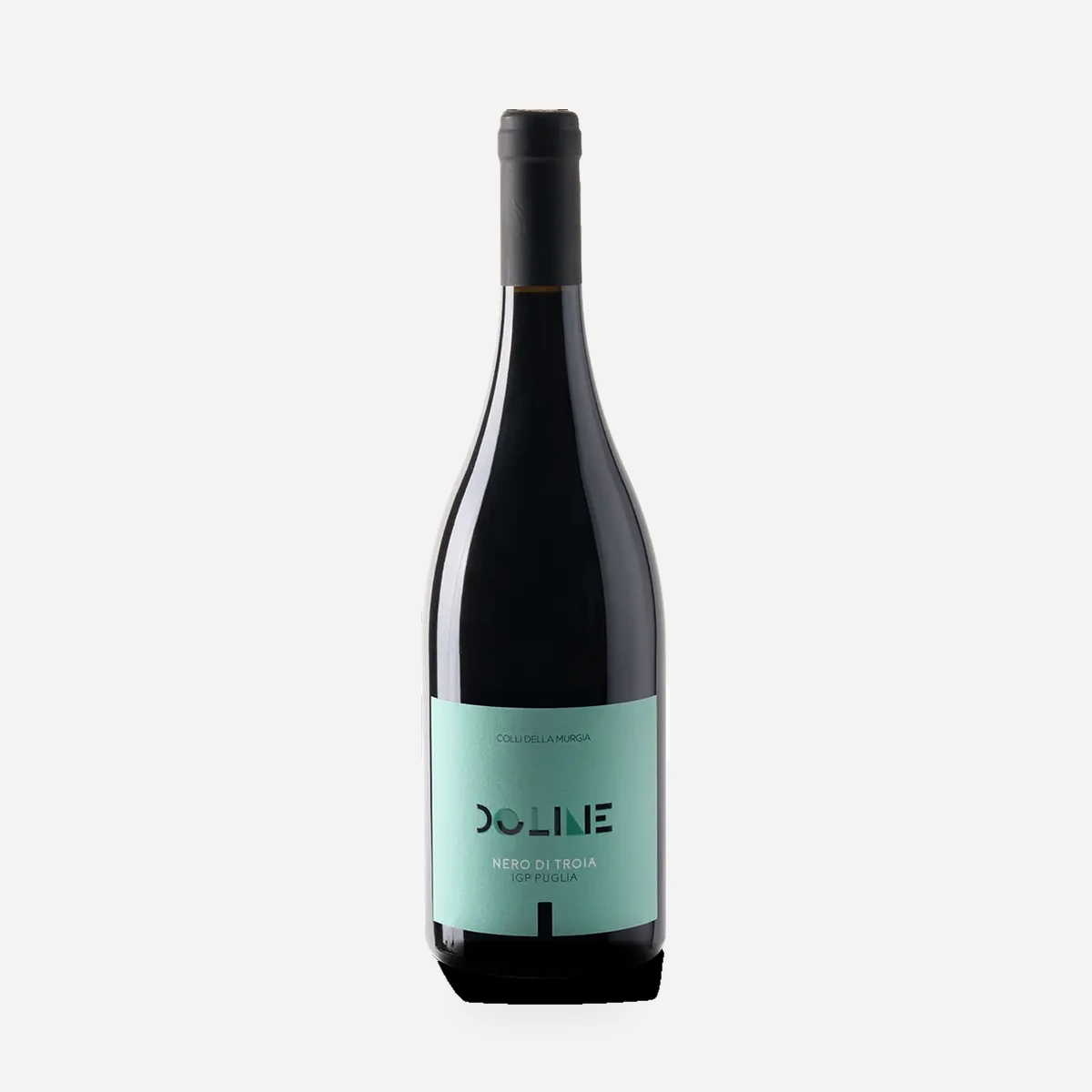
Doline Nero di Troia
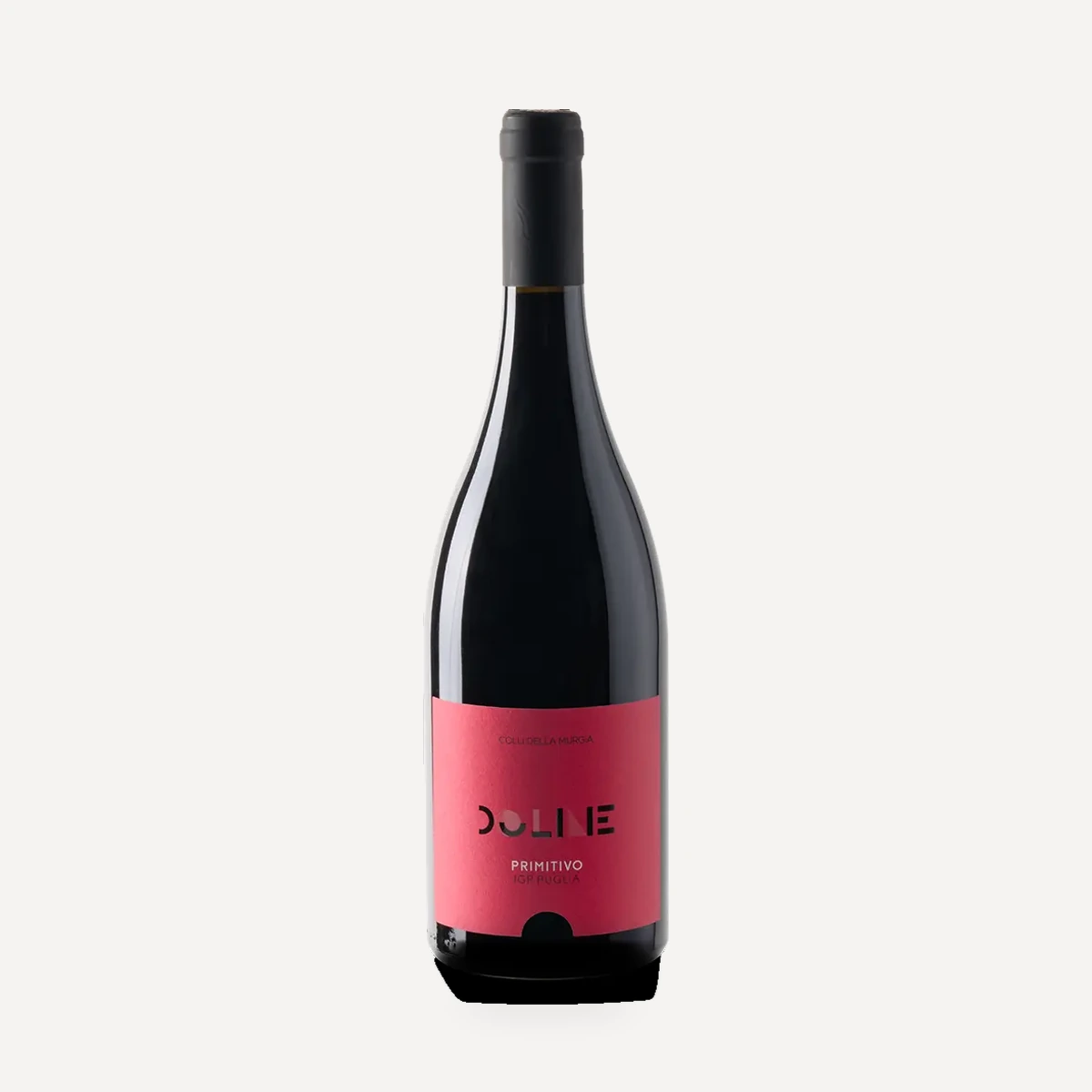
Doline Primitivo
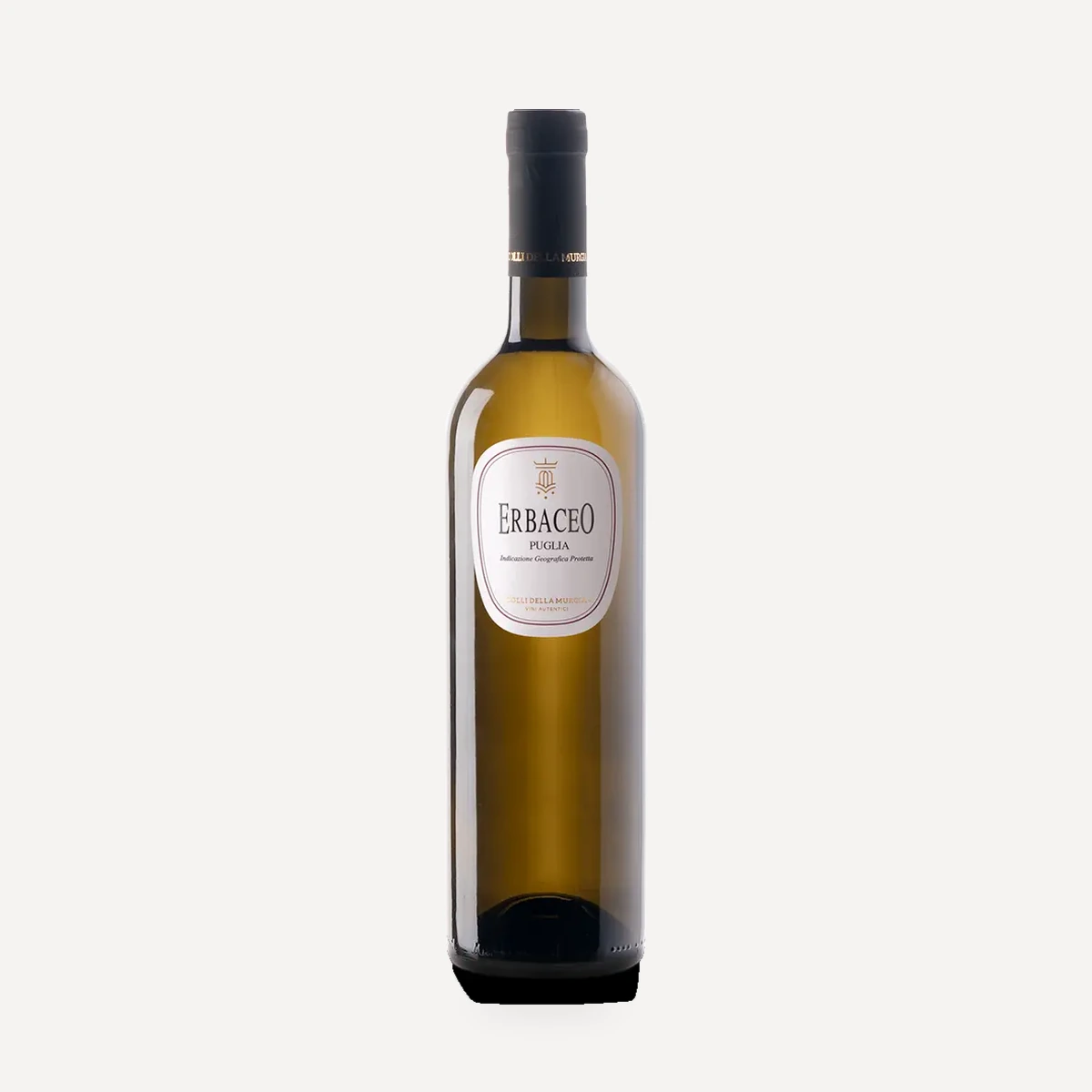
Erbaceo
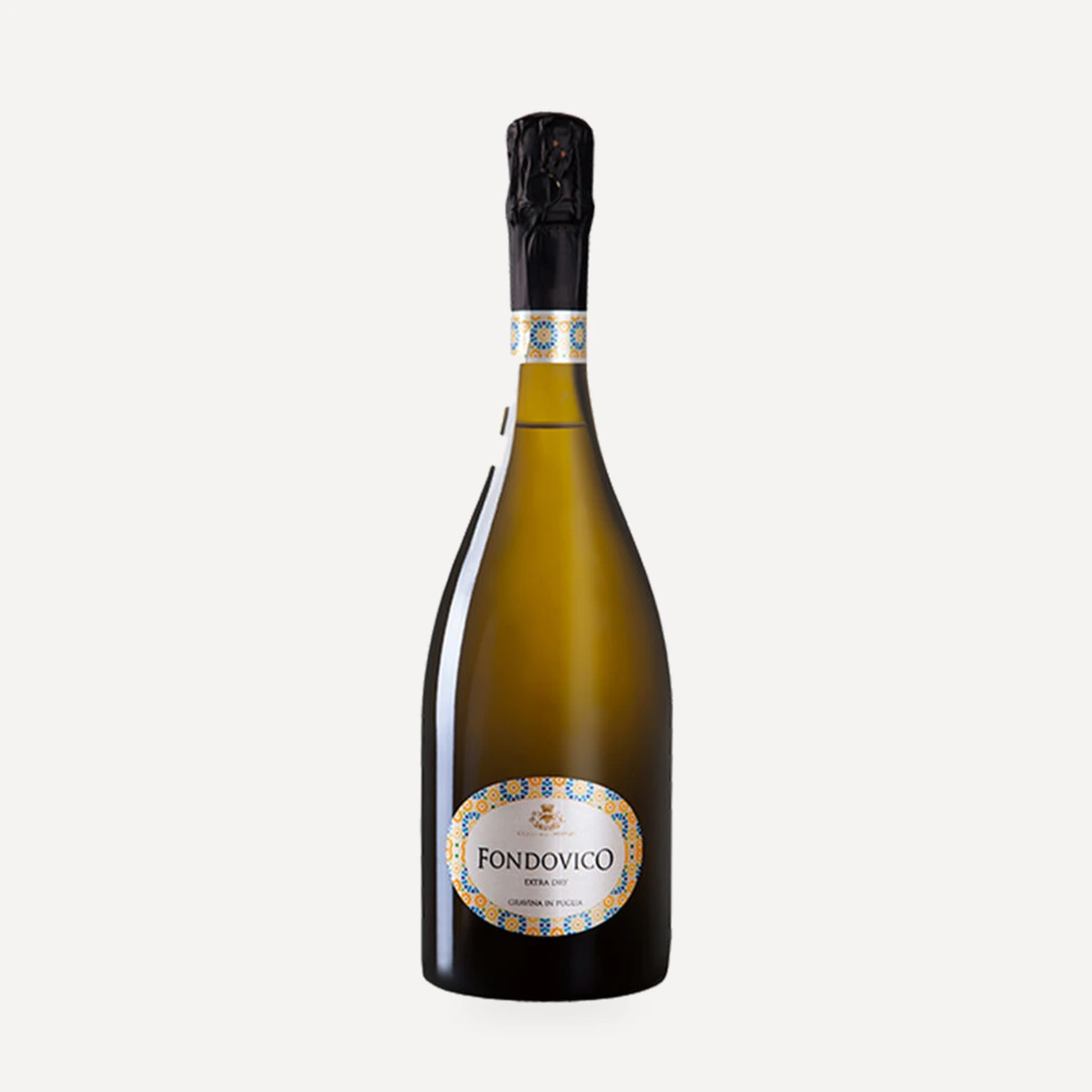
Fondovico
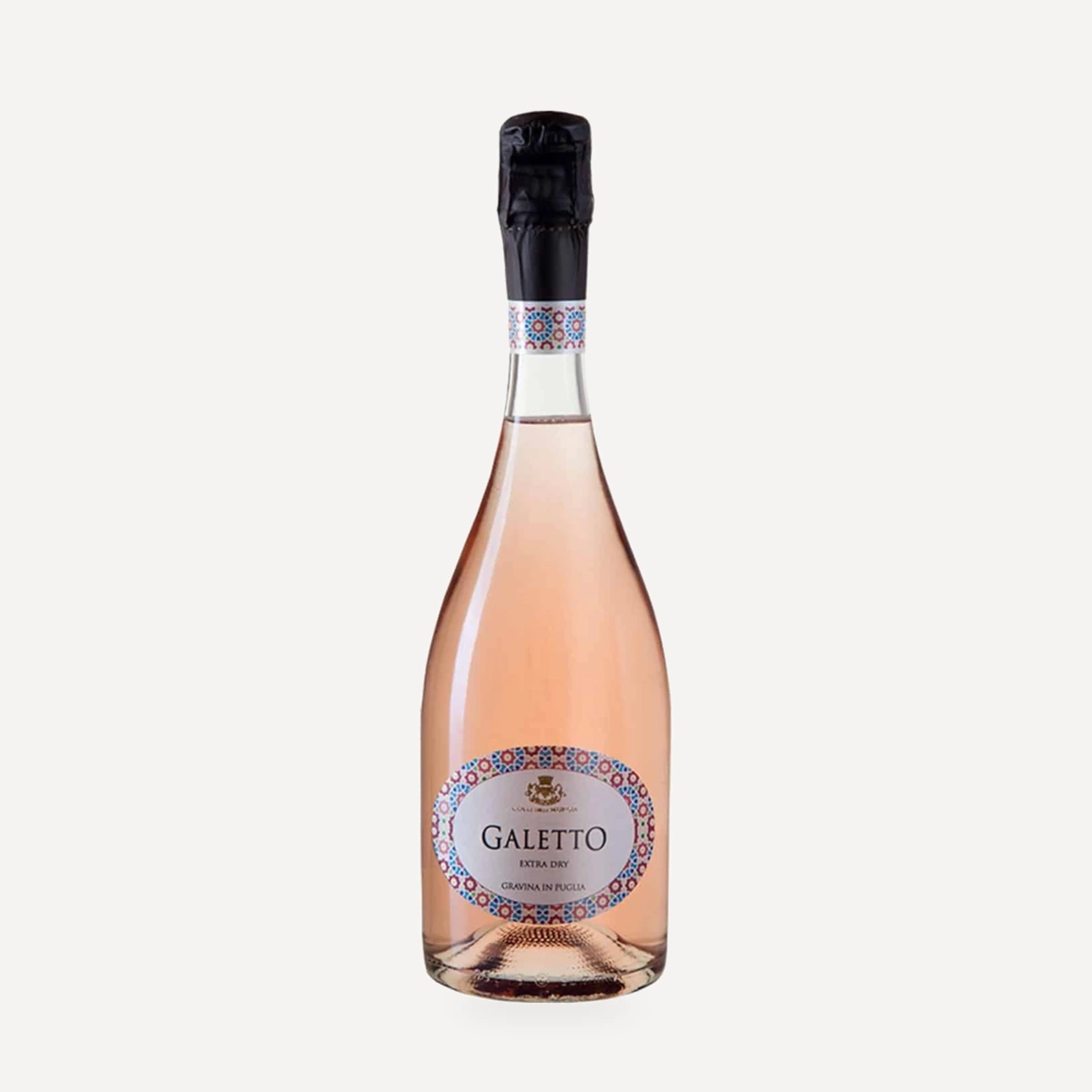
Galetto
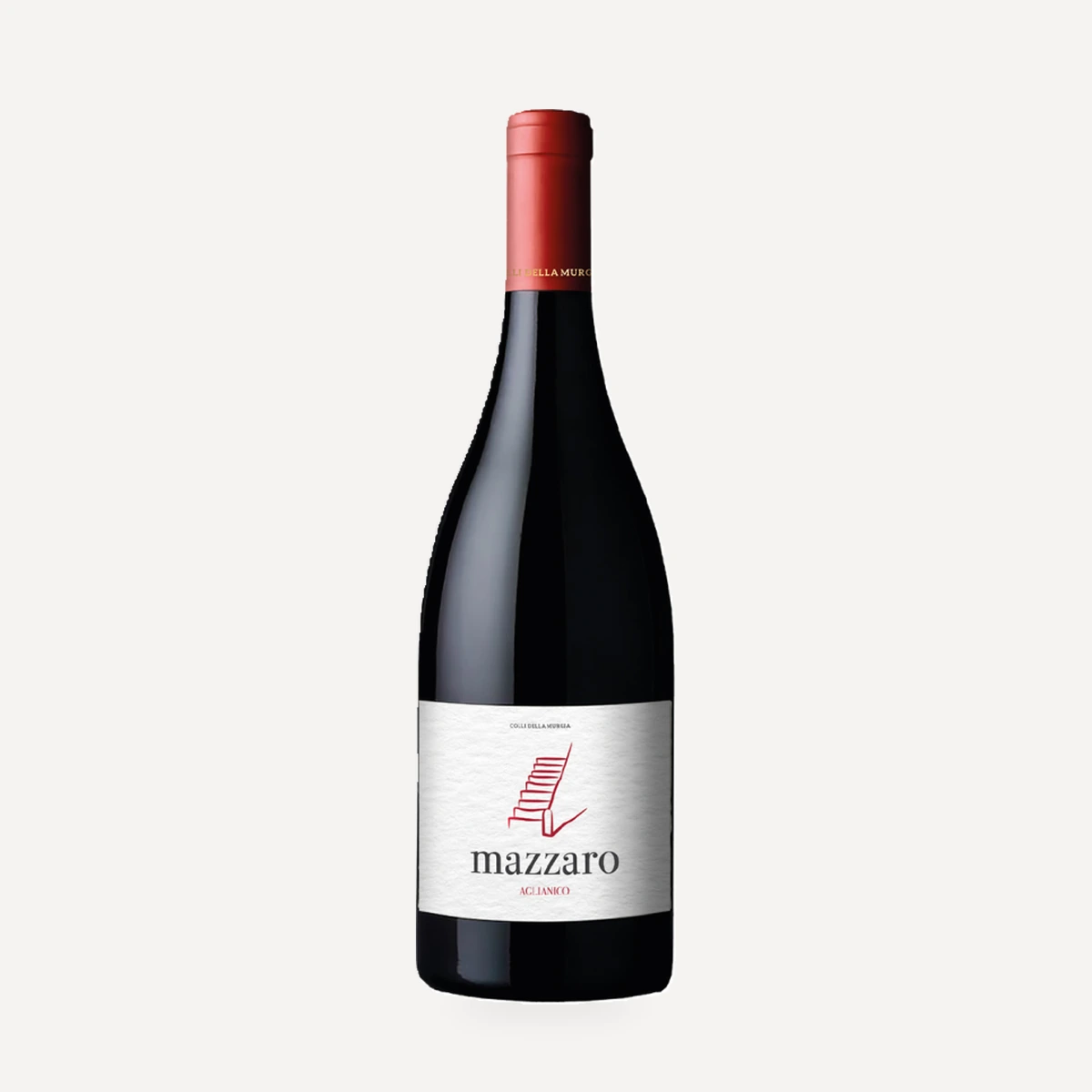
Mazzaro
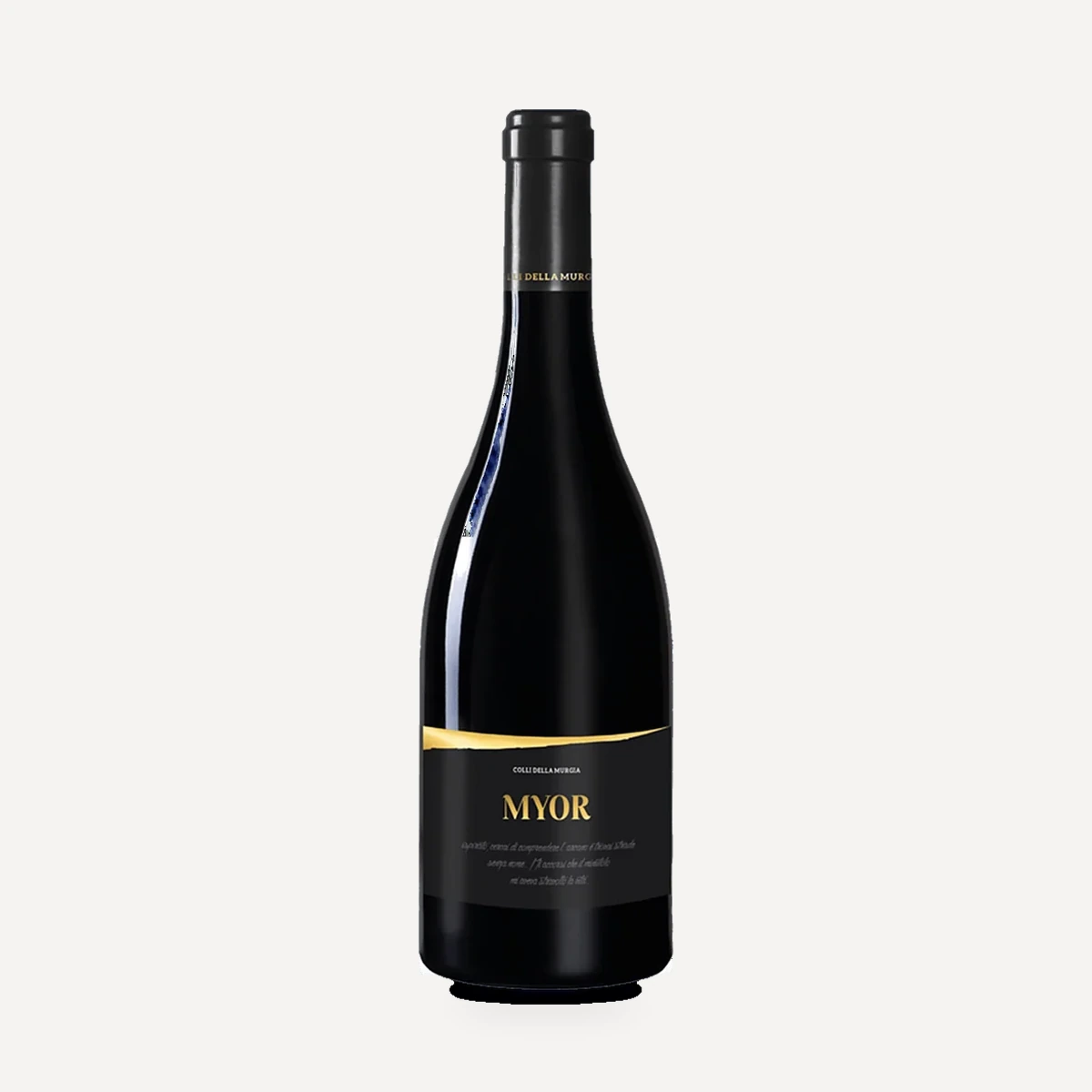
Myor
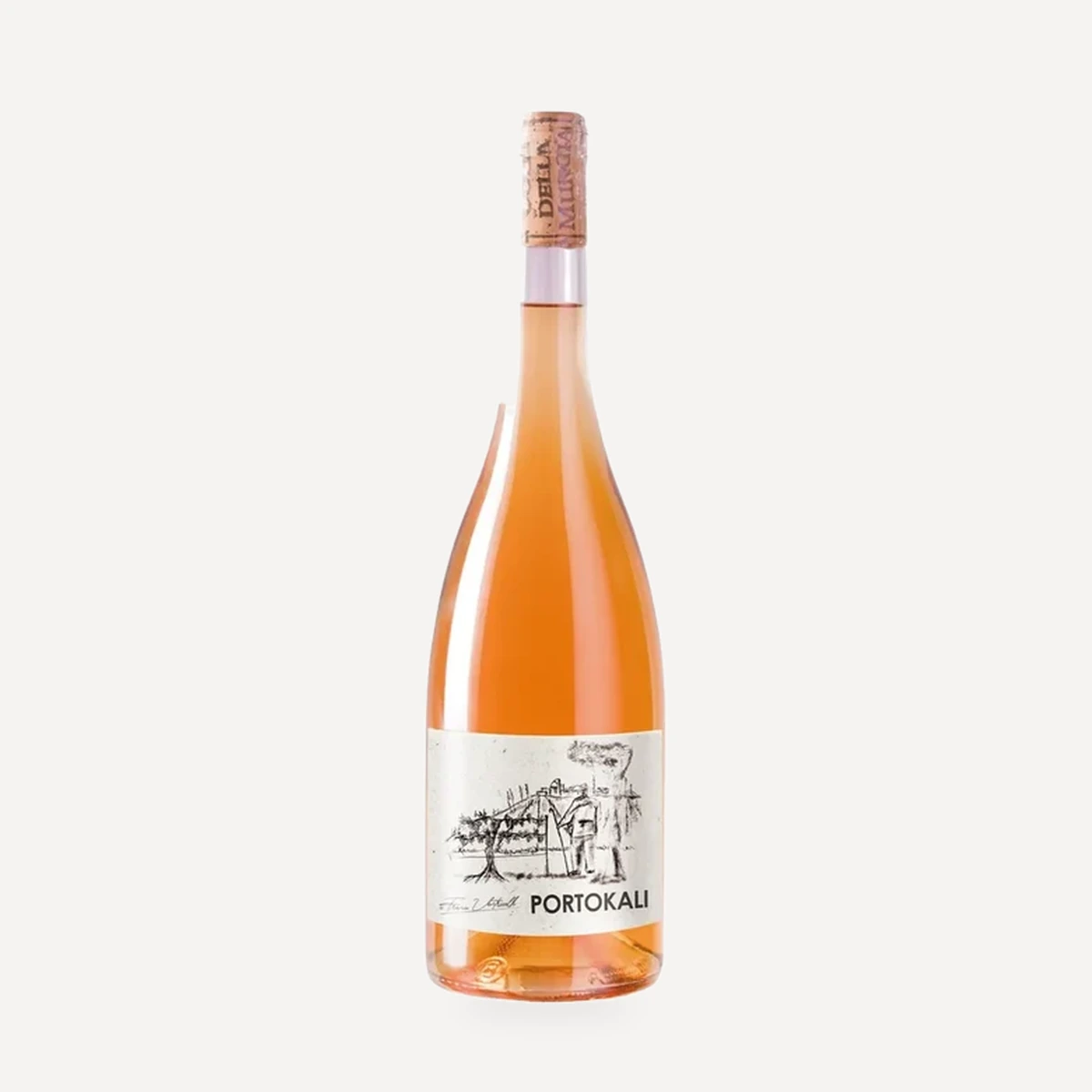
Portokali
Sellaia
Selvato
Symbol
Tufjano