Storia
From Mignano to Monterosso
The Croci family’s agricultural roots predate the estate at Monterosso. The grandfather of Massimiliano and Giuseppe Croci was born in 1898 into a farming family. In the mountains around Mignano, in Val d’Arda approximately 15 kilometres farther south toward the Apennines, the family worked numerous scattered plots and woodland, practised subsistence agriculture and made apple cider.
In 1935 the grandfather moved to the hill of Monterosso, overlooking Castell’Arquato. Unlike the fragmented mountain holdings, Monterosso provided a single contiguous property at approximately 250 metres above sea level, where a small vineyard already existed. The family developed it as a mixed farm: a cowshed was built, fodder was cultivated, and grapes were grown for sale. The grandfather supplied grapes to taverns, private customers who made wine at home and restaurants in the Bassa, where buyers still purchased fruit rather than finished wine.
Ermano Croci and the continuation of the farm
Ermano Croci was born in the mountains in 1938. As a child, he moved to Monterosso with his mother and eight siblings, joining his father after the latter had established the farm. Ermano was the youngest of the nine children. His older siblings eventually emigrated, including to Argentina and London.
When sharecropping came to an end, Ermano considered following his brother to London but remained at Monterosso to assist his ageing parents. He was the only one of the nine siblings to stay on the property.
From bulk wine to the first Croci label
The grape market changed during the 1970s. Bulk wine became increasingly important, and taverns began buying wine in demijohns rather than purchasing grapes. Ermano responded by bottling a small quantity himself.
In 1980, encouraged by his wife Silvana, Ermano released the estate’s first labelled wine. Croci bottles entered local bars and taverns as a different interpretation of their house wine, and the business subsequently became increasingly specialised in bottled production.
Expansion during the 1980s
The success of bottled wine during the 1980s made it possible to expand the planted vineyard area. At the same time, the cowshed was closed because the mixed farm could no longer compete economically with the large agro-industrial livestock operations of the plains. The property eventually reached 18 hectares, approximately half of them planted with vines.
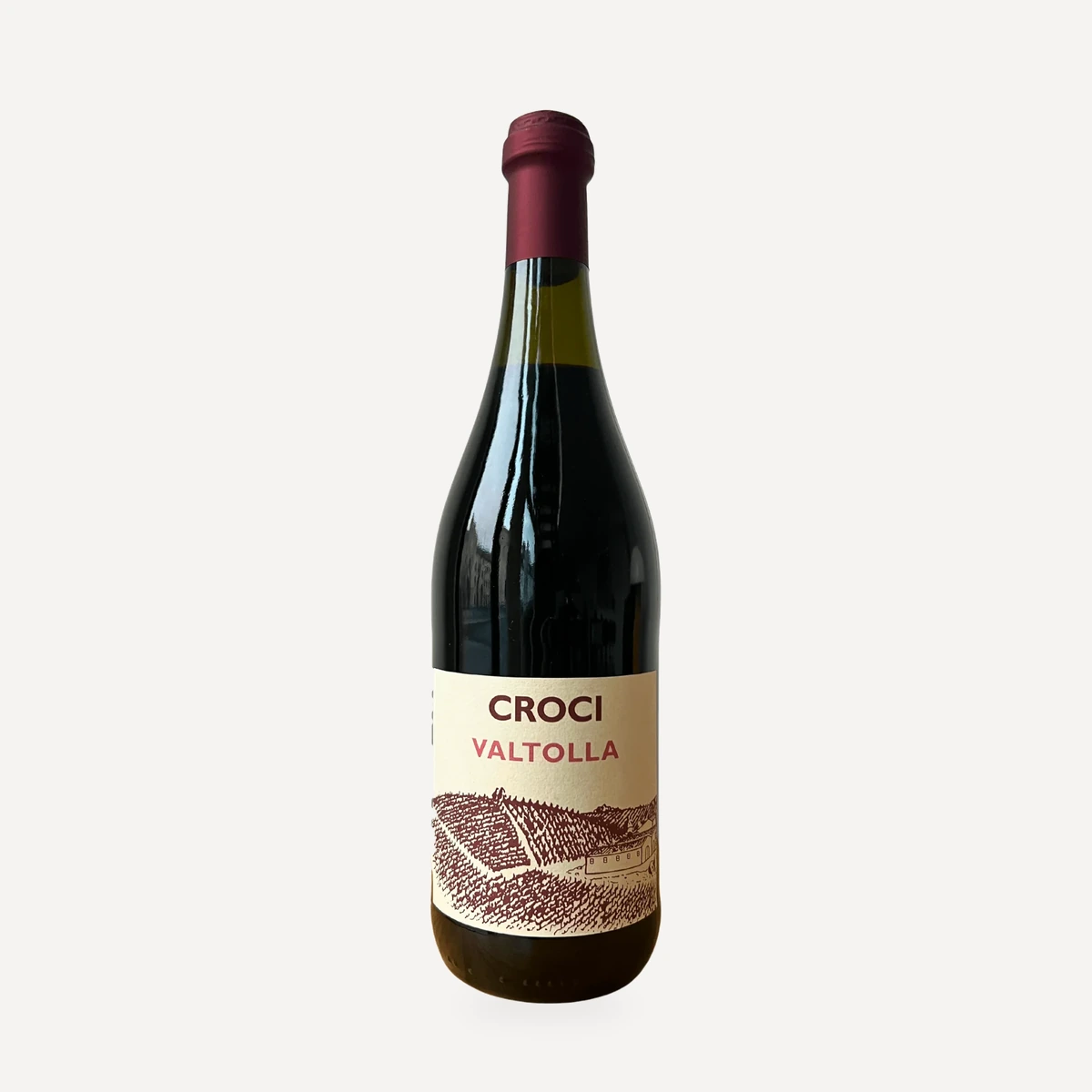
Ermano maintained the Emilia tradition of natural refermentation in bottle, working with Ortrugo, Malvasia di Candia and Marsanne for white wines and Barbera and Bonarda for reds. He continued with this approach even when the market increasingly demanded sparkling wines produced in autoclaves.
The third generation
The estate is now conducted by Ermano and Silvana’s sons, Massimiliano and Giuseppe Croci. They make wine in the cellar built by their parents and continue the family’s bottle-refermentation tradition. In recent years, that cellar has also hosted the inaugural harvests of young growers establishing wineries in the Colli piacentini and pursuing naturally refermented wines.
Cereals and Giorgino flour
A further change began in 2019. Massimiliano, whose enthusiasm for combine harvesters echoes his father’s interest in tractors, decided that the estate’s cereals should no longer be delivered in bulk to the Consorzio. An evolutionary mixture of grains is now sown on the Monterosso hill and milled into flour. The flour is presented as an individual cru named Giorgino, alongside the better-known wine names Alfiere, Campedello, Galvano, Lubigo and San Bartolomeo.
Terroir
The estate occupies the Monterosso hill above the medieval settlement of Castell’Arquato in Val d’Arda. The original family account places the contiguous farm at approximately 250 metres above sea level, while the vineyard descriptions locate vines between 260 and 275 metres.
From the hill, the property looks toward the Visconti fortress of Castell’Arquato, across Val d’Arda and toward the Po Valley. The vineyard soils are described consistently as clay and sand of Pliocene origin.
Vinificazione
The estate works a contiguous hillside property rather than the numerous scattered plots that characterised the family’s earlier subsistence farm in the mountains. Approximately half of its 18 hectares are planted with vines.
Vines are Guyot-trained on Pliocene clay-sand soils at 260–275 metres above sea level. The harvest is manual. Mature grapes for extended skin maceration are collected in small cases, while selected bunches are reserved for sparkling-wine production. For the late-harvest ice-wine method, Malvasia di Candia and Moscato remain on the vine and are selected between late November and late January in the early morning when temperatures fall below −5 °C.
The cellar
Massimiliano and Giuseppe make wine in the cellar constructed by their parents, Ermano and Silvana. The facility has also hosted the first harvests of several younger growers who settled in the Colli piacentini to make naturally refermented wines.
Natural refermentation in bottle
The estate preserves the traditional bottle-refermentation method of the Piacenza hills. Its frizzante wines are bottled still in spring while retaining natural residual sugar. As the cellar warms, indigenous yeasts reactivate inside the bottle, consume the remaining sugar and generate carbon dioxide. Once their nutrients are exhausted, the yeasts settle as a deposit at the bottom of the bottle.
The prolonged coexistence of wine and yeast produces fine bubbles, bread-crust aromas and a dry, gently bitter finish. Immediately after fermentation, fruit and pronounced yeast-derived characters are more evident; further maturation brings greater finesse and complexity.
Following spring bottling, the wines generally complete their development toward the end of summer. The preferred drinking period varies with the vintage but is usually the year after bottling, although the method supports extended bottle evolution.
The natural yeast deposit may be left at the bottom by pouring gently, removed from the serving wine through decanting, or deliberately dispersed by shaking the bottle for an evenly cloudy presentation.
Filosofia
Croci’s approach is centred on continuity with the Emilia tradition of spontaneous refermentation in bottle. Ermano maintained the method even when consumer demand shifted toward sparkling wines made in autoclaves, and the third generation continues to work in the cellar built by its parents.
The estate presents tradition as a living rather than static practice. Its cellar has supported new growers during their first harvests in the Colli piacentini, extending the local bottle-refermentation culture beyond the family itself.
The family describes its wines as natural and treats indigenous yeast, residual grape sugar and seasonal cellar temperature as active parts of the production process. The resulting yeast deposit is retained rather than concealed and may be served clear, decanted or deliberately dispersed according to preference.
The same agricultural outlook now extends to cereals. Since 2019, the farm has converted its grain from an anonymous bulk commodity into a flour tied to the Monterosso hill and identified by its own name, Giorgino.
Vini
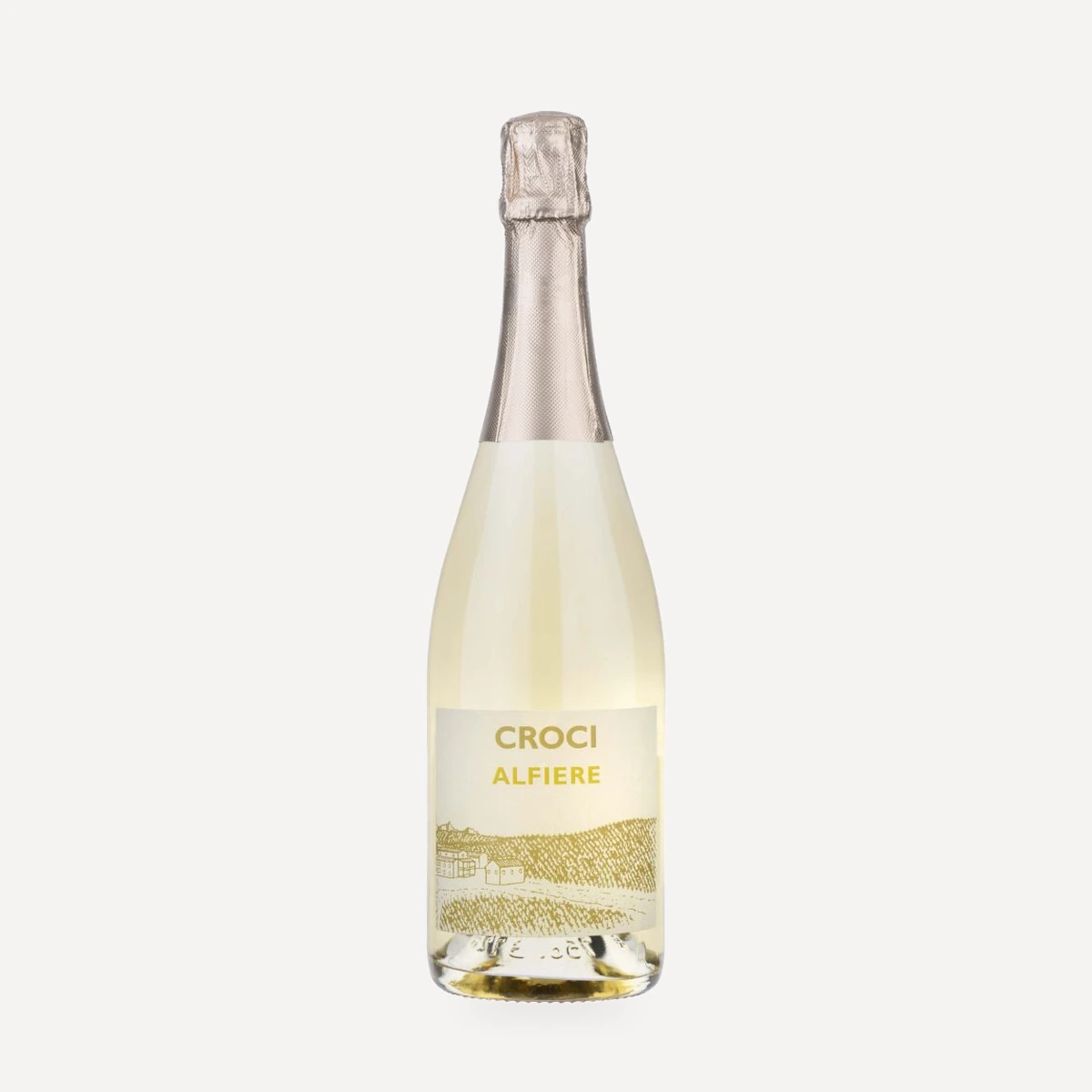
Alfiere
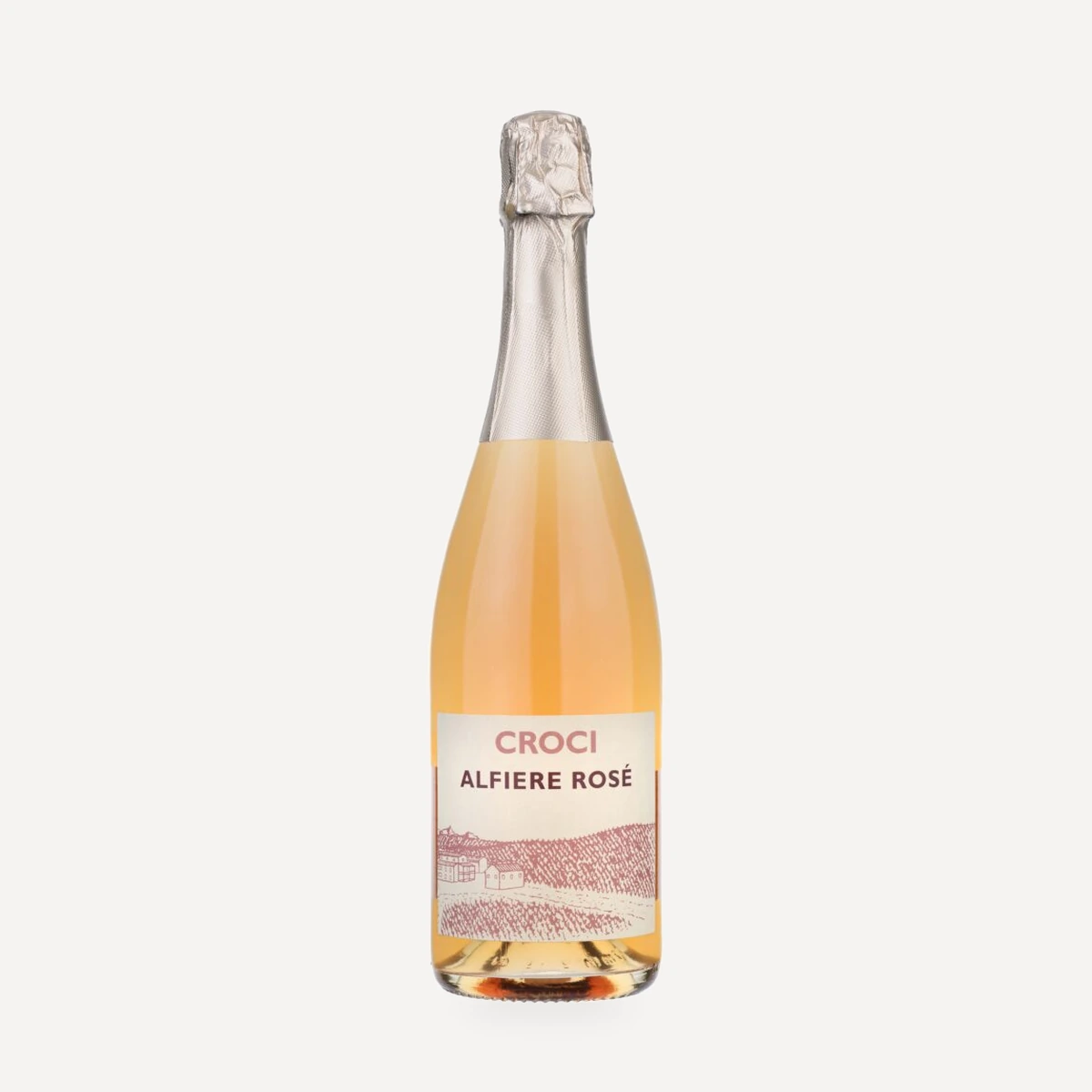
Alfiere Rosè
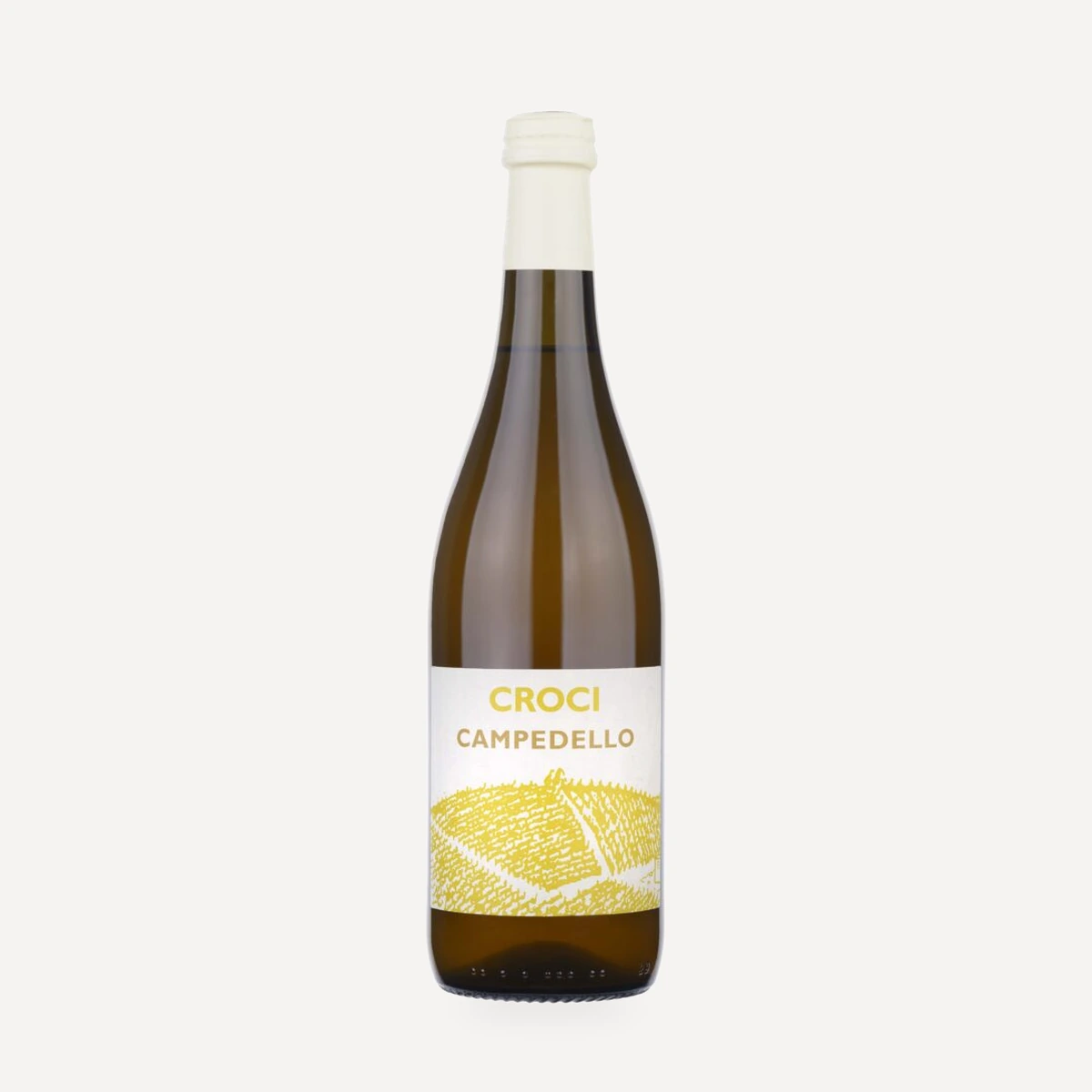
Campedello
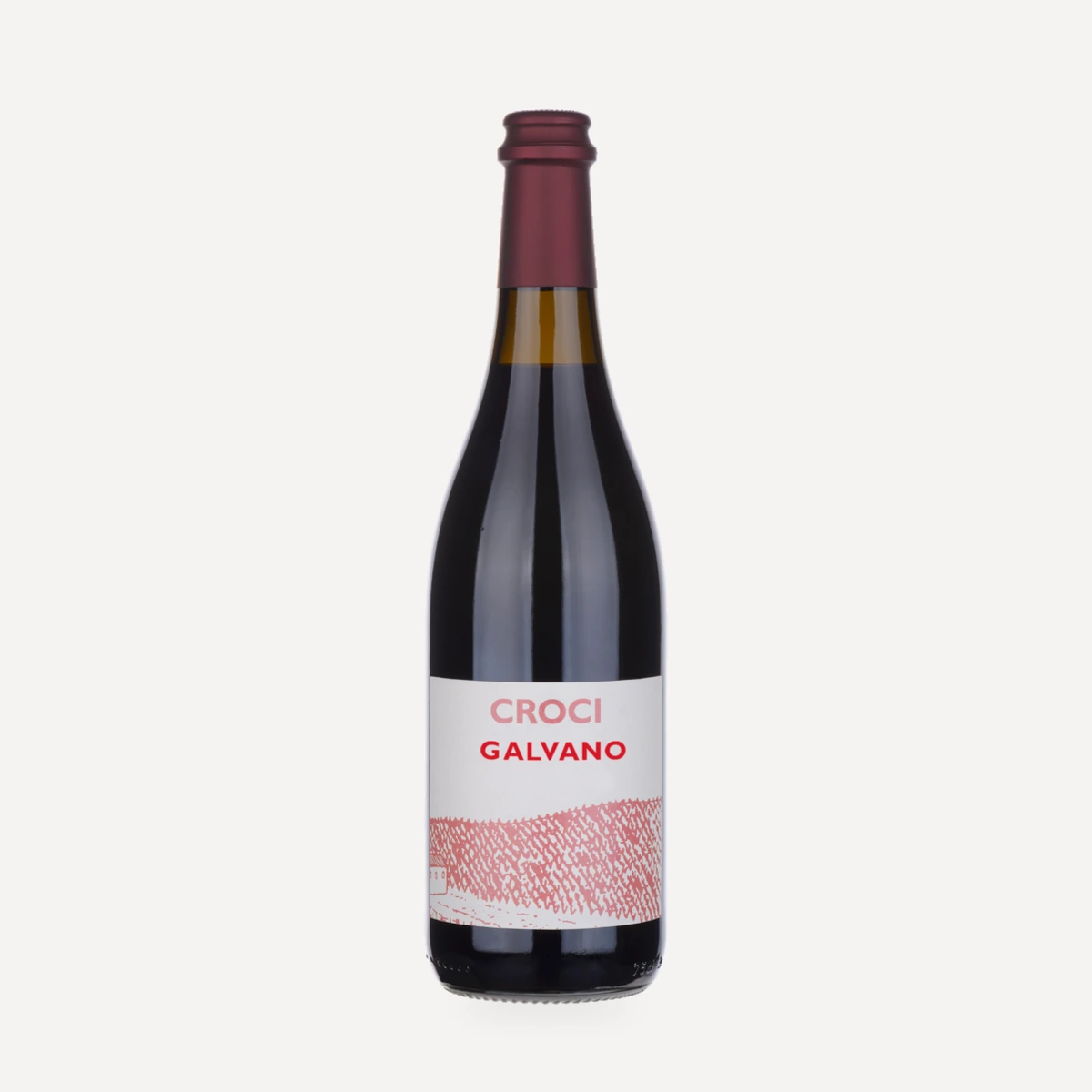
Galvano
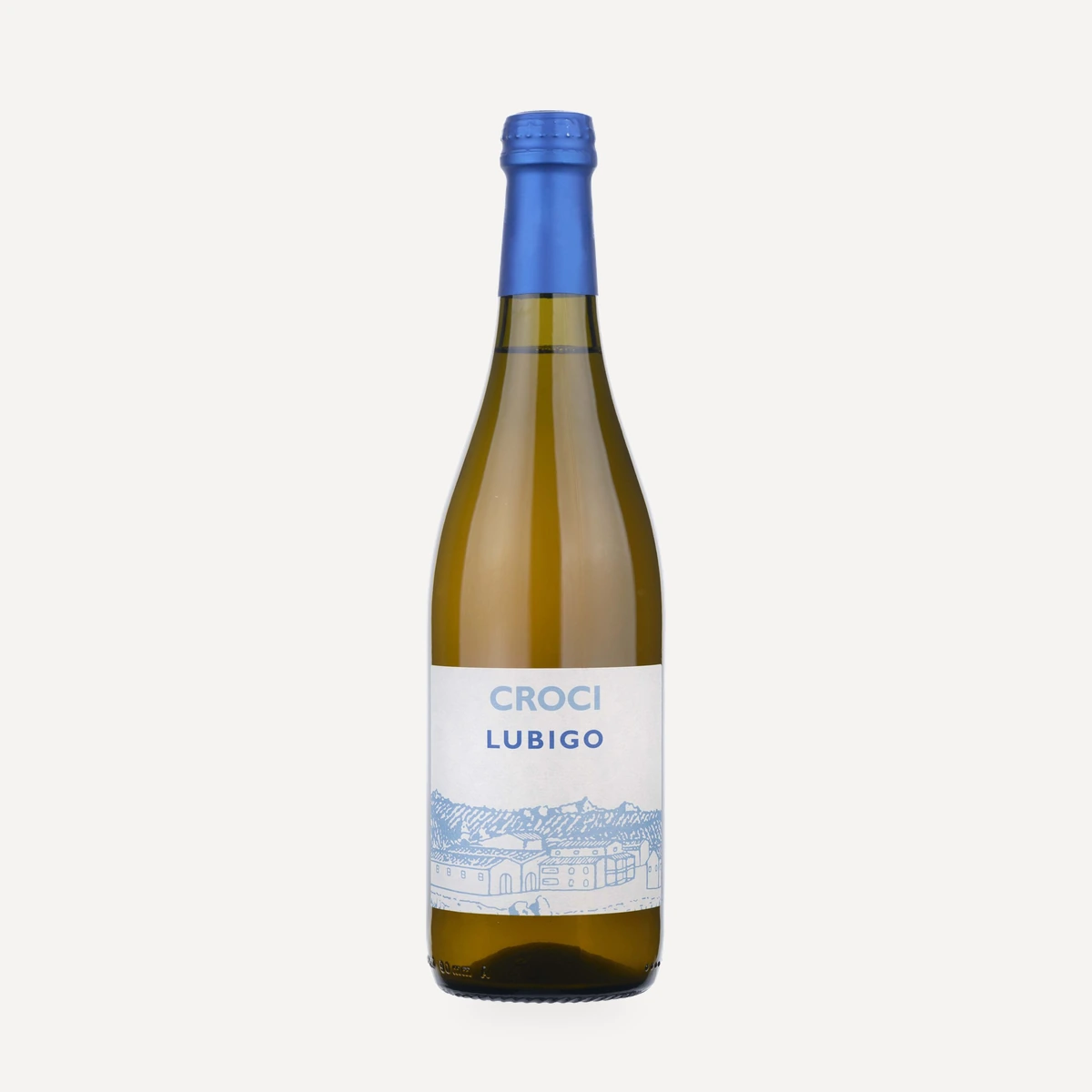
Lubigo
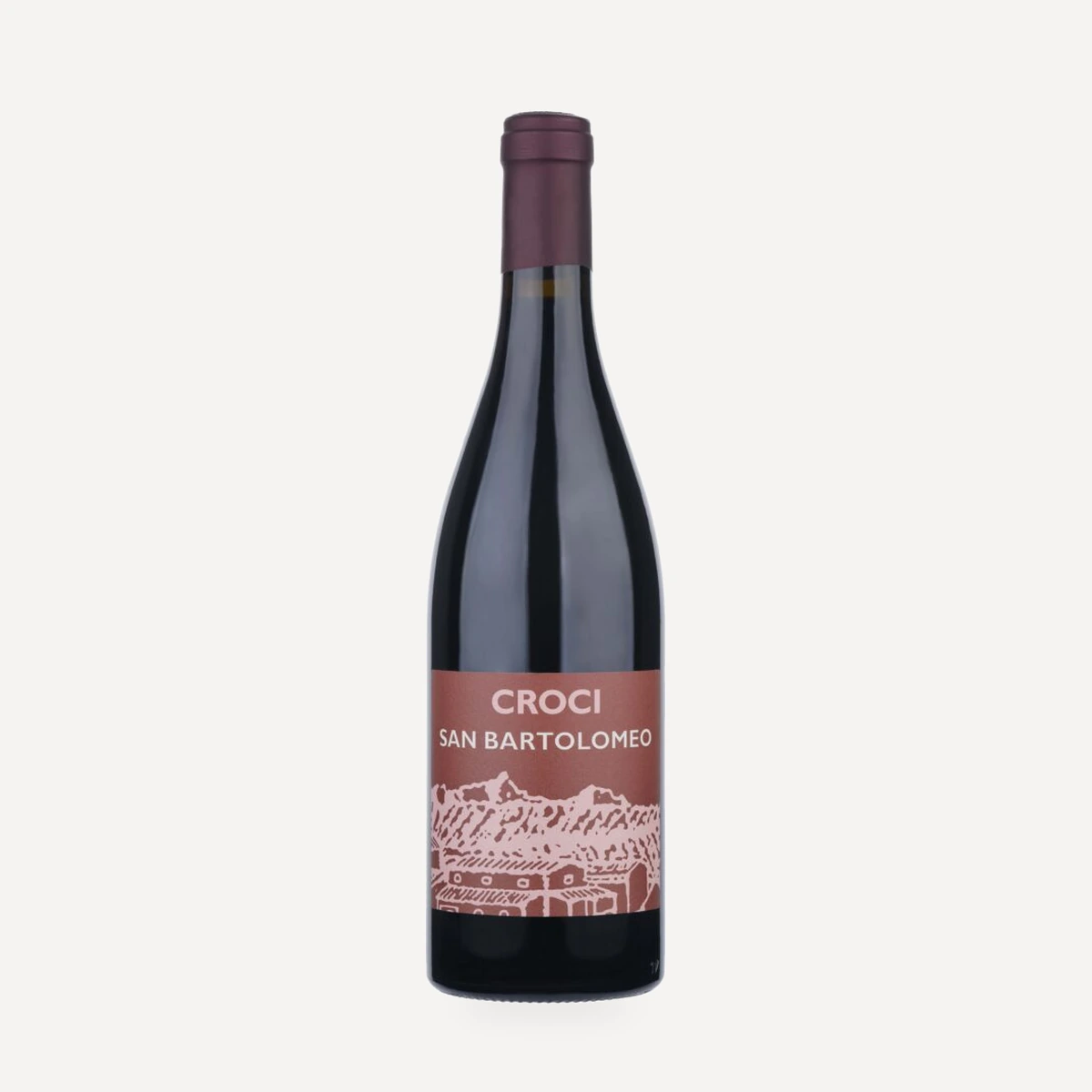
San Bartolomeo
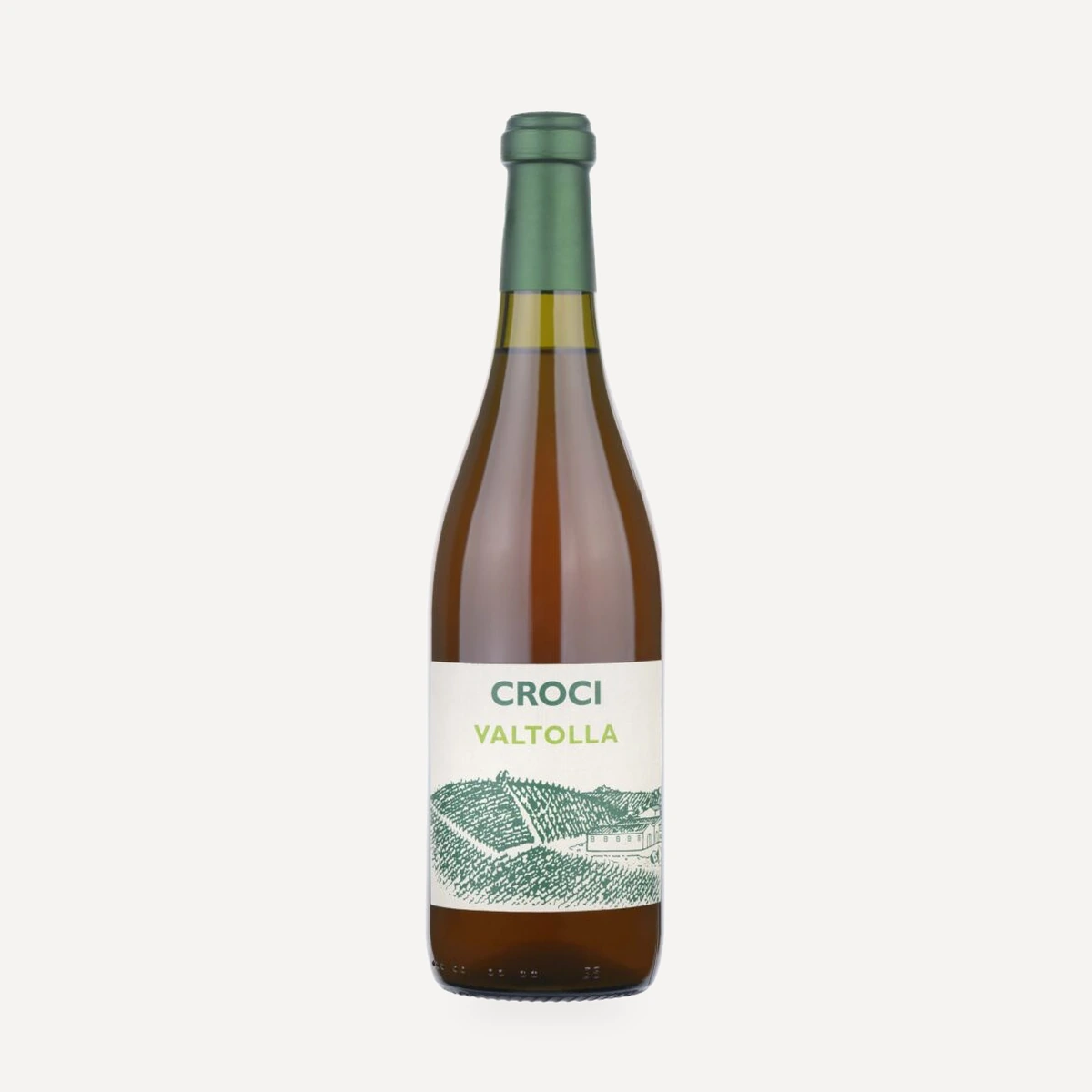
Valtolla Bianco