Storia
Before the estate’s foundation
The core property at Rovittello preserves an old palmento built of lava stone, together with its intact chianca, the traditional press used for pomace. The surrounding land had long been known locally as “I’ vigne di Fessina.” Its numerous former owners, particularly the Musmeci family and Ignazio Musmeci, maintained the old vineyards rather than abandoning them, leaving a legacy of mature and centenarian alberello vines.
The vineyards also retain the physical record of Etna’s eruptions. One old-vine parcel lies beside lava associated with the 1809 eruption, while Contrada Moscamento borders a basaltic sciara formed by the 1911 eruption. Important surviving plantings include Rovittello vineyards planted in 1932, Carricante planted at Biancavilla in 1950, and Nerello Cappuccio planted there in 1970.
2006: arrival on Etna
Silvia Maestrelli, from a Florentine entrepreneurial family and by then living in Milan, arrived on Etna in 2006 with her husband and business partner, Roberto Silva. The encounter initiated both a personal and professional search centred on the mountain’s contrasting landscape and viticultural potential.
2007: foundation of Tenuta di Fessina
After lengthy negotiations with the land’s numerous historic owners, Silvia Maestrelli and Roberto Silva acquired an old Nerello Mascalese vineyard in 2007 and founded Tenuta di Fessina. The purchase brought together the old alberello vines, lava-stone palmento and intact chianca at Rovittello.
The project was conceived as more than a production cellar: Silvia sought to establish a place where wine, human relationships, technical knowledge, cultural exchange and hospitality could meet. Consultants and collaborators supplied the technical framework for that vision. Jacopo Maniaci became CEO and a longstanding operational partner of the family, while Benedetto Alessandro serves as oenologist and agronomist.
The first vintage of Il Musmeci was 2007. The name honours the Musmeci family, especially Ignazio Musmeci, for preserving the old vineyards and enabling the new estate to work vines already more than 80 years old.
2009 onward: Carricante and distinct Etna sites
The first commercial vintage of A’ Puddara was 2009. It established pure Carricante as a central part of the project and directed attention beyond Rovittello to high-altitude white-grape sites. At Biancavilla, on Etna’s southern side, the estate works Carricante in Contrada Manzuedda at about 900 metres. It later invested in Milo on the eastern side, including Contrada Caselle, where Carricante grows at about 950 metres under the influence of high rainfall and the Ionian Sea.
The estate also pursued a pure Nerello Cappuccio project, treating the variety as worthy of independent vinification rather than only as a supporting component of Etna red blends.
2013–2017: selective releases and parcel development
The difficult, rainy 2013 season caused substantial crop losses, and no Il Musmeci was released. In 2014, the Carricante harvest ran from 15 to 26 October and was followed by Nerello Mascalese; Jacopo Maniaci identifies this as his first vintage at Fessina.
The hot, dry 2017 season produced the first Erse Rosso Contrada Moscamento 1911, drawn from a manually selected old-vine parcel beside the 1911 sciara. No standard Il Musmeci was made that year; only a small selection was retained for the special RS Riserva.
2018 onward: hospitality and continued adaptation
From January 2018, restored accommodation became part of the estate’s hospitality programme. Historic rural spaces were adapted with contemporary comforts, Sicilian craftsmanship, family furnishings, art and design while retaining lava stone and the agricultural memory of the palmento.
The 2020 vintage brought an intentional adjustment in red-wine production: shorter macerations, lower fermentation temperatures and gentler extraction were used in pursuit of elegance. Vineyard work during the COVID-19 period was complicated by workers having to quarantine.
Increasingly dry and hot seasons became a recurring concern from 2017 onward. In 2021, drought and stress in younger vines contributed to an estimated 35% reduction in production. The 2023 season was cold, rainy and affected by humidity and disease pressure on Nerello Mascalese; only the healthiest fruit was harvested, and red-wine production fell to roughly half its normal level. The 2024 season was more balanced, although some vines were still recovering from the previous year.
Terroir
Etna and its viticultural crescent
Etna forms a viticultural crescent extending from Randazzo on the northern side to Santa Maria di Licodia on the south. The northern sector is colder and windier, with snow and marked temperature variation; Nerello Mascalese, Nerello Cappuccio and Minnella are prominent there. The southern sectors are sunnier, closer to the sea and subject to greater rainfall, conditions associated particularly with Carricante.
The volcanic massif lies between the Alcantara valley, the Simeto basin and Catania plain, and the sea. Its soils derive from lava, basalt, tuff, lapilli and ash and are highly permeable. The upper mountain carries winter snow; rivers, streams, springs and wells are concentrated farther downslope. Successive lava events have created sharply differentiated soils and microenvironments.
Rovittello
The estate’s centre is at approximately 670 metres in Rovittello, within Castiglione di Sicilia. About 7 hectares of vineyards occupy a position between two ancient semicircular sciare. These old lava flows act like the walls of a clos, isolating the site and creating a distinct microclimate. The vineyard landscape includes hazelnut groves, scattered olive trees and small cultivable rasole enclosed by dark lava-stone walls.
The main ridge has shallow, black soil with abundant sand, small pumice fragments and fine, disaggregated clay. It contains trace elements together with iron, potassium, calcium, phosphorus, magnesium and manganese. Winter is severe and often snowy; spring is cool and rainy; summer is hot and dry; autumn is long and warm. The difference between day and night temperatures is especially pronounced.
Within Rovittello, individual lava formations further divide the terroir. The Contrada Moscamento parcel adjoins the basalt-, iron- and manganese-rich sciara of the 1911 eruption. Another half-hectare parcel of the oldest Nerello Mascalese vines lies against lava associated with the 1809 eruption; its climate is cold and severe, with large thermal variation and very slow ripening.
Biancavilla
Biancavilla lies on the southern side of Etna at about 900 metres. The Carricante site in Contrada Manzuedda is associated with some of the oldest sands in the area. These high elevations favour Carricante, while Nerello Mascalese ripens with greater difficulty. The estate also works a south-facing Nerello Cappuccio vineyard at the same stated elevation.
Milo and Contrada Caselle
Milo occupies Etna’s eastern side, at still higher elevations and under strong maritime influence. Contrada Caselle is east-facing at about 950 metres. The combination of altitude, the Ionian Sea and exceptionally high rainfall supports slow, late ripening.
Its volcanic profile consists of multiple layers of minerals and salts, pumice, lapilli and fine, light ash. The soil is sub-acidic, fertile and associated with very high total acidity in Carricante. The estate contrasts Milo’s fuller, rounder expression with the more vertical acidity of its other high-altitude Carricante sites.
Vinificazione
Viticulture is primarily manual and rooted in the traditional organisation of Etna’s terraced vineyards. Old alberello vines are planted in a square framework at high density, yet carry relatively few bunches. The steep, irregular rasole and lava walls require work by hand, including manual control of vigorous spontaneous vegetation.
Cultivation is described as “conscious”: the vine receives only what it needs. The approach prioritises biodiversity and treats the interaction among different genotypes as a community whose diversity adds complexity. Vines coexist with hazelnut groves, olive trees and the wild and cultivated biodiversity of the enclosed lava landscape.
Selection begins in the vineyard. The oldest Nerello Mascalese parcels receive especially strict manual selection, and fruit is subsequently checked on a sorting belt in the cellar. Green harvesting is used when required; in the dry 2021 season it was particularly difficult because drought had already stressed younger vines.
Seasonal work responds closely to weather. Pruning is normally late when winter rain delays access, although it was brought forward in 2021. Spontaneous ground cover required intensive control in 2016, 2020 and 2024. In the wet and disease-affected 2023 vintage, only the healthiest grapes were harvested, reducing red-wine production by roughly half. No organic or biodynamic vineyard certification is identified.
The production philosophy calls for minimal cellar impact and an artisanal interpretation of Etna tradition. Grapes are selected in the vineyard and, for the documented vinifications, checked again on a cellar sorting belt.
Red grapes may undergo gentle roller destemming and crushing, followed by temperature-controlled fermentation in stainless steel. Documented fermentation temperatures range from 23–26°C or 25–28°C, with skin contact ranging from 5–7 days to 10–15 days according to parcel, selection and vintage. One Nerello Cappuccio vinification includes a 48–72-hour cold pre-maceration at 12°C. In 2020, the estate deliberately shortened macerations, lowered fermentation temperatures and reduced extraction to pursue greater elegance.
Ageing vessels include stainless steel, 5 hl French-oak tonneaux and 35 hl large French-oak casks. Parcel selections may move from tonneaux to large cask before extended bottle ageing. A high-altitude Carricante method follows the old Etna practice of fermenting directly in a 3,500-litre French-oak cask after pressing and cold static settling, followed by 6–8 months on fine lees. Other Carricante lots ferment in French oak or temperature-controlled stainless steel and may receive long stainless-steel and bottle maturation.
The cellar works with different vessels and extraction regimes to preserve distinctions among Rovittello, Biancavilla and Milo rather than impose a uniform profile.
Filosofia
Tenuta di Fessina was conceived as a place of beauty between earth and spirit, broader than a conventional production cellar. Its purpose is to bring together people, skills and energy, building an intangible heritage of relationships, professional exchange, human ideas, wine culture and good living.
The viticultural philosophy is tied to Etna tradition, craftsmanship and respect for nature in its different expressions. Biodiversity is understood as an active system: interactions among distinct vine genotypes and the wider agricultural landscape are valued for the complexity they create. “Conscious” cultivation means supplying only what the vine requires, while cellar intervention is kept minimal.
The project seeks to articulate differences among sites rather than reduce them to a single Etna style. Rovittello’s old mixed vineyards, the high Carricante sands of Biancavilla and the wetter, maritime, mineral soils of Milo are treated as separate expressions. Pure Carricante and pure Nerello Cappuccio form part of this exploration of varieties that can be overshadowed in traditional blends.
Hospitality extends the same philosophy beyond wine production. The restored palmento, rural rooms, tastings, food and encounters with local artisans are intended to connect visitors with the agricultural memory and living culture of Etna.
Vini
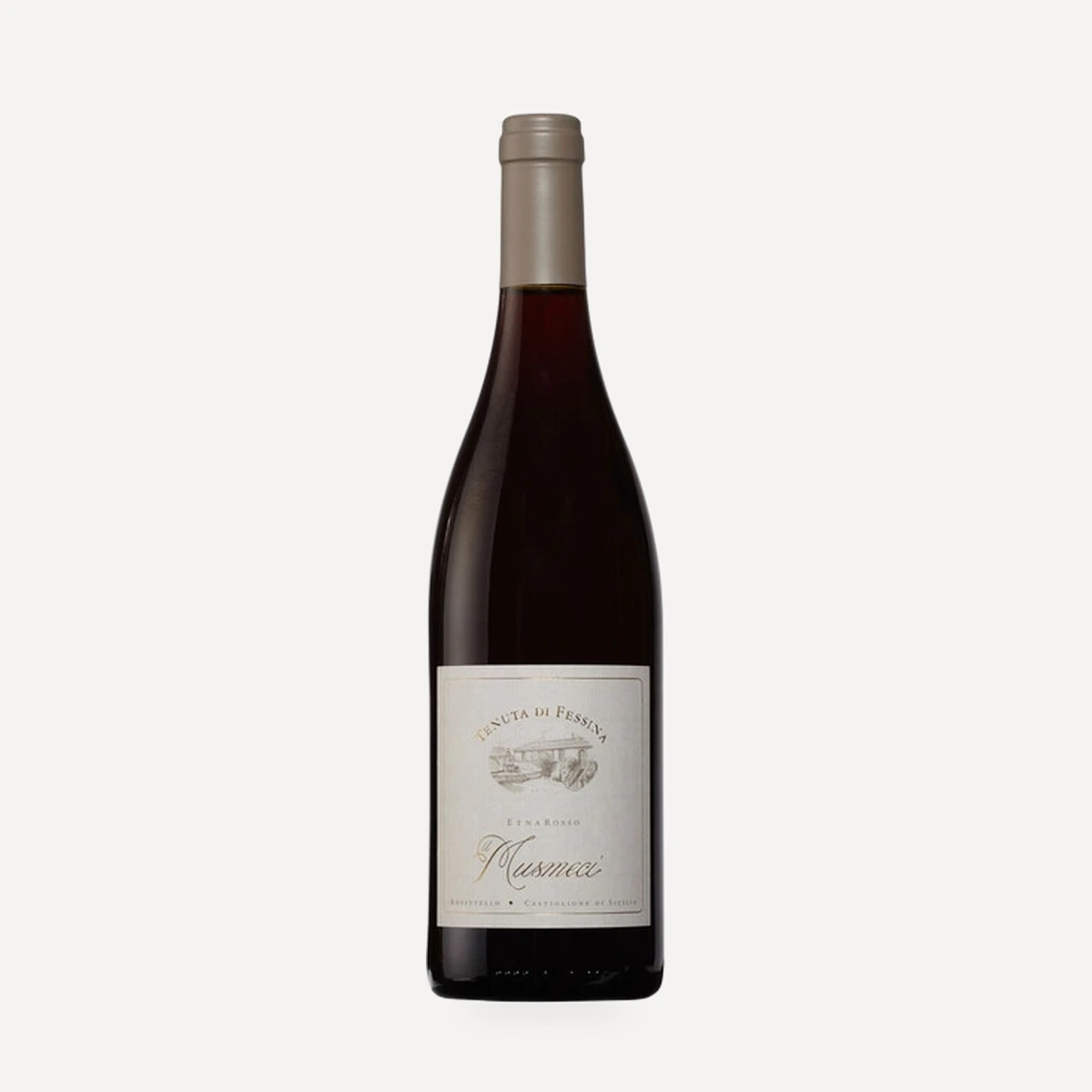
Il Musmeci Rosso
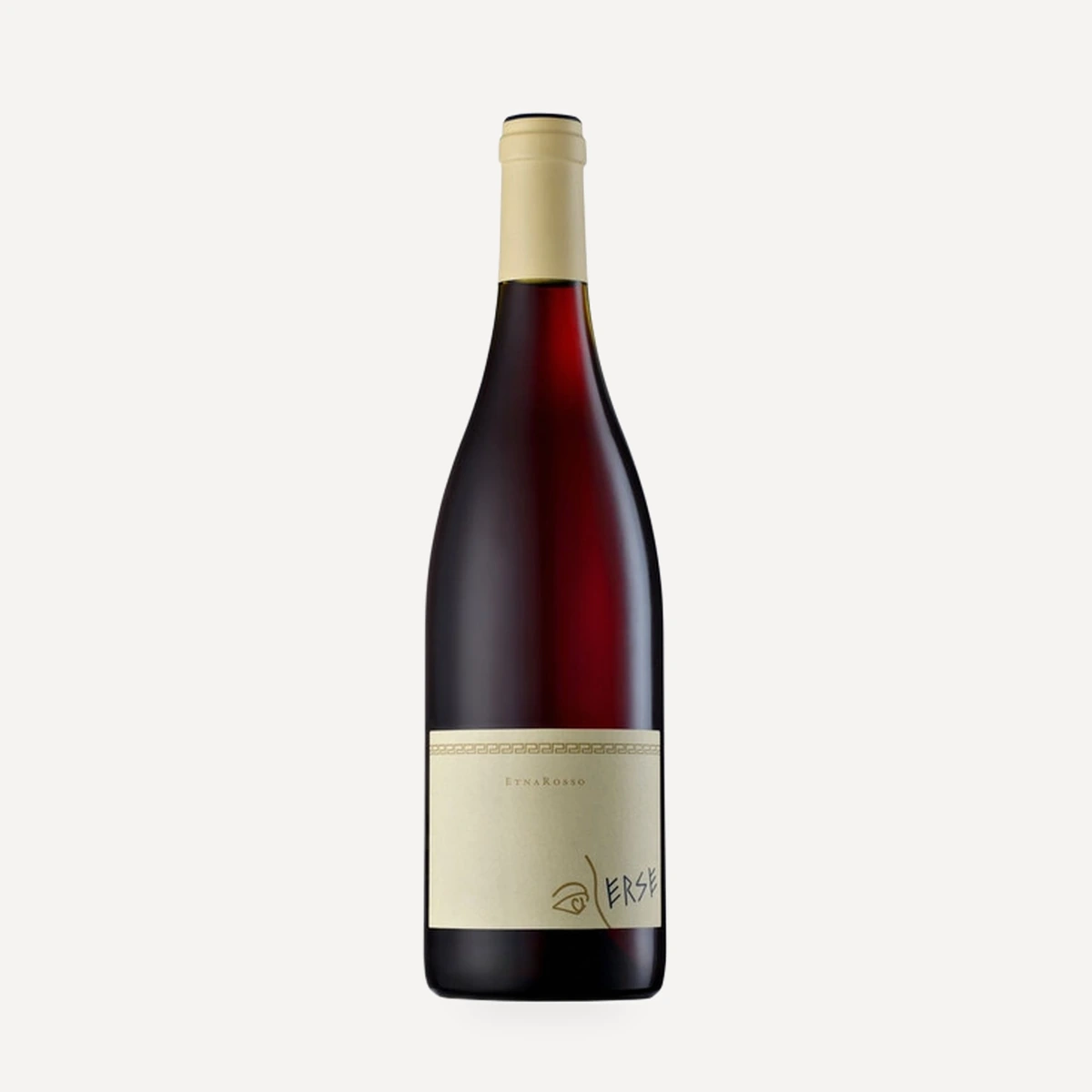
Erse Etna Rosso DOC
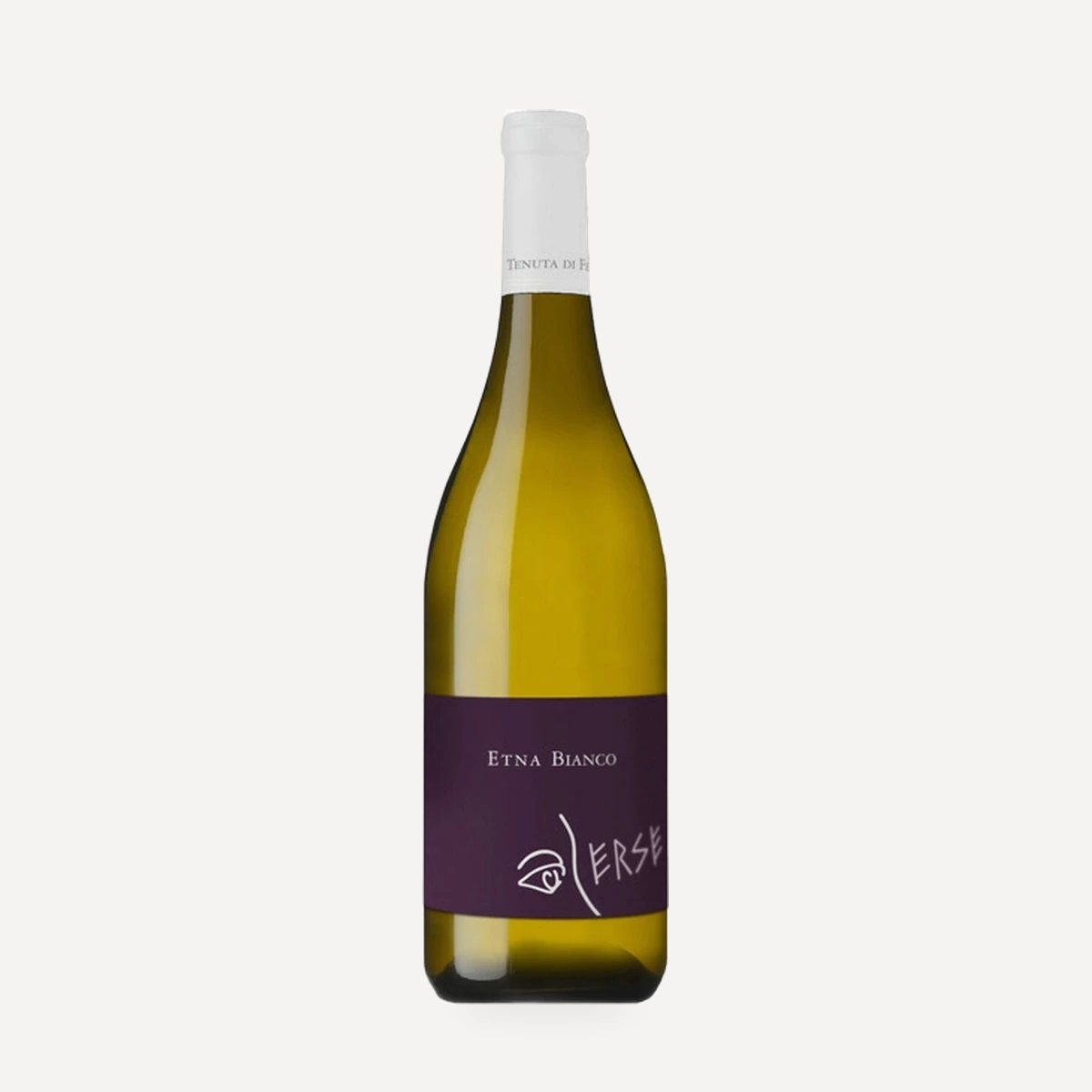
Erse Etna Bianco DOC
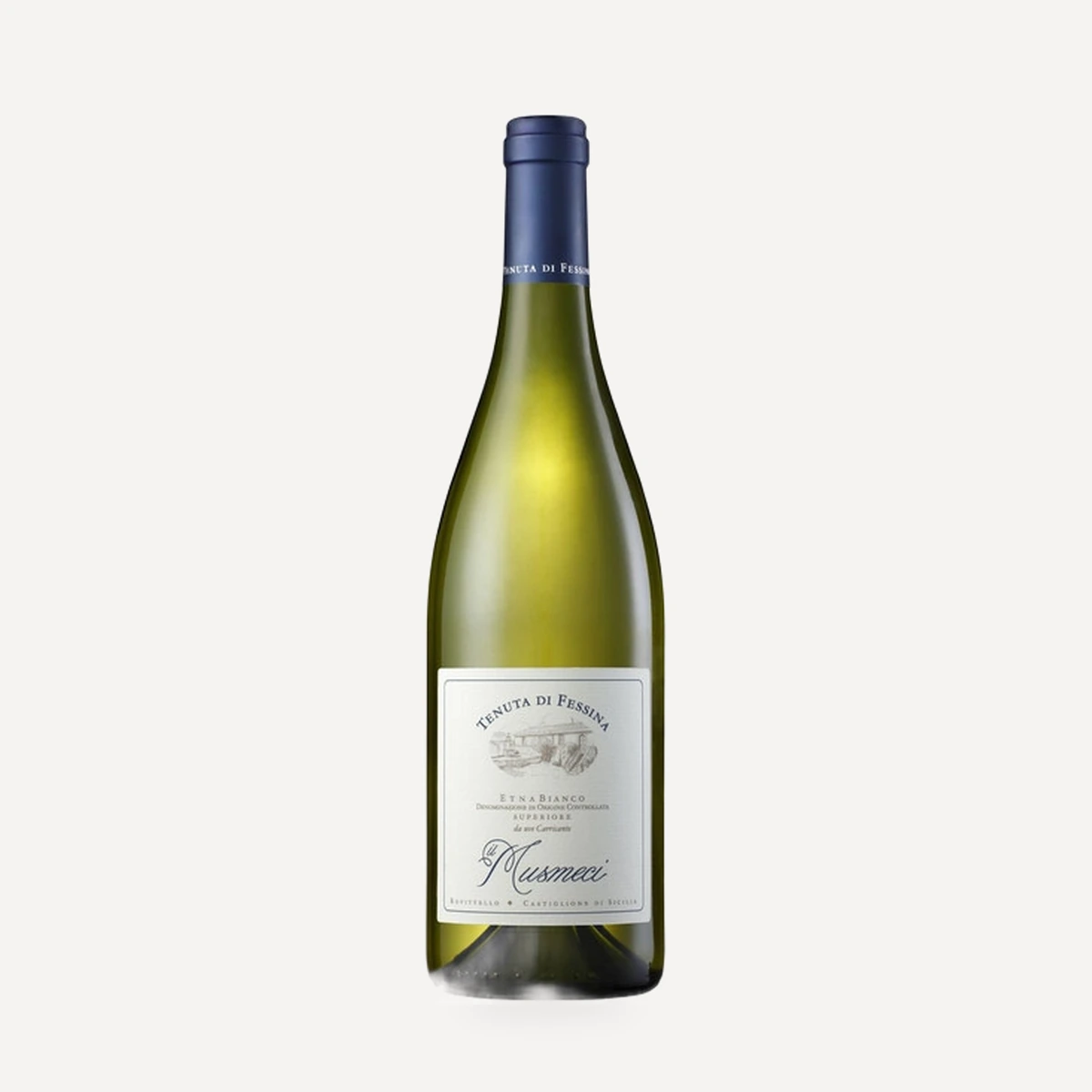
Il Musmeci Bianco Contrada Caselle
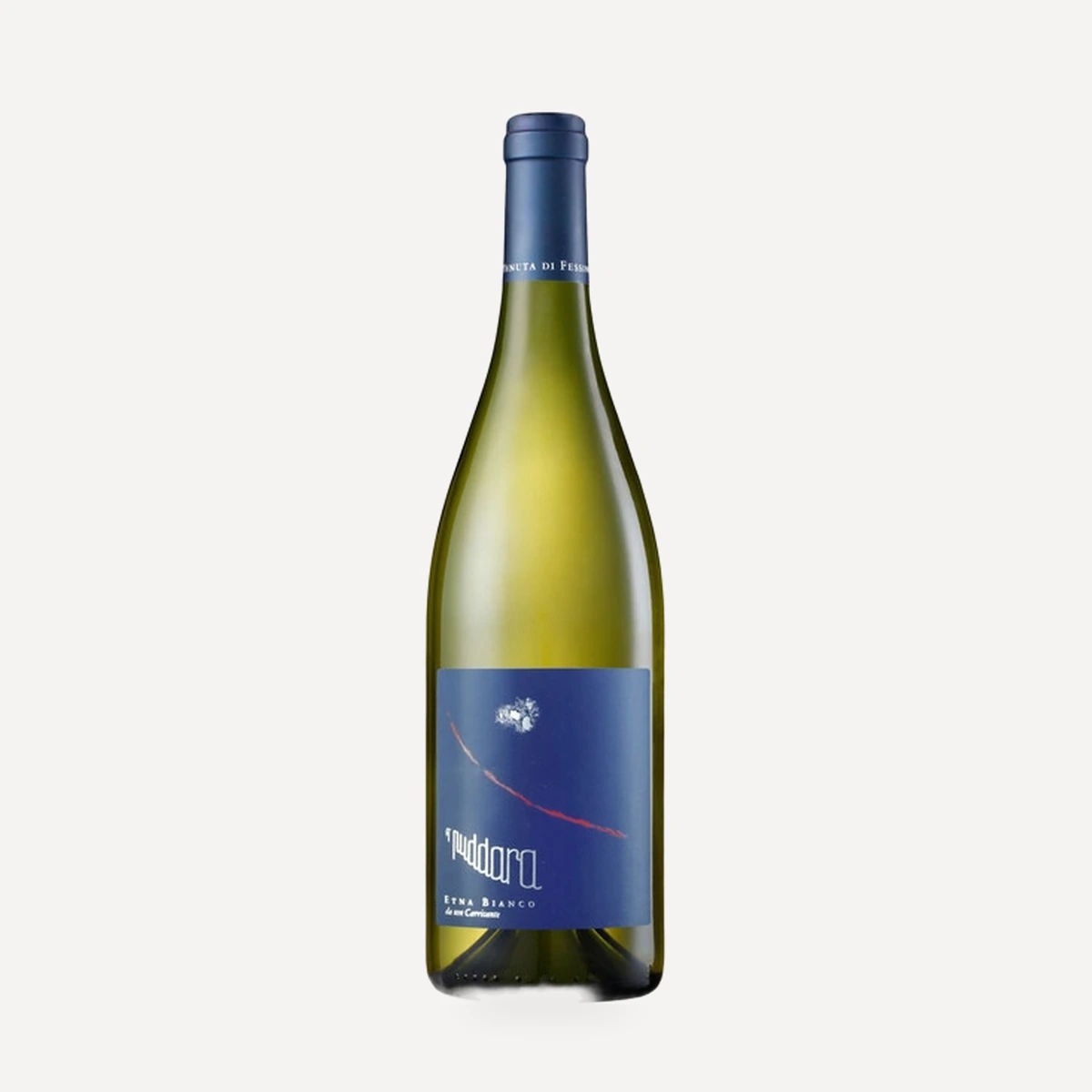
A’Puddara
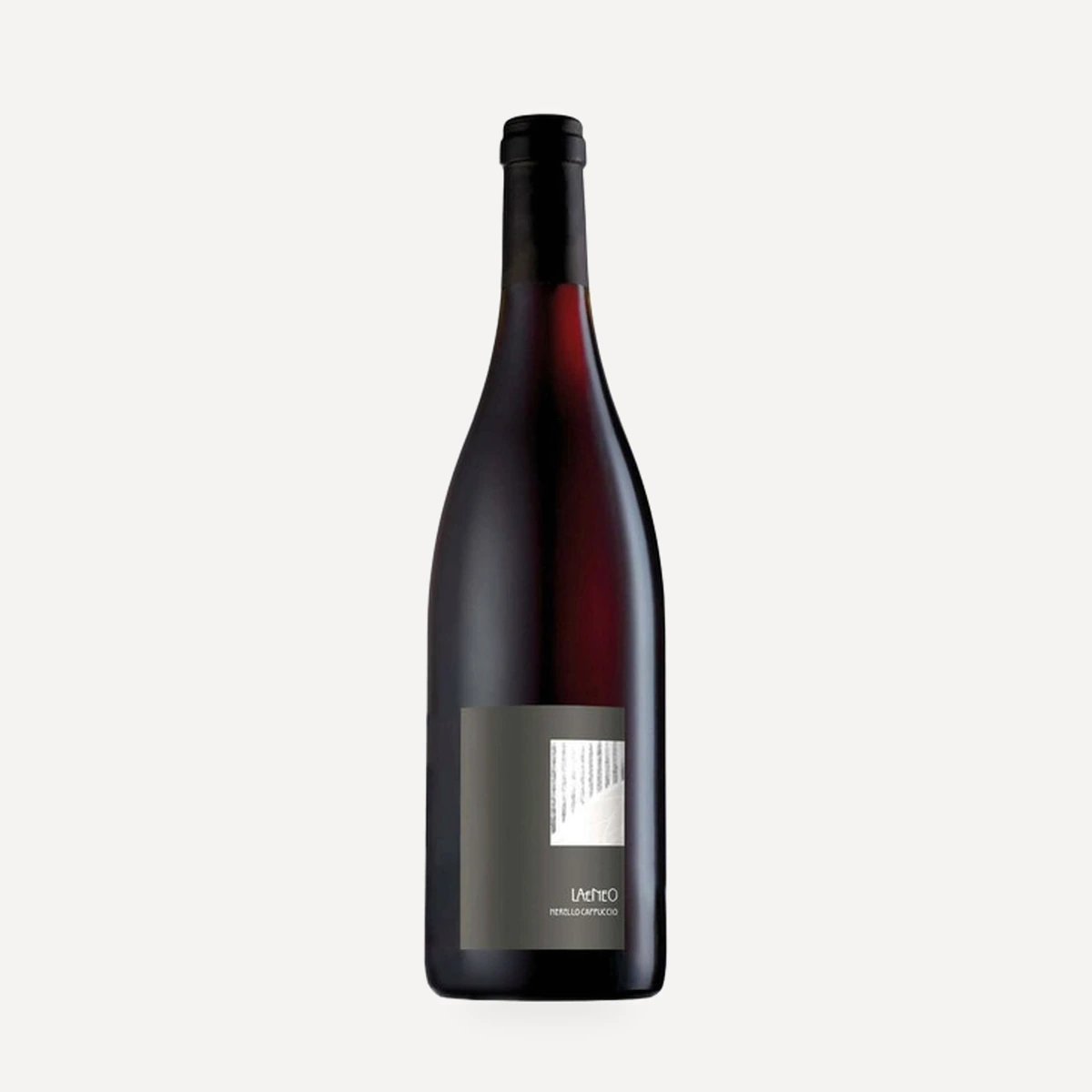
Laeneo