Storia
The Acqui Terme winery
The modern winery building in Acqui Terme dates from the end of the 1990s. Cuvage itself was founded there in 2011 and from the beginning concentrated on sparkling wines made from emblematic Piedmontese varieties, specifically Nebbiolo, Chardonnay and Moscato.
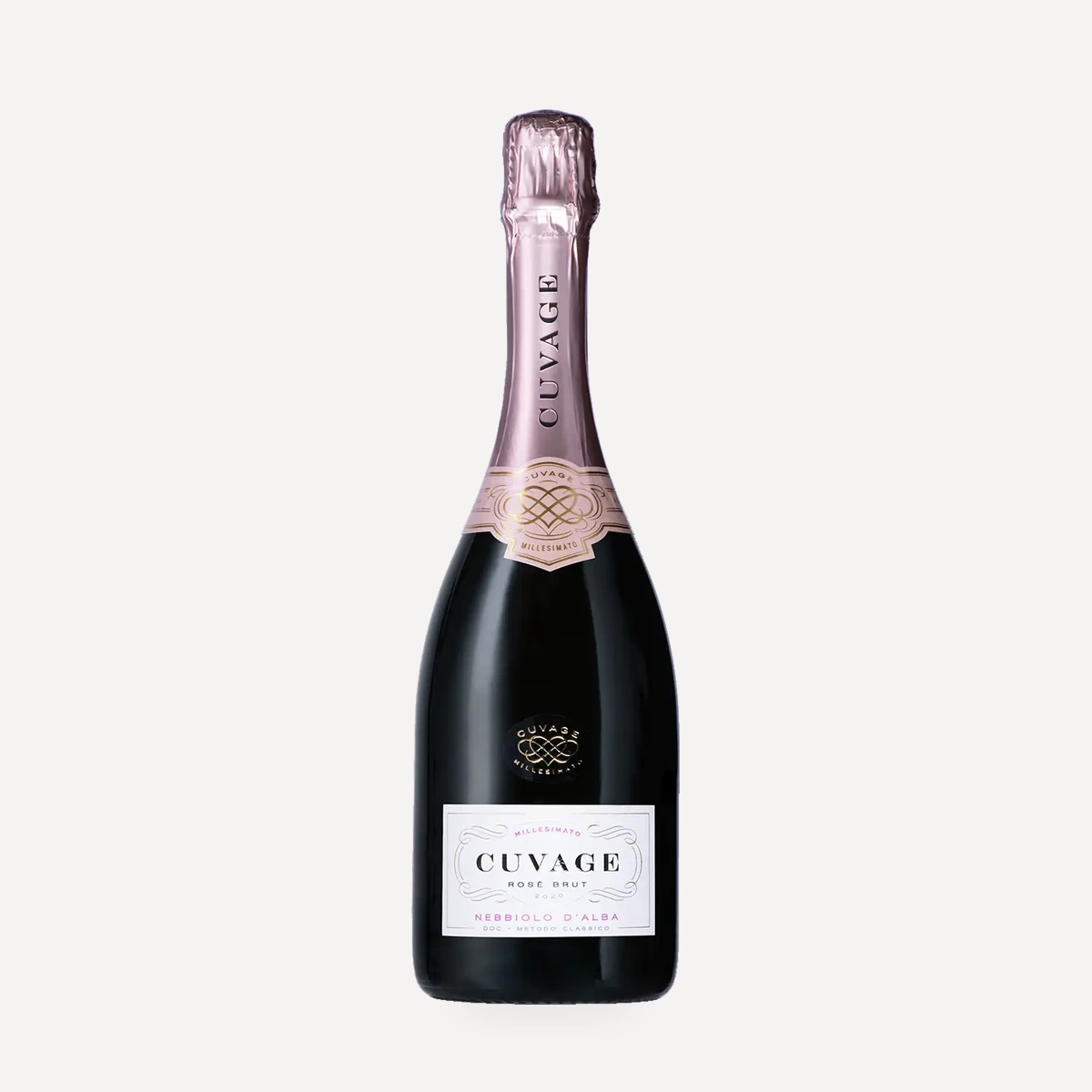
Nebbiolo d’Alba DOC Brut Rosé was the winery’s first creation. It established the use of Nebbiolo for the house’s bottle-fermented sparkling wines, alongside Chardonnay-based and later Pinot Nero–Chardonnay Alta Langa cuvées, Moscato-based Asti DOCG and other blends.
Development of hospitality
In 2020, Cuvage opened the Boutique, a new part of the Acqui Terme premises dedicated to hospitality and wine tourism. Tours were complemented by tastings and workshops introducing visitors to the winery’s sparkling-wine production.
In 2022, the Pavilion opened as a multifunctional venue for business activities, private celebrations and other events.
Terroir
Cuvage works with a selected supply network extending across Piedmont, with the winery itself situated in Acqui Terme among the hills of Alto Monferrato. Langhe, Roero and Monferrato form the wider cultural and viticultural setting; their vineyard landscapes received UNESCO World Heritage status in 2014.
The selected supply chain covers 86 ha. Within it, the sourcing areas vary by grape and appellation:
- Alta Langa grapes come from approximately 6 ha along the hilly ridge between Strevi and Castino, reaching elevations of 450 m. The soils are grey-white calcareous marls with a pronounced limestone component.
- Nebbiolo for the traditional-method rosé comes from approximately 6 ha near the variety’s principal growing area. Calcareous marl predominates, while certain parcels contain more clay.
- Chardonnay for Piemonte DOC Blanc de Blancs comes from hills at elevations above 350 m.
- Moscato is sourced along the ridge running from Alice Bel Colle to Santo Stefano Belbo through the hills of Mombaruzzo, at elevations of 250–400 m.
- White grapes used for the non-appellation-specific Cuvage de Cuvage blend are selected from wine-growing areas across Northern Italy.
Vinificazione
Cuvage’s vineyard model is based on 86 ha of selected supply-chain vineyards rather than a single contiguous estate. The approach is presented as close cooperation with both growers and territory, with detailed attention throughout grape production. The vineyards are selected according to variety, elevation, soil and appellation: Chardonnay and Pinot Nero on the Strevi–Castino ridge, Nebbiolo from calcareous-marl and locally clay-rich sites, Chardonnay above 350 m for Piemonte DOC, and Moscato at 250–400 m between Alice Bel Colle and Santo Stefano Belbo via Mombaruzzo.
The Cuvage Metodo Classico sequence
The chef de cave selects and blends the base wines that will form each cuvée. Tirage follows, with yeast and sugar added to initiate secondary fermentation. Fermentation proceeds slowly in the bottle under controlled temperature and humidity, creating the perlage.
The best cuvées mature with their yeasts in the Cuvage Gallery for at least 24–36 months. Once lees ageing is complete, the bottles undergo remuage: small rotations gradually move the sediment toward the crown cap. During disgorgement, the bottle neck is immersed in freezing liquid so that the sediment can be expelled as a frozen plug when the crown cap is removed.
A liqueur d’expédition made from wines and sugars to the chef de cave’s own recipe may then be added. The bottles subsequently rest in temperature-controlled cellars before release.
Base-wine and maturation protocols
Production varies by cuvée while retaining bottle fermentation as the central method:
- Alta Langa DOCG Brut: whole bunches are gently pressed, and the different must fractions are separated. Cold static settling precedes fermentation at approximately 15°C. The base cuvée spends seven months on its fine lees in stainless steel without malolactic fermentation. Tirage normally takes place in April, when ambient conditions favour the prise de mousse. Lees ageing lasts at least 36 months, followed by disgorgement à la glace. At least six additional months of bottle ageing are recommended.
- Alta Langa DOCG Riserva Pas Dosé: whole bunches are softly pressed into separate must fractions. Cold static settling and light clarification are followed by inoculation with selected yeasts. The cuvée matures for seven months with its yeasts in steel, without malolactic fermentation. April tirage precedes at least 36 months on the lees and disgorgement à la glace. The wine then rests in bottle for at least three months before release.
- Nebbiolo d’Alba DOC Brut Rosé: whole bunches are pressed gently over a controlled period, allowing brief skin maceration to create the rosé colour. The first alcoholic fermentation proceeds slowly at approximately 15°C. Secondary fermentation begins in April under naturally cool, stable conditions, constant humidity and complete darkness. Lees ageing lasts at least 24 months, followed by disgorgement à la glace; at least six further months in bottle are recommended.
- Blanc de Blancs Piemonte DOC Brut: gentle pressing is followed by cold static settling. The first fermentation proceeds slowly for four weeks at 14–16°C in small temperature-controlled steel tanks. Secondary fermentation in bottle lasts 60 days at a constant 13–14°C under controlled light and humidity. The wine remains on the lees for at least 18 months and is disgorged à la glace after that minimum period.
- Cuvage de Cuvage Brut: gently pressed must ferments at low temperature in stainless steel to make the base wine. Tirage takes place in spring, followed by four weeks of low-temperature bottle fermentation. Lees ageing lasts at least 24 months before disgorgement à la glace.
- Asti DOCG Millesimato: pressing and cold static settling are followed by selected-yeast inoculation and fermentation to 5.5% alcohol. The cuvée matures for seven months with its yeasts in stainless steel, followed by at least 18 months on the lees and at least six months of bottle maturation.
Filosofia
Cuvage presents its identity through time, patience and the willingness to wait for transformation in the bottle. It treats perlage as the point at which the character of the terroir becomes visible and compares every bottle to a snowflake, emphasizing the individuality of each one.
Its stated production philosophy joins tradition with innovation. The objective is to interpret Piedmont’s emblematic varieties and terroirs in a modern, contemporary form while retaining the precision and extended maturation required by Metodo Classico. Care is applied from grape handling through bottle refermentation and lees ageing, with complexity, finesse and aromatic definition identified as the intended results.
The territorial approach is collaborative rather than limited to one estate: selected growers and vineyard areas form an 86 ha supply network designed around the most suitable production zones for Nebbiolo, Chardonnay, Pinot Nero and Moscato.
Vini
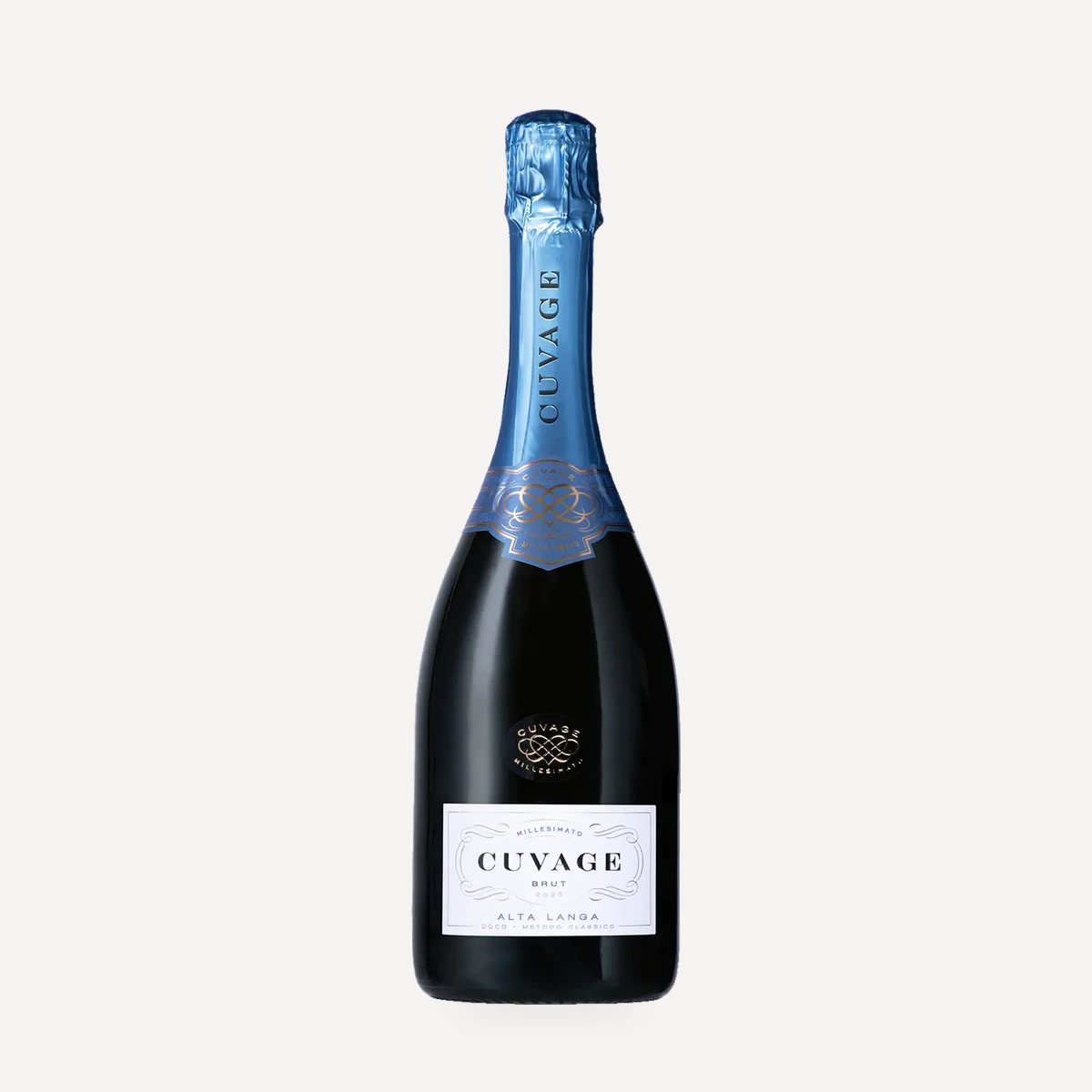
Alta Langa DOCG Brut Metodo Classico
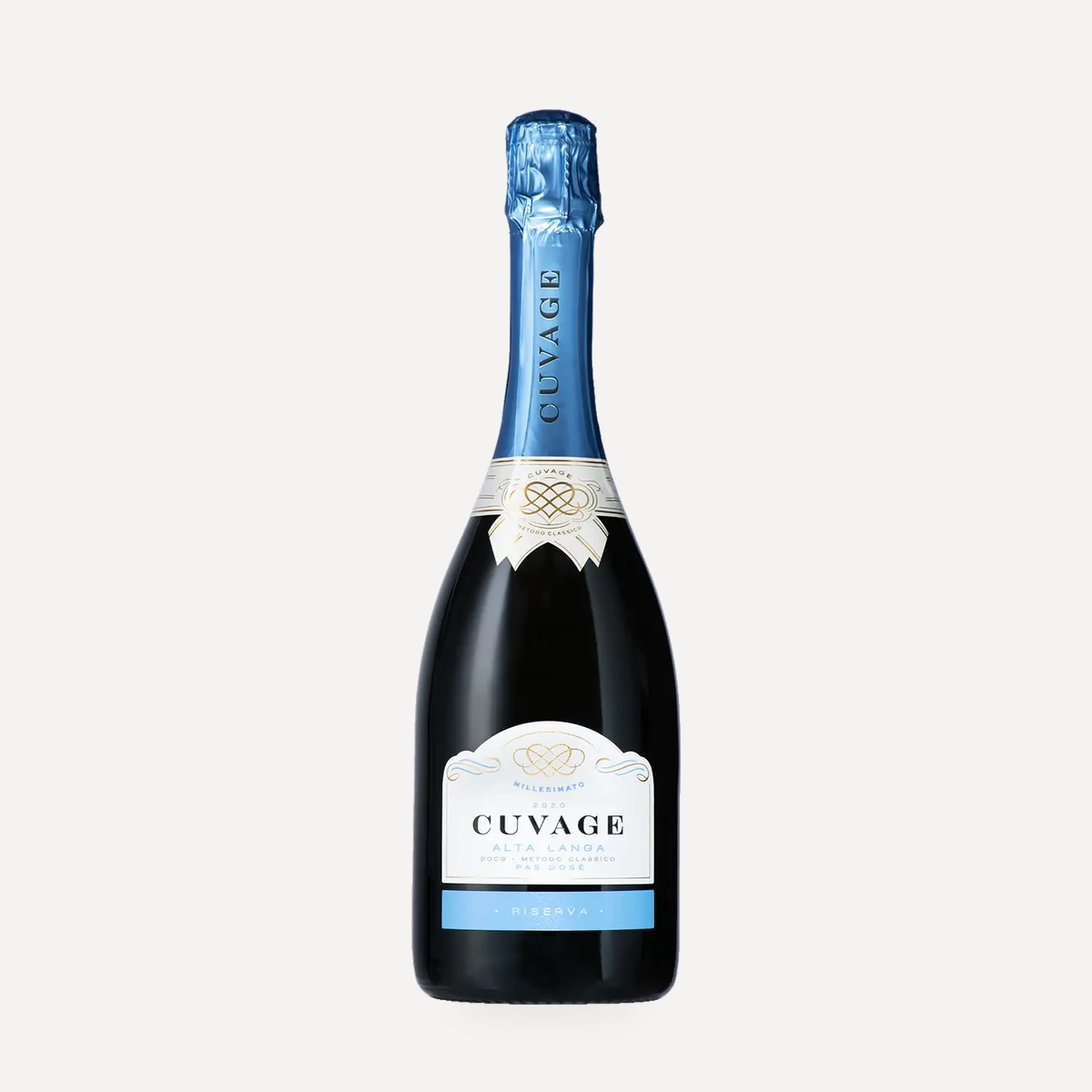
Alta Langa DOCG Riserva Pas Dosé Metodo Classico
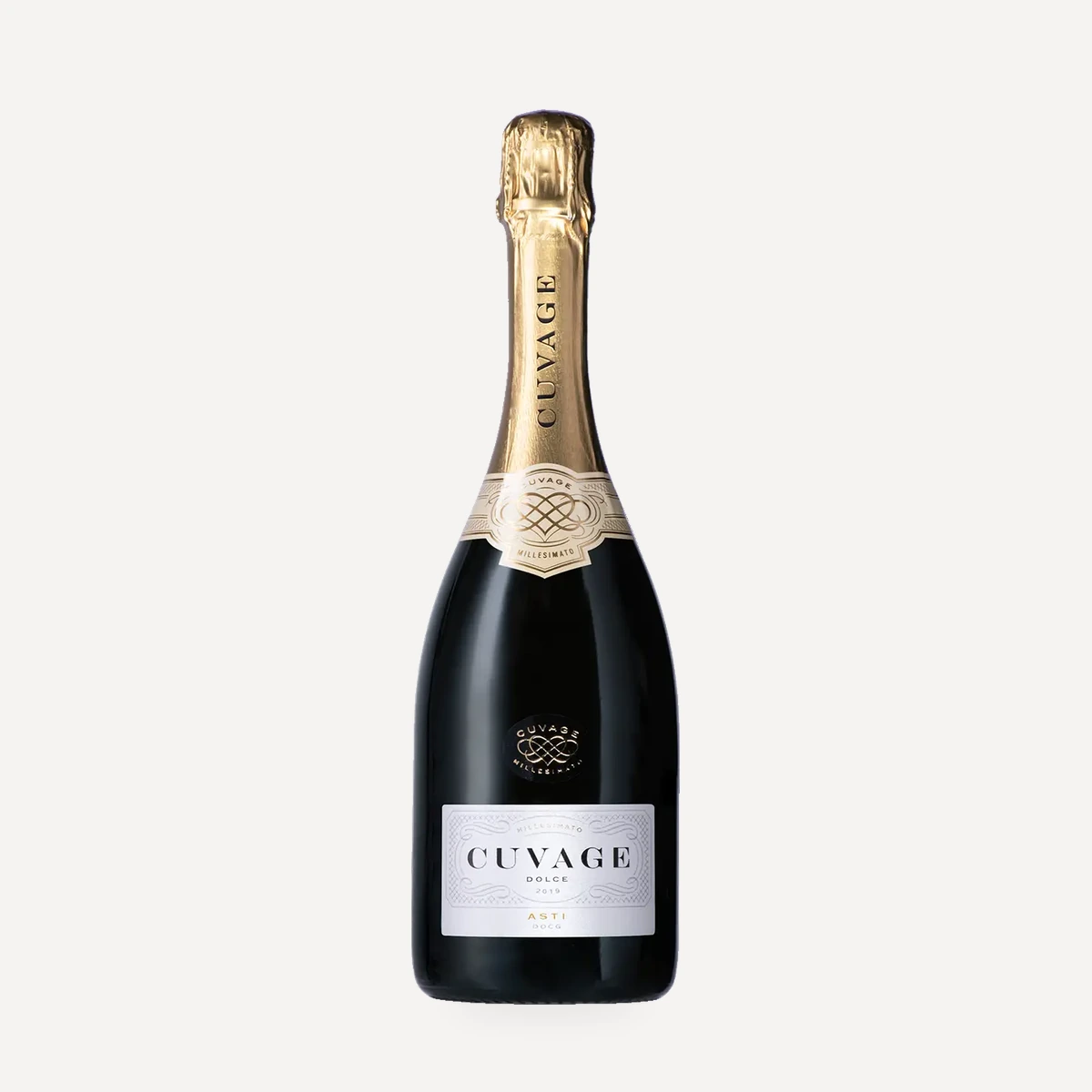
Asti DOCG Millesimato
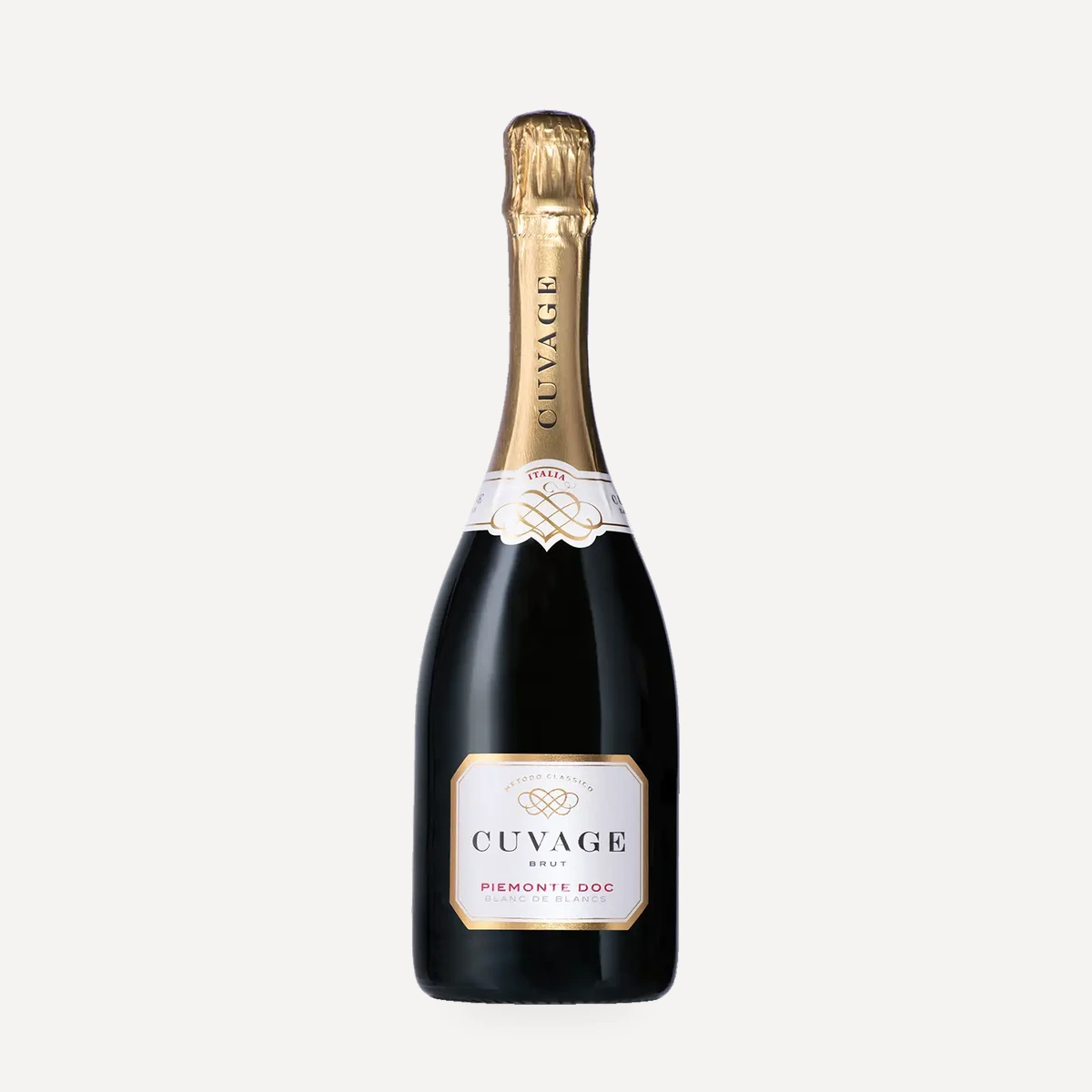
Blanc de Blancs Piemonte DOC Brut Metodo Classico
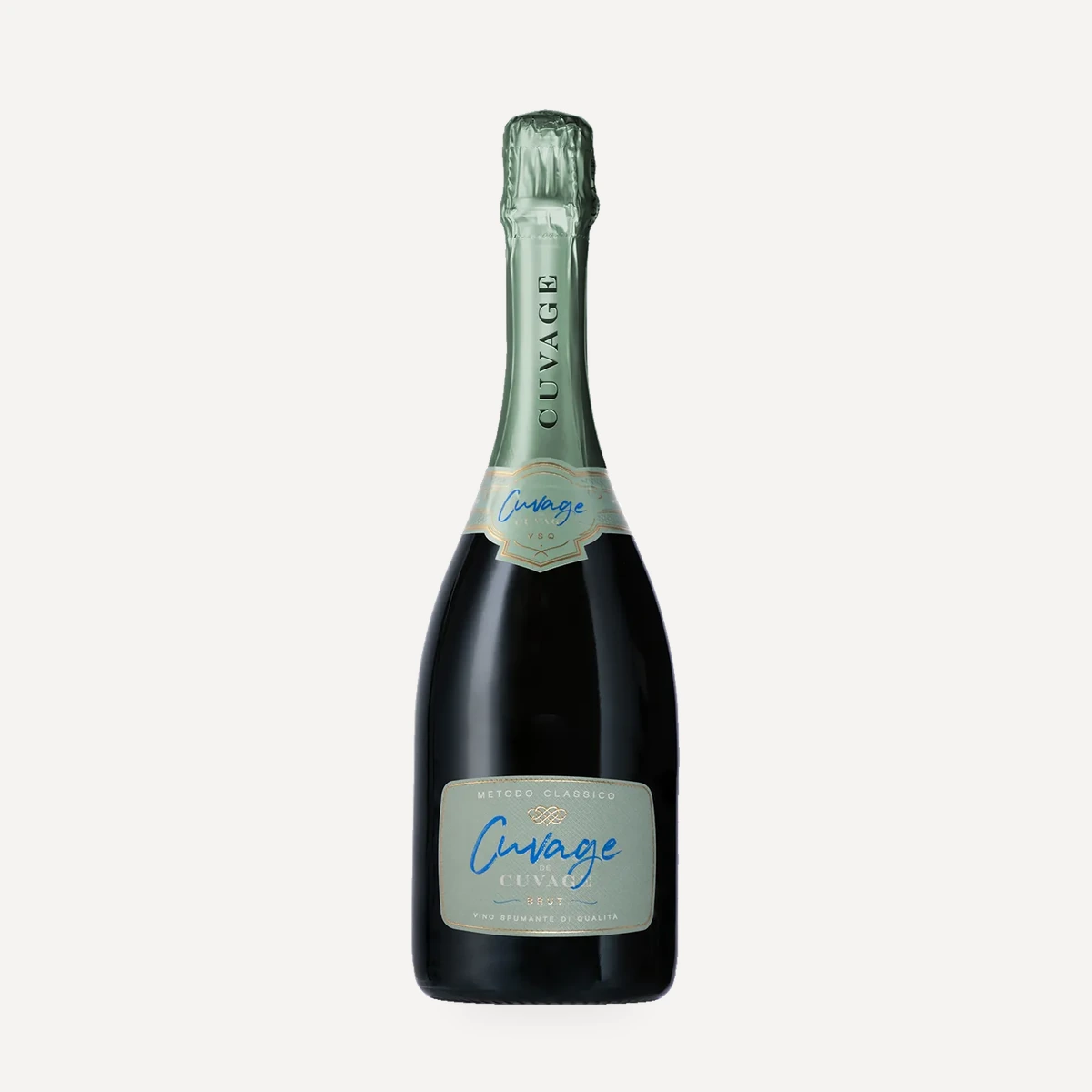
Cuvage de Cuvage Brut Metodo Classico