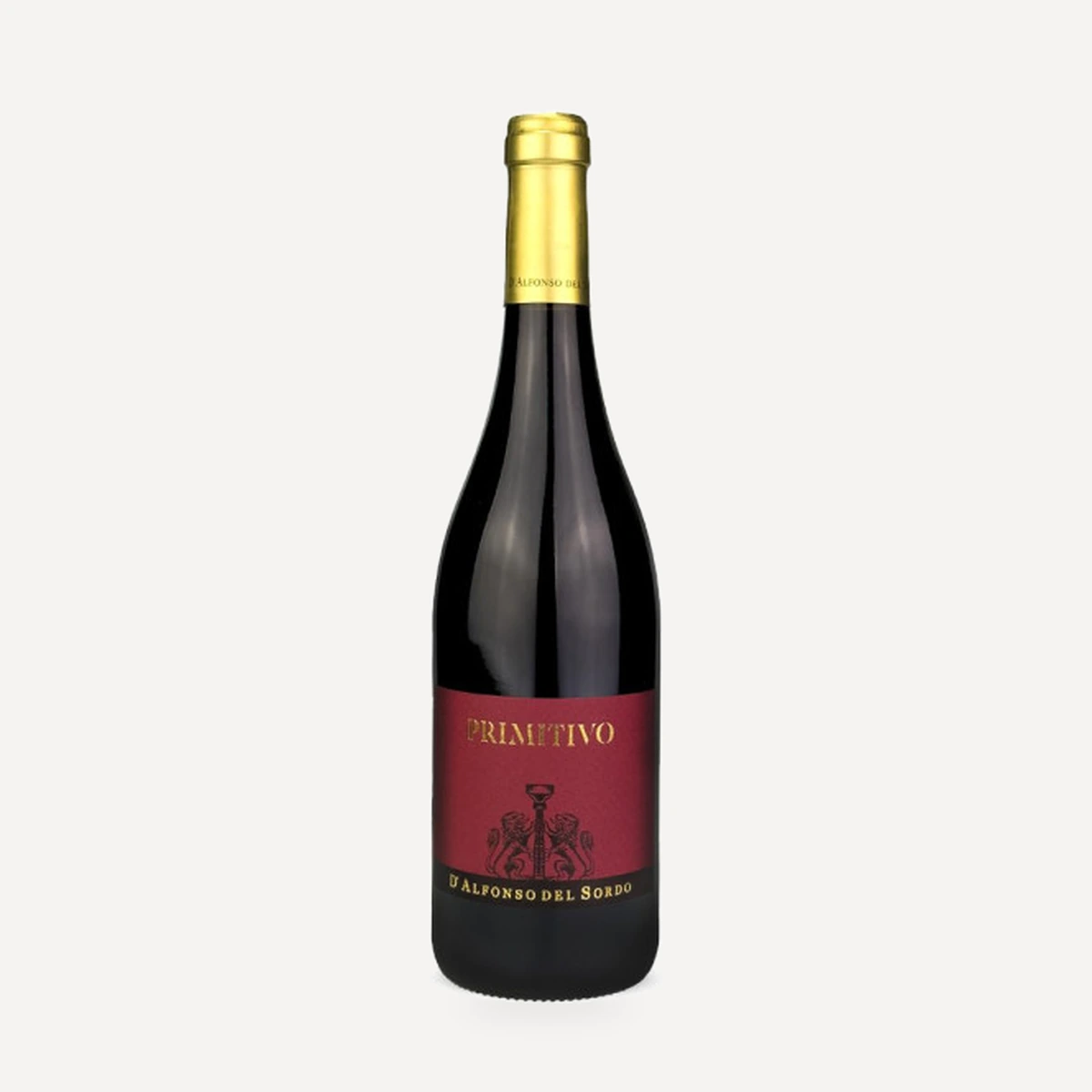
Storia
Family origins
The family's viticultural tradition reaches back to 1800. Baron Antonio del Sordo devoted part of his properties in the territories of San Severo and Lucera to vines. At the same time, Ludovico D’Alfonso was a committed winegrower who selected the best fruit from his vineyards and vinified it in the cellar beneath his home. The house presents itself as having been active as winegrowers since 1860.
The creation of the D’Alfonso del Sordo family
At the beginning of the twentieth century, Giovanni del Sordo—Antonio del Sordo’s son—had no descendants. To preserve the family line, he adopted Felice D’Alfonso, the son of Ludovico D’Alfonso. The adoption joined the two names and gave rise to the D’Alfonso del Sordo family.
Expansion and the move to Coppanetta
In the second half of the twentieth century, Felice’s eldest son, Antonio D’Alfonso del Sordo, formed a company and laid the foundations for the family business’s commercial expansion. He commissioned a substantial winery within the family estates and transferred winemaking, maturation and bottling from the traditional cellars in central San Severo to Tenuta Coppanetta in Contrada Sant’Antonino da Piede.
Montero was among the first labels commercialized by the company during the 1960s. In 1973, important Coppanetta vineyards were planted, including a rare, small-berried and intensely aromatic Nero di Troia clone trained to the traditional tendone pugliese system at approximately 1,800 vines per hectare. Toward the end of the 1970s, Antonio made a determined effort to secure this particular clone.
Gianfelice and Celeste
Antonio died prematurely in an airplane accident in 1993. Management passed to Gianfelice D’Alfonso del Sordo, who continued the family enterprise with his wife, Celeste. They invested in introducing the wines to foreign markets where the brand had not previously been represented. Work with the oenologists Severino Garofano and Luigi Moio strengthened the quality focus and placed particular emphasis on Bombino Bianco and Nero di Troia, two varieties associated with northern Puglia.
Research into Nero di Troia
In 2001, the company and Professor Luigi Moio began a program intended to demonstrate the potential of Nero di Troia as a varietal wine. The variety had previously been largely neglected and, in the relatively few existing examples, was generally blended with grapes such as Montepulciano or Sangiovese to provide structure. Experimental vinifications showed that Nero di Troia could perform successfully on its own.
In February 2002, Gianfelice entered into an agreement with the University of Foggia to encourage researchers in its Faculty of Agriculture to evaluate and study Nero di Troia. This program contributed to the estate’s first pure Nero di Troia bottling and formed part of a wider revival that subsequently saw many producers dedicate wines to the variety.
Recovery of Moscato Garganico
The family’s continuing search for local varieties also led it to a white Moscato associated with the Gargano promontory during the nineteenth century. Historical accounts presented by the estate identify Moscato Garganico as a wine appreciated by Ferdinando IV di Borbone. With the knowledge of an elderly winegrower, two vineyards of the variety were established on calcareous ground at Coppanetta. The vineyard specifications record a 2003 planting, while the accompanying narrative dates the establishment initiative to 2004.
Terroir
The holdings lie in the countryside of San Severo, at the foot of the Gargano promontory.
Tenuta Coppanetta
Coppanetta is the production center and principal estate. Its vineyards are generally described as facing north at approximately 80 metres above sea level on clay-limestone soils. Individual blocks used for estate wines are recorded at approximately 50 metres, with north-west exposure and clay-calcareous ground, showing variation within the property. Some Coppanetta vines are more than 40 years old.
Tenuta Cotinone
Cotinone lies a few kilometres from Coppanetta in a semi-flat area. Its vineyards stand at approximately 120 metres above sea level, face north-west and grow in soils composed of clay, sand and limestone.
Vinificazione
The vineyards supply all grapes processed by the winery. Some Coppanetta vines are more than 40 years old, and the estate preserves older plant material including the rare, small-berried Nero di Troia clone planted in 1973.
For red-wine production, harvesting is entirely manual. Picking and handling are carefully controlled to preserve berry integrity before destemming. The vineyard material describes both the traditional tendone pugliese system at approximately 1,800 vines per hectare and Guyot-trained Moscato at 3,000 vines per hectare.
Winemaking, maturation and bottling take place at Tenuta Coppanetta, among the vineyards and away from urban traffic. The production center includes a dedicated vinification cellar and separate bottling facilities.
White grapes undergo gentle pressing. Fermentation takes place at controlled temperature in temperature-conditioned stainless-steel tanks with selected yeasts.
Red grapes are harvested by hand and handled carefully to keep the berries intact. They are then destemmed and undergo extended maceration, with duration adjusted to the grape type.
The underground area beneath the bottling cellar is reserved for maturation and contains oak casks and barriques. An internal laboratory conducts daily analysis throughout preparation, from vinification and maturation through bottling.
Filosofia
The family’s guiding idea is that the work of earlier generations and their commitment to wine must not be forgotten. Continuity is expressed through the preservation of family vineyards, the transfer of production to the heart of the estate and the retention of older plant material.
The contemporary approach combines this inheritance with modern cellar technology and formal research. Particular attention has been devoted to demonstrating the standalone potential of Nero di Troia and to developing Bombino Bianco, rather than allowing these northern Puglian varieties to remain overlooked. The recovery of Moscato associated with the Gargano promontory follows the same interest in local vine heritage.
Gianfelice D’Alfonso del Sordo also describes female participation as a longstanding qualitative element of the business. Company practices include flexible hours and measures intended to accommodate maternity, family responsibilities and personal time. Women account for 50% of the corporate structure, with three further women in administrative roles, while Celeste assists Gianfelice in several areas.
Hospitality is conceived as another way to present Capitanata, its vineyards and its wines, linking cellar visits with the promotion of the surrounding territory.
Vini
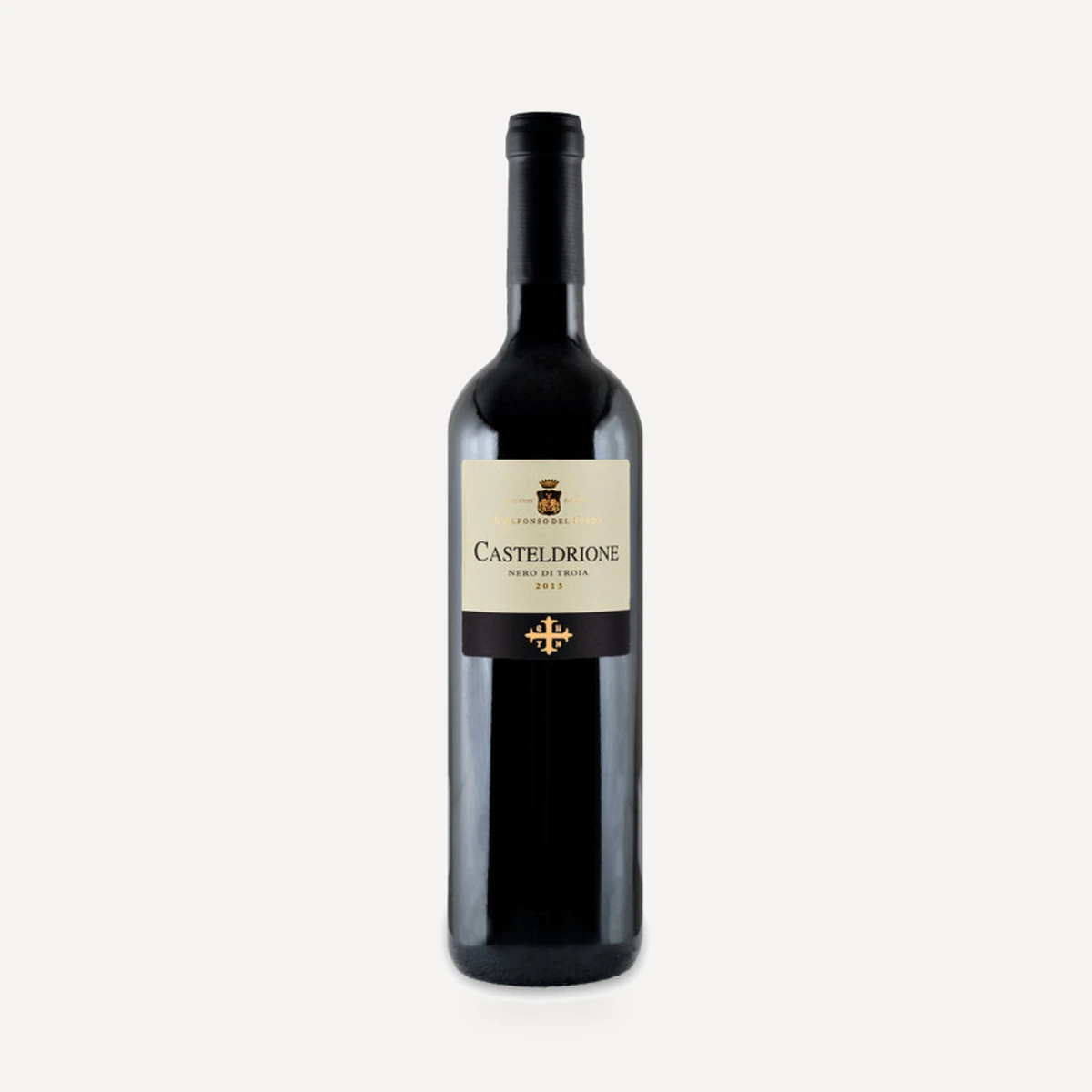
Casteldrione Puglia I.G.T. Rosso
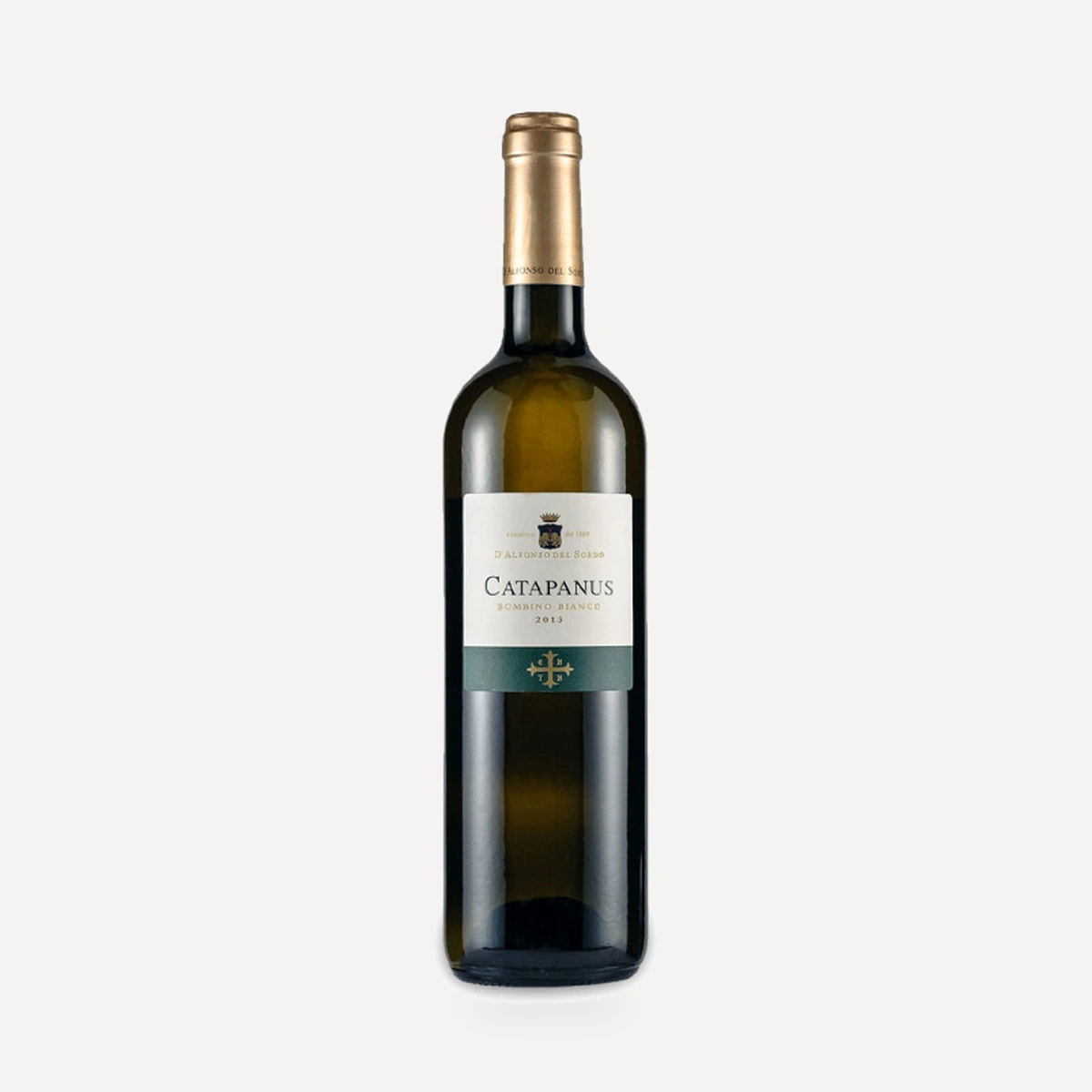
Catapanus Puglia I.G.T. Bianco
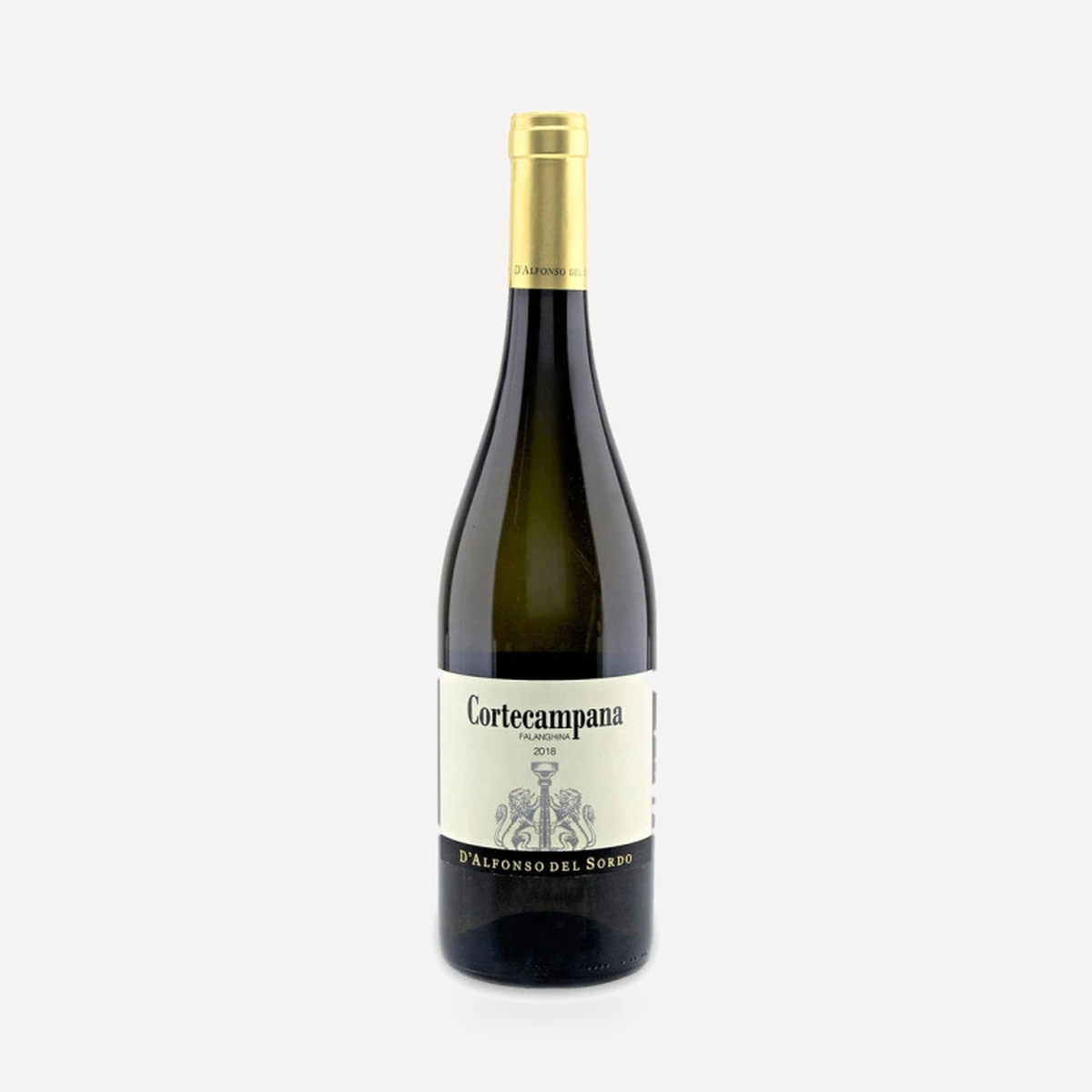
Cortecampana Puglia I.G.P. Bianco
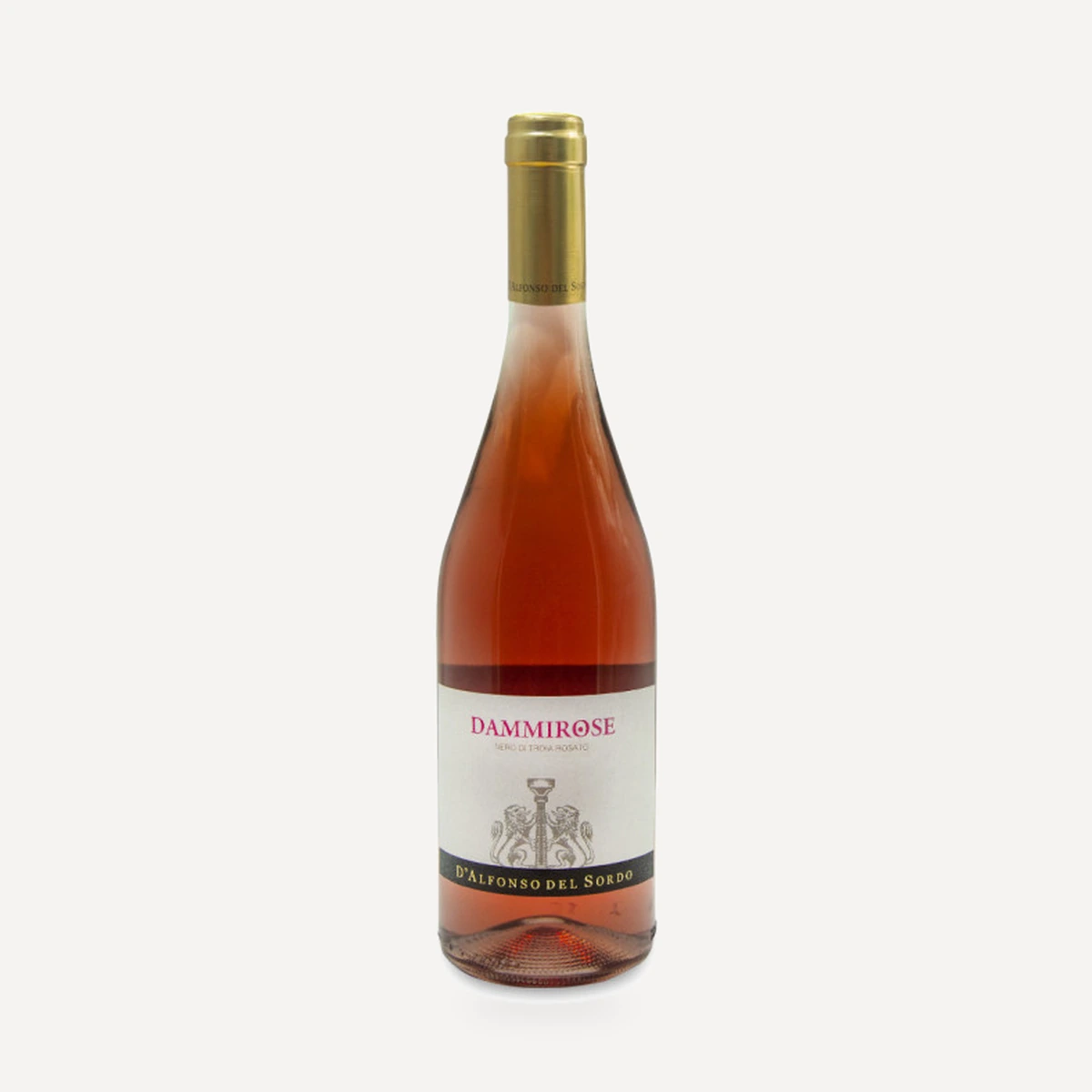
Dammirose Puglia I.G.P. Rosato
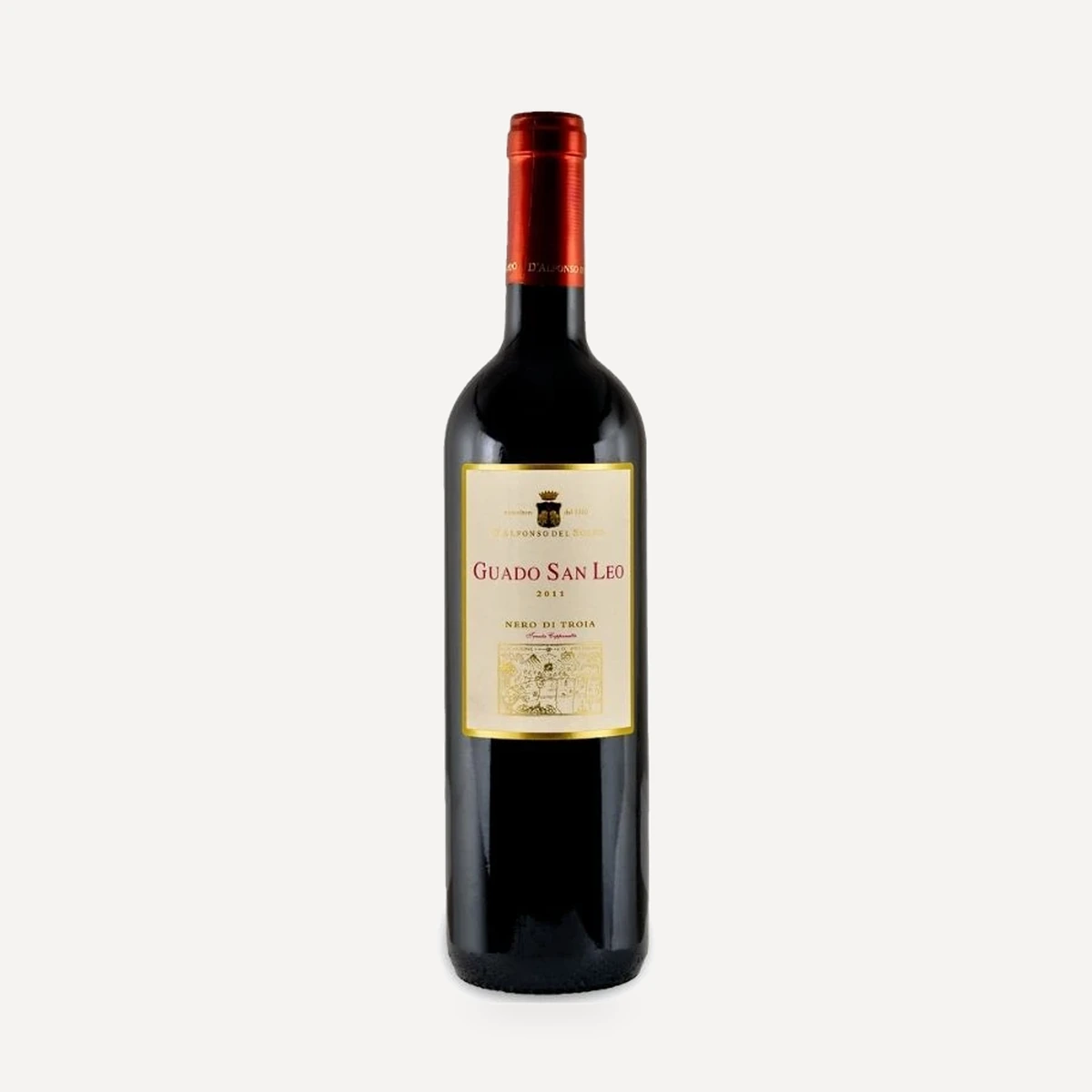
Guado San Leo Puglia I.G.P. Rosso
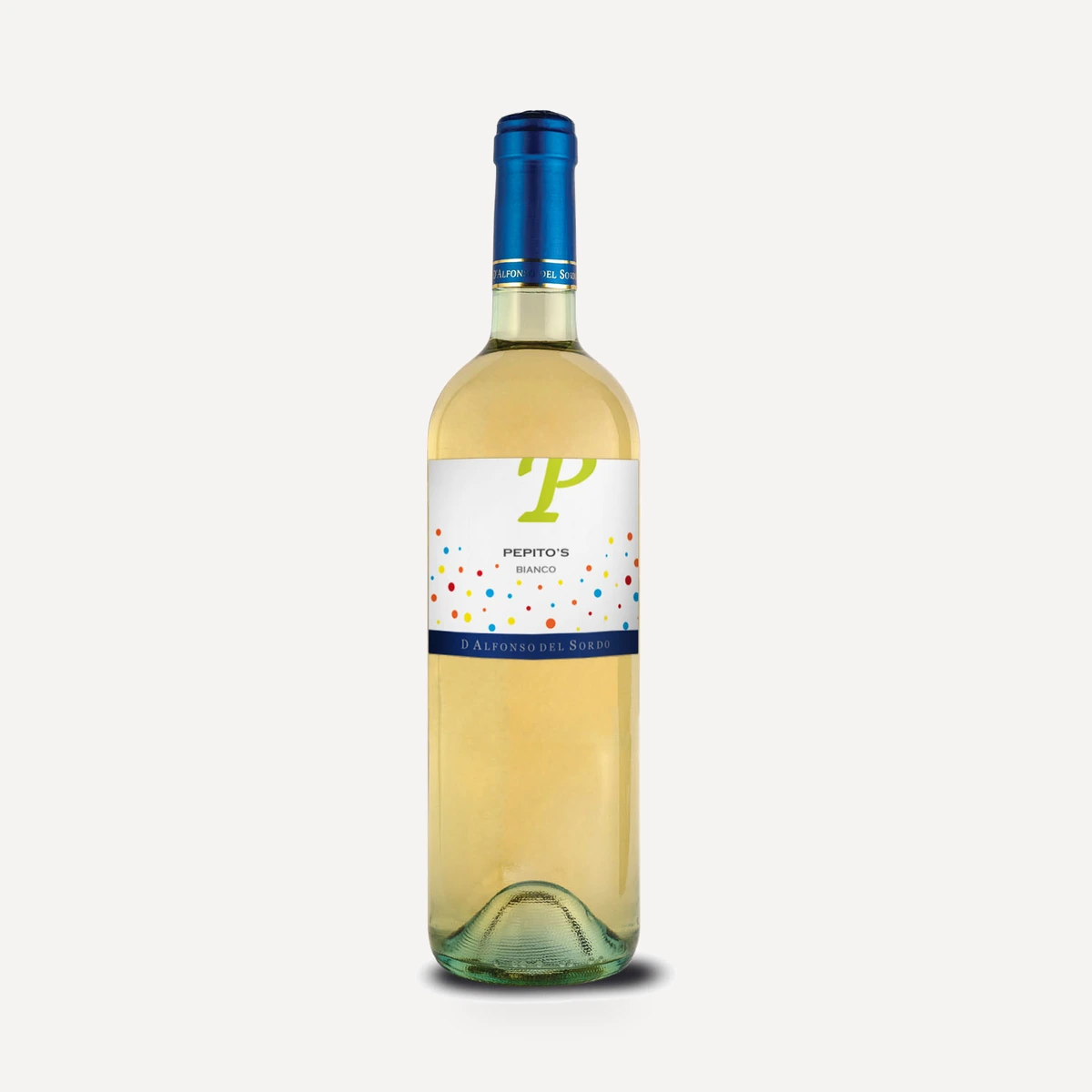
Pepito’s Puglia I.G.T. Bianco