Storia
1860: Gioacchino De Forville establishes the family’s connection with Barbaresco
Gioacchino De Forville, whose family was of Walloon origin, founded the business in 1860. He established the family’s relationship with the local territory and immediately recognised the potential of Nebbiolo. Working alongside other producers, he followed the direction promoted by Domizio Cavazza, professor at the Royal Oenological School of Alba, and participated in efforts to defend and promote wine quality.
The family committed itself to Barbaresco and built its winery in the centre of the village, near the tower, on the hill overlooking the valley and the River Tanaro.
1899: an early step towards protecting Barolo and Barbaresco
In 1899, a bill entitled Per la salvaguardia dei veri vini Barolo e Barbaresco—“For the safeguard of the true Barolo and Barbaresco wines”—was presented to the Italian Parliament. This initiative represented an early step towards formal recognition of the two wines. During this period, the De Forville family consolidated its association with Nebbiolo, Barbaresco wine and the village where its winery was established.
The succeeding De Forville generations
Vincenzo, Paolo and Mafalda continued Gioacchino’s work through the subsequent generations. The family line then became connected with the Anfosso family when Bruno Anfosso married Mafalda.
The fifth generation
Mafalda and Bruno Anfosso’s sons, Paolo and Valter Anfosso, represent the fifth and current generation. They jointly direct the family business, continuing a history centred on Barbaresco, grape quality and the protection of the territory’s identity.
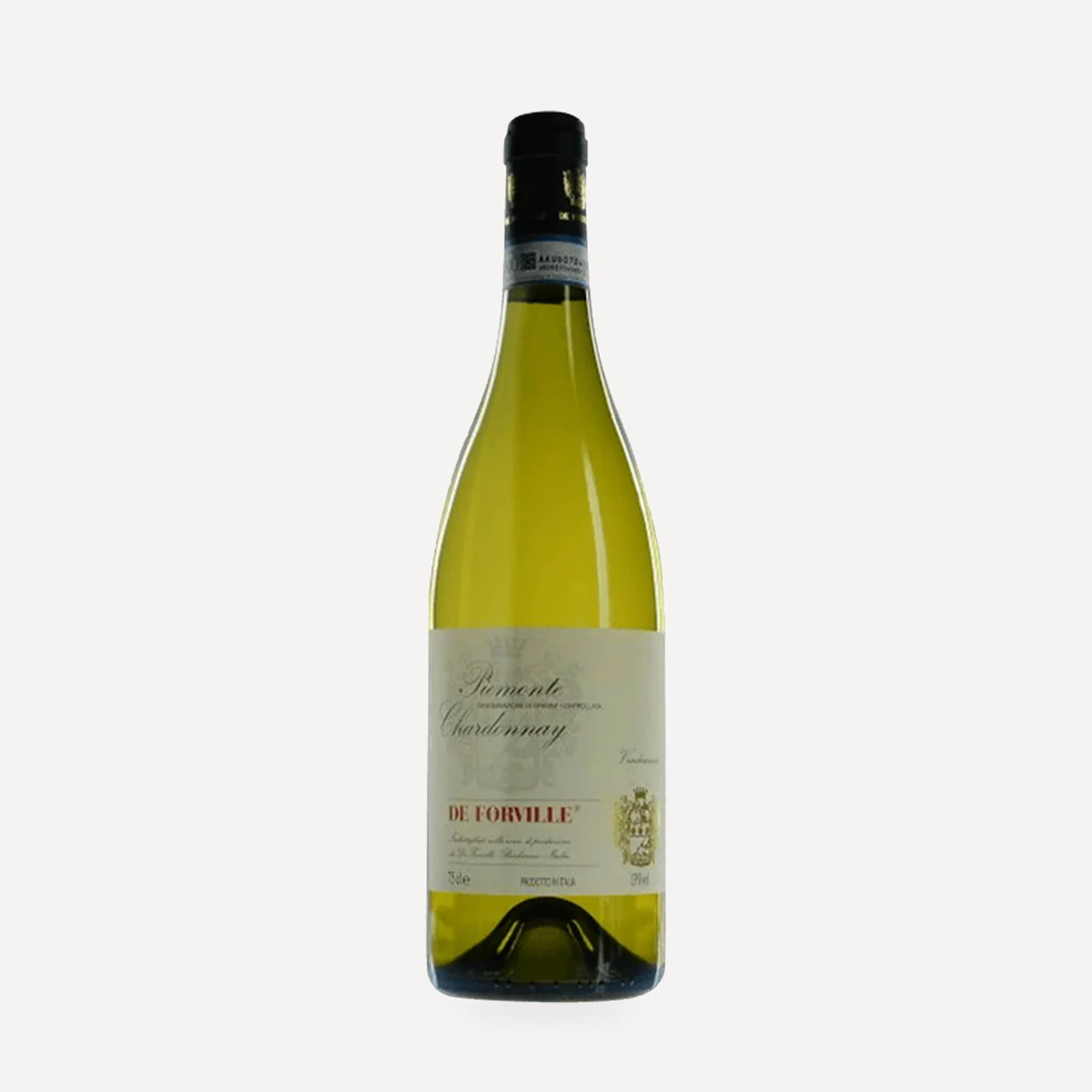
Under Paolo and Valter, the business has remained family-run. Its wines are made from vineyards on the hills of Barbaresco—principally associated with Nebbiolo and Dolcetto—and Castagnole Lanze, where Barbera, Moscato and Chardonnay are cultivated. The range has also expanded to include Langhe Nebbiolo, Nebbiolo d’Alba, Barbera d’Alba, Langhe Arneis and Piemonte Chardonnay.
Development of the winery
The winery in central Barbaresco has been modified and enlarged several times as production and cellar activity grew. Its present configuration combines historic surroundings with modern production support. It contains dedicated ageing, stock and storage areas, all maintained under temperature control. Stainless steel is used for fermentation and for the maturation of wines intended for earlier consumption, while Barbaresco, Nebbiolo and Barbera mature in wooden casks or barrels.
Terroir
Barbaresco
De Forville’s Barbaresco vineyards occupy hills within the Langa landscape. Their soils are rich in clay marl formed approximately 40 million years ago. The ancient Padan Sea left fossils and mineral deposits in these soils; these mineral components contribute to the character and aromas of the grapes and support wines with substantial structure.
The local climate is continental. Summers are warm, winters are cold and snowy, and spring and autumn are comparatively mild. Localised air currents and seasonal haze are additional elements of the vineyard environment. The combination of soils and microclimate is associated with structured Nebbiolo, balanced tannins and harmonious Dolcetto.
Loreto, Ovello and Cavanna are the three named Barbaresco sites. All have south-western exposure. Loreto contains vines averaging approximately 25 years of age, while the vines in Ovello and Cavanna are approximately 40 years old.
Castagnole Lanze
The soils around Castagnole Lanze range from clay-rich to sandier compositions. The vineyards supply Moscato and Chardonnay suited to fresh, aromatic expressions, as well as Barbera in which acidity retains balance. The family-owned Cascina Buc farm is located here.
Other vineyard locations
Chardonnay is also cultivated in Coazzolo. Nebbiolo vineyards used beyond the principal Barbaresco crus occupy a broader area around the boundary between the Barolo and Barbaresco districts. Arneis is cultivated for the Langhe DOC Arneis bottling.
Vinificazione
Work in the vineyards is directed towards preserving the grapes’ natural characteristics. Paolo and Valter associate quality and ageing capacity with careful vineyard work and respect for nature. This approach is applied across approximately 11 hectares in and around Barbaresco and Castagnole Lanze, including the named Loreto, Ovello and Cavanna sites and the family-owned Cascina Buc farm.
Varieties are matched to their respective vineyard environments: Nebbiolo and Dolcetto occupy the marl-rich Barbaresco hills; Barbera, Moscato and Chardonnay are cultivated in the clay-to-sand soils around Castagnole Lanze; Chardonnay is also grown in Coazzolo; and Arneis is cultivated for the Langhe DOC range.
The winery stands in the centre of Barbaresco, near the village tower, on a hill overlooking the valley and the River Tanaro. It has been altered and expanded repeatedly in step with growth in production and cellar work.
After pressing, wines are fermented in stainless-steel tanks. Wines intended for earlier consumption continue their maturation in stainless steel, while Barbaresco, Nebbiolo and Barbera mature in wooden casks or barrels. The facility includes separate areas for ageing, stock and storage, with temperature control throughout each area.
The cellar approach joins established practices with technological support. Its objective is to preserve the grapes’ natural qualities while adapting vessel and maturation choices to the character and intended development of each wine.
Filosofia
Paolo and Valter Anfosso describe wine as more than a beverage: for them, it is an expression of a territory that must be protected and introduced to people who value its traditions. They seek wines with individual personality, built on careful work in the vineyard, respect for nature and grapes capable of producing quality wines with ageing potential.
Their approach treats tradition and technology as complementary. Established practices provide continuity with the methods that shaped Barbaresco, while technological innovation supports production and helps retain the grapes’ natural characteristics. Grape quality, family history and attachment to place remain central to the family-run business, which presents its work as being carried out with personal commitment and feeling.
Vini
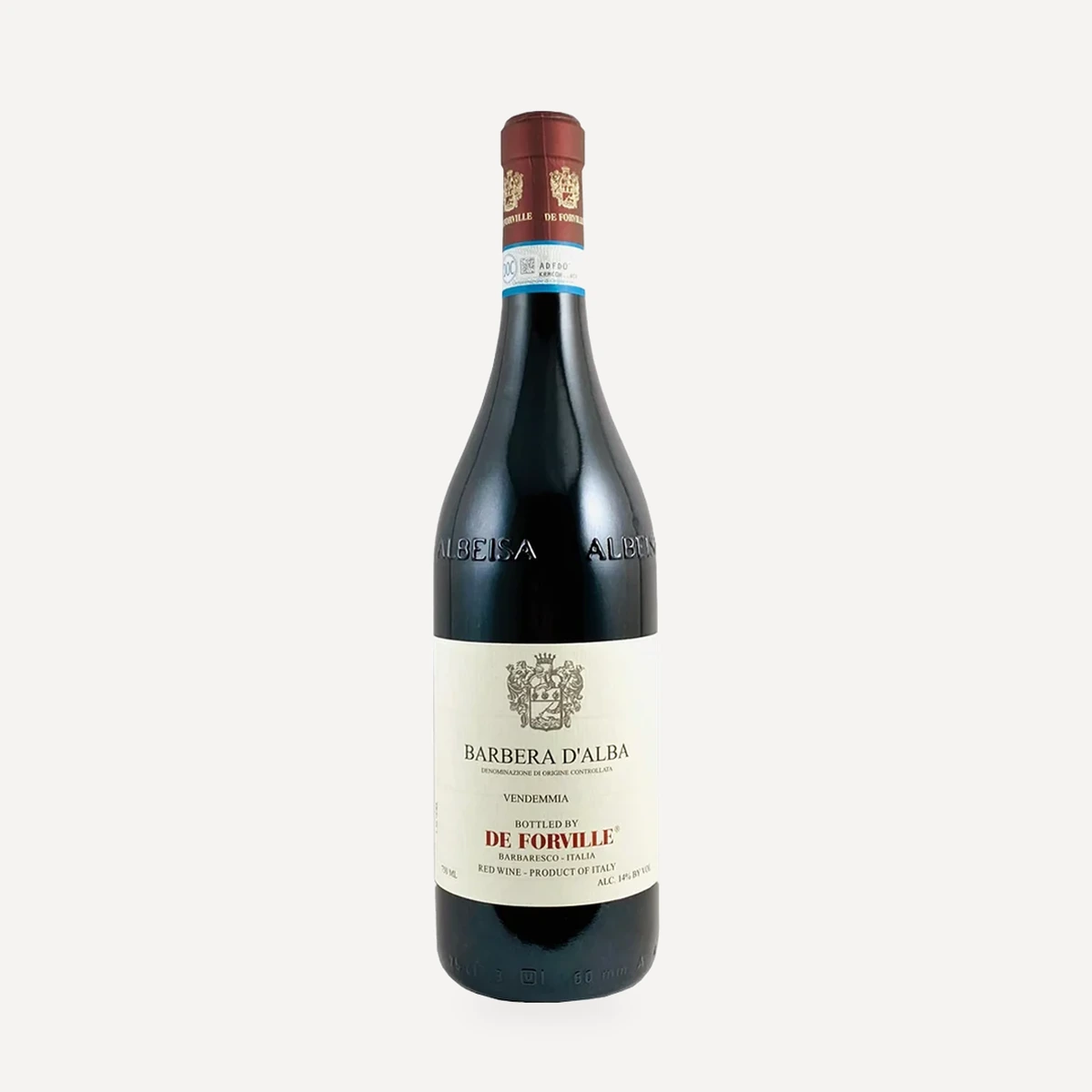
Barbera d'Alba D.O.C.
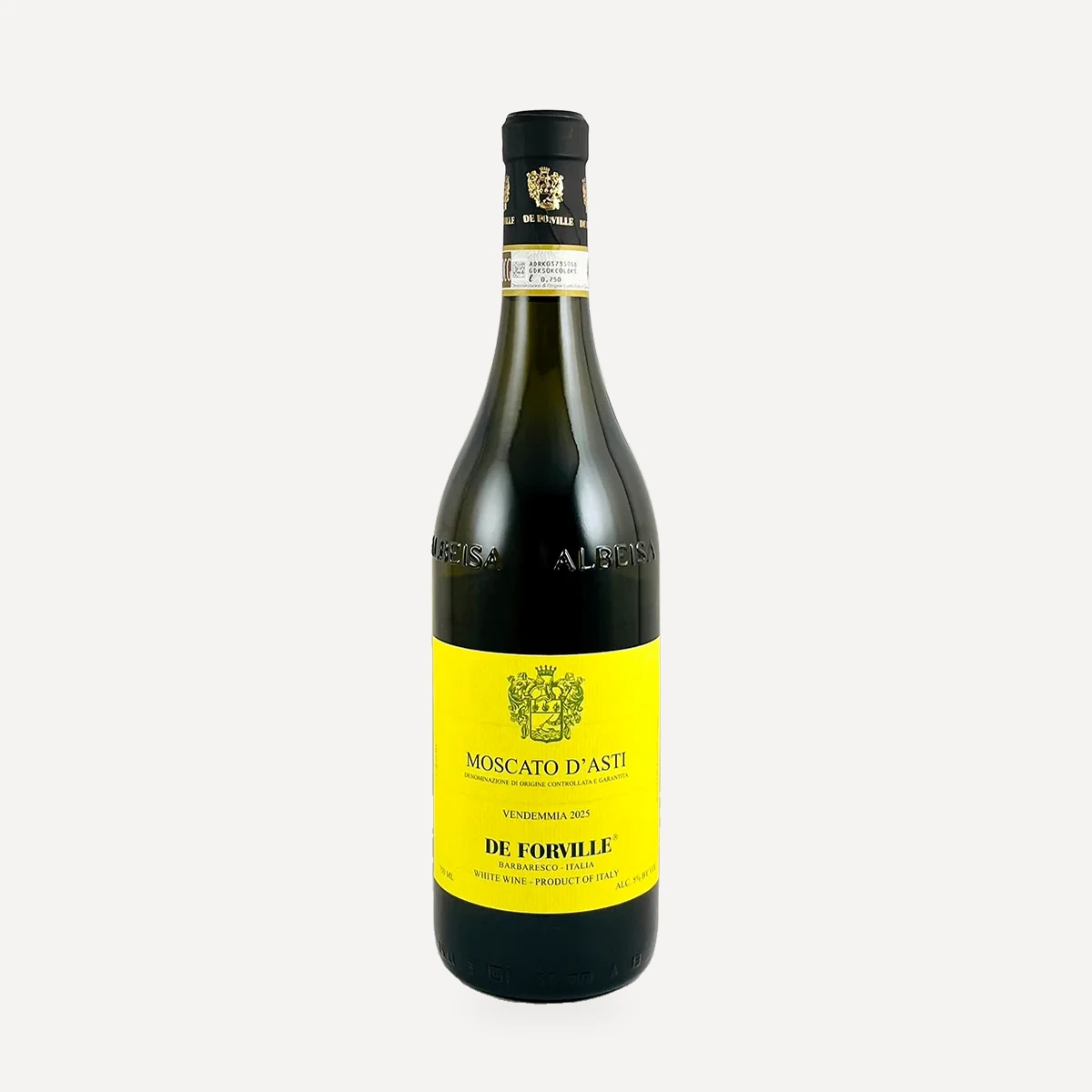
Moscato d'Asti
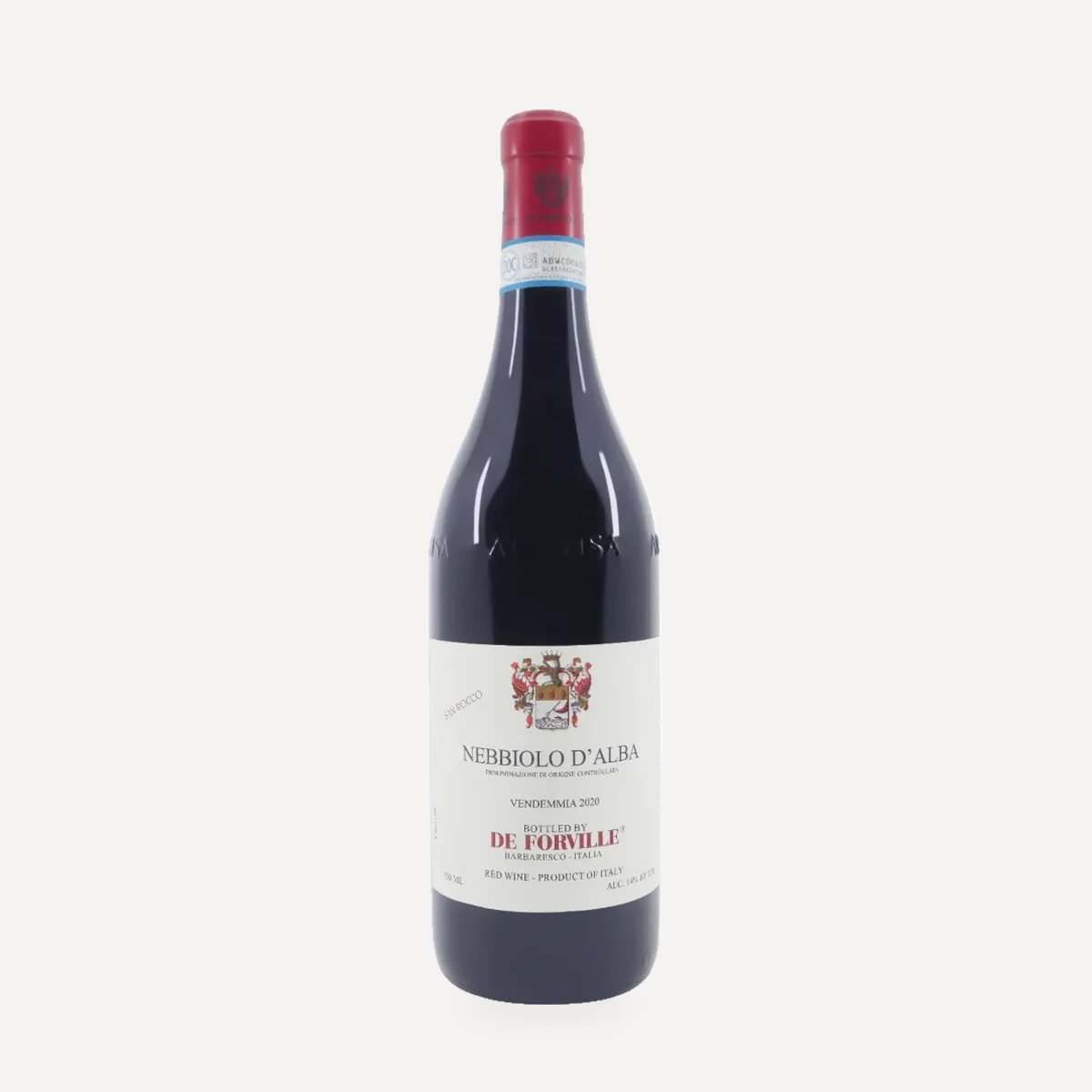
Nebbiolo d'Alba D.O.C.