Storia
Farming inheritance and foundation
Dei Agre grew out of Marta Cesi’s direct connection with the land and the moral and farming inheritance of her grandparents, to whom the agricultural estate is dedicated. Marta founded the farm in 2001 as a project combining Salento’s agricultural traditions with a contemporary commitment to natural wine and organic extra-virgin olive oil.
From the outset, the project’s stated purpose has been to value the land and its resources, preserve native cultivars and produce wines and olive oil capable of expressing their place of origin. Its vineyards include Negroamaro, Primitivo, Malvasia Bianca and Nera, Bianco di Alessano and Verdeca, while centuries-old olive trees supply the estate’s olive-oil activity.
Regenerative direction
The agricultural approach developed around regenerative practices intended to improve soil health, protect biodiversity and reduce environmental impact. Chemical fertilizers, insecticides and fungicides are excluded. In the cellar, the same low-intervention direction is expressed through native yeasts, pied de cuve starters, spontaneous fermentation, the exclusion of artificial additives and minimal sulfite use.
Dei Agre subsequently joined VinNatur, aligning the farm with a community of growers committed to natural wine, sustainable agriculture, biodiversity and reduced environmental impact.
Recent vintages and cultural activity
The 2020 growing season brought sufficient water stress to dehydrate part of the Negroamaro crop on the vine. Fruit from 70-plus-year-old alberello vines became the basis of an extended-aged reserve, matured for 18 months in second-use 500-litre wooden barrels and then in bottle.
In 2021, Vite Colta hosted an edition of Vina, a natural-wine festival held once a week throughout July in Piazza Castello, Felline. The event brought together producers, enthusiasts and visitors for tastings, music and activities centred on natural wine and local culture.
The 2023 season was exceptionally wet. Heavy rainfall in May and June fell on young Primitivo clusters and Negroamaro flowers, sharply reducing the crop. The small quantity of fruit that survived was used only for rosé production.
The estate’s public-facing activity now also includes Vite Colta, an enosteria in Felline that began as the farm’s sales outlet and developed into a venue for food, wine and cultural events curated by Marta.
Terroir
Dei Agre is based at Felline in Salento, with vineyards exposed to maritime influence from the Ionian coast. Sea breezes, salty air, Mediterranean vegetation and sun-warmed land form the recurring environmental context of the estate’s vineyards. The documented vineyard elevations range from sea level to 30 m.
The soils vary by vineyard. Several sites have calcareous-clay soils described as powdery and alkaline, with abundant organic matter. One 20 m site is similarly calcareous and clay-rich but almost entirely free of stones and exposed rock. Primitivo is also grown at approximately 30 m on alluvial ground with intermittent clay patches, locally called Vignali. Another profile is predominantly clay and limestone.
The vineyards include a sea-level Negroamaro site with alberello vines more than 70 years old, an old Negroamaro site close to the Ionian Sea with vines exceeding 40 years, young Primitivo alberello vines of approximately 18 years, and young white-grape vines at 20 m. Mediterranean scrub around the Negroamaro vineyards contributes to the estate’s description of their immediate environment.
Vinificazione
Dei Agre follows regenerative agriculture with the aim of improving soil health, supporting biodiversity and reducing environmental impact. The vineyards are cultivated without chemical pesticides or fertilizers, and the farm specifically excludes chemical fertilizers, insecticides and fungicides.
The viticultural focus is on native Salento cultivars: Negroamaro, Primitivo, Malvasia Bianca, Malvasia Nera, Bianco di Alessano and Verdeca. Vine-training systems include traditional alberello pugliese, spurred cordon and Guyot. The farm retains both young vineyards and old Negroamaro vines, including blocks more than 40 and 70 years old.
Many vineyard operations are timed according to lunar phases, a practice applied across all of the vineyards. Harvesting is manual. Depending on the intended production, fruit may be selectively picked and placed in crates; some harvests take place during the cool early-morning hours. Pied de cuve fruit is collected several days ahead of the main harvest so that native yeasts can be activated before the principal crop reaches the cellar.
Harvest decisions respond to vintage conditions and the desired balance. One 2022 lot was picked before full maturity to retain green tannin and acidity. In 2023, unusually heavy May and June rainfall affected young Primitivo clusters and Negroamaro flowers, leaving a small crop that was directed entirely to rosé production.
Dei Agre belongs to VinNatur, whose shared programme promotes natural wine, sustainable agriculture, lower environmental impact and biodiversity. No vineyard certification body, certification date or conversion status is identified.
Dei Agre’s cellar work is based on native yeasts, spontaneous fermentation, no artificial additives and minimal sulfite use. A pied de cuve is prepared from grapes picked several days before the main harvest; the activated starter is then added to the principal mass of fruit.
Red grapes are generally harvested by hand, sometimes in crates, then destemmed and crushed. Fermentation can continue in fiberglass-lined cement tanks. Skin contact commonly lasts about one week, extending to approximately ten days in one production, with repeated pump-overs for extraction. The wine is run off once fermentation is complete, in some cases at zero residual sugar. Malolactic fermentation follows, then a first racking during the cooler temperatures of late autumn. Some lots receive bâtonnage, further rackings and periodic tasting while resting before bottling. Other red and rosé lots initiate fermentation by passing the must over the pomace of previously fermented free-run wines.
For saignée rosé, fruit is selected in the vineyard, placed in crates, completely destemmed and gently pressed. Juice remains with the skins for no more than six hours before separation and spontaneous fermentation. Maturation then takes place in stainless-steel tanks until bottling. Another rosé method presses and drains the destemmed fruit immediately, starts fermentation over rosé pomace, and matures the wine in a closed, cooled tank. Subsequent rackings remove lees and introduce oxygen before the wine rests and is bottled.
White-wine processing includes destemming and crushing, cold maceration and static settling. Fermentation proceeds naturally with indigenous yeasts activated by a pied de cuve collected three days earlier.
Extended élevage is used selectively. A Negroamaro lot was transferred in spring to second-use 500-litre wooden barrels for 18 months, followed by further bottle maturation. Some one-litre wines are bottled under crown cap. Bottling may also be timed to the final day of the waning moon.
Filosofia
Dei Agre defines itself through a direct inherited relationship with farming: the estate is dedicated to the moral and agricultural legacy of Marta Cesi’s grandparents. Its purpose is to preserve and promote native cultivars while producing wine and olive oil that reflect Salento’s land, culture and agricultural traditions.
The farm presents tradition and innovation as complementary. Traditional varieties, old alberello vines, hand harvesting, native yeasts and lunar timing coexist with controlled tanks, temperature management and close monitoring of wine development. Vintage variation is accepted rather than erased: the changing character of Lunatico is explicitly connected to its being different each year, while difficult seasons such as 2023 are treated as sources of practical learning.
Regenerative agriculture is intended to improve the soil rather than merely sustain its present condition. Respect for biodiversity, reduced environmental impact and balance with the surrounding ecosystem are central aims. In the cellar, this direction continues through spontaneous fermentation, the exclusion of artificial additives and minimal sulfite use.
Membership in VinNatur places the estate within a community that links natural wine with ethical viticulture, biodiversity, environmental responsibility and final product quality.
Vini
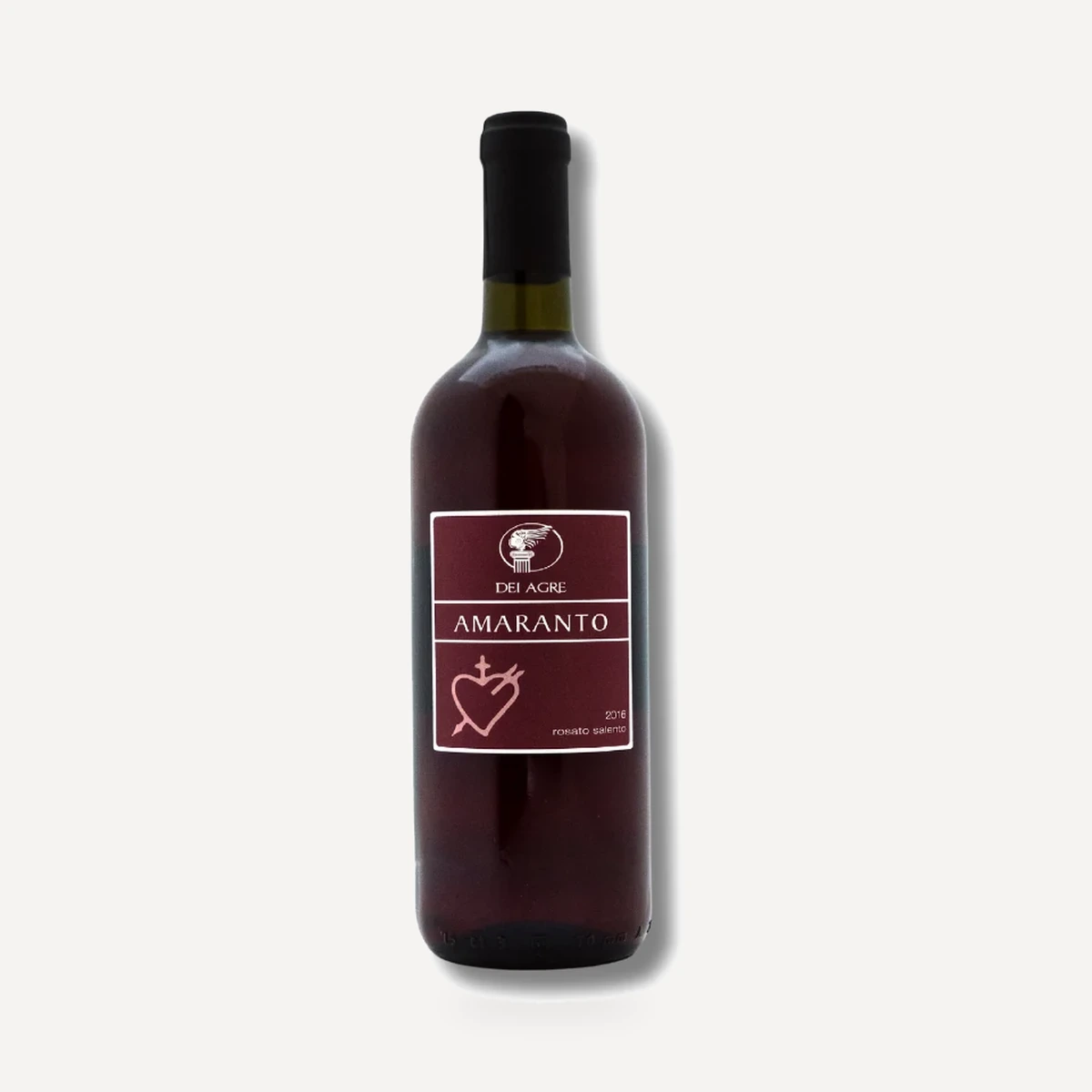
Amaranto
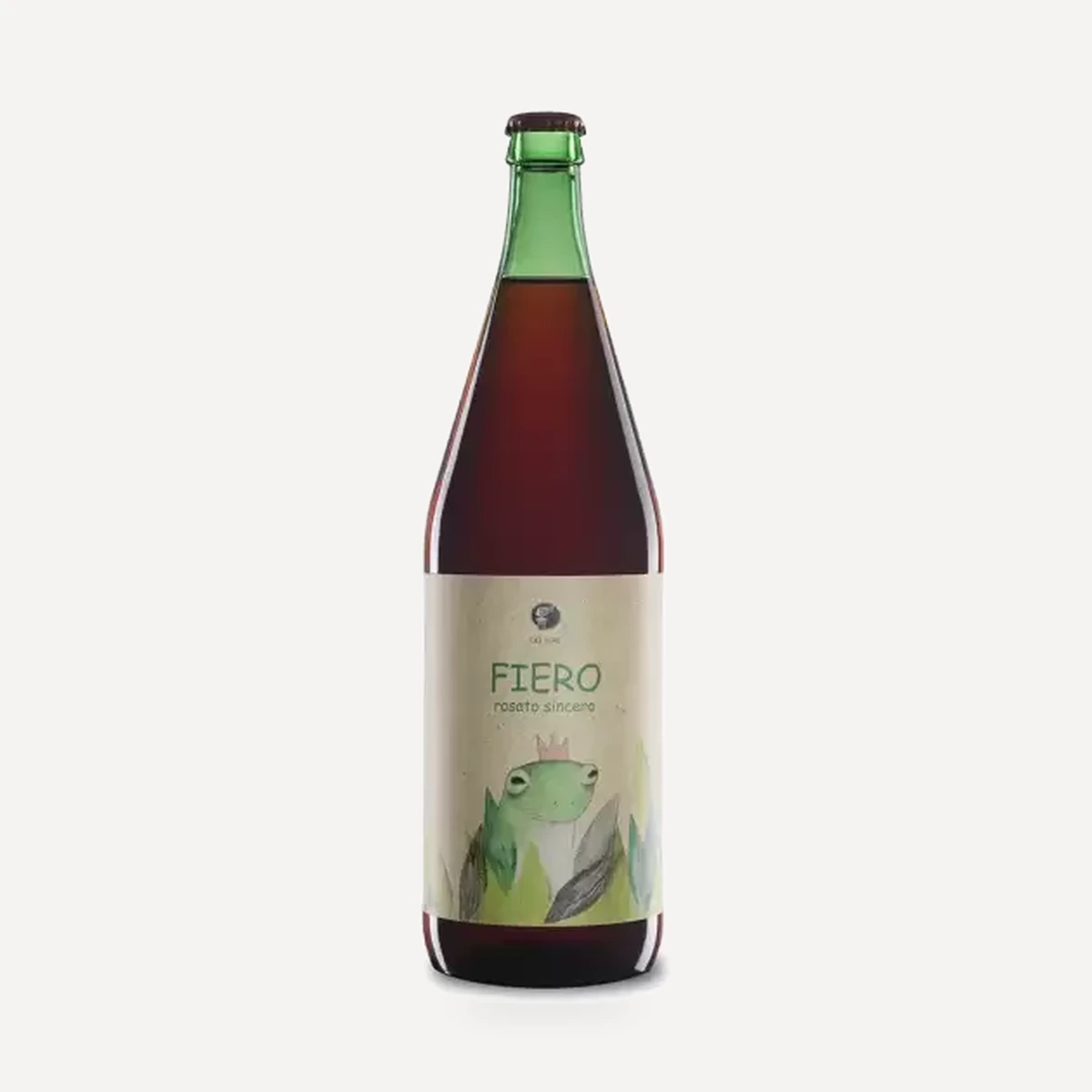
Fiero
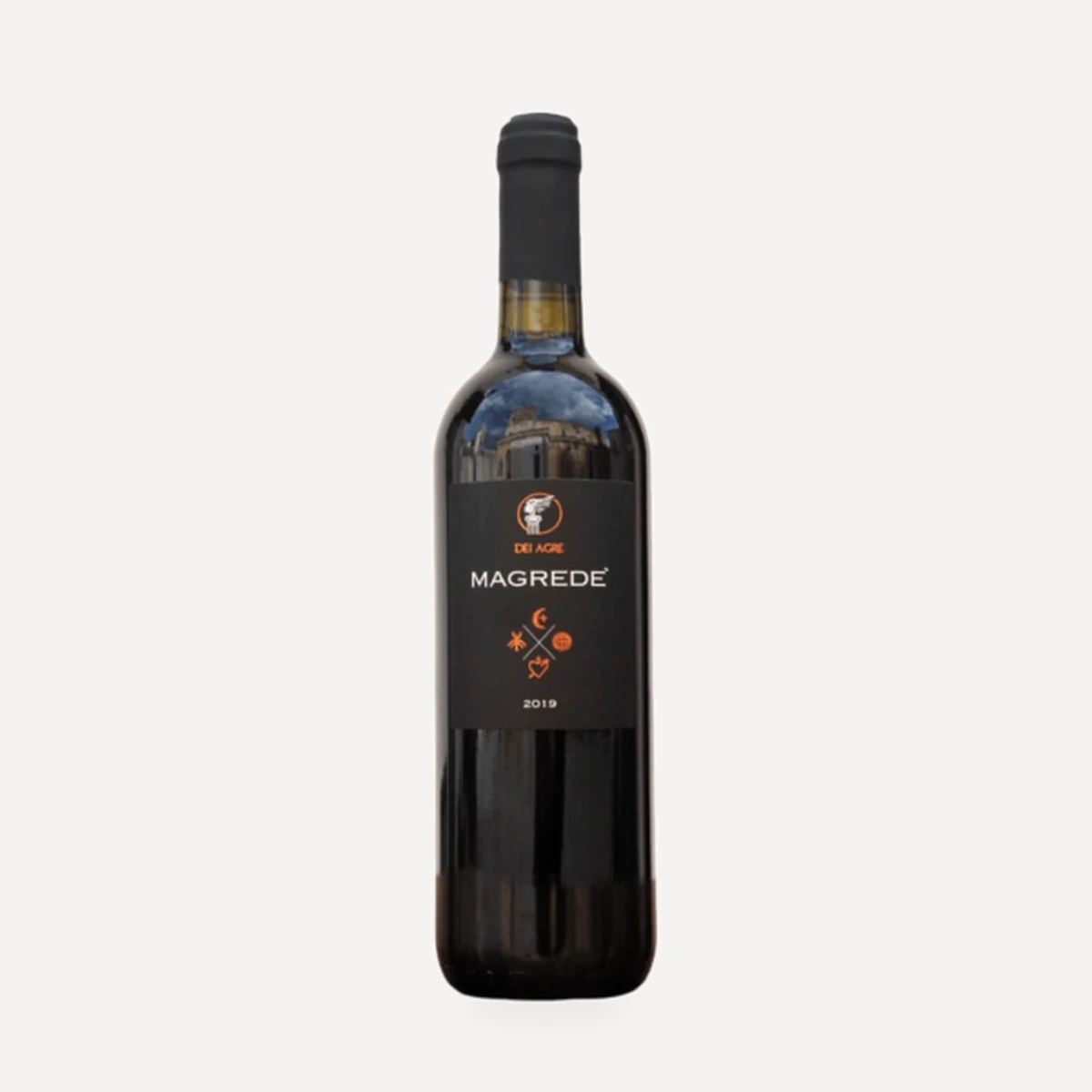
Magredè
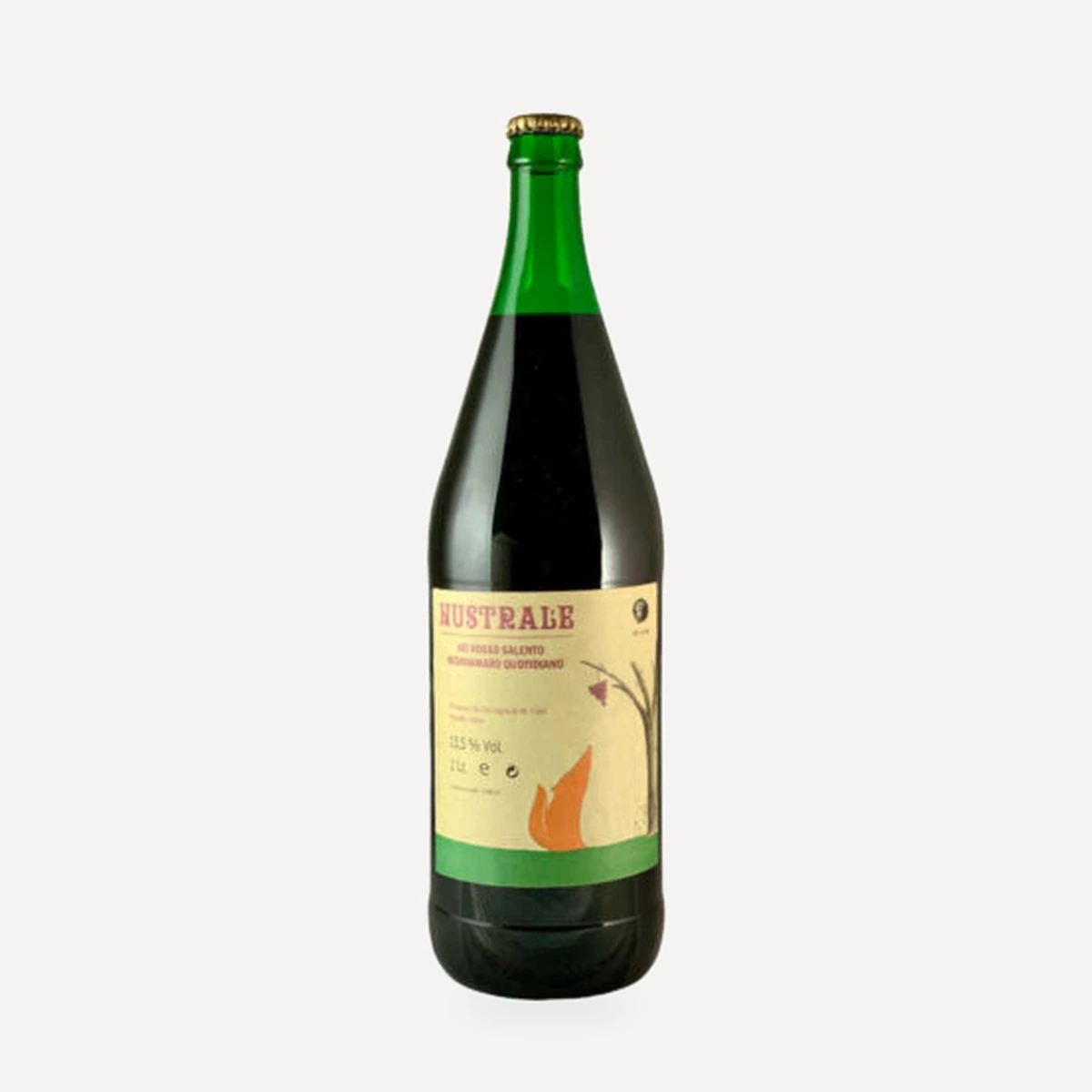
Nustrale