Storia
Medieval origins of the hamlet
The hamlet of Dianella developed around a small group of houses and the church of S. Michaelis de Aliana, which dates to 1200.
The Medici villa
The villa was built at the end of the 16th century. It served the Medici as a hunting lodge, and the name Dianella derives from Diana, goddess of the hunt. The historic cellars were established beneath the villa and its park.
Federighi and Fucini ownership
During the 18th century, the property passed to the Federighi marquises and subsequently to the Fucini family. Poet and writer Renato Fucini lived at Dianella, composed many works there and repeatedly evoked it in his sonnets. He dedicated the short story A Dianella, in the collection Foglie al vento, to the estate. Fucini is buried in the estate chapel. His connection with the property survives in the names of several Dianella wines and visitor experiences.
The Billeri and Passerin d’Entrèves families
In the first half of the 20th century, Dianella became the property of the Billeri family. It subsequently passed to the Conti Passerin d’Entrèves e Courmayeur. The Passerin family traces its history to the late 13th century, when family tradition places its departure from Florence during the conflict between Guelphs and Ghibellines. The family acquired houses, agricultural land and vineyards in the Valturnanche area and then across the Aosta Valley. In 1556, Duke Emmanuel Philibert of Savoy formally recognized the family’s noble status through letters patent. Its historic properties included Entrèves and Courmayeur, Brissogne, Escalier in Canavese and Fornet in Valgrisanche. The Entrèves property, now held by Francesco, is the only one of those estates to remain in the family.
Francesco moved to Tuscany after his marriage, following a path taken by other members of the Passerin d’Entrèves family. He and Veronica now manage the family businesses, combining the preservation of inherited traditions with continuing technical and commercial development.
Cellar modernization
A new stainless-steel winery was completed in the early 1970s, connecting the grape-reception and production area with the surviving underground cellar. Technological investment in vinification intensified from the mid-1990s.
Restoration of the hamlet began in the late 1990s with the Medici villa and its chapel. Work then progressed through the granaries, farm-staff houses, cellar, pool area and former stables. Francesco and Veronica personally directed the restoration, retaining the original character of the buildings.
In 2012, the cement cellar was recovered and returned to use as an intermediate and maturation environment alongside stainless steel and wood. The renewed barrel room was created with Garbellotto. Because access was restricted, the coopers constructed the large barrels inside the cellar over several days. The historic wooden fermentation vats were retained in the adjoining museum spaces.
Recovery of Orpicchio
In 2009, an old Trebbiano biotype found on the property was selected for recovery. A small vineyard was planted with the selected material in 2010, establishing the basis of the Orpicchio project. Annual production is limited to 1,500 numbered bottles, with each release dedicated to a different event connected with the territory of Vinci.
Organic conversion
Dianella adopted organic farming through a deliberate agronomic choice intended to protect soil life and biodiversity and to strengthen the connection between the wines and the land of Vinci. By September 2024, the conversion decision was described as having been made almost ten years earlier. The estate’s wines and olive oil are now presented as organically farmed and entirely estate-produced.
Leonardo’s Vineyard
On 2 May 2019, the 500th anniversary of Leonardo da Vinci’s death, Dianella planted a pergola using Malvasia di Candia material from Leonardo’s vineyard at Casa degli Atellani in Milan. The project brought the grape material back to Leonardo’s birthplace and connected farming with the estate’s cultural and hospitality activities.
Completion of the hamlet’s restoration
By August 2023, restoration of the former Medici stables had been completed. Six suites in the stables joined six rooms in the villa, bringing the wine resort to twelve rooms. Reclaimed bricks, terracotta, wood, jute and Florentine straw weaving were used to retain the stables’ historic atmosphere. The restored hamlet now includes the working farm and cellars, manor house, chapel, gardens, swimming pool and hospitality buildings.
Recent vineyard development
In 2026, Dianella began reintroducing the historic capovolto toscano training system in selected parcels of Sangiovese and local varieties. The project is intended to improve shoot distribution, bunch ventilation, load control and progressive ripening while reducing fungal-disease pressure. A vineyard weather station was also installed to guide treatment decisions using real-time measurements of temperature, humidity, rainfall, leaf wetness and wind.
Terroir
Location and landscape
Dianella lies on the hills between Vinci and Empoli, within the Montalbano territory. Vineyards and olive groves follow the natural contours around the villa. Soil composition changes over short distances, producing parcels with differing water retention, drainage and vine behaviour.
Pliocene marine geology
The vineyards stand on the Formazione di Vinci, an alternating sedimentary system of Pliocene Argille Azzurre and Sabbie Gialle. These sediments formed between approximately three and five million years ago, when the hills were the floor of a shallow sea.
The blue clays are very fine, rich in silt and calcium carbonate. Freshly cut or exposed material appears grey-blue, while surface layers become more yellow through iron oxidation. The clay retains water and acts as a natural reserve during hot, dry periods. Its compact structure encourages roots to penetrate deeply. Around the villa, the clay frequently mixes with Pliocene marine sands to form calcareous, marly clay.
Marine fossils are widespread, including fragments of pecten shells and oysters. The calcareous shell material interrupts the clay’s compact texture and slightly improves drainage. Fossil shells regularly emerge when the soil is cultivated.
Differences between parcels
Clay-dominant soils are concentrated on middle slopes and lower positions where fine sediments accumulated. These areas retain more moisture and remain cooler during summer. They support regular vine growth and are used for Merlot and for Sangiovese selections intended to develop depth and ageing structure.
The higher ridges and crests contain more yellow sand. These lighter soils warm more rapidly and drain more freely, while roots encounter less resistance. Sangiovese develops a more lifted, fragrant profile in these positions, and white varieties are associated with pronounced savoury and mineral characters.
The alternation of clay-rich and sandier ground can occur within a few hundred metres. Dianella therefore manages grapes by parcel, variety and, when appropriate, micro-zone, retaining these differences through vinification.
Seasonal conditions
Spring humidity can create conditions favourable to downy and powdery mildew. Climatic conditions can also change rapidly, with cold springs followed by sudden summer heat. The Pliocene clay’s water-holding capacity was particularly important during the hot, dry summer of 2026, helping vines withstand water stress better than vines on sandier ground. That season followed a very wet May, while late-July storms and hail passed without materially damaging the estate’s healthy, evenly formed bunches.
Vinificazione
Organic vineyard management
Dianella manages its vineyards under organic principles, excluding synthetic chemicals, herbicides and systemic pesticides. The approach is intended to protect soil organisms, biodiversity and the vitality of the Pliocene clays and fossil sands. Vineyard decisions depend on direct observation rather than a fixed treatment calendar.
Pheromone dispensers are installed among the rows at the beginning of the growing season to disrupt mating by grape moths. By saturating the air with the female moth’s pheromone, the system prevents males from locating females and interrupts the reproductive cycle without killing insects or leaving residues on the grapes or soil.
Copper is used as a non-systemic surface treatment against downy mildew, while sulphur is used against powdery mildew. Applications are timed and dosed according to actual disease risk. Because rain removes surface copper, the need for reapplication is assessed after significant rainfall.
A vineyard weather station installed in 2026 records temperature, humidity, precipitation, leaf wetness and wind in real time. The measurements allow treatments to be targeted more precisely, reducing the total copper and sulphur applied while improving their timing and effectiveness.
Pruning and vine balance
Winter pruning is conducted plant by plant. The team evaluates each vine’s response to the previous season, vigour, cane distribution and balance between permanent structure and crop. Work is scheduled parcel by parcel and adjusted to weather conditions; during prolonged frost, pruning is delayed to avoid exposing fresh cuts to unnecessary stress. Crop level and energy distribution are established through pruning with quality and plant balance taking precedence over maximum yield.
Dianella is reintroducing the traditional capovolto toscano system in selected parcels of Sangiovese and local varieties. A long cane is curved downward and tied to the wire, creating a more even distribution of sap flow and shoots. The system requires additional manual labour, closer pruning and continuous observation. Its objectives are better-aerated bunches, less compaction, more progressive phenolic ripening, improved load control and reduced stagnant humidity. Better ventilation and exposure help make fungal pressure more manageable within organic farming.
Growing season and harvest
Ripeness is monitored parcel by parcel, with the harvest date determined by the grapes rather than a fixed calendar. Fruit intended for sparkling bases is collected first, while acidity remains high and sugar lower. Other white varieties follow, with Sangiovese and the remaining red varieties harvested later.
The best selections are harvested largely by hand. Manual picking allows workers to select healthy bunches, reject unsuitable fruit and handle the grapes gently. Harvest combines traditional fieldwork with technical monitoring so that individual plots are collected at their appropriate point of maturity.
Cellar layout
Dianella’s cellars extend beneath the villa and park. The working winery combines modern production areas with historic rooms now preserved as a museum. The early-1970s stainless-steel winery links grape reception with the underground maturation spaces. The complex includes small stainless-steel fermenters, restored cement vats, a large-barrel room, a separate barrique cellar and temperature-controlled bottle-ageing rooms.
Parcel-by-parcel vinification
Each vineyard parcel is harvested separately. Grapes are also divided by variety and, when useful, by micro-zone. Fermentation takes place in small stainless-steel tanks under controlled conditions, retaining the individual character of each parcel. After alcoholic fermentation, wines intended for the standard cellar sequence pass to cement for malolactic fermentation before moving to vessels selected for their character.
Some lots remain in stainless steel to preserve freshness, tension and aromatic precision. Others mature in cement, large barrels, tonneaux or barriques. The choice is not automatic: a more linear Sangiovese may require time rather than additional structure, while a concentrated lot may gain balance from a measured period in wood.
The barrel room was created with Garbellotto and maintains a temperature of 16–18°C and humidity of approximately 85%. Its large barrels coexist with the historic cellar’s old wooden fermentation vats. The barrique cellar also maintains stable temperature and humidity. Its barrels are made from oak of different seasoning periods and come from selected French cooperages.
Monitoring, blending and ageing
Laboratory monitoring accompanies the wines throughout development. From January to March, individual lots are repeatedly tasted and compared before blending decisions are made. The team assesses acidity, tannic structure, aromatic profile, alcohol-to-freshness balance and potential for further development.
Blending brings together lots of different structure, freshness, tannin and aromatic character. The stated objective is balance and faithful expression rather than correction through addition. Decisions favour removing unnecessary elements, allowing sufficient time and accepting the character of the vintage. Once assembled and matured, wines undergo extended bottle ageing in temperature-controlled rooms before release.
Filosofia
Dianella’s guiding idea is to create a close relationship between people and the land by respecting natural cycles, seasons and the distinct character of the territory of Vinci. Vine and olive cultivation seek a durable balance between ripe fruit and the identity of the land rather than maximum production.
The estate presents organic farming as an agronomic commitment rather than a promotional device. Its premise is that living, healthy soils produce better grapes and wines with greater character. Protecting biodiversity, soil microorganisms, blue Pliocene clay and fossil sands is therefore treated as part of wine quality.
Tradition and technology are used together. Historic cement vats and the capovolto toscano training system have been recovered where they serve a practical purpose, while small stainless-steel fermenters, laboratory analysis and a vineyard weather station provide precision. No method is treated as an automatic formula: decisions are adjusted to parcel, vine, lot and vintage.
In the cellar, intervention centres on separation, observation, time and selection. The blending philosophy is to respect each lot and place it in the best conditions to express itself. The team values balance over power, accepts vintage variation and describes its work as subtracting rather than adding, waiting rather than accelerating.
Vini
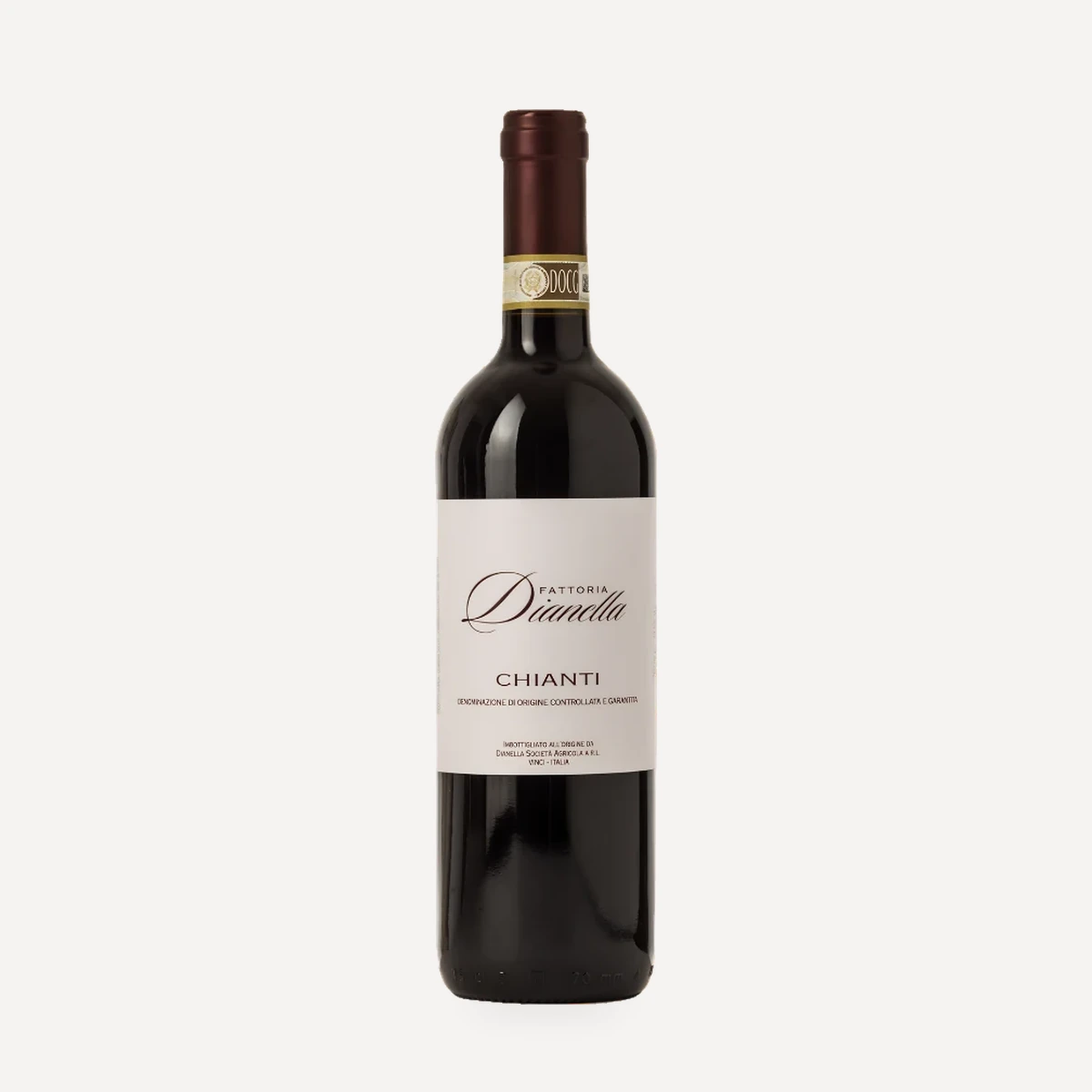
Dianella Chianti DOCG
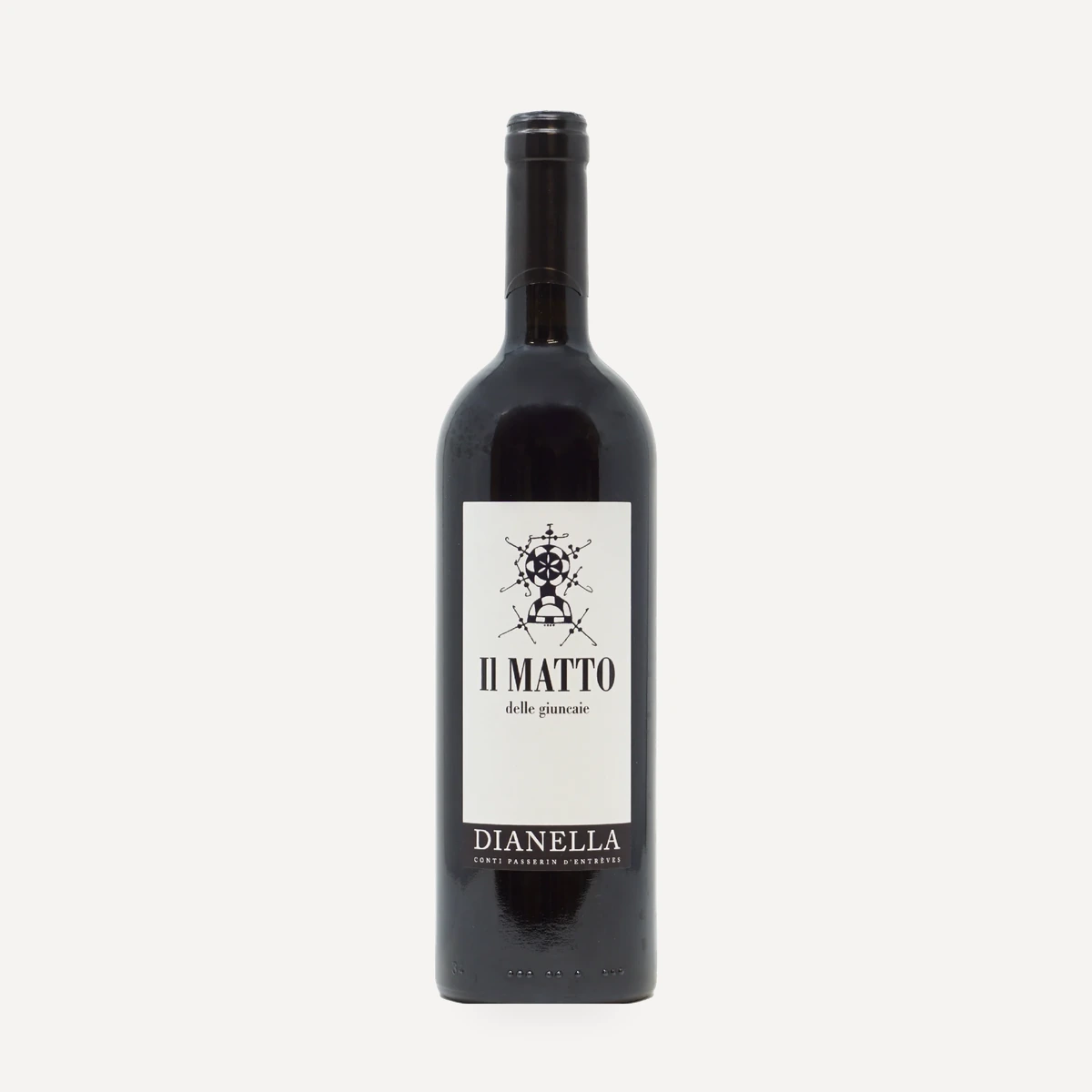
Il Matto delle Giuncaie
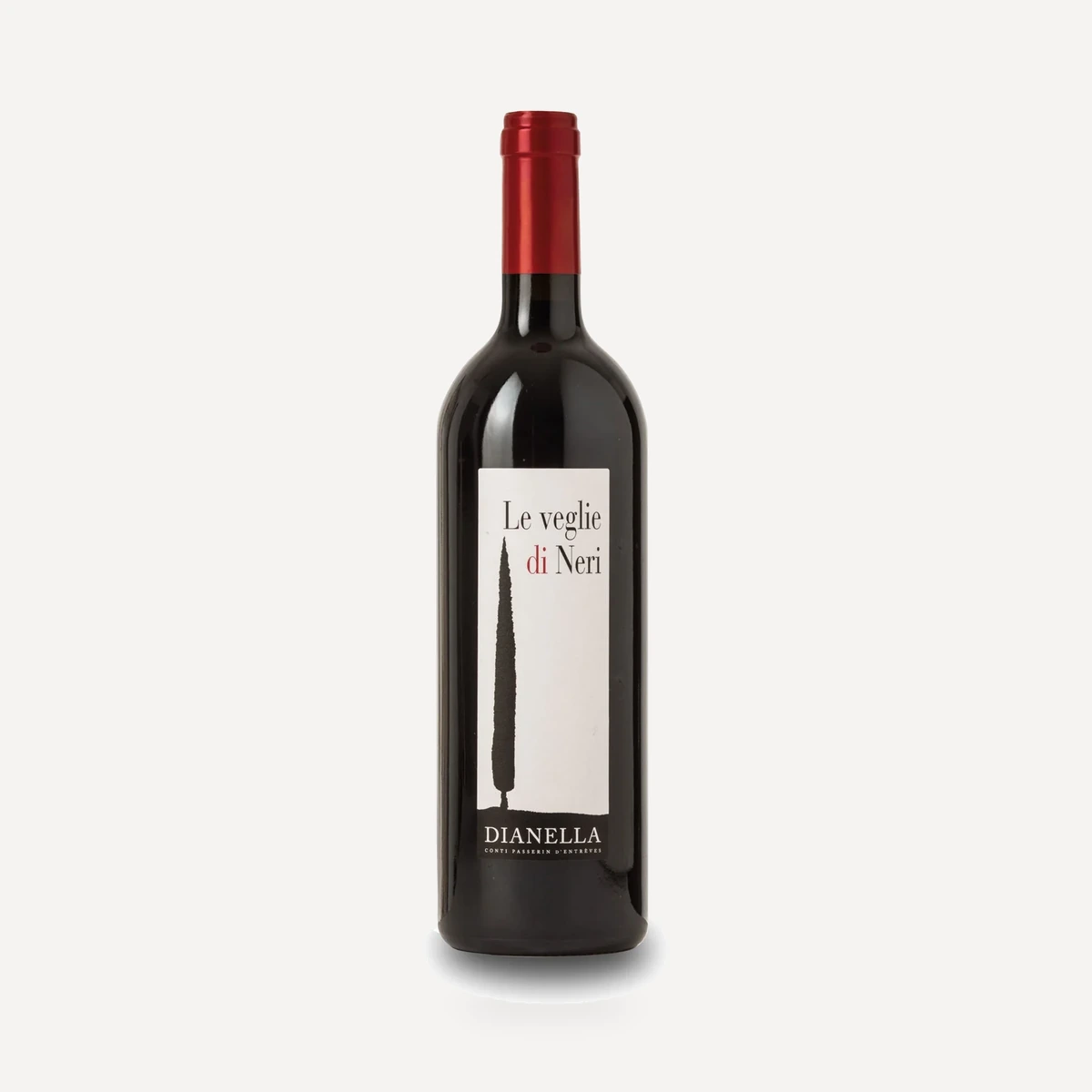
Le Veglie di Neri
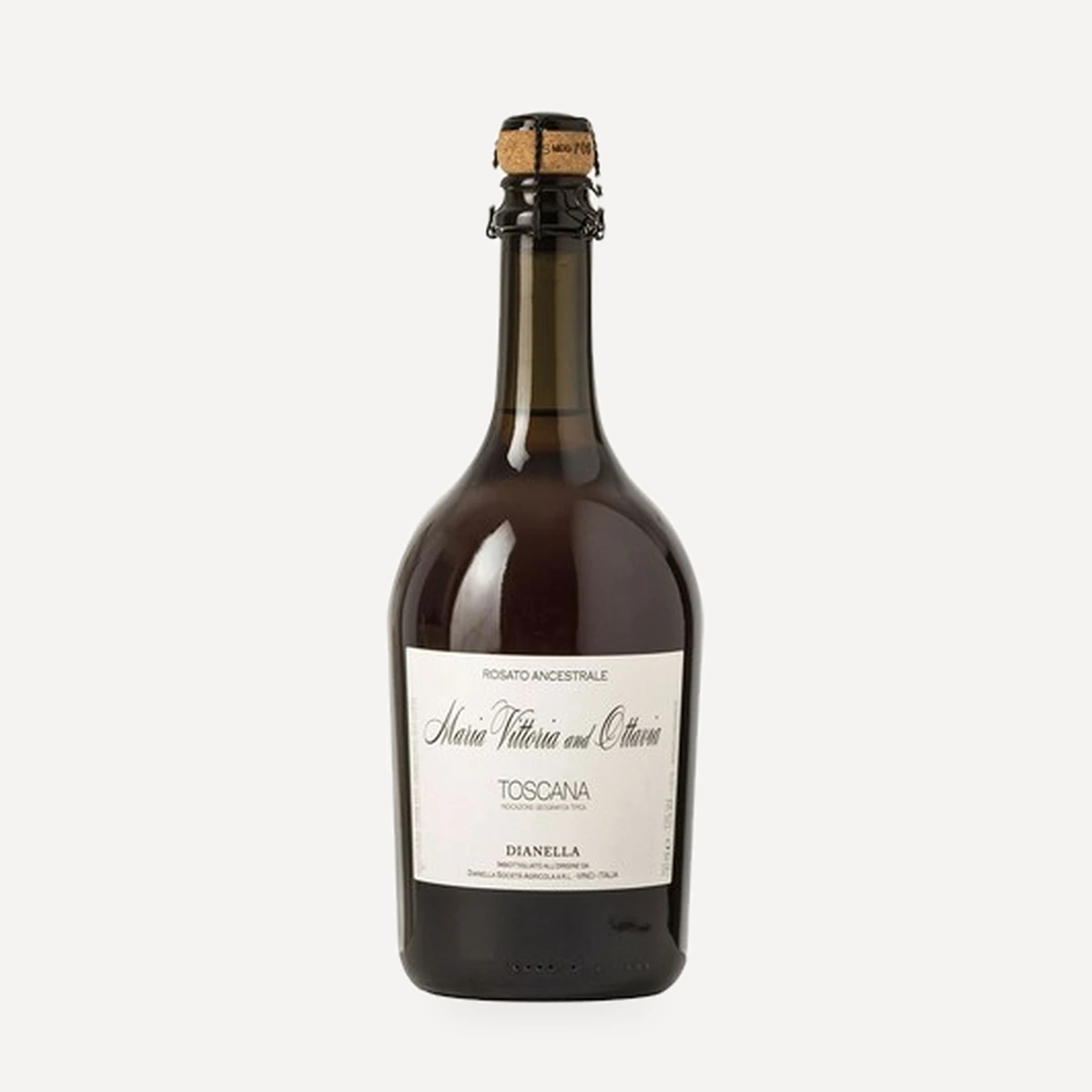
Maria Vittoria & Ottavia Ancestrale
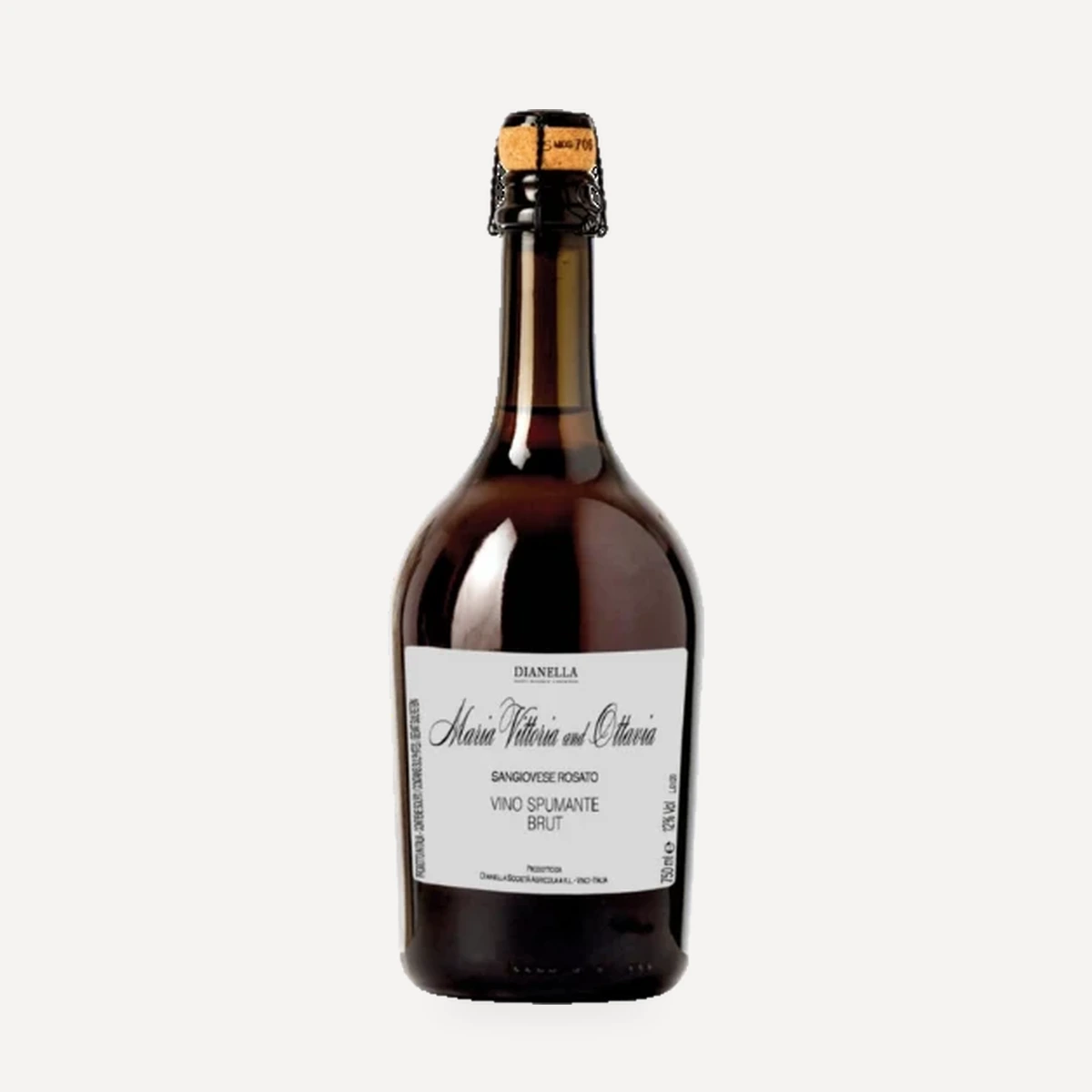
Maria Vittoria & Ottavia Sangiovese Rosato Brut
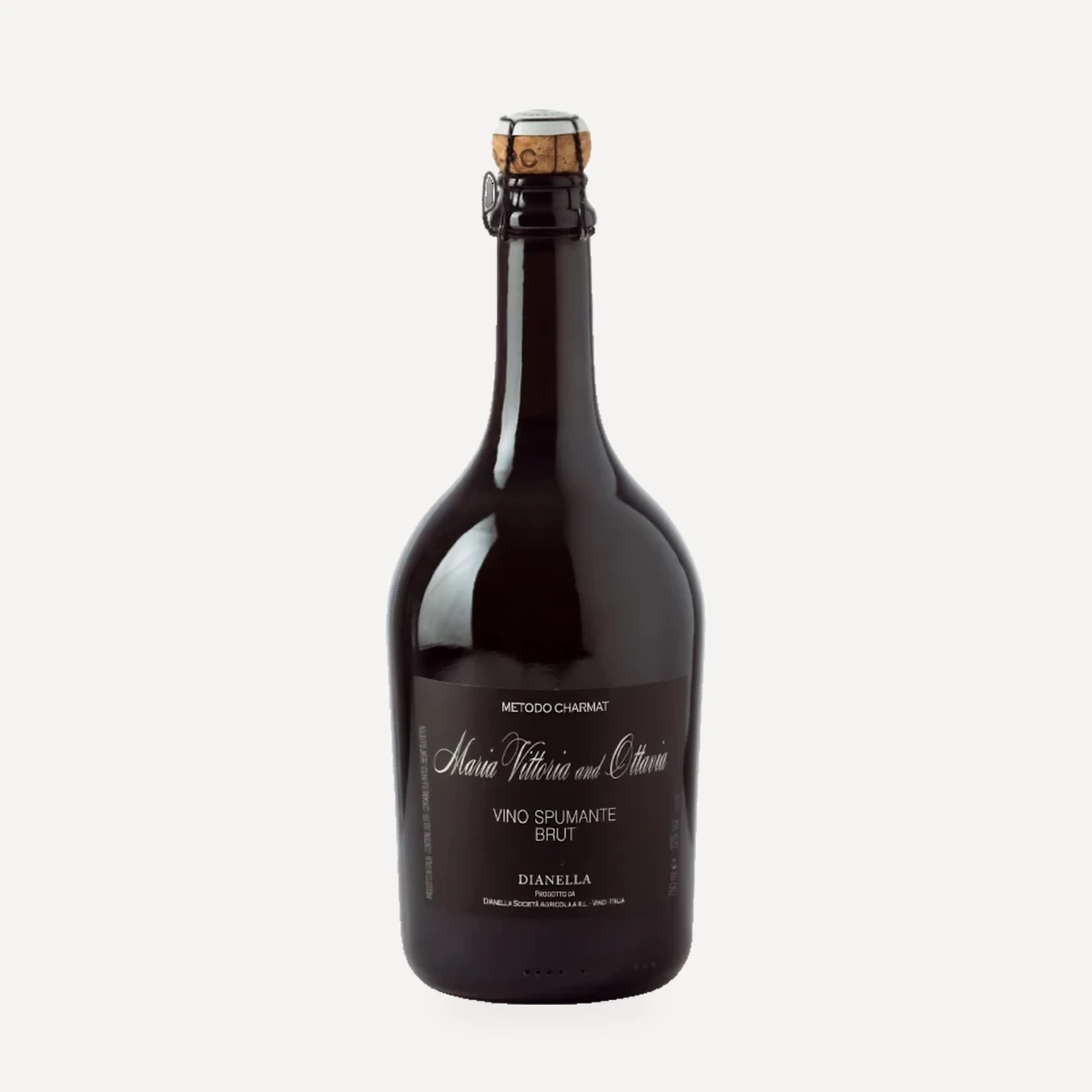
Maria Vittoria & Ottavia Vermentino Brut
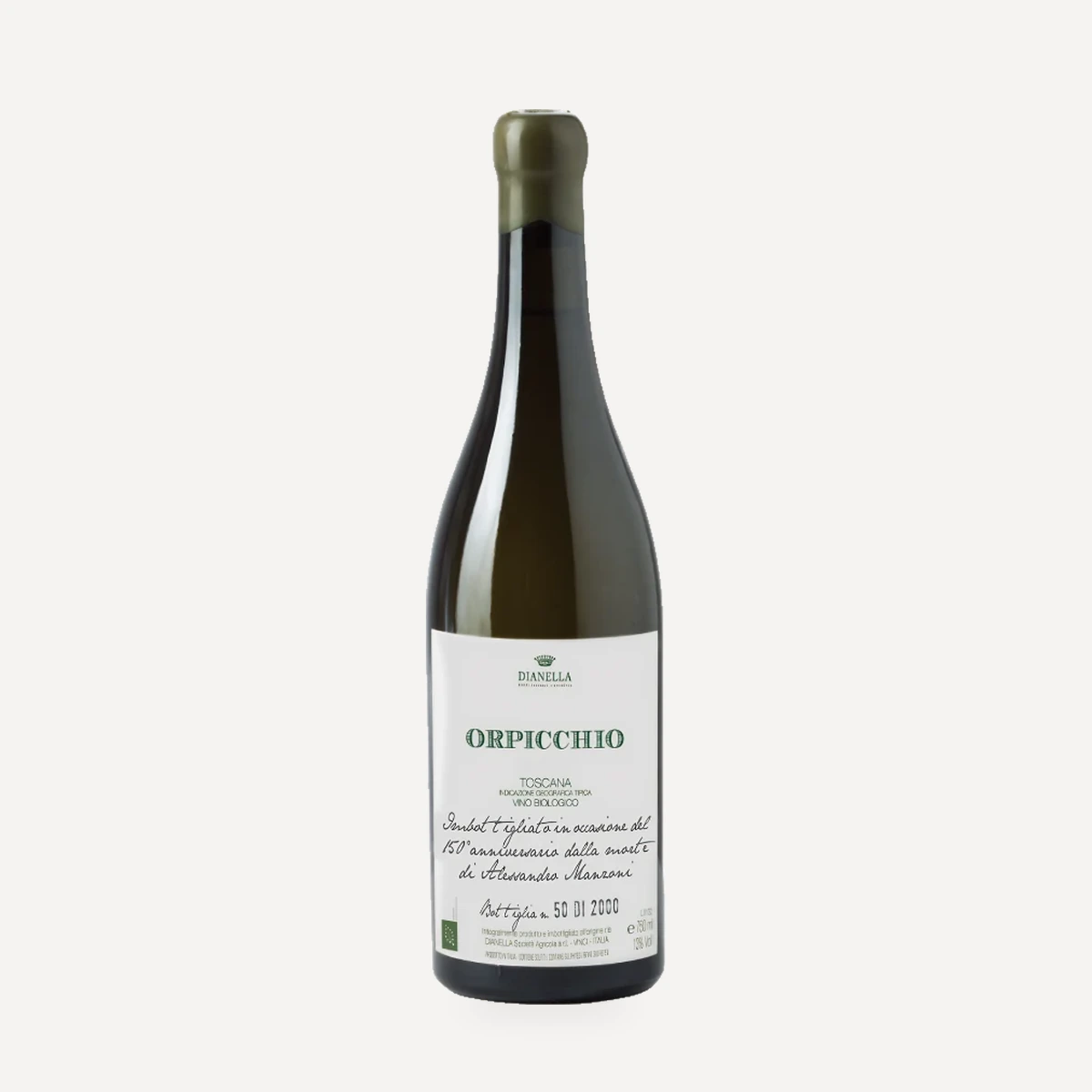
Orpicchio
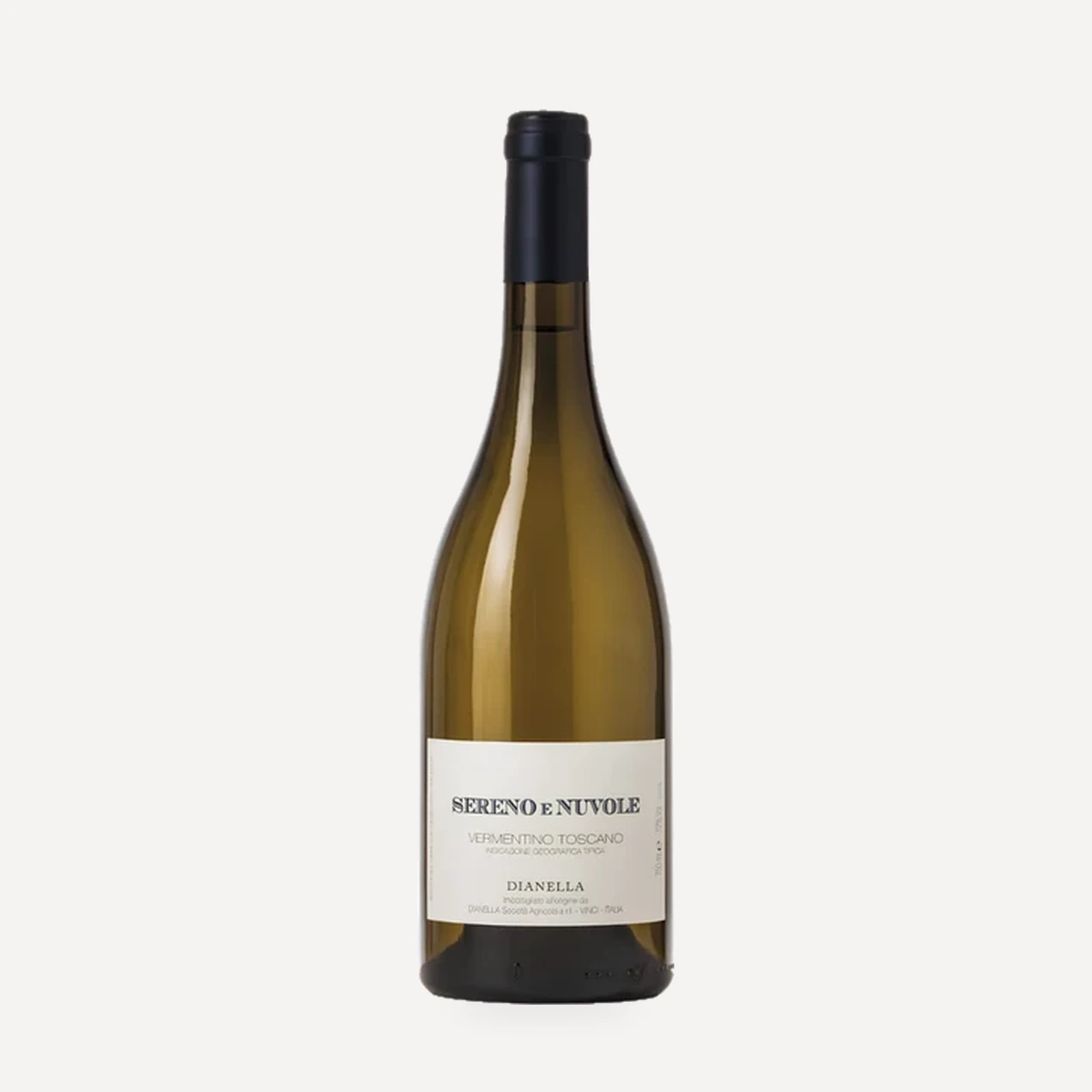
Sereno e Nuvole
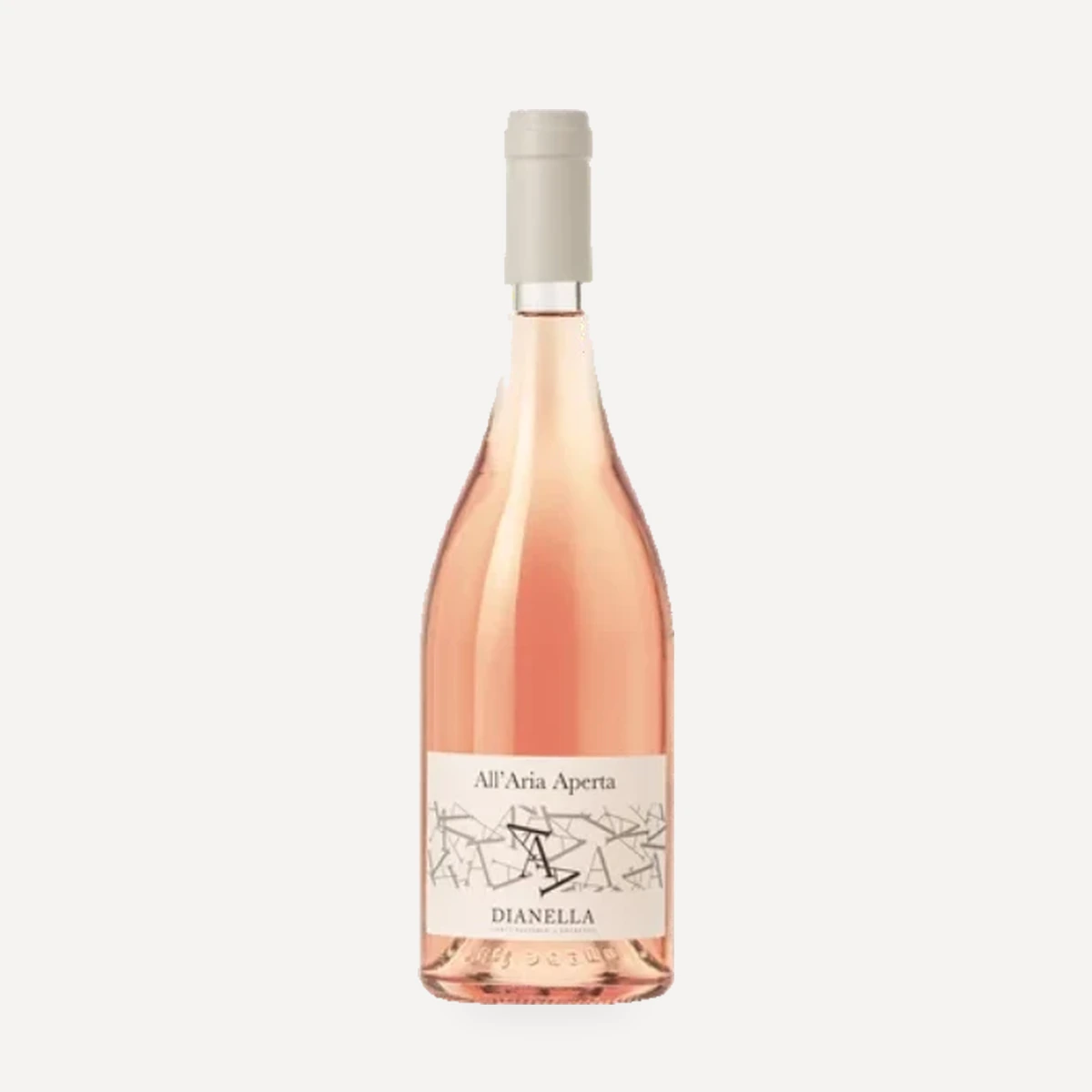
All’Aria Aperta
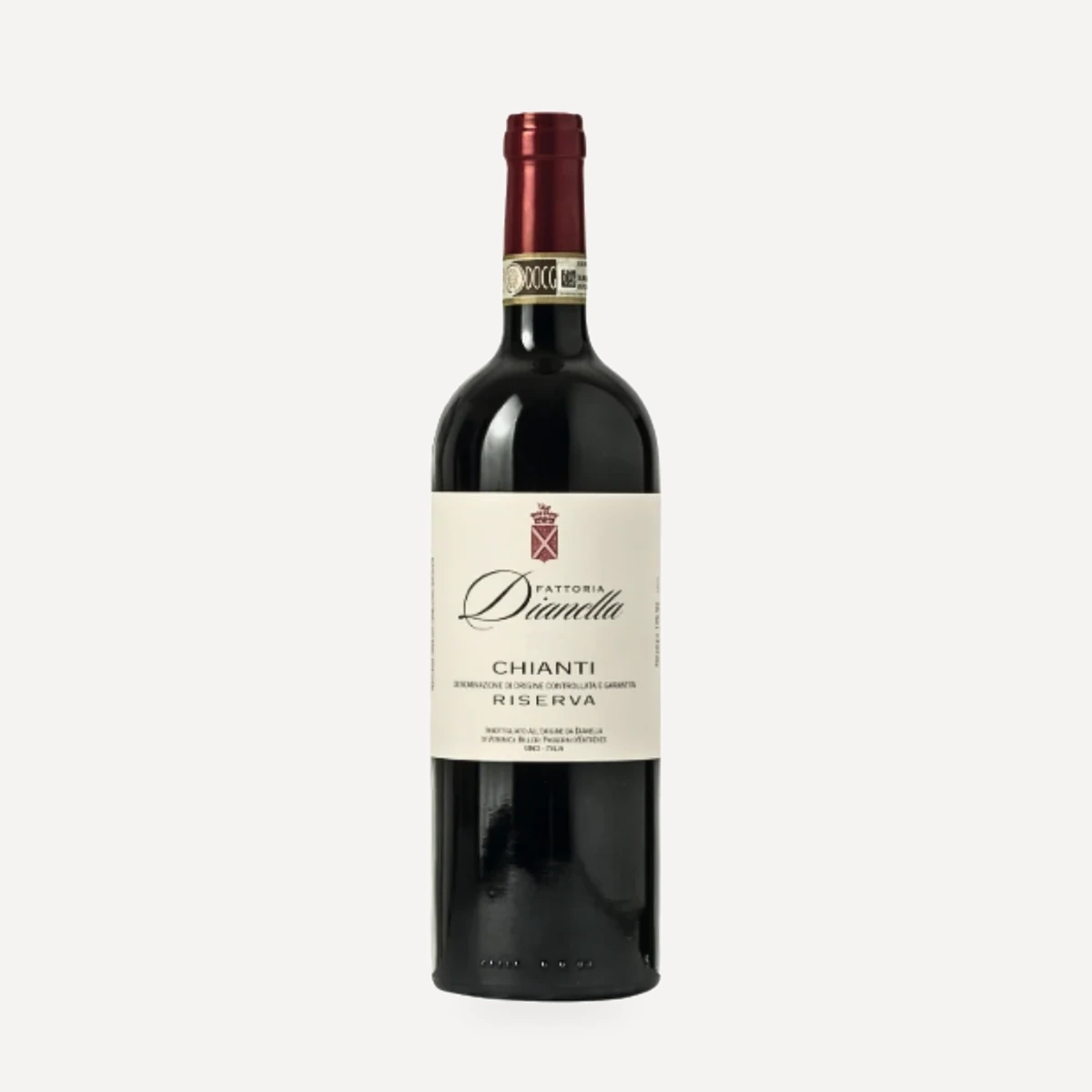
Dianella Chianti Riserva DOCG
Cabernet Franc