Storia
The Torricella sharecropping years
The family story at La Torricella began in the 1940s, when Diego Pressenda's parents moved there as sharecroppers. La Torricella subsequently became the family home and the place where Diego was born. His recollections connect farming with patience and uncertainty: the household waited each year in the hope that either the wheat or grape harvest would succeed, an experience that taught him respect for the rhythms of nature, dedication and long-term care for the land.
Diego Pressenda begins acquiring land
At the age of 18, Diego began purchasing properties and established himself as a winegrower. He later became the founder and owner of the enterprise associated with La Torricella. His middle name, Donato, was subsequently used for the estate's Nebbiolo d'Alba Il Donato.
Development of the vineyards
Dolcetto plantings represented in the present vineyard portfolio date from 1985, with other Dolcetto and Riesling-related blocks planted between 1985 and 1988. Further Dolcetto and Nebbiolo material dates from the 1985–1990 period. The Barbadelchi Nebbiolo vineyard was planted in 1995. Chardonnay, Barbera and the Nebbiolo used for Il Donato were planted from 1997, with some Chardonnay and Barbera plantings extending to 2011.
The Bricco San Pietro vineyard in Località Manzoni and the Le Coste di Monforte vineyard in Località San Giuseppe were planted in 2008. Riesling Renano was planted in 2011 in the high-lying il bric vineyard between hazelnut fields and woodland. The Galot vineyard received new Nebbiolo plantings in 2015–2017. In 2019, a new Pinot Nero vineyard was established for a future Alta Langa sparkling-wine project.
The family enterprise
Diego's children and son-in-law returned to the business after completing their studies, bringing new ideas and projects to the enterprise he had begun. Silvia Pressenda became the winemaker; Oscar Pressenda took responsibility for commercial development; Alessandra Pressenda became the cook; and Francesco Celia became restaurant manager. Annalisa Pressenda is presented as a physiotherapist and also recalls how the younger members of the family learned manual vineyard work one row and one task at a time. Rosanna Mosso remains the senior maternal figure of a household described as mother, father, four children, one son-in-law and six grandchildren.
Wine production, hospitality, food, tastings and wellness now coexist at La Torricella. The premises include dedicated rooms for vinification, ageing in stainless steel, ageing in wood, bottling and bottle storage, alongside an agriturismo, restaurant, tasting and meeting room, garden, swimming pool and Winery Spa Ampelo.
Terroir
The vineyards lie in the municipalities of Monforte d'Alba and Roddino, in Piedmont's Langhe. The farm is 4 km from the centre of Monforte d'Alba on the road toward Roddino and occupies an elevated, exposed hill with views toward the vineyard slopes and crus of Monforte d'Alba, Castiglione Falletto and Serralunga d'Alba. The estate is 20 km from Alba and 20 km from Bra and Pollenzo.
The general vineyard description places the estate's 15 ha between 450 and 500 m above sea level. Individual vineyard documents identify additional elevations: Barbadelchi at 350 m, Bricco San Pietro at 360 m, Le Coste di Monforte at 450 m, and the Ariota, Il Donato and Chardonnay blocks at 500 m. The il bric Riesling site lies above 500 m among hazelnut fields and woodland.
The sites differ in position, exposure and soil. Bricco San Pietro, in Località Manzoni, has Elvezian soil rich in grey-yellow sands and a mixed composition, with a south-east exposure. Le Coste di Monforte, in Località San Giuseppe, also has mixed soil and faces south-east. Barbadelchi has medium-textured, predominantly sandy soil and a south-east exposure. Ariota occupies the top of a hill, where the soil is light and predominantly calcareous; breezes associated with the Ligurian Sea regularly reach the site. The Il Donato section lies lower on its slope and has light, calcareous soil with a western exposure. The Chardonnay vines occupy the middle of a hill on predominantly calcareous and partly clayey soil with a north-east exposure.
The hill's elevation and orientation create an open panorama across the Langhe. A traditional willow marks the vineyard trail; its flexible branches were historically used to tie vine shoots, while its roots provide habitat associated with truffle growth.
Vinificazione
The family describes the vineyard as its most precious asset and treats the seasons as the framework for every manual task required to obtain high-quality grapes. Harvest is conducted by hand in September and October. Bunches are taken directly to the cellar after picking.
Sustainable viticulture centres on protecting water, air and soil. Production residues are returned to the vineyards as fertilizer, and part of the enterprise's energy requirement is generated on site. The stated objective is to produce healthy, sustainable grapes and wines of high quality that express their place of origin.
Harvest timing varies by site and intended style. Grapes for the rosé and traditional-method sparkling wine are picked early to preserve freshness, with the sparkling-wine bunches selected from cooler areas at the beginning of ripening. Chardonnay is normally picked around the first week of September, Riesling in the second week, Barbera in the first week of October, Il Donato Nebbiolo in the second week of October, and the Barolo sites at the end of October. Nebbiolo's long cycle is emphasized: it buds early in spring but is the last variety to ripen in autumn.
Cellar organization
The vinification room contains crushing equipment and large temperature-controlled stainless-steel vessels for fermentation. A separate stainless-steel ageing room holds distinct selections, ranging from young wines that still require maturation and racking to earlier vintages ready for bottling and sale.
The wood-ageing cellar has a natural earth wall of characteristic Langhe marl or tuff, which helps maintain suitable temperature and humidity for large wooden vats, barrels and barriques. Bottling, labelling and bottle storage take place in a dedicated room.
White and rosé production
Chardonnay, Riesling and the Dolcetto rosé undergo direct whole-bunch pressing. Alcoholic fermentation takes place in temperature-controlled stainless-steel tanks. These wines remain in steel on their lees for several months before bottling. The rosé grapes are picked slightly early, and removing the skins from fermentation preserves a pale pink colour.
Red-wine production
The Langhe Nebbiolo receives about ten days of skin contact and then approximately six months in stainless steel before bottling. Dolcetto d'Alba Dosso receives a short maceration and approximately eight months in steel. Dolcetto d'Alba Superiore macerates for about six days; 80% matures in steel with micro-oxygenation and 20% in second-use barriques for ten months. Its fermentation is conducted at 28–30°C.
Barbera d'Alba Ariota macerates for approximately 8–10 days and matures for about 10–12 months in French-oak barriques. Nebbiolo d'Alba Il Donato macerates for approximately 8–10 days and matures for about 14–18 months in French-oak barriques. The individual barriques are tasted separately before the best lots are chosen for blending.
A Modo Suo is produced only in the best years from overripe Dolcetto and Nebbiolo grapes and matures for approximately 18 months in French-oak barriques.
The Barolo wines undergo approximately 15–20 days of skin maceration. Barbadelchi matures for 30 months in 25 hl French-oak vats and then for six months in bottle. Bricco San Pietro and Le Coste di Monforte mature for 30 months in large French-oak vessels followed by 12 months in bottle.
Traditional-method sparkling production
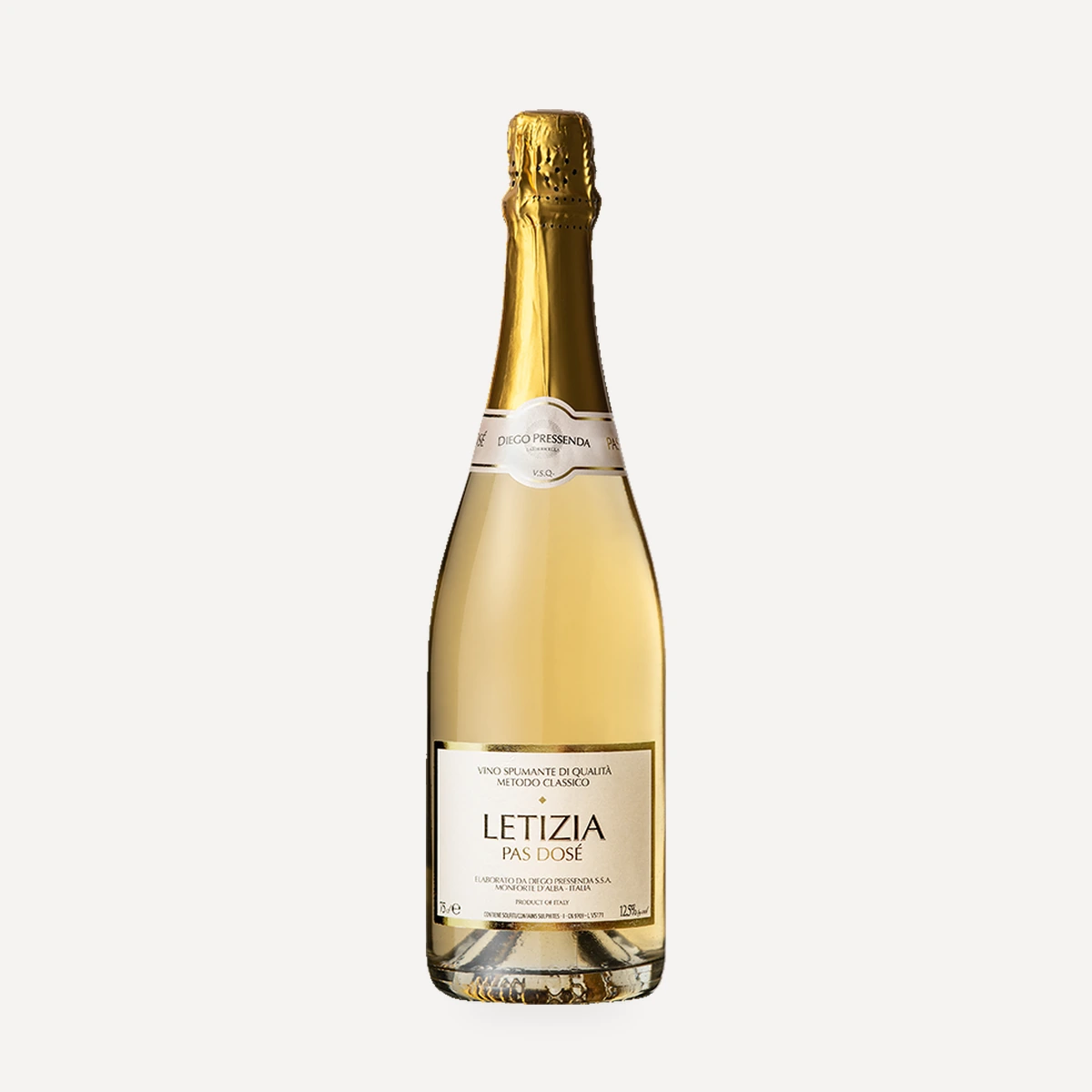
The Dolcetto and Riesling Renano used for Letizia Pas Dosé are selected from cooler areas at the beginning of ripening and pressed directly. The first fermentation takes place in French-oak barriques at 15–18°C for ten days. Secondary fermentation occurs in bottle at approximately 14°C. The wine remains on its lees for 12 months, with hand riddling on pupitres, and no dosage syrup is added.
Filosofia
The family's approach is rooted in living and working in the same place. This proximity makes vineyard, cellar and hospitality decisions personal responsibilities and allows the family to experience the results directly.
Diego Pressenda's outlook was formed by farming households that waited patiently for wheat and grape harvests and respected the pace of nature. Dedication, sacrifice and long periods of waiting remain central themes. Silvia Pressenda identifies Diego's intuition, respect and insistence on family unity as the guiding inheritance she wants to honour.
In the vineyard, the objective is to protect water, air and soil while producing healthy, sustainable grapes of high quality. In the cellar, different stainless-steel vessels, barrels and vineyard selections are followed separately. The family connects quality to the interaction of terroir, vineyard work and vinification rather than to a single technique.
The wider project links wine with the landscape, local food and family life. Vegetables from the garden, produce from neighbouring farms, old vintages, vineyard walks and hospitality are presented as parts of the same relationship with La Torricella and the Langhe.
Vini
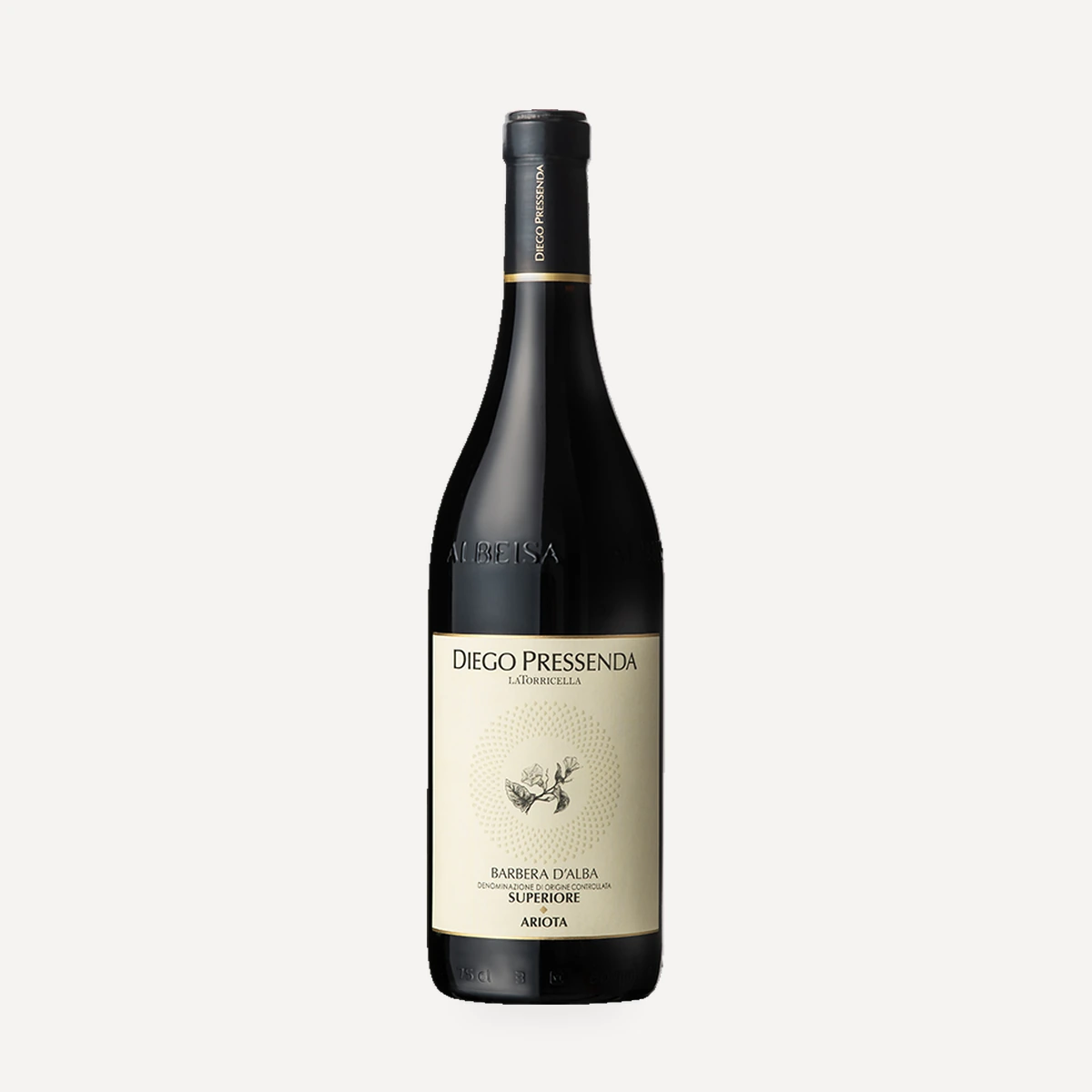
Barbera d'Alba Ariota Superiore DOC
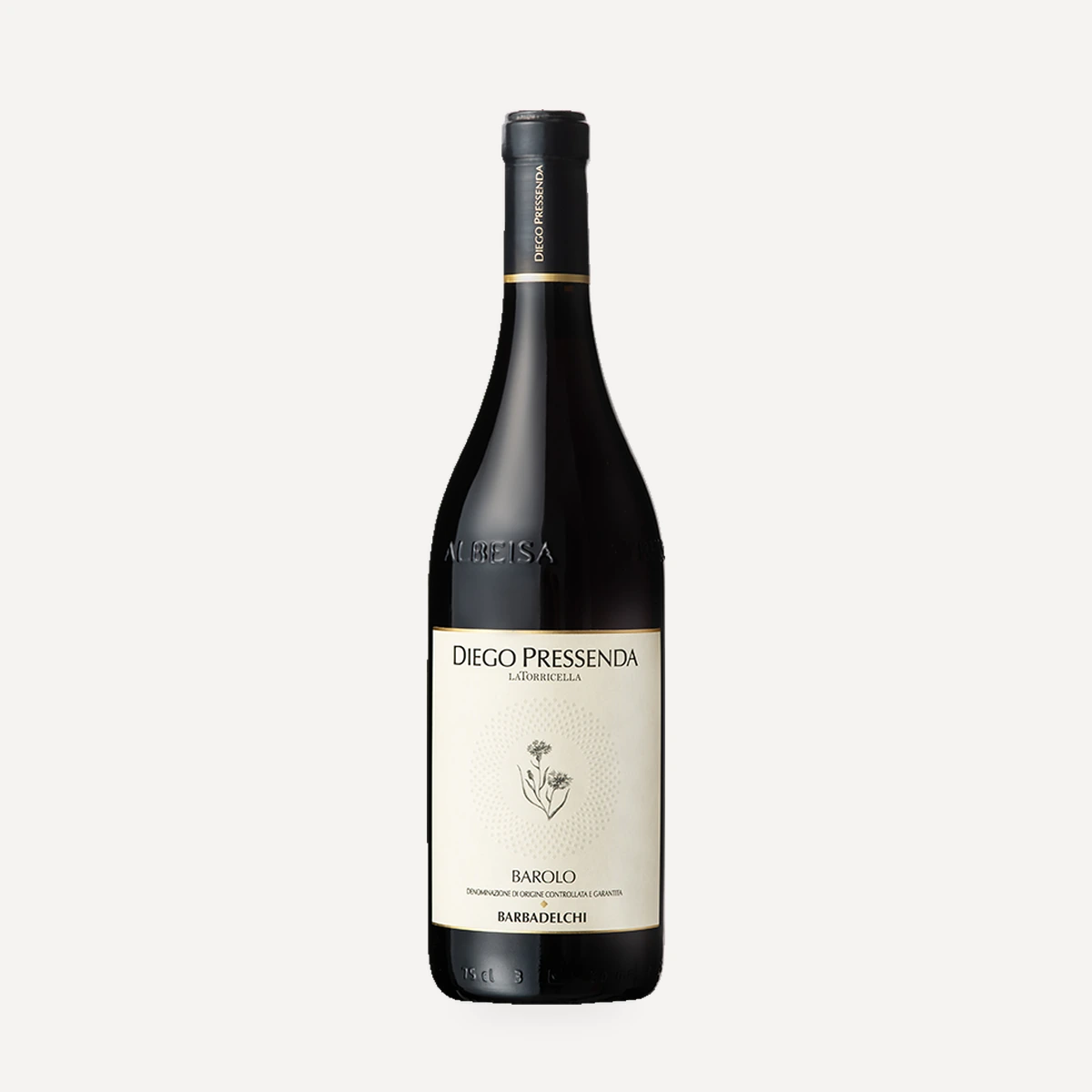
Barolo Barbadelchi DOCG
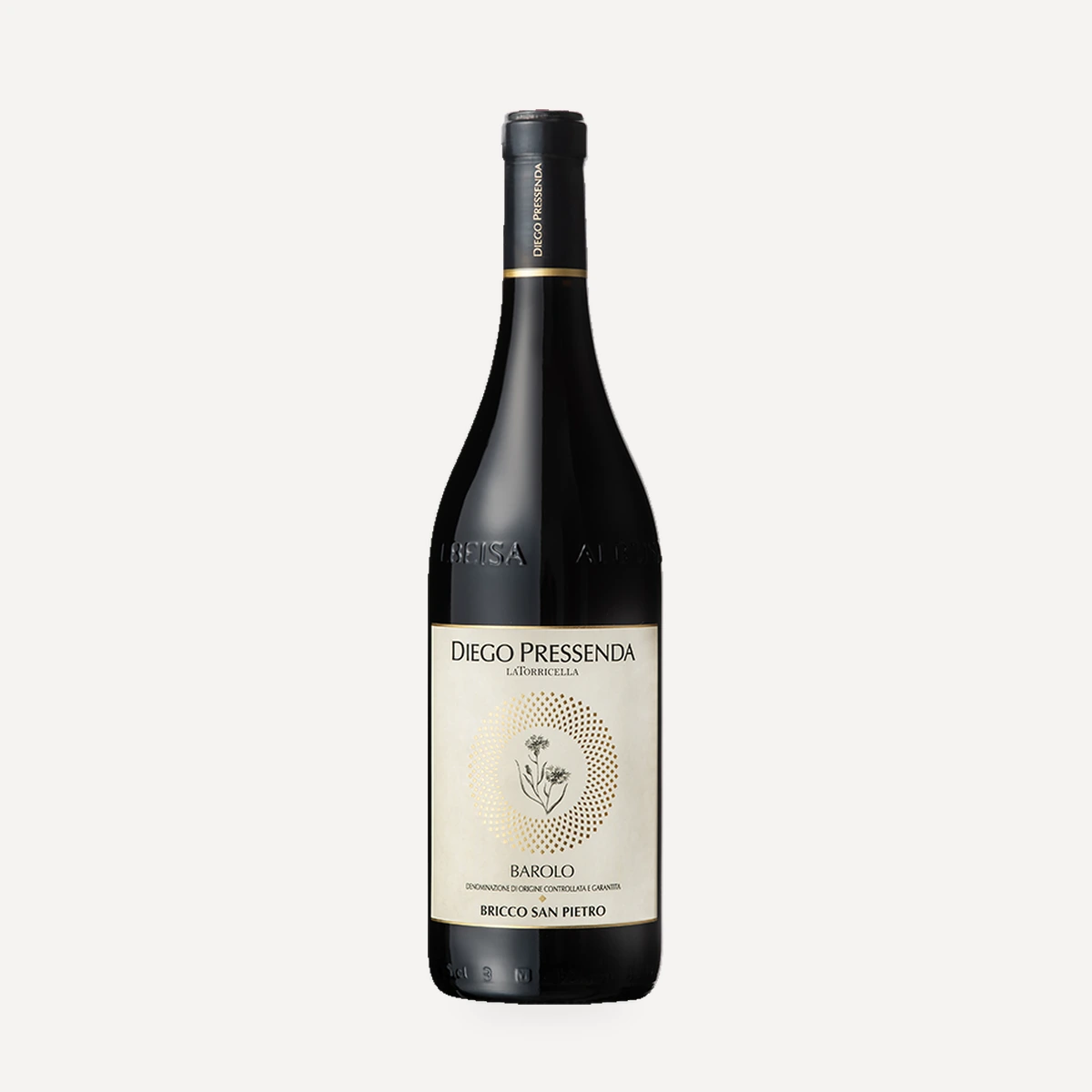
Barolo Bricco San Pietro DOCG
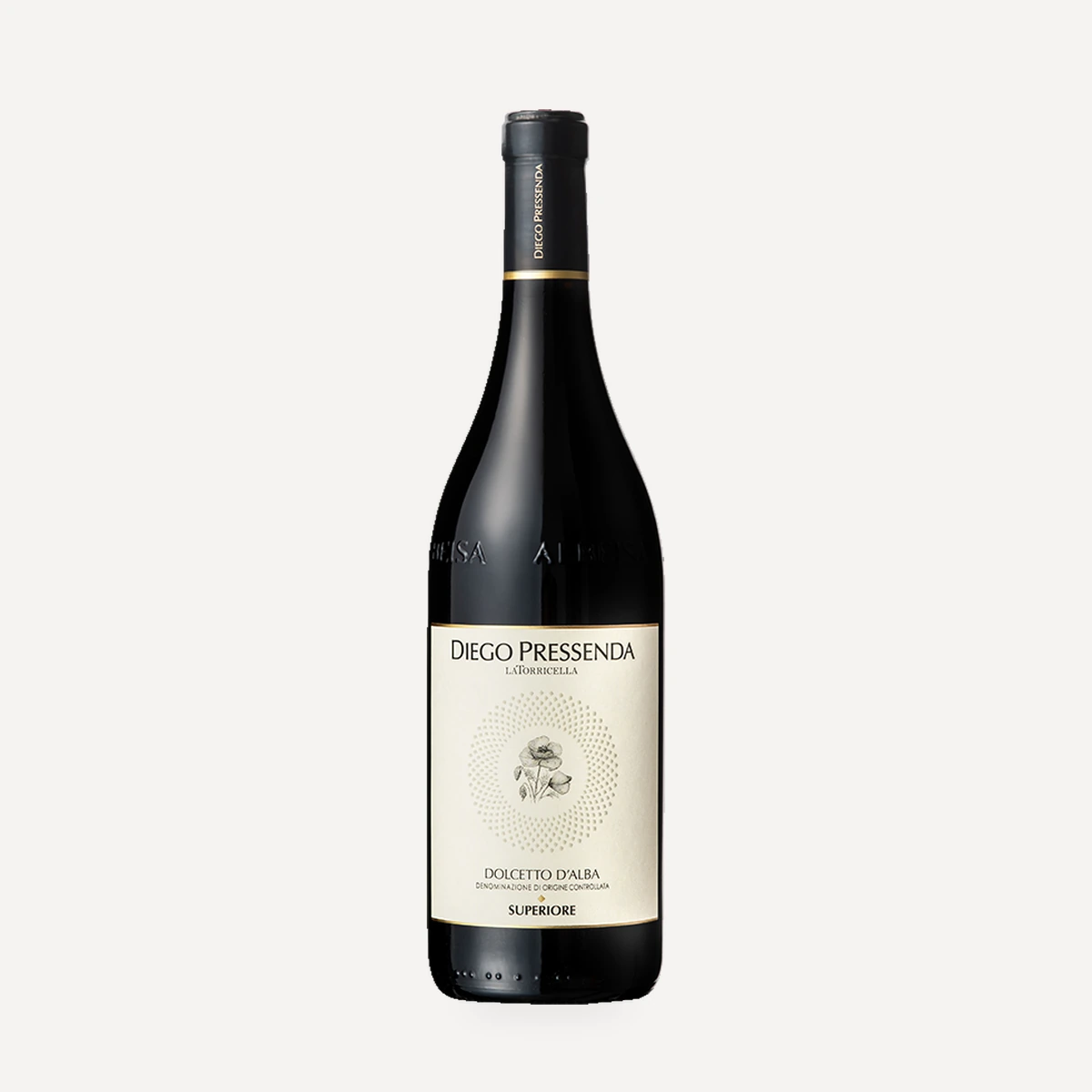
Dolcetto d'Alba Superiore DOC
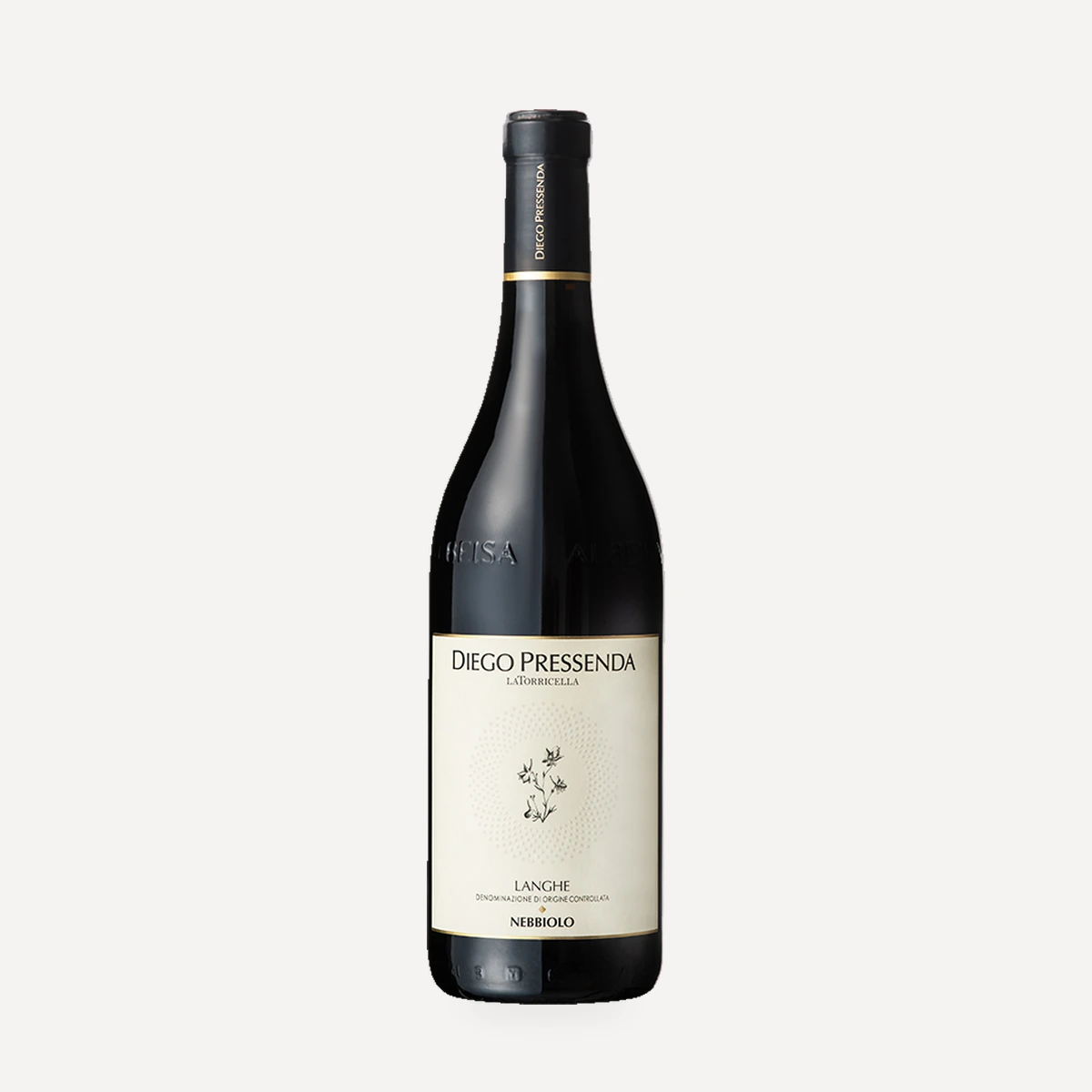
Langhe Nebbiolo DOC
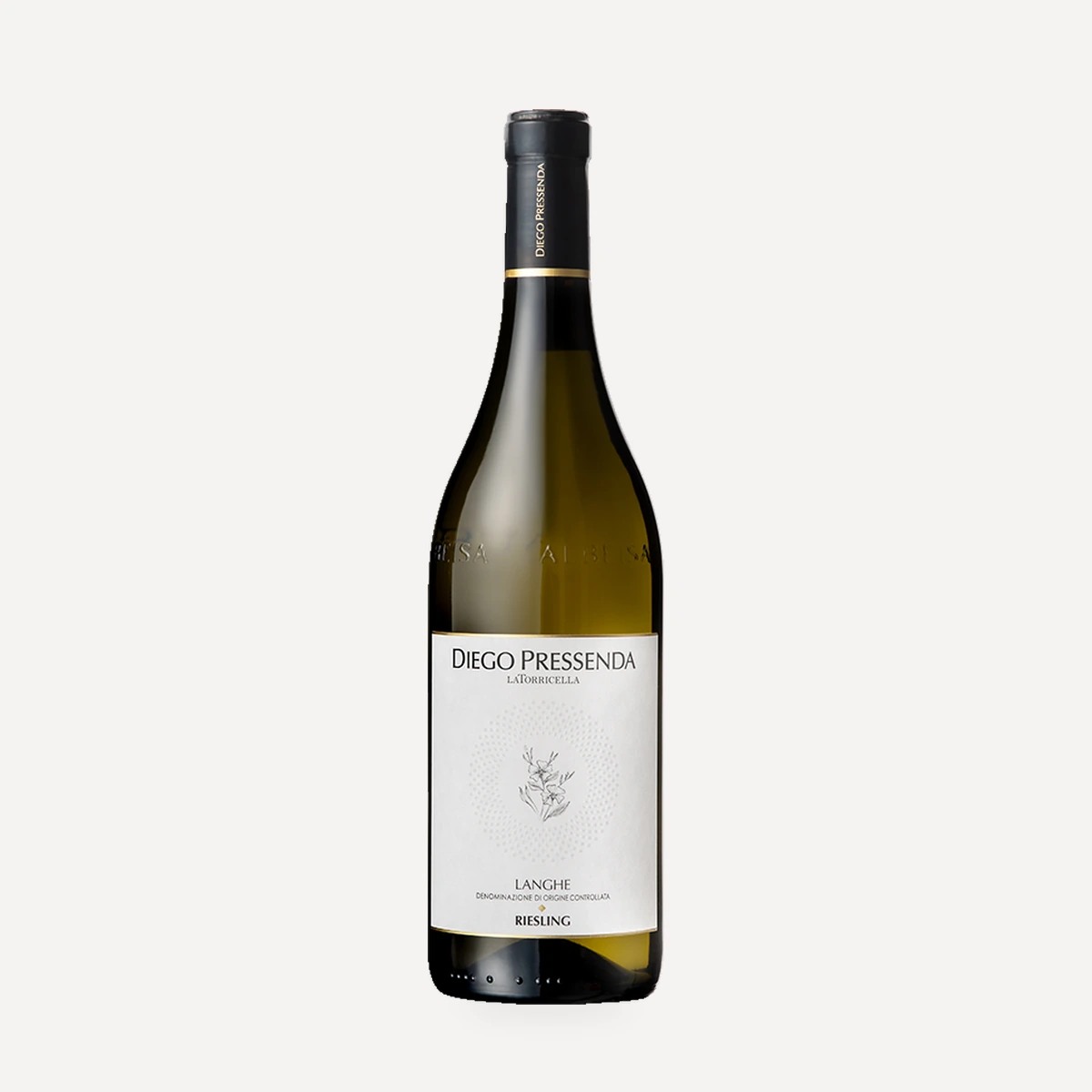
Langhe Riesling DOC
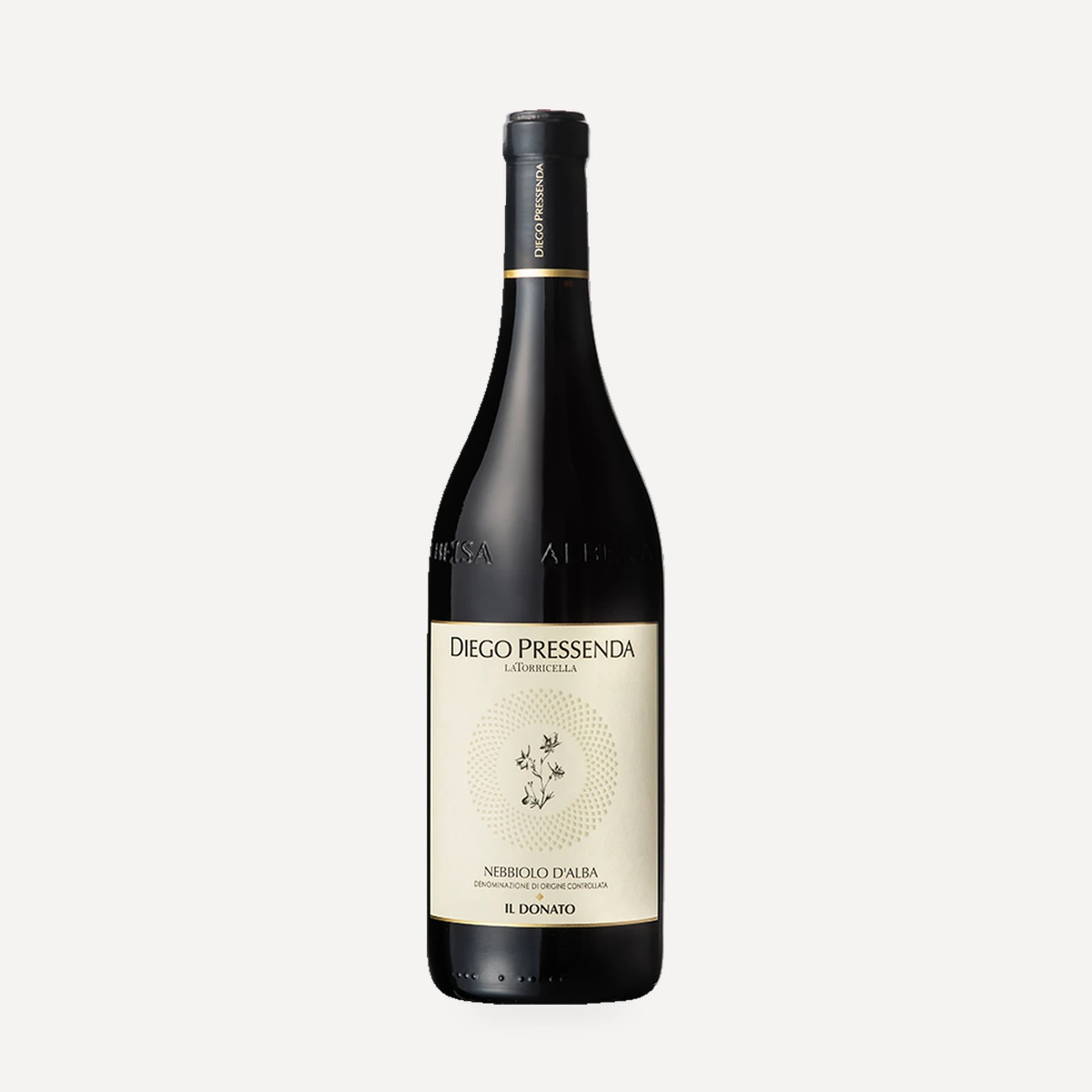
Nebbiolo d'Alba Il Donato DOC
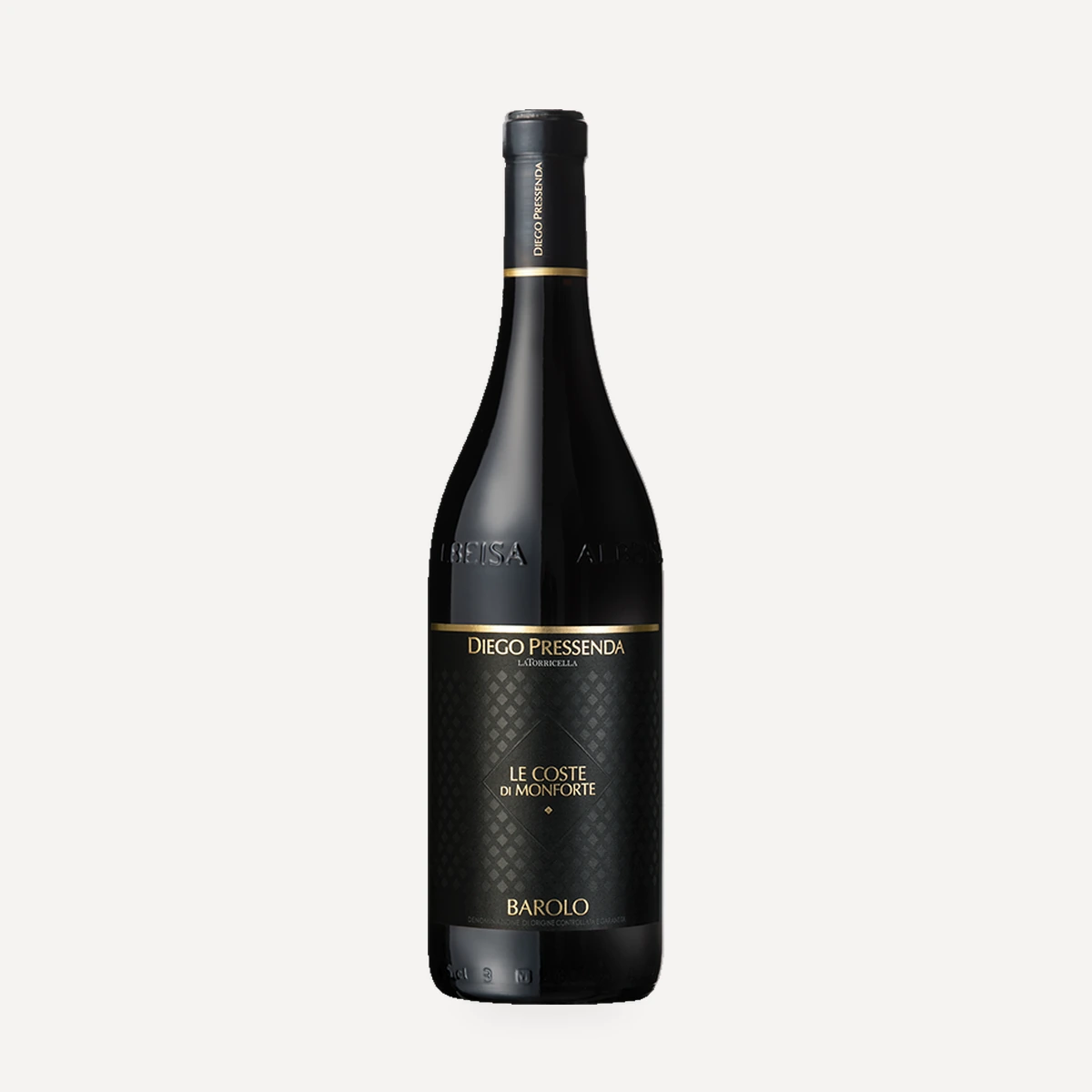
Barolo Le Coste di Monforte DOCG
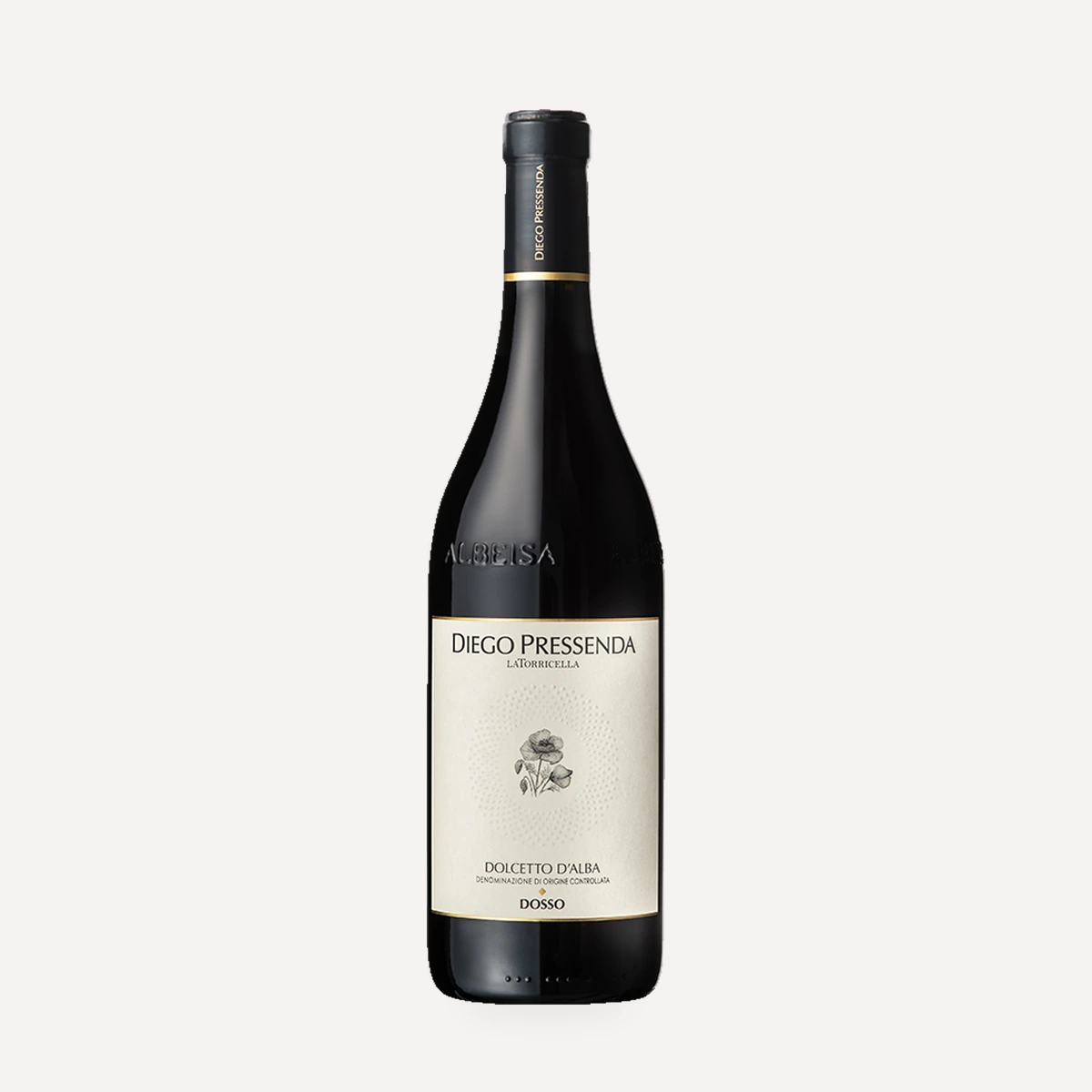
Dolcetto d'Alba Dosso DOC
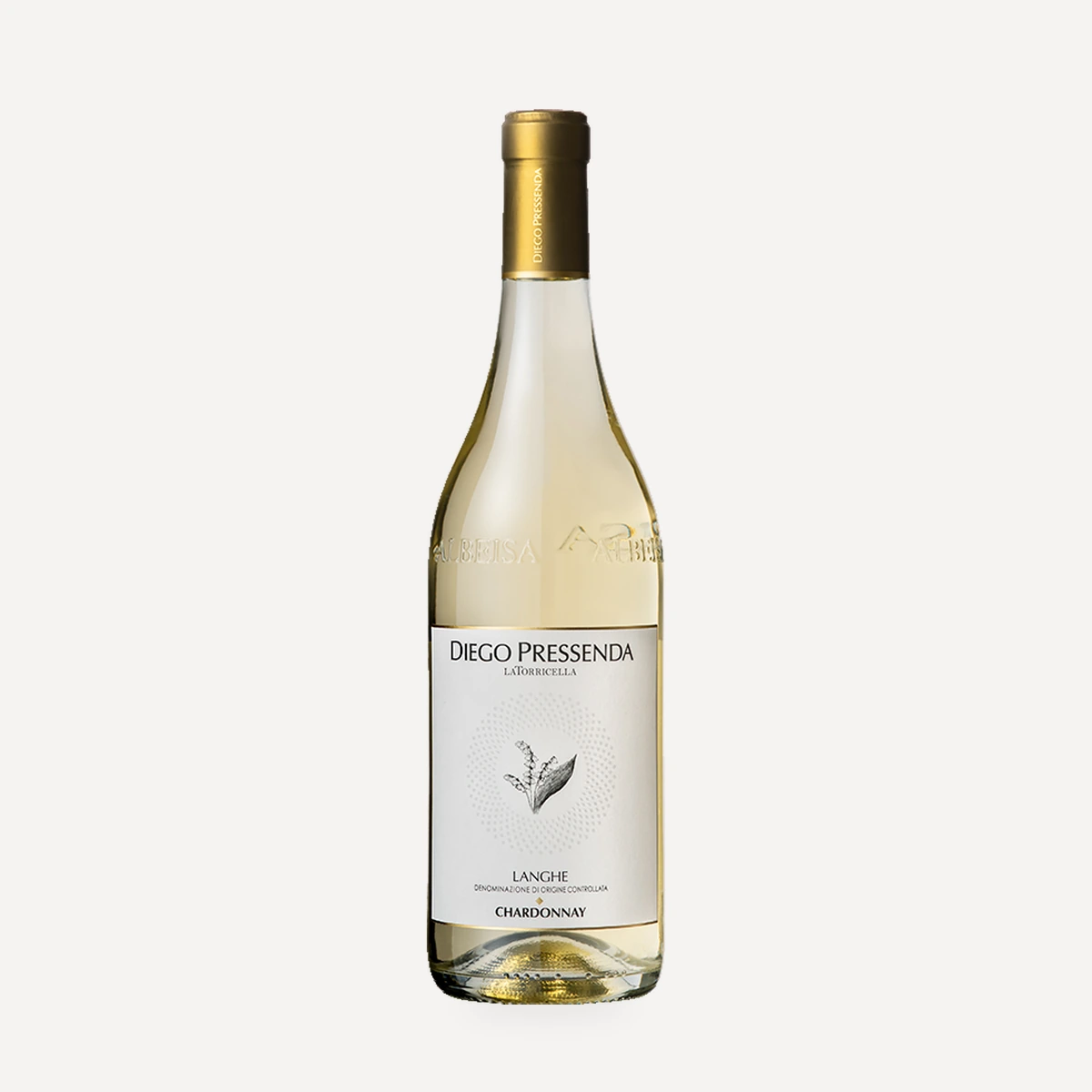
Langhe Chardonnay DOC
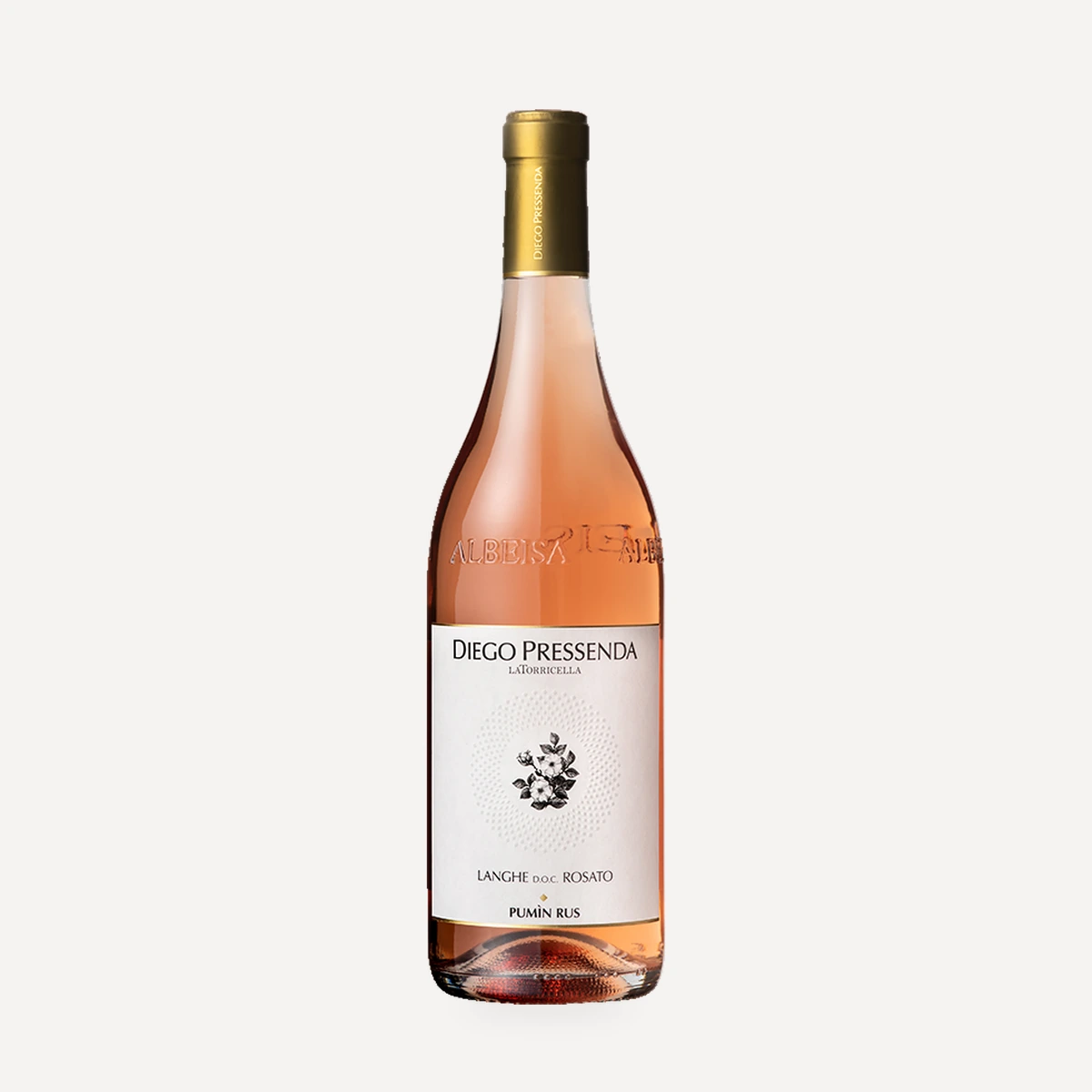
Langhe Rosato Pumin Rus DOC
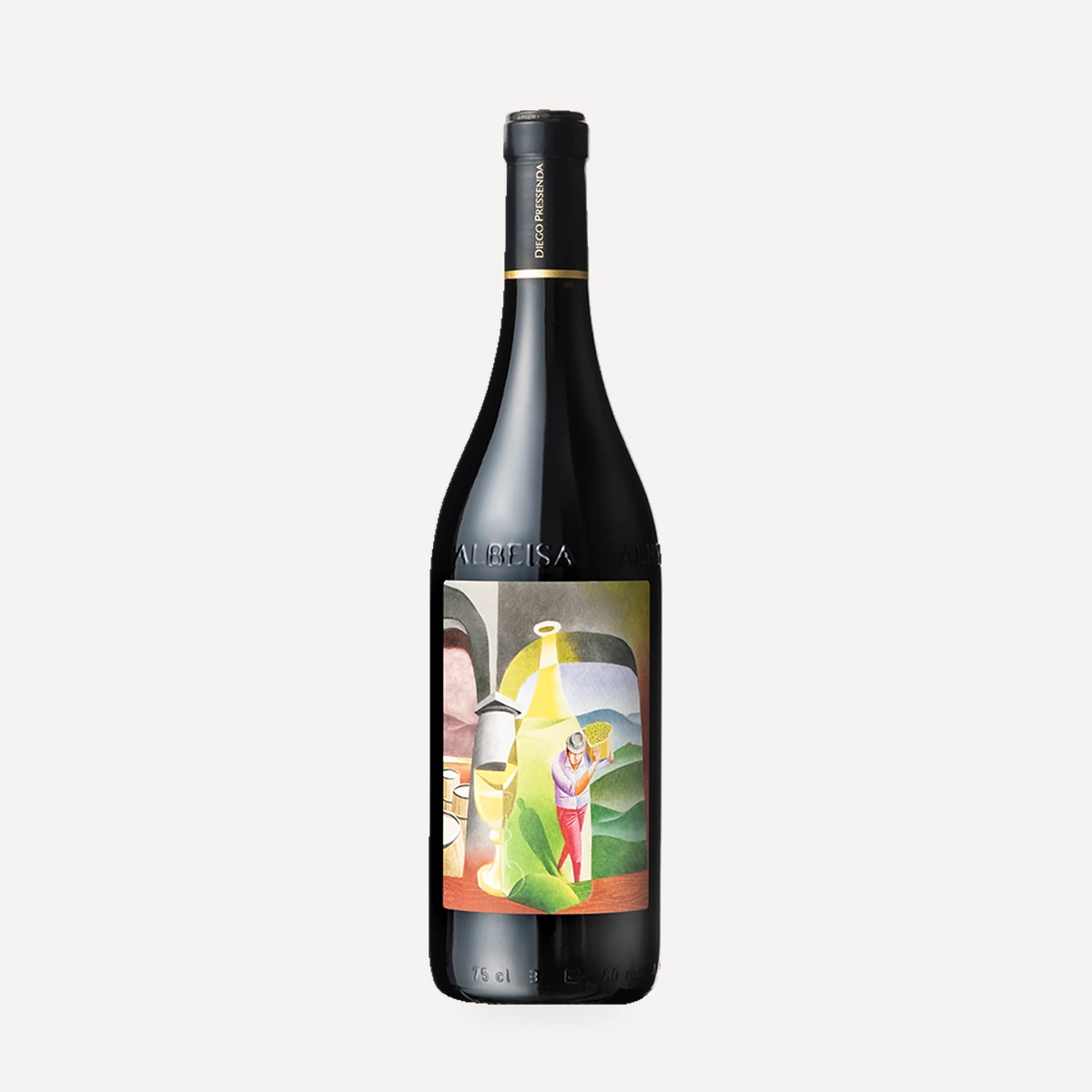
Langhe Rosso A Modo Suo DOC