Storia
Origins: Giuseppe Borgogno and Giacomo Damilano
The family’s winegrowing activity began in 1890, when Giuseppe Borgogno—the great-grandfather of the present owners—started cultivating and vinifying the family’s grapes in the municipality of Barolo.
The enterprise subsequently passed to Borgogno’s son-in-law, Giacomo Damilano, from whom it took its present name. Giacomo increased the attention given to the vineyards and continually improved the quality of vinification. By the 1920s, he had already recognized the suitability and potential of the family’s vineyard holdings.
Cannubi and the development of the vineyard holdings
Damilano established a long-standing presence on the Cannubi hill. Its Cannubi vines were planted in stages from 1945 to 2009. The family now manages approximately 10 ha there, comprising about 2 ha owned and 8 ha leased.
Planting in Raviole took place between 1970 and 2010, while the Liste vines were established in stages between 1978 and 2016. The Cerequio parcel was planted in 1997.
A new family generation
In 1997, Giacomo Damilano’s grandsons Guido, Mario and Paolo Damilano assumed leadership. They expanded the international reach and recognition of the family business while retaining its Langhe identity. Their work placed particular emphasis on Nebbiolo and on the distinct expressions of the Barolo MGA sites, especially Cannubi. Damilano’s single-site Cannubi interpretation also dates from the 1997 harvest.
Expansion and new projects
In 2008, Damilano began producing Barbera d’Asti after securing management rights through a rental agreement for an 11 ha vineyard at Casorzo, in the province of Asti. The same harvest marked the beginning of the Barolo Riserva Cannubi “1752” project, created from approximately 2 ha in the highest, most central historic portion of the Cannubi holding.
The G.D. white-wine line was created in 2015 and dedicated to Giacomo Damilano. Initially associated with Chardonnay and subsequently expanded with Timorasso, it reinterprets the founder’s early interest in the potential of the family’s vineyards for white varieties.
The 2015 harvest also produced the first Barolo from Raviole. Damilano became the first—and remains the only identified—producer of this lesser-known MGA in Grinzane Cavour.
A Barolo del Comune di Serralunga d’Alba joined the range with the 2019 vintage, extending the winery’s exploration of the different soils and communes of the Barolo production area.
Winery and hospitality development
The winery on the Alba–Barolo provincial road underwent a major renovation, resulting in contemporary, functional architecture. The family also renovated its older building at Via Roma 31 in Barolo to create a second wine shop when the Barolo Wine Museum opened.
Terroir
A mosaic of Barolo sites
Damilano works across several distinct Barolo growing areas in the municipalities of Barolo, La Morra, Grinzane Cavour and Serralunga d’Alba. Their differences encompass geological origin, soil depth and texture, water availability, altitude, exposure, wind protection and temperature variation.
Cannubi
Cannubi is the only area in the Barolo production zone where marls of different geological origins—described as fossil Sant’Agata marls and remnants of Diano sandstone, and elsewhere as Tortonian and Helvetian formations—meet and intermingle. Damilano’s section contains 45% sand, 35% silt and 20% clay. Fine sand encourages aromatic intensity, while alkalinity and abundant calcium are associated with finesse. Silt and clay supply micro-elements, potassium and magnesium and support high polyphenolic concentration. The vines lie at an average elevation of 280 m, facing south and south-east.
Liste
Liste lies in Barolo at an average elevation of 350 m, with south and south-east exposures. Its soil comprises 15% sand, 55% silt and 30% clay. The deep soil and greater water availability contribute to power and structure, while the site is associated with high anthocyanin and polyphenol levels. Only two producers vinify rows from this small MGA.
Brunate
Brunate—historically recorded as “Brinate”—occupies a single side of the La Morra hillside. Its ridges create an almost uniform exposure, while strong day–night temperature variations are a defining climatic feature. The relatively fine-textured, calcium-rich soil also contains silt and clay, micro-elements, potassium and magnesium.
Cerequio
Cerequio forms an amphitheatre of vines in La Morra, almost entirely oriented south and south-east. La Morra’s higher hill protects it from cold northerly winds. The site stands at an average elevation of 320 m. Its deep, relatively loose soil consists of 20% sand, 50% silt and 30% clay; the abundance of silt and clay and relatively high water availability favor structure and tannic power. Terraced vineyards surround a small, now-uninhabited cluster of houses at its center.
Raviole
Raviole lies beside the Castello di Grinzane Cavour at an average elevation of 300 m, facing south and south-west. Its alluvial, limestone-and-clay soils are associated with freshness and fruit expression. The silt and clay components contribute finesse, aromatic intensity and delicate structure, while the soil carries high levels of anthocyanins and polyphenols.
Serralunga d’Alba
The Serralunga vines grow at approximately 260 m on south-facing hills. Their Lequio Formation soils consist of alternating layers of clay marl and sand, with a stated composition of 25% sand, 52% silt and 23% clay. The sunny exposure and temperate conditions support ripening and the site’s pronounced mineral character and aging potential.
Casorzo
The 11 ha Barbera vineyard managed at Casorzo, in the province of Asti, lies in Monferrato. Its 20- to 30-year-old vines grow in calcareous soil containing white marl.
Vinificazione
Vineyard work is founded on care, precision and respect for the land, combining the standards established by the earlier generations with contemporary knowledge. Nebbiolo and the individual characteristics of its Barolo MGA sites are the principal focus.
The family distinguishes between owned and leased land at Cannubi, where it owns approximately 2 ha and leases another 8 ha, and manages further vineyards through arrangements such as the 11 ha rental at Casorzo. Planting dates show substantial age diversity within the holdings: Cannubi spans 1945–2009, Liste 1978–2016, Raviole 1970–2010 and Cerequio was planted in 1997.
Sustainability is framed broadly as protection of the land together with responsible production, work and respect for people.
The production identity is centered on separate interpretations of Barolo’s geographical mentions. Cannubi, Brunate and Raviole are associated with a more elegant profile, while Liste and Cerequio provide more forceful, structured expressions. Barolo Lecinquevigne is conceived as a broader representation of Nebbiolo’s facets, and the Serralunga d’Alba bottling extends the study of commune-specific terroir.
The winery stands on the Alba–Barolo provincial road, approximately 1.5 km from Barolo toward Alba and close to La Morra. A major renovation gave the building contemporary, functional architecture.
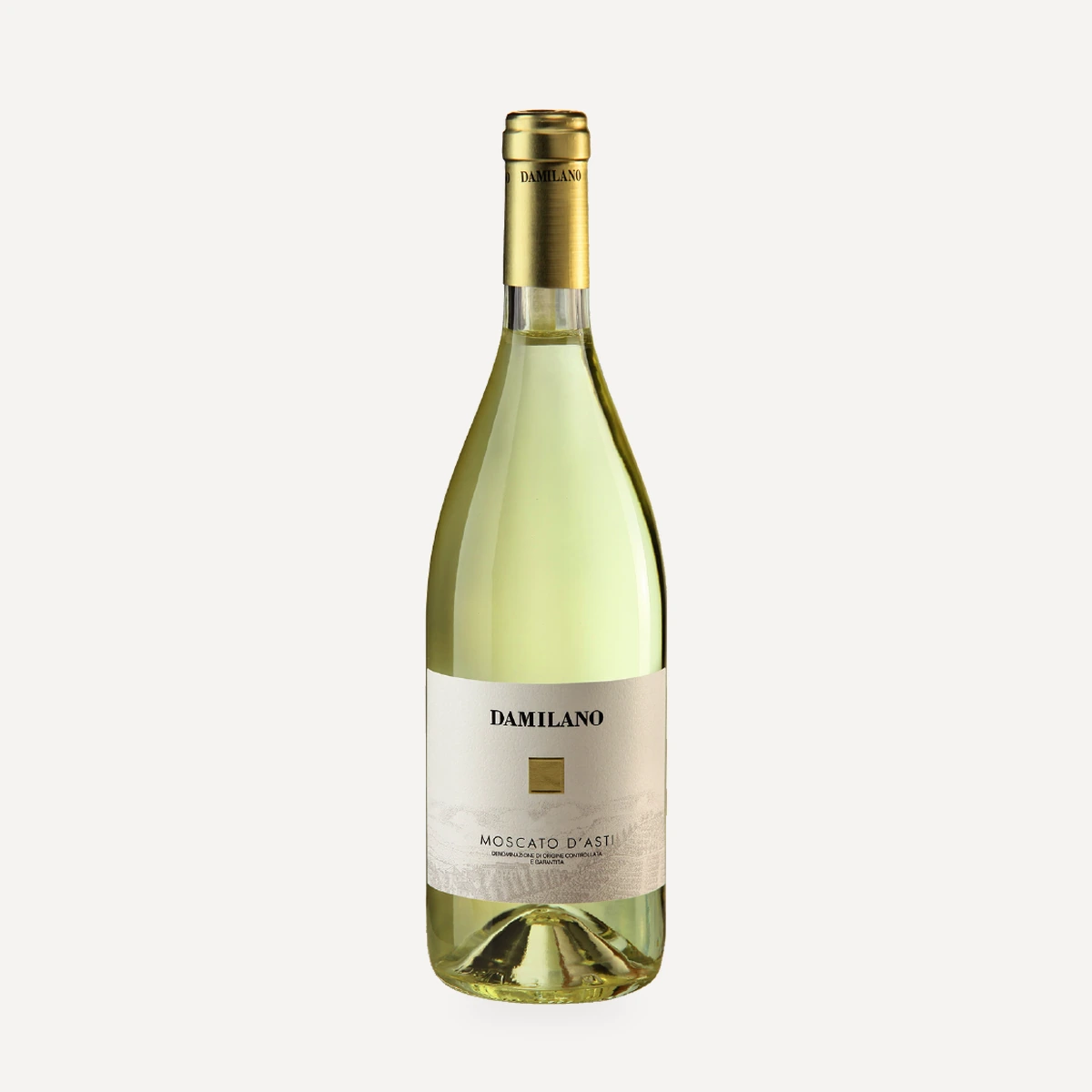
The portfolio expanded beyond its historical focus on Nebbiolo with the G.D. white-wine line in 2015, dedicated to Giacomo Damilano and based on Chardonnay and Timorasso. Other production encompasses Arneis, Moscato, Barbera, Dolcetto, rosato, traditional-method sparkling wines from Pinot Nero and Chardonnay, Barolo Chinato and aged grappa.
Filosofia
Damilano’s philosophy rests on three connected pillars: land, history and people. The family treats terroir as the foundation of wine quality and regards human work in both vineyard and cellar as the means of interpreting it.
Respect for the land is the central environmental principle, but the family’s definition of sustainability also includes production, labor and respect for people. Its stated aim is to protect local identity while applying contemporary knowledge, precision and research to the individual characteristics of each vineyard.
Tradition and experimentation are presented as complementary. The family’s historical concentration on Nebbiolo continues through its MGA program, while projects such as the G.D. whites, the Casorzo Barbera holding and the Serralunga d’Alba bottling extend the range without abandoning the emphasis on place. The G.D. Timorasso project explicitly frames innovation and experimentation as activities pursued with respect for tradition.
Vini
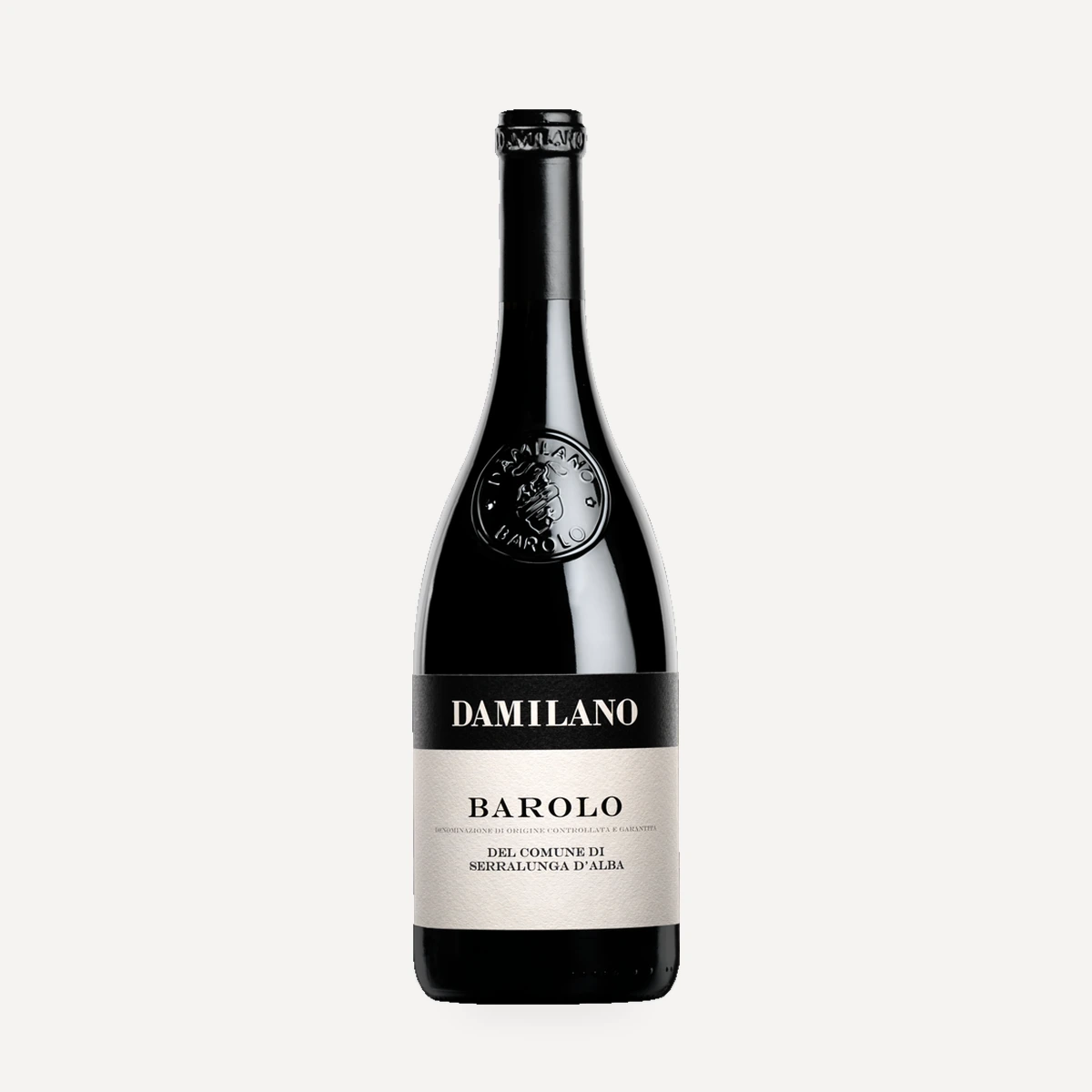
Barolo Docg del Comune di Serralunga d’Alba
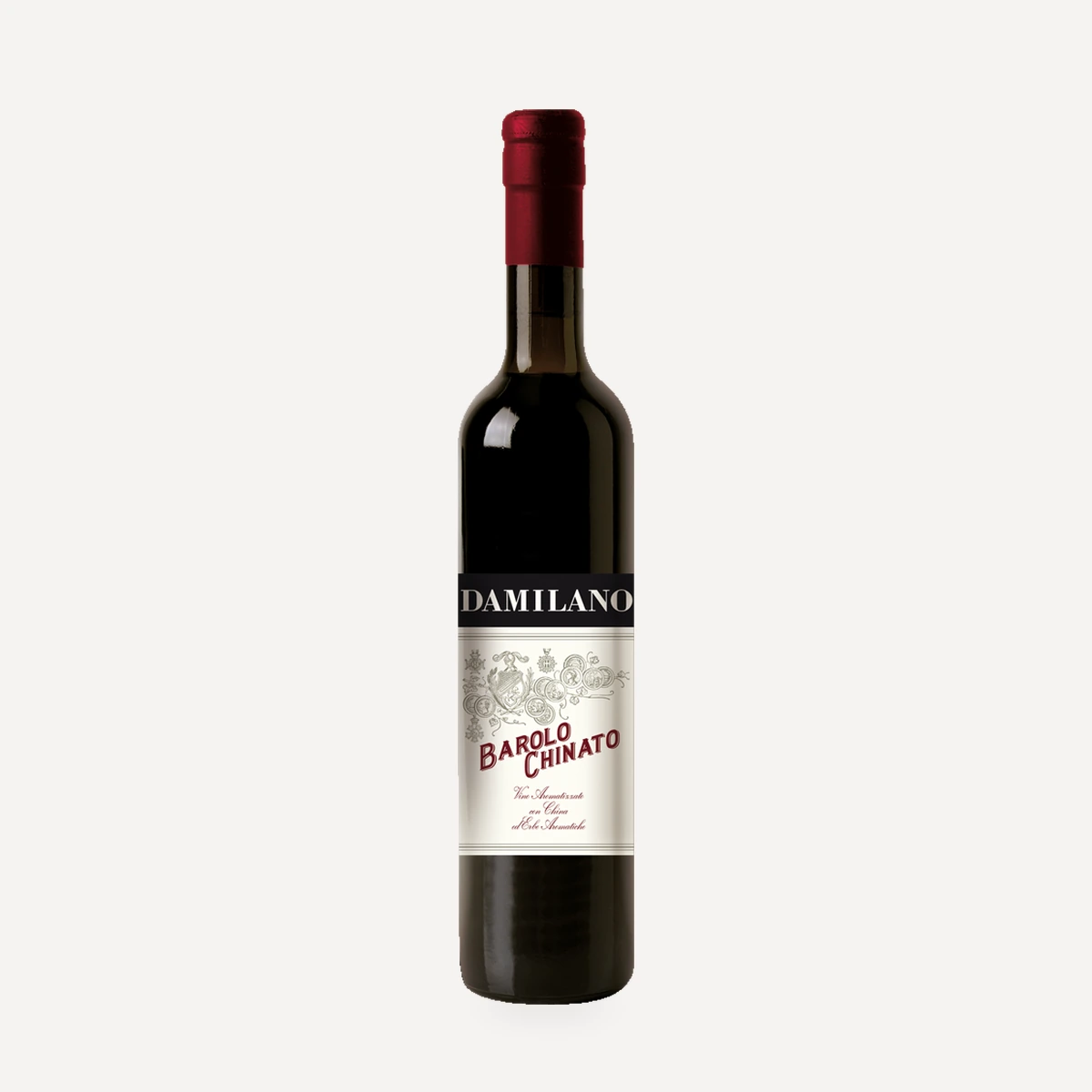
Barolo Chinato
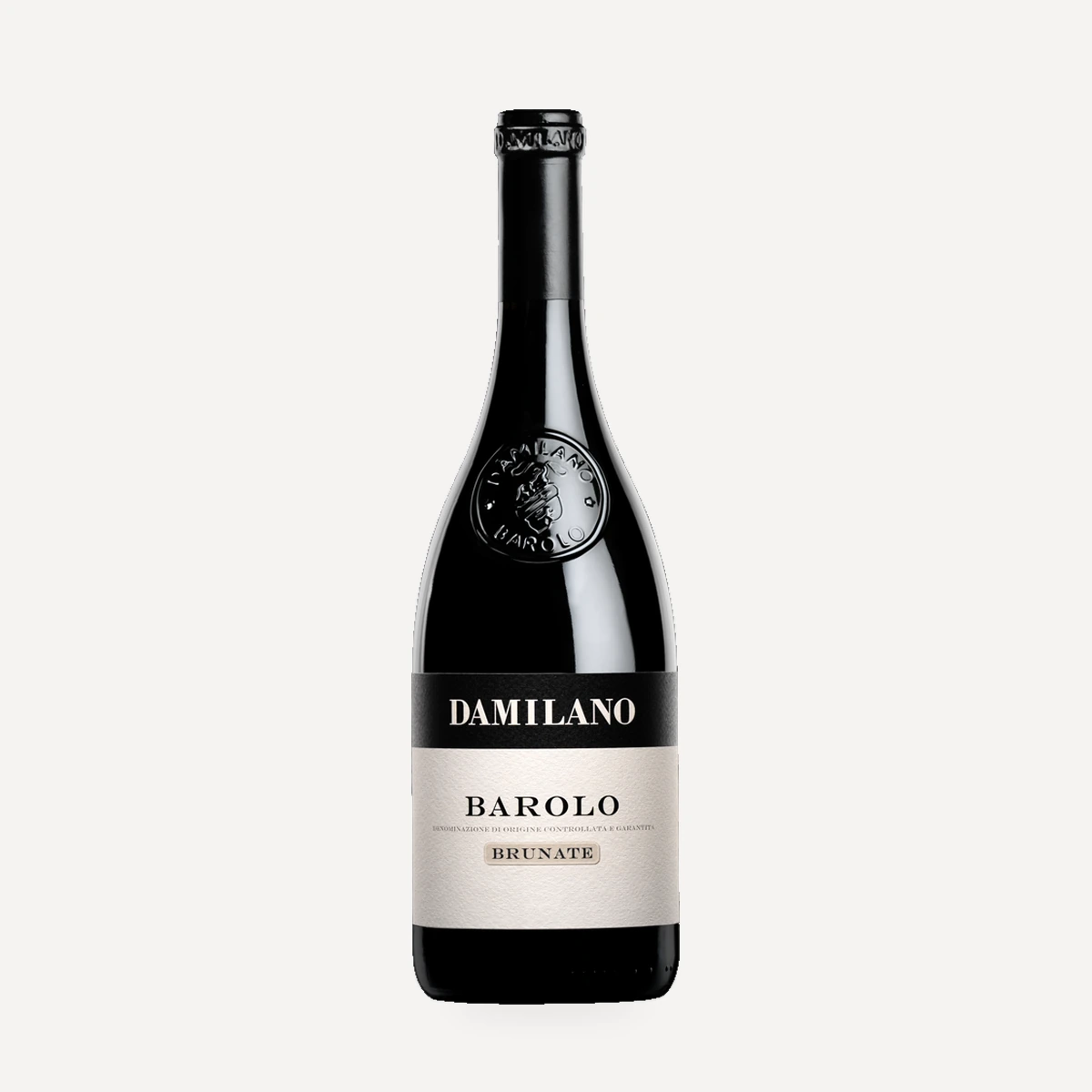
Barolo Docg Brunate
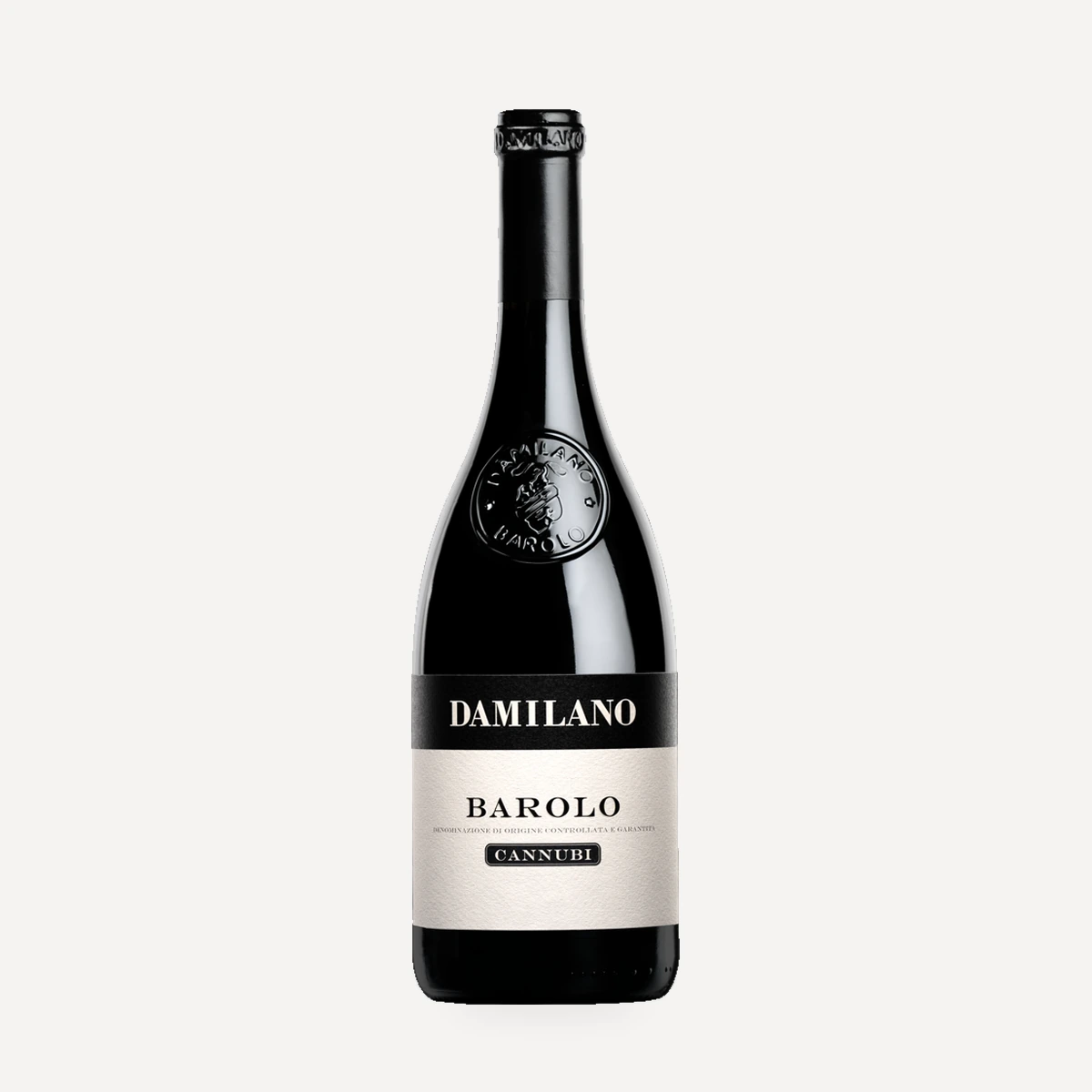
Barolo Docg Cannubi
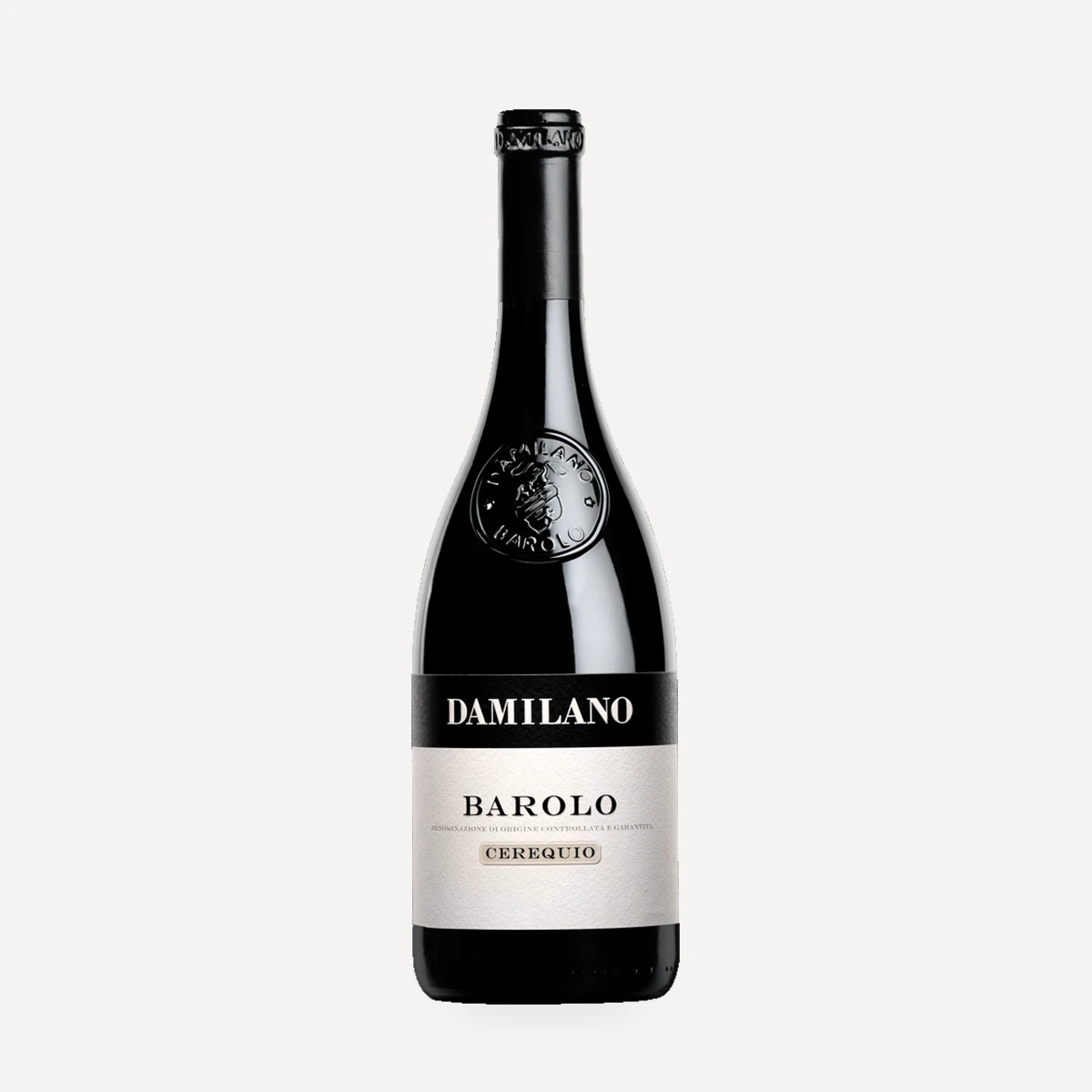
Barolo Docg Cerequio
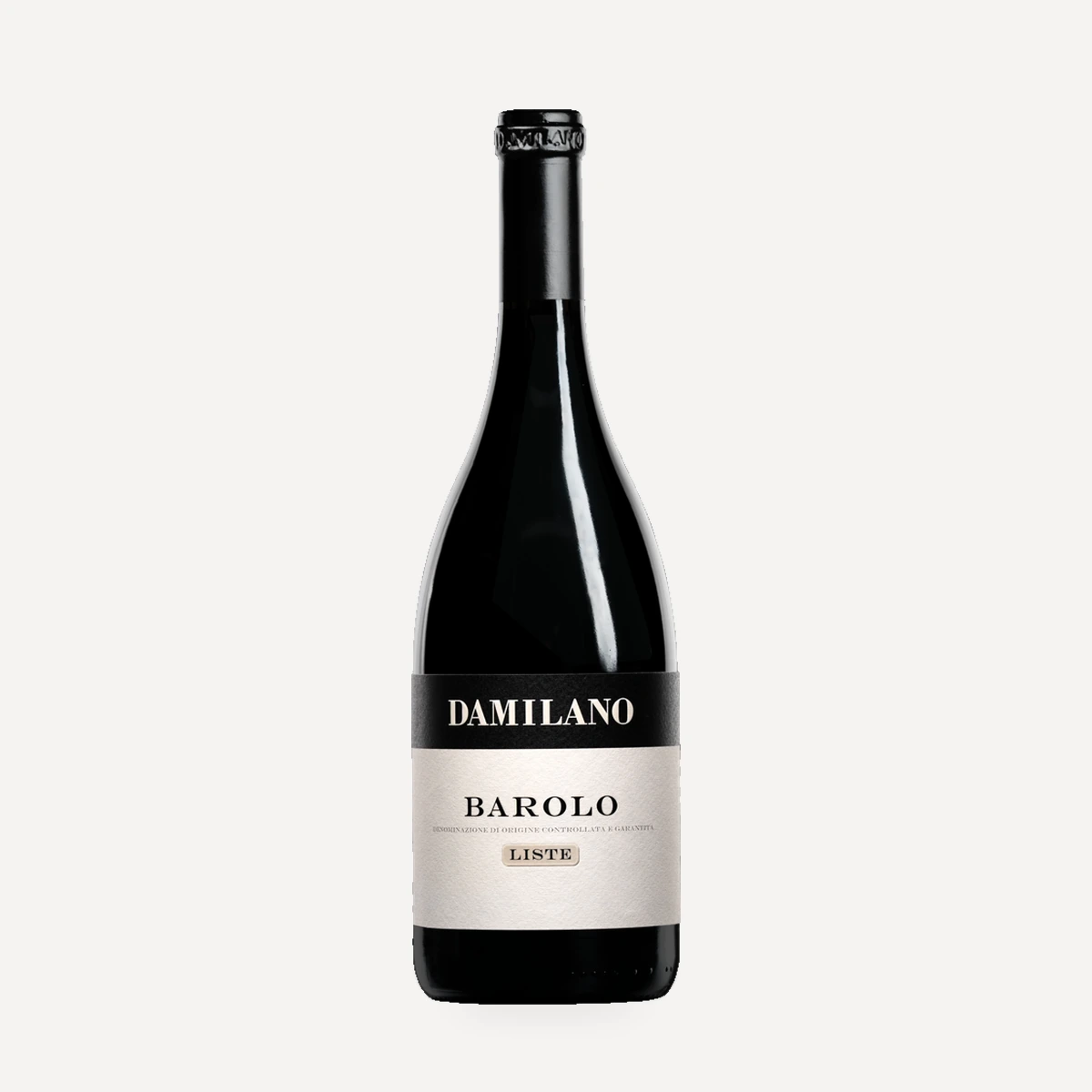
Barolo Docg Liste
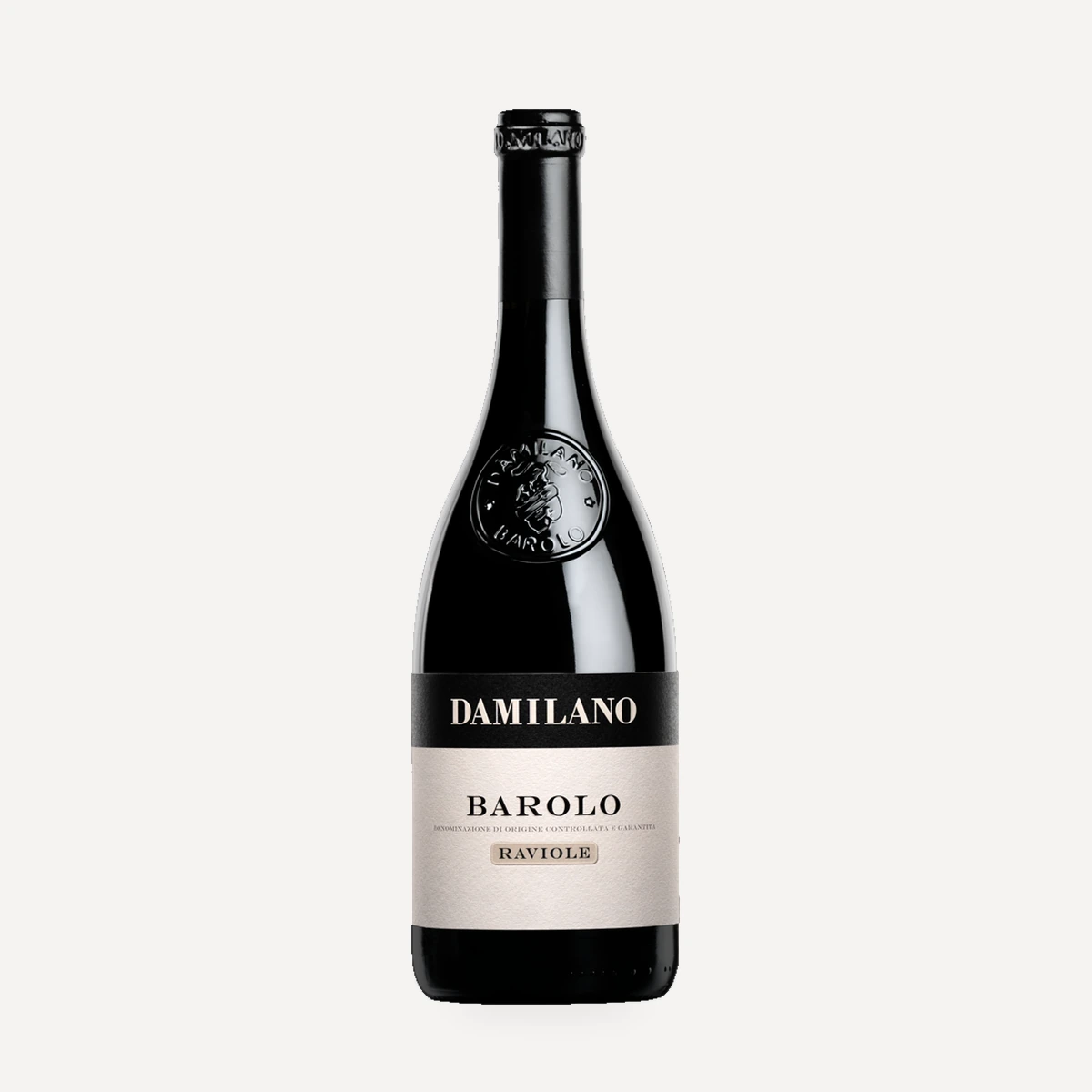
Barolo Docg Raviole
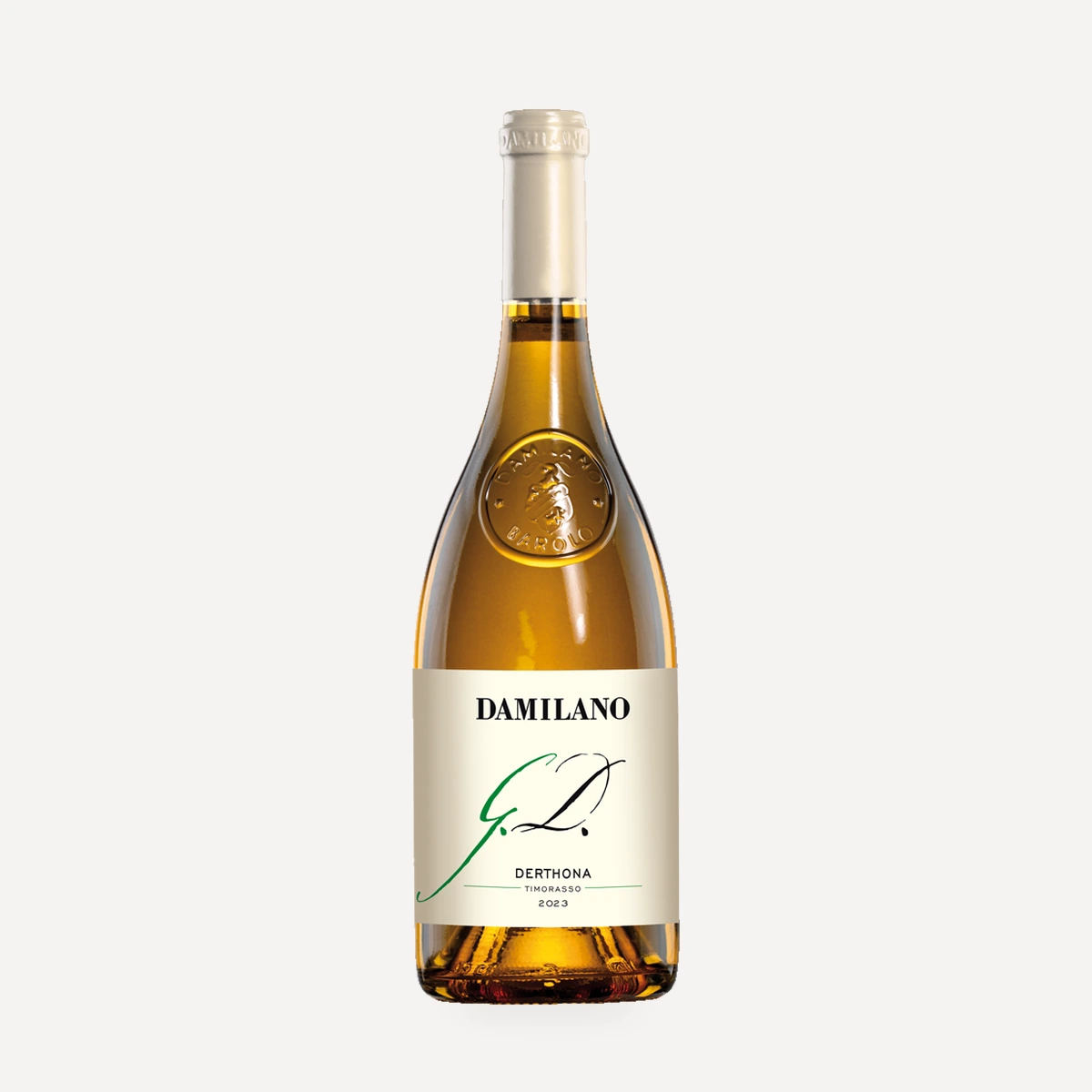
Colli Tortonesi DOC Timorasso Derthona “G.D.”
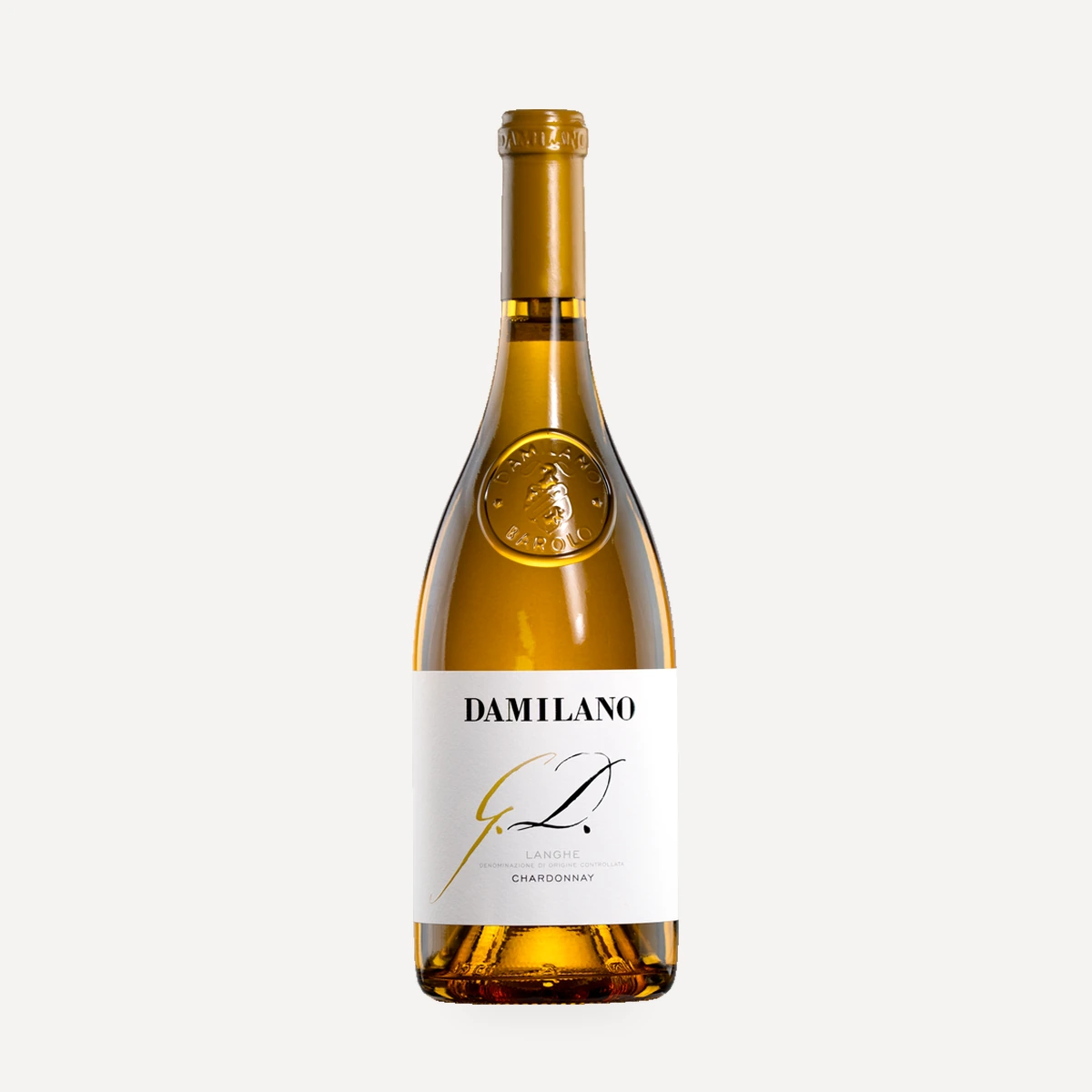
Langhe Doc Chardonnay “G.D.”
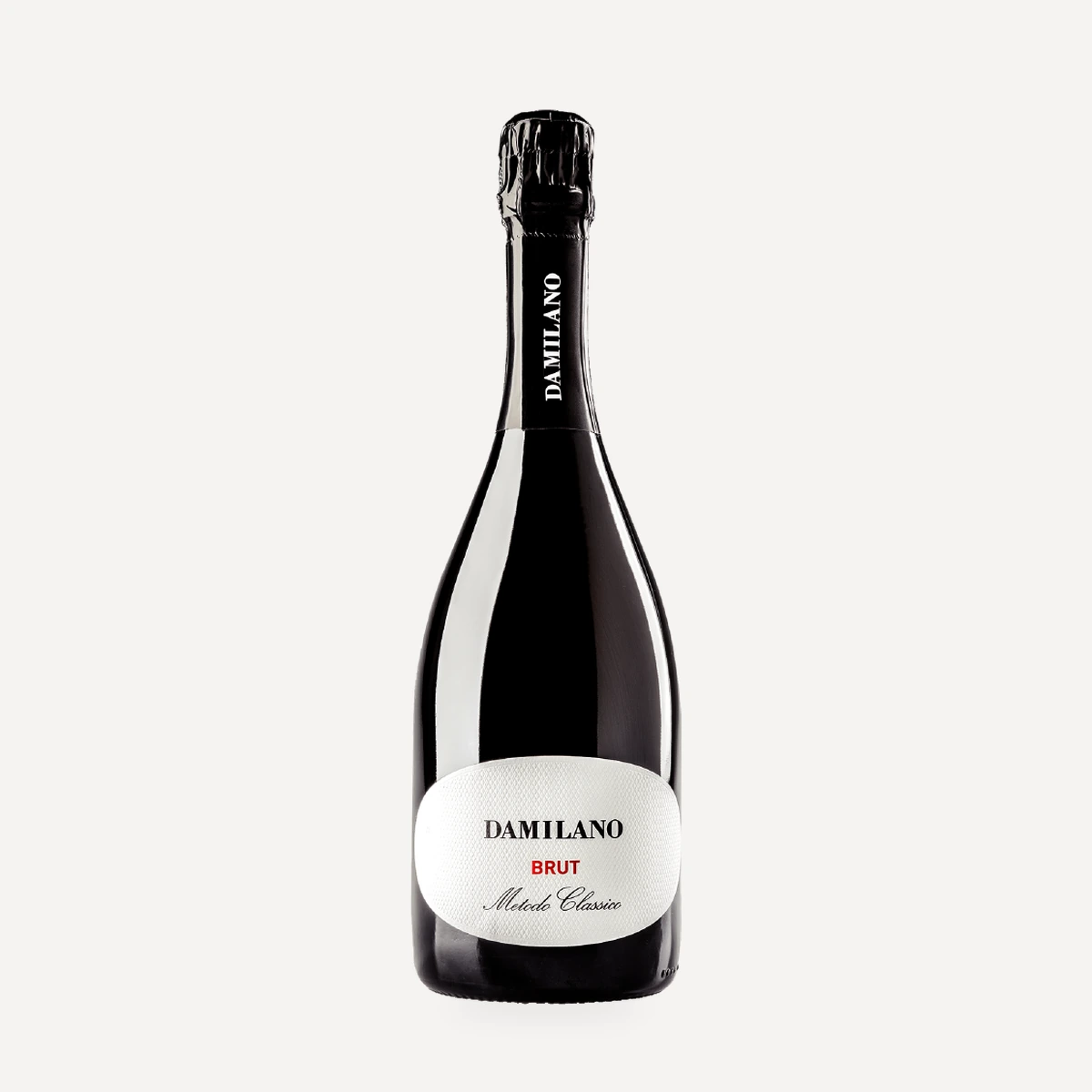
Brut Metodo Classico
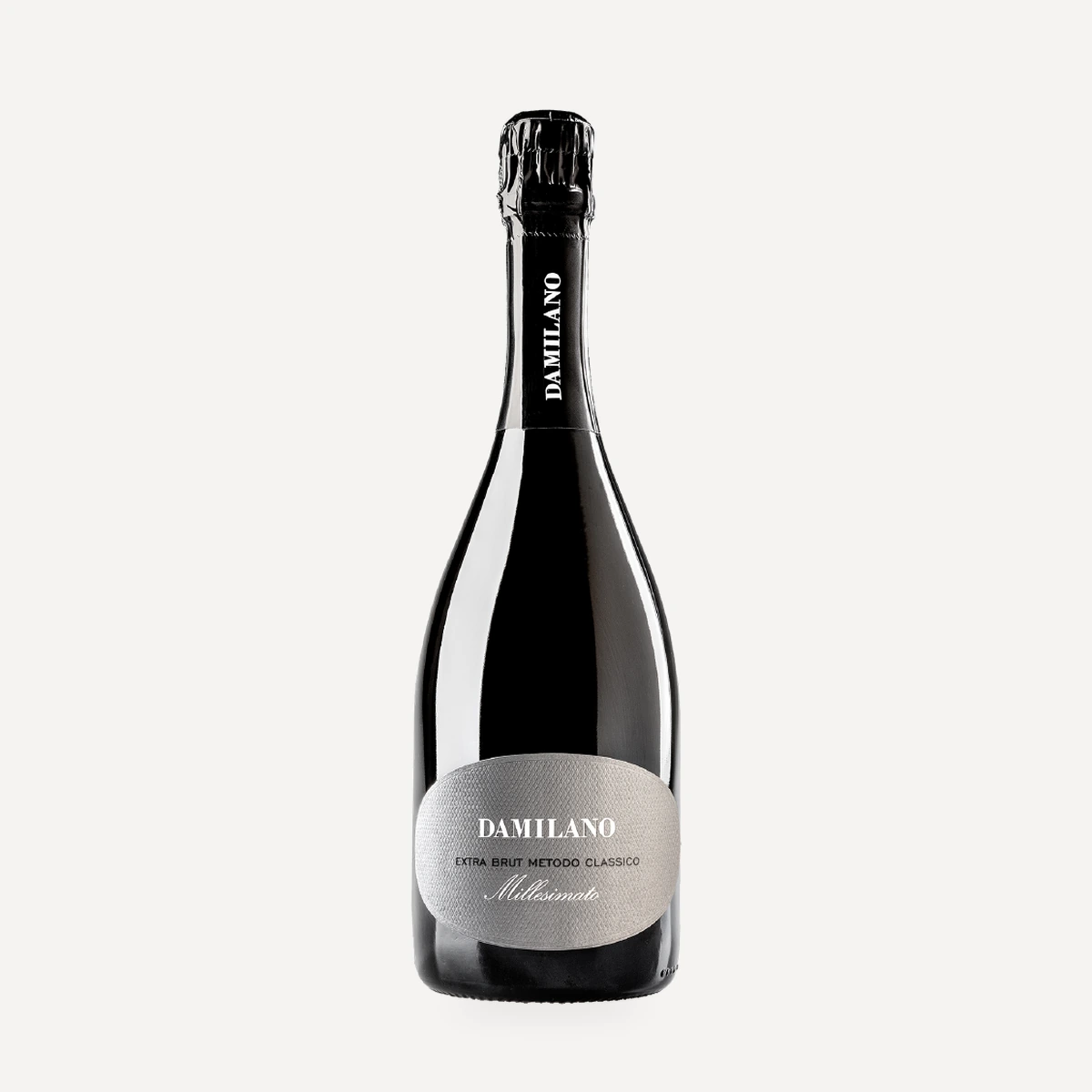
Extra Brut Metodo Classico Millesimato
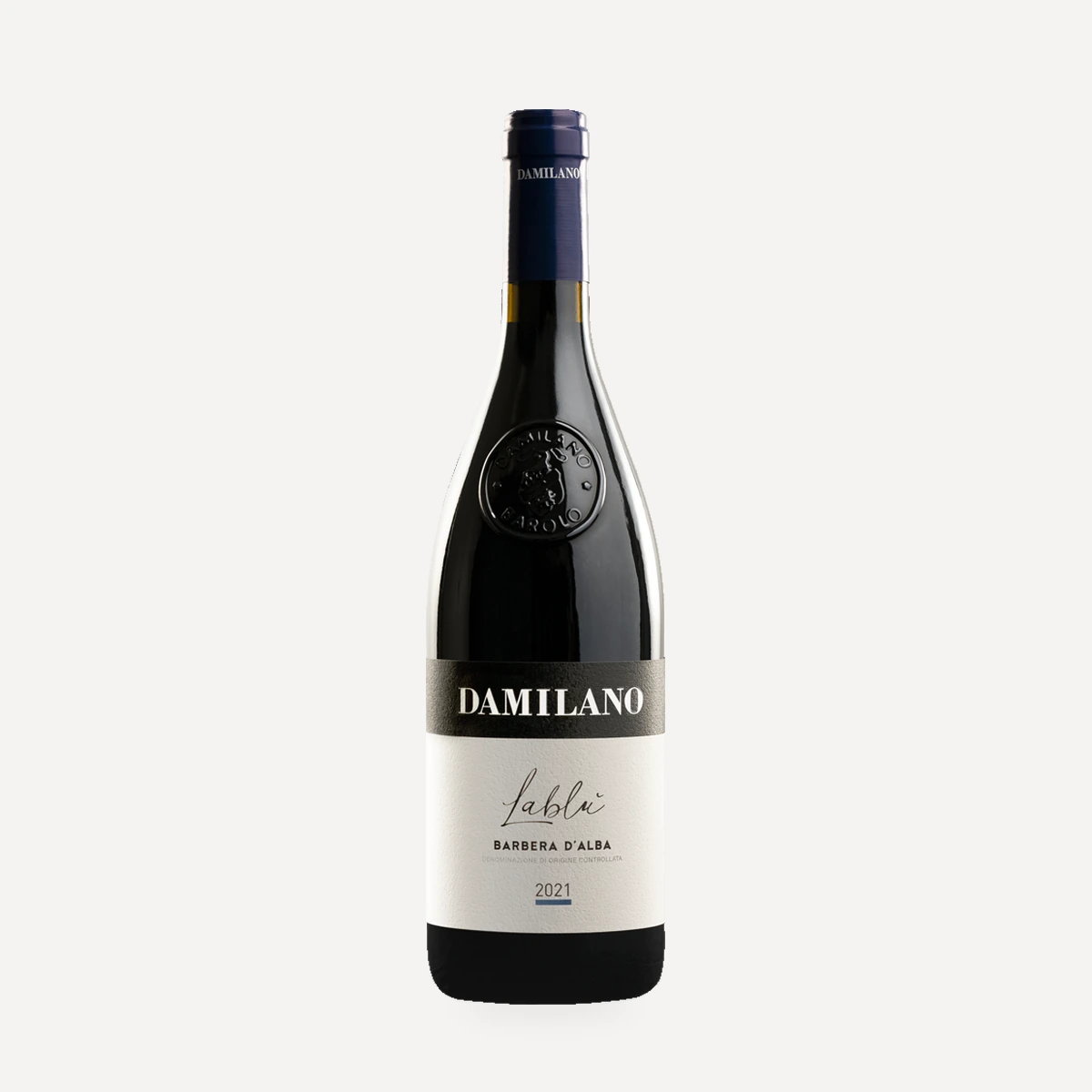
Barbera d’Alba Doc “Lablù”
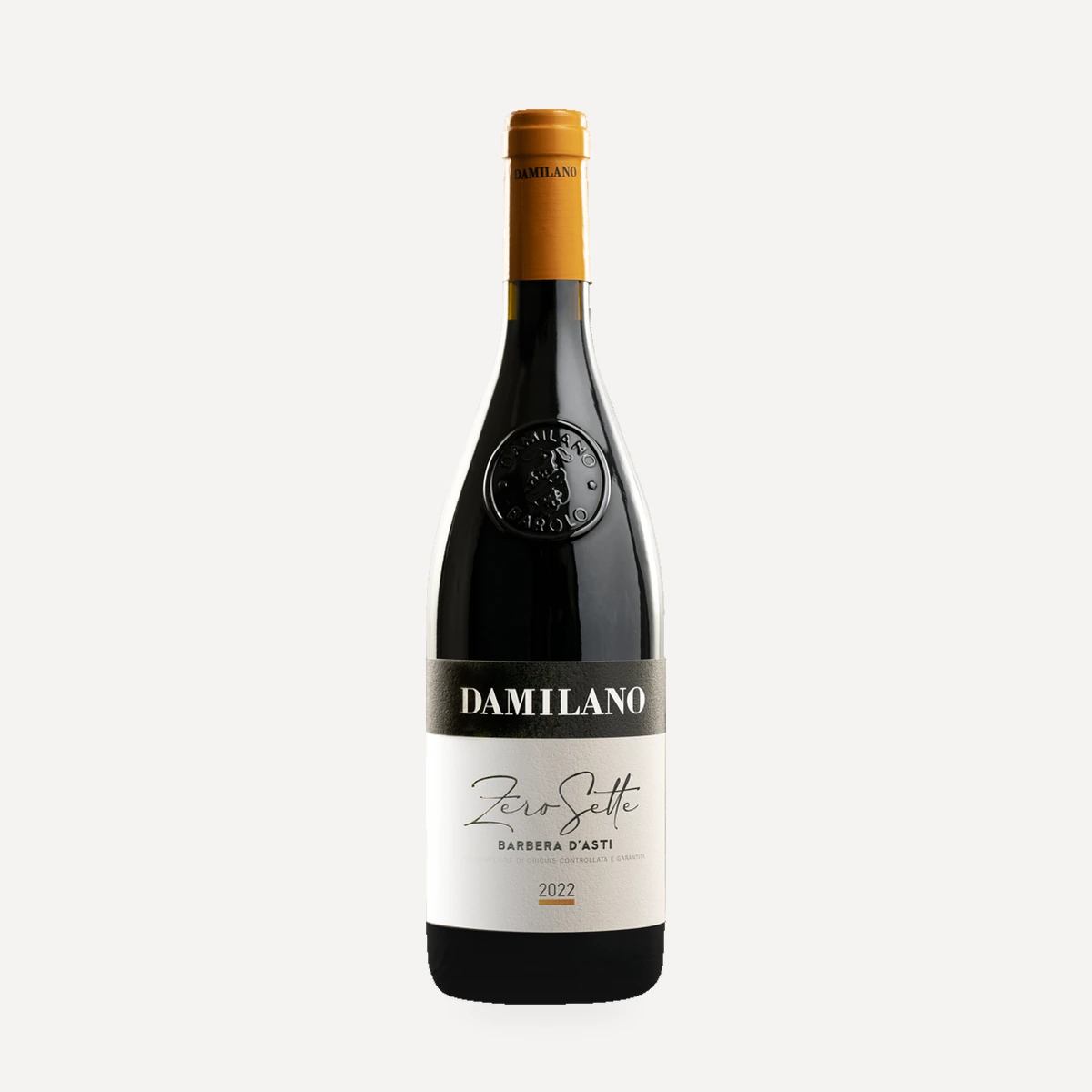
Barbera d’Asti Docg “ZeroSette”
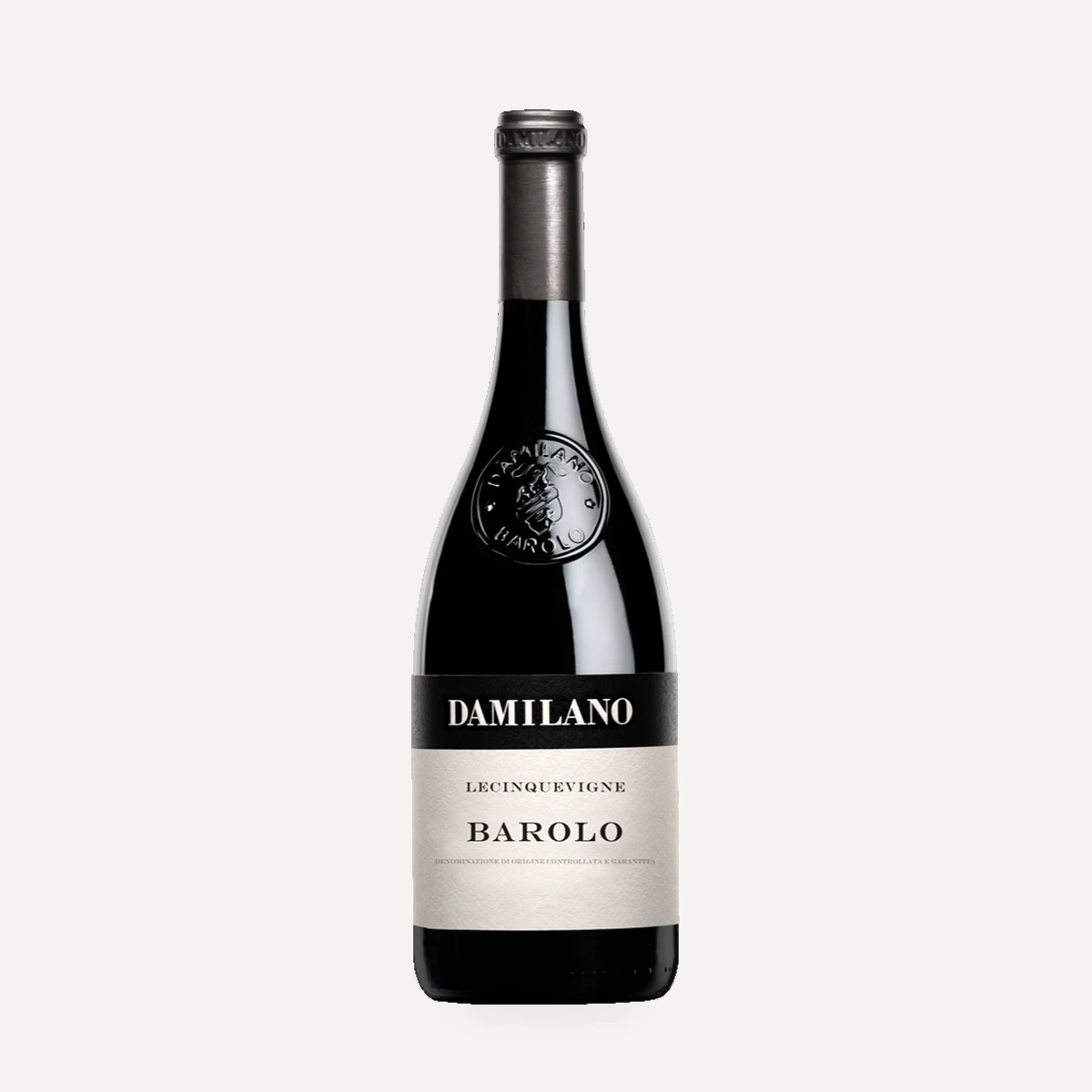
Barolo Docg “Lecinquevigne”
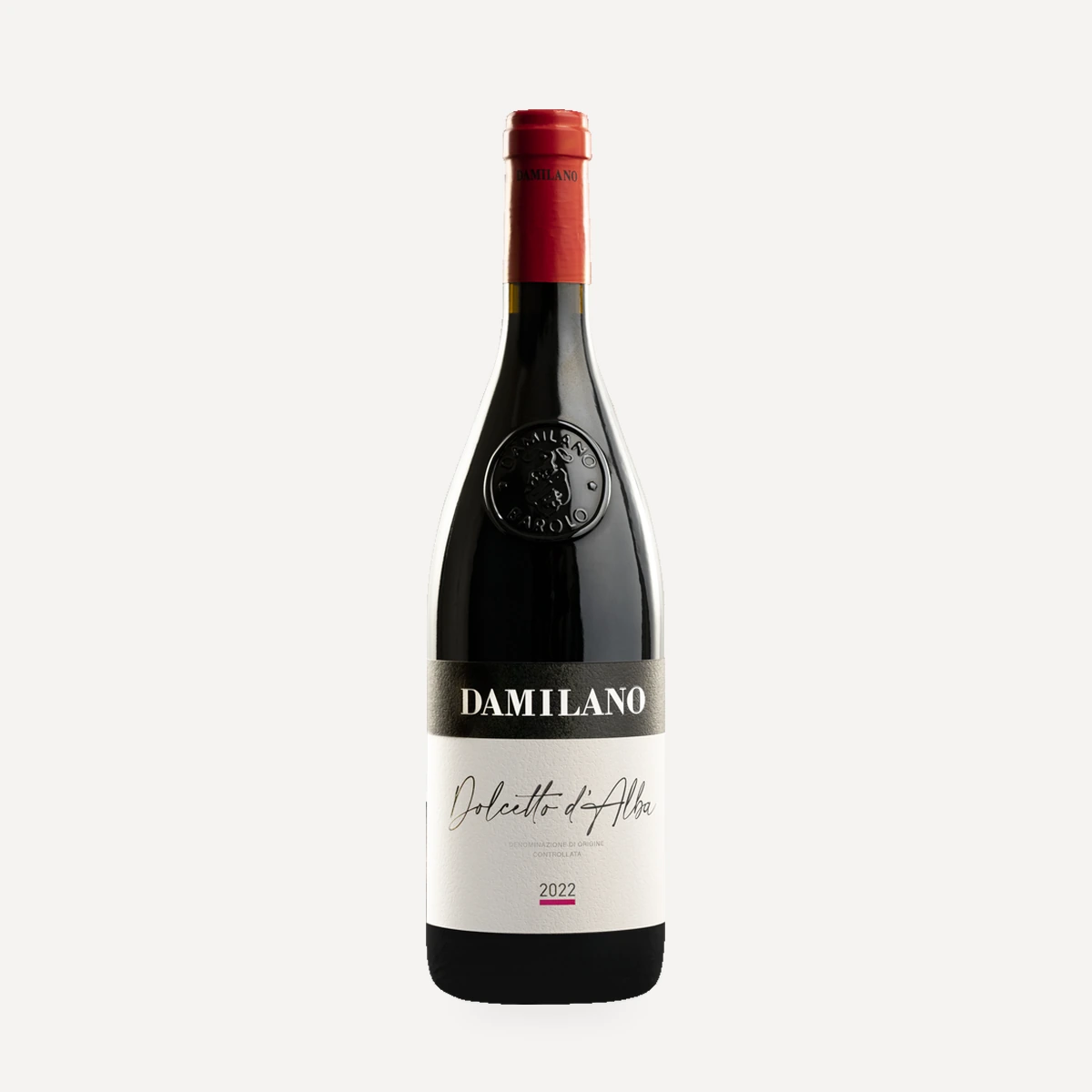
Dolcetto d’Alba Doc
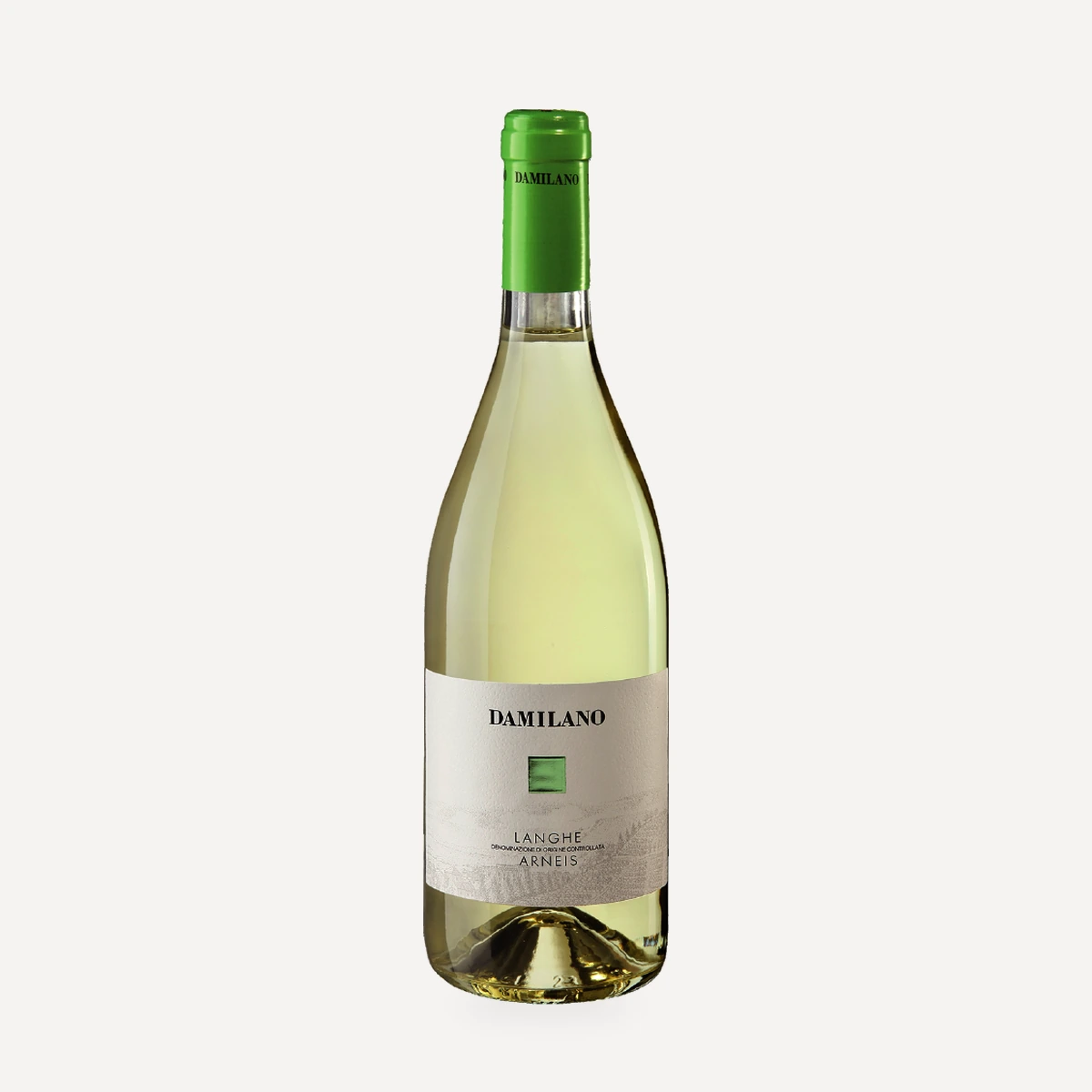
Langhe Doc Arneis
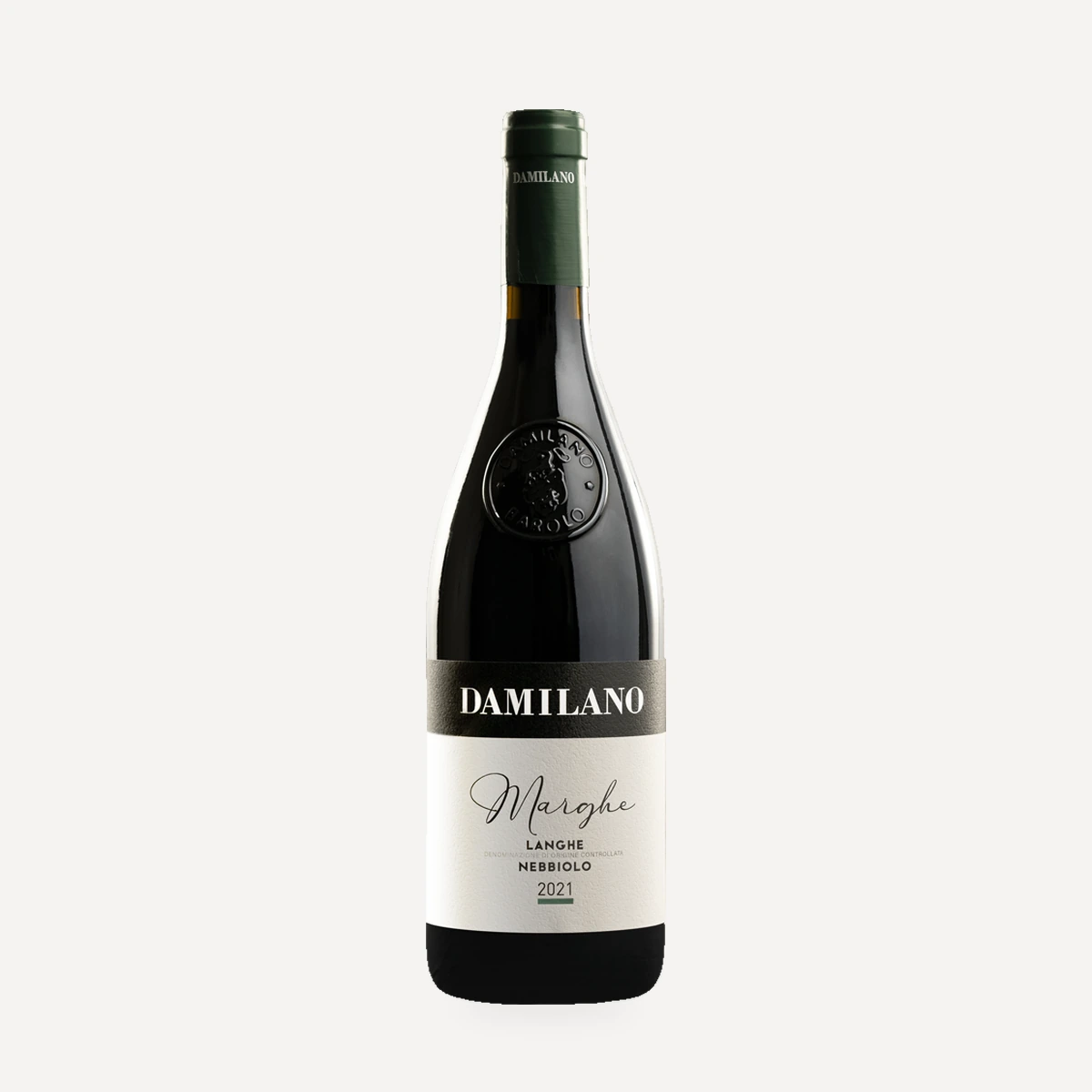
Langhe Doc Nebbiolo “Marghe”
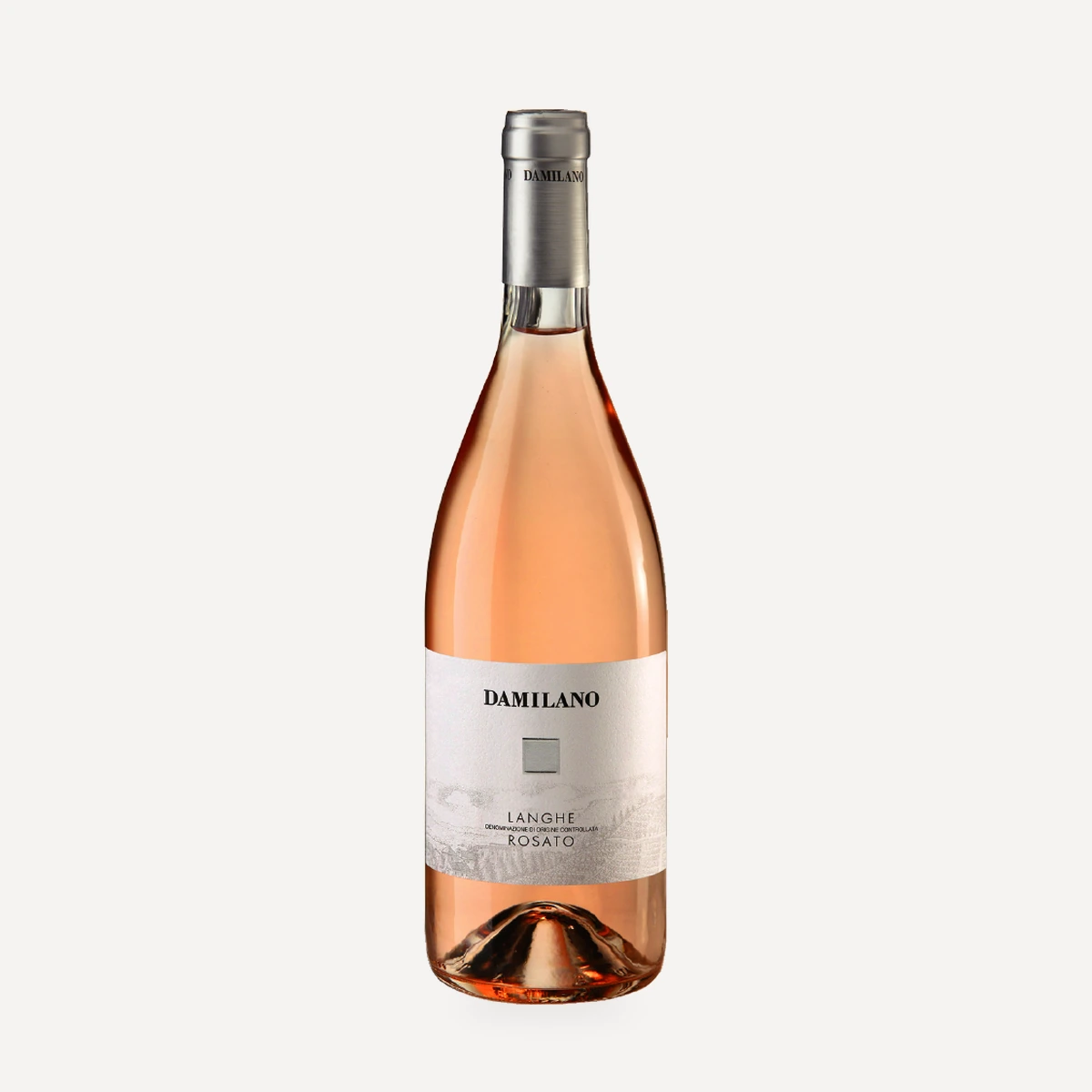
Langhe Doc Rosato