Storia
Land passed through generations
The farm’s history is rooted in family-held vineyards on the hills around Coazzolo. The best-exposed land has been carefully preserved and passed from parents to children over successive generations.
Continuity in the vineyard
Present-day work retains the patient, season-led rhythm associated with the family’s forebears. Each vine is tended according to the changing natural cycle, with emphasis on continuity of care, precision and practical knowledge. The farm now works with Moscato bianco di Canelli, Dolcetto, Barbera and Nebbiolo, reflecting its position between the Moscato-growing hills of Monferrato and the Nebbiolo country of the Langhe.
Terroir
The vineyards occupy softly rolling, vine-covered hills around Coazzolo. The commune stands where the Langhe, associated here with Nebbiolo, meets the Monferrato hills associated with Moscato d’Asti. The property lies within the vineyard landscapes recognized as UNESCO heritage.
The family has retained the best-exposed land across generations. Soils vary by vineyard material: Dolcetto is associated with calcareous, sandy soil, while Moscato bianco di Canelli, Barbera and Nebbiolo are grown on calcareous soils rich in clay.
Vinificazione
Vineyard work is organized around the changing cycle of the seasons. The approach emphasizes constant attention to every vine, precision, practical knowledge and respect for nature’s variable timing. Guyot is used for Moscato bianco di Canelli, Dolcetto, Barbera and Nebbiolo.
The family regards grape quality as the essential foundation of wine quality. Its work therefore follows each vineyard carefully through to harvest rather than treating the cellar as a substitute for precise farming. Harvest begins with Moscato in early September, followed by Dolcetto in mid-September, Barbera from mid- to late September and Nebbiolo in early to mid-October.
Red-wine production
Dolcetto, Barbera and Nebbiolo undergo alcoholic fermentation in temperature-controlled stainless-steel tanks with daily pumping over. Malolactic fermentation follows.
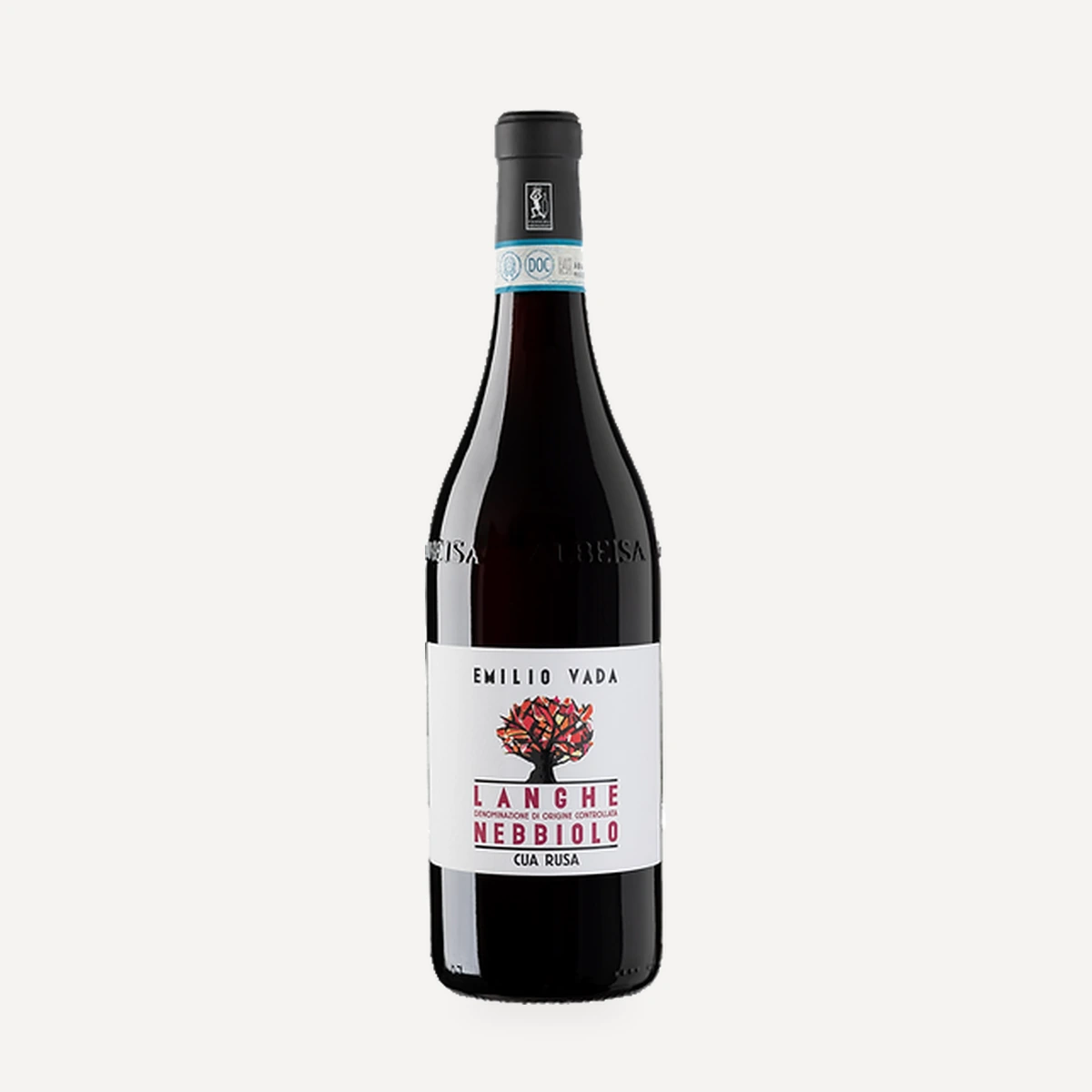
Dolcetto d’Alba Amaranto, the unoaked Barbera d’Asti and Langhe DOC Nebbiolo Cua Rusa remain in stainless steel after malolactic fermentation and are bottled in April or May.
Barbera d’Asti Superiore Ansii ferments in temperature-controlled stainless steel with daily pumping over, completes malolactic fermentation and then matures for 12 months in French-oak barriques. It is normally bottled in April or May and rests in the cellar for another 10–12 months before release.
Langhe DOC Nebbiolo L’Erth follows the same stainless-steel fermentation and daily-pumping-over regime before malolactic fermentation and 12 months in French-oak barriques. After its customary April or May bottling, it rests in the cellar for 18–20 months before release.
Moscato production
Moscato grapes are pressed gently so that only the most aromatic juice is retained. The must is transferred to an autoclave, where raising the temperature activates the natural yeasts and begins the conversion of sugar into alcohol. Once the wine reaches approximately 5% alcohol and the intended balance among acidity, residual sugar and alcohol has been achieved, cooling stops fermentation. The wine is then microfiltered and bottled at approximately 2 atmospheres of pressure.
Filosofia
The estate presents wine as the direct expression of sustained work in the vineyard. Its guiding premise is that good wine begins with excellent grapes and that such fruit can come only from vines followed carefully, precisely and knowledgeably through to harvest.
Family continuity is central to this outlook. Vineyard work follows the patient rhythm practiced by earlier generations and the cadence imposed by the seasons. Respect for nature is expressed as close attention to its variability rather than adherence to a fixed timetable. The intended result is wine that conveys the land, sunlight, physical work and history of the Coazzolo hills.
Vini
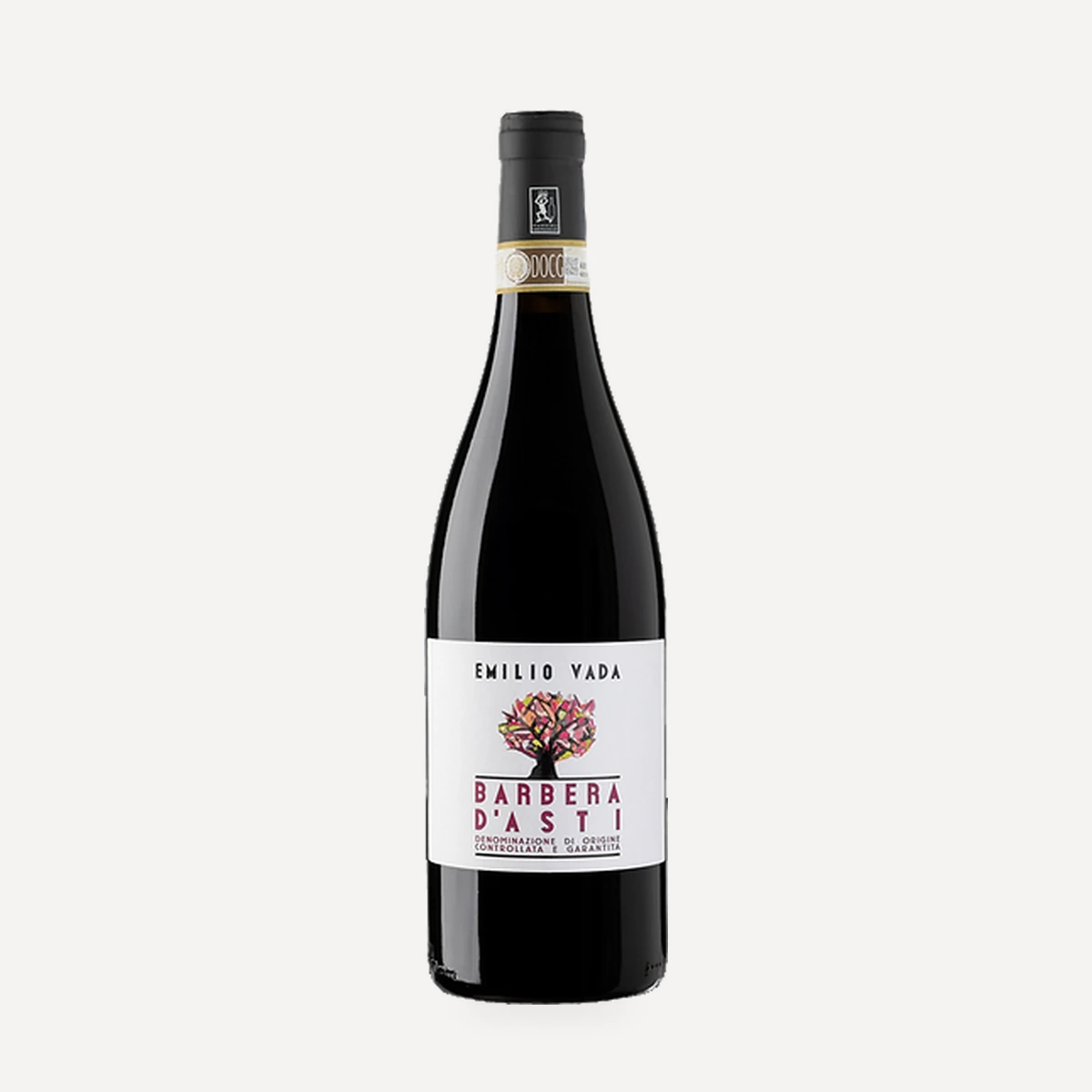
Barbera d'Asti DOCG
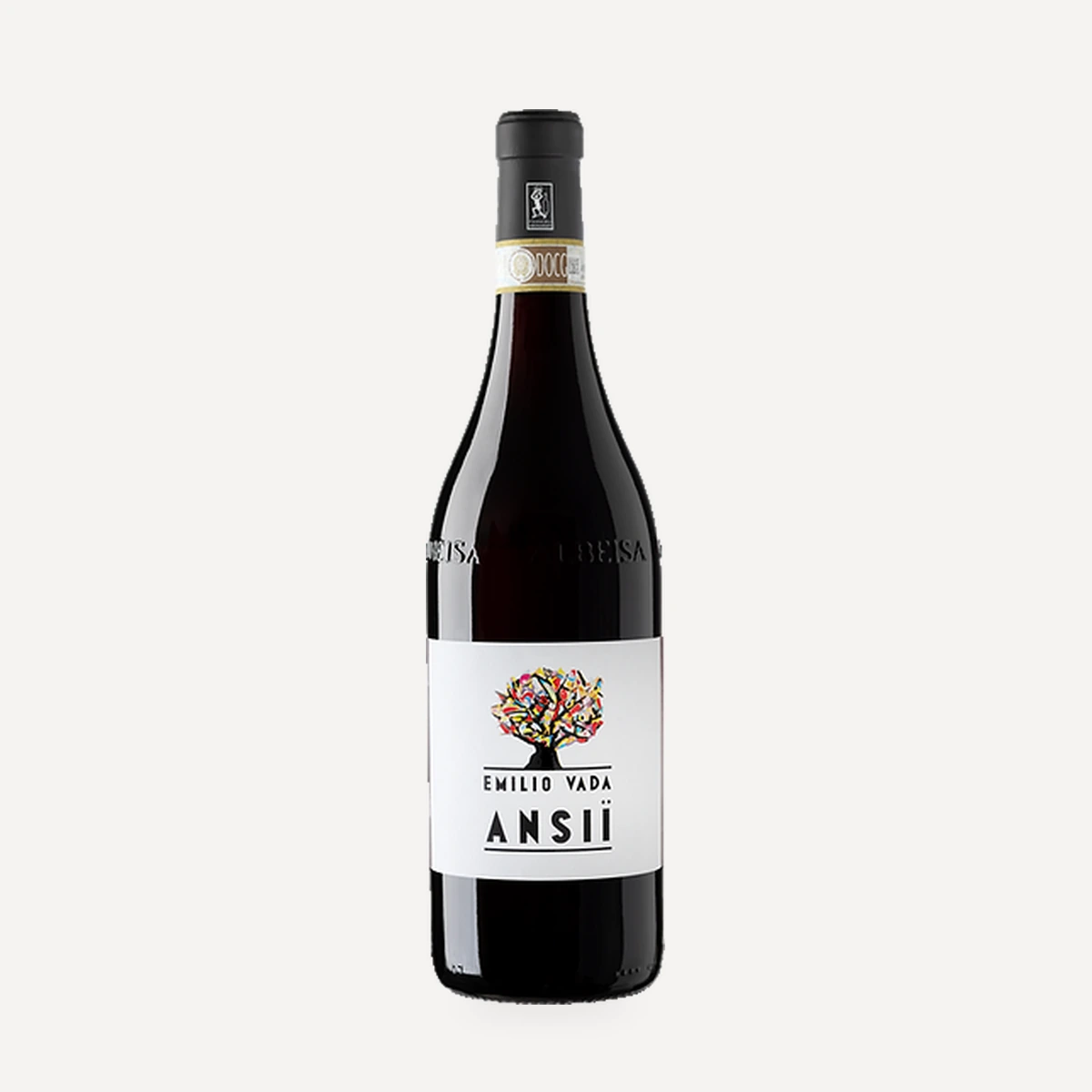
Barbera d'Asti Superiore DOCG
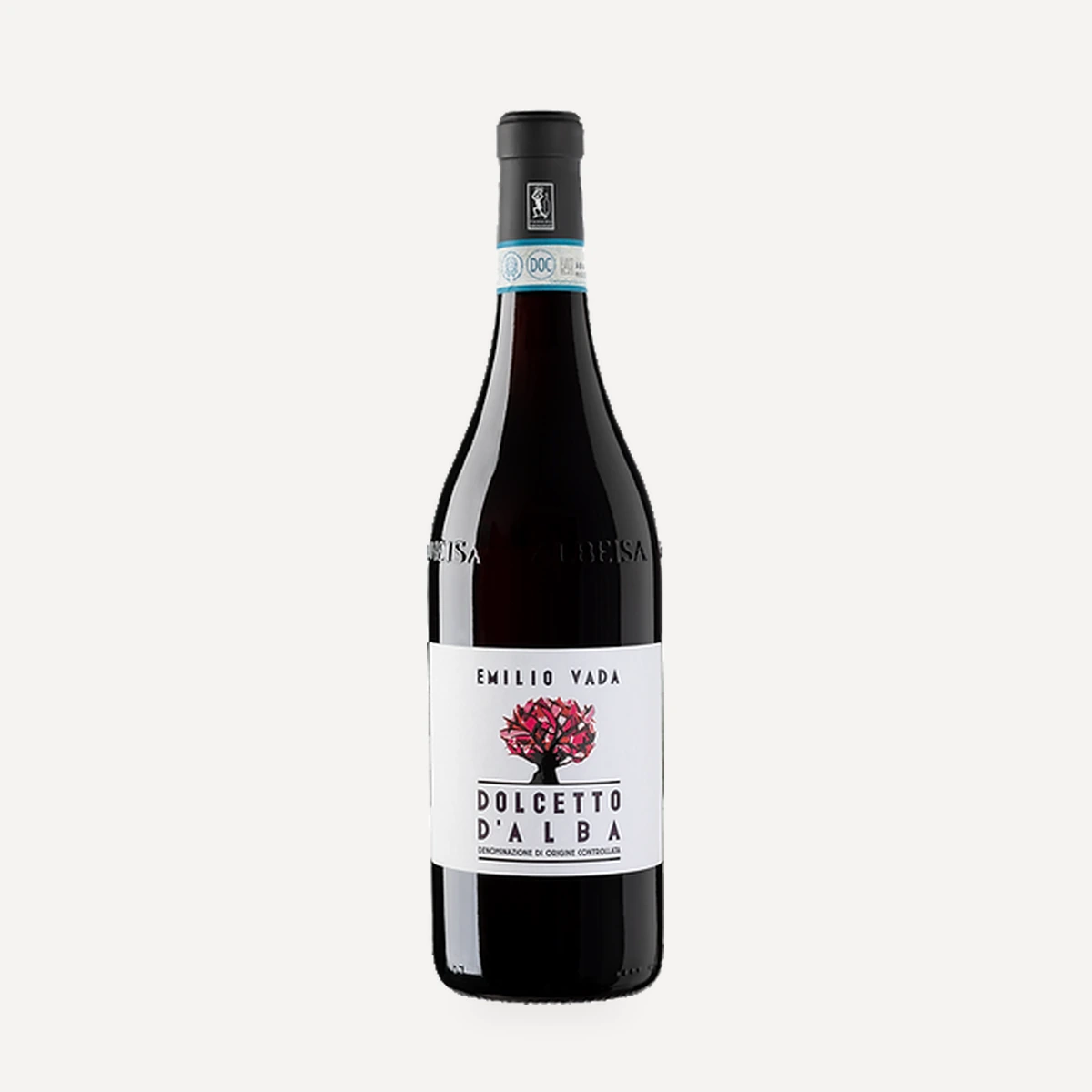
Dolcetto d'Alba DOC