Storia
The first generation: Enio Ottaviani
Enio Ottaviani began as a family business in the early 1960s, founded by the present generation’s grandfather, Enio Ottaviani. Its original activity was the sale and bottling of wine. The family subsequently developed the enterprise from a wine-trading business into an agricultural estate with its own winery, vineyards and a complete production chain involving local growers.
2007: a new generation and the first harvest
The estate’s first harvest under its present winery identity took place in 2007. That year also marked the beginning of a substantial renewal led by four grandchildren of the founder: Davide and Massimo Lorenzi, and Milena and Marco Tonelli. Their arrival reshaped both the identity and the operations of the family business, taking it from the sale of wine toward direct production, brand development and a coordinated supply chain with farmers from the surrounding area.
The four family members assumed distinct responsibilities. Davide Lorenzi became the winemaker and the principal figure in the vineyards and cellar. Massimo Lorenzi took responsibility for the Italian and international markets. Milena Tonelli assumed administrative and customer-hospitality duties, while Marco Tonelli took charge of logistics and deliveries.
Development of the vineyards and production chain
During the following years, the family expanded its work in the Conca Valley wildlife oasis and on the hills around San Clemente. By 2023, the vineyard base was described as 18 hectares situated principally within the oasis and approximately 10 additional hectares on the surrounding hills. The family also developed a production chain with local growers over a period of approximately 15 years.
This phase brought an increasing emphasis on native grapes, particularly Sangiovese, Bombino Bianco—locally associated with Pagadebit—and Rebola, alongside international varieties adapted to the estate’s sites. The business also increased its international presence, eventually exporting to more than 30 countries.
2019: the new winery and showroom
A new winery and showroom were presented in October 2019. Conceived with Studioundici, the project combined the functional spaces required for contemporary winemaking with areas devoted to tastings, hospitality and the presentation of local products. Iron, wood, glass and concrete form the architectural vocabulary: iron and wood create an industrial character; concrete refers to the estate’s use of concrete vessels for maturation; and glass visually connects the interior with the surrounding vineyard.
The building was designed as both a working winery and a place for a complete sensory encounter with wine and the territory. Its hospitality areas also created space for presenting products made by friends and other local producers. Wine-tasting experiences, vineyard walks and visits to the barrel room became part of the estate’s public programme.
The family estate today
Enio Ottaviani remains a third-generation family estate in San Clemente. Its identity joins farming, cellar work, hospitality and international distribution, while its activities have expanded to include honey, extra-virgin olive oil, wine tourism and environmental initiatives within the Conca Valley wildlife oasis.
Terroir
Conca Valley and the Adriatic
The winery and principal vineyards are in San Clemente, in the Rimini area, within the Conca Valley wildlife oasis and a few kilometres from the Adriatic Sea. The oasis occupies more than 700 hectares between the mouth of the Conca River and Morciano di Romagna, forming a corridor of significant plant and animal biodiversity along the boundary between Romagna and Marche.
The estate’s lower vineyards lie approximately 8 km from the sea in a straight line. Marine air reaches the vines, and the family associates this influence with the saline and mineral character of its wines. The winery itself is approximately 5 km from the coast by the surrounding landscape and cycle route.
Relief, altitude and soils
The vineyards occupy two principal environments. Most lie in the Conca Valley wildlife oasis, while approximately 10 hectares are planted on the surrounding hills, reaching elevations of up to 260 metres above sea level. The San Clemente sites are described as gently rolling hills oriented toward the Adriatic.
Clay-loam is the principal soil description. The hillside soils have a more chalky matrix and contain less of the pure silt and clay associated with the lower sites. Within the ancient bed of the Conca River, the subsoil has three layers: sand, silt and gravel near the surface; grey-blue clay below; and deeper marine sediments dated to approximately 5,000 years ago.
Vinificazione
The vineyards are managed through integrated pest-management practices and are registered with the SQNPI national integrated-production system. Treatments use copper and sulfur, while glyphosate is excluded. Weed control is mechanical.
Flowers are planted near the vineyards to support vine health and provide forage for bees. The estate connects this work with the biodiversity of the Conca Valley wildlife oasis, where its apiaries also produce honey. Because bees forage within a limited radius of their hives, the resulting nectar reflects the local plant community.
Vines are trained to the double-arched-cane system. Harvesting is manual, with grapes collected in small boxes to preserve the berries. Environmental measures beyond the vineyard include reducing plastic throughout the kitchen, packaging and export containers; designing interlocking cartons that do not require adhesive tape; and using Fedrigoni X-Per natural paper made from ECF pure cellulose and carrying FSC certification for books, catalogues and other printed materials. The estate set a target of eliminating plastic use by 2025.
The cellar combines concrete vessels, large wooden casks and barriques. Concrete is valued for its ability to maintain the wine and facilitate appropriate exchanges of temperature and humidity. Large wooden vessels and barriques are reserved for selected productions, and maturation in concrete is an explicit part of the estate’s approach.
The production building was designed to accommodate the functional requirements of contemporary vinification while retaining a direct visual connection with the vineyard. Its working and hospitality spaces use iron, wood, glass and concrete. A dedicated barrel room forms part of the winery and its guided visits.
Winemaker Davide Lorenzi describes cellar work as a process of continual observation, tasting and response to the fruit delivered by the countryside. Technological change is accepted where necessary, but it is framed as part of an ongoing regional tradition rather than a break from it.
Filosofia
Enio Ottaviani presents wine as a product of shared work, place and conviviality. Its recurring idea, “making wine for friends,” treats sharing at the table as a central value and wine as an expression of the pleasure of eating together.
The family identifies simultaneously with the land and the Adriatic: one foot in the vineyard and one in the sea. Vineyard and cellar work are therefore directed toward expressing the Conca Valley, San Clemente and their marine influence rather than separating wine from its geographical and social setting.
Davide Lorenzi’s winemaking outlook combines practical work with close attention to the land. He characterises cellar work as both joy and sacrifice: the fruit is what the countryside gives, and the winemaker must make, watch and taste in order to understand it. Knowledge must reside in the hands, palate, intellect and emotions.
Tradition is not treated as opposition to technology. The estate seeks to preserve inherited knowledge while adopting the technological changes required for modern production. Environmental responsibility is likewise framed as a concrete obligation to future generations, expressed through integrated vineyard management, protection of the wildlife oasis, support for bees, reduced plastic use and lower-impact printed materials.
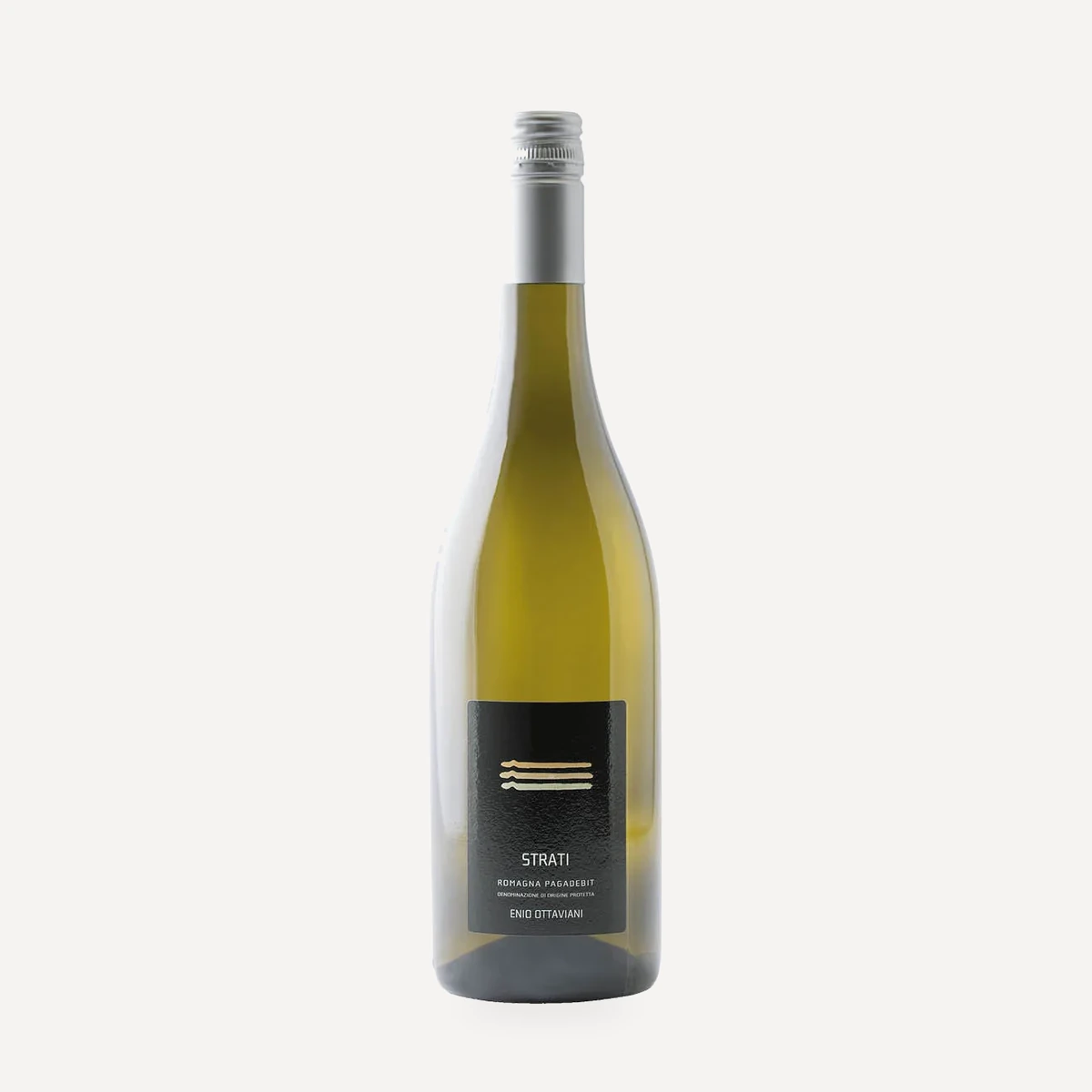
Vini
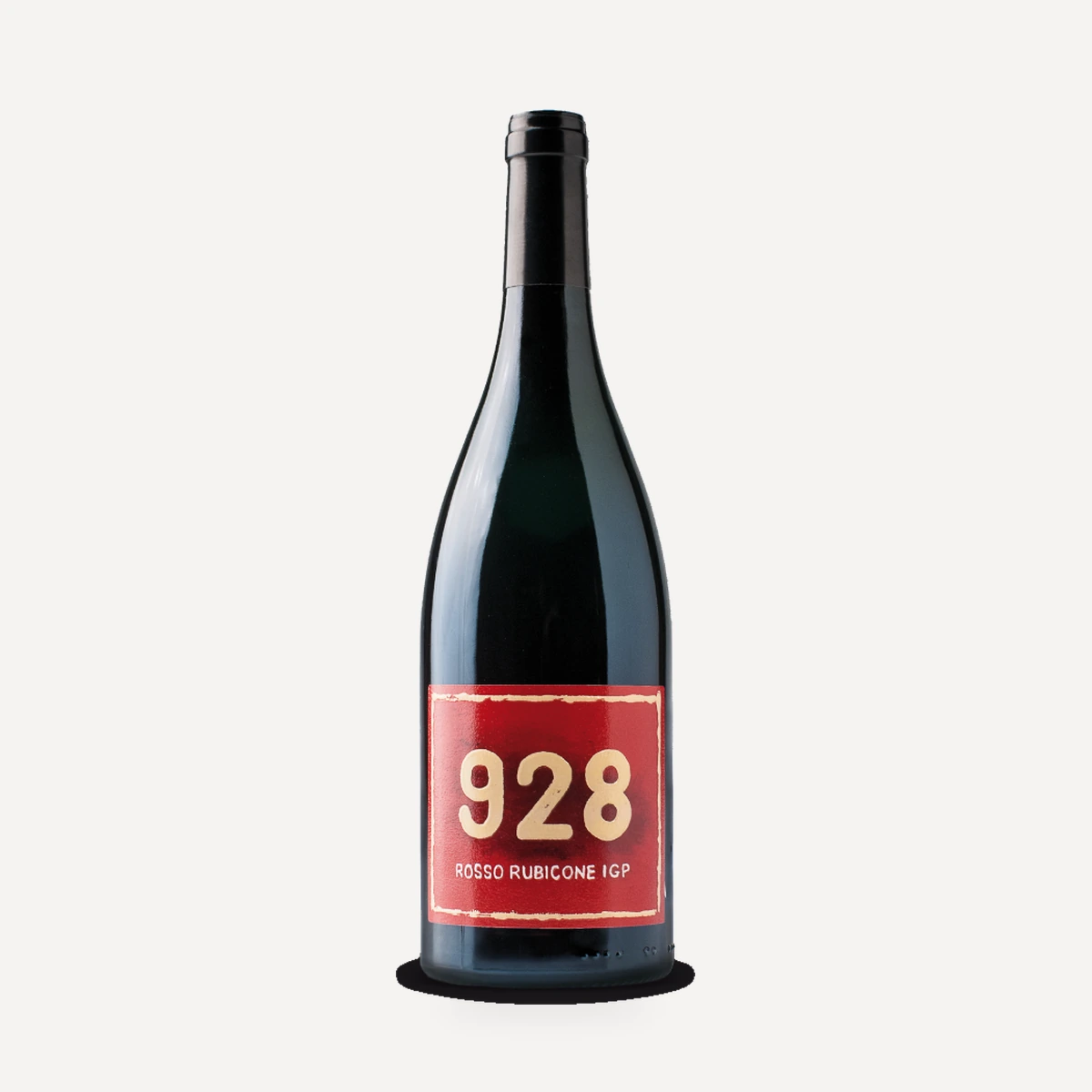
928
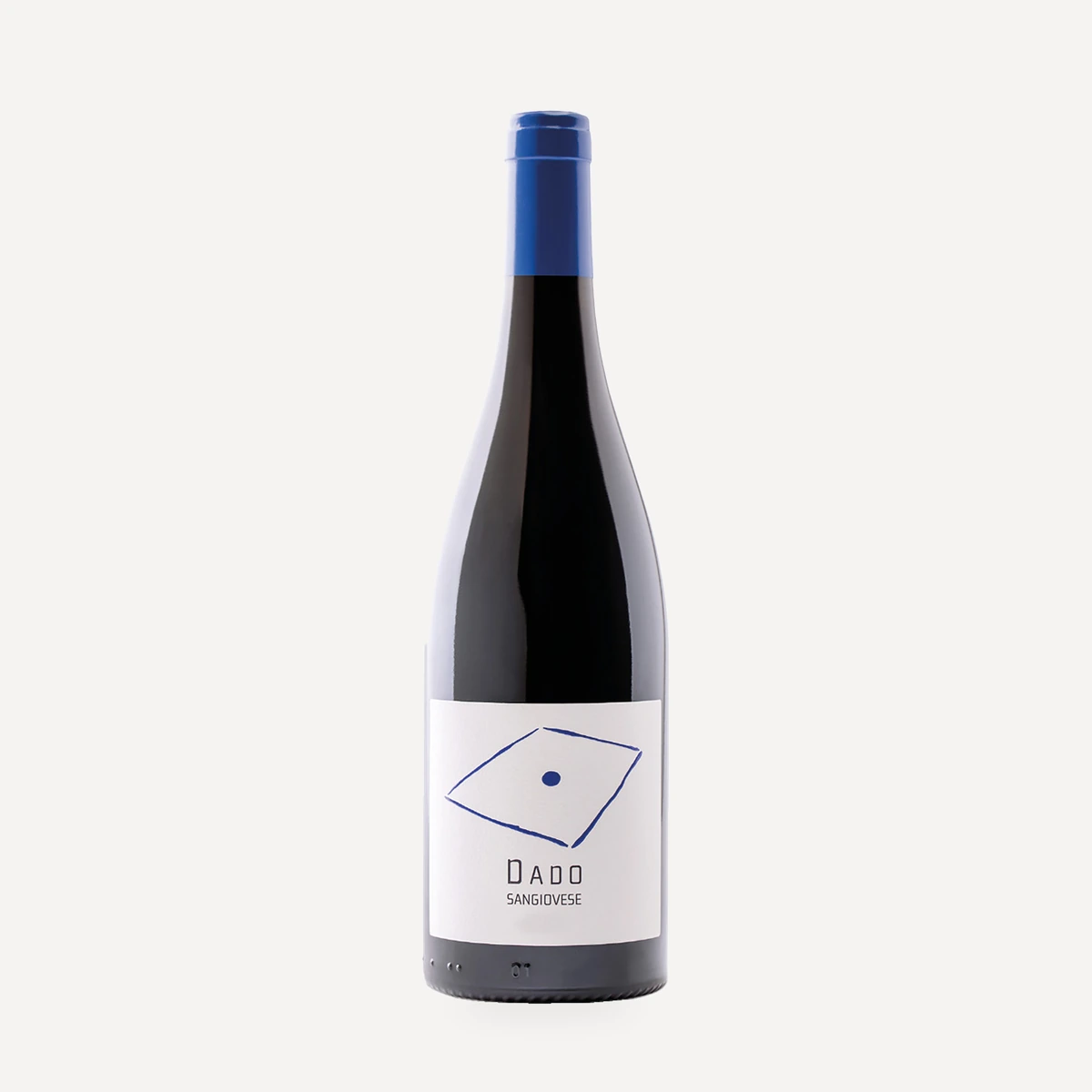
DADO Romagna Sangiovese
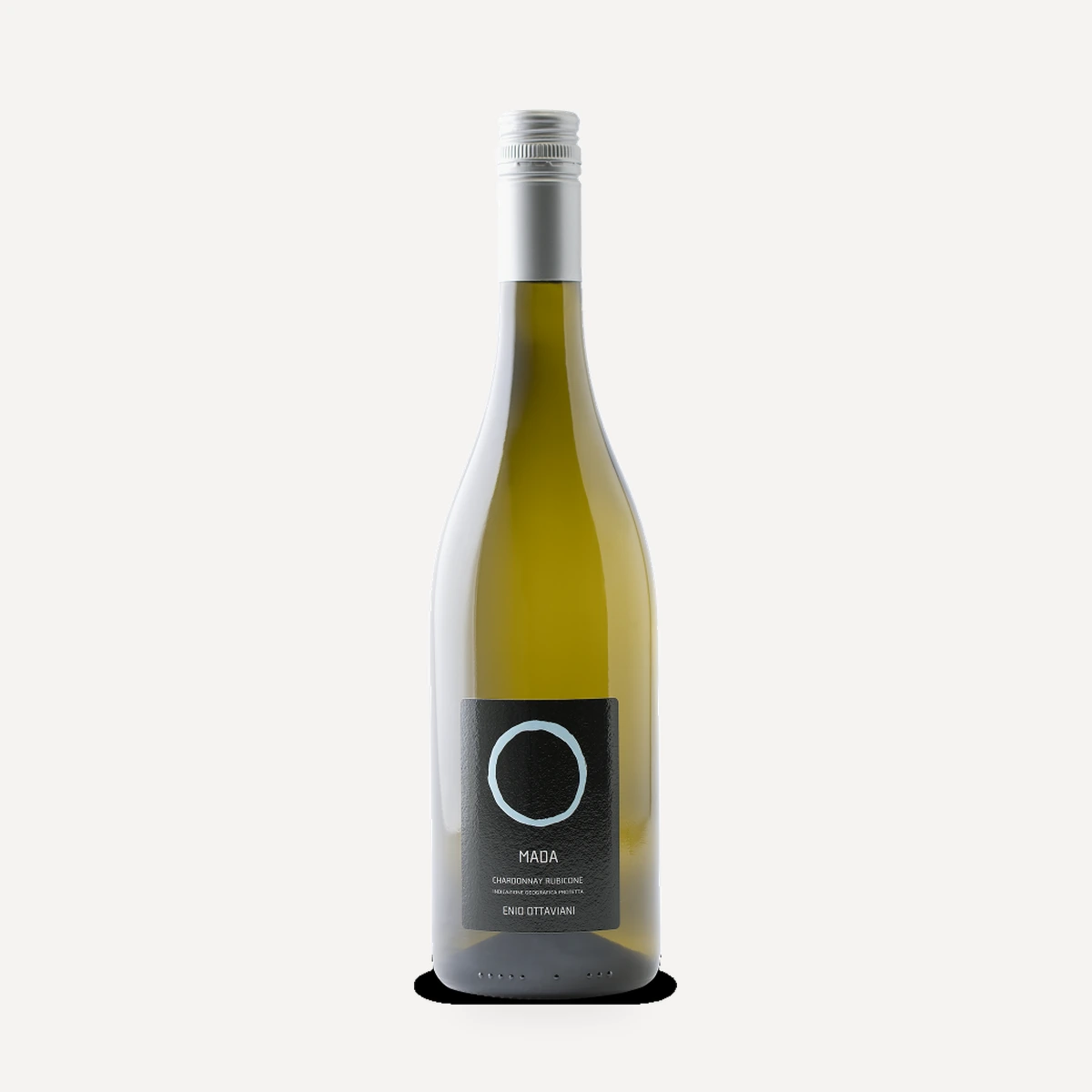
Mada
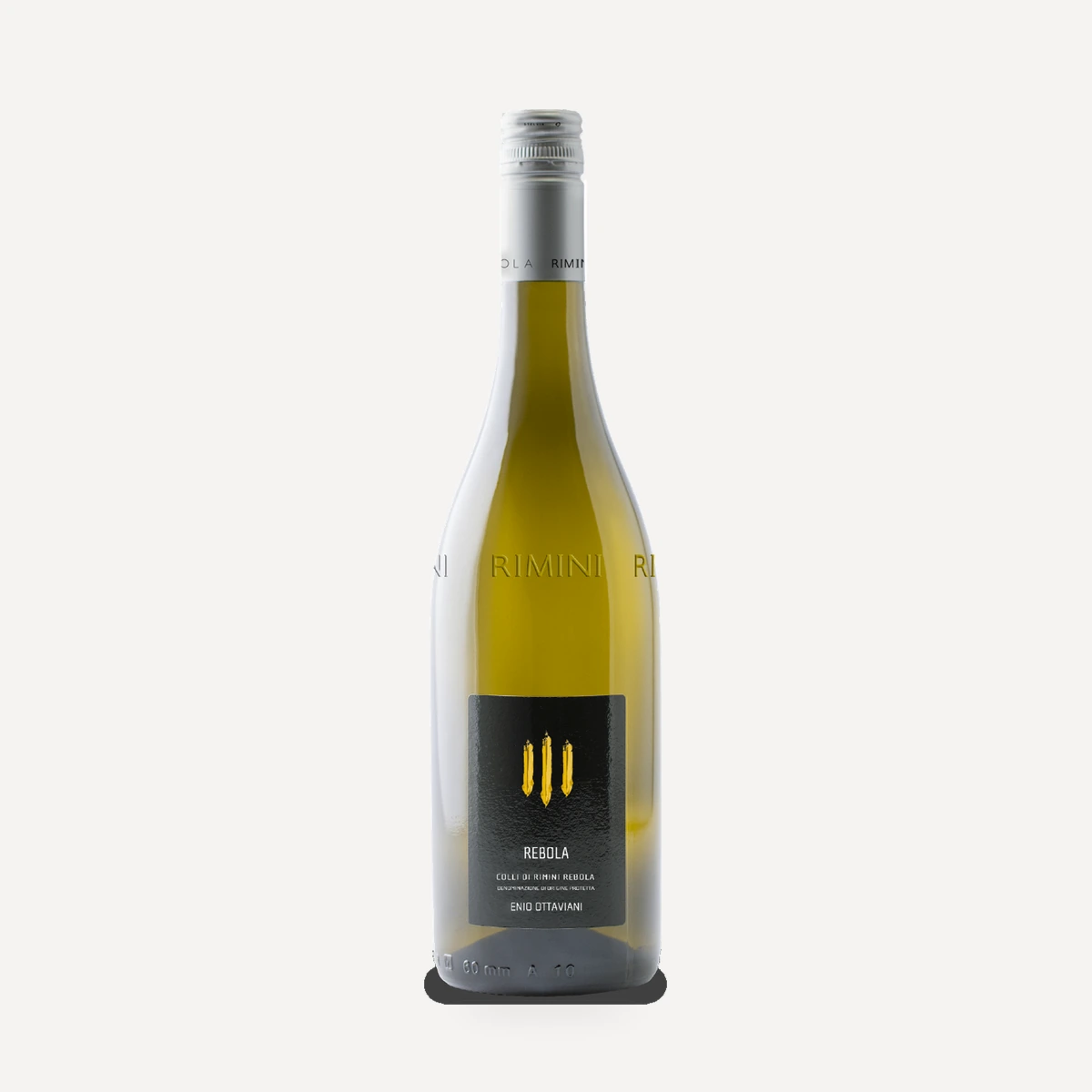
Rebola
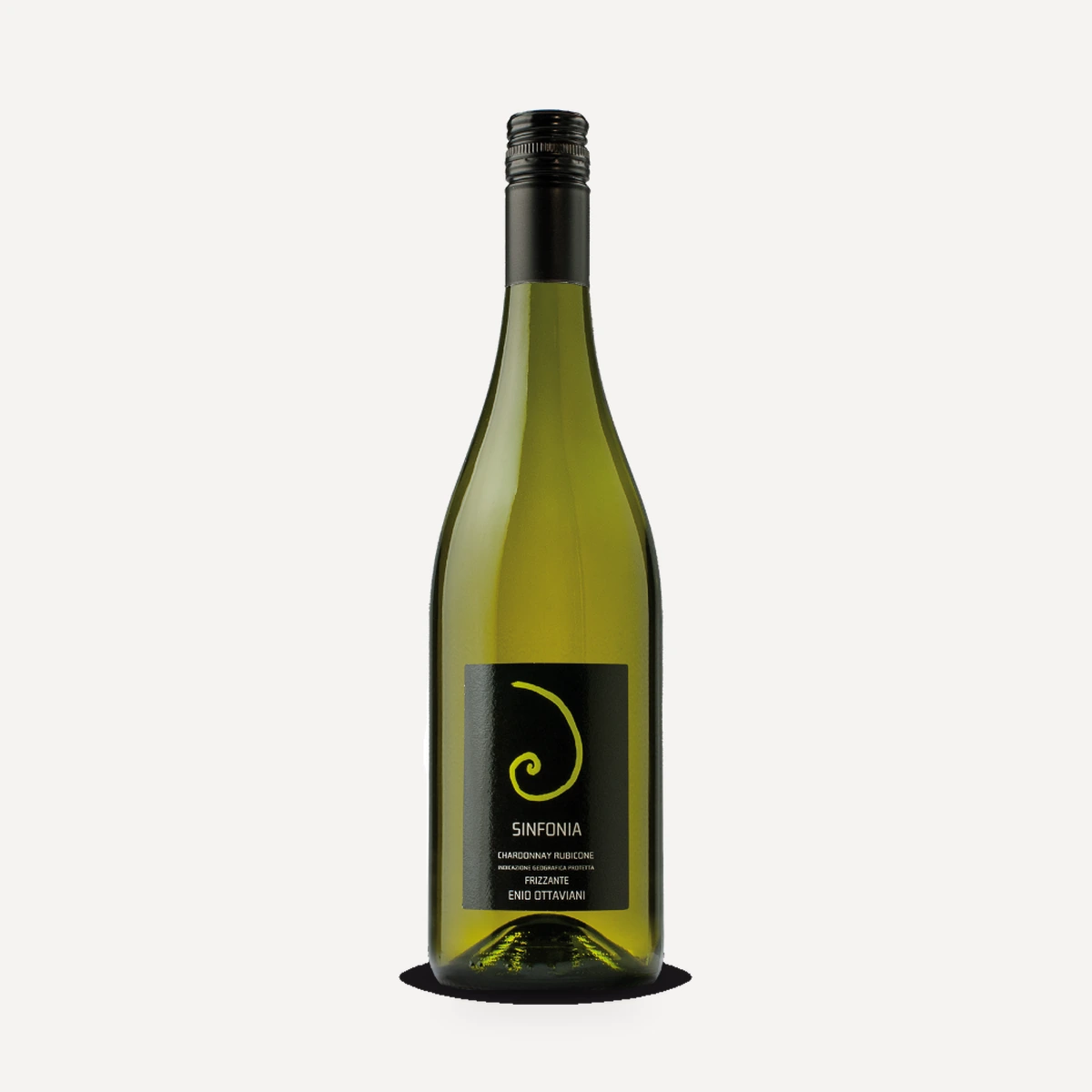
Sinfonia
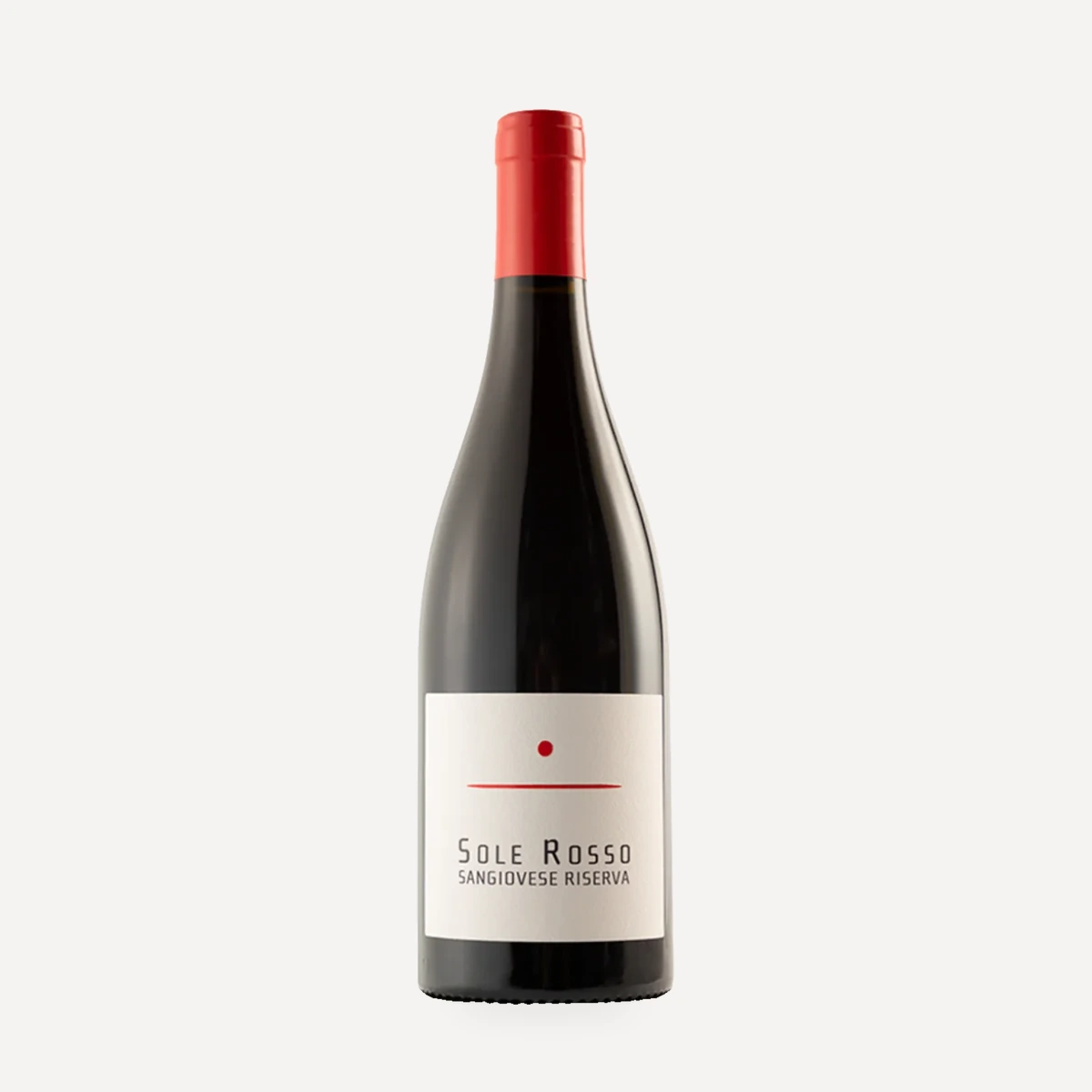
Sole Rosso