Storia
The roots of Dolcetto in Dogliani
The earliest cited reference to Dolcetto appears in the statutes of the Comune di Dogliani. A resolution dated 28 August 1593, entitled Ordini per le vindimie, prohibited harvesting before the feast of San Matteo without permission from the appointed official, under penalty of forfeiting the grapes. The document calls the grapes Dossetti. It establishes a local tradition extending back at least five centuries, while the historical account associates the cultivation of Dolcetto in the area with a still earlier period, near the end of the first millennium.
The feast of San Matteo, celebrated on 21 September, traditionally marked the boundary between the growing season and the beginning of harvest in the Dogliani area. A chapel dedicated to the saint was erected in the Pianbosco hamlet more than a century ago. Local memory preserves an annual Pianbosco observance comprising Mass, a farmyard lunch, popular games and dancing, after which the grape harvest began.
1930: Enrico Revelli establishes the estate
The family enterprise began in 1930, when Enrico Revelli, Eraldo’s father, founded the farm. It has remained family-run and has progressed to a third generation of winegrowers.
Eraldo and the second generation
Eraldo Revelli was born in 1951. After completing his studies, he chose agricultural life and joined his father Enrico and his brother Secondino in managing the family holding. The decision committed him to a substantial programme of renewal requiring significant financial and personal resources.
In 1974 Eraldo married Luisa. Although she had no previous vineyard experience, she learned the work and became an accomplished practitioner. Their first daughter was born soon afterwards, during a period characterised by demanding work and long-term plans for the estate.
1980 and the third generation
Claudia was born in 1980. After earning her diploma, she decided to continue the family tradition and became the estate’s generational successor.
Renewal from 2000
Beginning in 2000, Claudia’s involvement accompanied a further programme to relaunch and modernise the business. The programme included replanting part of the vineyard surface, renovating the cellar and updating its equipment. These changes were undertaken within a continuing family commitment to vineyard cultivation and wine production, combining inherited practices with newer agronomic and oenological techniques.
Terroir
The estate lies in south-western Piedmont, among the Langhe hills at Località Pianbosco in the commune of Farigliano, near Belvedere Langhe and a few minutes from Dogliani. The property occupies an elevated rural setting with views towards the Alps.
Its estate-owned vineyards extend through the Dogliani sector of the Langhe. The general vineyard setting is described as south-facing, while the individual vineyard sources presented for the current range have south-western exposure and elevations between 570 and 600 metres above sea level.
Marl and clay are the prevailing components of the estate’s terrain. More detailed vineyard profiles identify mixed clay, limestone and siliceous soils; the San Matteo and La Basarisca sources also include a tuffaceous component. Sunlit exposures and drying maritime breezes shape the local microclimate. These conditions support both Dolcetto and Barbera, with Dolcetto occupying the central place in the estate’s work.
Vinificazione
The approximately 7.3 hectares of vineyards are entirely estate-owned. Environmental care is framed by EC Regulation 2078/92, with biological crop-protection products and organic fertilisers identified as the only inputs of those types.
Vineyard care is almost continuous from pruning in January until the autumn harvest. Every operation involving the vines is performed by hand, combining longstanding cultivation methods with newer agronomic practices. The rows are grassed, while vegetation is controlled mechanically. Plant protection follows guided pest-management principles, supplemented by traditional sulphur and copper-sulphate treatments.
The estate seeks low yields to build concentration and extract. Its measures include short pruning, thinning during the growing season and careful selection at harvest. Individual vineyard sources use traditional Guyot training and retain between five and ten buds, depending on the site. Grapes are picked at the desired degree of ripeness, with selection performed during harvesting; the most demanding selections continue into late autumn.
Grapes picked at the intended degree of ripeness are vinified in the estate cellar. The production approach combines established cellar methods with newer oenological technology, with the aim of preserving and expressing the character of the fruit.
Cellar work includes careful preparation of the must, temperature-controlled fermentation and repeated rackings intended to achieve cleanliness, clarity and brilliance. Forced refrigeration and filtration are avoided because they are considered capable of diminishing aromatic finesse and altering delicacy of flavour.
Maturation begins in stainless-steel tanks and, where appropriate, continues in traditional large wooden casks. The final stage is bottle ageing in a temperature-regulated environment for two to six months. The estate’s cement tanks also remain part of its cellar practice following the renovation and equipment-modernisation programme begun in 2000.
Filosofia
The estate’s declared objective is a continuing refinement of quality while safeguarding its own identity. Flavours and aromas are treated as expressions of a particular territory and its culture rather than as characteristics to be standardised.
Dolcetto is central to this position. The family seeks to retain the variety’s recognisable character and explicitly rejects stylistic homogenisation or adaptation to an internationalised taste. Natural diversity between wines is understood as a way to protect products with old local roots, respect their authenticity and offer consumers genuinely different tastes and drinking styles.
Human work is considered an essential part of a wine’s identity. Traditional manual practices are combined with current agronomic and oenological techniques, while the pace of the seasons, the demands of the land and repeated vineyard tasks provide the framework for production. Environmental respect extends from grassing and mechanical vegetation control to guided plant protection and the avoidance of unnecessary cellar treatments.
The estate also seeks to combine quality with reasonable pricing, with the stated aim of making wine approachable to a broad public, including younger consumers.
Vini
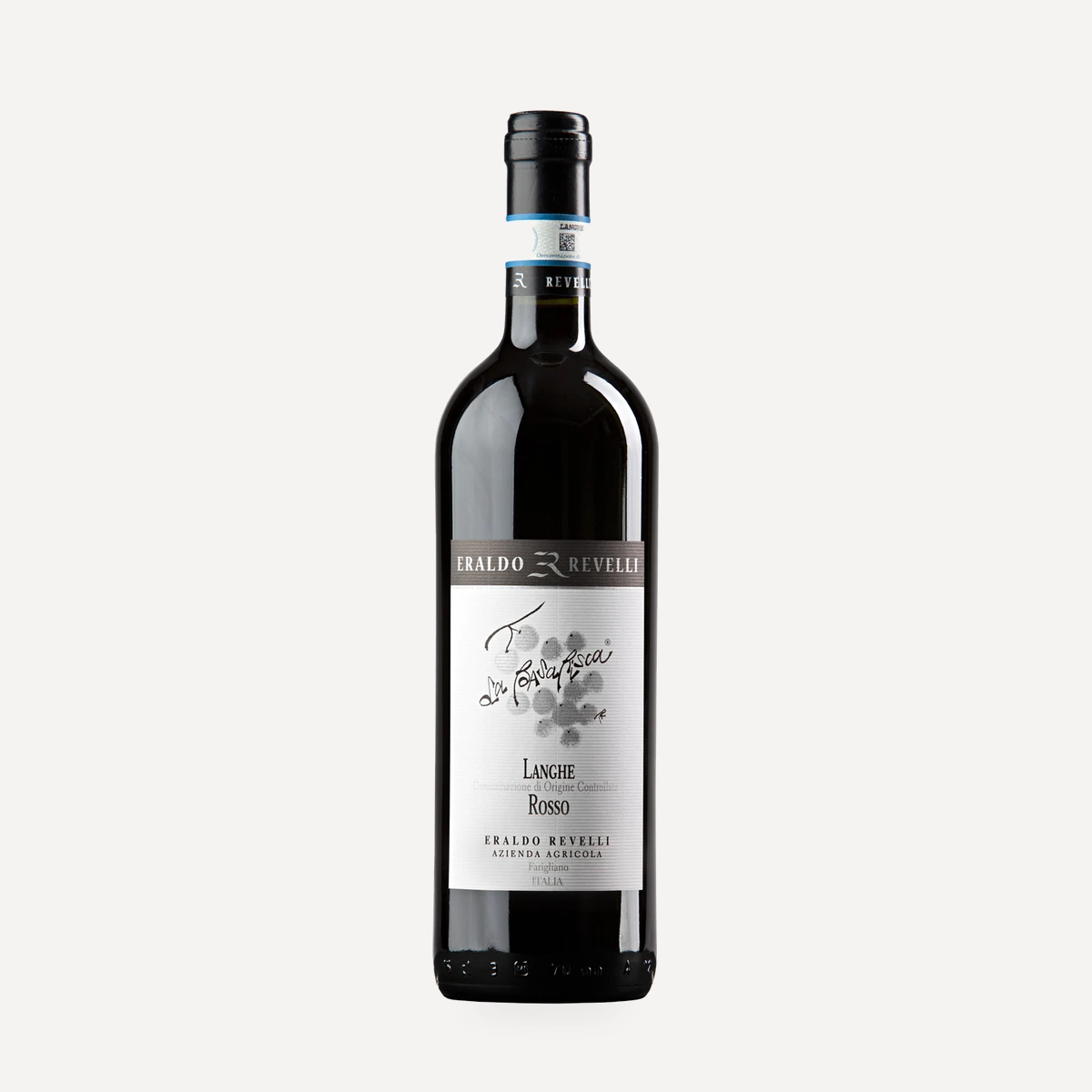
“La Basarisca” Langhe Barbera DOC
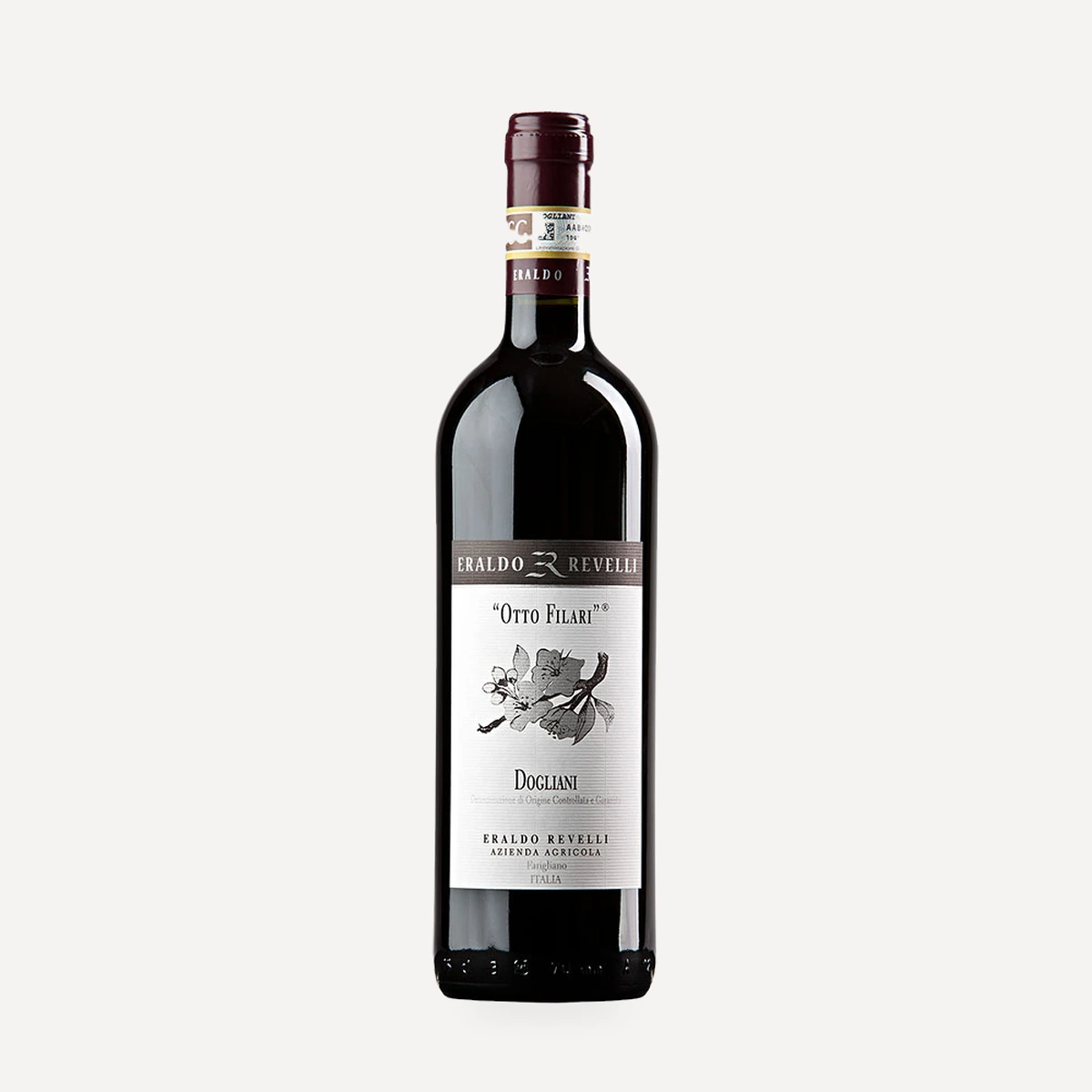
“Otto Filari” Dogliani DOCG
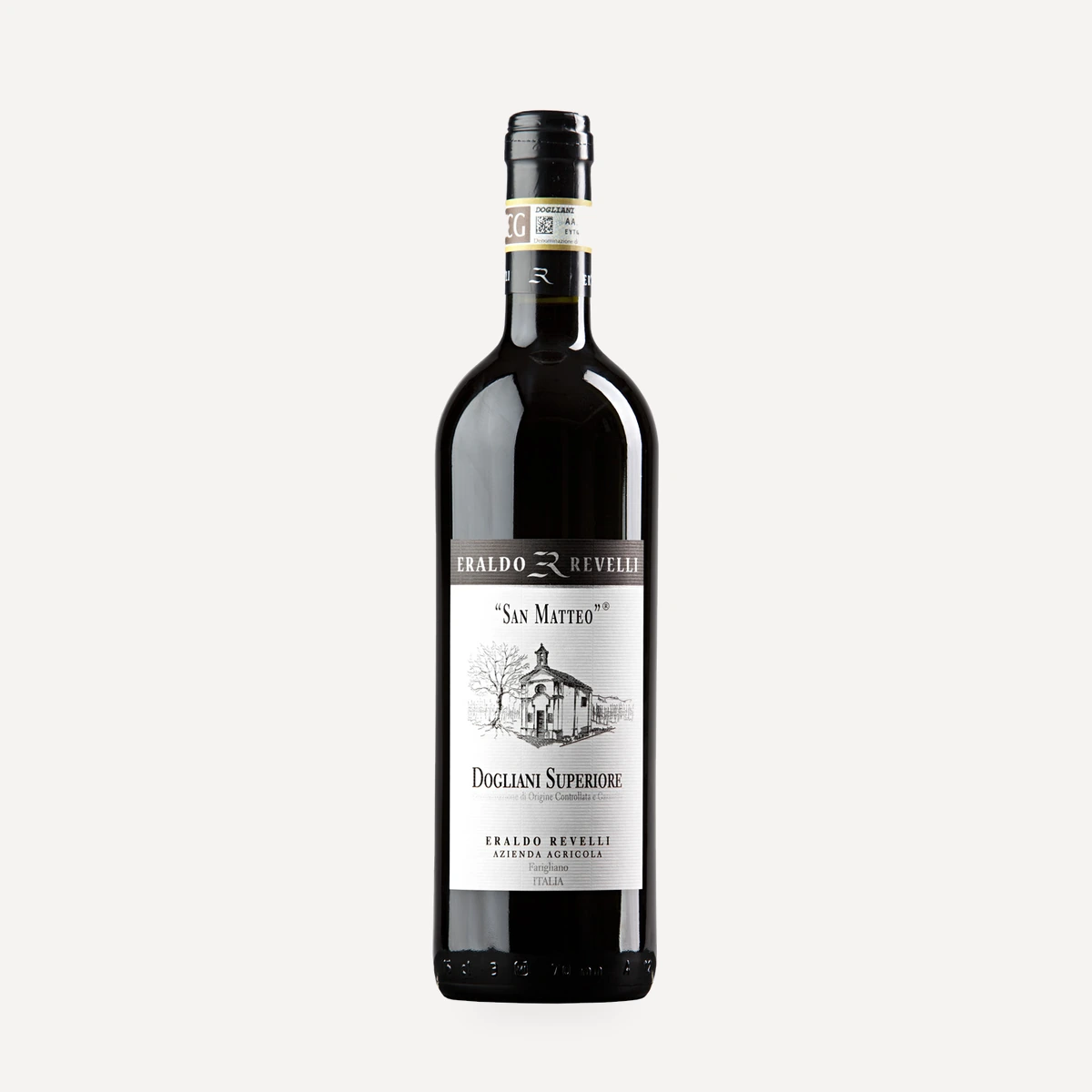
“San Matteo” Dogliani Superiore DOCG
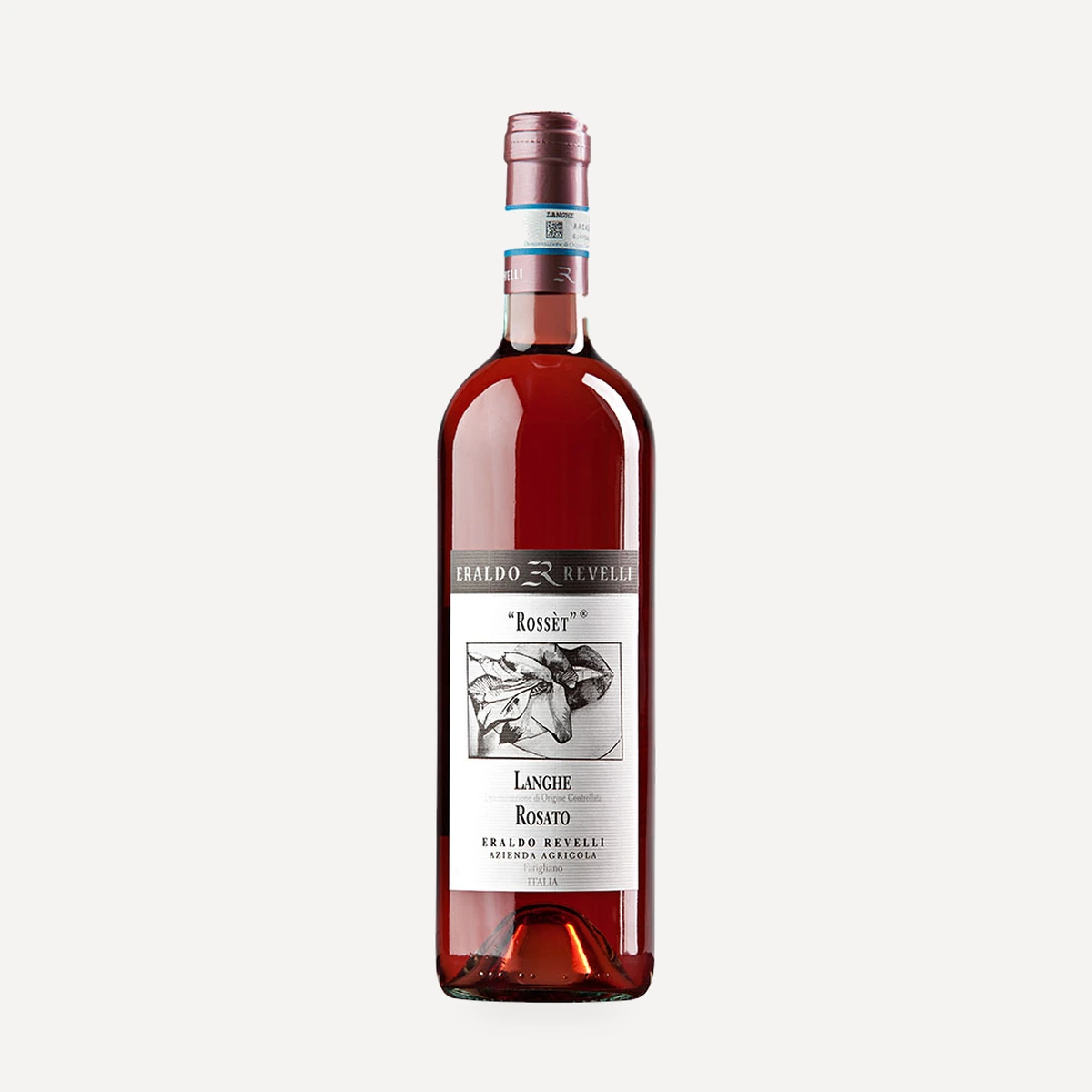
“Rossèt” Langhe Rosato DOC