Storia
1856 and the first family vineyards
The family’s viticultural history begins in 1856, when Francesco Germano cultivated its first four hectares of owned vineyards in Cerretta, Serralunga d’Alba. Francesco and the next generation, Alberto Germano, concentrated chiefly on tending the vines and selling grapes, then the dominant local business model. Their fruit went to wine-producing firms and private customers; only very small quantities were vinified for family consumption and friends.
The early 20th century
By the beginning of the 1900s, Alberto Germano was directly responsible for the vineyards and grape sales. This second generation maintained the agricultural foundation on which the later wine estate was built.
The 1950s and 1960s: Ettore and Rosanna
The third generation was led by Ettore Germano and Rosanna Porro. Ettore, who grew up among the vines and developed particular agricultural sensitivity, recognized that the family could progress from pure grape growing to wine production. Rosanna played an important part in that decision.
During the 1960s, Ettore began restructuring the vineyards with vine material he selected and grafted himself. He favored loose bunches, small berries and firm skins: traits intended to improve wine quality while reducing susceptibility to certain pests.
Ettore and Rosanna married in 1964. Together they continued cultivating the vineyards and acquired neighboring parcels. Among these was one hectare at Prapò, then considered part of the Cerretta hill; in 2009 Prapò would receive its own Menzione Geografica Aggiuntiva and become a distinct Barolo cru alongside Cerretta.
1975: the agricultural estate takes shape
Azienda Agricola Ettore Germano was formally constituted in 1975. Vinification and bottling became more substantial, and the family began its first small-scale trade, selling a few hectolitres to private customers and friends. Ettore was the founder of the eponymous brand.
1985–1988: Sergio Germano and the move toward estate bottling
Sergio Germano, born in 1965, completed the Alba School of Oenology and gained experience at three important wine businesses in the area. In 1985 he joined his father full-time. His work accelerated the conversion from a grape-growing farm into a producer that vinified and bottled its own harvest.
In 1988, the estate released its first 5,000 bottles, comprising Barolo, Dolcetto and Barbera, together with a small production of Chardonnay.
1993–1997: complete vinification and expansion
The decisive transition came in 1993, when the entire grape crop was vinified and bottled by the estate.
In 1995 the family purchased approximately two hectares at Cerretta in Serralunga d’Alba and began its project to produce white wines in Alta Langa. At Montiglio, in the commune of Cigliè, trial plantings of Chardonnay and Riesling Renano began in 1996 on a parcel of about 0.7 hectares. Further vineyard plantings and land purchases followed.
Sergio married Elena Bonelli in 1997. From that point Elena supported the family business through its administration and hospitality activities.
1998–2005: a new generation and further holdings
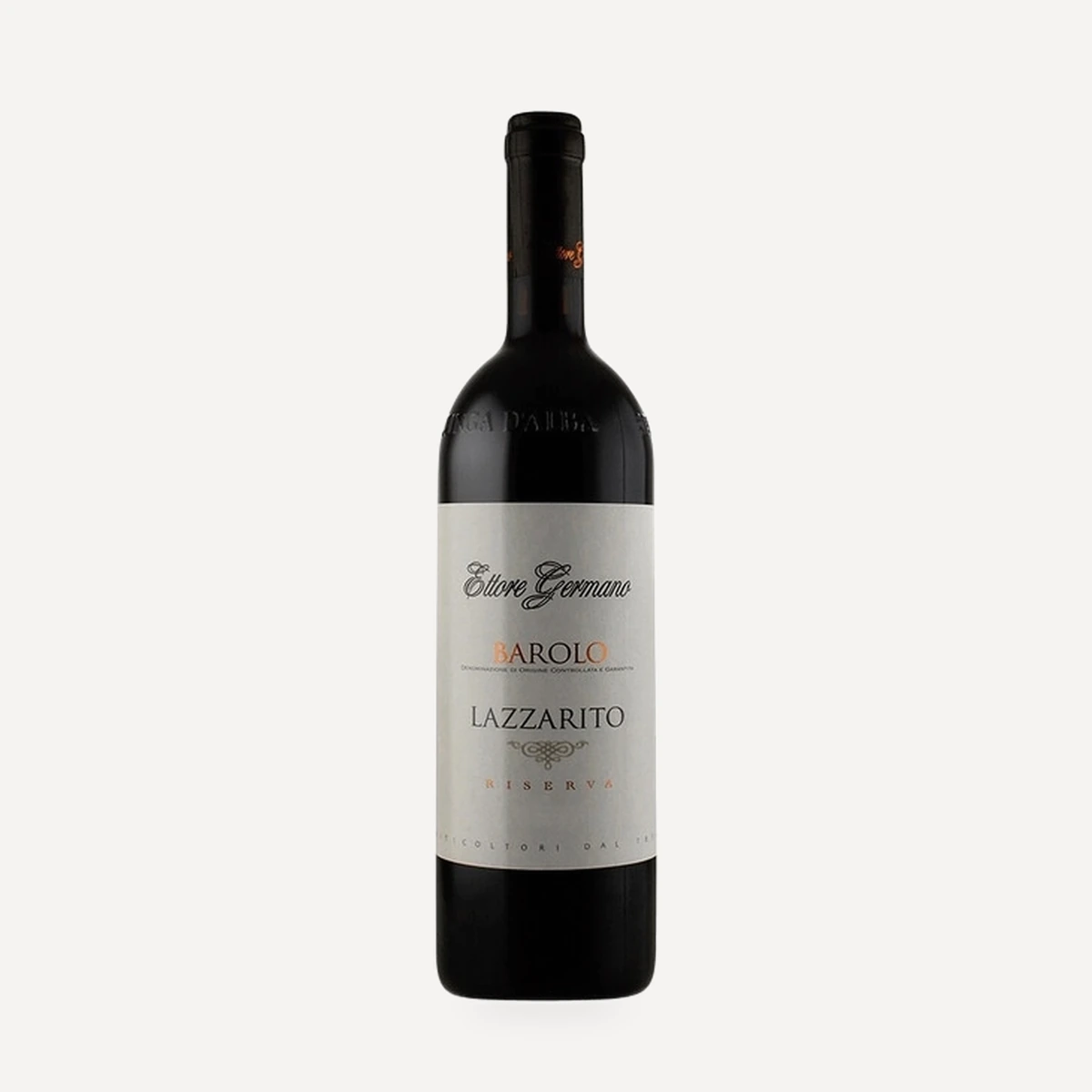
Elia was born in 1998 and Maria in 2001. In the years that followed, the family acquired another hectare in Prapò, one hectare in Lazzarito, one hectare at Pradone—described as an appendix of Lazzarito—and another hectare in Cerretta.
Ettore Germano died in 2005. His agricultural selections, grafting work and decision to develop estate wine production remained fundamental to the vineyard patrimony inherited by Sergio’s generation.
2009–2015: Prapò and Vignarionda
Prapò received recognition as a separate Menzione Geografica Aggiuntiva in 2009.
In 2010 Rosanna inherited approximately half a hectare in historic Vignarionda from her cousin Tommaso Canale; the holding had belonged to Aldo and Tommaso Canale. The vineyard was replanted in 2012 with the same massal selection used in the family’s other vineyards.
The first harvest from the replanted Vignarionda parcel came in 2014. It was marketed as Langhe Nebbiolo even though it underwent a Barolo-style vinification. Beginning with the 2015 vintage, the parcel was destined for Barolo Vignarionda.
2022 to the present: the fifth generation
Elia and Maria entered the estate in operational roles in 2022, marking the arrival of the fifth generation. The present family business brings together Sergio, Elena, Elia and Maria, combining inherited farming experience with continued technical evolution. Its vineyards extend across Serralunga d’Alba and the higher-altitude commune of Cigliè, linking the historic Barolo holdings with the family’s white-wine and traditional-method sparkling-wine project.
Terroir
Two vineyard territories
The estate’s vineyards occupy two distinct areas: the Barolo hills of Serralunga d’Alba and the higher ground of Cigliè in Alta Langa. The Serralunga holdings comprise approximately 10 hectares, while about 10 hectares are cultivated at Cigliè.
Serralunga d’Alba
Cerretta rises along the northern profile of Serralunga d’Alba. Its south- and southeast-facing slopes reach approximately 350–400 metres. The soils are clay-limestone, with a high concentration of active limestone. They belong to the very calcareous, stone-free Marne di Sant’Agata Fossili. The Cerretta MGA as a whole covers approximately 40 hectares; the estate selects from about six hectares there.
Prapò lies at approximately 330–370 metres with a southeast exposure. Its clay-limestone soils contain fine sandy strata, introducing variation within the broader Cerretta hillside.
Vignarionda occupies fully south-facing ground. The wider historic vineyard covers approximately 10 hectares at about 300–350 metres; the estate’s parcel lies at roughly 330 metres. Its soil is marly and highly calcareous, with fine bands of sand.
Lazzarito lies at approximately 320–360 metres, with south to southwest exposure and full afternoon sun. Calcareous marl incorporates small proportions of sand and veins of iron-bearing sandstone near the boundary with the Arenarie di Diano. The complete MGA covers about 30 hectares.
Cigliè and Alta Langa
Cigliè stands on a hill to the right of the Tanaro River, at 549 metres above sea level. Its name is linked to the Latin Ciliarum, evoking its position on a high ridge above the river. The estate’s vineyards extend between approximately 500 and 550 metres, predominantly facing southeast.
The soils are silty, calcareous and markedly stony. Their geological components include moraine deposits, calcareous marl and sandstone marl. The combination of high elevation and stony ground led the family to experiment with varieties traditionally associated with cooler growing conditions and suited to white and sparkling wines.
Vinificazione
Cultivation is based on respect for both people and their environment. The vineyards follow an organic-farming protocol and are undergoing organic conversion. Pesticide use is limited and herbicides are excluded.
Spontaneous vegetation is controlled mechanically by shredding and mowing, with manual cutting below the vines and wherever steep slopes obstruct machinery. Manual hoeing is also employed. Fertilization is based exclusively on manure and microelements of biological origin. Alternate rows are sown to green manure, using legumes and crucifers to keep the soil friable and aerated while adding organic matter.
Estate weather stations guide the timing of phytosanitary treatments so that intervention can be both prompt and limited to what is necessary. Moths are controlled biologically through mating disruption with pheromones.
The vines are vertically trellised and Guyot pruned. Each winter, the shoots that carried the previous crop are removed and one carefully selected cane is retained as the new fruiting head. This cane is tied into a gentle horizontal arc to balance sap flow and distribute the new shoots along its buds.
When non-productive suckers emerging from the trunk reach approximately 20–30 centimetres, they are removed so that the vine directs its energy toward the fruiting cane. Later, lateral shoots known locally as femminelle are removed by hand to open the canopy, improve ventilation and prevent excessive leaf density around the developing bunches.
At veraison, excess bunches are removed through a selective thinning pass so that the remaining grapes ripen more evenly. Pruning, tying, canopy work and much of the grass management are manual.
Harvest is conducted strictly by hand. Workers operate in pairs and place the bunches in small ventilated crates for transport to the cellar. Vineyard work totals approximately 800 hours per hectare, more than 90% of it performed manually.
Reception and preparation
Harvested grapes reach the cellar in crates or small tubs. Fruit intended for white wine is crushed and gently pressed in a pneumatic press, separating the juice before fermentation in tanks. Red-wine grapes are crushed and almost always destemmed; the must, skins and seeds are then pumped into vertical fermentation tanks.
Fermentation and handling
Fermentation temperatures are controlled to ensure an orderly process and protect varietal and primary aromas. Pump-overs and transfers are performed with slow, gentle pumps to avoid rough handling of must and wine.
Following the first fermentation, the wine is racked away from the heavy deposits or gross lees to preserve cleanliness and aromatic precision. These transfers use delicate peristaltic pumps and may be conducted either with or without exposure to air according to whether the wine is red or white.
An internal laboratory supports timely quality control. Chemical analyses and frequent tastings monitor fermentations and each stage of maturation.
Maturation
White wines rest after fermentation so that their aromas integrate with acidity. Contact with the yeast deposit at the bottom of the tank may contribute additional structure and texture.
For reds, particularly Barbera and Barolo, maturation is intended to allow tannins and anthocyanins to polymerize and become stable and harmonious. Oxygen plays a role in this development, so wooden vessels of differing capacities are used, allowing gradual oxygen transmission through their pores.
Bottling and closures
Bottling completes the production cycle and is managed with particular attention to protecting the wine from oxygen during filling and ensuring a reliable seal. The estate has conducted research and trials with Stelvin screwcaps. White wines and reds not intended for long aging have used screwcap closures for several years; their consistent seal permits a substantial reduction in sulfite additions at bottling and is intended to preserve freshness, aromas and longevity.
Labelling
Labelling provides the legally required product designation and establishes visual recognition across the range. In the absence of an inherited historic trademark, the family chose a restrained graphic identity that distinguishes the different selections.
Filosofia
Passion
For Sergio Germano, growing up in a family where work was a way of life produced a deep attachment to the countryside. Even before he appreciated wine’s aromas, he enjoyed spending time in the vineyards with his father and relatives. His wish to contribute to the family business shaped both his education and his progression from vineyard worker to winegrower and winemaker.
Tradition
Family tradition means accumulated peasant experience and knowledge passed down by parents and grandparents. The hardships that historically marked rural life taught the family persistence, careful stewardship and respect for its vineyards and surroundings. The sacrifices of earlier generations are treated as the foundation of the prosperity and international connections that transformed the area over the following decades.
Work is therefore paced around the primary needs and biological cycles of the vines, without forcing or excessive intervention. The desired result is reached through patience despite the difficulties of a growing season.
Evolution
The estate defines its path through three ideas: passion, tradition and evolution. Its small scale supports an intimate, deeply rooted knowledge of individual vines. Careful manual work is combined with modern technology and professional expertise when these can improve working conditions and final quality without disregarding natural laws.
The objective is to retain the identity of each grape variety and the aromatic diversity and complexity expressed by individual vineyards. Evolution is pursued through many small, controlled decisions—in weather monitoring, organic conversion, vineyard labor, gentle cellar handling, laboratory analysis and closure trials—rather than through a break with inherited farming experience.
The team is treated as an active part of the estate. Family members and collaborators participate across the different phases of work and develop strategies together, with an emphasis on harmony, safety, professionalism and shared responsibility for each harvest.
Vini
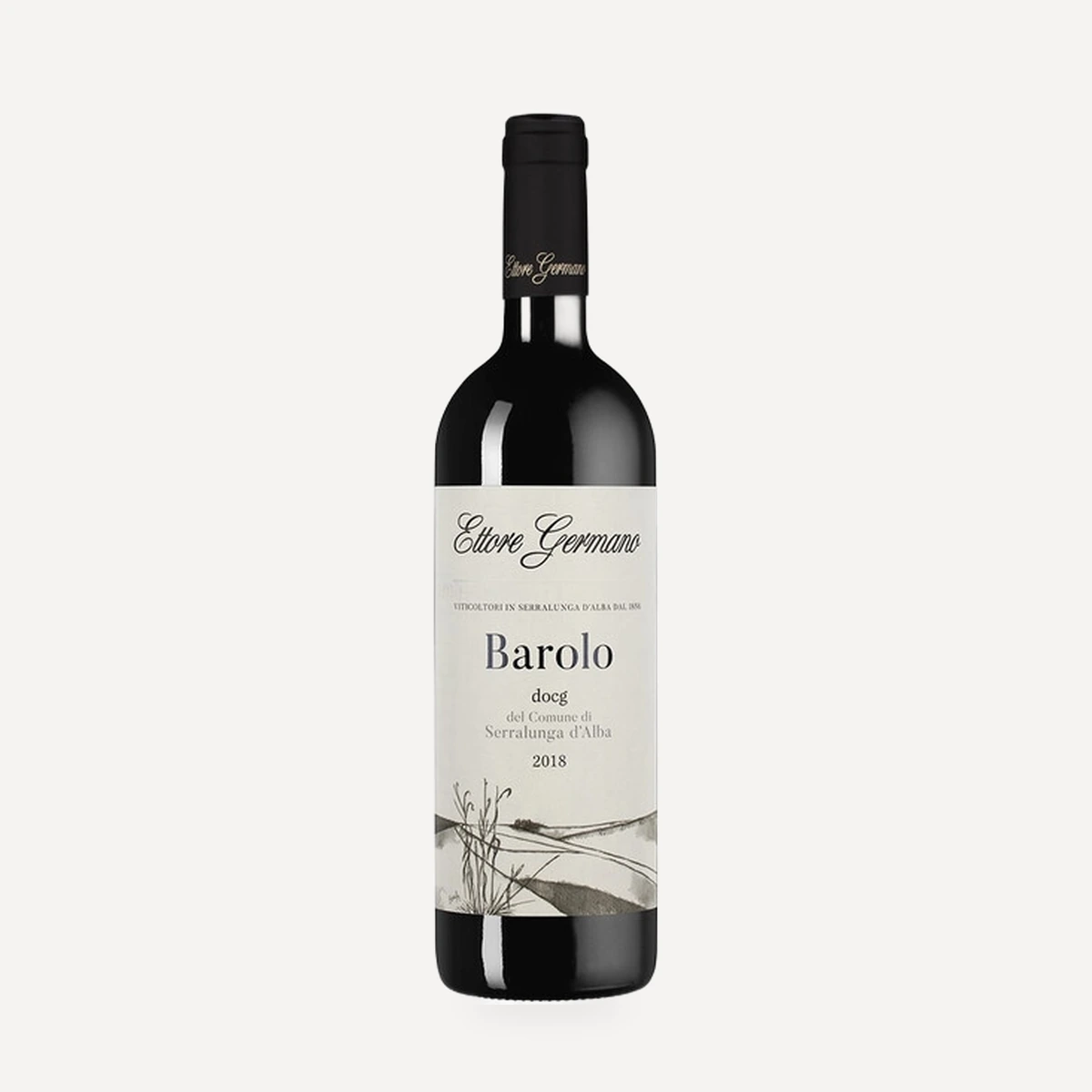
Barolo del Comune di Serralunga d’Alba DOCG
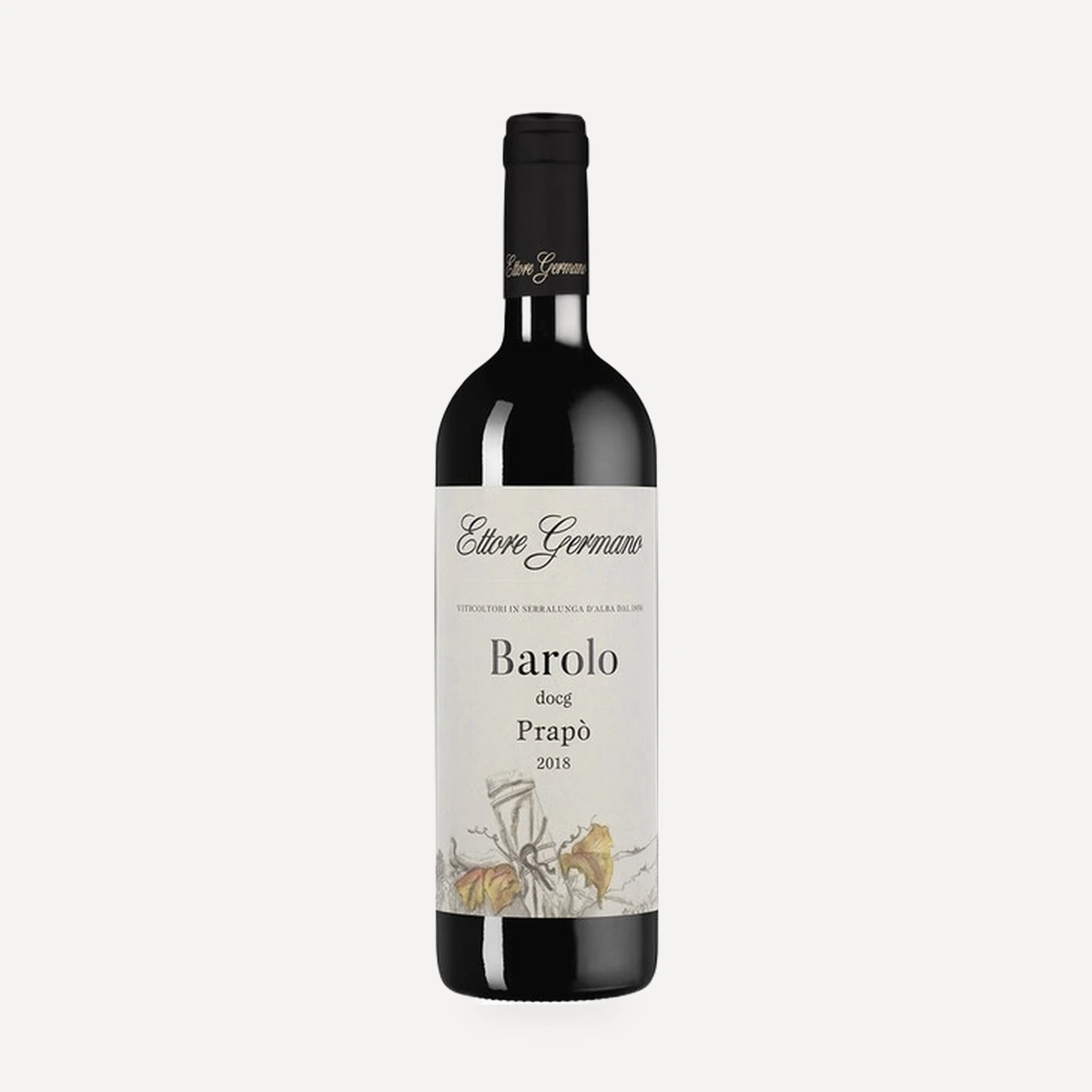
Barolo Prapò DOCG
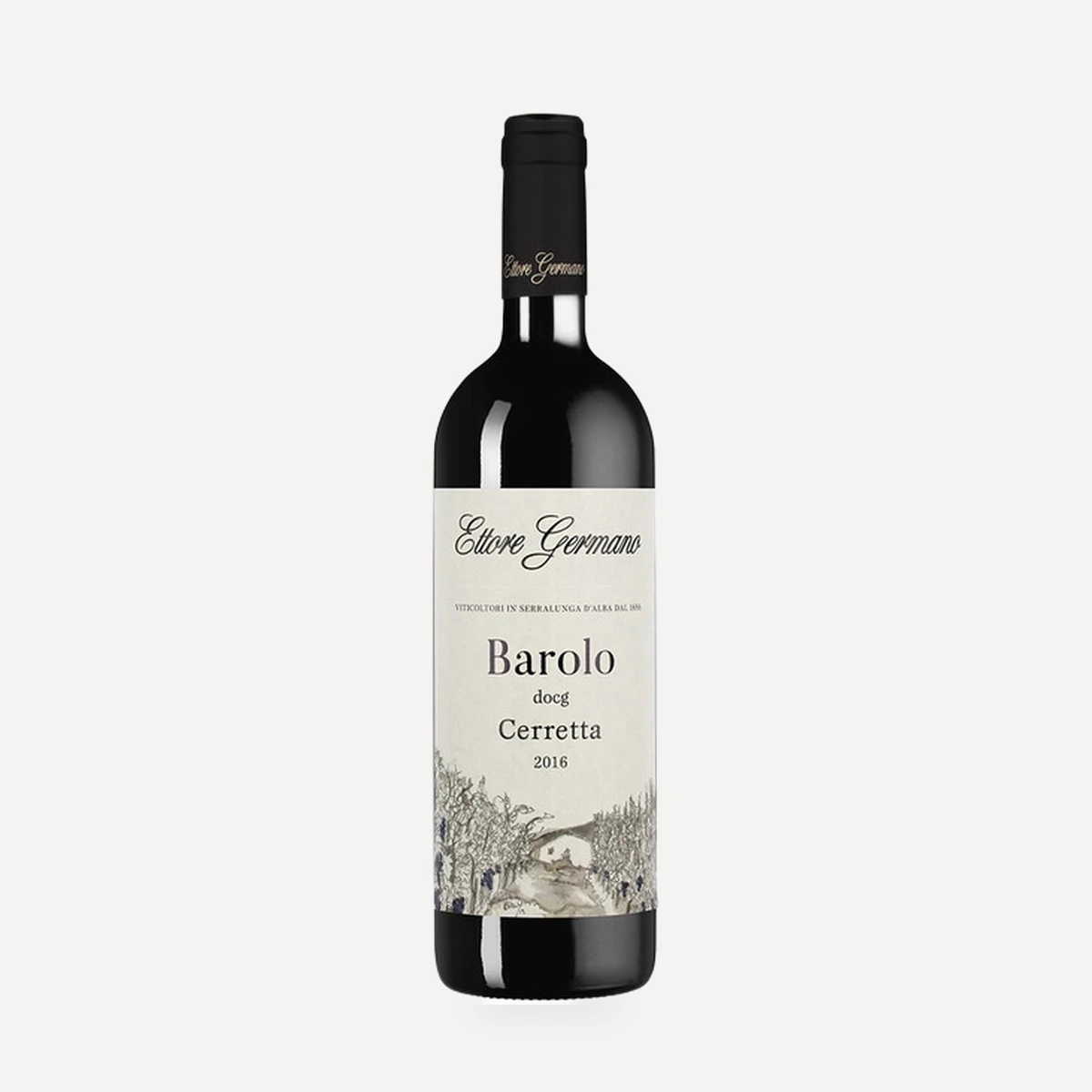
Barolo Cerretta DOCG
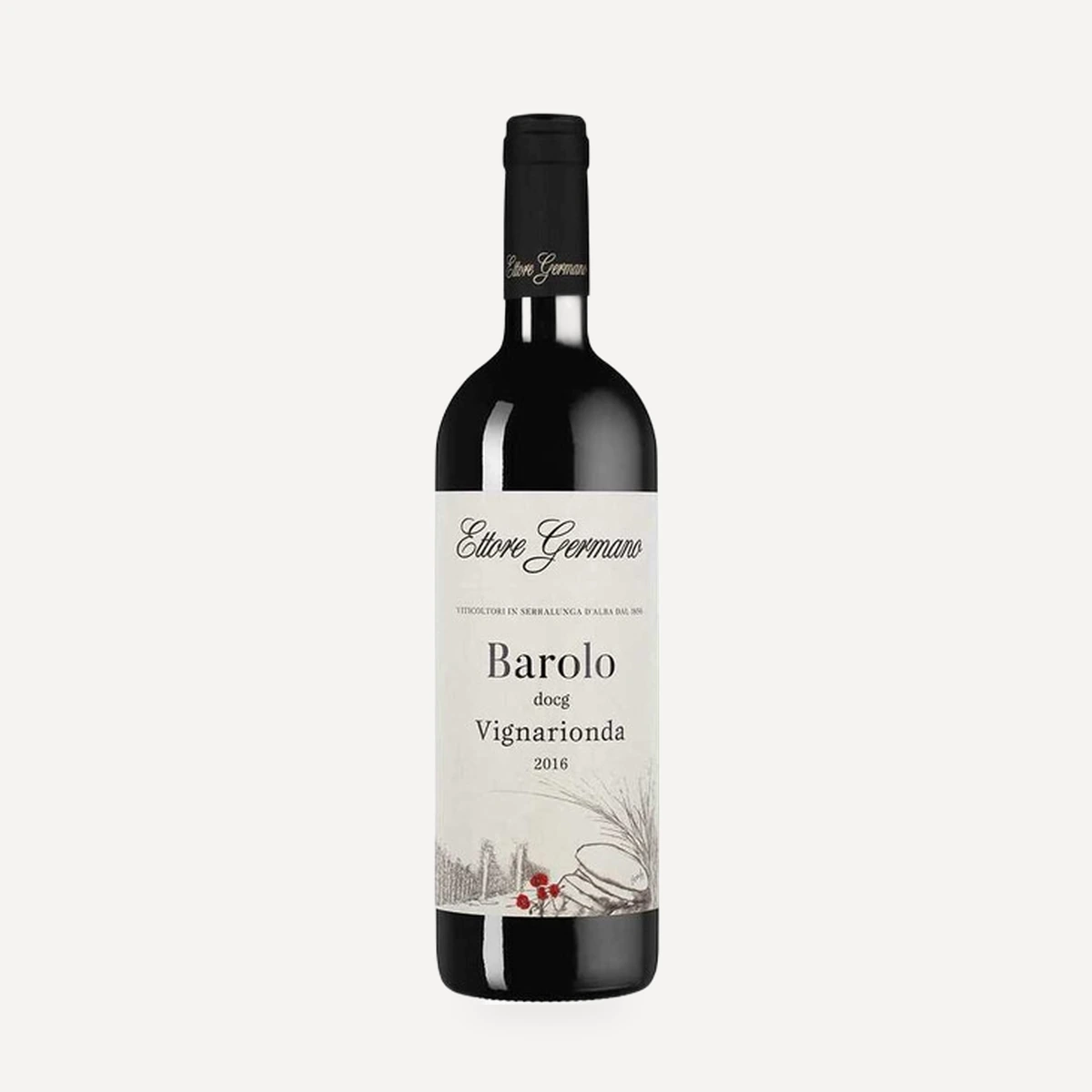
Barolo Vignarionda DOCG