Storia
1937: the agricultural estate is established
Fattoria Castellina was established in 1937 on the Montalbano hills, approximately 20 km from Florence. The agricultural property grew to encompass 110 hectares: 10 hectares of vineyards, 30 hectares of olive groves, 10 hectares of arable land and a substantial surrounding woodland of oaks, acacias, maples, pines and strawberry trees.
The estate also preserves seventeenth-century farm buildings. These later became part of its hospitality activity, while retaining their traditional Tuscan rural architecture.
1998: Fabio and Elisabetta take over management
In 1998, Fabio and Elisabetta assumed responsibility for managing Fattoria Castellina. Motivated by their attachment to farming and nature, they began a period of renewal. Old barns were restored and converted into an agriturismo, while previously uncultivated ground was brought back into agricultural use and planted with new vineyards.
2004: conversion to biodynamics
Following a period of study, Fattoria Castellina adopted biodynamic agriculture in spring 2004. The estate began applying and developing the principles formulated by Rudolf Steiner in 1924. This conversion reshaped both vineyard management and the estate’s understanding of the complete production cycle, from living soil and balanced vines to minimally manipulated cellar work.
Biodynamic preparations, green manures and gentle cultivation became central to the regeneration of the soils. In the cellar, the same approach developed into spontaneous fermentations, restricted use of sulphites, avoidance of conventional oenological additives and maturation in oak, cement and, for Vermentino, terracotta amphorae.
The next generation
Management subsequently passed to Fabio and Elisabetta’s children, Eleonora and Francesco Montomoli. They continue the agricultural path begun by their parents and have reinforced the estate’s biodynamic principles and its relationship with Montalbano.
Under their management, two hectares of new vineyard were planted from massal selections of white Vermentino and Sangiovese, together with several rows of Ciliegiolo. They have also overseen the gradual regeneration of the olive trees and renewed the role of estate-grown olive oil within the farm.
Terroir
Fattoria Castellina lies on the southern slopes and in the heart of Montalbano, west of Florence. The estate is approximately 20 km from the city, while its vineyards occupy elevations between 200 and 300 metres above sea level.
The vineyards face south and southeast. Their open position provides constant ventilation and an uninterrupted horizon extending towards the Tyrrhenian Sea. They are surrounded by dense Mediterranean scrub and by the estate’s woodland.
The soils are sandy loam with a substantial stony component derived from sandstone. Galestro is also identified within estate vineyard soils. This setting combines cultivated vineyards and olive groves with oak, acacia, maple, pine and strawberry-tree woodland.
Montalbano is one of the eight subzones of Chianti DOCG. The wider landscape preserves important Etruscan remains, including Pietramarina, Montereggi, the Tomba dell’Ovo, Sasso di Pietra, the Artimino necropolis and the Montefortini tumulus at Comeana. It also contains several Medici villas forming part of the UNESCO heritage and the approximately 50-kilometre wall of the Barco Reale, which once enclosed the Medici hunting reserve.
Vinificazione
Fattoria Castellina has followed biodynamic agriculture since spring 2004. The approach goes beyond excluding synthetic chemicals: its central objective is to regenerate biological soil fertility and maintain an active community of organic matter, humus, microorganisms, earthworms, insects and other organisms connected with plant roots.
The estate applies preparations 500 (horn manure) and 501 (horn silica), together with compost preparations 502 (yarrow), 503 (chamomile), 504 (nettle), 505 (oak), 506 (dandelion) and 507 (valerian). Green manure is used to build biodiversity: legumes and other plants are sown between the vine rows, allowed to flower, then cut and incorporated through gentle soil cultivation. Elsewhere the estate describes sowing a very broad diversity of plants each year.
Natural plant-protection treatments are made only when required and are restricted to copper and sulphur, with quantities kept as low as possible. Vineyard operations follow lunar rhythms. The intended result is a balanced, resilient vine capable of defending itself and responding to increasingly extreme climatic conditions, thereby reducing the need for treatment.
Harvesting is manual and takes place only when the grapes have reached the desired maturity for the vintage and house style. The fruit is transported in ventilated crates so that it reaches the cellar fresh and intact.
Harvest and reception
Grapes are picked by hand at full maturity and transported to the cellar in ventilated crates to protect freshness and physical integrity.
Fermentation and extraction
Fermentations begin spontaneously, without engineered yeasts. Enzymes, added tannins, chemical products and conventional oenological processing aids are excluded. Fermentations are monitored daily, with extraction managed through manual punch-downs, délestage and pump-overs. Small additions of sulphites are made only when considered necessary.
Steel and cement tanks are used primarily during fermentation. The estate also works with terracotta amphorae for Vermentino, connecting this method with the ancient Etruscan history of the territory.
Maturation
Large oak vessels are preferred for Sangiovese, while smaller, previously used oak vessels are employed for international varieties. Cement and steel are also used for maturation, depending on the wine. Amphora-fermented Vermentino may remain in terracotta on its fine lees.
Bottling
The general cellar practice is bottling without filtration or stabilization, followed by at least three months of bottle ageing before release. Individual bottlings may follow specifically declared variations, including cartridge filtration. Total sulphur dioxide in the wines is limited to a maximum of 40 mg/L.
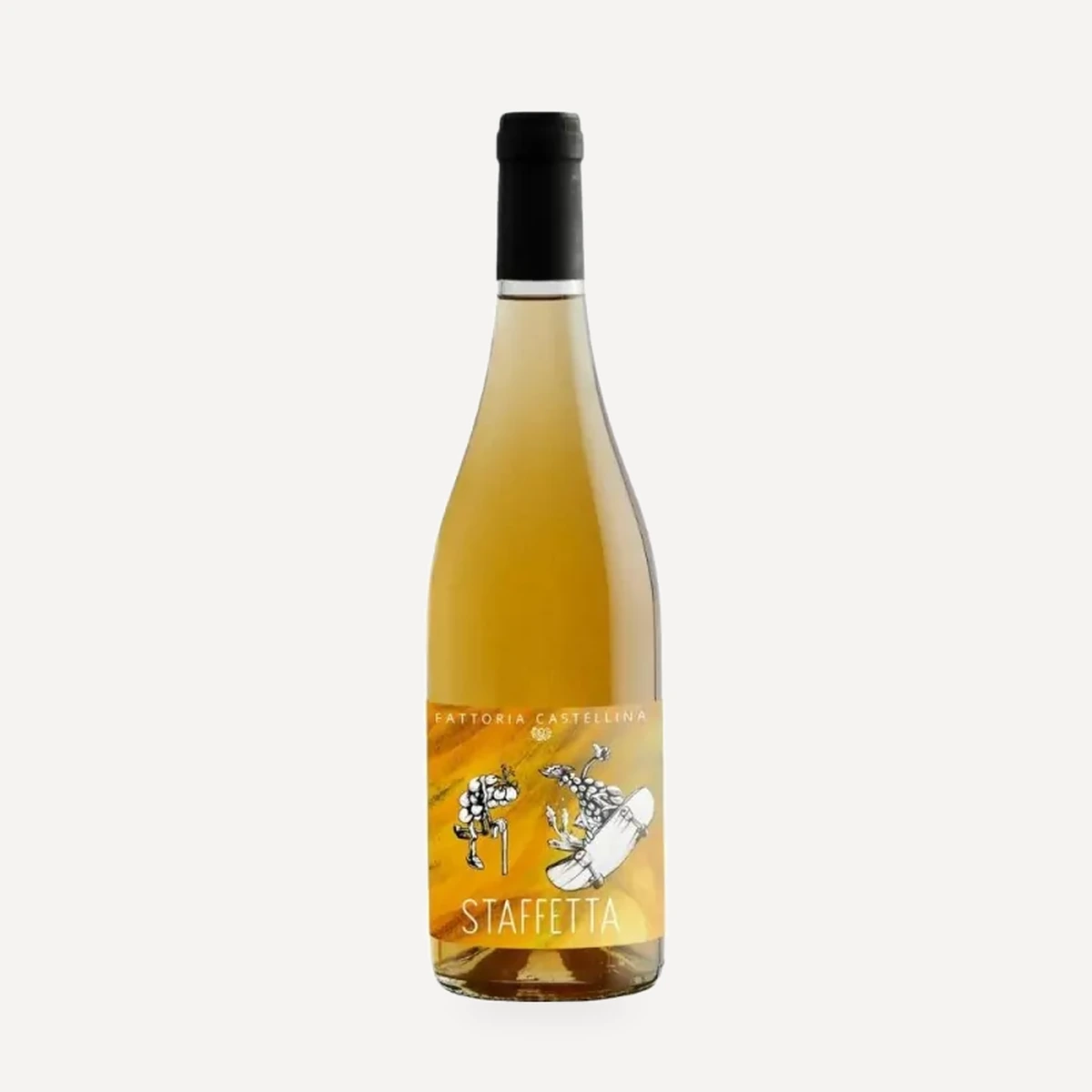
The cellar produces single-variety wines from Merlot, Syrah, Sangiovese and Vermentino, alongside Chianti Montalbano DOCG, Chianti Riserva DOCG and Toscana IGT wines.
Filosofia
Fattoria Castellina treats the farm as a complete living cycle linking soil, plant, fruit and cellar. Its biodynamic philosophy gives priority to biological soil fertility, biodiversity and the vine’s ability to remain balanced and resilient within its own pedoclimatic setting.
The role of the grower is understood as supporting and accompanying the plant rather than forcing it. Synthetic chemicals are excluded; copper and sulphur are reserved for situations in which intervention is necessary and are used as sparingly as possible. Lunar rhythms inform the work, while green manures and biodynamic preparations are intended to regenerate the soil.
The same principle continues in the cellar. The goal is to guide the natural transformation of grapes into wine without disguising the character of the fruit or the territory. Spontaneous fermentation, the exclusion of conventional additives, restrained sulphur use and maturation in vessels selected for the variety are intended to preserve vitality, vintage character and varietal identity.
Eleonora and Francesco Montomoli connect this approach with family continuity, respect for the rhythms of nature and renewed roots in Montalbano. Their new massal-selection plantings and regeneration of the olive groves extend that philosophy beyond wine alone.
Vini
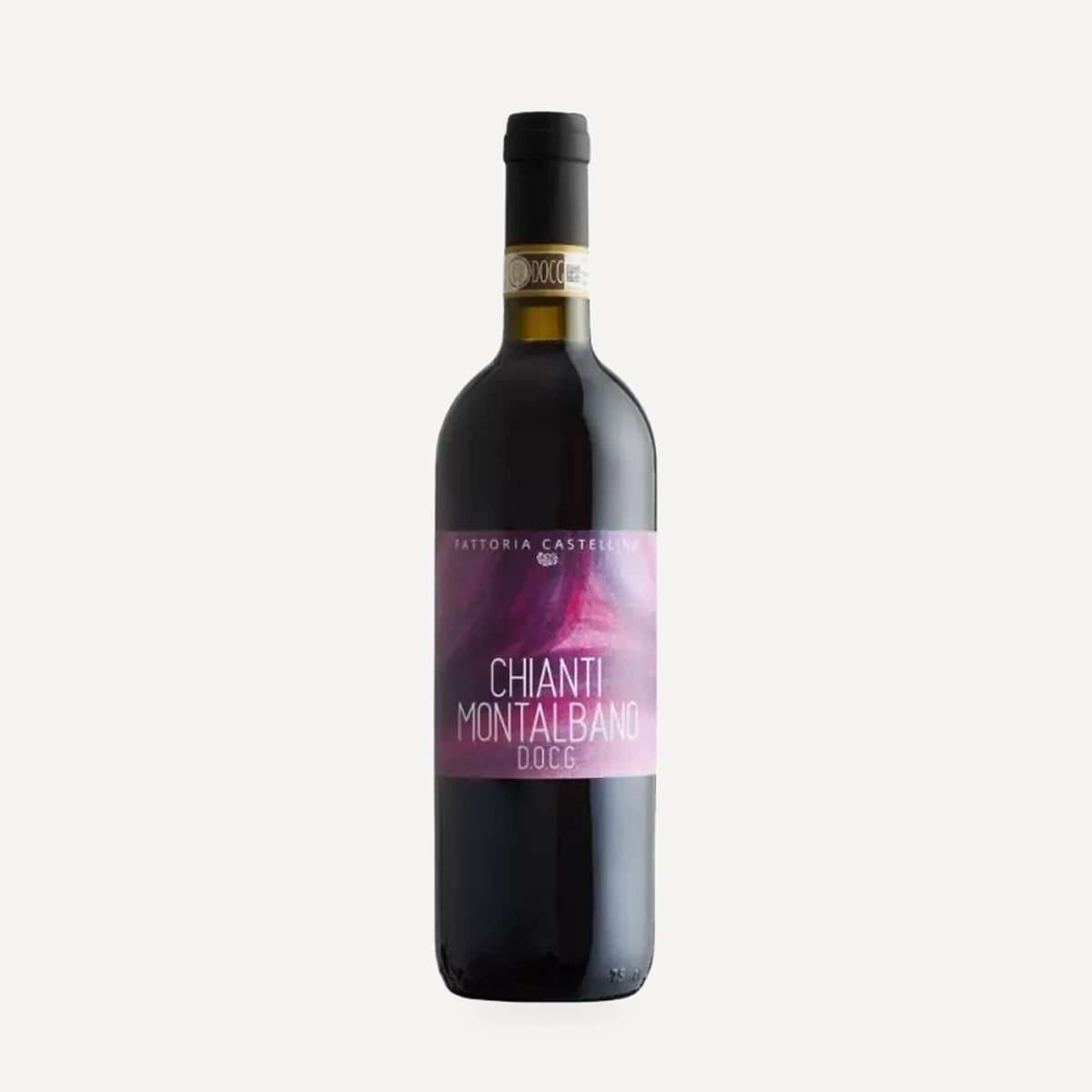
Chianti Montalbano D.O.C.G. Fattoria Castellina
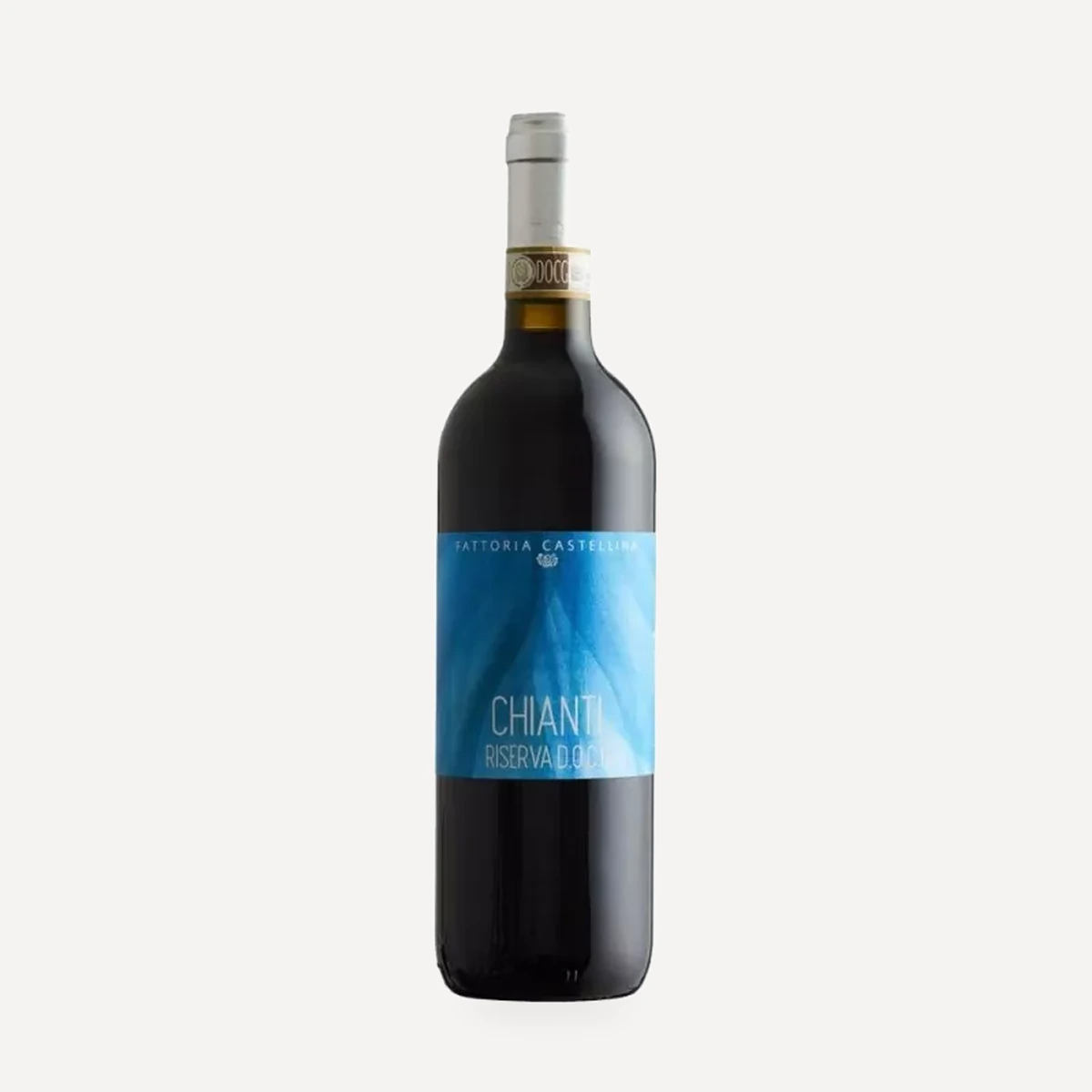
Chianti Montalbano D.O.C.G. Riserva Fattoria Castellina
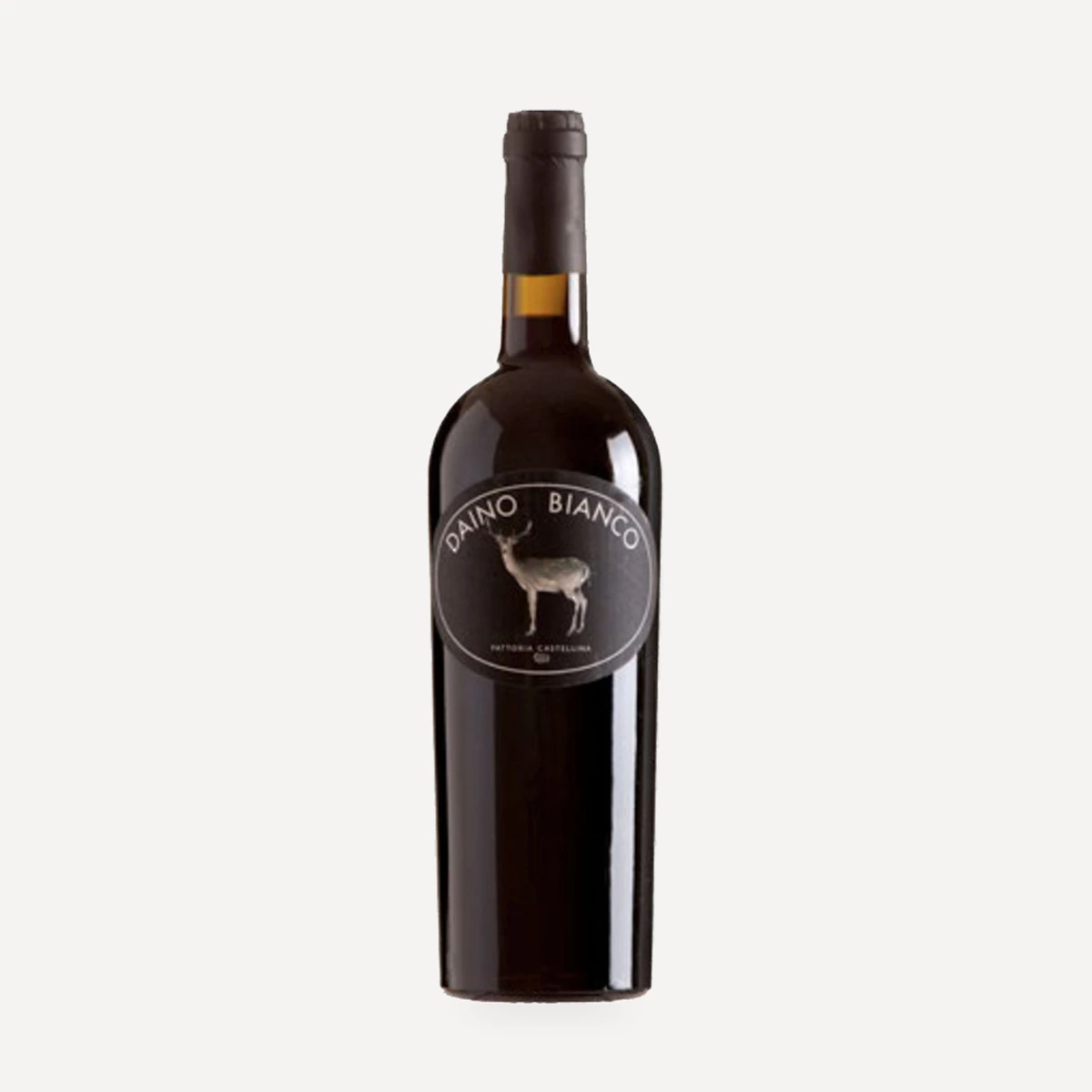
Daino Bianco Fattoria Castellina
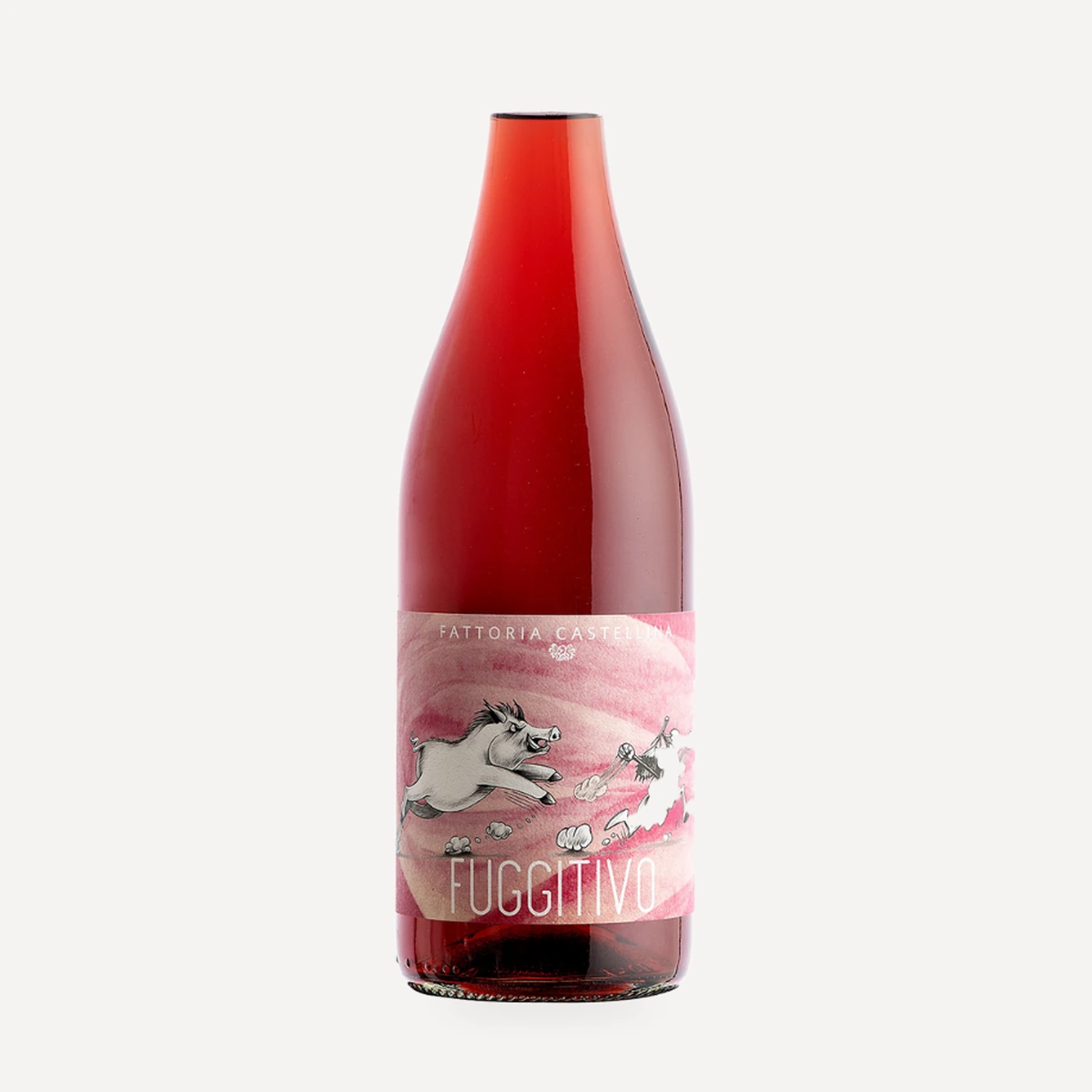
FUGGITIVO Fattoria Castellina
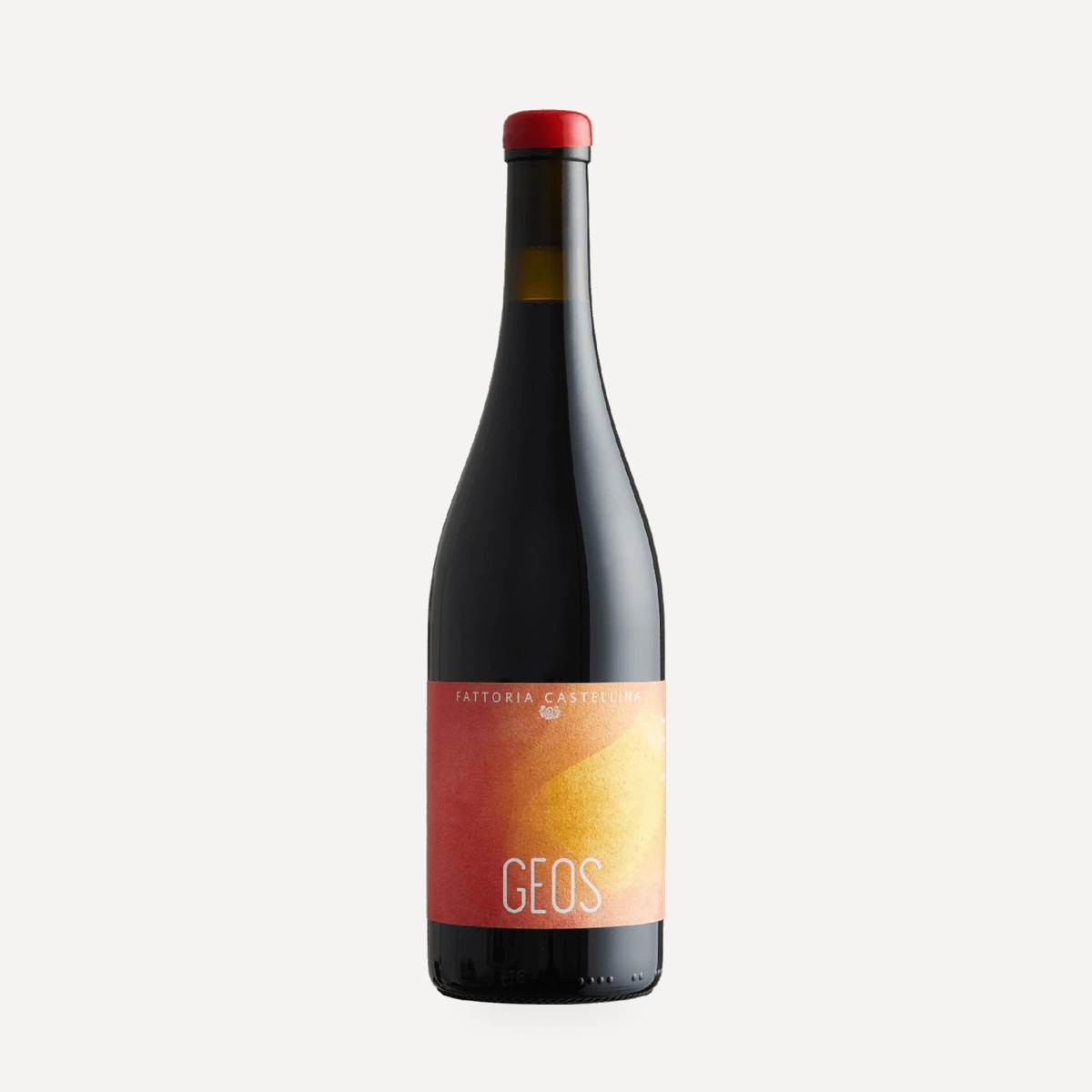
GEOS Fattoria Castellina
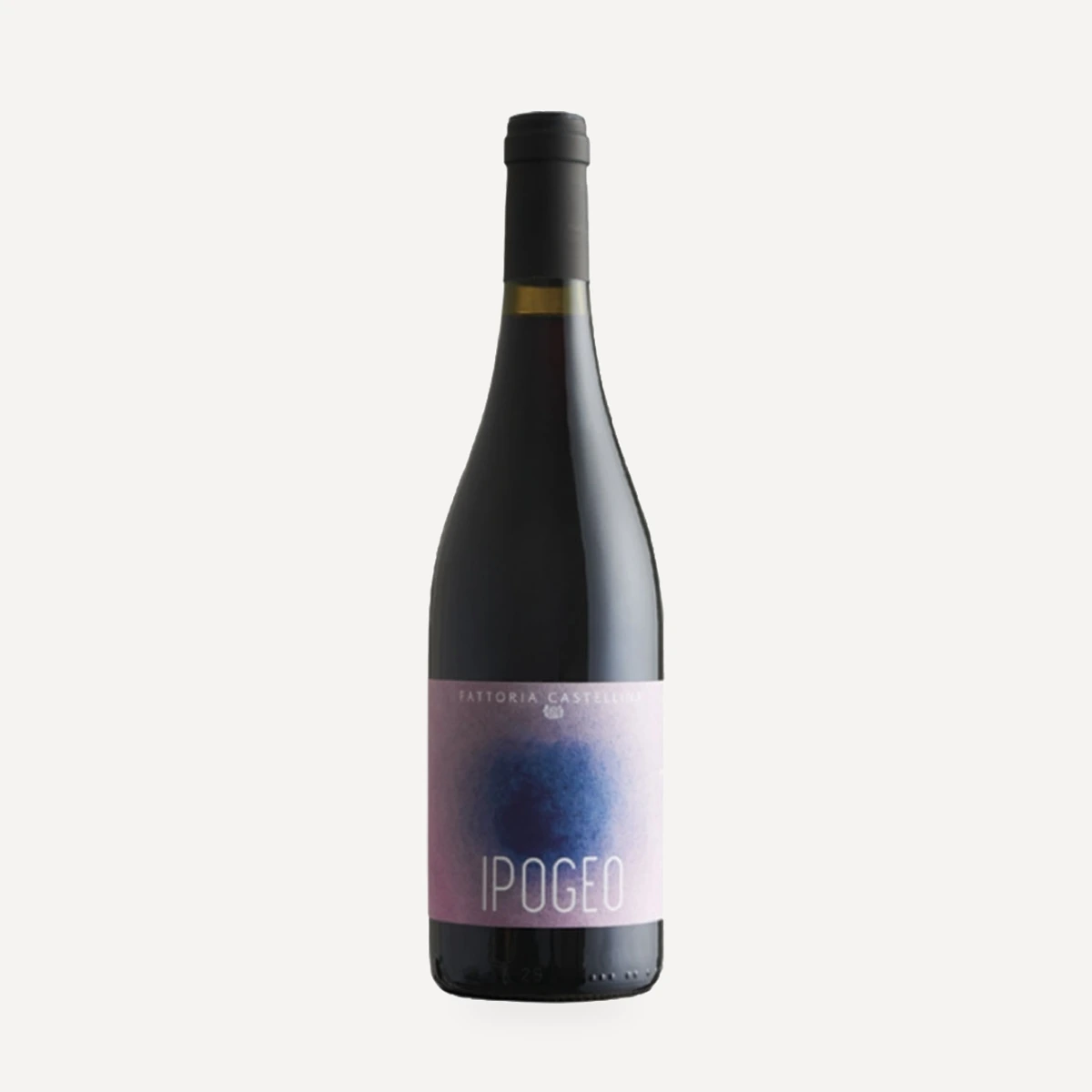
IPOGEO Fattoria Castellina
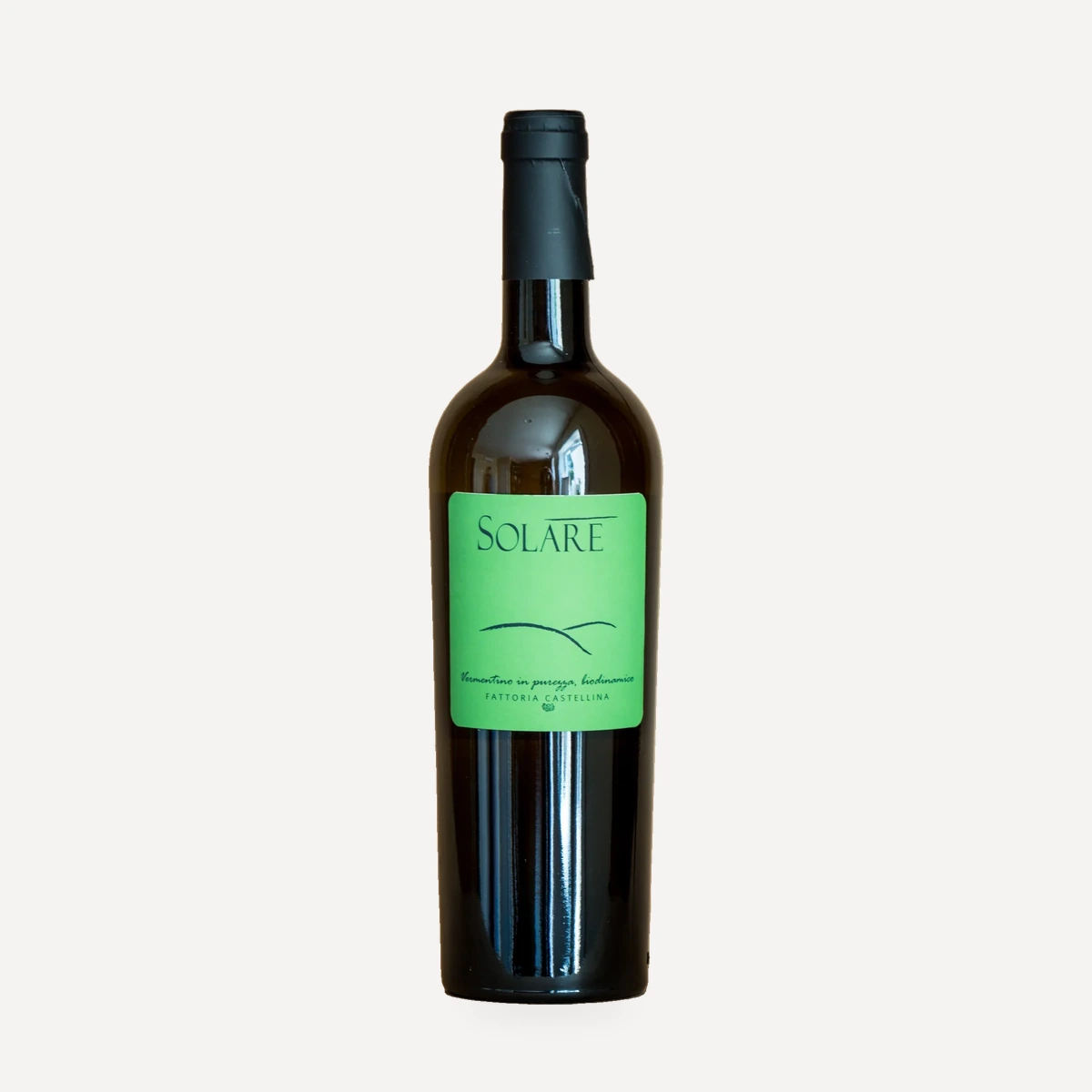
SOLARE Fattoria Castellina
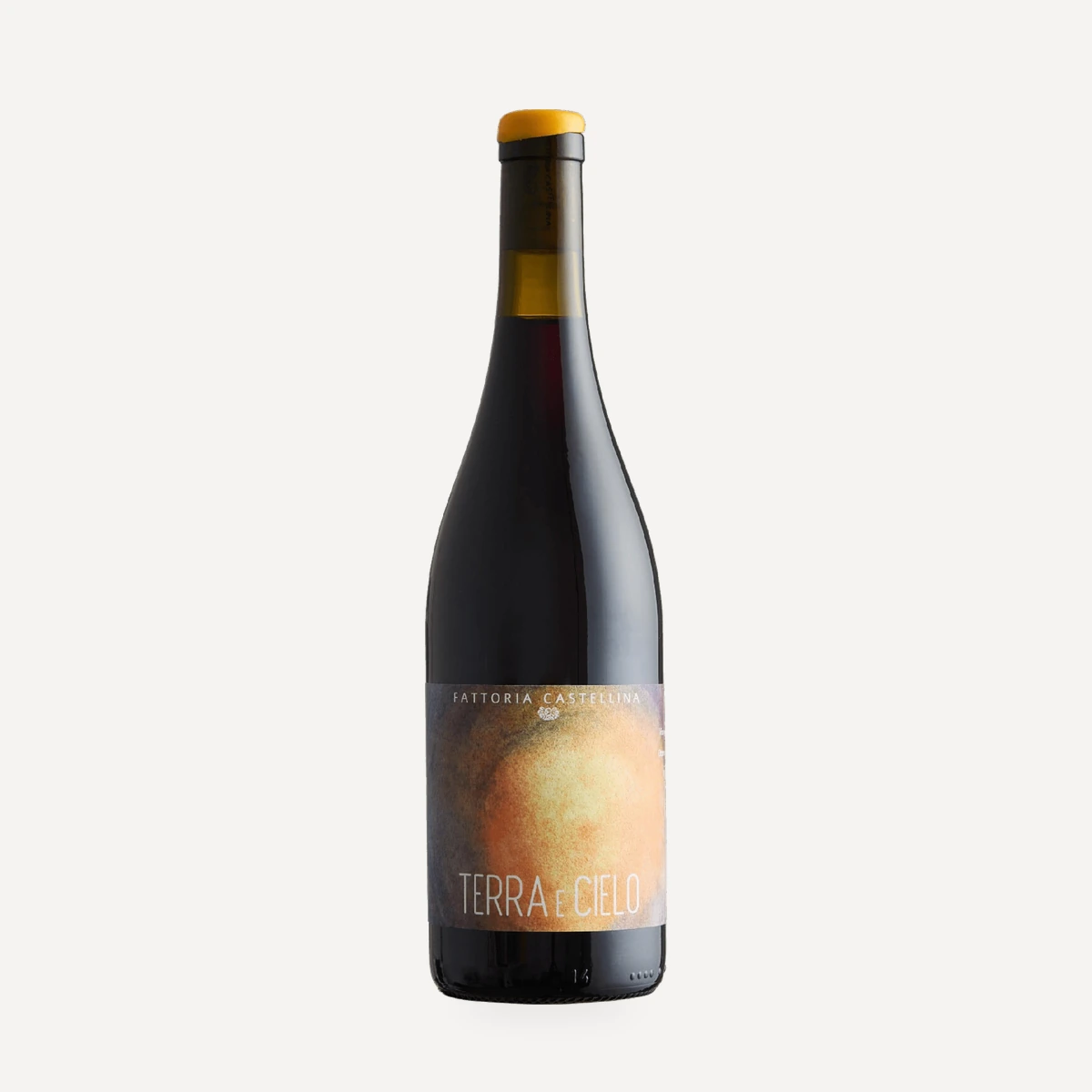
Terra e Cielo Fattoria Castellina